Most Complete Lebanon Travel Guide 2026-2027 – Everything You Need to Know Before Visiting
This Lebanon travel guide provides everything you need to plan your journey to the Pearl of the Middle East. Lebanon offers an extraordinary blend of Mediterranean coastline, snow-capped mountains, ancient Phoenician and Roman ruins, vibrant nightlife, and world-class cuisine that create one of the region’s most diverse travel experiences. Many travelers who want to travel to Lebanon are surprised by the country’s incredible diversity and rich cultural heritage spanning Phoenician, Roman, Crusader, Ottoman and French influences. Despite its small size (10,452 km²), Lebanon packs Beirut’s cosmopolitan energy, Jeita Grotto, Baalbek’s colossal temples, and the sacred Cedars of God into one unforgettable destination.
Start Reading the Full Guide ↓Quick Facts About Lebanon
- Capital: Beirut.
- Currency: Lebanese Pound (LBP) – USD widely accepted.
- Time Zone: Eastern European Time (EET, UTC+2; +3 in summer).
- International Calling Code: +961.
- Driving Side: Right.
- Major Airport: Beirut–Rafic Hariri International Airport (BEY).
Lebanon Overview & Key Facts
Brief History of Lebanon
Lebanon’s history spans over 7000 years, from the ancient Phoenicians who founded city-states like Byblos, Tyre and Sidon to Roman, Byzantine, Arab, Crusader, Ottoman and French rule. Beirut was rebuilt eight times and is one of the oldest continuously inhabited cities on Earth. This rich historical tapestry creates a fascinating backdrop for modern travelers exploring archaeological treasures and cultural sites.
Independence & National Identity
- Independence date: November 22, 1943.
- Former colonial power: France (mandate 1920–1943).
- National symbols & identity.
Lebanon gained independence from the French Mandate in 1943. The national pact established a unique confessional system distributing political power among religious communities. The Lebanese flag features a green cedar (symbol of holiness, eternity and peace) between two red stripes representing sacrifice.
Government System & Current Leadership
- Type of government: Parliamentary confessional republic
- Current president: Vacant (as of 2025); caretaker government operating
- Notes on political stability
Lebanon operates under a confessional system where the president must be Maronite Christian, the prime minister Sunni Muslim, and the speaker of parliament Shi’a Muslim. The country has been without a president since October 2022 and operates under a caretaker government. Travelers should stay informed about current conditions.
Population, Ethnic Groups & Languages
- Population: ≈5.5 million (2025 estimate, plus millions in diaspora).
- Major groups: 18 officially recognized religious sects.
- Official language: Arabic.
- Additional languages commonly spoken.
Arabic is official, but French and English are widely spoken (trilingualism common). Approximately 40% Christian (mainly Maronite), 60% Muslim (Sunni, Shi’a, Druze). The diaspora is estimated at 15–20 million, often more prosperous than residents.
Main Religions & Cultural Identity
Lebanon is the only Arab country with a Christian plurality in modern history and remains the most religiously diverse in the Middle East. 18 sects are officially recognized. Religious identity strongly influences culture, politics and daily life, yet coexistence and intermarriage are common, especially in Beirut.
Geography & Natural Landscape
Lebanon features Mediterranean coastline, the Mount Lebanon range (highest peak Qurnat as Sawda 3,088 m), the fertile Bekaa Valley and the Anti-Lebanon mountains on the Syrian border. You can ski in the morning and swim in the afternoon in winter.
Economy & Tourism Highlights
Despite economic crisis since 2019, tourism is rebounding strongly. Lebanon is famous for its cuisine (considered among the best in the world), nightlife, archaeological sites, and winter sports. The government and private sector are heavily promoting tourism recovery.
What Lebanon Is Known For
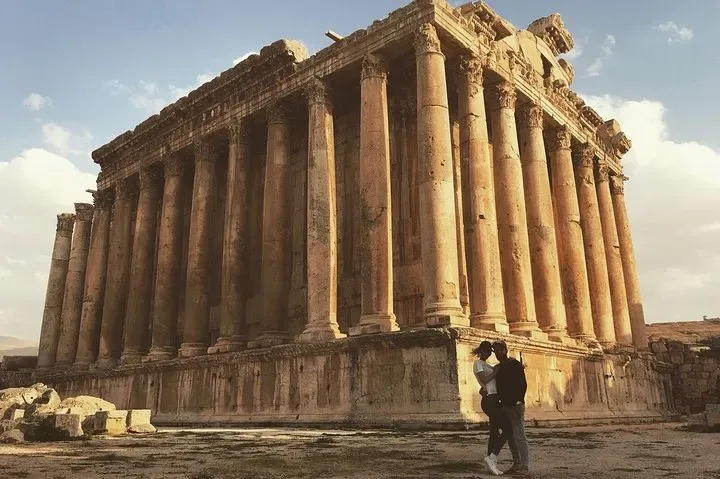
- Baalbek – largest Roman temples in the world
- Jeita Grotto – finalist in New7Wonders of Nature
- Beirut nightlife and dining scene
- The Cedars of God – ancient trees mentioned in the Bible
- World-class Lebanese cuisine and wine
Visa & Entry Requirements in Lebanon
Most nationalities receive a free tourist visa on arrival at Beirut Airport (1 month, extendable to 3). Some nationalities require pre-approval or embassy visa. Entry can be refused if passport shows evidence of travel to Israel.
Do You Need a Visa?
Over 80 nationalities get visa-free or visa-on-arrival. GCC citizens, some European, American, Canadian, Australian and many others get 1–3 months free on arrival. Check the latest list as rules change frequently.
Visa Application Options in Lebanon
- Visa on arrival (most common)
- Free 48-hour transit visa
- Embassy visa for restricted nationalities
Visa-on-arrival is issued free at Beirut airport or land borders. You need a passport valid 6+ months, return/onward ticket, and hotel booking or host address.
Passport Validity & Entry Documents
Passport must be valid 6 months. No Israeli stamps or visas (including border stamps from Egypt/Jordan). Having an Israeli stamp will result in immediate refusal of entry.
Customs Rules & Prohibited Items
Drones require prior permission. Large amounts of cash (over $10,000) must be declared. Alcohol and pork products allowed for non-Muslims within reasonable personal quantities.
Safety & Security Information in Lebanon
Tourist areas (Beirut, Byblos, Jeita, Batroun, Cedars, most of Mount Lebanon) are generally safe. Avoid the southern suburbs of Beirut, Tripoli (some areas), and anywhere south of the Litani River.
Is Lebanon Safe for Tourists?
Yes in tourist areas. Crime against tourists is low. Most travel advisories list Beirut and northern tourist areas as Level 2–3 (exercise caution/increased caution). Avoid border areas with Syria and south Lebanon.
Recommended Safety Tips when in Lebanon
Stay aware of your surroundings, avoid political gatherings, don’t discuss politics or religion with strangers, use licensed taxis or Uber/Careem, keep valuables discreet, and follow local advice.
Safe Areas vs. Areas to Avoid in Lebanon
Safe: Beirut (Hamra, Gemmayze, Downtown, Achrafieh), Byblos, Jounieh, Batroun, Faraya, Cedars, Jeita, Baalbek (with guide recommended). Avoid: Southern suburbs of Beirut, Palestinian camps, Tripoli Tabbaneh-Jabal Mohsen, south of Litani River.
Emergency Numbers & Tourist Police in Lebanon
- Police: 112
- Medical Emergency: 140 (Red Cross)
- Fire: 175
- Tourist Police: 1735
Tourist Police operate in English and are very helpful.
Health Requirements & Vaccinations in Lebanon
No mandatory vaccinations except yellow fever if arriving from endemic countries. Quality private hospitals in Beirut are excellent.
Mandatory Vaccinations in Lebanon
None except yellow fever certificate if coming from affected countries.
Recommended Vaccinations in Lebanon
Hepatitis A, Typhoid, routine vaccines. Hepatitis B if longer stay or medical exposure.
Malaria & Other Risks
No malaria risk. Tap water generally safe in Beirut but bottled recommended elsewhere.
Travel Insurance Recommendations in Lebanon
Highly recommended – must cover medical evacuation. Private hospitals require payment upfront (often in USD).
Best Time to Visit in Lebanon
Spring (April–June) and autumn (September–November) offer perfect weather. Winter for skiing, summer for beaches.
Weather by Season
Spring and autumn: 20–28°C perfect. Summer coastal 30–35°C (humid). Winter mountains 0–10°C with snow; Beirut mild 15°C.
When to Visit Lebanon for Best Experiences
- Skiing: December–March
- Festivals (Baalbeck, Byblos, Beiteddine): July–August
- Wine harvest: September–October
- Hiking: April–June & September–November
Beaches busy July–August but very hot.
High Season vs. Low Season Travel
High season: July–August and Christmas/New Year. Shoulder seasons best value and weather.
Weather & Climate Overview in Lebanon
Mediterranean climate with four distinct seasons. Hot humid summers, mild wet winters, and snow in mountains.
Temperature Ranges
Coastal summer 30–35°C, winter 12–18°C. Mountains winter below zero with heavy snow; summer 25–30°C.
Rainy & Dry Seasons in Lebanon
Rainy season November–March (mostly Dec–Feb). Dry season May–October.
What to Wear Based on the Weather
Light clothing + jacket for evenings. Modest attire outside Beirut. Warm layers if visiting mountains in winter.
Main Currency, Costs & Budgeting in Lebanon
USD is king – bring crisp new USD bills. Lebanese Pound (LBP) used but exchange rate fluctuates wildly.
Local Currency Information
Lebanese Pound (LBP) official, but USD accepted everywhere (often preferred). ATMs dispense both.
Average Travel Costs in Lebanon
Budget $60–100/day, mid-range $120–200, luxury $250+. Food and transport remain very affordable.
Using ATMs, Cards & Mobile Money in Lebanon
ATMs widely available. Credit cards accepted in Beirut hotels/restaurants. Cash (USD) essential outside Beirut.
Tipping Guidelines in Lebanon
10–15% in restaurants (often included). $1–2 for valet, housekeeping, etc.
Transportation & Getting Around in Lebanon
No trains. Shared taxis, private drivers, Uber/Careem in Beirut.
Airport Transfers
Official airport taxis $30–40 to Beirut. Uber/Careem cheaper. Private transfers available.
Local Transport Options in Lebanon
Service taxis (shared), private taxis, Uber/Careem in Beirut. Buses exist but irregular. Car rental possible but driving chaotic.
Lebanon Domestic Flights
None – country too small.
Car Rentals & Road Conditions in Lebanon
Rental cars available. Driving style aggressive; mountain roads winding. Self-drive possible but private driver often preferred.
Accommodation Options available in Lebanon
From hostels to 5-star hotels in Beirut, boutique guesthouses in mountains and villages.
Types of Accommodations in Lebanon
Hostels, budget hotels, boutique guesthouses, luxury chains (Four Seasons, Phoenicia, etc.), Airbnb.
Budget vs. Mid-Range vs. Luxury
Budget $30–70, mid-range $80–150, luxury $200+ (Beirut higher).
Best Areas to Stay in Lebanon
Beirut: Hamra, Gemmayze/Mar Mikhael, Downtown. Mountains: Broumana, Bhamdoun, Faraya (ski).
Essential Packing Guide when Visiting Lebanon
Versatile clothing for city, mountain and beach. Bring USD cash.
Clothing Essentials
Stylish clothes for Beirut nightlife, modest options for villages, warm layers for mountains, swimwear.
Footwear & Gear
Comfortable walking shoes, heels for Beirut nights, hiking shoes if mountains.
Electronics & Cameras
European plugs (Type C/D/G), power banks useful during outages.
Toiletries & Personal Items
Prescription meds, sunscreen, adapter.
Language & Communication in Lebanon
Trilingual society – Arabic, French, English all widely spoken.
Main Languages Spoken in Lebanon
Arabic official, but English and French dominant in educated circles and tourism.
Useful Phrases for Tourists
“Marhaba” (hello), “Shukran” (thank you), “Kefak” (how are you – to male), “Kefik” (to female).
SIM Cards & Mobile Data used in Lebanon
Touch and Alfa at airport. Cheap data plans.
Internet Availability & Wi-Fi in Lebanon
Wi-Fi in most cafés and hotels. 4G/5G coverage good.
Culture & Etiquette in Lebanon
Extremely hospitable people. Dress liberal in Beirut, conservative elsewhere.
Lebanese Dress Code Expectations
Beirut very fashionable and liberal. Outside Beirut modest dress appreciated.
Social Etiquette & Respectful Behavior of Lebanon
Accept offers of coffee/tea, greet with “Marhaba”, don’t refuse food.
Photography Rules in Lebanon
Ask permission for people. No photos of military/police.
Important Cultural Dos & Don’ts in Lebanon
Do accept hospitality. Don’t discuss politics or sectarian issues. Don’t refuse food/drink when offered.
Food, Water & Dining in Lebanon
Lebanese cuisine is considered one of the best in the world.
Lebanese Local Dishes to Try
Hummus, tabbouleh, kibbeh, fattoush, manakish, shawarma, knefe, Lebanese wines (Château Ksara, Kefraya, Musar).
Dietary Options in Lebanon
Plenty of vegetarian mezze. Halal standard. Vegan options common.
Drinking Water Safety
Bottled water recommended outside Beirut.
Restaurant Etiquette
Tipping 10–15%. Sharing dishes normal.
Top Attractions & Things to Do in Lebanon
Beirut, Jeita Grotto, Baalbek, Byblos, Cedars, Tyre, Sidon, Anjar, Chouf Cedars, wine tasting, skiing.
Major Tourist Attractions in Lebanon
- Beirut – nightlife, museums, Corniche
- Jeita Grotto
- Baalbek Roman temples
- Byblos – oldest continuously inhabited city
- Cedars of God
UNESCO sites: Byblos, Baalbek, Tyre, Anjar, Qadisha Valley.
Best Tours & Experiences in Lebanon
Wine tours, food tours, Baalbek & Anjar day trip, Jeita + Byblos, hiking Qadisha Valley.
Family-Friendly Activities to do in Lebanon
Beaches, Jeita Grotto cable car, Beirut Luna Park, skiing, horse riding.
Unique Cultural or Historical Sites to visit in Lebanon
Phoenician sites, Roman Baalbek (largest temples ever built), Crusader castles, Ottoman palaces.
Lebanese Electrical System Information
220–240V, 50Hz. Plugs C, D, G common.
Plug Types & Voltage used in Lebanon
Types C (Euro), D (old British), G (UK). Bring universal adapter.
Charging Tips
Power cuts occasional – hotels have generators.
Local Laws & Regulations of Lebanon
Photography of military prohibited. Drugs severe penalties. LGBTQ scene exists in Beirut but same-sex activity technically illegal.
Rules Travelers Need to Know when In Lebanon
No Israeli stamps. Drones need permit. Respect religious sensitivities.
Alcohol, Smoking & Substance Laws of Lebanon
Alcohol widely available. Smoking common (including shisha). Cannabis tolerated but technically illegal.
Restricted or Protected Areas in Lebanon.
South of Litani River, some border areas, Palestinian camps.
Final Travel Tips for Visitors in Lebanon
Bring USD cash, use licensed guides for Baalbek, download offline maps, try the food, enjoy the hospitality.
Common Mistakes to Avoid
Bringing old/damaged USD bills, discussing politics, visiting south Lebanon without local advice.
Tips to Save Money when Visiting Lebanon
Stay outside central Beirut, eat local, use service taxis, travel in shoulder season.
Safety & Comfort Tips
Use Uber/Careem at night, keep emergency numbers, register with your embassy if required.
Frequently Asked Questions – Lebanon Travel Guide 2026-2027
Our Tanzania Tours Products
While Lebanon offers incredible Roman ruins, Mediterranean cuisine and mountain adventures, many travelers combine the Middle East with the ultimate wildlife experience in East Africa. Capable Africa Tours specializes in secure, guided safaris that maximize safety and wonder. Our expert local guides, armed rangers in parks, and vetted accommodations ensure peace of mind. From family-friendly lodges to luxury camps, we handle logistics so you focus on the magic. Tanzania ranks high for tourist safety with dedicated wildlife protection units and stable northern circuits.
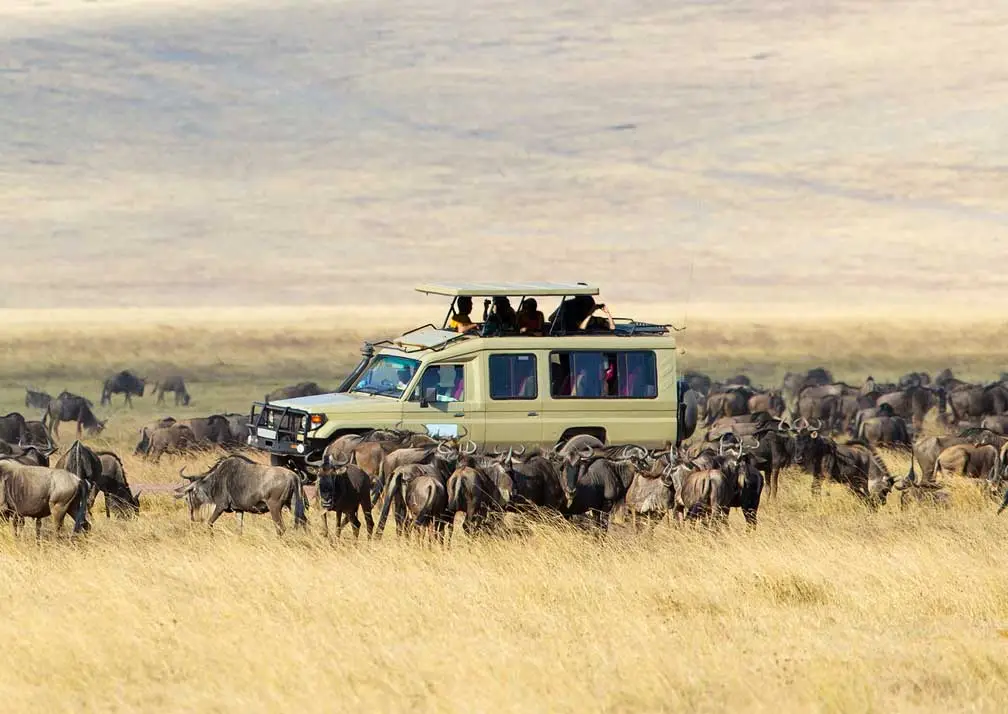
Great Migration Safaris
Experience one of nature's greatest spectacles with our Great Migration safari packages, timed for river crossings or calving.
View Package →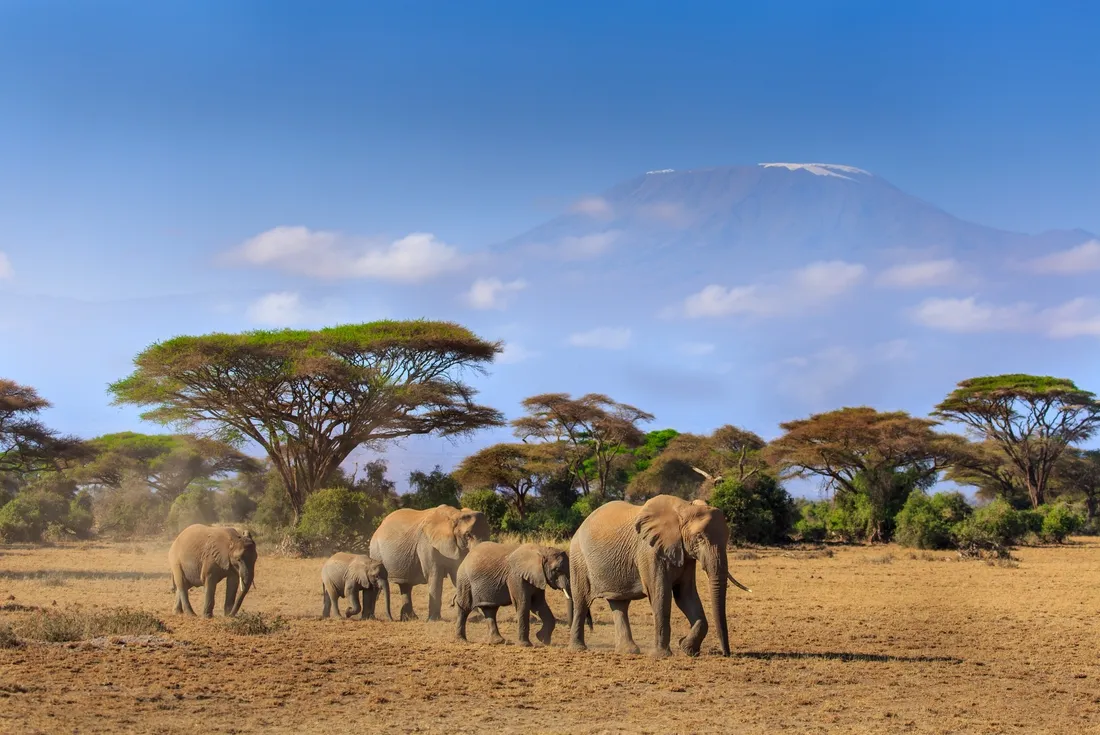
Serengeti & Kilimanjaro Trek
Combined safari and trekking tours offer wildlife adventures and Kilimanjaro climbs.
View Package →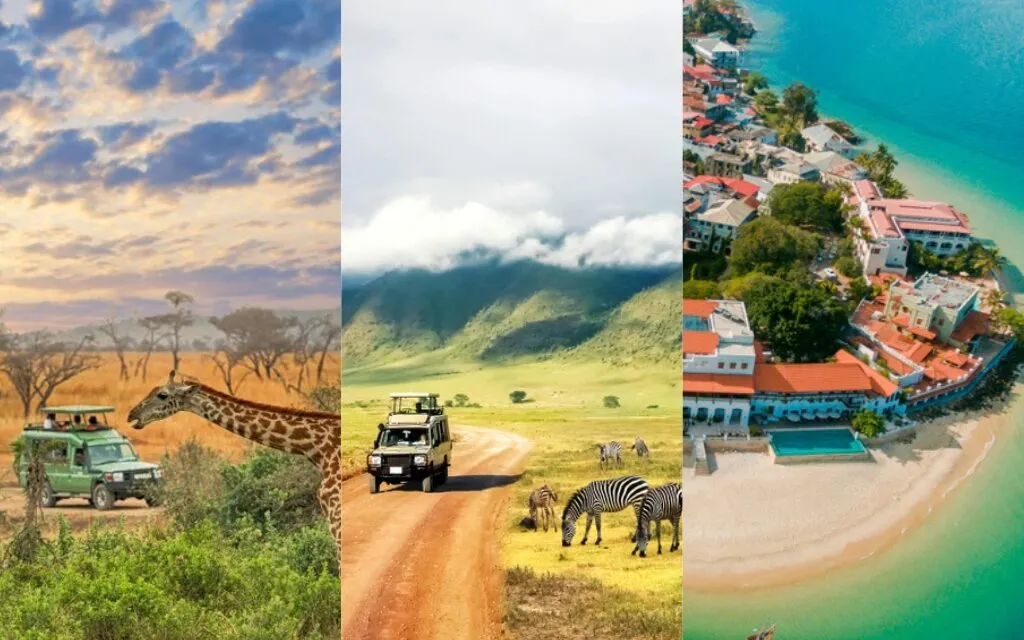
Serengeti & Zanzibar Tours
Luxury Tanzania safari & beach packages with the Great Migration and pristine beaches.
View Package →Related: Best Time to Visit Tanzania 2026 – Perfect safari extension after your Lebanon adventure.