Most Complete Lesotho Travel Guide 2026-2027 – Everything You Need to Know Before Visiting
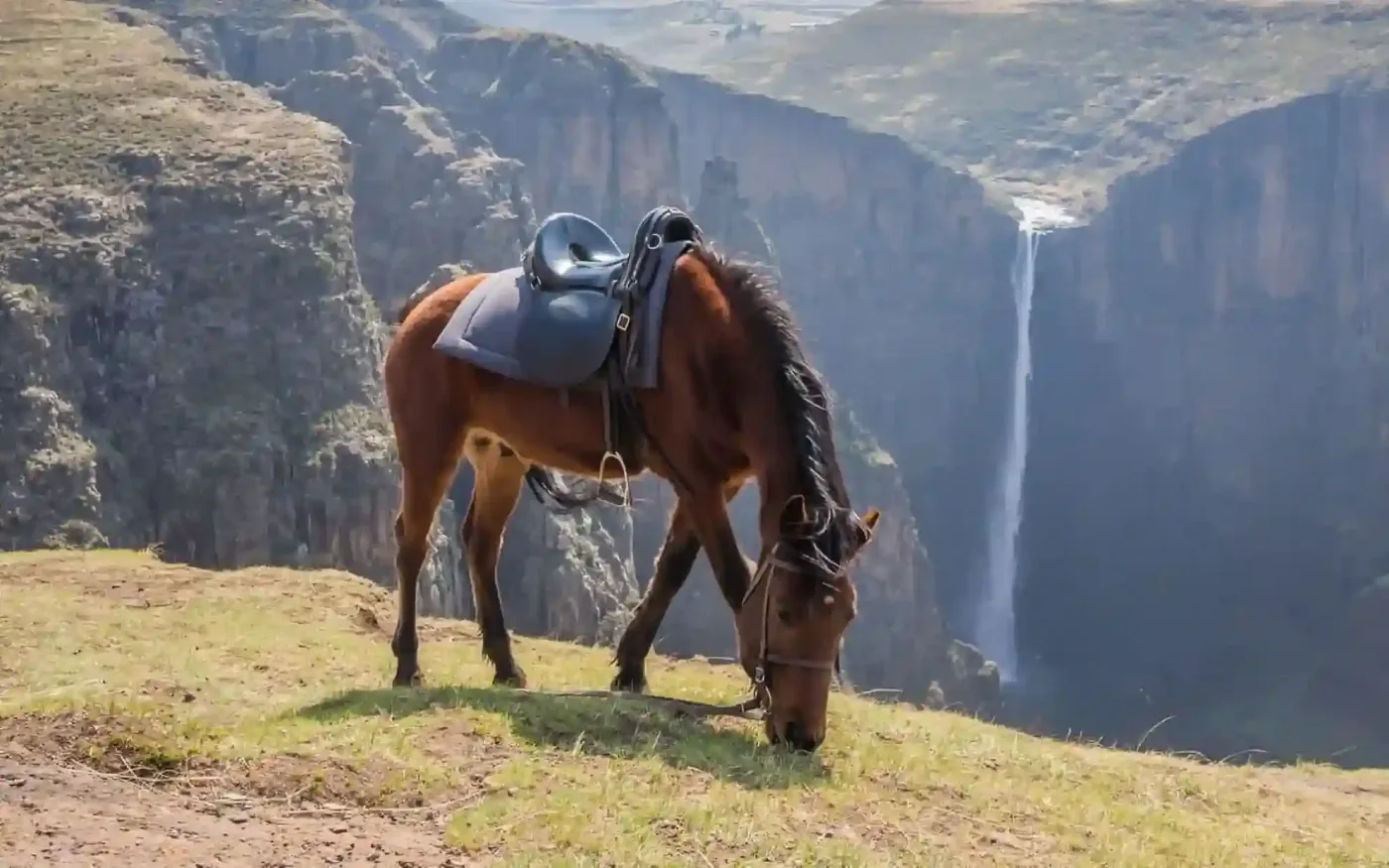
This Lesotho travel guide provides everything you need to plan your journey to the Mountain Kingdom – Africa’s highest country entirely above 1,400 m. Lesotho offers dramatic Maloti and Drakensberg mountain scenery, authentic Basotho culture, world-class pony trekking, and some of the continent’s most breathtaking highland landscapes. Completely surrounded by South Africa, the “Kingdom in the Sky” remains one of Africa’s least-visited yet most rewarding destinations, with rugged 4×4 routes, thundering waterfalls, and traditional rondavel villages untouched by mass tourism.
Start Reading the Full Guide ↓Quick Facts About Lesotho
- Capital: Maseru.
- Currency: Lesotho Loti (LSL) – pegged 1:1 with South African Rand (ZAR).
- Time Zone: South Africa Standard Time (SAST, UTC+2).
- International Calling Code: +266.
- Driving Side: Left.
- Major Entry Points: Maseru (road from South Africa), Sani Pass, Caledonspoort border.
Lesotho Overview & Key Facts
Brief History of Lesotho
Founded in the early 19th century by King Moshoeshoe I as a mountain fortress against Zulu and Boer expansion, Lesotho (formerly Basutoland) became a British protectorate in 1868. It gained independence peacefully in 1966 and remains one of only three kingdoms in Africa. The Basotho people’s resilience and strategic mountain stronghold preserved their independence while surrounding territories fell to colonial powers.
Independence & National Identity
- Independence date: October 4, 1966.
- Former colonial power: Britain (protectorate, never colony).
- National symbols & identity.
Lesotho’s flag features a traditional mokorotlo (Basotho hat). National pride centers on the Basotho blanket, pony culture, and the title “Kingdom in the Sky.” The country is a constitutional monarchy with King Letsie III as head of state.
Government System & Current Leadership
- Type of government: Parliamentary constitutional monarchy
- Current king: Letsie III (since 1996)
- Current prime minister: Sam Matekane (since 2022)
Lesotho has experienced political transitions but remains stable for tourism. The 2022 elections brought a new coalition government focused on economic growth and tourism development.
Population, Ethnic Groups & Languages
- Population: 2.3 million (2025 estimate).
- Major ethnic group: Basotho (99%).
- Official languages: Sesotho and English.
One of Africa’s most ethnically homogeneous countries. English is widely used in government, tourism, and education.
Main Religions & Cultural Identity
Christianity (90%+), with strong traditional Basotho beliefs. Sunday is strictly observed; many businesses close. Respect for elders and community remains central to Basotho culture.
Geography & Natural Landscape
Known as the “Kingdom in the Sky,” Lesotho is the only country in the world entirely above 1,000 m elevation. The Maloti and Drakensberg mountains dominate, with Thabana Ntlenyana (3,482 m) the highest peak in southern Africa. Dramatic valleys, waterfalls, and highland plateaus characterize this rugged, beautiful landscape.
Economy & Tourism Highlights
Water exports to South Africa (via the Lesotho Highlands Water Project), textiles, and diamonds drive the economy. Tourism is growing rapidly with focus on adventure (pony trekking, 4×4 routes, hiking) and cultural experiences. Lesotho offers excellent value compared to South Africa.
What Lesotho Is Known For
- Highest lowest point of any country (1,400 m)
- Iconic Basotho blanket and conical hat
- Pony trekking in the Maloti Mountains
- Sani Pass – one of the world’s most spectacular mountain roads
Visa & Entry Requirements in Lesotho
Lesotho has one of Africa’s most visitor-friendly visa policies. Most nationalities receive a free visa on arrival valid for 14–90 days depending on passport.
Do You Need a Visa?
Citizens of USA, UK, EU, Canada, Australia, New Zealand, South Africa, and most Commonwealth countries get a free visa on arrival. A few nationalities require pre-arranged visas. Always verify current rules before travel.
Visa Application Options in Lesotho
- Visa on arrival (free for most nationalities)
- e-Visa system being rolled out in 2026
- Extensions available in Maseru
Passport Validity & Entry Documents
Passport valid for 6 months with at least 2 blank pages. Return/onward ticket sometimes requested. Yellow fever certificate required only if arriving from endemic countries.
Customs Rules & Prohibited Items
Standard southern African rules. South African Rand widely accepted. Declare large amounts of currency. Firearms and drones require permits.
Safety & Security Information in Lesotho
Lesotho is one of the safest countries in southern Africa for tourists. Violent crime against visitors is extremely rare.
Is Lesotho Safe for Tourists?
Yes – significantly safer than South Africa. Petty theft is the main concern in Maseru; rural and highland areas are very safe.
Recommended Safety Tips when in Lesotho
Use registered guides for mountain areas, carry warm clothing (weather changes fast), inform lodges of hiking plans, and avoid driving remote roads at night.
Safe Areas vs. Areas to Avoid in Lesotho
All tourist areas are safe. Maseru has typical urban precautions. Remote border areas have occasional livestock theft but pose no tourist risk.
Emergency Numbers & Tourist Police in Lesotho
- Police: 123 or 112
- Ambulance/Fire: 121 or 112
- Mountain Rescue: Contact lodge or Malealea Lodge (experienced)
Health Requirements & Vaccinations in Lesotho
No mandatory vaccinations except yellow fever if arriving from endemic areas. Highlands are malaria-free.
Mandatory Vaccinations in Lesotho
None for direct arrivals. Yellow fever certificate required if transiting endemic countries.
Recommended Vaccinations in Lesotho
Routine vaccines, Hepatitis A, Typhoid. Altitude awareness important above 3000 m.
Malaria & Other Risks
No malaria risk above 1800 m (most of Lesotho). Main risks: altitude sickness, hypothermia, sun exposure.
Travel Insurance Recommendations in Lesotho
Essential – must cover high-altitude trekking, pony trekking accidents, and medical evacuation (nearest major hospitals in South Africa).
Best Time to Visit in Lesotho
September–April offers the best weather for hiking and pony trekking. May–August brings snow and stunning winter scenery.
Weather by Season
Summer (Nov–Mar): 15–25°C, thunderstorms common. Winter (Jun–Aug): -5 to 15°C, snow in highlands. Spring/Autumn: ideal clear skies.
When to Visit Lesotho for Best Experiences
- Pony trekking & hiking: Sep–Nov & Mar–May
- Snow & winter scenery: Jun–Aug
- Roof of Africa Rally: November
- Morija Arts & Cultural Festival: October
Weather & Climate Overview in Lesotho
High-altitude climate with four distinct seasons. Sudden weather changes common – always carry layers.
Temperature Ranges
Daytime highs 20–30°C in summer, below freezing in winter nights. Always prepare for 10–15°C drops at altitude.
Rainy & Dry Seasons in Lesotho
Rainy season: October–April (afternoon thunderstorms). Dry season: May–September (clear skies, cold nights).
What to Wear Based on the Weather
Layering essential: thermal base layers, fleece, waterproof jacket, sturdy hiking boots, sun hat, gloves, Basotho blanket for evenings.
Main Currency, Costs & Budgeting in Lesotho
Lesotho Loti (LSL) fixed 1:1 with South African Rand (ZAR). Rand accepted everywhere.
Average Travel Costs in Lesotho
Budget: $60–100/day; mid-range $120–200/day; luxury lodges & pony trekking $250–450/day.
Using ATMs, Cards & Mobile Money in Lesotho
ATMs in Maseru and major towns accept Visa/Mastercard. Cash (Rand) preferred in rural areas.
Tipping Guidelines in Lesotho
10% in restaurants, 50–100 LSL/day for guides and pony handlers.
Transportation & Getting Around in Lesotho
Most visitors enter via South Africa. 4×4 essential for highlands; public minibus taxis serve lowlands.
Airport Transfers
Moshoeshoe I International Airport (Maseru). Taxis and shuttles available.
Local Transport Options in Lesotho
Minibus taxis (lowlands), 4×4 transfers, pony trekking, hiking.
Car Rentals & Road Conditions in Lesotho
4×4 strongly recommended. Many attractions only accessible by high-clearance vehicle or pony.
Accommodation Options available in Lesotho
From luxury mountain lodges to traditional rondavels and backpacker hostels.
Types of Accommodations in Lesotho
Luxury lodges (Maliba, Sani Mountain), community-run gotho guesthouses, Malealea Lodge, backpacker hostels in Maseru.
Best Areas to Stay in Lesotho
Malealea, Semonkong, Katse Dam, Thaba-Bosiu, Bokong Nature Reserve, Sani Top.
Essential Packing Guide when Visiting Lesotho
Focus on layers, sturdy footwear, and high-altitude preparation.
Clothing Essentials
Thermal layers, fleece, waterproof jacket, hiking boots, warm hat, gloves, Basotho blanket.
Footwear & Gear
Broken-in hiking boots essential. Walking poles helpful for steep terrain.
Language & Communication in Lesotho
Sesotho and English official. English widely spoken in tourism.
Useful Phrases for Tourists
“Lumela” (hello), “Kea leboha” (thank you), “Ke kopa thuso” (please help).
Culture & Etiquette in Lesotho
Basotho culture emphasizes respect, community, and hospitality.
Social Etiquette & Respectful Behavior of Lesotho
Greet elders first, accept offered food/drink, remove hats indoors.
Food, Water & Dining in Lesotho
Simple, hearty mountain food. Papa (maize meal) with moroho (greens) and meat.
Lesotho Local Dishes to Try
Papa, likhobe, motoho (sour porridge), joala (traditional beer).
Top Attractions & Things to Do in Lesotho
- Maletsunyane Falls (192 m abseil)
- Sani Pass & highest pub in Africa
- Pony trekking in Maloti Mountains
- Thaba Bosiu cultural village
- Katse Dam & Highlands Water Project
- Afriski Mountain Resort (winter skiing)
Frequently Asked Questions – Lesotho Travel Guide 2026-2027
Our Tanzania Tours Products
While Lesotho offers incredible mountain adventures and Basotho culture, many travelers combine the Mountain Kingdom with the ultimate wildlife experience in East Africa. Capable Africa Tours specializes in secure, guided safaris that maximize safety and wonder...
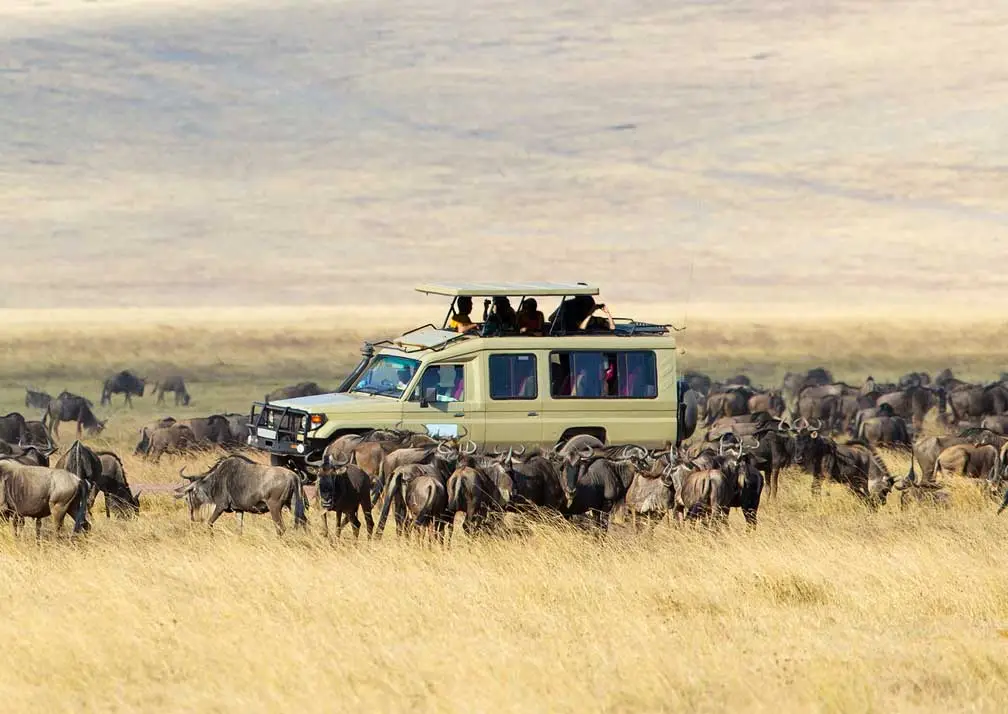
Great Migration Safaris
Experience one of nature's greatest spectacles with our Great Migration safari packages, timed for river crossings or calving.
View Package →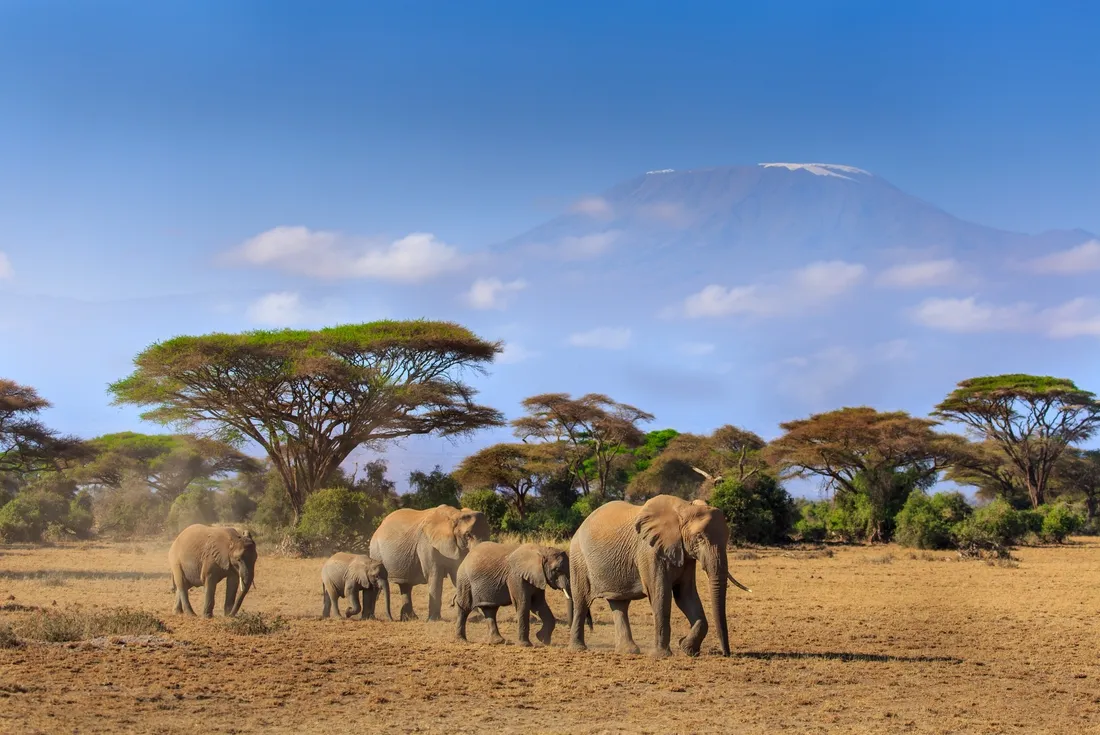
Serengeti & Kilimanjaro Trek
Combined safari and trekking tours offer wildlife adventures and Kilimanjaro climbs.
View Package →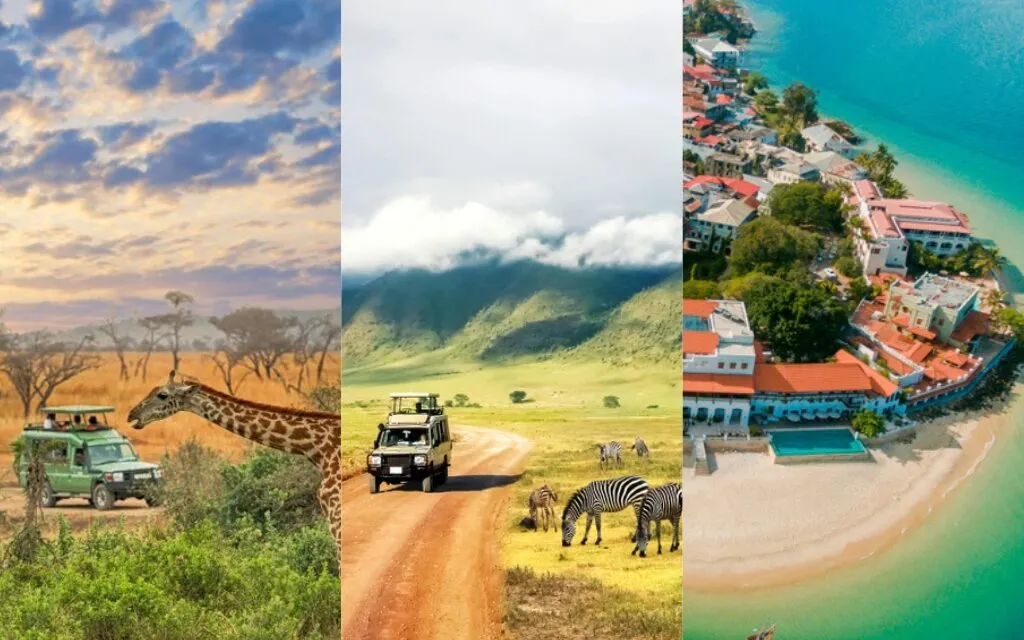
Serengeti & Zanzibar Tours
Luxury Tanzania safari & beach packages with the Great Migration and pristine beaches.
View Package →Related: Best Time to Visit Tanzania 2026 – Perfect safari extension after your Lesotho mountain adventure.