Most Complete Libya Travel Guide 2026-2027 – Everything You Need to Know Before Visiting
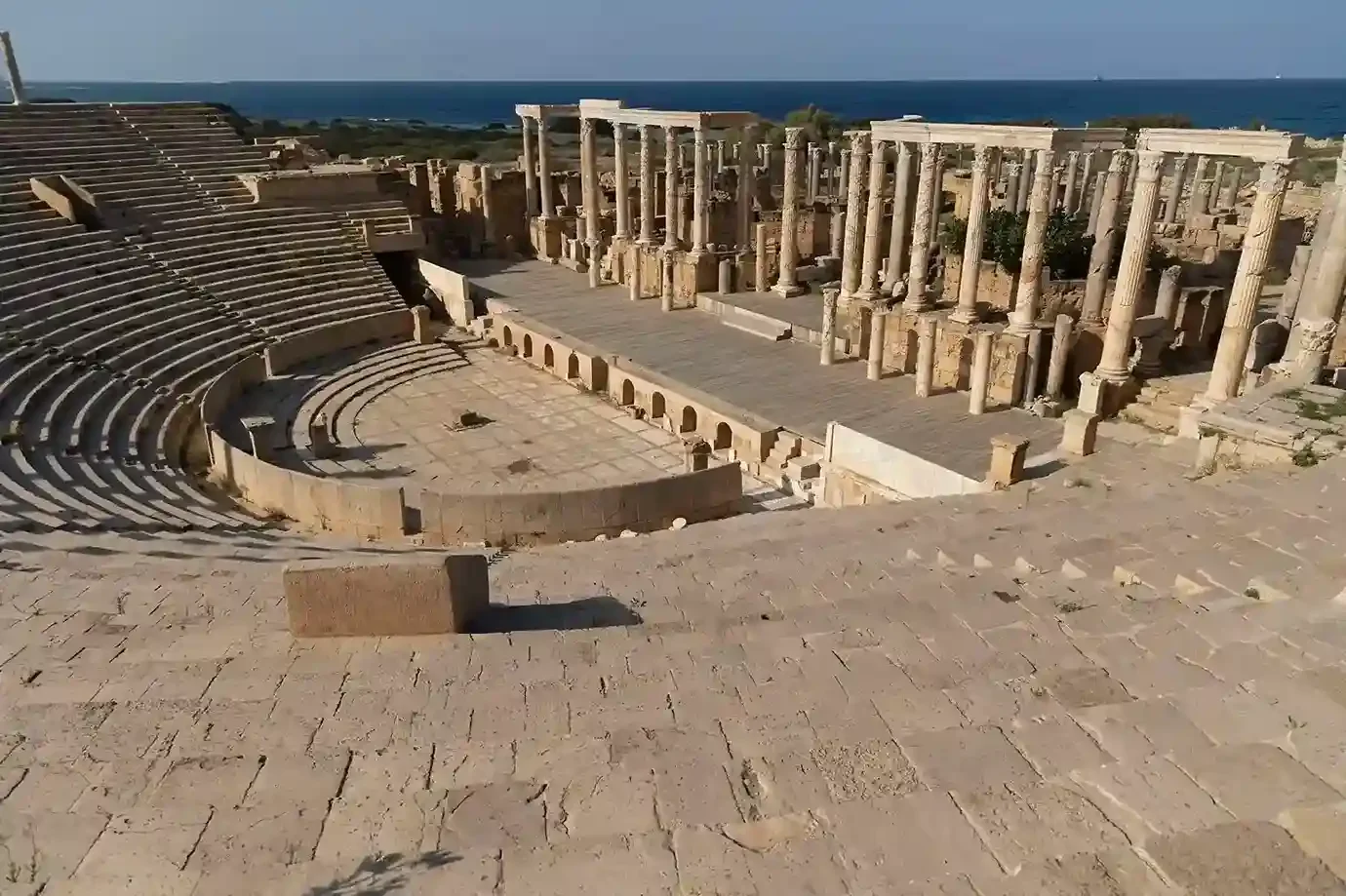
This Libya travel guide provides everything you need to plan your journey to one of the world’s most spectacular yet least-visited countries. Libya boasts five UNESCO World Heritage sites, some of the best-preserved Roman cities on earth, vast Sahara landscapes, and a Mediterranean coastline that rivals any in the region. Many travelers who manage to visit Libya describe it as the most impressive archaeological destination they have ever seen – Leptis Magna alone is often called “the Rome that Rome wishes it still had”.
Start Reading the Full Guide ↓Quick Facts About Libya
- Capital: Tripoli.
- Currency: Libyan Dinar (LYD).
- Time Zone: Eastern European Time (EET, UTC+2).
- International Calling Code: +218.
- Driving Side: Right.
- Major Airports: Mitiga International Airport (Tripoli), Misrata Airport, Benina International (Benghazi – limited).
Libya Overview & Key Facts
Brief History of Libya
Libya’s history spans from ancient Berber kingdoms through Phoenician, Greek and Roman periods to Arab conquest and Ottoman rule. The coastal cities of Leptis Magna and Sabratha became some of the wealthiest in the Roman Empire, while Cyrene in the east rivalled Athens. The Arab conquest in the 7th century brought Islam, followed by Ottoman and Italian colonial periods. This layered history has left Libya with arguably the finest classical ruins outside Italy and Greece.
Independence & National Identity
- Independence date: December 24, 1951 (from Italy/UN trusteeship).
- Former colonial power: Italy (1911–1943), then UN administration.
- National symbols & identity.
Libya became the first country to gain independence through the United Nations. The flag of the former Kingdom (red-black-green with crescent and star) was readopted after 2011. National identity remains strongly tied to Arab and Islamic heritage with significant Berber (Amazigh) influence in the west and south.
Government System & Current Leadership
- Type of government: Transitional (two competing administrations in 2025–2026).
- Current situation: Government of National Unity (Tripoli) and Government of National Stability (east).
- Notes on political stability
Libya remains divided between two governments, but tourist areas in the west and the Akakus region operate under stable security arrangements for organised groups. Political unification talks continue.
Population, Ethnic Groups & Languages
- Population: 7.1 million (2025 estimate).
- Major ethnic groups: Arab and Arabised Berbers (97%), Tuareg and Tubu minorities.
- Official language(s): Arabic.
- Additional languages commonly spoken.
Italian was once widespread; English is growing in tourism. Berber languages are spoken in Ghadames, Ghat and the Jebel Nafusa region.
Main Religions & Cultural Identity
Islam (Sunni, Maliki school) is practised by 97% of the population and shapes daily life profoundly. Conservative dress and behaviour are expected everywhere.
Geography & Natural Landscape
Libya is 90% desert. The narrow Mediterranean coastal strip contains almost all cities and agriculture, while the vast Sahara features the stunning Akakus Mountains with prehistoric rock art, volcanic craters, and enormous sand seas.
Economy & Tourism Highlights
Oil dominates the economy. Tourism is slowly restarting after a decade-long pause – only organised tours with registered operators are permitted in 2026.
What Libya Is Known For
- Five UNESCO World Heritage sites: Leptis Magna, Sabratha, Cyrene, Ghadames, Akakus rock art
- Best-preserved Roman cities outside Italy
- Spectacular Sahara landscapes and prehistoric art
Visa & Entry Requirements in Libya
Tourist travel to Libya is possible only through registered Libyan tour operators who arrange the mandatory visa and security clearance. Independent travel is not permitted.
Do You Need a Visa?
Yes – every foreigner needs a visa arranged by a Libyan operator. No visa-on-arrival or e-visa exists for tourists.
Visa Application Options in Libya
- Only through licensed Libyan tour operator (they handle everything)
- Arabic translation of passport required
- Security clearance mandatory
Passport Validity & Entry Documents
Passport must be valid 6 months; no Israeli stamps or evidence of travel to Israel allowed.
Customs Rules & Prohibited Items
Alcohol, pork, and pornographic material strictly prohibited. All electronics and drones must be declared.
Safety & Security Information in Libya
Organised tours to approved areas operate safely with armed security escorts where needed. Most governments still advise against all travel to large parts of the country.
Is Libya Safe for Tourists?
Yes on registered tours with professional operators. Independent travel is illegal and dangerous.
Recommended Safety Tips when in Libya
Never leave your guide; follow instructions exactly; do not photograph military/police without permission.
Safe Areas vs. Areas to Avoid in Libya
Safe (with tour): Tripoli, Leptis Magna, Sabratha, Ghadames, Jebel Nafusa, Ghat–Akakus. Avoid: Sirte, Benghazi (tourism suspended), entire south-east.
Emergency Numbers & Tourist Police in Libya
- Police: 1515
- Medical: 118
Health Requirements & Vaccinations in Libya
No mandatory vaccinations except yellow fever if arriving from endemic country. Quality medical care is limited outside Tripoli.
Mandatory Vaccinations in Libya
None except yellow fever from risk areas.
Recommended Vaccinations in Libya
Hepatitis A, Typhoid, Rabies (highly recommended), routine vaccines.
Malaria & Other Risks
No malaria. Bring strong insect repellent for sandflies.
Travel Insurance Recommendations in Libya
Essential – must cover emergency evacuation (very expensive).
Best Time to Visit in Libya
October to April – perfect 15–25°C on the coast and bearable in the desert.
Weather by Season
Spring and autumn ideal; summer interior can hit 50°C.
When to Visit Libya for Best Experiences
- Roman sites: October–April
- Sahara: November–March
- Avoid Ramadan for easier travel
Weather & Climate Overview in Libya
Mediterranean coast mild; Sahara extreme. Rain almost never falls south of the coast.
Temperature Ranges
Coastal winter 12–20°C, summer 25–35°C. Desert winter nights can drop below 0°C.
Rainy & Dry Seasons in Libya
Very short rainy season December–February on coast only.
What to Wear Based on the Weather
Conservative clothing mandatory year-round. Bring layers for desert nights.
Main Currency, Costs & Budgeting in Libya
Bring all cash in USD/EUR. Cards and ATMs almost never work for foreigners.
Local Currency Information
Libyan Dinar (LYD). Two exchange rates exist; operators change at better rate.
Average Travel Costs in Libya
Organised tours only: $250–450 per person per day (everything included).
Using ATMs, Cards & Mobile Money in Libya
Practically impossible for foreigners – cash only.
Tipping Guidelines in Libya
Included in tour price; small personal tips to guides/drivers appreciated.
Transportation & Getting Around in Libya
All movement on organised tours with driver/guide. Self-drive not permitted.
Airport Transfers
Met by tour operator at Mitiga Airport (MJI).
Local Transport Options in Libya
Private 4×4 vehicles with driver/guide mandatory.
Libya Domestic Flights
Limited and unreliable – most travel by road.
Car Rentals & Road Conditions in Libya
Not available for tourists.
Accommodation Options available in Libya
Chosen and booked by tour operator – mixture of decent hotels in Tripoli and basic guesthouses/fixed camps elsewhere.
Types of Accommodations in Libya
Standard tourist hotels in Tripoli; simple guesthouses in Ghadames; fixed desert camps in Akakus.
Budget vs. Mid-Range vs. Luxury
All similar standard – included in tour price.
Best Areas to Stay in Libya
Tripoli (only real city hotel options), Ghadames old town guesthouses, fixed camps in the desert.
Essential Packing Guide when Visiting Libya
Conservative clothing, strong sun protection, all cash, good camera.
Clothing Essentials
Women: full-length loose clothing + headscarf at all times. Men: long trousers and sleeves.
Footwear & Gear
Comfortable closed shoes for ruins, sandals for camps, warm jacket for desert nights.
Electronics & Cameras
230V European plugs. Power banks essential.
Toiletries & Personal Items
Bring everything – limited availability.
Language & Communication in Libya
Arabic dominant. Guides speak English; some Italian/French.
Main Languages Spoken in Libya
Arabic. English in tourism sector.
Useful Phrases for Tourists
“As-salamu alaykum”, “Shukran”, “Min fadlak”.
SIM Cards & Mobile Data used in Libya
Available but registration complicated; guides provide communication.
Internet Availability & Wi-Fi in Libya
Slow and censored; hotels have Wi-Fi.
Culture & Etiquette in Libya
Very conservative Islamic society. Strict dress code and behaviour mandatory.
Libyan Dress Code Expectations
Women must cover hair and wear loose clothing to ankles. Men long trousers/sleeves.
Social Etiquette & Respectful Behavior of Libya
Use right hand only; accept tea/coffee offers; remove shoes indoors.
Photography Rules in Libya
Ask permission for people; never photograph military/police/airports.
Important Cultural Dos & Don’ts in Libya
Do respect prayer times. Don’t show affection in public, drink alcohol, or discuss politics.
Food, Water & Dining in Libya
Simple but tasty Mediterranean-Arab cuisine. All meals arranged by tour.
Libyan Local Dishes to Try
Bazin, couscous, shorba, mbakbaka, fresh fish in Tripoli.
Dietary Options in Libya
All halal. Vegetarian possible but limited.
Drinking Water Safety
Bottled water only.
Restaurant Etiquette
Men and women may eat separately in some places.
Top Attractions & Things to Do in Libya
Five UNESCO sites and some of the world’s finest Greco-Roman ruins.
Major Tourist Attractions in Libya
- Leptis Magna (best-preserved Roman city outside Rome)
- Sabratha theatre and mosaics
- Ghadames old town (UNESCO)
- Akakus rock art (UNESCO)
- Cyrene (currently inaccessible)
Best Tours & Experiences in Libya
Leptis Magna & Sabratha day trips from Tripoli; 5–7 day Sahara expeditions to Akakus and Ubari lakes; Ghadames & Jebel Nafusa cultural tours.
Family-Friendly Activities to do in Libya
Limited – best for teenagers and adults interested in history/archaeology.
Unique Cultural or Historical Sites to visit in Libya
Leptis Magna Severan Arch and basilica; Sabratha seaside theatre; Ghadames underground irrigation; 12,000-year-old Akakus paintings.
Libyan Electrical System Information
220–240V, 50Hz, European type C/F plugs.
Plug Types & Voltage used in Libya
Type C and F (two round pins).
Charging Tips
Power banks essential – electricity unreliable outside Tripoli.
Local Laws & Regulations of Libya
Strict Islamic law applies. Alcohol completely prohibited. Photography restrictions severe.
Rules Travelers Need to Know when In Libya
Never travel without guide; no alcohol; strict dress code; no political discussion.
Alcohol, Smoking & Substance Laws of Libya
Alcohol illegal. Smoking common but not in mosques.
Restricted or Protected Areas in Libya
Many areas off-limits without special permit (handled by operator).
Final Travel Tips for Visitors in Libya
Book with reputable registered operator; bring plenty of cash; follow guide instructions exactly; prepare for one of the most spectacular yet demanding destinations on earth.
Common Mistakes to Avoid
Trying to travel independently; bringing alcohol; inappropriate dress; photographing checkpoints.
Tips to Save Money when Visiting Libya
Join a scheduled group tour – private tours are significantly more expensive.
Safety & Comfort Tips
Stay with your guide at all times; respect local customs completely; bring patience and flexibility.
Frequently Asked Questions – Libya Travel Guide 2026-2027
Our Tanzania Tours Products
While Libya offers unparalleled Roman ruins and Sahara adventures, many travelers combine North Africa with the ultimate wildlife experience in East Africa. Capable Africa Tours specializes in secure, guided safaris that maximize safety and wonder. Our expert local guides, armed rangers in parks, and vetted accommodations ensure peace of mind. From family-friendly lodges to luxury camps, we handle logistics so you focus on the magic. Tanzania ranks high for tourist safety with dedicated wildlife protection units and stable northern circuits.
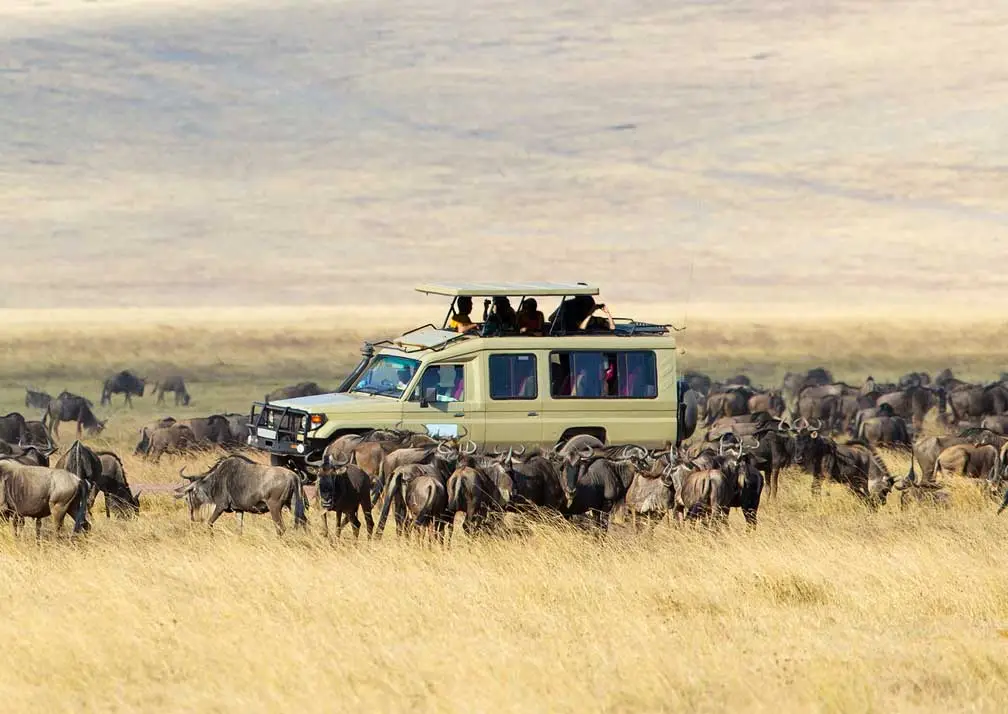
Great Migration Safaris
Experience one of nature's greatest spectacles with our Great Migration safari packages, timed for river crossings or calving.
View Package →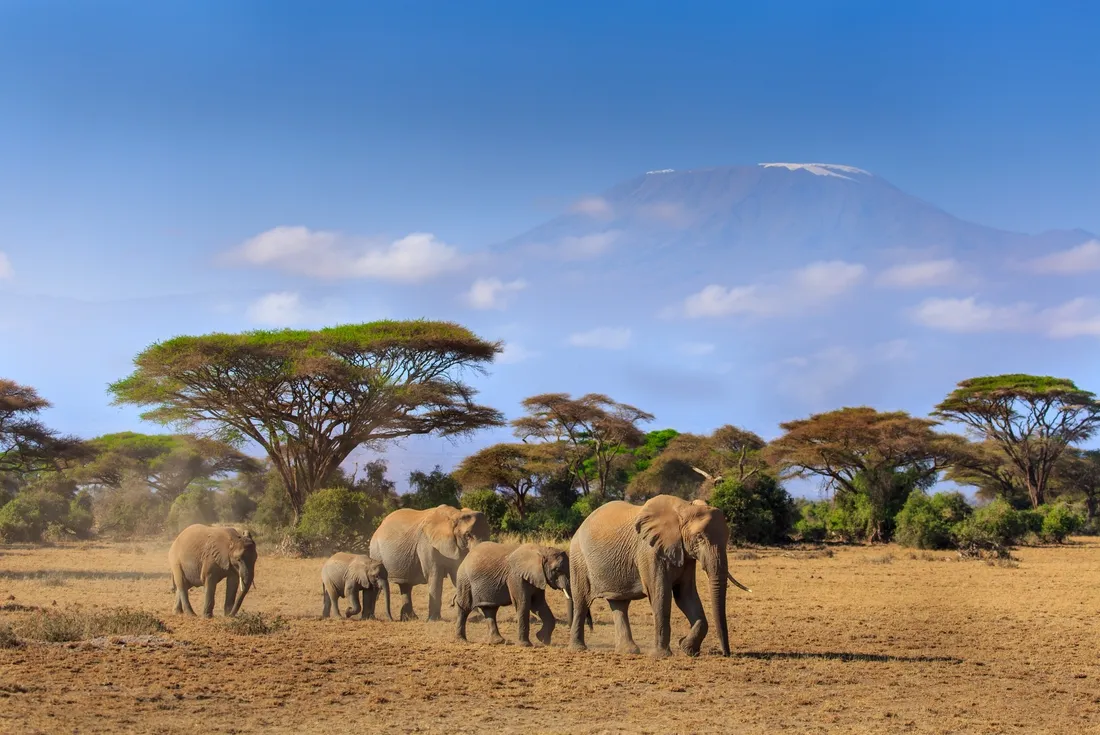
Serengeti & Kilimanjaro Trek
Combined safari and trekking tours offer wildlife adventures and Kilimanjaro climbs.
View Package →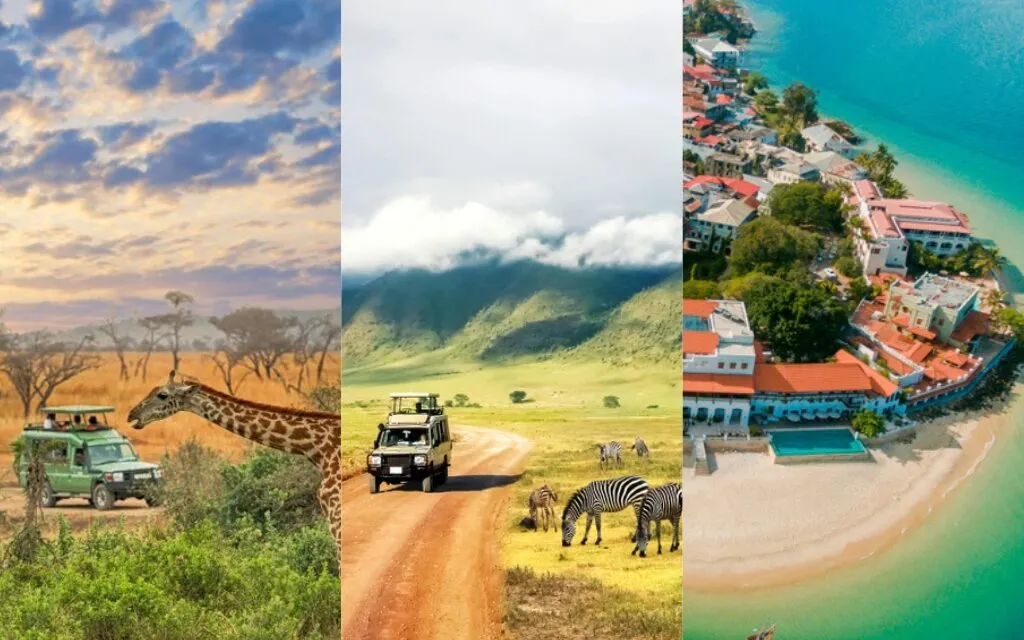
Serengeti & Zanzibar Tours
Luxury Tanzania safari & beach packages with the Great Migration and pristine beaches.
View Package →Related: Best Time to Visit Tanzania 2026 – Perfect safari extension after your Libya adventure.