Most Complete Liechtenstein Travel Guide 2026-2027 – Everything You Need to Know Before Visiting
This Liechtenstein travel guide provides everything you need to plan your journey to one of Europe’s smallest and wealthiest countries. Nestled between Switzerland and Austria in the Alps, the Principality of Liechtenstein covers just 160 km² yet offers fairy-tale castles, dramatic mountain scenery, world-class museums, and a surprisingly vibrant cultural scene. Many travelers who want to visit Liechtenstein are amazed by how much this microstate packs into such a tiny area – from medieval castles and royal residences to excellent hiking, skiing, and one of the highest GDPs per capita in the world.
Start Reading the Full Guide ↓Quick Facts About Liechtenstein
- Capital: Vaduz.
- Currency: Swiss Franc (CHF).
- Time Zone: Central European Time (CET, UTC+1).
- International Calling Code: +423.
- Driving Side: Right.
- Major Entry Points: No airport – fly into Zurich (ZRH) or Friedrichshafen (FDH), then bus/train.

Liechtenstein Overview & Key Facts
Brief History of Liechtenstein
Liechtenstein’s history dates back to 1699 when the Liechtenstein family purchased the lordships of Schellenberg and Vaduz, and in 1719 the principality was officially created by Emperor Charles VI. It has remained one of the few surviving monarchies of the Holy Roman Empire era. Neutral in both World Wars, it has enjoyed centuries of peace and prosperity.
Independence & National Identity
- Independence date: 1806 (from Holy Roman Empire).
- Current status: Constitutional monarchy.
- National symbols & identity.
The blue and red flag with golden crown represents the princely house. National Day on 15 August is celebrated with fireworks, open palace grounds, and a huge public party in Vaduz.
Government System & Current Leadership
- Type of government: Constitutional monarchy
- Head of State: Prince Hans-Adam II (Regent: Hereditary Prince Alois)
- Head of Government: Prime Minister Daniel Risch
One of the last absolute monarchies until 2003, citizens now have the right to abolish the monarchy via referendum – a unique constitutional feature.
Population, Ethnic Groups & Languages
- Population: ~40,000 (2025 estimate).
- Major groups: Liechtensteiners (66%), Swiss (10%), Austrian (6%), German (4%), others.
- Official language: German (Alemannic dialect).
English is widely spoken in tourism and business sectors.
Main Religions & Cultural Identity
Roman Catholicism is the state religion (around 73%), with Protestant and other minorities. Religious tolerance is high, and traditional festivals remain important.
Geography & Natural Landscape
The western third lies along the Rhine Valley, while the east rises dramatically into the Alps, reaching 2,599 m at Grauspitz. The entire country can be crossed on foot in a day.
Economy & Tourism Highlights
One of the richest countries per capita thanks to low taxes, financial services, and high-tech industry (Hilti, Ivoclar). Tourism focuses on castles, hiking, skiing, and its unique “country collecting” appeal.
What Liechtenstein Is Known For
- Vaduz Castle – residence of the ruling prince
- Being one of only two double-landlocked countries
- World-class modern art museums and stunning Alpine scenery
Visa & Entry Requirements in Liechtenstein
Liechtenstein is part of the Schengen Area but not the EU. Entry rules are identical to Switzerland.
Do You Need a Visa?
EU/Schengen citizens, US, Canada, UK, Australia, New Zealand, Japan, South Korea and most Latin American and Gulf countries can enter visa-free for up to 90 days in any 180-day period.
Passport Validity & Entry Documents
Passport or ID card valid for entire stay. No entry stamp (controls performed by Swiss border guards).
Safety & Security Information in Liechtenstein
Liechtenstein consistently ranks among the safest countries on Earth with virtually no violent crime.
Is Liechtenstein Safe for Tourists?
Extremely safe – even at night. Pickpocketing is almost unheard of.
Health Requirements & Vaccinations in Liechtenstein
No special vaccinations required. European Health Insurance Card (EHIC/GHIC) valid for EU/UK citizens.
Best Time to Visit in Liechtenstein
June–September for hiking and festivals; December–March for skiing in Malbun.
Weather & Climate Overview in Liechtenstein
Alpine climate: mild summers (20–25°C), cold winters with snow in the mountains.
Main Currency, Costs & Budgeting in Liechtenstein
Swiss Franc (CHF). Euro widely accepted. Prices are Swiss-level, but day trips from Feldkirch (Austria) or Buchs (Switzerland) keep costs down.
Transportation & Getting Around in Liechtenstein
Excellent LIEmobil bus network covers the entire country (day pass CHF 12). Many visitors arrive by train to Schaan-Vaduz or by PostBus from Switzerland/Austria.
Accommodation Options available in Liechtenstein
Limited but high-quality hotels in Vaduz, Triesenberg, Malbun. Many visitors stay in Feldkirch (AT) or Sargans/Buchs (CH) and day-trip.
Essential Packing Guide when Visiting Liechtenstein
Good walking shoes, layers, rain jacket, sun protection. Winter: warm clothing and ski gear if visiting Malbun.
Language & Communication in Liechtenstein
German official; English widely spoken in tourism sector.
Culture & Etiquette in Liechtenstein
Polite, reserved, punctual. Casual dress acceptable; smart-casual for nicer restaurants.
Food, Water & Dining in Liechtenstein
Alpine cuisine: Käsknöpfle, Ribel, excellent wines from the Prince’s vineyards. Tap water safe.
Top Attractions & Things to Do in Liechtenstein
Vaduz Castle, Gutenberg Castle, Postmuseum, Kunstmuseum, Red House, hiking the Prince’s Way, Malbun skiing, wine tasting.
Liechtenstein Electrical System Information
230V, 50Hz, plugs J (Swiss) and C/F. Most modern chargers work fine.
Local Laws & Regulations of Liechtenstein
Very few restrictions. No drones near Vaduz Castle without permission. Quiet hours strictly observed.
Final Travel Tips for Visitors in Liechtenstein
Buy the Liechtenstein Adventure Pass for museums and attractions. Get your passport stamped at the Vaduz Tourist Office (for a fee) – the only place in the country you can get a souvenir stamp!
Frequently Asked Questions – Liechtenstein Travel Guide 2026-2027
Our Tanzania Tours Products
While Liechtenstein offers Alpine castles and fairy-tale charm, many travelers combine Central Europe with the ultimate wildlife experience in East Africa. Capable Africa Tours specializes in secure, guided safaris that maximize safety and wonder. Our expert local guides, armed rangers in parks, and vetted accommodations ensure peace of mind. From family-friendly lodges to luxury camps, we handle logistics so you focus on the magic. Tanzania ranks high for tourist safety with dedicated wildlife protection units and stable northern circuits.
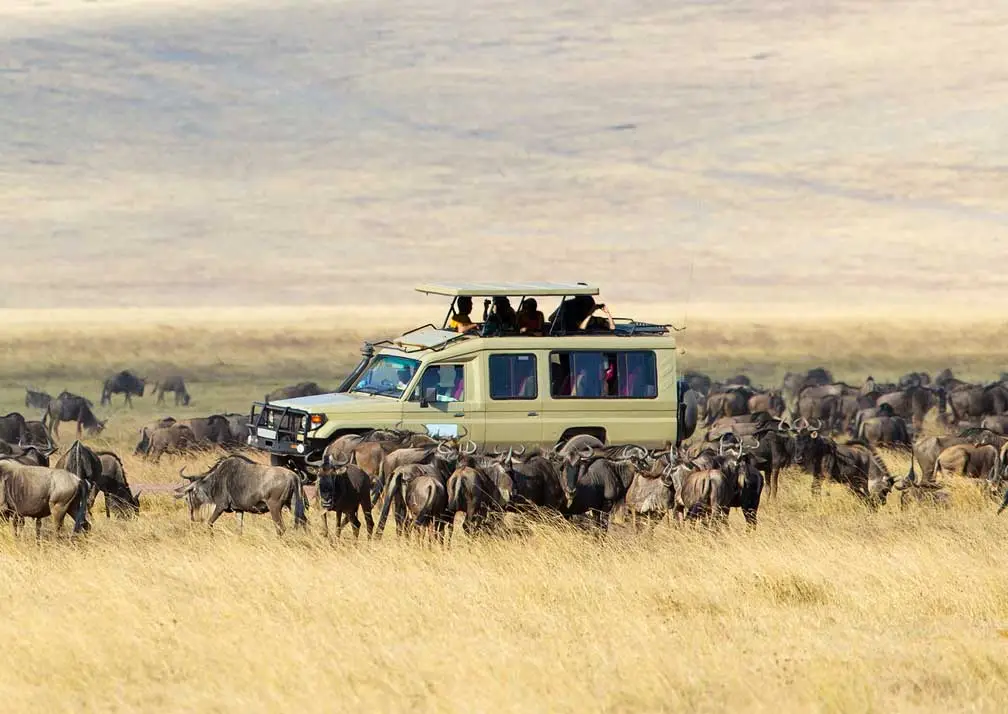
Great Migration Safaris
Experience one of nature's greatest spectacles with our Great Migration safari packages, timed for river crossings or calving.
View Package →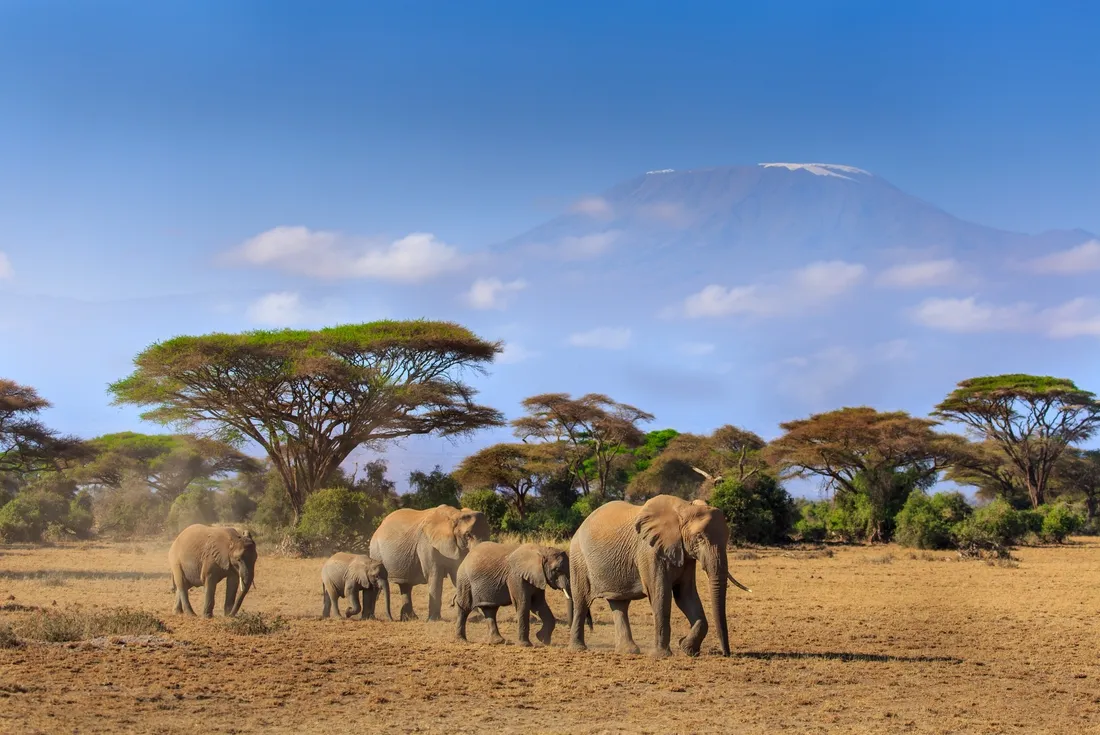
Serengeti & Kilimanjaro Trek
Combined safari and trekking tours offer wildlife adventures and Kilimanjaro climbs.
View Package →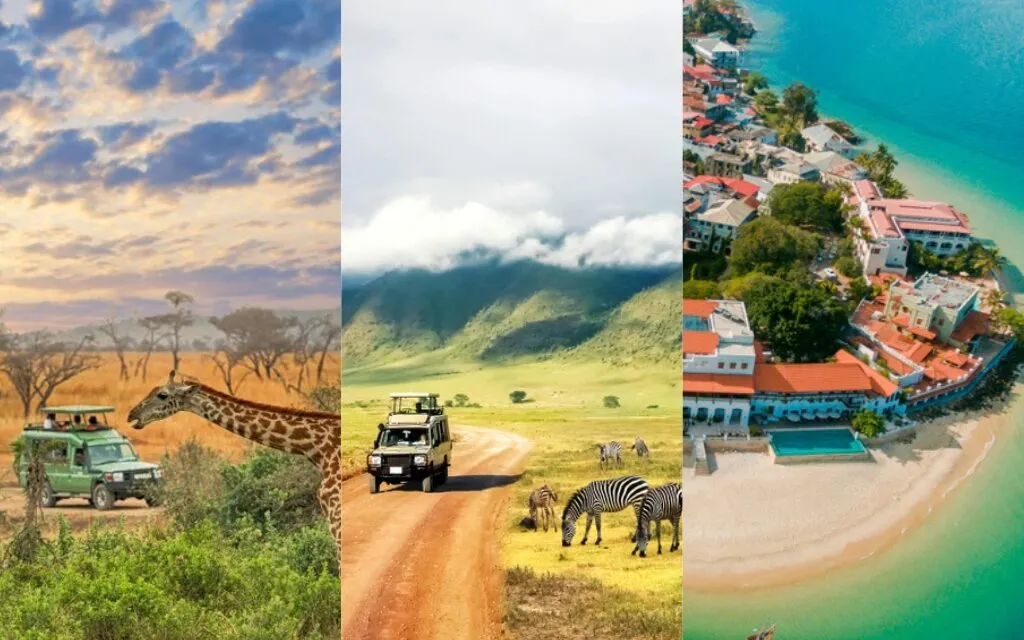
Serengeti & Zanzibar Tours
Luxury Tanzania safari & beach packages with the Great Migration and pristine beaches.
View Package →Related: Best Time to Visit Tanzania 2026 – Perfect safari extension after your Liechtenstein adventure.