
Most Complete Lithuania Travel Guide 2026-2027 – Everything You Need to Know Before Visiting
This Lithuania travel guide provides everything you need to plan your journey to one of Europe’s hidden gems. Lithuania offers an extraordinary blend of perfectly preserved Baroque architecture, vast pine forests, amber-dotted Baltic beaches and a vibrant contemporary culture that create one of the continent’s most diverse travel experiences. Many travelers who want to travel to Lithuania are surprised by the country's incredible UNESCO heritage, warm hospitality and rich history spanning medieval grandeur, Jewish heritage, and resilient rebirth after Soviet times. The nation covers 65,300 square kilometers, offering visitors everything from fairy-tale castles to sand dunes and bustling modern cities.
Start Reading the Full Guide ↓Quick Facts About Lithuania
- Capital: Vilnius.
- Currency: Euro (€).
- Time Zone: Eastern European Time (EET, UTC+2; UTC+3 in summer).
- International Calling Code: +370.
- Driving Side: Right.
- Major Airports: Vilnius International (VNO), Kaunas (KUN), Palanga (PLQ).
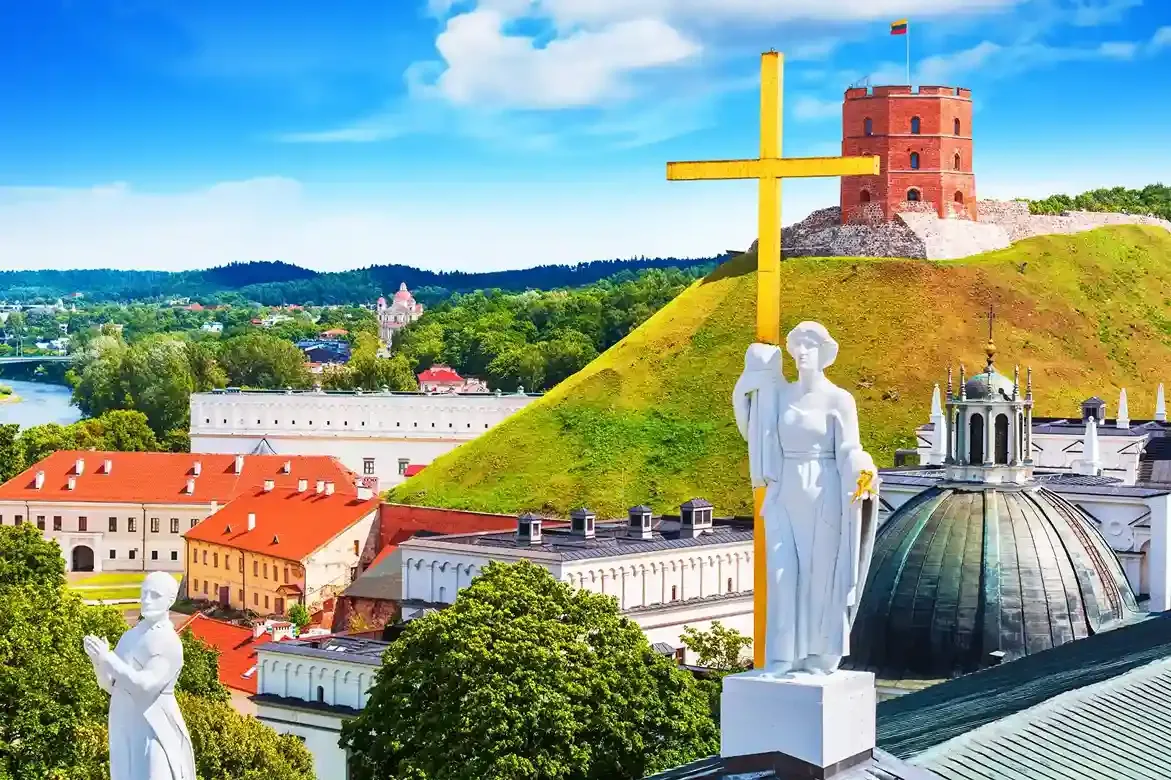
Lithuania Overview & Key Facts
Brief History of Lithuania
Lithuania's history spans millennia, from ancient Baltic tribes through the powerful Grand Duchy that once stretched from the Baltic to the Black Sea. The Grand Duchy of Lithuania was one of medieval Europe’s largest states, forming a union with Poland in 1386 that lasted four centuries. The country preserved its language and identity through partitions, occupations, and Soviet rule, regaining independence in 1990 through the Singing Revolution. This rich historical tapestry creates a fascinating backdrop for modern travelers exploring the country's medieval castles and cultural sites.
Independence & National Identity
- Independence date: March 11, 1990 (from USSR); original statehood 1918.
- Former ruling powers: Russian Empire, Nazi Germany, Soviet Union.
- National symbols & identity.
Lithuania was the first Soviet republic to declare independence, sparking the dissolution of the USSR. Today, national identity centers on the Lithuanian language (one of the oldest living Indo-European languages), basketball passion, and resilient spirit. The flag features yellow (wheat), green (forests), and red (courage).
Government System & Current Leadership
- Type of government: Unitary semi-presidential republic
- Current president: Gitanas Nausėda (since 2019, re-elected 2024)
- Notes on political stability
Lithuania is a stable EU and NATO member with strong democratic institutions and high rankings in freedom indices.
Population, Ethnic Groups & Languages
- Population: 2.86 million (2025 estimate).
- Major ethnic groups: Lithuanians (84%), Poles (6.6%), Russians (5%).
- Official language(s): Lithuanian.
- Additional languages commonly spoken.
English is widely spoken by those under 40; Russian remains common among older generations, especially in Klaipėda and Visaginas.
Main Religions & Cultural Identity
Roman Catholicism dominates (77%), with small Orthodox, Protestant, and Jewish communities. Religion influences holidays and architecture but daily life is largely secular. The Hill of Crosses remains a powerful symbol of faith and resistance.
Geography & Natural Landscape
Lithuania is flat with thousands of lakes, dense forests (33% of territory), and a 99 km Baltic coastline featuring the unique Curonian Spit UNESCO site. Five distinct geographical regions offer diverse landscapes from pine-covered dunes to rolling hills.
Economy & Tourism Highlights
Fast-growing fintech and laser-technology hub with one of Europe’s highest GDP growth rates. Tourism focuses on cultural heritage, spa resorts, nature, and growing festival scene.
What Lithuania Is Known For
- UNESCO Old Town of Vilnius – one of Europe’s largest
- Basketball madness – second religion
- Curonian Spit National Park & amber
Visa & Entry Requirements in Lithuania
Most international visitors enjoy visa-free entry to Lithuania as part of the Schengen Area, with a few exceptions. The standard rule allows 90 days within any 180-day period for tourism/business.
Do You Need a Visa?
No – EU/EEA, USA, Canada, UK, Australia, New Zealand, Japan, South Korea and 90+ countries enter visa-free for up to 90 days. Others require a Schengen visa.
Visa Application Options in Lithuania
- Visa-free for most developed countries
- Schengen visa through any embassy/consulate
- Estonia/Latvia embassies often represent Lithuania
Schengen visa applications require standard documentation: passport (valid 3+ months after departure), travel insurance (€30,000 coverage), proof of accommodation/funds/return ticket.
Passport Validity & Entry Documents
Passport must be valid for 3 months beyond intended departure from Schengen area. Biometric passports recommended.
Customs Rules & Prohibited Items
Standard EU customs: €430 duty-free limit, no meat/dairy from outside EU, 200 cigarettes or 1L spirits max.
Safety & Security Information in Lithuania
Lithuania is consistently ranked among Europe’s safest countries with low violent crime rates. Most government advisories rate the entire country Level 1 (exercise normal precautions).
Is Lithuania Safe for Tourists?
Yes – very safe. Pickpocketing in Vilnius Old Town and during summer festivals is the primary concern.
Recommended Safety Tips when in Lithuania
Use licensed taxis or Bolt/Uber, avoid unmarked taxis at the airport. Normal big-city awareness in Vilnius/Kaunas after dark.
Safe Areas vs. Areas to Avoid in Lithuania
All tourist areas are safe. No specific districts to avoid.
Emergency Numbers & Tourist Police in Lithuania
- General emergency: 112
- Police: 112 or tourist police in Vilnius
English-speaking operators available.
Health Requirements & Vaccinations in Lithuania
No mandatory vaccinations required. High-quality medical care available in cities.
Mandatory Vaccinations in Lithuania
None.
Recommended Vaccinations in Lithuania
Routine vaccines. Tick-borne encephalitis if hiking May–October.
Malaria & Other Risks
No malaria. Tick awareness in forests.
Travel Insurance Recommendations in Lithuania
Highly recommended – standard European travel insurance covers everything.
Best Time to Visit in Lithuania
June–August for warm weather; December–February for Christmas markets and snow; May & September for fewer crowds.
Weather by Season
Summer 18–25°C, winter -5 to 0°C. Shoulder seasons pleasant 10–18°C.
When to Visit Lithuania for Best Experiences
- White nights & festivals: June–July
- Autumn colors: September–October
- Christmas markets: December
High Season vs. Low Season Travel
High season: June–August & Christmas/New Year. Low season: November & January–March (except holidays).
Weather & Climate Overview in Lithuania
Continental climate with four distinct seasons. Warm summers, cold winters, mild spring/autumn.
Temperature Ranges
Winter: -5 to 0°C; Summer: 18–25°C; Shoulder: 8–18°C.
Rainy & Dry Seasons in Lithuania
Rain possible year-round; driest months May–September.
What to Wear Based on the Weather
Layers essential. Waterproof jacket, comfortable walking shoes, warm coat for winter.
Main Currency, Costs & Budgeting in Lithuania
Euro (€) used since 2015. Excellent value compared to Western Europe.
Local Currency Information
Euro notes and coins. Cards accepted virtually everywhere.
Average Travel Costs in Lithuania
Budget €50–80/day; mid-range €90–150; luxury €200+.
Using ATMs, Cards & Mobile Money in Lithuania
Cards accepted almost everywhere. Contactless common. ATMs plentiful.
Tipping Guidelines in Lithuania
10% in restaurants if service not included. Round up taxi fares.
Transportation & Getting Around in Lithuania
Excellent public transport between cities; good roads; affordable flights.
Airport Transfers
Vilnius Airport: bus 1/2/3G (€1), train (€0.70), Bolt/taxi (€15–20).
Local Transport Options in Lithuania
Modern buses/trains between cities. Vilnius has good bus/trolleybus network.
Lithuania Domestic Flights
Limited – mainly to Palanga in summer.
Car Rentals & Road Conditions in Lithuania
Excellent highways. International companies at airports. Tolls only on two short stretches.
Accommodation Options available in Lithuania
Wide range from hostels (€15) to luxury hotels (€200+).
Types of Accommodations in Lithuania
Hostels, apartments, boutique hotels, countryside manors, spa resorts.
Budget vs. Mid-Range vs. Luxury
Budget €20–50, mid-range €60–120, luxury €150+.
Best Areas to Stay in Lithuania
Vilnius Old Town, Užupis (artsy), new city center. Kaunas Old Town. Palanga resort area in summer.
Essential Packing Guide when Visiting Lithuania
Layers, comfortable walking shoes, rain jacket, power bank.
Clothing Essentials
Casual European dress. Warm layers even in summer.
Footwear & Gear
Comfortable walking shoes essential for cobblestones.
Electronics & Cameras
EU plugs (Type C/F), 230V.
Toiletries & Personal Items
Everything available; bring prescription meds.
Language & Communication in Lithuania
Lithuanian official; English widely spoken by under-40s.
Main Languages Spoken in Lithuania
Lithuanian, English, Russian.
Useful Phrases for Tourists
Labas (hello), Ačiū (thank you), Prašau (please).
SIM Cards & Mobile Data used in Lithuania
Buy Telia/Bitel/Telia at any kiosk (€5–15 plans).
Internet Availability & Wi-Fi in Lithuania
Free Wi-Fi almost everywhere. Fast mobile data.
Culture & Etiquette in Lithuania
Relaxed northern European culture. Punctuality appreciated.
Lithuanian Dress Code Expectations
Casual. Modest in churches.
Social Etiquette & Respectful Behavior of Lithuania
Handshakes common. Remove shoes in homes.
Photography Rules in Lithuania
Generally allowed; ask permission for people.
Important Cultural Dos & Don’ts in Lithuania
Do: try cepelinai, visit Hill of Crosses. Don’t: confuse with Russia or Latvia.
Food, Water & Dining in Lithuania
Hearty potato-based cuisine with modern twists.
Lithuanian Local Dishes to Try
Cepelinai, šaltibarščiai (cold beet soup), kibinai in Trakai, black rye bread.
Dietary Options in Lithuania
Good vegetarian/vegan options in cities.
Drinking Water Safety
Tap water safe and excellent.
Restaurant Etiquette
10% tip if service not included.
Top Attractions & Things to Do in Lithuania
Vilnius Old Town (UNESCO), Trakai Island Castle, Curonian Spit, Hill of Crosses, Kaunas Old Town, Palanga amber museum.
Major Tourist Attractions in Lithuania
- Vilnius Old Town (UNESCO)
- Curonian Spit National Park (UNESCO)
- Trakai Historical National Park
- Hill of Crosses
Best Tours & Experiences in Lithuania
Hot-air balloon over Vilnius/Trakai, Soviet bunker tours, amber workshops, beer spa experiences.
Family-Friendly Activities to do in Lithuania
Trakai castle, Open-air museums, Water parks, Dinosaur park.
Unique Cultural or Historical Sites to visit in Lithuania
Užupis “republic”, Museum of Occupations and Freedom Fights (KGB museum), Ninth Fort in Kaunas.
Lithuanian Electrical System Information
Standard European 230V, 50Hz, Type C/F plugs.
Plug Types & Voltage used in Lithuania
Type C and F (standard European).
Charging Tips
Universal adapter if coming from UK/USA.
Local Laws & Regulations of Lithuania
Standard EU laws. No photography of military objects.
Rules Travelers Need to Know when In Lithuania
90-day Schengen limit strictly enforced.
Alcohol, Smoking & Substance Laws of Lithuania
Alcohol sales 10:00–20:00 (Sun 10:00–15:00). Cannabis illegal.
Restricted or Protected Areas in Lithuania.
None for tourists.
Final Travel Tips for Visitors in Lithuania
Book Vilnius accommodation early in summer. Try local craft beer. Visit in shoulder season for best experience.
Common Mistakes to Avoid
Thinking it’s cold all year. Confusing with Latvia/Livonia.
Tips to Save Money when Visiting Lithuania
Use public transport, eat at local canteens (valgykla), stay in apartments.
Safety & Comfort Tips
Normal European precautions. English widely spoken.
Frequently Asked Questions – Lithuania Travel Guide 2026-2027
Our Tanzania Tours Products
While Lithuania offers incredible Baroque architecture, Baltic beaches and fascinating history, many travelers combine the Baltics with the ultimate wildlife experience in East Africa. Capable Africa Tours specializes in secure, guided safaris that maximize safety and wonder. Our expert local guides, armed rangers in parks, and vetted accommodations ensure peace of mind. From family-friendly lodges to luxury camps, we handle logistics so you focus on the magic. Tanzania ranks high for tourist safety with dedicated wildlife protection units and stable northern circuits.
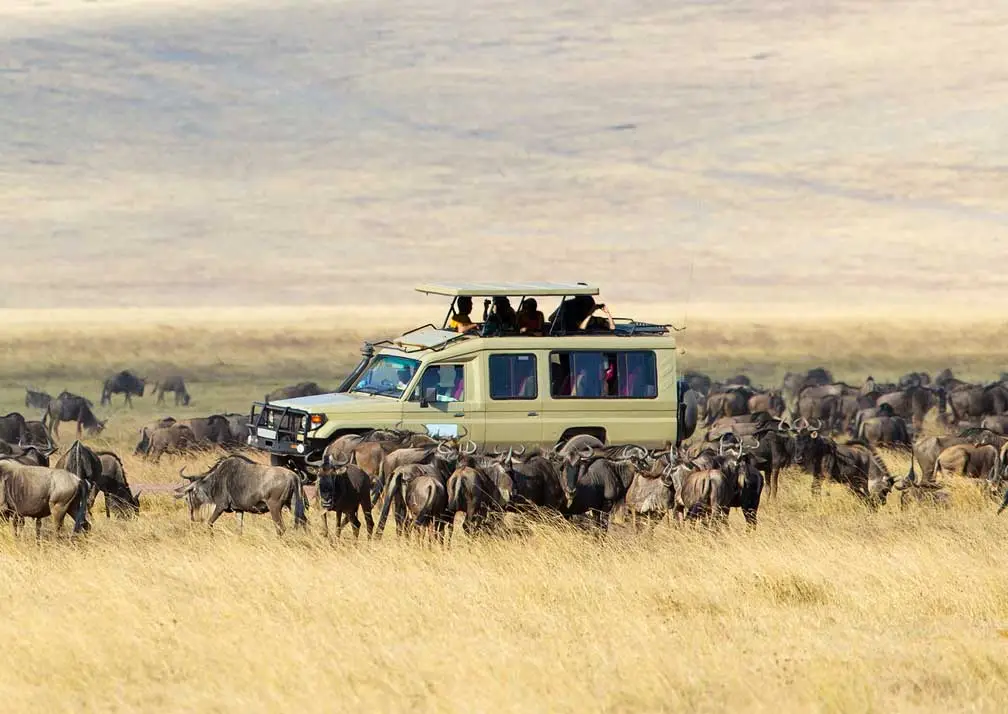
Great Migration Safaris
Experience one of nature's greatest spectacles with our Great Migration safari packages, timed for river crossings or calving.
View Package →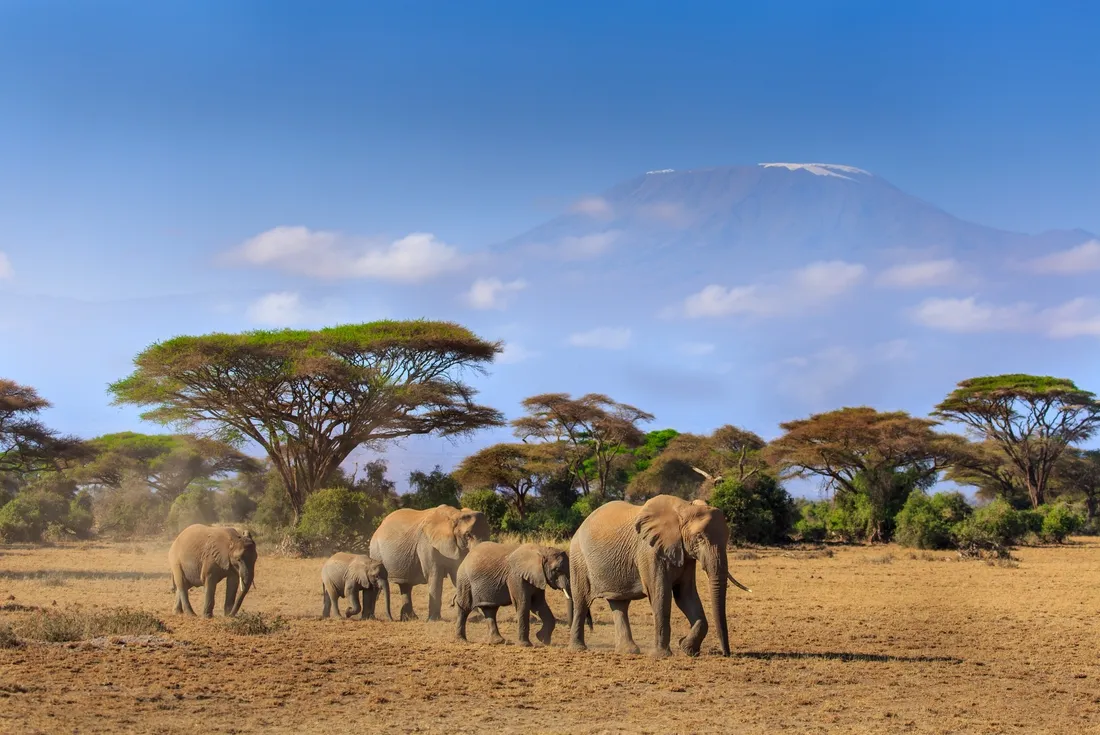
Serengeti & Kilimanjaro Trek
Combined safari and trekking tours offer wildlife adventures and Kilimanjaro climbs.
View Package →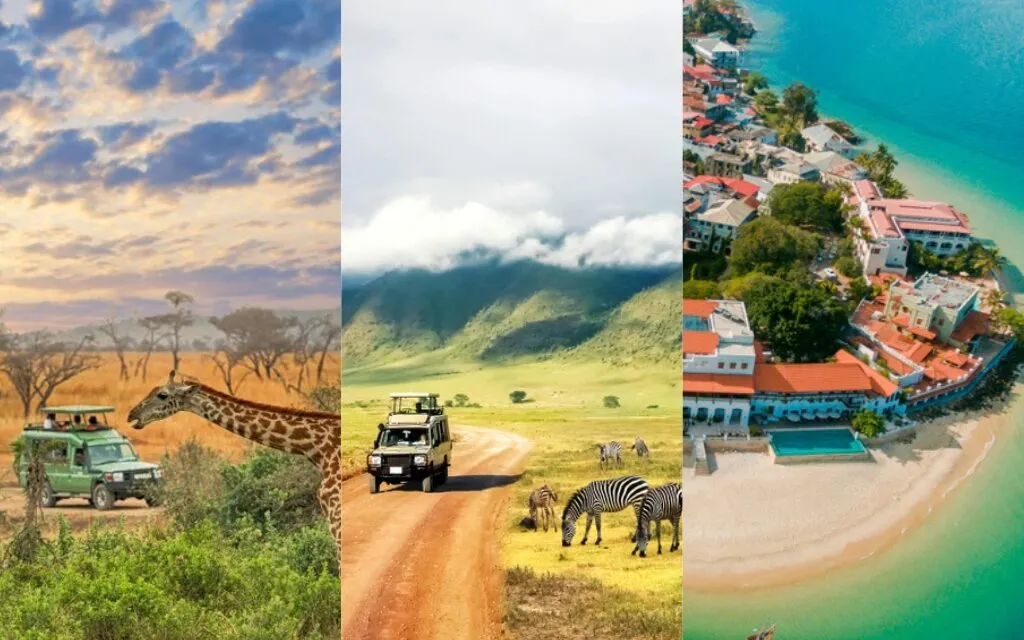
Serengeti & Zanzibar Tours
Luxury Tanzania safari & beach packages with the Great Migration and pristine beaches.
View Package →Related: Best Time to Visit Tanzania 2026 – Perfect safari extension after your Baltic adventure.