
Most Complete Luxembourg Travel Guide 2026-2027 – Everything You Need to Know Before Visiting
This Luxembourg travel guide provides everything you need to plan your journey to one of Europe’s smallest yet most fascinating countries. Luxembourg offers an extraordinary blend of medieval fortresses, dramatic river gorges, modern financial district and surprisingly wild nature that create one of the continent's most diverse travel experiences. Many travelers who want to visit Luxembourg are surprised by the country's incredible fairy-tale castles, UNESCO-listed old town, and the fact that it’s one of the world’s wealthiest and safest nations, covering just 2,586 square kilometers yet packing centuries of history and stunning landscapes.
Start Reading the Full Guide ↓Quick Facts About Luxembourg
- Capital: Luxembourg City.
- Currency: Euro (€).
- Time Zone: Central European Time (CET, UTC+1).
- International Calling Code: +352.
- Driving Side: Right.
- Major Airport: Luxembourg Findel Airport (LUX).
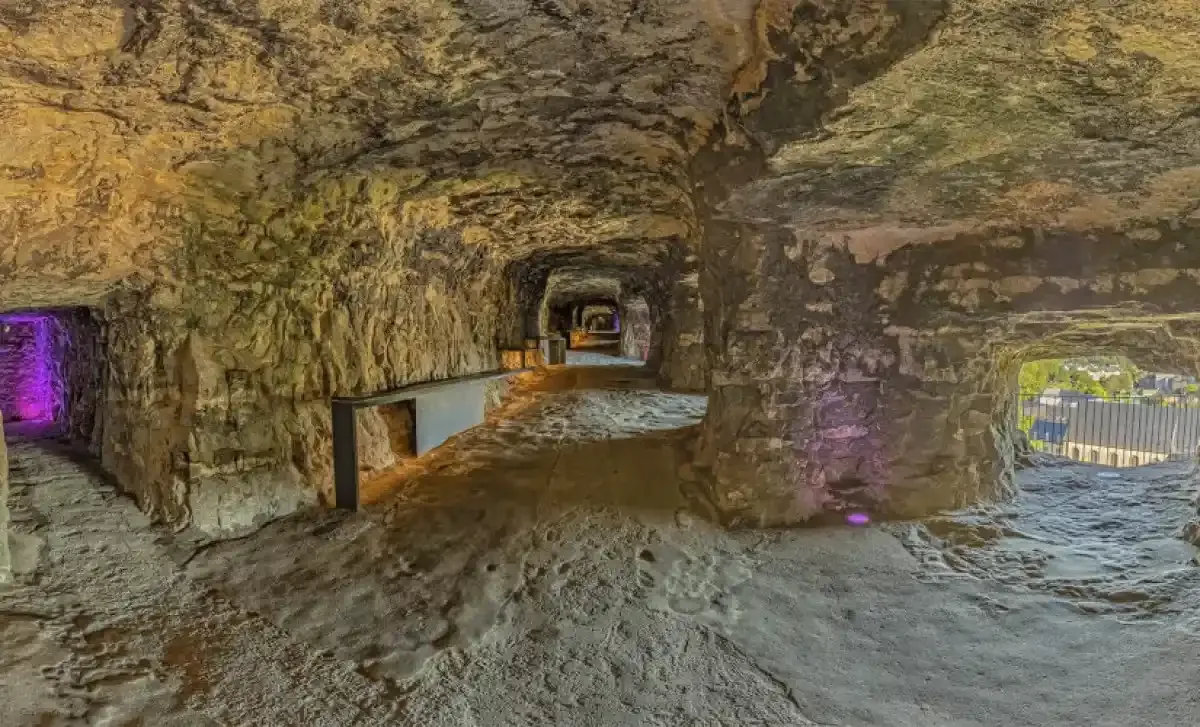
Luxembourg Overview & Key Facts
Brief History of Luxembourg
Luxembourg's history begins with the construction of Luxembourg Castle in 963 by Count Siegfried, giving birth to the county that would become a powerful duchy. For centuries it was fought over by European powers due to its strategic fortress – known as the “Gibraltar of the North”. The country gained independence in 1839 and remained neutral until occupied in both World Wars. Today it is a founding member of the EU, NATO, and the Benelux union.
Independence & National Identity
- Independence date: 1839 (Treaty of London).
- Former rulers: Spain, Austria, France, Netherlands.
- National symbols & identity.
The red lion on blue and white stripes represents courage and resilience. Luxembourgish (“Lëtzebuergesch”) is the national language that binds identity, while the country proudly embraces its multilingual and multicultural nature with one of the highest percentages of foreign residents in Europe.
Government System & Current Leadership
- Type of government: Unitary parliamentary constitutional monarchy
- Current Grand Duke: Henri
- Current Prime Minister: Luc Frieden (since 2023)
Luxembourg is the world’s only remaining Grand Duchy. The monarch’s role is largely ceremonial, with real power resting with the elected parliament and government.
Population, Ethnic Groups & Languages
- Population: 672,000 (2025 estimate).
- Foreign residents: over 47% (largest groups Portuguese, French, Italian, Belgian, German).
- Official languages: Luxembourgish, French, German.
- Additional languages commonly spoken.
English is widely spoken in business and tourism. Portuguese is the most common non-official language due to decades of immigration.
Main Religions & Cultural Identity
Roman Catholicism remains predominant (around 65%), though regular church attendance is low. Freedom of religion is guaranteed and society is highly secular and tolerant.
Geography & Natural Landscape
The north (“Éislek”) belongs to the Ardennes with rolling hills and forests; the center (“Guttland”) has gentle valleys; the south (“Minett”) was formerly industrial with red-earth landscapes; the east (“Mullerthal”) is known as “Little Switzerland” for its dramatic rock formations and waterfalls.
Economy & Tourism Highlights
Luxembourg has the highest GDP per capita in the world thanks to banking, steel (historically), and EU institutions. Tourism is growing rapidly with free public transport nationwide, excellent cycling infrastructure, and a strong focus on castles, hiking and gastronomy.
What Luxembourg Is Known For
- UNESCO-listed Luxembourg City old quarters and fortifications
- Fairy-tale castles (Vianden, Bourscheid, Beaufort)
- World’s highest GDP per capita and safest country ranking
Visa & Entry Requirements in Luxembourg
Luxembourg is part of the Schengen Area – entry rules are identical to visiting France, Germany or Belgium.
Do You Need a Visa?
No visa required for stays up to 90 days in any 180-day period for citizens of the EU, USA, Canada, UK, Australia, New Zealand, Japan, South Korea and 90+ other countries.
Visa Application Options in Luxembourg
- Visa-free entry for eligible nationalities
- Schengen visa (type C) required for others
- Easily applied through any Schengen country embassy
Passport Validity & Entry Documents
Passport must be valid for at least 3 months beyond intended departure from Schengen Area and issued within the last 10 years. No blank page requirement.
Customs Rules & Prohibited Items
Standard EU customs rules apply. €10,000+ cash must be declared. No unusual restrictions.
Safety & Security Information in Luxembourg
Luxembourg consistently ranks among the top 3 safest countries globally. Violent crime is extremely rare.
Is Luxembourg Safe for Tourists?
Yes – one of the safest destinations on earth. Pickpocketing in Luxembourg City train station is the main concern, otherwise negligible risk.
Recommended Safety Tips when in Luxembourg
Standard big-city awareness in the capital at night; everywhere else you can relax completely.
Safe Areas vs. Areas to Avoid in Luxembourg
There are no “areas to avoid” for tourists. All regions are safe.
Emergency Numbers & Tourist Police in Luxembourg
- Police/Fire/Ambulance: 112
- Non-emergency police: 113
Health Requirements & Vaccinations in Luxembourg
No vaccination requirements. Healthcare is among the best and most expensive in Europe.
Mandatory Vaccinations in Luxembourg
None.
Recommended Vaccinations in Luxembourg
Routine vaccines only.
Travel Insurance Recommendations in Luxembourg
Highly recommended – medical treatment is excellent but costly for non-EU citizens without EHIC/GHIC.
Best Time to Visit in Luxembourg
May to September for warm weather and outdoor activities; December for Christmas markets.
Weather by Season
Spring (Mar–May): 8–18°C, blooming landscapes. Summer (Jun–Aug): 15–25°C, best for hiking. Autumn (Sep–Oct): 8–18°C, beautiful foliage. Winter (Dec–Feb): 0–5°C, possible snow, magical Christmas markets.
High Season vs. Low Season Travel
High season: June–August + December. Low season: January–March (cheapest hotels).
Weather & Climate Overview in Luxembourg
Oceanic climate with mild summers and cool winters. Rain possible any day – pack layers.
Temperature Ranges
July average high 23°C, January average low 0°C.
Rainy & Dry Seasons in Luxembourg
No distinct dry season – rainfall evenly distributed. May–September slightly drier.
What to Wear Based on the Weather
Smart-casual clothing, comfortable walking shoes, light rain jacket, layers.
Main Currency, Costs & Budgeting in Luxembourg
Euro (€). Cards accepted virtually everywhere.
Average Travel Costs in Luxembourg
Budget €90–140/day, mid-range €180–300/day, luxury €400+/day.
Tipping Guidelines in Luxembourg
Service included; rounding up or 5–10% for exceptional service appreciated.
Transportation & Getting Around in Luxembourg
All public transport nationwide (buses, trains, trams) is FREE for everyone since 2020 – the first country in the world to do so.
Airport Transfers
Bus 6 or 16 from Findel Airport to city center (free).
Local Transport Options in Luxembourg
Free buses, trams and trains. Excellent cycling network and e-scooter rentals.
Car Rentals & Road Conditions in Luxembourg
Not necessary in the city, useful for exploring castles and Müllerthal. Roads are excellent.
Accommodation Options available in Luxembourg
From youth hostels to 5-star hotels. Book early in summer and December.
Best Areas to Stay in Luxembourg
Luxembourg City (Grund, Clausen, Old Town), Echternach (for Müllerthal), Vianden (castle area).
Essential Packing Guide when Visiting Luxembourg
Comfortable walking shoes, rain jacket, layers, smart-casual evening wear, universal adapter (type C/F).
Language & Communication in Luxembourg
Luxembourgish (national), French and German (administrative), English almost universal in tourism.
Useful Phrases for Tourists
Moien (hello), Merci (thank you), Entschëllegt (sorry), Schwätzt Dir Englesch? (Do you speak English?).
SIM Cards & Mobile Data used in Luxembourg
Excellent 5G coverage. Free Wi-Fi widespread.
Culture & Etiquette in Luxembourg
Polite, reserved, punctual society. Greetings with handshake or three cheek kisses among friends.
Photography Rules in Luxembourg
Generally allowed; ask permission when photographing people up close.
Food, Water & Dining in Luxembourg
Excellent Michelin-starred scene (highest per capita in Europe after France). Try Judd mat Gaardebounen (smoked pork with broad beans), Rieslingspaschtéit (meat pie), and local Moselle wines.
Drinking Water Safety
Tap water is excellent and safe.
Top Attractions & Things to Do in Luxembourg
Major Tourist Attractions in Luxembourg
- Bock Casemates (UNESCO)
- Vianden Castle
- Müllerthal Trail (“Little Switzerland”)
- Luxembourg City old town & fortifications
Plus Bourscheid Castle, Echternach Basilica, Moselle Valley vineyards, Beaufort Castle, Larochette, and the modern Kirchberg financial district with Mudam contemporary art museum.
Luxembourg Electrical System Information
230V, 50Hz, plugs C and F (standard European).
Local Laws & Regulations of Luxembourg
Very liberal and tourist-friendly. Cannabis for personal use decriminalised (2023). Public behaviour relaxed.
Final Travel Tips for Visitors in Luxembourg
Use the free public transport, buy the Luxembourg Card for museums/castles, explore beyond the capital – the countryside and villages are the real highlight.
Frequently Asked Questions – Luxembourg Travel Guide 2026-2027
Our Tanzania Tours Products
While Luxembourg offers fairy-tale castles and European charm, many travelers combine Europe with the ultimate wildlife experience in East Africa. Capable Africa Tours specializes in secure, guided safaris that maximize safety and wonder...
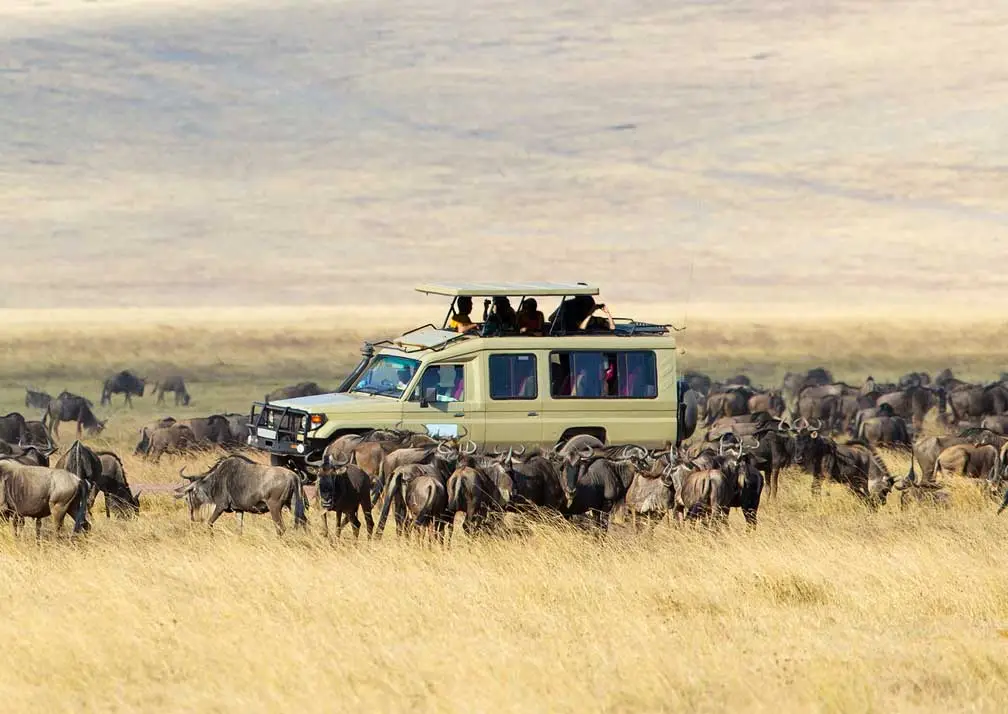
Great Migration Safaris
Experience one of nature's greatest spectacles with our Great Migration safari packages, timed for river crossings or calving.
View Package →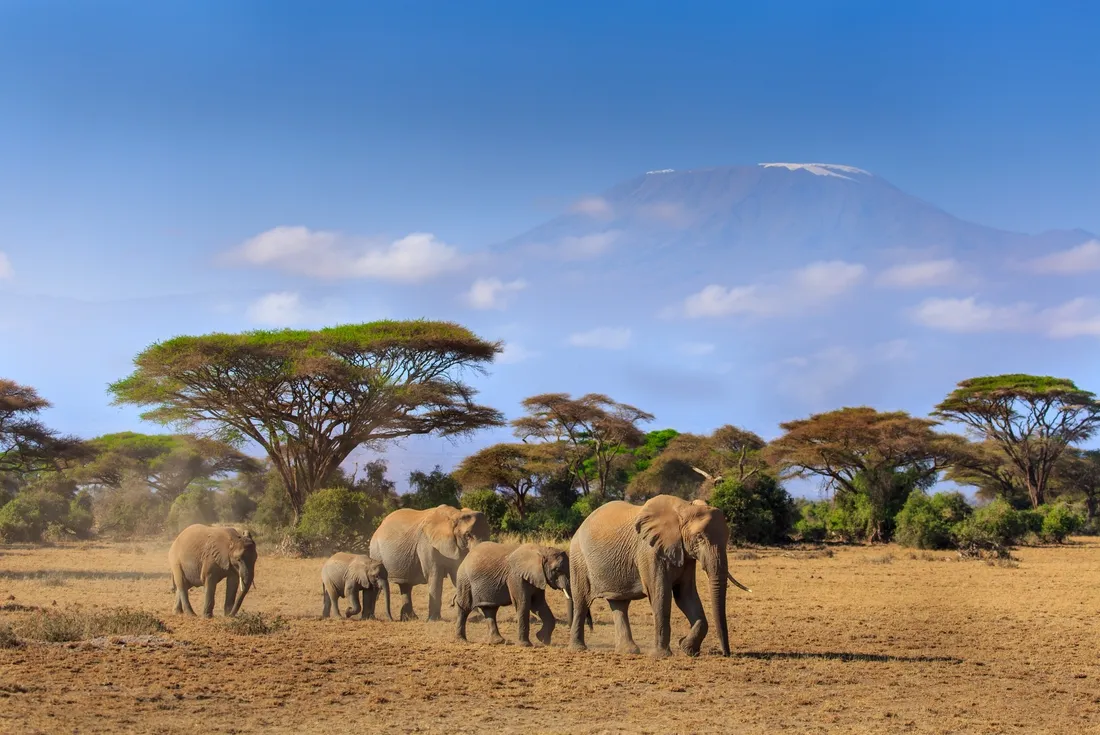
Serengeti & Kilimanjaro Trek
Combined safari and trekking tours offer wildlife adventures and Kilimanjaro climbs.
View Package →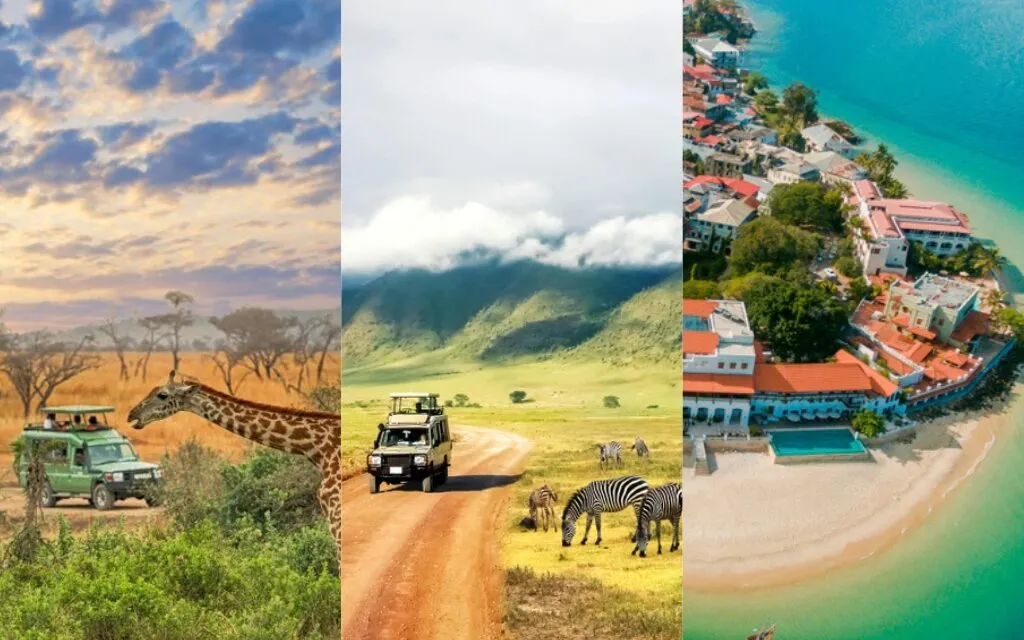
Serengeti & Zanzibar Tours
Luxury Tanzania safari & beach packages with the Great Migration and pristine beaches.
View Package →Related: Best Time to Visit Tanzania 2026 – Perfect safari extension after your Luxembourg adventure.