
Most Complete Madagascar Travel Guide 2026-2027 – Everything You Need to Know Before Visiting
This Madagascar travel guide provides everything you need to plan your journey to the world’s fourth-largest island and one of the planet’s most unique biodiversity hotspots. Madagascar separated from the African continent 88 million years ago, evolving in isolation and creating flora and fauna found nowhere else on Earth – over 90% of its wildlife is endemic. From ring-tailed lemurs and dancing sifakas to ancient baobab avenues and razor-sharp tsingy limestone forests, the Red Island offers one of the most extraordinary travel experiences on the planet.
Start Reading the Full Guide ↓Quick Facts About Madagascar
- Capital: Antananarivo (Tana).
- Currency: Malagasy Ariary (MGA).
- Time Zone: East Africa Time (EAT, UTC+3).
- International Calling Code: +261.
- Driving Side: Right.
- Major Airports: Ivato International (TNR), Fascene Nosy Be (NOS).
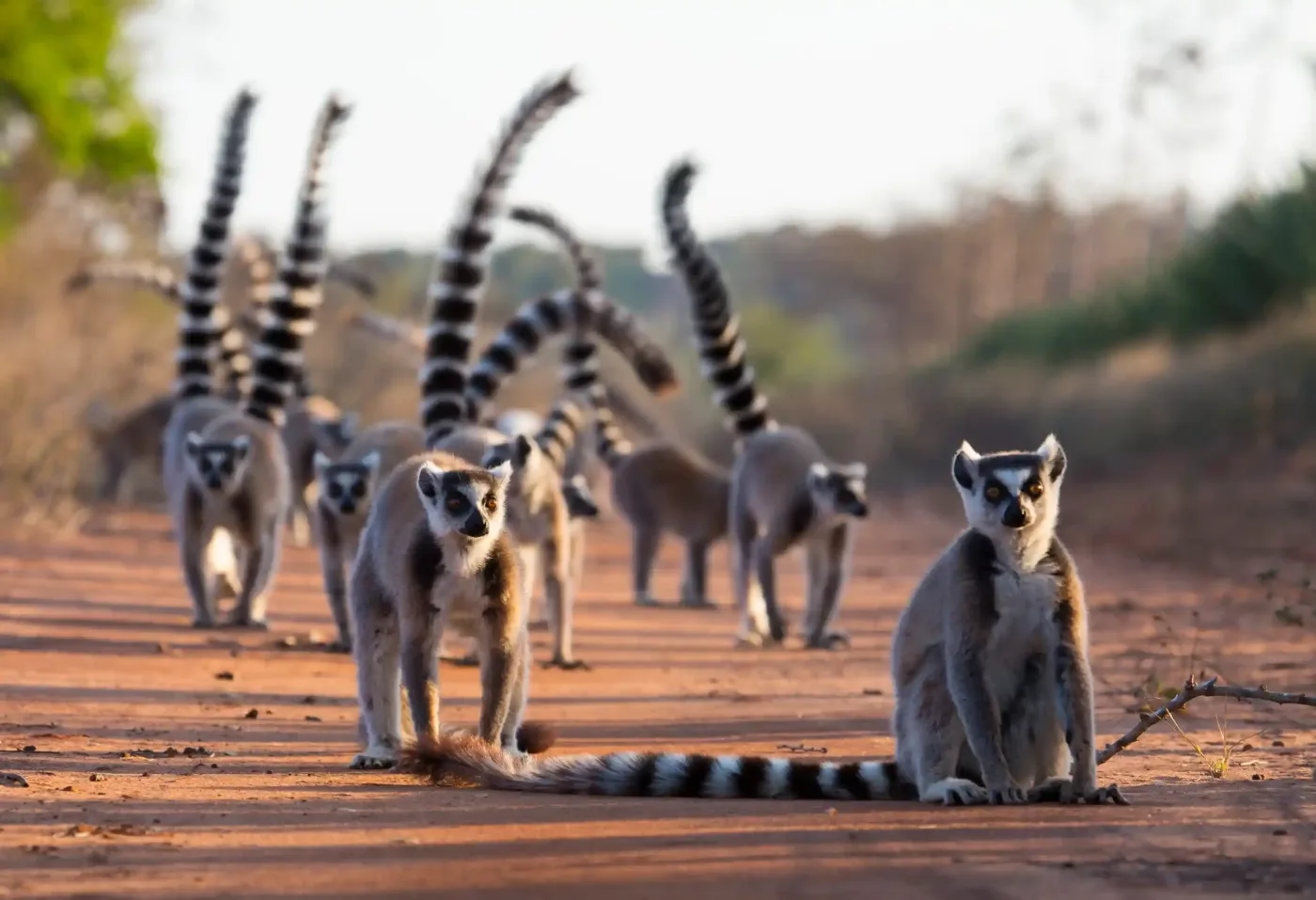
Madagascar Overview & Key Facts
Brief History of Madagascar
Madagascar was one of the last major landmasses settled by humans, with Austronesian peoples arriving from Borneo around 350 BCE–550 CE, followed by Bantu migrants from East Africa. The island developed 18 distinct ethnic groups with rich oral traditions, kingdoms, and unique cultural practices. French colonization began in 1896 and independence was achieved in 1960. This long isolation and diverse influences created one of the world’s most distinctive cultures and ecosystems.
Independence & National Identity
- Independence date: June 26, 1960.
- Former colonial power: France.
- National symbols & identity.
Madagascar’s national identity revolves around the concept of “fihavanana” (solidarity and kinship). The traveler’s tree (Ravenala madagascariensis) is an unofficial national symbol, while the zebu cattle holds deep cultural significance across ethnic groups.
Government System & Current Leadership
- Type of government: Unitary semi-presidential republic
- Current president: Andry Rajoelina (re-elected 2023)
- Notes on political stability
The political situation has stabilized since 2023 with President Rajoelina’s re-election. Tourist areas remain unaffected by occasional political demonstrations in the capital.
Population, Ethnic Groups & Languages
- Population: 30.8 million (2025 projection).
- Major ethnic groups: 18 official groups; largest are Merina (26%), Betsimisaraka (15%), Betsileo.
- Official language(s): Malagasy and French.
- Additional languages commonly spoken.
English is increasingly spoken in tourist areas, hotels, and among younger guides.
Main Religions & Cultural Identity
About 50% follow traditional animist beliefs, 45% Christian, 5% Muslim. Ancestor veneration and “famadihana” (turning of the bones) ceremonies remain strong across denominations.
Geography & Natural Landscape
Madagascar features dramatic geographical diversity: eastern rainforests, central highlands, western dry deciduous forests, southern spiny desert, and northern tsingy limestone plateaus. The island’s unique biodiversity includes over 12,000 plant species (90% endemic) and the entire infraorder of lemurs.
Economy & Tourism Highlights
Tourism is one of the fastest-growing sectors with strong government support. Internal flights and improved roads along the classic RN7 route have made travel more comfortable while preserving authentic experiences.
What Madagascar Is Known For
- 90%+ endemic wildlife – lemurs, fossa, tenrecs, chameleons
- Avenue of the Baobabs, Tsingy de Bemaraha (UNESCO)
- World’s highest biodiversity per square kilometer
Visa & Entry Requirements in Madagascar
Most nationalities receive a visa on arrival. The process is straightforward at Ivato (Antananarivo) and Fascene (Nosy Be) airports.
Do You Need a Visa?
Visa on arrival available for stays up to 90 days for most nationalities (including EU, US, UK, Canada, Australia). Free 15-day visa for some countries.
Visa Application Options in Madagascar
- Visa on arrival (most common)
- e-Visa available online (optional)
- Extension possible in Antananarivo
Passport Validity & Entry Documents
Passport valid 6 months with 2 blank pages. Return/onward ticket may be requested.
Customs Rules & Prohibited Items
Strict protection of endemic species – no export of lemurs, tortoises, seeds, or rosewood. Declare drones and professional camera equipment.
Safety & Security Information in Madagascar
Madagascar is generally safe in tourist areas. Petty theft and pickpocketing occur in Antananarivo and some coastal towns.
Is Madagascar Safe for Tourists?
Yes in established tourist circuits (RN7, Nosy Be, Île Sainte-Marie, Andasibe–Ranomafana–Isalo). Use registered guides and vehicles.
Recommended Safety Tips when in Madagascar
Don’t walk alone after dark in cities, use registered taxis, avoid flashing valuables, drink bottled water, use malaria prophylaxis.
Safe Areas vs. Areas to Avoid in Madagascar
Safe: RN7 route, Nosy Be, Sainte-Marie, national parks. Caution: Antananarivo backstreets at night, remote southwest.
Emergency Numbers & Tourist Police in Madagascar
- Police: 17
- Medical: 117 / SAMU 124
- Tourist Police in major centers
Health Requirements & Vaccinations in Madagascar
No mandatory vaccines except yellow fever if arriving from endemic country. Malaria risk year-round in coastal areas.
Mandatory Vaccinations in Madagascar
Yellow fever certificate required if coming from risk area.
Recommended Vaccinations in Madagascar
Hepatitis A, Typhoid, Rabies (highly recommended), routine vaccines + malaria prophylaxis (Malarone or doxycycline).
Malaria & Other Risks
Malaria present nationwide except central highlands above 1,500m. Use DEET repellent, sleep under treated nets.
Travel Insurance Recommendations in Madagascar
Mandatory for evacuation coverage – medical facilities limited outside Antananarivo and Nosy Be.
Best Time to Visit in Madagascar
Dry season (April–November) is ideal. Whale season July–September, lemur babies September–December.
Weather by Season
Dry season: cool and pleasant (18–28°C). Wet season: hot and cyclones possible Jan–Mar.
When to Visit Madagascar for Best Experiences
- Lemur viewing: Sep–Dec
- Whale watching: Jul–Sep
- Baobabs & Tsingy: May–Oct
Weather & Climate Overview in Madagascar
Dramatic microclimates: wet east coast, dry southwest, cool highlands.
Temperature Ranges
Highlands 10–25°C year-round; coast 25–32°C; south can reach 38°C.
Rainy & Dry Seasons in Madagascar
Dry season May–October; cyclone season January–March.
What to Wear Based on the Weather
Light layers, rain jacket, good walking shoes, hat, sunscreen, warm layer for highlands.
Main Currency, Costs & Budgeting in Madagascar
Ariary (MGA). Euros widely accepted in tourist areas.
Average Travel Costs in Madagascar
Budget $80–120/day; mid-range $150–250/day; private tours with flights $300–500/day.
Transportation & Getting Around in Madagascar
Internal flights (Air Madagascar/Tsaratana) essential for north/south. RN7 route well-served by private 4x4.
Accommodation Options available in Madagascar
From basic gîtes to luxury eco-lodges in parks and private-island resorts in Nosy Be.
Essential Packing Guide when Visiting Madagascar
Binoculars, headlamp, rain cover, good walking shoes, DEET, power bank, dry bag.
Language & Communication in Madagascar
Malagasy and French official; English common in tourism.
Culture & Etiquette in Madagascar
Respect fady (taboos), ask permission before photographing people, remove shoes when entering homes.
Food, Water & Dining in Madagascar
Rice three times daily, zebu steak, seafood on coast, romazava, ravitoto.
Top Attractions & Things to Do in Madagascar
- Avenue of the Baobabs
- Tsingy de Bemaraha (UNESCO)
- Ranomafana & Andasibe rainforests
- Isalo National Park
- Nosy Be archipelago
Madagascar Electrical System Information
220–230V, 50Hz, European plugs (C/E).
Local Laws & Regulations of Madagascar
Strict wildlife protection laws. No export of endemic species or products.
Final Travel Tips for Visitors in Madagascar
Book internal flights early, use registered guides, bring euros cash, respect local fady, allow buffer days.
Frequently Asked Questions – Madagascar Travel Guide 2026-2027
Our Tanzania Tours Products
While Madagascar delivers the world’s most unique wildlife experience, many travelers combine it with the classic East African safari circuit. Capable Africa Tours specializes in seamless multi-country journeys connecting Madagascar’s lemurs with Tanzania’s Big-5 and Great Migration.
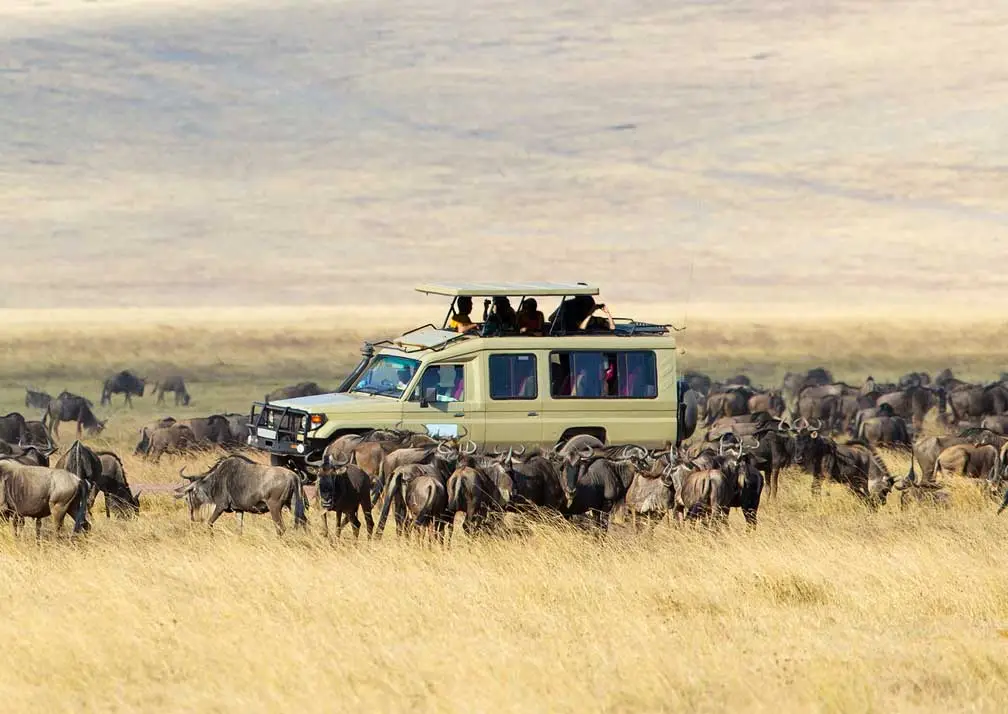
Great Migration Safaris
Experience one of nature's greatest spectacles with our Great Migration safari packages, timed for river crossings or calving.
View Package →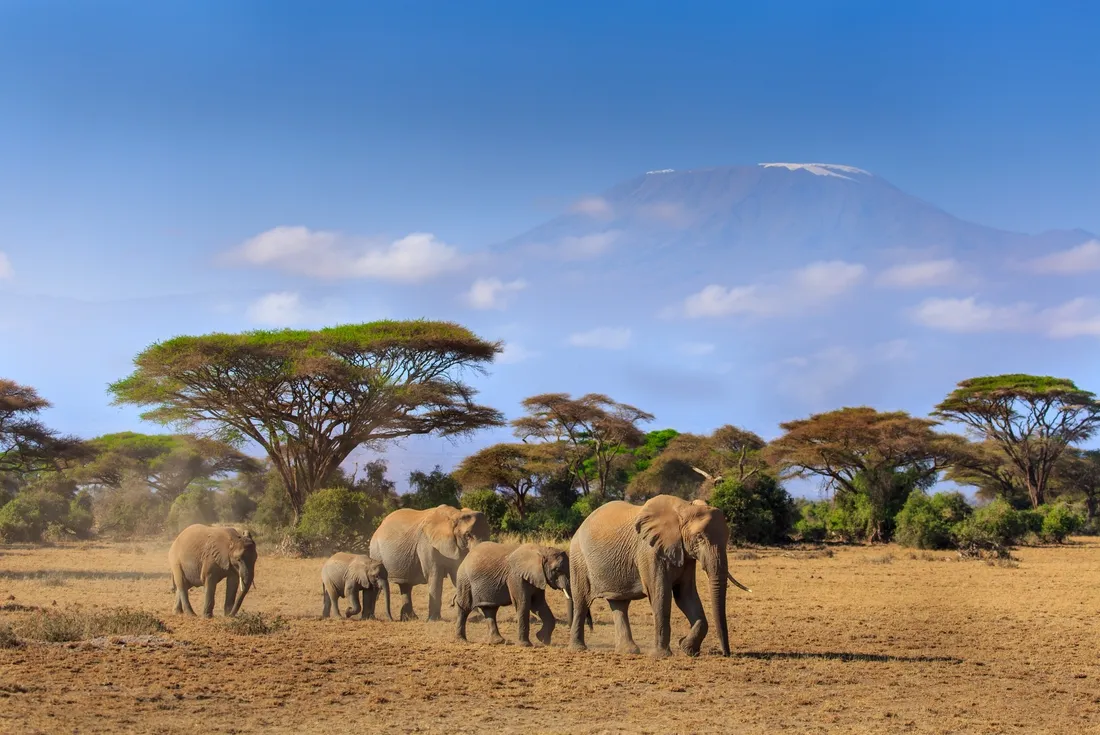
Serengeti & Kilimanjaro Trek
Combined safari and trekking tours offer wildlife adventures and Kilimanjaro climbs.
View Package →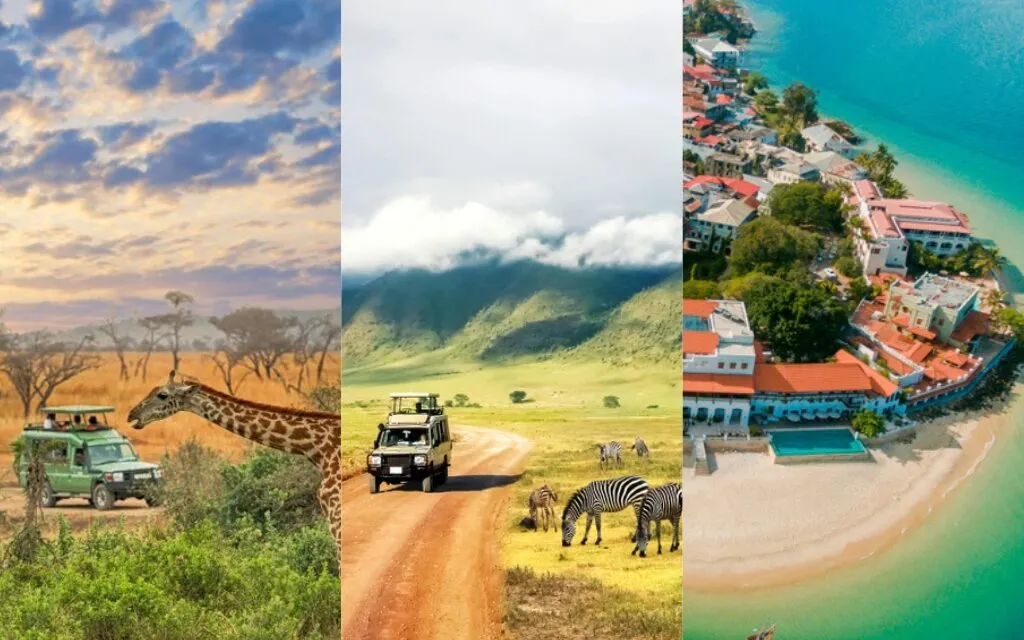
Serengeti & Zanzibar Tours
Luxury Tanzania safari & beach packages with the Great Migration and pristine beaches.
View Package →Related: Best Time to Visit Tanzania 2026 – Perfect safari extension after your Madagascar adventure.