Most Complete Malawi Travel Guide 2026-2027 – Everything You Need to Know Before Visiting
This Malawi travel guide provides everything you need to plan your journey to the Warm Heart of Africa. Malawi offers an extraordinary blend of crystal-clear Lake Malawi beaches, dramatic highlands, rich wildlife parks and genuinely welcoming people that create one of the continent's most relaxing and authentic travel experiences. Many travelers who visit Malawi are surprised by the country's incredible natural beauty and the warmth of its people. Covering about 118,000 square kilometers, Malawi is a long, narrow country dominated by the vast Lake Malawi – the third-largest lake in Africa – offering visitors everything from pristine freshwater beaches to excellent diving, hiking plateaus and intimate wildlife encounters.
Start Reading the Full Guide ↓Quick Facts About Malawi
- Capital: Lilongwe.
- Currency: Malawian Kwacha (MWK).
- Time Zone: Central Africa Time (CAT, UTC+2).
- International Calling Code: +265.
- Driving Side: Left.
- Major Airports: Lilongwe Kamuzu International (LLW), Chileka International (Blantyre).
Malawi Overview & Key Facts
Brief History of Malawi
Malawi's history stretches back to early human settlements, with Bantu-speaking peoples arriving around the 10th century. The Maravi Kingdom dominated the region from the late 15th century, giving the country its name. Scottish missionary David Livingstone reached Lake Malawi in 1859, paving the way for British colonial rule as Nyasaland in 1891. This rich historical background creates a fascinating context for modern travelers exploring ancient rock art, colonial architecture and vibrant cultural traditions.
Independence & National Identity
- Independence date: July 6, 1964.
- Former colonial power: Britain.
- National symbols & identity.
Malawi gained independence peacefully in 1964 under Dr Hastings Kamuzu Banda, who ruled until 1994. The national flag features black, red and green stripes with a rising sun, symbolizing hope for Africa’s freedom. Known as the “Warm Heart of Africa,” Malawi prides itself on friendliness and peaceful multicultural coexistence.
Government System & Current Leadership
- Type of government: Presidential Republic
- Current president: Lazarus Chakwera (since June 2020)
- Notes on political stability
Malawi is a stable multiparty democracy with peaceful transitions of power. President Lazarus Chakwera was elected in a 2020 re-run election. The country enjoys political stability and low levels of violent crime.
Population, Ethnic Groups & Languages
- Population: 21.5 million (2025 projection).
- Major ethnic groups: Chewa (34%), Lomwe (19%), Yao (13%), Ngoni (12%).
- Official language(s): English and Chichewa.
- Additional languages commonly spoken.
English is the official language and widely used in business and tourism. Chichewa is the national language spoken by over 70% of the population. Tumbuka is common in the north. Tourism staff almost universally speak good English.
Main Religions & Cultural Identity
Christianity (82%) and Islam (13%) dominate religious life. Religious tolerance is high with peaceful coexistence. Traditional beliefs influence many cultural practices. Visitors should respect local customs, especially in rural villages.
Geography & Natural Landscape
Malawi features three main regions: the Rift Valley with massive Lake Malawi (580 km long), central plateaus, and highland areas including Nyika Plateau and Mulanje Massif. The Shire River connects Lake Malawi to the Zambezi. The country enjoys a subtropical climate with a distinct dry season.
Economy & Tourism Highlights
Agriculture (tobacco, tea, sugar) drives the economy, with growing tourism centered on Lake Malawi and wildlife parks. The government actively promotes eco-tourism and community-based tourism initiatives.
What Malawi Is Known For
- Lake Malawi – third-largest in Africa, incredible freshwater biodiversity
- Friendly people – “Warm Heart of Africa”
- Excellent birding (over 650 species) and intimate wildlife parks
Visa & Entry Requirements in Malawi
Most international visitors enjoy easy entry to Malawi with visa-on-arrival or visa-free access. The government has simplified entry procedures to encourage tourism growth.
Do You Need a Visa?
Citizens of most Commonwealth countries, USA, UK, most EU countries and SADC nations are visa-exempt or receive visa on arrival for up to 90 days. Check current status before travel as lists change.
Visa Application Options in Malawi
- Visa on arrival (free or small fee)
- e-Visa available online
- Visa-exempt for many nationalities
e-Visa is quick and convenient. Visa on arrival is efficient at major airports and land borders.
Passport Validity & Entry Documents
Passport must be valid for six months with at least two blank pages. Return/onward ticket sometimes requested. Yellow Fever certificate required only if arriving from endemic countries.
Customs Rules & Prohibited Items
Standard restrictions apply. Duty-free allowance: 200 cigarettes, 1L spirits. Declare large amounts of cash. Plastic bags are banned.
Safety & Security Information in Malawi
Malawi remains one of the safest countries in Africa for tourists with low violent crime rates and friendly locals.
Is Malawi Safe for Tourists?
Yes – Malawi has consistently low crime rates against tourists. Political situation is stable. Most visits are trouble-free.
Recommended Safety Tips when in Malawi
Use registered taxis after dark, avoid walking alone at night in cities, secure valuables, use mosquito repellent. Normal precautions apply.
Safe Areas vs. Areas to Avoid in Malawi
All tourist areas are considered safe. No specific areas to avoid for tourists.
Emergency Numbers & Tourist Police in Malawi
- Police: 997 or 990
- Fire: 998
- Medical Emergency: 998
- Tourist Police units in major centers
Health Requirements & Vaccinations in Malawi
No mandatory vaccinations except Yellow Fever if arriving from endemic countries. Malaria prophylaxis strongly recommended.
Mandatory Vaccinations in Malawi
Yellow Fever certificate only if coming from endemic country.
Recommended Vaccinations in Malawi
Hepatitis A, Typhoid, routine vaccines. Malaria prophylaxis essential.
Malaria & Other Risks
Malaria present nationwide below 2,000m. Use repellent and nets. Bilharzia risk in Lake Malawi – avoid swimming in southern areas near rivers.
Travel Insurance Recommendations in Malawi
Highly recommended covering medical evacuation.
Best Time to Visit in Malawi
May–October (dry season) for wildlife and comfortable temperatures. November–April for birding and lush scenery.
Weather by Season
Dry season (May–Oct): cool and dry. Wet season (Nov–Apr): hot and rainy, lush landscapes.
When to Visit Malawi for Best Experiences
- Wildlife viewing best June–October
- Birding best November–April
- Beach holidays good year-round
- Hiking best May–September
High Season vs. Low Season Travel
High season: June–October. Low season: November–April (green season discounts).
Weather & Climate Overview in Malawi
Subtropical climate with three seasons: cool/dry (May–Aug), hot/dry (Sep–Nov), hot/wet (Nov–Apr).
Temperature Ranges
Coastal/lake areas 25–30°C year-round. Highlands cooler (10–22°C).
Rainy & Dry Seasons in Malawi
Dry season May–October. Rainy season November–April.
What to Wear Based on the Weather
Light clothing, swimsuits, light jacket for evenings May–August.
Main Currency, Costs & Budgeting in Malawi
Malawian Kwacha (MWK). USD widely accepted at lodges.
Local Currency Information
ATMs common in cities. Cards accepted at major lodges.
Average Travel Costs in Malawi
Budget $60–100/day, mid-range $150–280/day, luxury $400–800+/day.
Using ATMs, Cards & Mobile Money in Malawi
Visa/Mastercard accepted at lodges. Mobile money common.
Tipping Guidelines in Malawi
10% in restaurants, $5–10/day for guides and staff.
Transportation & Getting Around in Malawi
Domestic flights, minibuses, private transfers, self-drive options.
Airport Transfers
Taxis and lodge transfers available.
Local Transport Options in Malawi
Minibuses, taxis, boda-bodas, ferries on lake.
Malawi Domestic Flights
Limited flights Lilongwe–Blantyre and to Likoma Island.
Car Rentals & Road Conditions in Malawi
4WD recommended outside main roads.
Accommodation Options available in Malawi
Range from backpacker hostels to luxury lake lodges.
Types of Accommodations in Malawi
Hostels, guesthouses, lakeside lodges, safari camps.
Budget vs. Mid-Range vs. Luxury
Budget $20–50, mid-range $80–200, luxury $300–1000+/night.
Best Areas to Stay in Malawi
Cape Maclear, Nkhata Bay, Likoma Island, Liwonde NP, Majete, Nyika.
Essential Packing Guide when Visiting Malawi
Light clothing, swimsuit, sunscreen, insect repellent, malaria prophylaxis.
Clothing Essentials
Light breathable clothes, swimsuit, light jacket.
Footwear & Gear
Sandals, walking shoes, snorkel gear.
Electronics & Cameras
Universal adapter (Type G plugs), power bank.
Toiletries & Personal Items
Sunscreen, insect repellent, medications.
Language & Communication in Malawi
English official and widely spoken in tourism.
Main Languages Spoken in Malawi
English and Chichewa.
Useful Phrases for Tourists
“Muli bwanji?” (How are you?), “Zikomo” (Thank you).
SIM Cards & Mobile Data used in Malawi
Airtel and TNM widely available.
Internet Availability & Wi-Fi in Malawi
Good in lodges, limited in remote areas.
Culture & Etiquette in Malawi
Friendly, conservative society. Greetings important.
Malawian Dress Code Expectations
Modest dress in villages, swimsuits fine at resorts.
Social Etiquette & Respectful Behavior of Malawi
Greet people, accept tea offers, remove shoes indoors.
Photography Rules in Malawi
Ask permission before photographing people.
Important Cultural Dos & Don’ts in Malawi
Do greet people, use right hand, respect elders. Don’t point with finger.
Food, Water & Dining in Malawi
Nsima (maize porridge) with relish, lake fish, international options at lodges.
Malawian Local Dishes to Try
Nsima & ndiwo, chambo fish, kachumbari.
Dietary Options in Malawi
Vegetarian options available, vegan possible with planning.
Drinking Water Safety
Bottled water recommended outside lodges.
Restaurant Etiquette
Tipping 10% appreciated.
Top Attractions & Things to Do in Malawi
Lake Malawi beaches, Liwonde National Park, Nyika Plateau, Mulanje Massif, Likoma Island.
Major Tourist Attractions in Malawi
- Lake Malawi National Park (UNESCO)
- Liwonde National Park
- Nyika Plateau
- Mulanje Massif
Best Tours & Experiences in Malawi
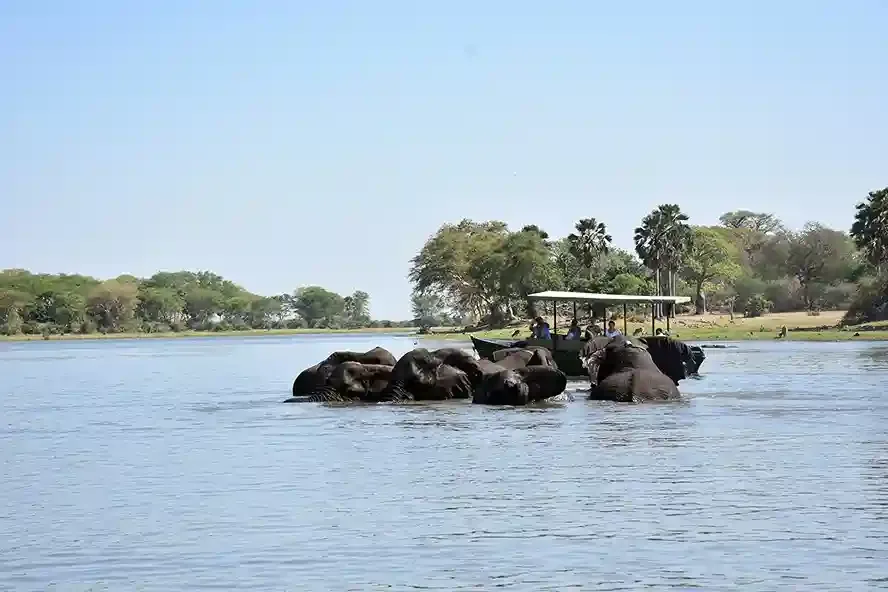
Kaya Mawa luxury island stays, boat-based safaris in Liwonde, hiking Mulanje, diving/snorkelling Lake Malawi.
Family-Friendly Activities to do in Malawi
Lake beaches, horse riding, village visits, kayaking.
Unique Cultural or Historical Sites to visit in Malawi
Likoma Cathedral, Chongoni Rock Art (UNESCO), Livingstonia mission.
Malawian Electrical System Information
Type G plugs, 230V, 50Hz.
Plug Types & Voltage used in Malawi
British Type G plugs. Bring adapter.
Charging Tips
Power banks useful during outages.
Local Laws & Regulations of Malawi
Relaxed and tourist-friendly.
Rules Travelers Need to Know when In Malawi
No plastic bags, no drone without permit, respectful photography.
Alcohol, Smoking & Substance Laws of Malawi
Alcohol legal 18+, cannabis illegal.
Restricted or Protected Areas in Malawi.
National parks require permits/guides.
Final Travel Tips for Visitors in Malawi
Bring USD cash, malaria prophylaxis, swim only in designated areas, support community projects.
Common Mistakes to Avoid
Underestimating distances, swimming in southern lake areas (bilharzia), not booking high-season accommodation.
Tips to Save Money when Visiting Malawi
Travel green season, use public minibuses, stay in local guesthouses.
Safety & Comfort Tips
Use repellent, drink bottled water, hire registered guides.
Frequently Asked Questions – Malawi Travel Guide 2026-2027
Our Tanzania Tours Products
While Malawi offers incredible lake relaxation and intimate wildlife experiences, many travelers combine it with the world-famous Serengeti migration and Ngorongoro Crater in neighboring Tanzania. Capable Africa Tours specializes in secure, guided safaris that maximize safety and wonder. Our expert local guides, armed rangers in parks, and vetted accommodations ensure peace of mind. From family-friendly lodges to luxury camps, we handle logistics so you focus on the magic.
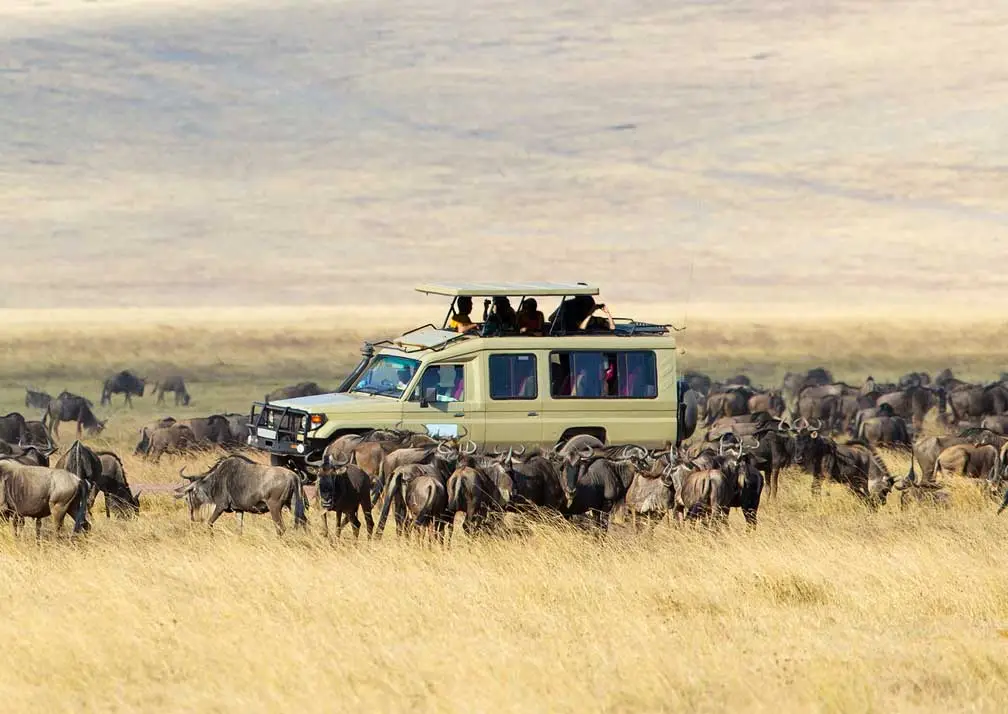
Great Migration Safaris
Experience one of nature's greatest spectacles with our Great Migration safari packages, timed for river crossings or calving.
View Package →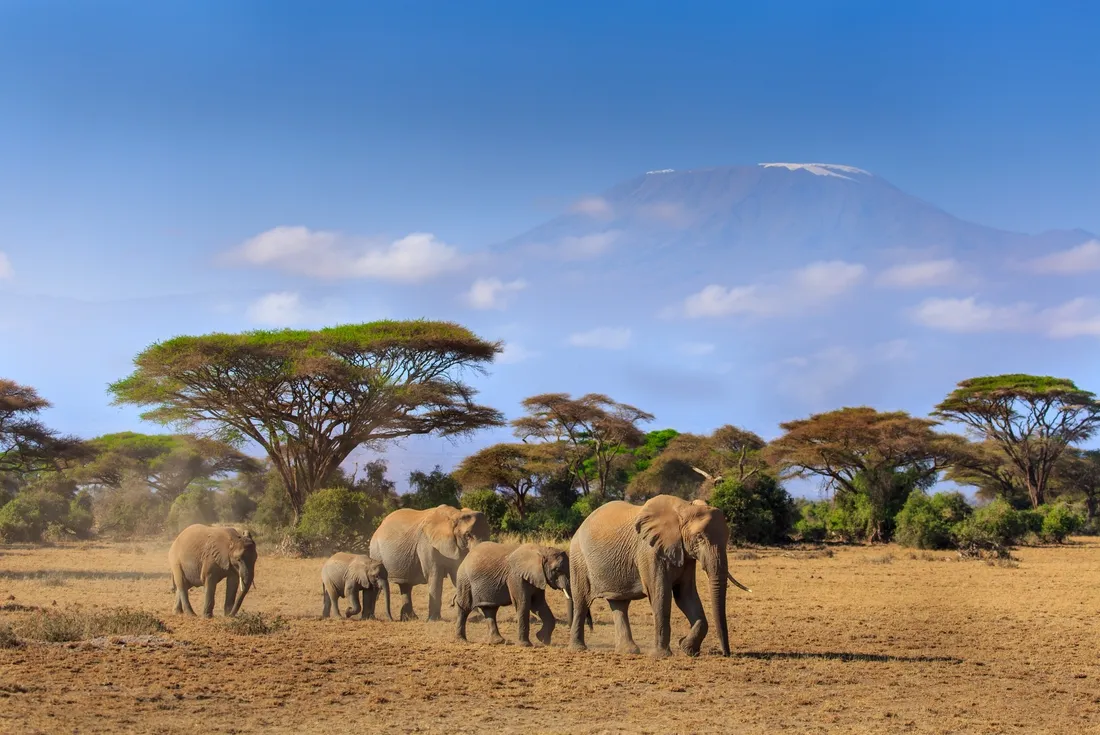
Serengeti & Kilimanjaro Trek
Combined safari and trekking tours offer wildlife adventures and Kilimanjaro climbs.
View Package →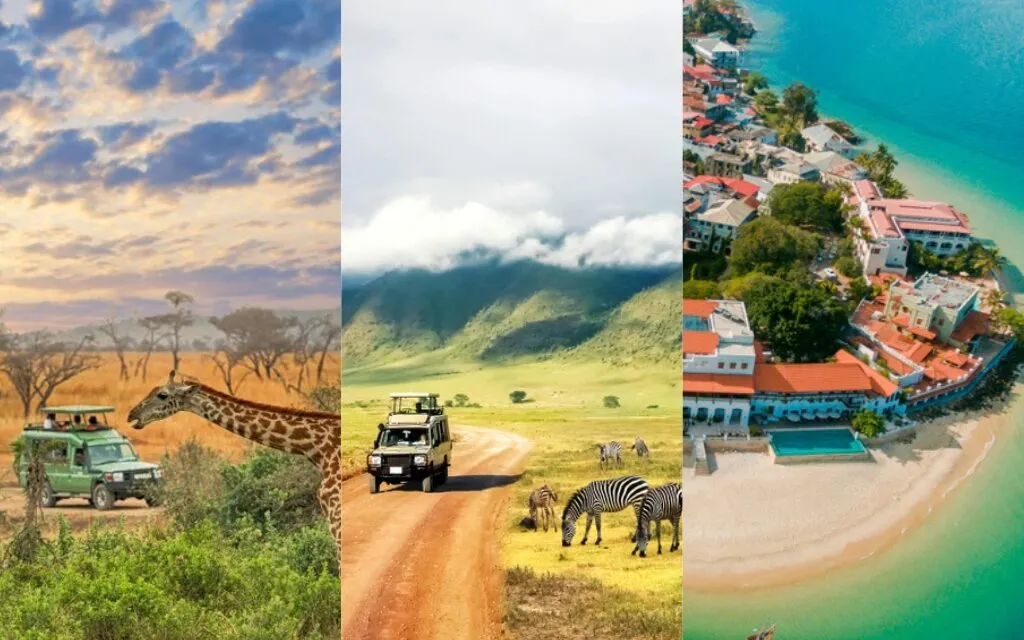
Serengeti & Zanzibar Tours
Luxury Tanzania safari & beach packages with the Great Migration and pristine beaches.
View Package →Related: Best Time to Visit Tanzania 2026 – Perfect safari extension after your Malawi lake holiday.