
Most Complete Malaysia Travel Guide 2026-2027 – Everything You Need to Know Before Visiting
This Malaysia travel guide provides everything you need to plan your journey to Southeast Asia's most diverse destination. Malaysia offers an extraordinary blend of ultramodern cities, multicultural heritage, ancient rainforests, and turquoise-fringed islands that create one of the continent's most varied travel experiences. Many travelers who want to travel to Malaysia are surprised by the country's incredible diversity and rich cultural tapestry spanning Malay, Chinese, Indian, and indigenous traditions. The nation covers both Peninsular Malaysia and Malaysian Borneo, offering visitors everything from futuristic skylines to orangutan sanctuaries and pristine dive sites.
Start Reading the Full Guide ↓Quick Facts About Malaysia
- Capital: Kuala Lumpur (administrative), Putrajaya (government).
- Currency: Malaysian Ringgit (MYR).
- Time Zone: Malaysia Standard Time (MST, UTC+8).
- International Calling Code: +60.
- Driving Side: Left.
- Major Airports: Kuala Lumpur International (KUL), Penang (PEN), Kota Kinabalu (BKI).
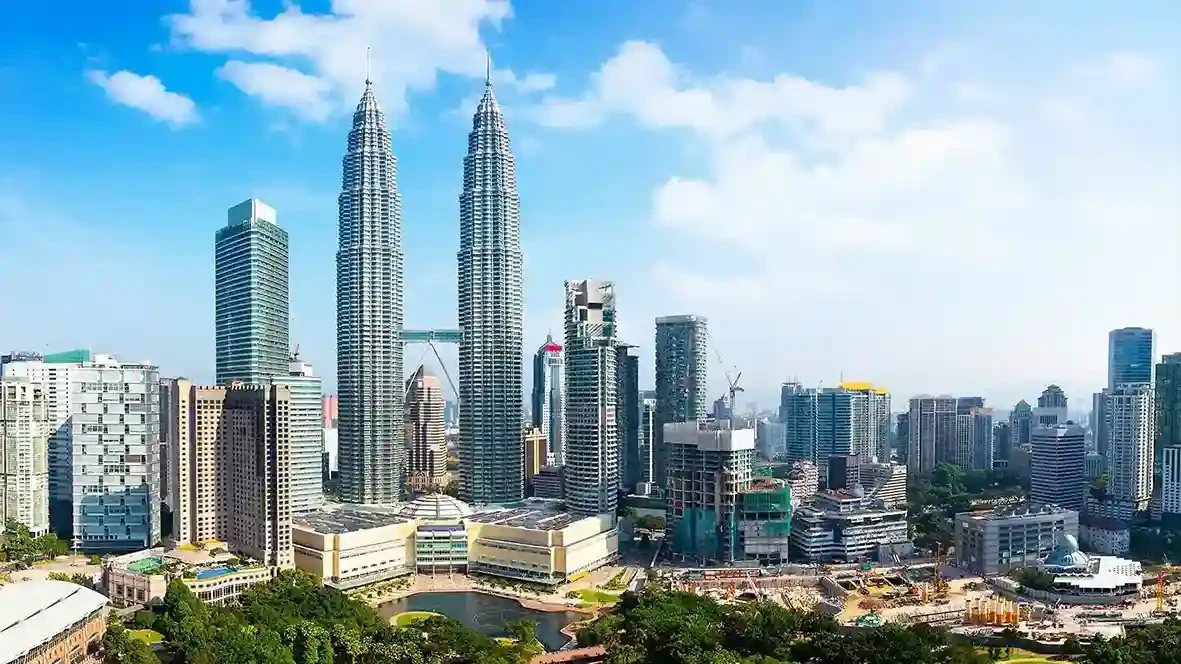
Malaysia Overview & Key Facts
Brief History of Malaysia
Malaysia's history spans ancient Hindu-Buddhist kingdoms, the golden age of Malacca Sultanate, Portuguese, Dutch and British colonial eras to modern independence. The strategic location along ancient maritime trade routes brought Indian, Chinese, Arab and European influences that shaped its multicultural society. This rich historical tapestry creates a fascinating backdrop for modern travelers exploring UNESCO heritage cities and colonial architecture.
Independence & National Identity
- Independence date: August 31, 1957 (as Malaya), 1963 (formation of Malaysia).
- Former colonial power: Britain.
- National symbols & identity.
Malaysia gained independence peacefully in 1957 and formed the federation including Sabah and Sarawak in 1963. Today, national identity celebrates “1Malaysia” unity in diversity with the Petronas Towers, hibiscus flower, and “Truly Asia” slogan symbolizing its multicultural harmony.
Government System & Current Leadership
- Type of government: Constitutional monarchy with parliamentary democracy
- Current prime minister: Anwar Ibrahim (since November 2022)
- Notes on political stability
Malaysia operates as a federal constitutional monarchy with the Yang di-Pertuan Agong (King) elected every five years among nine Malay sultans. The country enjoys relative political stability and is regarded as one of Southeast Asia’s most developed and visitor-friendly nations.
Population, Ethnic Groups & Languages
- Population: 34.1 million (2025 projection).
- Major ethnic groups: Malays (62%), Chinese (21%), Indians (6%), Indigenous (11%).
- Official language(s): Bahasa Malaysia.
- Additional languages commonly spoken.
English is widely spoken especially in cities, tourism and business. Mandarin, Tamil, and numerous indigenous languages thrive. This multilingual environment makes Malaysia exceptionally tourist-friendly.
Main Religions & Cultural Identity
Islam is the official religion (61%), practiced by Malays. Buddhism (20%), Christianity (9%), Hinduism (6%) and indigenous beliefs coexist harmoniously. Religious festivals like Hari Raya, Chinese New Year, Deepavali and Christmas are public holidays celebrated nationwide.
Geography & Natural Landscape
Malaysia straddles the equator with Peninsular Malaysia and East Malaysia (Borneo) separated by the South China Sea. Ancient rainforests (some of the oldest on Earth), limestone caves, highlands, mangroves and thousands of islands create extraordinary biodiversity and scenery.
Economy & Tourism Highlights
Upper-middle-income economy driven by electronics, palm oil, petroleum and tourism. “Malaysia Truly Asia” campaign has successfully positioned the country as Southeast Asia’s most diverse and accessible destination with world-class infrastructure.
What Malaysia Is Known For
- Petronas Twin Towers & futuristic Kuala Lumpur skyline
- UNESCO George Town and Malacca historic cities
- Borneo rainforests with orangutans and proboscis monkeys
- Pristine islands (Langkawi, Perhentian, Sipadan diving)
- World-famous street food and multicultural cuisine
Visa & Entry Requirements in Malaysia
Most nationalities enjoy visa-free entry for 90 days, making Malaysia one of the easiest countries in Asia to visit. The visa policy is generous and e-Visa or Visa on Arrival options exist for nationalities that require them.
Do You Need a Visa?
No visa required for 90 days for citizens of USA, EU, UK, Australia, Canada, Japan, South Korea and most ASEAN countries. Many African and Middle Eastern countries also enjoy visa-free access. Check official Malaysian immigration website for your nationality.
Visa Application Options in Malaysia
- Visa-free entry (90 days most countries)
- e-Visa (online) for India, China and select nationalities
- Visa on Arrival for limited nationalities at major airports
Visa extensions are possible for an additional 30 days at immigration offices inside Malaysia.
Passport Validity & Entry Documents
Passport must be valid for six months beyond intended stay with at least two blank pages. Return/onward ticket may be requested. Proof of accommodation sometimes asked at immigration.
Customs Rules & Prohibited Items
Strict drug laws – death penalty for trafficking. Alcohol import limited (1 litre). Pork products restricted for Muslim customs. Duty-free allowances are generous for personal items.
Safety & Security Information in Malaysia
Malaysia is considered one of the safest countries in Southeast Asia with low violent crime rates. Most governments rate the country Level 1 (normal precautions). Petty theft and scams are the main concerns in tourist areas.
Is Malaysia Safe for Tourists?
Yes – very safe. Tourist police units operate in major destinations. Avoid eastern Sabah offshore islands due to past kidnapping incidents by Abu Sayyaf groups (travel advisory remains).
Recommended Safety Tips when in Malaysia
Use Grab (ride-hailing) instead of street taxis, keep valuables secure in crowds, use hotel safes, avoid unlicensed guides. Women travelers report feeling very safe.
Safe Areas vs. Areas to Avoid in Malaysia
All of Peninsular Malaysia and main Borneo cities are safe. Avoid eastern Sabah islands (e.g., Semporna dive trips still okay with precautions). Deep jungle border areas with Thailand/Indonesia have occasional insurgent activity.
Emergency Numbers & Tourist Police in Malaysia
- Emergency: 999
- Tourist Police: 03-2149 6590 (KL) or dial 999
Tourist police speak English and operate in major tourist zones.
Health Requirements & Vaccinations in Malaysia
No mandatory vaccinations except Yellow Fever certificate if arriving from endemic countries. Standard travel vaccinations recommended.
Mandatory Vaccinations in Malaysia
Yellow Fever certificate required if coming from infected areas (Africa/South America).
Recommended Vaccinations in Malaysia
Hepatitis A, Typhoid, and routine vaccines. Malaria prophylaxis only for deep Borneo interior (most tourist areas are malaria-free).
Malaria & Other Risks
Mosquito-borne diseases (dengue) present year-round. Use repellent, especially dawn/dusk. Tap water safe in cities, bottled elsewhere.
Travel Insurance Recommendations in Malaysia
Highly recommended covering medical evacuation (especially for diving/jungle activities). Many policies include coverage for theft and trip cancellation.
Best Time to Visit in Malaysia
Malaysia is a year-round destination but timing depends on region due to different monsoon patterns on east and west coasts.
Weather by Season
Hot and humid year-round (26–33°C). West coast dry Dec–Mar, east coast dry Jun–Sep. Rainy seasons bring short heavy showers rather than all-day rain.
When to Visit Malaysia for Best Experiences
- Diving: March–October (Sipadan, Tioman, Perhentians)
- Borneo wildlife: March–October (dry season)
- Cameron Highlands/tea plantations: year-round cooler
- Festivals: Chinese New Year (Jan/Feb), Hari Raya, Deepavali
High Season vs. Low Season Travel
High season: December–February & June–August (school holidays). Low season offers excellent deals and fewer crowds.
Weather & Climate Overview in Malaysia
Equatorial climate – hot, humid, with abundant rainfall. Two monsoon seasons affect opposite coasts.
Temperature Ranges
Consistent 25–33°C year-round. Highlands (Cameron, Genting) 15–25°C.
Rainy & Dry Seasons in Malaysia
West coast: Nov–Mar wettest; East coast: Nov–Feb wettest. Rain usually short intense showers.
What to Wear Based on the Weather
Light cotton clothing, flip-flops, rain jacket/poncho, modest attire for mosques, warm layer for highlands/air-con malls.
Main Currency, Costs & Budgeting in Malaysia
Malaysian Ringgit (MYR). Excellent value destination with world-class food and accommodation at budget prices.
Local Currency Information
Notes: RM1, 5, 10, 20, 50, 100. Coins common. Contactless cards widely accepted.
Average Travel Costs in Malaysia
Budget $45–80/day, mid-range $90–160, luxury $200+. Street food meals from $2, dorm beds $8–15, 4-star hotels $60–120.
Using ATMs, Cards & Mobile Money in Malaysia
ATMs everywhere, Visa/Mastercard accepted almost everywhere in cities and tourist areas. GrabPay, Touch ’n Go widely used.
Tipping Guidelines in Malaysia
Not expected (10% service charge usually added in restaurants). Rounding up taxi/Grab fare appreciated.
Transportation & Getting Around in Malaysia
Excellent infrastructure: efficient trains, budget airlines, modern highways and Grab ride-hailing.
Airport Transfers
KLIA Ekspres train (28 min to city), Grab, airport taxis with fixed prices.
Local Transport Options in Malaysia
Grab (cheapest/safest), LRT/MRT/Monorail in KL, buses, ferries to islands.
Malaysia Domestic Flights
AirAsia, Malaysia Airlines, Firefly, Batik Air connect all major destinations cheaply.
Car Rentals & Road Conditions in Malaysia
International companies available. Left-side driving. Good highways, tolls via Touch ’n Go card.
Accommodation Options available in Malaysia
From backpacker hostels to 5-star international chains and unique rainforest lodges.
Types of Accommodations in Malaysia
Hostels, budget hotels, boutique guesthouses, resorts, homestays, longhouses in Borneo.
Budget vs. Mid-Range vs. Luxury
Budget $10–40, mid-range $50–120, luxury $150–800+ (e.g., Shangri-La, Four Seasons).
Best Areas to Stay in Malaysia
KL: Bukit Bintang; Penang: George Town; Langkawi: Pantai Cenang; Borneo: Kota Kinabalu city or Kinabatangan river lodges.
Essential Packing Guide when Visiting Malaysia
Light clothing, rain protection, modest attire for religious sites, reef-safe sunscreen.
Clothing Essentials
Breathable fabrics, flip-flops, light rain jacket, modest outfit for mosques, swimwear.
Footwear & Gear
Comfortable walking sandals, water shoes for islands, leech socks for jungle trekking.
Electronics & Cameras
Type G plugs (UK-style three-pin). Power banks useful for island hopping.
Toiletries & Personal Items
Mosquito repellent with DEET, reef-safe sunscreen, travel adaptor, quick-dry towel.
Language & Communication in Malaysia
Malaysia is extremely tourist-friendly linguistically.
Main Languages Spoken in Malaysia
Bahasa Malaysia official, English widely spoken especially in tourism. Manglish (Malaysian English) common.
Useful Phrases for Tourists
“Terima kasih” (thank you), “Berapa harga?” (how much?), “Boleh kurang?” (can discount?).
SIM Cards & Mobile Data used in Malaysia
Cheap prepaid SIMs (Digi, Celcom, Maxis) at airports with generous data packages.
Internet Availability & Wi-Fi in Malaysia
Excellent coverage. Free Wi-Fi in malls, cafes, many guesthouses.
Culture & Etiquette in Malaysia
Multicultural society with Malay, Chinese and Indian customs coexisting.
Malaysian Dress Code Expectations
Modest dress when visiting mosques (robes provided). Beachwear only at beaches. No shoes inside homes/mosques.
Social Etiquette & Respectful Behavior of Malaysia
Use right hand for eating/giving, remove shoes indoors, don’t point with index finger, respect monarchy and religion.
Photography Rules in Malaysia
Generally allowed. Ask permission for portraits, especially of Muslim women.
Important Cultural Dos & Don’ts in Malaysia
Do accept food/drink offers. Don’t touch someone’s head, show anger publicly, or criticize royalty/religion.
Food, Water & Dining in Malaysia
One of the world’s greatest food destinations – hawker centres offer Michelin-quality meals for $3–5.
Malaysian Local Dishes to Try
Nasi lemak, char kway teow, roti canai, satay, laksa, Hainanese chicken rice, durian.
Dietary Options in Malaysia
Halal food dominant. Excellent Indian vegetarian, widespread Chinese pork dishes. Vegan options growing.
Drinking Water Safety
Tap water safe in cities, bottled widely available.
Restaurant Etiquette
No tipping expected. Hawker centres: find seat first, order from different stalls, pay each separately.
Top Attractions & Things to Do in Malaysia
Extraordinary variety from ultramodern cities to ancient rainforests and paradise islands.
Major Tourist Attractions in Malaysia
- Petronas Twin Towers & KL skyline
- George Town Penang (UNESCO)
- Batu Caves
- Borneo orangutan sanctuaries
- Perhentian, Redang, Tioman islands
- Sipadan diving
Best Tours & Experiences in Malaysia
Food tours in Penang/KL, Kinabatangan river wildlife cruises, Taman Negara jungle treks, Sipadan diving, tea plantation visits.
Family-Friendly Activities to do in Malaysia
Legoland Malaysia, Sunway Lagoon, Aquaria KLCC, orangutan feeding at Sepilok, island resorts.
Unique Cultural or Historical Sites to visit in Malaysia
Malacca historic city (UNESCO), Sarawak Cultural Village, Baba-Nyonya heritage in Penang/Malacca.
Malaysian Electrical System Information
Standard British three-pin plugs (Type G), 240V, 50Hz.
Plug Types & Voltage used in Malaysia
Type G (UK-style). Universal adaptors widely available.
Charging Tips
Power banks essential for island trips where electricity may be limited to generator hours.
Local Laws & Regulations of Malaysia
Modern laws with some conservative elements reflecting Muslim-majority status.
Rules Travelers Need to Know when In Malaysia
Strict drug laws (death penalty for trafficking). No public affection in conservative areas. Ramadan etiquette in Kelantan/Terengganu.
Alcohol, Smoking & Substance Laws of Malaysia
Alcohol legal (except Kelantan), expensive due to taxes. Smoking banned in restaurants and public indoor areas.
Restricted or Protected Areas in Malaysia
Eastern Sabah islands (kidnapping risk), some national parks require permits/guides.
Final Travel Tips for Visitors in Malaysia
Use Grab, eat at hawker centres, book domestic flights early, respect local customs, enjoy the incredible diversity.
Common Mistakes to Avoid
Taking unlicensed taxis, visiting east coast islands in monsoon, underestimating heat/humidity, not trying street food.
Tips to Save Money when Visiting Malaysia
Use AirAsia, stay in guesthouses, eat at hawker stalls, travel by bus/train, visit during shoulder seasons.
Safety & Comfort Tips
Stay hydrated, use sunscreen, download Grab app, keep emergency numbers, enjoy one of Asia’s safest and most welcoming countries.
Frequently Asked Questions – Malaysia Travel Guide 2026-2027
Our Tanzania Tours Products
While Malaysia offers incredible cities, rainforests and islands, many travelers combine Southeast Asia with the ultimate African wildlife experience. Capable Africa Tours specializes in secure, guided safaris that maximize safety and wonder. Our expert local guides, armed rangers in parks, and vetted accommodations ensure peace of mind. Tanzania ranks high for tourist safety with dedicated wildlife protection units and stable northern circuits.
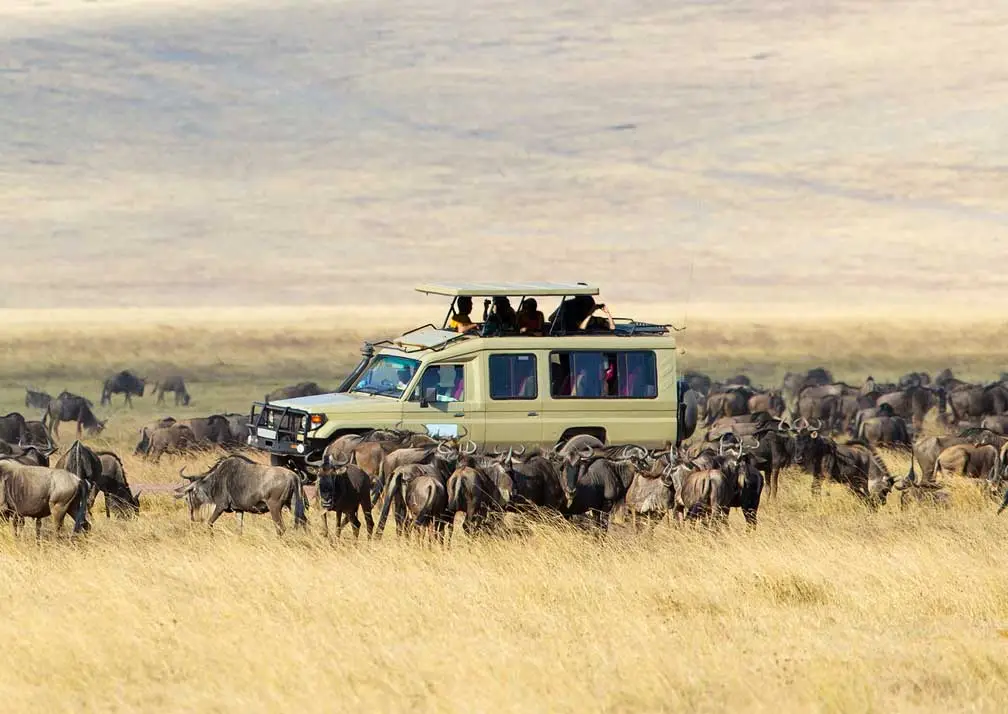
Great Migration Safaris
Experience one of nature's greatest spectacles with our Great Migration safari packages, timed for river crossings or calving.
View Package →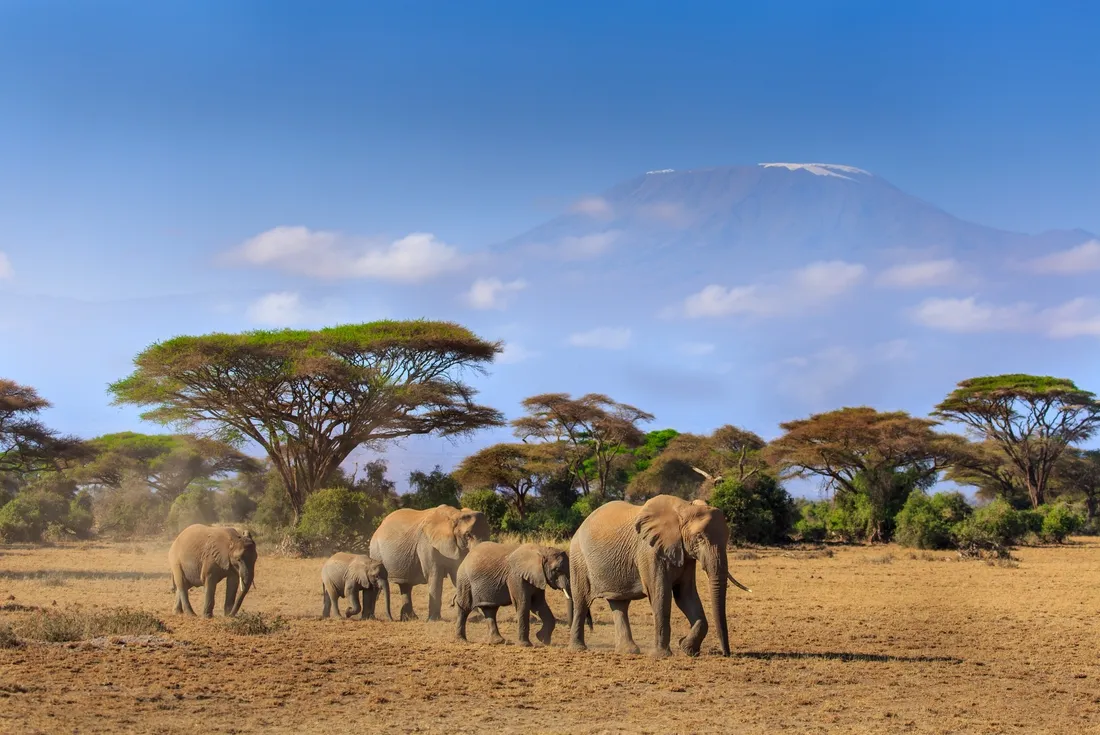
Serengeti & Kilimanjaro Trek
Combined safari and trekking tours offer wildlife adventures and Kilimanjaro climbs.
View Package →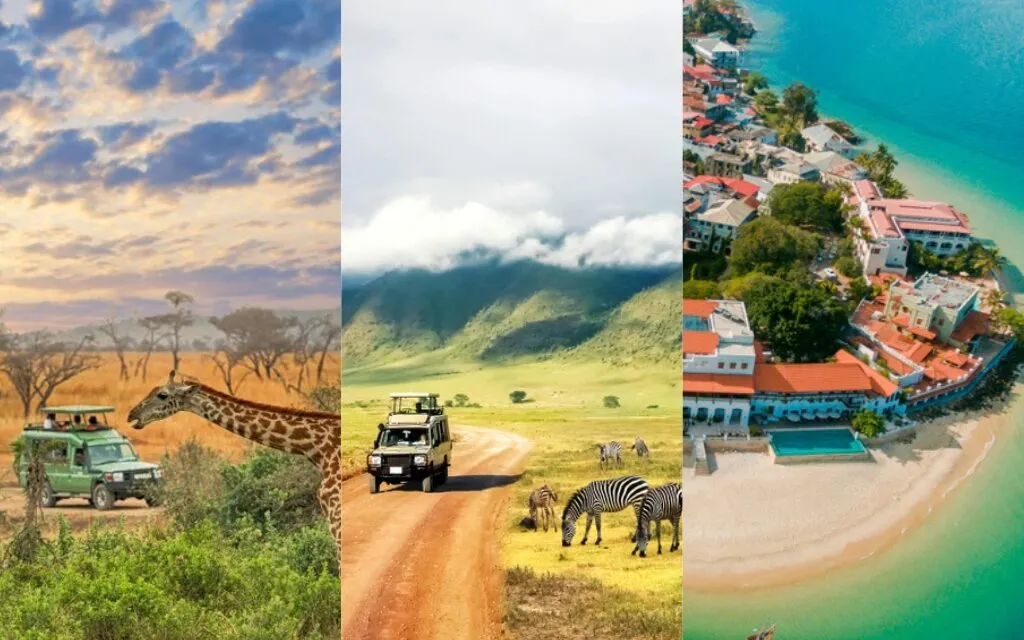
Serengeti & Zanzibar Tours
Luxury Tanzania safari & beach packages with the Great Migration and pristine beaches.
View Package →Related: Best Time to Visit Tanzania 2026 – Perfect safari extension after your Malaysia adventure.