
Most Complete Mali Travel Guide 2026-2027 – Everything You Need to Know Before Visiting
This Mali travel guide provides everything you need to plan your journey to one of West Africa’s most culturally rich and visually stunning countries. Mali offers an extraordinary blend of mud-brick architecture, ancient manuscript libraries, dramatic cliff villages, and the legendary Niger River that create one of the continent's most authentic travel experiences. Many travelers who want to visit Mali are captivated by the country's living history, vibrant festivals, and warm hospitality that have endured despite recent challenges. The nation covers over 1.2 million square kilometers of Sahel and Sahara landscapes, offering visitors everything from UNESCO-listed wonders to remote Dogon villages and the mythic city of Timbuktu.
Start Reading the Full Guide ↓Quick Facts About Mali
- Capital: Bamako.
- Currency: West African CFA franc (XOF).
- Time Zone: Greenwich Mean Time (GMT, UTC+0).
- International Calling Code: +223.
- Driving Side: Right.
- Major Airports: Bamako-Sénou International Airport (BKO).
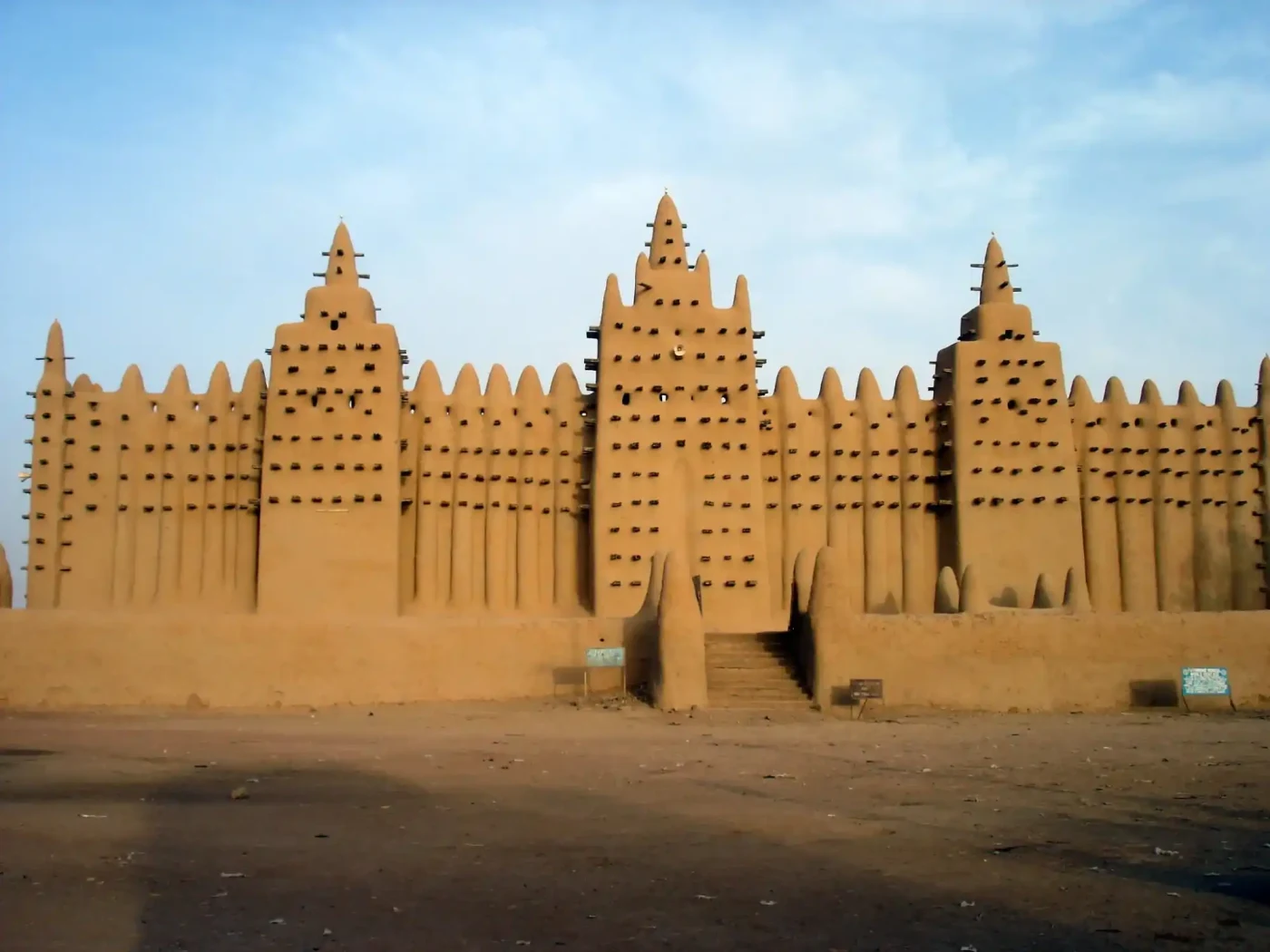
Mali Overview & Key Facts
Brief History of Mali
Mali's history is one of the richest in Africa, home to the medieval empires of Ghana, Mali, and Songhai that controlled trans-Saharan trade routes 800 years ago. Timbuktu became a legendary center of Islamic learning with universities and libraries holding hundreds of thousands of manuscripts. The Great Mosque of Djenné, rebuilt annually by the community, stands as the world’s largest mud-brick structure. French colonial rule lasted until 1960, leaving French as the official language while Bambara dominates daily life.
Independence & National Identity
- Independence date: September 22, 1960.
- Former colonial power: France.
- National symbols & identity.
Mali gained independence from France in 1960 under President Modibo Keïta. The country’s identity remains deeply tied to its imperial past, music (Mali is called “the cradle of West African music”), and ethnic diversity (Bambara, Fulani, Tuareg, Songhai, Dogon, and others). The national flag’s green, gold, and red stripes represent nature, wealth, and the blood of martyrs.
Government System & Current Leadership
- Type of government: Semi-presidential republic (post-2021 transitional military council moving toward civilian rule)
- Current leadership: Transitional President Colonel Assimi Goïta (as of 2025)
- Notes on political stability
Mali has experienced two military coups since 2020, but the south and main tourist areas have remained largely unaffected in daily life. Elections are scheduled for 2026–2027. Travelers should monitor embassy updates.
Population, Ethnic Groups & Languages
- Population: 23.3 million (2025 estimate).
- Major ethnic groups: Bambara (34%), Fulani (15%), Senufo, Tuareg, Songhai, Dogon.
- Official language: French.
- Additional languages commonly spoken.
French is the official language, but Bambara is spoken by over 80% of the population. English is rare outside Bamako’s luxury hotels and tour operators.
Main Religions & Cultural Identity
Approximately 94% of Malians are Muslim (mostly Sunni with Sufi influence), 2% Christian, and 4% follow traditional animist beliefs, especially among the Dogon. Islam strongly shapes daily life and social customs. Visitors should respect prayer times and dress modestly, especially in villages.
Geography & Natural Landscape
Mali stretches from Sahelian grasslands in the south through the Inland Niger Delta to the Sahara Desert in the north. The Niger River is the country’s lifeline, creating fertile floodplains and dramatic landscapes around Mopti and the Dogon cliffs of Bandiagara (UNESCO).
Economy & Tourism Highlights
Gold and cotton dominate the economy, but tourism is slowly recovering thanks to Mali’s unparalleled cultural heritage. The government and international partners are working to secure key southern and central tourist corridors.
What Mali Is Known For
- Great Mosque of Djenné – largest mud-brick building on Earth
- Dogon Country and its cliff villages (UNESCO)
- Timbuktu and its ancient manuscripts
- Festival au Désert (when security allows) and world-class musicians
Visa & Entry Requirements in Mali
Most nationalities require a visa. Visa on arrival is available at Bamako airport for many countries in 2026, but obtaining it in advance from a Malian embassy is safer and faster. Yellow fever vaccination certificate is mandatory.
Do You Need a Visa?
Yes for most nationalities. ECOWAS citizens are exempt. Visa on arrival (30 days, ~€50) is increasingly reliable at Bamako-Sénou airport, but pre-arranged visas avoid any risk of refusal.
Visa Application Options in Mali
- Visa on arrival at Bam15ako airport
- Embassy/consulate visa (1–5 days processing)
- E-visa platform under development 2026
Passport Validity & Entry Documents
Passport valid 6 months beyond entry + 2 blank pages. Yellow fever certificate mandatory. Return/onward ticket often checked.
Customs Rules & Prohibited Items
Strict controls on drones (permit required), weapons, and pornographic material. Declare professional camera gear. Alcohol import limited.
Safety & Security Information in Mali
Travel to Mali requires careful planning and experienced local operators. The south and central tourist areas (Bamako–Ségou–Djenné–Mopti–Dogon Country) are generally accessible with reputable guides. Northern Mali remains high-risk.
Is Mali Safe for Tourists?
Yes in the south/central corridor when using registered operators and guides. Most governments advise against travel north of Mopti and all of northern Mali.
Recommended Safety Tips when in Mali
Never travel independently outside Bamako. Use only registered, experienced guides and drivers. Avoid night travel on roads. Share itinerary with embassy/family. Hire armed escorts where required (Dogon Country often includes them).
Safe Areas vs. Areas to Avoid in Mali
Safe (with guides): Bamako, Ségou, Djenné, Mopti–Dogon Country. Avoid: Everything north of the Niger bend (Timbuktu currently inaccessible to tourists).
Emergency Numbers & Tourist Police in Mali
- Police: 17 or 80 00 11 15
- Fire: 18
- Medical Emergency: 15 or SAMU 112
Health Requirements & Vaccinations in Mali
Yellow fever vaccination certificate mandatory. Malaria prophylaxis essential. Medical facilities limited outside Bamako.
Mandatory Vaccinations in Mali
Yellow Fever – certificate checked at border.
Recommended Vaccinations in Mali
Hepatitis A & B, Typhoid, Meningitis, Rabies (pre-exposure), routine boosters. Malaria tablets mandatory.
Malaria & Other Risks
High malaria risk year-round. Use DEET, sleep under nets, take prophylaxis. Meningitis risk in dry season.
Travel Insurance Recommendations in Mali
Comprehensive policy with high medical evacuation cover (minimum $500,000) is non-negotiable.
Best Time to Visit in Mali
November to February – cool, dry, festivals (Festival sur le Niger, Djenné market days). Avoid rainy season (July–Oct) and extreme heat (March–June).
Frequently Asked Questions – Mali Travel Guide 2026-2027
Our Tanzania Tours Products
While Mali offers incredible mud-brick architecture, Dogon culture and Niger River journeys, many travelers combine West Africa with the ultimate wildlife experience in East Africa. Capable Africa Tours specializes in secure, guided safaris that maximize safety and wonder. Our expert local guides, armed rangers in parks, and vetted accommodations ensure peace of mind. From family-friendly lodges to luxury camps, we handle logistics so you focus on the magic. Tanzania ranks high for tourist safety with dedicated wildlife protection units and stable northern circuits.
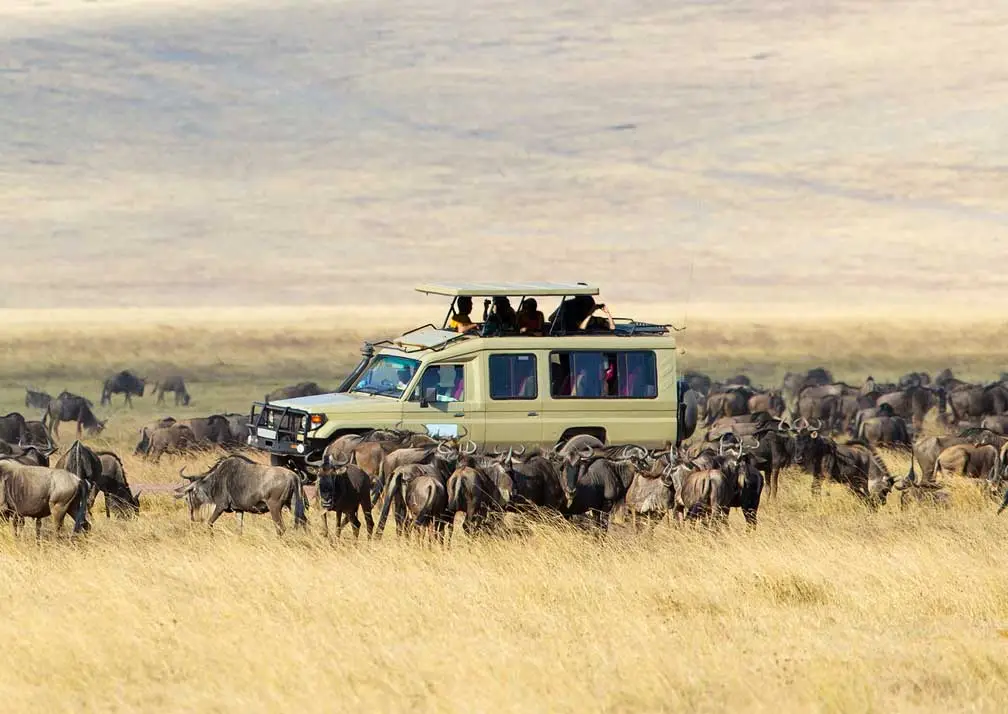
Great Migration Safaris
Experience one of nature's greatest spectacles with our Great Migration safari packages, timed for river crossings or calving.
View Package →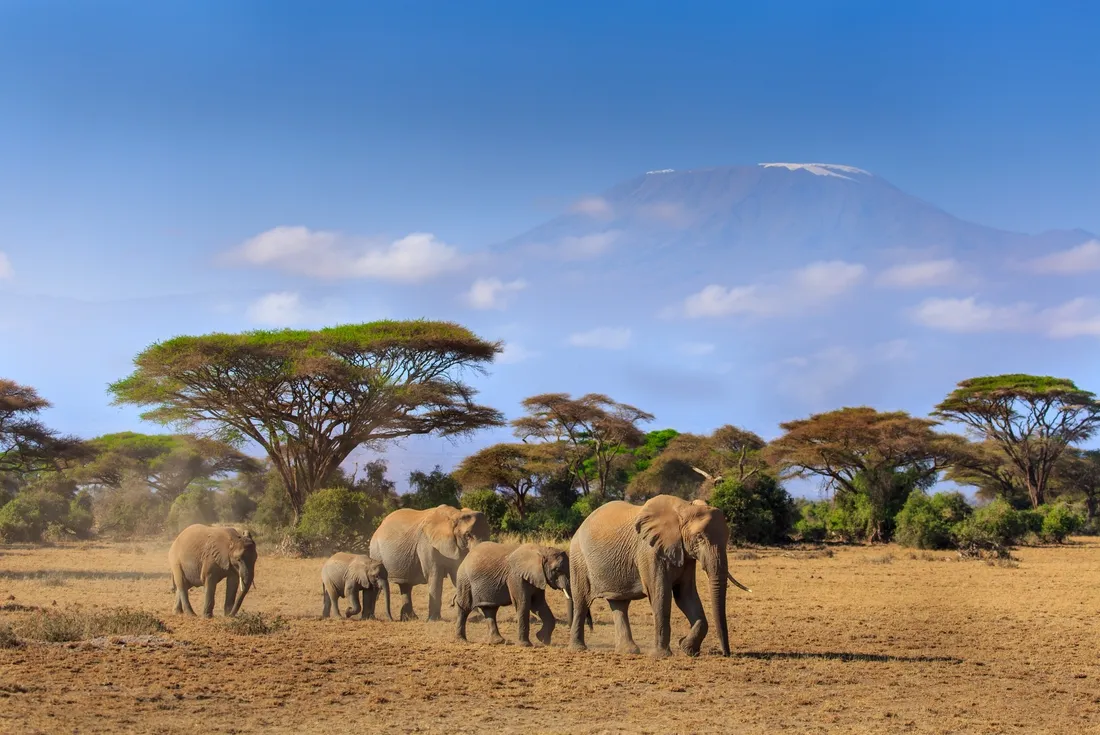
Serengeti & Kilimanjaro Trek
Combined safari and trekking tours offer wildlife adventures and Kilimanjaro climbs.
View Package →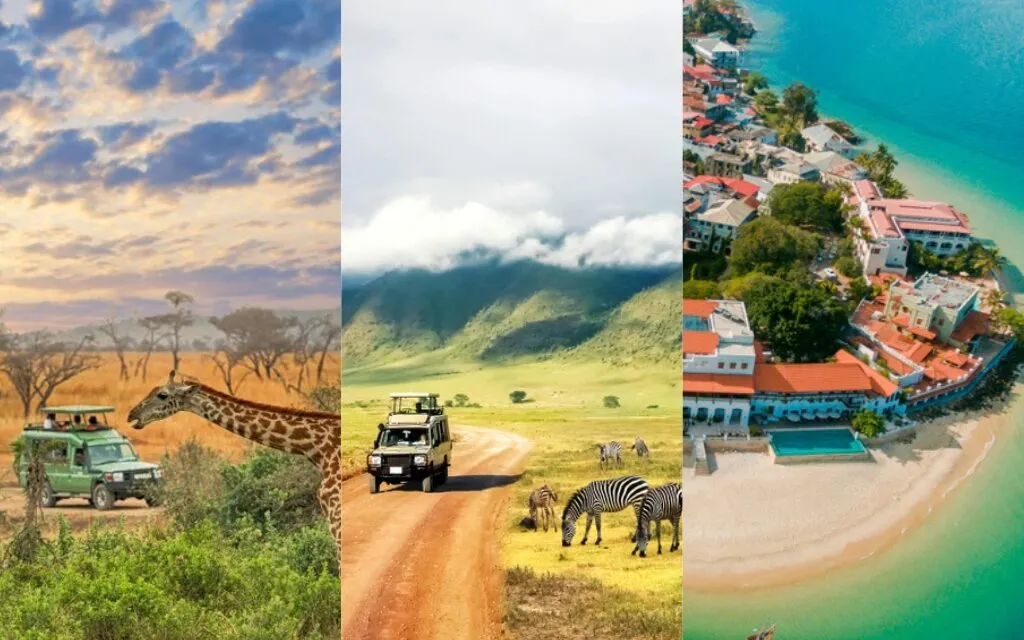
Serengeti & Zanzibar Tours
Luxury Tanzania safari & beach packages with the Great Migration and pristine beaches.
View Package →Related: Best Time to Visit Tanzania 2026 – Perfect safari extension after your Mali adventure.