
Most Complete Malta Travel Guide 2026-2027 – Everything You Need to Know Before Visiting
This Malta travel guide provides everything you need to plan your journey to one of Europe’s sunniest and most history-packed destinations. Malta offers an extraordinary blend of 7,000 years of history, turquoise Mediterranean waters, baroque cities, and three inhabited islands that create one of the continent's most diverse travel experiences. Many travelers who want to travel to Malta are surprised by the country's incredible density of UNESCO sites, world-class diving, vibrant nightlife and welcoming English-speaking culture. The nation covers just 316 square kilometers yet boasts more historical sights per square kilometer than almost anywhere else on Earth.
Start Reading the Full Guide ↓Quick Facts About Malta
- Capital: Valletta.
- Currency: Euro (€).
- Time Zone: Central European Time (CET, UTC+1).
- International Calling Code: +356.
- Driving Side: Left.
- Major Airport: Malta International Airport (MLA).
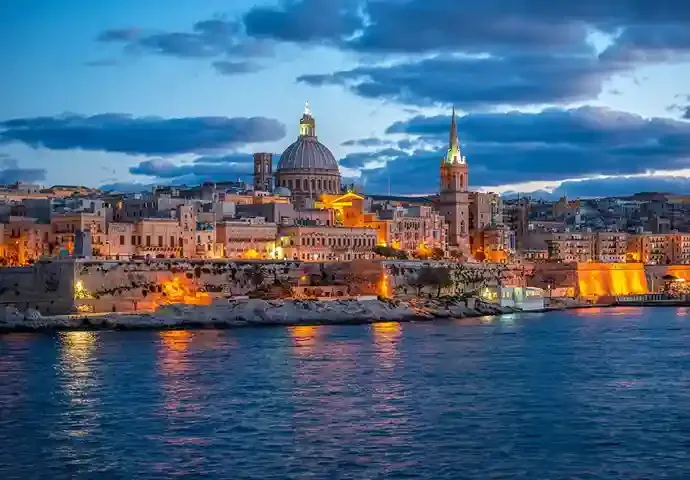
Malta Overview & Key Facts
Brief History of Malta
Malta's history spans over 7,000 years, from mysterious megalithic temples built before Stonehenge and the Pyramids through Phoenician, Roman, Arab, Norman, Knights of St John, French and British rule. The Knights of Malta left baroque palaces and fortifications, while WWII turned the islands into one of the most heavily bombed places on Earth. This rich historical tapestry creates a fascinating backdrop for modern travelers exploring the country's archaeological treasures and cultural sites.
Independence & National Identity
- Independence date: September 21, 1964.
- Former colonial power: United Kingdom.
- National symbols & identity.
Malta gained independence from Britain in 1964 and became a republic in 1974. The George Cross on the flag commemorates the island's bravery during WWII. Today, Maltese identity blends Mediterranean warmth, Catholic devotion, and a proud maritime heritage. The national flag features white and red with the George Cross in the corner.
Government System & Current Leadership
- Type of government: Parliamentary Republic
- Current president: Myriam Spiteri Debono
- Notes on political stability
Malta is a stable EU democracy with a strong rule of law and excellent international relations. It is a member of the European Union (since 2004), Eurozone (2008), and Schengen Area.
Population, Ethnic Groups & Languages
- Population: 535,000 (2025 estimate).
- Major ethnic groups: Maltese (homogeneous Mediterranean).
- Official language(s): Maltese and English.
- Additional languages commonly spoken.
Italian is widely understood due to geographic proximity and media. Almost 100% of the population speaks fluent English – one of only two EU countries with English as official language.
Main Religions & Cultural Identity
Roman Catholicism dominates with over 90% adherence. The islands have 365 churches – one for every day of the year. Religious festivals (festas) are spectacular community events with fireworks, processions and feasts. Visitors should respect church dress codes and silence.
Geography & Natural Landscape
The Maltese archipelago consists of three inhabited islands: Malta (largest), Gozo (rural and greener), and Comino (almost uninhabited, famous for Blue Lagoon). The islands are limestone with dramatic cliffs, hidden coves, and no rivers or mountains. The landscape features terraced fields, salt pans, and picturesque fishing villages.
Economy & Tourism Highlights
Tourism, financial services, online gaming, and film production drive the economy. Malta is one of Europe’s fastest-growing destinations with over 3 million annual visitors (pre-pandemic). Year-round sunshine (300+ days), English language, and EU safety standards make it extremely accessible.
What Malta Is Known For
- UNESCO World Heritage: Valletta, Megalithic Temples, Ħal Saflieni Hypogeum
- World-class scuba diving (wrecks, caves, blue holes)
- Game of Thrones filming locations
Visa & Entry Requirements in Malta
Most international visitors enjoy visa-free entry to Malta as part of the Schengen Area, with generous allowances for major nationalities. The visa application process is straightforward for those who need it.
Do You Need a Visa?
Citizens of the EU, US, UK, Canada, Australia, New Zealand, Japan, South Korea and 80+ countries can enter visa-free for up to 90 days in any 180-day period. Check the latest Schengen list before travel.
Visa Application Options in Malta
- Visa-free entry (most common)
- Schengen visa via any embassy/consulate
- EES (Entry/Exit System) launching 2026 – biometric registration on first entry
Passport Validity & Entry Documents
Passport must be valid for at least 3 months beyond intended departure from Schengen area. Return/onward ticket and proof of accommodation may be requested.
Customs Rules & Prohibited Items
Standard EU customs apply. Duty-free allowance from non-EU countries: €430 value of goods, 200 cigarettes, 1L spirits, etc.
Safety & Security Information in Malta
Malta is consistently ranked among Europe’s safest destinations with very low violent crime rates and excellent healthcare.
Is Malta Safe for Tourists?
Yes – extremely safe. Pickpocketing in busy tourist areas is the main concern. No terrorism risk, excellent police presence.
Recommended Safety Tips when in Malta
Use licensed taxis or Bolt, beware of strong currents when swimming, use reef-safe sunscreen, stay hydrated in summer.
Safe Areas vs. Areas to Avoid in Malta
All tourist areas are safe day and night. Paceville nightlife district can get rowdy late at night.
Emergency Numbers & Tourist Police in Malta
- Emergency: 112 (EU-wide).
- Police: 2122 1101.
- Tourist Helpline: 153.
Health Requirements & Vaccinations in Malta
No special vaccinations required. EU-standard healthcare with English-speaking doctors.
Mandatory Vaccinations in Malta
None.
Recommended Vaccinations in Malta
Routine vaccines only. Hepatitis A/B if relevant to personal history.
Malaria & Other Risks
No malaria. Main risks: sunburn, dehydration, jellyfish (rare).
Travel Insurance Recommendations in Malta
Recommended. EHIC/GHIC valid for UK/EU citizens. Private insurance covers repatriation and diving activities.
Best Time to Visit in Malta
Shoulder seasons offer perfect weather and fewer crowds.
Weather by Season
Spring (Apr–Jun): 20–28°C, wildflowers, perfect diving visibility. Summer (Jul–Aug): 30–35°C, sea 26–28°C, peak season. Autumn (Sep–Oct): 25–30°C, warm sea, fewer crowds. Winter (Nov–Mar): 15–19°C, occasional rain, cultural season.
When to Visit Malta for Best Experiences
- Diving: May–October (best visibility).
- Festas & festivals: June–September.
- Hiking & sightseeing: April–June & September–October.
- Budget travel: November–March (except Christmas/New Year).
Weather & Climate Overview in Malta
Classic Mediterranean climate with 300+ sunny days per year and the cleanest waters in Europe.
Temperature Ranges
Winter: 15–19°C day, 10–14°C night. Summer: 30–35°C day, 22–25°C night. Sea temperature: 15°C (Feb) to 28°C (Aug).
Rainy & Dry Seasons in Malta
Rainy season: November–February (short showers). Dry season: April–October (virtually no rain).
What to Wear Based on the Weather
Summer: light clothing, sunhat, swimsuit. Spring/Autumn: layers, light jacket. Winter: jeans, sweater, light waterproof.
Main Currency, Costs & Budgeting in Malta
Euro currency, card-friendly, moderate Western European prices.
Local Currency Information
Euro (€). Coins 1c–€2, notes €5–€500.
Average Travel Costs in Malta
Budget: €80–120/day, mid-range €150–250/day, luxury €300+/day.
Using ATMs, Cards & Mobile Money in Malta
Contactless cards accepted almost everywhere. ATMs plentiful.
Tipping Guidelines in Malta
Not obligatory. 5–10% in restaurants if service excellent. Round up taxi fares.
Transportation & Getting Around in Malta
Compact size makes getting around easy and inexpensive.
Airport Transfers
Official taxis (€15–20 fixed to Valletta), Bolt/Uber, public buses (€2.50), private transfers.
Local Transport Options in Malta
Tallinja public buses (€2.50 single, €21 weekly card), Bolt taxis, ferries to Gozo/Comino, hop-on-hop-off buses.
Malta Domestic Flights
Short helicopter or seaplane transfers to Gozo available.
Car Rentals & Road Conditions in Malta
Easy to rent, drive on left. Traffic can be heavy; parking tricky in Valletta.
Accommodation Options available in Malta
From hostels to 5-star boutique hotels and farmhouses.
Types of Accommodations in Malta
Hotels, self-catering apartments, boutique guesthouses, Gozo farmhouses, hostels.
Budget vs. Mid-Range vs. Luxury
Budget €40–80, mid-range €100–200, luxury €250+ per night.
Best Areas to Stay in Malta
Valletta (culture), Sliema/St Julian’s (nightlife & ferries), Mellieħa (beaches), Gozo (relaxation), Mdina/Rabat (history).
Essential Packing Guide when Visiting Malta
Sun protection and swimwear are essential year-round.
Clothing Essentials
Swimwear, sunhat, sunglasses, light layers, modest outfit for churches.
Footwear & Gear
Comfortable walking shoes, water shoes, snorkel mask.
Electronics & Cameras
EU plugs (type G – three-pin UK style), waterproof phone case.
Toiletries & Personal Items
Reef-safe sunscreen (mandatory in some marine areas), after-sun, medications.
Language & Communication in Malta
English is official – easiest European destination for English speakers.
Main Languages Spoken in Malta
Maltese (Semitic language) and English. Italian widely understood.
Useful Phrases for Tourists
“Hello” (Bongu), “Thank you” (Grazzi), “Please” (Jekk jogħġbok).
SIM Cards & Mobile Data used in Malta
Epic, GO, Melita – €15–20 for 30-day tourist plans with generous data.
Internet Availability & Wi-Fi in Malta
Free Wi-Fi in most cafes, restaurants, and public squares.
Culture & Etiquette in Malta
Catholic Mediterranean culture with British influences.
Maltese Dress Code Expectations
Casual and relaxed, but cover shoulders and knees in churches.
Social Etiquette & Respectful Behavior of Malta
Friendly and welcoming. Family and food are central.
Photography Rules in Malta
Generally permitted except in some museum exhibits.
Important Cultural Dos & Don’ts in Malta
Do enjoy festas, don’t enter churches in beachwear, do try pastizzi.
Food, Water & Dining in Malta
Fresh Mediterranean cuisine with unique twists.
Maltese Local Dishes to Try
Rabbit stew (Fenkata), pastizzi, ftira, lampuki pie, bigilla, Ġbejniet cheese, Kinnie drink.
Dietary Options in Malta
Excellent vegetarian/vegan options, widespread gluten-free awareness.
Drinking Water Safety
Tap water perfectly safe.
Restaurant Etiquette
Casual, booking recommended in Valletta evenings.
Top Attractions & Things to Do in Malta
Extraordinary density of sights for such a small country.
Major Tourist Attractions in Malta
- Valletta (UNESCO)
- Megalithic Temples (Ġgantija, Ħaġar Qim)
- Mdina “Silent City”
- Blue Lagoon (Comino)
Best Tours & Experiences in Malta
Diving & snorkeling, Game of Thrones tours, private boat trips, Gozo jeep safaris, Valletta food walks.
Family-Friendly Activities to do in Malta
Popeye Village, Malta National Aquarium, beaches, Mediterraneo Marine Park.
Unique Cultural or Historical Sites to visit in Malta
Ħal Saflieni Hypogeum (5000-year-old underground necropolis), St John’s Co-Cathedral, Grand Master’s Palace.
Maltese Electrical System Information
UK-style three-pin plugs (Type G), 230V, 50Hz.
Plug Types & Voltage used in Malta
Type G (British). Bring adapter if from EU/US.
Charging Tips
Universal adapters widely available in shops.
Local Laws & Regulations of Malta
Standard EU laws with some local particularities.
Rules Travelers Need to Know when In Malta
No smoking in enclosed public places, reef-safe sunscreen mandatory in some marine areas, drone rules apply.
Alcohol, Smoking & Substance Laws of Malta
Legal drinking age 17. Cannabis decriminalized for personal use (2021).
Restricted or Protected Areas in Malta
Nature reserves, archaeological sites have protection rules.
Final Travel Tips for Visitors in Malta
Compact, English-speaking, safe, sunny, and packed with history – Malta is one of Europe’s easiest and most rewarding destinations.
Common Mistakes to Avoid
Underestimating the heat, trying to see everything in one day, renting a car if staying in Valletta.
Tips to Save Money when Visiting Malta
Buy Tallinja weekly bus card, visit in shoulder season, eat where locals eat.
Safety & Comfort Tips
Stay hydrated, use sun protection, book popular sites (Hypogeum, Comino boats) in advance.
Frequently Asked Questions – Malta Travel Guide 2026-2027
Our Tanzania Tours Products
While Malta offers incredible history, diving and Mediterranean charm, many travelers combine Europe with the ultimate wildlife experience in East Africa. Capable Africa Tours specializes in secure, guided safaris that maximize safety and wonder. Our expert local guides, armed rangers in parks, and vetted accommodations ensure peace of mind. From family-friendly lodges to luxury camps, we handle logistics so you focus on the magic. Tanzania ranks high for tourist safety with dedicated wildlife protection units and stable northern circuits.
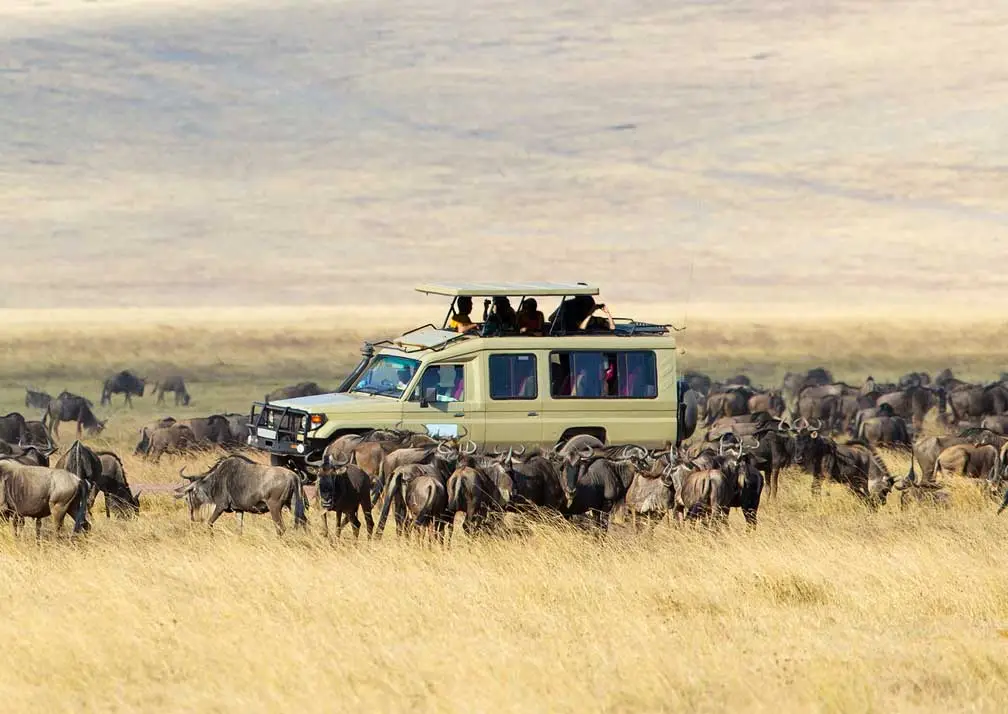
Great Migration Safaris
Experience one of nature's greatest spectacles with our Great Migration safari packages, timed for river crossings or calving.
View Package →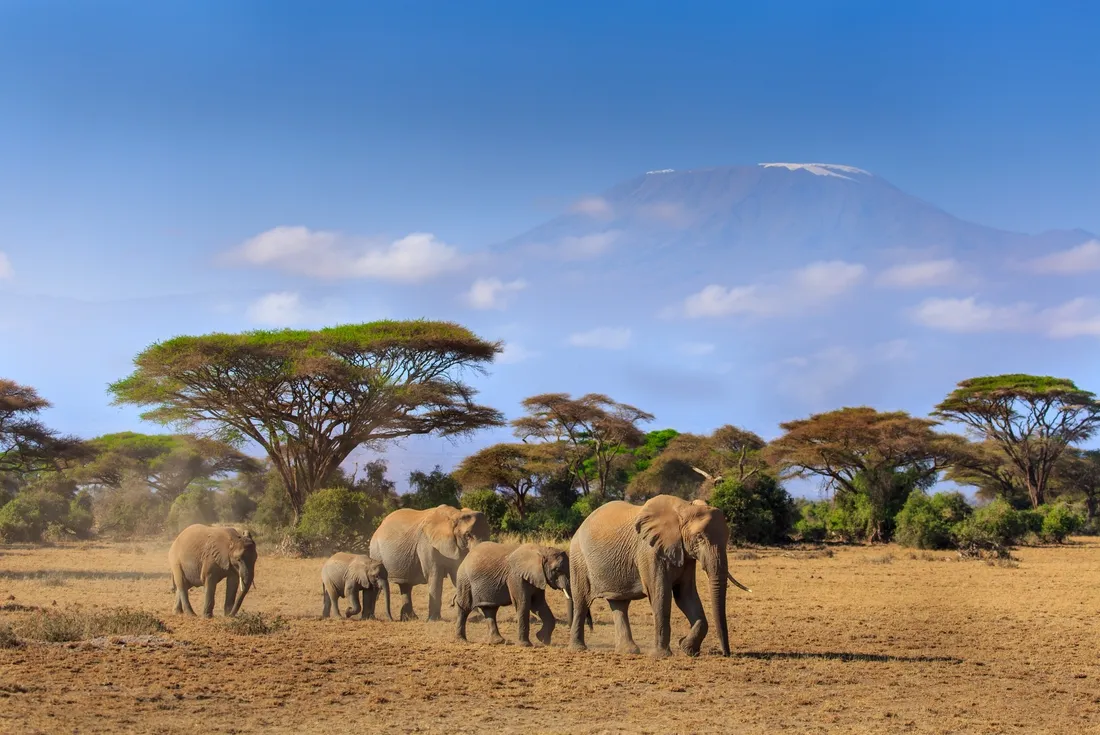
Serengeti & Kilimanjaro Trek
Combined safari and trekking tours offer wildlife adventures and Kilimanjaro climbs.
View Package →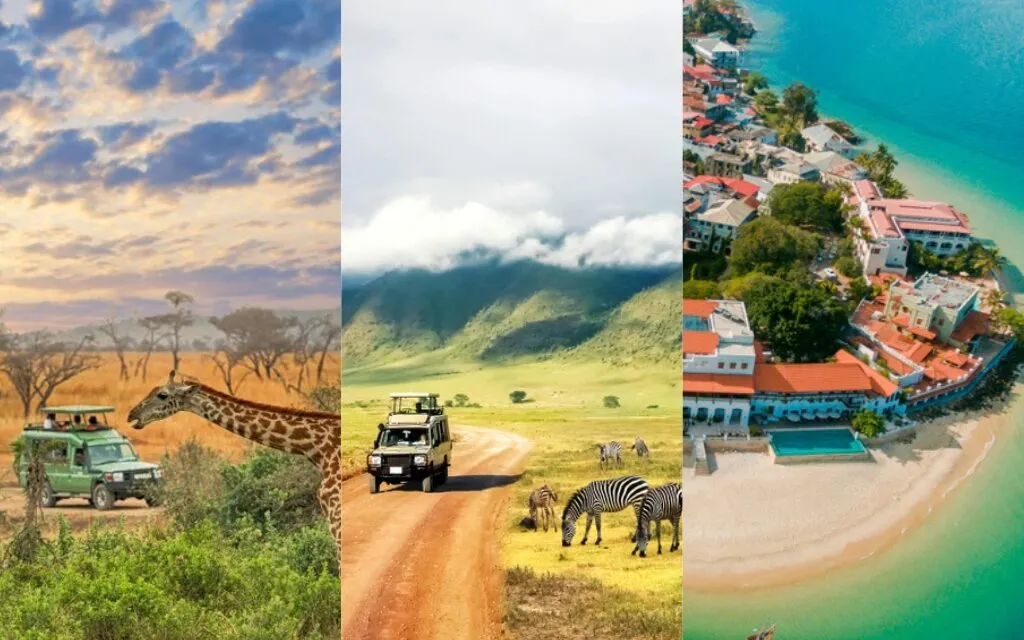
Serengeti & Zanzibar Tours
Luxury Tanzania safari & beach packages with the Great Migration and pristine beaches.
View Package →Related: Best Time to Visit Tanzania 2026 – Perfect safari extension after your Malta adventure.