
Most Complete Marshall Islands Travel Guide 2026-2027 – Everything You Need to Know Before Visiting
This Marshall Islands travel guide provides everything you need to plan your journey to one of the world’s most remote and beautiful Pacific nations. Scattered across 29 coral atolls and 5 islands, the Marshall Islands offer pristine lagoons, world-class diving on WWII wrecks and coral reefs, and a resilient culture that has survived colonial rule and nuclear testing. Many travelers are surprised by the ease of visa-free entry, warm hospitality, and untouched beauty that make this Micronesian paradise one of the planet’s last true off-the-grid destinations.
Start Reading the Full Guide ↓Quick Facts About Marshall Islands
- Capital: Majuro (also the largest atoll).
- Currency: United States Dollar (USD).
- Time Zone: Marshall Islands Time (MHT, UTC+12).
- International Calling Code: +692.
- Driving Side: Right.
- Major Airports: Marshall Islands International Airport (MAJ) in Majuro, Bucholz Army Airfield (KWA) in Kwajalein.
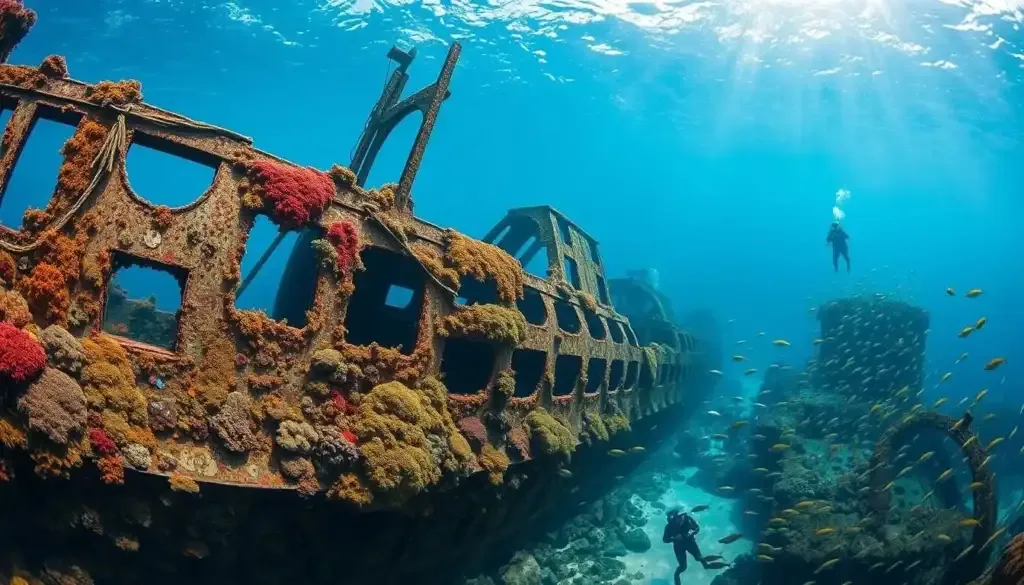
Marshall Islands Overview & Key Facts
Brief History of Marshall Islands
The Marshall Islands were settled by Micronesian navigators over 3,000 years ago. Germany colonised them in the late 19th century, Japan seized control during WWI, and after fierce WWII battles the United States administered the islands as a UN Trust Territory. From 1946–1958 the U.S. conducted 67 nuclear tests, including the infamous Castle Bravo hydrogen bomb, displacing entire communities and leaving a lasting legacy that still shapes Marshallese identity and health today.
Independence & National Identity
- Independence date: October 21, 1986 (Compact of Free Association with USA).
- Former colonial powers: Germany → Japan → United States.
- National symbols & identity.
The flag’s rising sun and two rays represent the 24 municipalities and the two parallel atoll chains. The Marshallese are proud navigators and storytellers; traditional stick charts and outrigger canoes remain cultural icons.
Government System & Current Leadership
- Type of government: Parliamentary republic in free association with the USA.
- Current president: Hilda Heine (first female Pacific Island leader, re-elected 2024).
- Notes on political stability.
The Compact provides defence, funding and visa-free U.S. access in exchange for military rights (notably Kwajalein missile base). Politics are stable and democratic.
Population, Ethnic Groups & Languages
- Population: ~59,000 (2025 estimate).
- Major ethnic groups: Marshallese (Micronesian) 97%.
- Official language(s): Marshallese and English.
- Additional languages commonly spoken.
English is widely spoken in Majuro and tourist areas; Marshallese is used everywhere else.
Main Religions & Cultural Identity
Christianity (mostly Protestant) dominates; Sunday is strictly observed. Traditional beliefs in navigation, matrilineal land rights and community sharing remain strong.
Geography & Natural Landscape
The country consists of 1,225 islands across two parallel chains (Ratak and Ralik) with a total land area of just 181 km² but an exclusive economic zone of over 2 million km² of ocean. Classic coral atolls with turquoise lagoons, white-sand motus and some of the healthiest reefs on earth.
Economy & Tourism Highlights
The economy relies on U.S. Compact funding, fishing licences, and a growing dive tourism sector. Bikini Atoll UNESCO listing and world-class WWII wreck diving are major draws.
What Marshall Islands Is Known For
- Best WWII wreck diving in the world (Bikini Atoll, Kwajalein, Roi-Namur)
- Nuclear legacy and resilience
- Stunning turquoise lagoons and outer-island paradise
Visa & Entry Requirements in Marshall Islands
One of the easiest Pacific nations to enter – most nationalities receive visa-free entry or visa on arrival for tourism.
Do You Need a Visa?
No for citizens of the USA, Federated States of Micronesia, Palau and most countries (90 days, extendable). A handful of nations require pre-approval; check the official Ministry of Foreign Affairs list.
Visa Application Options in Marshall Islands
- Visa on arrival (free) or automatic visa-free entry
- Extensions up to 1 year with proof of funds/health insurance
Passport Validity & Entry Documents
Passport valid 6 months beyond stay + onward/return ticket + proof of sufficient funds (rarely checked).
Customs Rules & Prohibited Items
Strictly no firearms, drugs, or pornographic material. Alcohol limits apply. Declare dive knives and camera equipment.
Safety & Security Information in Marshall Islands
The Marshall Islands are among the safest countries in the Pacific. Petty crime is rare, violent crime almost unheard of.
Is Marshall Islands Safe for Tourists?
Extremely safe. The biggest risks are strong currents while diving, sunburn, and occasional typhoons (rare).
Recommended Safety Tips when in Marshall Islands
Use reef-safe sunscreen, dive with reputable operators, stay hydrated, respect local customs on outer islands.
Safe Areas vs. Areas to Avoid in Marshall Islands
All tourist areas are safe. Kwajalein Atoll U.S. military base requires advance permission.
Emergency Numbers & Tourist Police in Marshall Islands
- Police/Fire/Medical: 911
Health Requirements & Vaccinations in Marshall Islands
No mandatory vaccines except yellow fever if arriving from endemic countries.
Mandatory Vaccinations in Marshall Islands
None except yellow fever from affected areas.
Recommended Vaccinations in Marshall Islands
Hepatitis A, Typhoid, routine vaccines. Zika risk – pregnant women should consult doctors.
Malaria & Other Risks
No malaria. Dengue and Zika are possible – use repellent.
Travel Insurance Recommendations in Marshall Islands
Highly recommended – medical evacuation to Hawaii or Australia can cost $50,000+.
Best Time to Visit in Marshall Islands
Dry season (December–April) offers calmest seas and best visibility for diving.
Weather by Season
Trade winds year-round. Dry season: 27–31°C, low rainfall. Wet season (May–Nov): more rain but still warm and good diving.
When to Visit Marshall Islands for Best Experiences
- Diving: Year-round, best visibility Dec–Apr
- Surfing: Nov–Apr
- Budget travel: May–Nov
High Season vs. Low Season Travel
High season Dec–Apr; low season May–Nov (cheaper flights/accommodation).
Weather & Climate Overview in Marshall Islands
Tropical maritime climate, consistently warm and humid.
Temperature Ranges
Daytime 28–32°C year-round; water temperature 27–29°C.
Rainy & Dry Seasons in Marshall Islands
Dry season Dec–Apr; wet season May–Nov.
What to Wear Based on the Weather
Light clothing, swimwear, rash guards, hat, reef-safe sunscreen. Light rain jacket for wet season.
Main Currency, Costs & Budgeting in Marshall Islands
USD is the official currency.
Local Currency Information
United States Dollar only.
Average Travel Costs in Marshall Islands
Budget $120–180/day (guesthouses, local food); mid-range $250–400; liveaboard diving $400–600/day.
Using ATMs, Cards & Mobile Money in Marshall Islands
ATMs in Majuro & Ebeye (Bank of Marshall Islands). Cards accepted at hotels/diveshops.
Tipping Guidelines in Marshall Islands
Not expected but appreciated for exceptional dive guides/boat crew (5–10%).
Transportation & Getting Around in Marshall Islands
Limited but improving.
Airport Transfers
Taxis from Majuro airport ~$5–10.
Local Transport Options in Marshall Islands
Taxis and shared taxis in Majuro; boats/ferries to outer islands.
Marshall Islands Domestic Flights
United Airlines “Island Hopper” and Nauru Airlines serve Majuro–Kwajalein and some outer atolls.
Car Rentals & Road Conditions in Marshall Islands
Limited rentals in Majuro; roads are basic.
Accommodation Options available in Marshall Islands
Range from basic guesthouses to small resorts and liveaboards.
Types of Accommodations in Marshall Islands
Guesthouses, small hotels, dive resorts, liveaboard boats.
Budget vs. Mid-Range vs. Luxury
Budget $60–120/night; mid-range $150–300; liveaboards $350–600/night.
Best Areas to Stay in Marshall Islands
Majuro for convenience; outer atolls (Arno, Mili, Likiep) for paradise experience.
Essential Packing Guide when Visiting Marshall Islands
Reef-safe sunscreen, rash guard, dive mask, hat, power bank, water shoes, light rain jacket.
Clothing Essentials
Swimwear, light clothes, modest attire for villages.
Footwear & Gear
Reef shoes essential; water shoes protect from coral/stones.
Electronics & Cameras
GoPro/underwater housing popular; 110V U.S. plugs.
Toiletries & Personal Items
Reef-safe sunscreen mandatory; bring extra as expensive locally.
Language & Communication in Marshall Islands
English and Marshallese official; English widely understood in tourist areas.
Useful Phrases for Tourists
“Iakwe” (hello/love), “Kommol tata” (thank you).
SIM Cards & Mobile Data used in Marshall Islands
NTA (National Telecommunication Authority) SIMs available at airport.
Internet Availability & Wi-Fi in Marshall Islands
Wi-Fi at hotels/cafés in Majuro; slow and expensive on outer islands.
Culture & Etiquette in Marshall Islands
Respect matrilineal customs, ask permission before photographing people, dress modestly off the beach.
Marshall Islands Dress Code Expectations
Cover thighs and shoulders in villages; bikinis fine on resort islands.
Social Etiquette & Respectful Behavior of Marshall Islands
Accept offered food/drink; remove shoes entering homes.
Photography Rules in Marshall Islands
Always ask permission to photograph people.
Important Cultural Dos & Don’ts in Marshall Islands
Do share, respect chiefs, observe Sunday quiet. Don’t touch someone’s head, point feet at people.
Food, Water & Dining in Marshall Islands
Fresh fish, coconut, breadfruit, imported goods.
Marshall Islands Local Dishes to Try
Sashimi, coconut crab (when in season), bwiro, Marshallese doughnuts.
Dietary Options in Marshall Islands
Fresh seafood abundant; vegetarian options limited.
Drinking Water Safety
Bottled or filtered rainwater recommended.
Restaurant Etiquette
Casual; tipping not expected.
Top Attractions & Things to Do in Marshall Islands
Diving WWII wrecks (Bikini Atoll UNESCO), snorkelling pristine reefs, outer-island homestays, visiting Alele Museum.
Major Tourist Attractions in Marshall Islands
- Bikini Atoll (UNESCO nuclear test site & wreck diving)
- Kwajalein Atoll WWII wrecks
- Arno Atoll day trips
- Majuro lagoon
Best Tours & Experiences in Marshall Islands
Liveaboard dive trips to Bikini, outer-island cultural stays, fishing charters.
Family-Friendly Activities to do in Marshall Islands
Snorkelling, lagoon swimming, visiting local schools (with permission).
Unique Cultural or Historical Sites to visit in Marshall Islands
Nuclear bunkers on Bikini, traditional sailing canoes, matrilineal land ceremonies.
Marshall Islands Electrical System Information
U.S. standard 110–120V, 60Hz, Type A/B plugs.
Local Laws & Regulations of Marshall Islands
No alcohol sales on Sunday in Majuro; respect nuclear test site restrictions.
Final Travel Tips for Visitors in Marshall Islands
Bring cash USD, reef-safe sunscreen, respect local customs, book outer-island trips in advance.
Frequently Asked Questions – Marshall Islands Travel Guide 2026-2027
Our Tanzania Tours Products
While the Marshall Islands offer pristine Pacific paradise and world-class wreck diving, many travelers combine remote island adventures with the ultimate African wildlife experience. Capable Africa Tours specializes in secure, guided safaris that maximize safety and wonder...
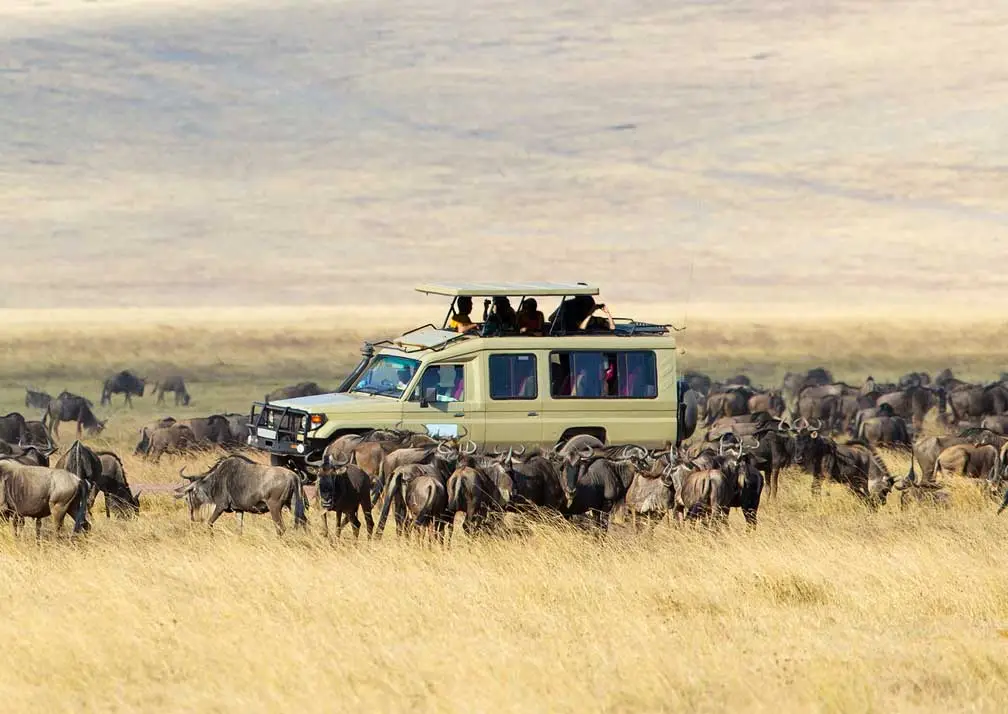
Great Migration Safaris
Experience one of nature's greatest spectacles with our Great Migration safari packages...
View Package →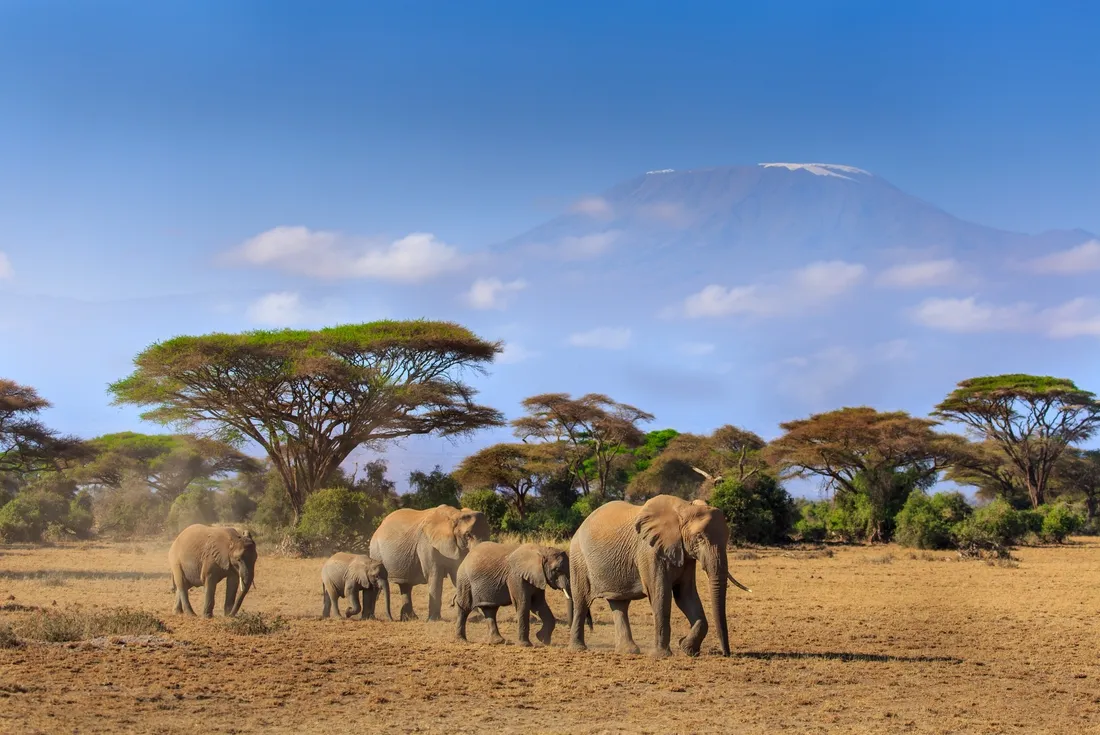
Serengeti & Kilimanjaro Trek
Combined safari and trekking tours offer wildlife adventures and Kilimanjaro climbs.
View Package →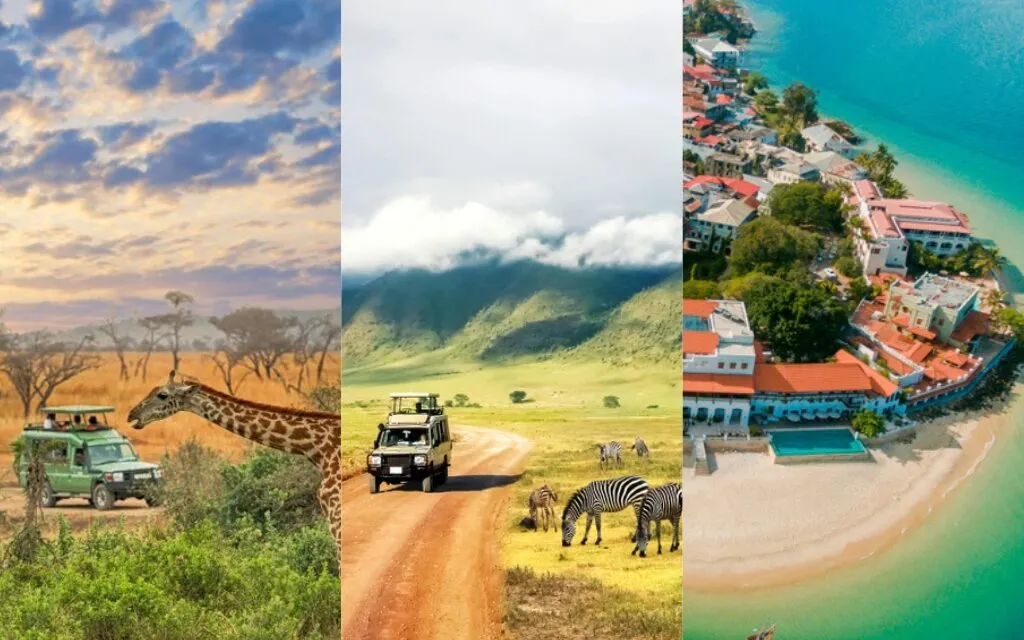
Serengeti & Zanzibar Tours
Luxury Tanzania safari & beach packages with the Great Migration and pristine beaches.
View Package →Related: Best Time to Visit Tanzania 2026 – Perfect safari extension after your Pacific island adventure.