Most Complete Mauritania Travel Guide 2026-2027 – Everything You Need to Know Before Visiting
This Mauritania travel guide provides everything you need to plan your journey to one of Africa’s last true adventure destinations. Mauritania remains one of the continent’s least-visited countries, yet offers some of the planet’s most spectacular Saharan landscapes, ancient caravan cities, the legendary Iron Ore Train, and the richest birdlife on the Atlantic coast. Covering over 1 million square kilometers – 90% of it desert – Mauritania is pure, unfiltered Sahara with UNESCO-listed medieval trading towns, endless dunes, and a deeply preserved nomadic culture that few travelers ever witness.
Start Reading the Full Guide ↓Quick Facts About Mauritania
- Capital: Nouakchott.
- Currency: Mauritanian Ouguiya (MRU).
- Time Zone: Greenwich Mean Time (GMT, UTC+0).
- International Calling Code: +222.
- Driving Side: Right.
- Major Airports: Nouakchott–Oumtounsy International Airport (NKC), Atar International Airport (ATR).
Mauritania Overview & Key Facts
Brief History of Mauritania
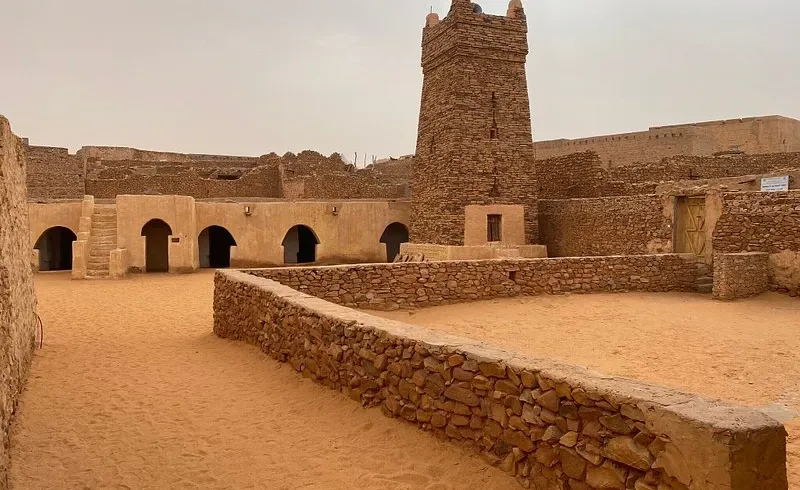
Mauritania’s history is the story of trans-Saharan trade routes and ancient empires. The Ghana Empire (4th–11th century) and later Almoravid movement that spread Islam across North Africa and into Spain originated here. Medieval trading cities like Chinguetti, Ouadane, Tichit and Oualata were major centers of Islamic scholarship with libraries holding manuscripts older than many European universities. The French colonized the territory in the early 20th century, and independence came in 1960.
Independence & National Identity
- Independence date: November 28, 1960.
- Former colonial power: France.
- National symbols & identity.
Mauritania’s identity blends Moorish (Arab-Berber) culture with strong sub-Saharan African influences in the south. The flag’s green and gold with crescent and star represent Islam and the Sahara. Society remains strongly tribal with Bidhan (White Moors), Haratin (Black Moors), and various sub-Saharan ethnic groups (Wolof, Soninke, Fulani).
Government System & Current Leadership
- Type of government: Presidential Republic
- Current president: Mohamed Ould Ghazouani (since 2019)
- Notes on political stability
Stability has improved significantly since 2019. The country has avoided major terrorist incidents in tourist areas since 2011 and maintains strong counter-terrorism cooperation with France and the US.
Population, Ethnic Groups & Languages
- Population: 4.9 million (2025 estimate).
- Major ethnic groups: Moors (Arab-Berber) 70%, Black Africans 30%.
- Official language: Arabic.
- Additional languages commonly spoken.
Hassaniya Arabic is the everyday language. French remains the administrative language and is essential for tourism. Pulaar, Soninke and Wolof are spoken in the south.
Main Religions & Cultural Identity
Mauritania is 100% Muslim (Maliki Sunni). Islam shapes every aspect of daily life and dress. The country is one of the most conservative in the Arab world; conservative dress and behavior are mandatory for visitors.
Geography & Natural Landscape
90% of Mauritania is Sahara Desert. The Adrar Plateau features dramatic sandstone formations, vast dune fields, and ancient caravan routes. The Atlantic coast hosts the Banc d’Arguin National Park – one of the world’s most important bird areas. The Senegal River valley in the south is the only fertile region.
Economy & Tourism Highlights
Iron ore, fisheries and gold dominate the economy. Tourism is growing rapidly with improved visa policy and security. The country offers some of the purest Sahara experiences remaining on earth.
What Mauritania Is Known For
- UNESCO ancient cities: Chinguetti, Ouadane, Tichit, Oualata
- The Iron Ore Train – one of the longest and heaviest trains in the world
- Banc d’Arguin National Park – richest birdlife on the Atlantic migration route
Visa & Entry Requirements in Mauritania
Most nationalities can obtain a visa on arrival at Nouakchott airport and land borders (15–30 days). Some nationalities still require embassy visas or pre-approval. The process is straightforward but cash payment in euros is required.
Do You Need a Visa?
Yes for most nationalities, but visa on arrival is available at Nouakchott airport and major land borders. Cost: €55–120 depending on nationality and duration.
Visa Application Options in Mauritania
- Visa on arrival (airport & land borders)
- Embassy visa (required for some nationalities)
- No e-visa system yet
Passport Validity & Entry Documents
Passport must be valid 6 months beyond entry date with 2 blank pages. Yellow fever certificate required if arriving from endemic countries.
Customs Rules & Prohibited Items
Alcohol import strictly prohibited. Pork and pornographic material banned. Drones require special permit.
Safety & Security Information in Mauritania
Tourist areas (Adrar region, Banc d’Arguin, Nouakchott–Atar road) are considered safe when traveling with registered operators. Avoid eastern border regions with Mali.
Is Mauritania Safe for Tourists?
Yes in tourist zones when following FCDO/US State Department advice and traveling with experienced local guides. No tourist-targeted incidents since 2011.
Recommended Safety Tips when in Mauritania
Always travel with a registered local guide outside Nouakchott. Share itinerary with your embassy. Use only official taxis in Nouakchott. Dress conservatively at all times.
Safe Areas vs. Areas to Avoid in Mauritania
Safe: Nouakchott, Atar, Chinguetti, Ouadane, Terjit, Banc d’Arguin. Avoid: Entire border region with Mali, far northeast.
Emergency Numbers & Tourist Police in Mauritania
- Police: 117
- Gendarmerie: 116
- Fire/Ambulance: 118
Health Requirements & Vaccinations in Mauritania
No mandatory vaccinations except Yellow Fever if arriving from endemic countries. Comprehensive travel insurance with medical evacuation coverage is essential.
Mandatory Vaccinations in Mauritania
Yellow Fever certificate required if arriving from endemic countries.
Recommended Vaccinations in Mauritania
Hepatitis A, Typhoid, Meningitis, Rabies (pre-exposure), routine vaccines.
Malaria & Other Risks
Malaria risk exists south of Nouakchott. Use prophylaxis and repellents.
Travel Insurance Recommendations in Mauritania
Mandatory – medical facilities extremely limited outside Nouakchott. Ensure coverage includes evacuation to Senegal or Europe.
Best Time to Visit in Mauritania
November to March offers the only comfortable weather (20–30°C). April–October is extremely hot (40–50°C+).
Weather by Season
Winter (Nov–Mar): 20–30°C, cool nights. Summer (Apr–Oct): 40–50°C+, sandstorms common.
When to Visit Mauritania for Best Experiences
- Desert exploration: December–February
- Iron Ore Train: November–March
- Banc d’Arguin birdwatching: November–April
Weather & Climate Overview in Mauritania
Hot desert climate. Coastal areas slightly moderated by Atlantic winds.
Temperature Ranges
Winter: 15–30°C. Summer: 35–50°C+. Night temperatures can drop to 5°C in winter desert.
Rainy & Dry Seasons in Mauritania
Rain almost nonexistent north of Nouakchott. Short rainy season July–September in far south.
What to Wear Based on the Weather
Long sleeves, long trousers, turban/headscarf mandatory. Light cotton for day, warm layers for night.
Main Currency, Costs & Budgeting in Mauritania
Euros widely accepted in tourist areas. ATMs scarce outside Nouakchott.
Local Currency Information
New Ouguiya (MRU) introduced 2018 (1 MRU = 10 old Ouguiya).
Average Travel Costs in Mauritania
Budget: $80–130/day; mid-range $150–250/day; private tours $300–450/day.
Using ATMs, Cards & Mobile Money in Mauritania
Cards rarely accepted outside top Nouakchott hotels. Bring euros cash.
Tipping Guidelines in Mauritania
Not expected but appreciated. Small gifts often preferred over cash.
Transportation & Getting Around in Mauritania
Limited infrastructure. Most travel by 4×4 with driver/guide.
Airport Transfers
Official taxis from Nouakchott airport. Pre-booked transfer recommended.
Local Transport Options in Mauritania
Bush taxis and 4×4 vehicles between towns. Iron Ore Train (Nouadhibou–Zouérat) is a legendary experience.
Mauritania Domestic Flights
Mauritania Airlines flies Nouakchott–Atar–Zouérat several times weekly.
Car Rentals & Road Conditions in Mauritania
Self-drive not recommended. All desert travel requires experienced local driver/guide.
Accommodation Options available in Mauritania
Basic auberges in desert towns, better hotels in Nouakchott and Atar.
Types of Accommodations in Mauritania
Auberges, camps bédouins, fixed desert camps, few international-standard hotels in capital.
Budget vs. Mid-Range vs. Luxury
Budget: $15–40/night; mid-range $60–120/night; luxury limited to Nouakchott.
Best Areas to Stay in Mauritania
Atar (Adrar base), Chinguetti, Nouakchott (Dakar Road area).
Essential Packing Guide when Visiting Mauritania
Conservative clothing mandatory. Bring everything you need – supplies limited.
Clothing Essentials
Long sleeves/pants, turban/headscarf, warm layers for nights, sturdy sandals, sunglasses.
Footwear & Gear
Sandals + closed shoes, headlamp, sleeping bag liner for train/auberges.
Electronics & Cameras
Power banks essential. 220V European plugs.
Toiletries & Personal Items
Toilet paper, hand sanitizer, high-SPF sunscreen, prescription medicines.
Language & Communication in Mauritania
Hassaniya Arabic dominant. French essential for tourism. Some English in Nouakchott.
Main Languages Spoken in Mauritania
Hassaniya Arabic, French, Pulaar, Wolof, Soninke.
Useful Phrases for Tourists
“As-salaam ‘alaikum”, “Shukran”, “Afwan”, “Bismillah” before eating.
SIM Cards & Mobile Data used in Mauritania
Mattel, Chinguitel, Mauritel. Good coverage in towns, none in deep desert.
Internet Availability & Wi-Fi in Mauritania
Limited to hotels in Nouakchott and Atar.
Culture & Etiquette in Mauritania
One of the most conservative Muslim countries. Dress and behavior codes strictly enforced.
Mauritanian Dress Code Expectations
Women: full covering + headscarf mandatory. Men: long trousers and sleeves.
Social Etiquette & Respectful Behavior of Mauritania
Greetings essential. Eat with right hand only. Accept tea when offered (three glasses tradition).
Photography Rules in Mauritania
Always ask permission, especially women. No photos of military/police.
Important Cultural Dos & Don’ts in Mauritania
Do: dress conservatively, accept tea, remove shoes indoors. Don’t: public affection, left hand for eating/greeting, photograph without permission.
Food, Water & Dining in Mauritania
Simple but delicious cuisine. Meat-heavy (goat, camel, sheep).
Mauritanian Local Dishes to Try
Camel meat couscous, thieboudienne (fish & rice), dates, zrig (milk drink).
Dietary Options in Mauritania
Halal only. Limited vegetarian options (rice, dates, bread).
Drinking Water Safety
Bottled water only. Never drink tap water.
Restaurant Etiquette
Eat with right hand or spoon. Tea ceremony important.
Top Attractions & Things to Do in Mauritania
Ancient caravan cities, epic train journey, pristine Atlantic coast.
Major Tourist Attractions in Mauritania
- Chinguetti – 13th-century mosque & libraries (UNESCO)
- Ouadane – ancient trading city (UNESCO)
- Iron Ore Train – world’s heaviest train
- Banc d’Arguin National Park – millions of migratory birds
Best Tours & Experiences in Mauritania
Multi-day 4×4 desert circuits, Iron Ore Train ride, camel treks, birdwatching at Banc d’Arguin.
Family-Friendly Activities to do in Mauritania
Limited – best for teens+ who enjoy adventure.
Unique Cultural or Historical Sites to visit in Mauritania
Ancient libraries of Chinguetti (manuscripts from 9th century), Terjit oasis, Guelb er Richat (Eye of Africa) structure.
Mauritanian Electrical System Information
220V, 50Hz, European plugs (C/F).
Plug Types & Voltage used in Mauritania
Type C and F (European two-pin).
Charging Tips
Power banks essential. Electricity unreliable outside Nouakchott/Atar.
Local Laws & Regulations of Mauritania
Strict Islamic law applies. Alcohol, pork, public affection prohibited.
Rules Travelers Need to Know when In Mauritania
Conservative dress mandatory. No alcohol. Ramadan observance strict.
Alcohol, Smoking & Substance Laws of Mauritania
Alcohol completely prohibited for locals and tourists.
Restricted or Protected Areas in Mauritania.
Eastern border zones, military areas, some desert regions require permits.
Final Travel Tips for Visitors in Mauritania
Go with experienced local operator. Respect conservative dress and customs. Bring euros cash.
Common Mistakes to Avoid
Under-dressing, attempting self-drive desert travel, expecting Western amenities.
Tips to Save Money when Visiting Mauritania
Join group tours, travel in cooler months, eat local food.
Safety & Comfort Tips
Travel with reputable local agency, share itinerary, carry satellite phone in deep desert.
Frequently Asked Questions – Mauritania Travel Guide 2026-2027
Our Tanzania Tours Products
While Mauritania offers the purest Sahara experience on earth, many travelers combine the desert with the ultimate African wildlife adventure in Tanzania. Capable Africa Tours specializes in secure, guided safaris that maximize safety and wonder. Our expert local guides, armed rangers in parks, and vetted accommodations ensure peace of mind. From family-friendly lodges to luxury camps, we handle logistics so you focus on the magic.
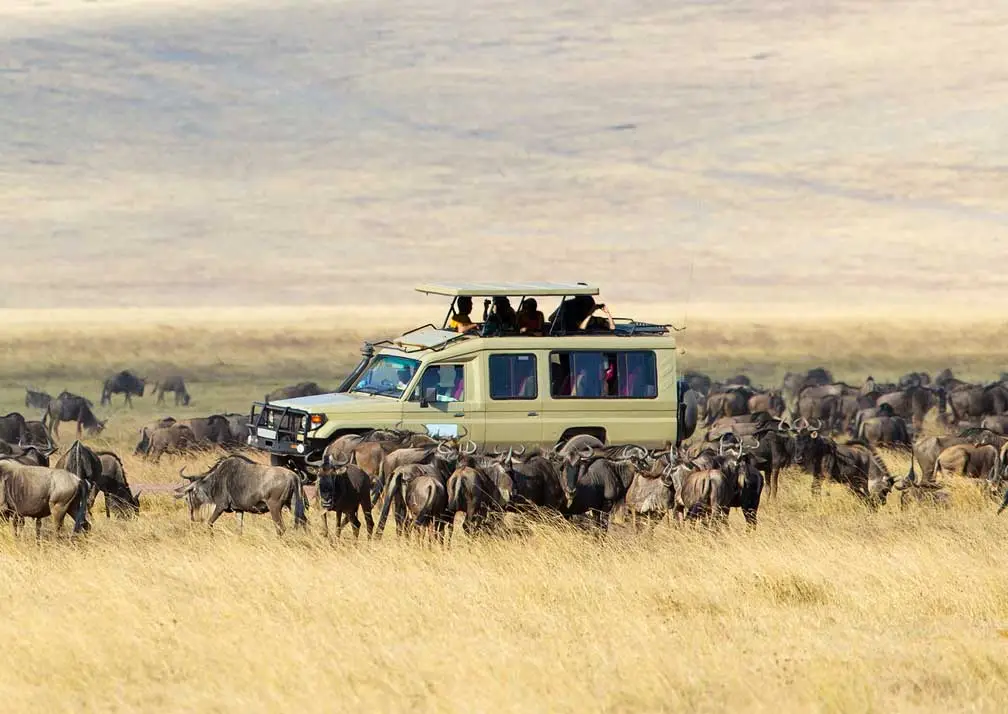
Great Migration Safaris
Experience one of nature's greatest spectacles with our Great Migration safari packages, timed for river crossings or calving.
View Package →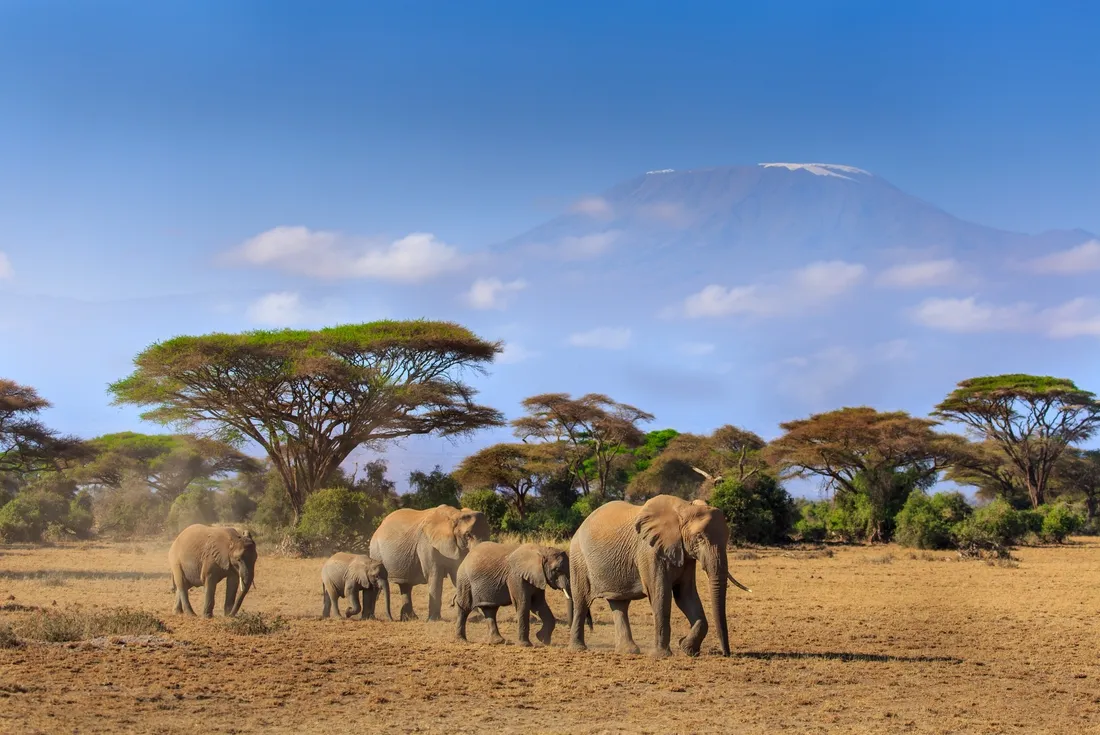
Serengeti & Kilimanjaro Trek
Combined safari and trekking tours offer wildlife adventures and Kilimanjaro climbs.
View Package →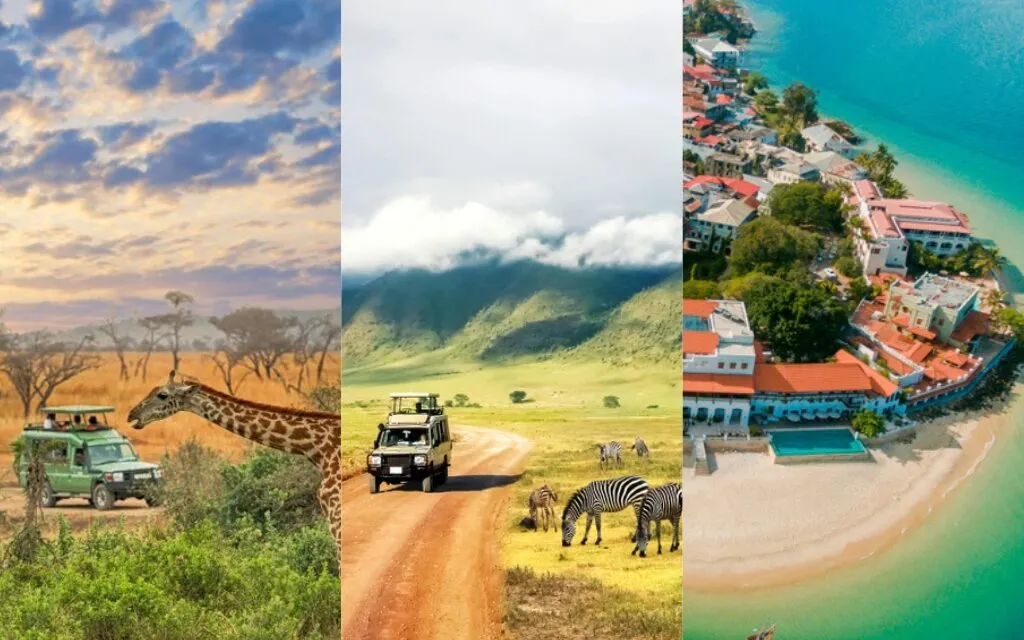
Serengeti & Zanzibar Tours
Luxury Tanzania safari & beach packages with the Great Migration and pristine beaches.
View Package →Related: Best Time to Visit Tanzania 2026 – Perfect safari extension after your Mauritania desert adventure.