Most Complete Mauritius Travel Guide 2026-2027 – Everything You Need to Know Before Visiting
This Mauritius travel guide provides everything you need to plan your journey to one of the world’s most beautiful tropical islands. Mauritius offers postcard-perfect beaches, turquoise lagoons, lush volcanic interiors, and a unique multicultural society blending Indian, African, French, and Chinese influences. Covering just 2,040 square kilometers yet boasting over 160 km of coastline protected by coral reefs, Mauritius delivers luxury resorts, incredible diving, hiking in volcanic craters, and some of the friendliest people on earth.
Start Reading the Full Guide ↓Quick Facts About Mauritius
- Capital: Port Louis.
- Currency: Mauritian Rupee (MUR).
- Time Zone: Mauritius Time (UTC+4).
- International Calling Code: +230.
- Driving Side: Left.
- Major Airport: Sir Seewoosagur Ramgoolam International Airport (MRU).
Mauritius Overview & Key Facts
Brief History of Mauritius
Mauritius was uninhabited until the Dutch arrived in 1598, followed by French colonization in 1715 and British rule from 1810. The abolition of slavery in 1835 brought indentured workers from India who now form the majority population. Independence came in 1968, and Mauritius transformed from a sugar-based economy into one of Africa’s wealthiest and most stable democracies.
Independence & National Identity
- Independence date: March 12, 1968.
- Former colonial powers: Dutch → French → British.
- National symbols & identity.
Mauritius is famous for the extinct dodo and its remarkable multicultural harmony – Hindu, Muslim, Creole, Chinese, and European communities live peacefully together. The motto “One People, One Nation” reflects this unity.
Government System & Current Leadership
- Type of government: Parliamentary Republic
- Current president: Prithvirajsing Roopun
- Current prime minister: Pravind Jugnauth
Mauritius consistently ranks as Africa’s most democratic and least corrupt country with excellent political stability.
Population, Ethnic Groups & Languages
- Population: 1.27 million (2025 estimate).
- Major ethnic groups: Indo-Mauritian (68%), Creole (27%), Sino-Mauritian (3%), Franco-Mauritian (2%).
- Official language: English (though rarely spoken day-to-day).
- Common languages: Mauritian Creole (lingua franca), French, Bhojpuri, Hindi, Tamil, Chinese.
Tourism industry operates seamlessly in English and French.
Main Religions & Cultural Identity
Hinduism (48%), Christianity (33%), Islam (17%). Mauritius is famous for religious tolerance – temples, churches, and mosques stand side-by-side, and public holidays celebrate all major faiths.
Geography & Natural Landscape
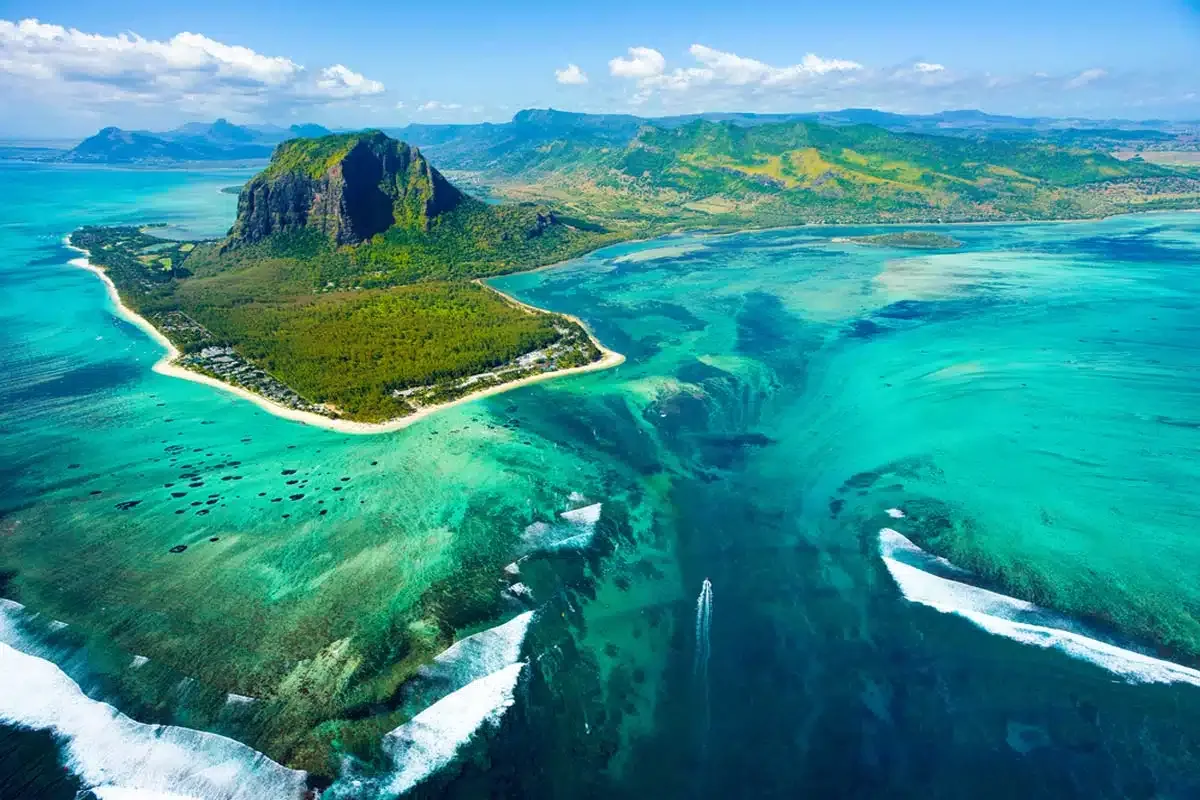
Volcanic island surrounded by coral reefs creating calm lagoons. Central plateau rises to 828 m (Pitons, Rivière Noire range). Famous for dramatic mountains (Le Morne Brabant), waterfalls, coloured earths, and endless white-sand beaches.
Economy & Tourism Highlights
High-income economy driven by tourism, textiles, financial services, and sugar. One of the world’s top luxury destinations yet offers excellent mid-range and budget options.
What Mauritius Is Known For
- Postcard-perfect beaches and turquoise lagoons
- Luxury resorts and honeymoon paradise
- Le Morne Cultural Landscape (UNESCO World Heritage)
- Unique wildlife (no dangerous animals) and incredible diving
- Multicultural cuisine and religious harmony
Visa & Entry Requirements in Mauritius
Mauritius has one of the most visitor-friendly visa policies in the world – most nationalities receive a free visa-on-arrival valid for up to 90 days.
Do You Need a Visa?
No – 117 countries enjoy visa-free entry including all EU nations, UK, USA, Canada, Australia, South Africa, India, and most of Africa and Asia. Passport must have 6 months validity and proof of onward travel/accommodation may be requested.
Visa on Arrival Process
Simply fill out the arrival card on the plane or at the airport. Immigration stamps your passport for 90 days (renewable). No fees, no photos required.
Passport Validity & Entry Documents
Passport valid 6 months beyond intended stay, return/onward ticket, proof of sufficient funds and accommodation booking (hotel confirmation or invitation letter).
Customs Rules & Prohibited Items
Standard international rules. Duty-free allowance: 1L spirits, 2L wine, 200 cigarettes, 250g tobacco. No restrictions on currency declaration.
Safety & Security Information in Mauritius
Mauritius is one of the safest travel destinations in the world with extremely low violent crime and no terrorism risk.
Is Mauritius Safe for Tourists?
Yes – consistently rated Level 1 (exercise normal precautions) by USA, UK, Canada, and Australia. Petty theft is the only minor concern at busy beaches/markets.
Recommended Safety Tips
Use hotel safes, don’t leave valuables unattended on beaches, avoid isolated areas after dark (though still very safe), and use licensed taxis or ride-hailing apps.
Emergency Numbers
- Police: 999 / 112
- Ambulance/Fire: 114 / 115
- Tourist Police: Available at major resorts
Health Requirements & Vaccinations in Mauritius
No mandatory vaccinations. Excellent private healthcare available.
Mandatory Vaccinations
None, even for yellow fever (except if arriving from endemic countries within 6 days).
Recommended Vaccinations
Hepatitis A, Typhoid, routine boosters. No malaria risk on Mauritius island (present on Rodrigues).
Travel Insurance
Highly recommended – covers medical evacuation, water sports, and trip cancellation.
Best Time to Visit Mauritius
May to December offers the best weather with cooler temperatures (20–28°C) and lower humidity.
Weather by Season
Winter (May–Oct): 20–25°C, dry, perfect for hiking and outdoor activities. Summer (Nov–Apr): 25–33°C, more humid, occasional cyclones Jan–Mar.
High Season vs. Low Season
Peak season: October–January & July–August (European holidays). Shoulder months May/June & Nov offer best value and weather.
Main Currency, Costs & Budgeting in Mauritius
Mauritian Rupee (MUR). ATMs widespread, cards accepted almost everywhere.
Average Travel Costs
Budget: $80–130/day (guesthouses, local food, buses); Mid-range: $150–300/day (3-4* hotels, restaurants); Luxury: $400–1,000+/day (5* resorts, all-inclusive).
Tipping
Not expected but appreciated (10% in restaurants if no service charge).
Transportation & Getting Around in Mauritius
Easy to navigate despite left-hand driving.
Airport Transfers
Pre-booked private transfers, taxis, or resort shuttles. Public bus available but slow with luggage.
Local Transport
Excellent bus network (cheap), taxis, ride-hailing (no Uber but local apps), car/scooter rental widely available.
Car Rentals
Easy to rent with international license. Driving is on the left.
Accommodation Options in Mauritius
Everything from budget guesthouses ($40–80) to world-famous luxury resorts ($400–2,000+/night).
Best Areas to Stay
Grand Baie (north – lively), Pereybere/Trou aux Biches (beautiful beaches), Flic en Flac (west – sunset beaches), Le Morne (south – kitesurfing & luxury), Belle Mare (east – long white beaches).
Essential Packing Guide for Mauritius
Light summer clothing, swimwear, sunscreen (reef-safe), insect repellent, light rain jacket (summer), comfortable walking shoes for hiking, snorkel gear (or rent).
Language & Communication in Mauritius
English is official and used in tourism; Mauritian Creole and French are everyday languages. You’ll have no communication problems.
Culture & Etiquette in Mauritius
Relaxed island vibe. Beachwear fine at resorts, cover up in villages and temples/mosques. Remove shoes when visiting homes. Very friendly and welcoming population.
Food, Water & Dining in Mauritius
Amazing multicultural cuisine: Indian curries, Creole rougailles, Chinese, French. Tap water safe in most areas. Excellent seafood and rum.
Top Attractions & Things to Do in Mauritius
- Le Morne Brabant (UNESCO hike)
- Chamarel Seven Coloured Earth & waterfall
- Black River Gorges National Park
- Île aux Cerfs & boat trips
- Port Louis markets & Caudan Waterfront
- Underwater waterfall illusion (helicopter tour)
- Best beaches: Flic en Flac, Belle Mare, Le Morne
Frequently Asked Questions – Mauritius Travel Guide 2026-2027
Our Tanzania Tours Products
Many travelers combine the paradise beaches of Mauritius with the ultimate African safari experience in Tanzania. Capable Africa Tours offers seamless Mauritius + Tanzania combinations with private transfers and expert guides.
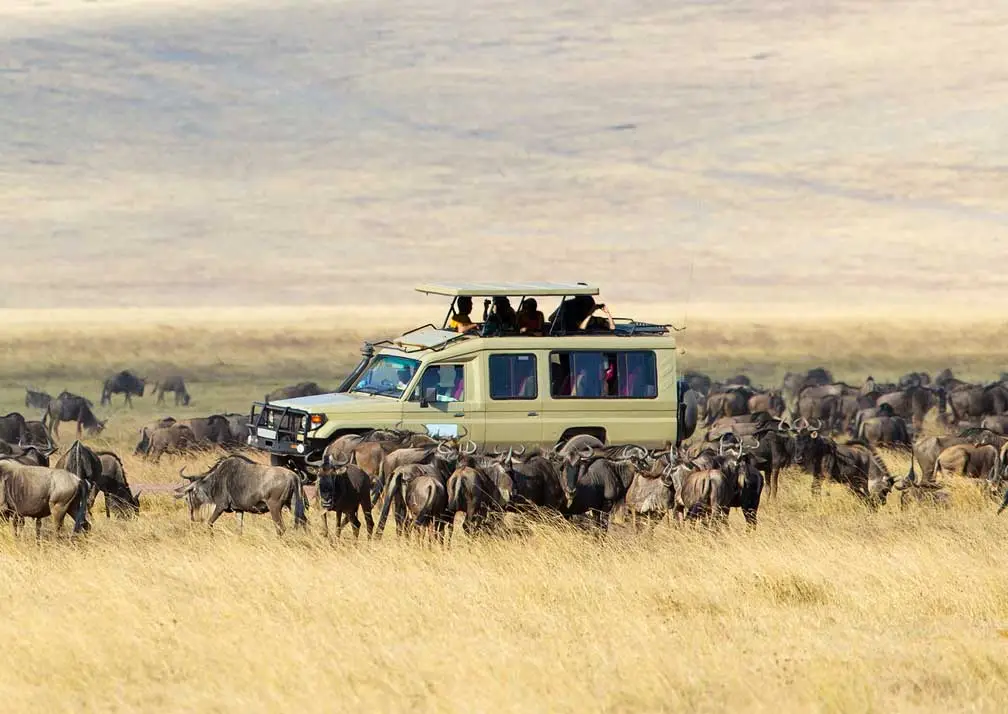
Great Migration Safaris
Experience one of nature's greatest spectacles with our Great Migration safari packages, timed for river crossings or calving.
View Package →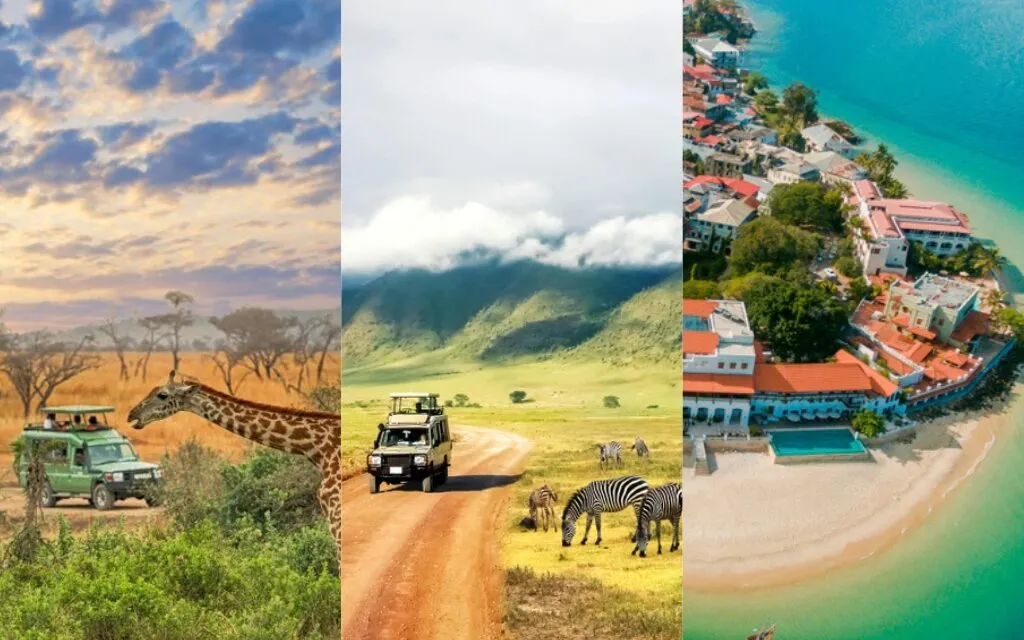
Serengeti & Zanzibar Beach Extension
The perfect safari + beach combination with the Great Migration followed by Zanzibar’s spice islands (or add Mauritius).
View Package →Related: Best Time to Visit Tanzania 2026 – Perfect safari extension after your Mauritius beach holiday.