
Most Complete Mexico Travel Guide 2026-2027 – Everything You Need to Know Before Visiting
This Mexico travel guide provides everything you need to plan your journey to one of the world’s most diverse and exciting destinations. Mexico offers an extraordinary blend of ancient Mayan and Aztec civilizations, colonial cities, turquoise Caribbean waters, Pacific surf beaches, dramatic canyons, and vibrant modern culture. Many travelers who want to visit Mexico are surprised by the country’s incredible variety and depth – from world-class archaeological sites to pristine cenotes, UNESCO pueblos mágicos, and some of the best cuisine on the planet.
Start Reading the Full Guide ↓Quick Facts About Mexico
- Capital: Mexico City.
- Currency: Mexican Peso (MXN).
- Time Zone: Multiple (mostly Central Standard Time, UTC-6).
- International Calling Code: +52.
- Driving Side: Right.
- Major Airports: Mexico City (MEX), Cancún (CUN), Los Cabos (SJD), Puerto Vallarta (PVR).
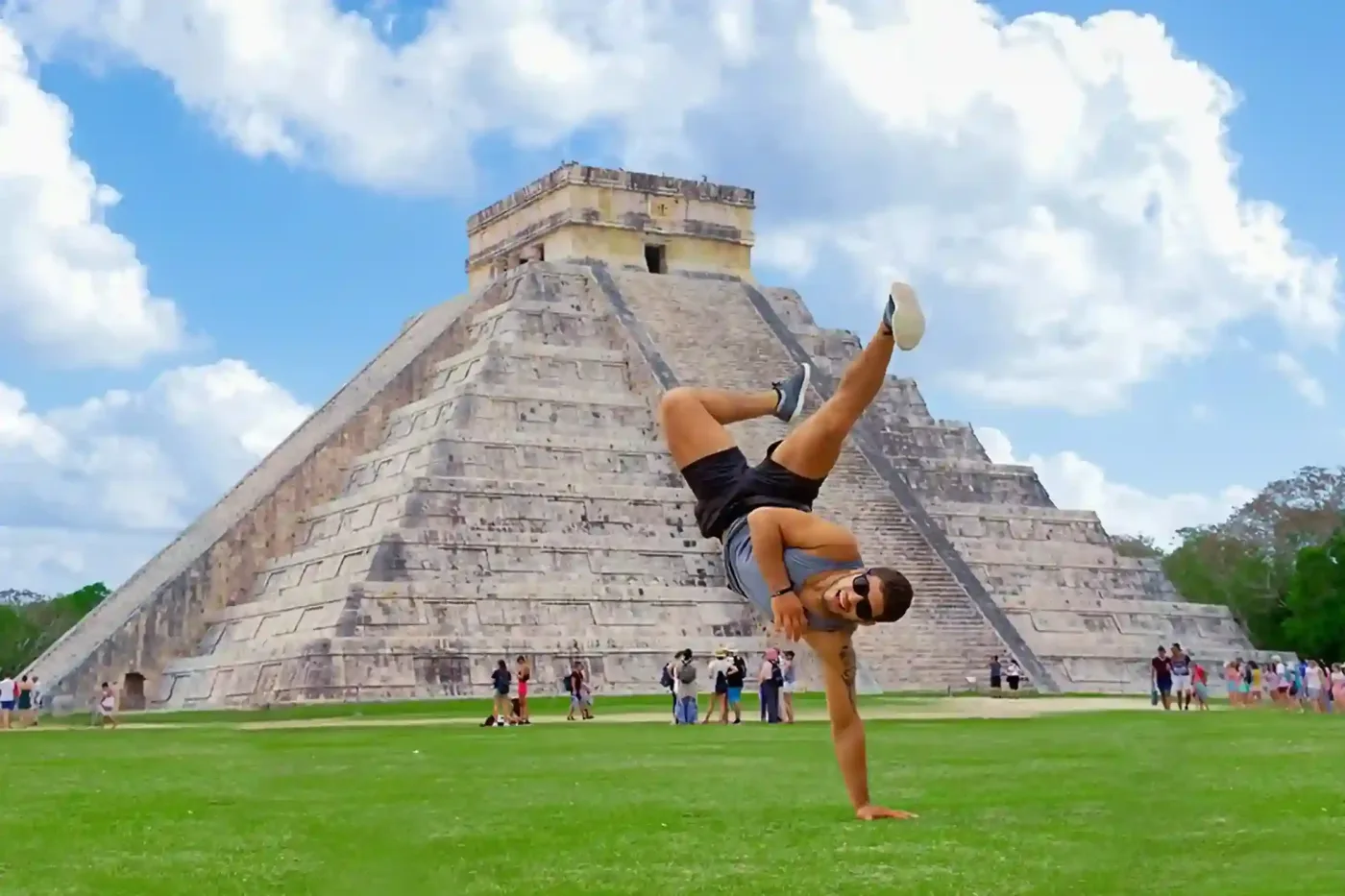
Mexico Overview & Key Facts
Brief History of Mexico
Mexico’s history spans millennia, from ancient Olmec, Maya and Aztec civilizations through Spanish conquest to independence and modern nationhood. The Spanish arrived in 1519, toppling the Aztec empire and establishing New Spain. This rich historical tapestry creates a fascinating backdrop for modern travelers exploring the country’s archaeological treasures, colonial cities and cultural sites.
Independence & National Identity
- Independence date: September 16, 1810 (declared), 1821 (consummated).
- Former colonial power: Spain.
- National symbols & identity.
Mexico gained independence after an eleven-year war against Spanish rule. Today, the country’s national identity centers on mestizo culture blending indigenous and Spanish heritage. The national flag features green, white and red stripes with an eagle on a cactus devouring a snake, symbolizing the Aztec founding legend.
Government System & Current Leadership
- Type of government: Federal Presidential Republic
- Current president: Claudia Sheinbaum (since October 2024)
- Notes on political stability
Mexico operates as a federal presidential republic with three branches of government. President Claudia Sheinbaum, elected in 2024, became the country’s first female president. The country has stable democratic institutions, though some regions experience challenges related to organized crime.
Population, Ethnic Groups & Languages
- Population: 131 million (2025 projection).
- Major ethnic groups: Mestizo (62%), Indigenous (21%), European (10%).
- Official language(s): Spanish.
- Additional languages commonly spoken.
Over 68 indigenous languages are recognized nationally, with Nahuatl and Maya being the most spoken. English is widely understood in tourist areas and among younger generations.
Main Religions & Cultural Identity
Roman Catholicism dominates Mexico’s religious landscape, with approximately 78% of the population identifying as Catholic. Indigenous spiritual practices continue alongside Christianity. The Day of the Dead (Día de Muertos) is one of the country’s most important cultural celebrations, recognized by UNESCO.
Geography & Natural Landscape
Mexico features three distinct geographical zones: coastal plains, central highlands, and the Yucatán peninsula. The Sierra Madre mountain ranges run north-south, while the Baja California peninsula juts into the Pacific. The country has diverse climates from tropical beaches to temperate highlands and arid deserts.
Economy & Tourism Highlights
Mexico has the second-largest economy in Latin America with strong tourism, manufacturing and oil sectors. Tourism is a major pillar, with over 45 million international visitors annually. The government continues investing in infrastructure and security in tourist destinations.
What Mexico Is Known For
- UNESCO World Heritage sites, including Chichen Itza, Teotihuacan, Palenque, Oaxaca and Guanajuato
- World-class beaches on both Caribbean and Pacific coasts
- Rich cuisine recognized by UNESCO as Intangible Cultural Heritage
Visa & Entry Requirements in Mexico
Most international visitors receive 180 days visa-free on arrival, with a few exceptions. The immigration form (FMM) is issued at the border and must be kept until departure. Processing is generally quick at major airports and land crossings.
Do You Need a Visa?
Citizens of the US, Canada, EU, UK, Australia, Japan, Korea and many others get 180 days visa-free on arrival. Some nationalities require a visa or electronic authorization (SAE). Always check with the Mexican embassy or consulate in your country for the most current visa requirements specific to your nationality.
Visa Application Options in Mexico
- Visa-free entry on arrival (most common method)
- Electronic Authorization (SAE) for certain nationalities
- Embassy application for nationalities requiring visas
Currently, Mexico offers generous visa-free access for most developed countries. The electronic SAE system allows online application for nationalities that require it.
Passport Validity & Entry Documents
Your passport must be valid for the duration of your stay (180 days maximum). You'll need a completed FMM form (usually filled out on the plane or at the border) and sometimes proof of onward travel. Immigration officers may ask about accommodation and sufficient funds.
Customs Rules & Prohibited Items
Mexico has standard customs regulations. Declare amounts over $10,000 USD. Prohibited items include narcotics, weapons, and certain fresh foods. Duty-free allowance includes 3 liters of alcohol and 200 cigarettes for adults.
Safety & Security Information in Mexico
Mexico requires travelers to exercise increased caution due to crime in some areas. The security situation varies significantly across different regions, with tourist destinations maintaining strong security measures. Most tourist areas have dedicated tourist police and federal protection.
Is Mexico Safe for Tourists?
Yes, Mexico is generally safe for tourists who take appropriate precautions and avoid high-risk areas. Tourist destinations receive millions of visitors annually with very low incident rates. The government has invested significantly in tourism security infrastructure, particularly in Cancún, Riviera Maya, Los Cabos and Puerto Vallarta.
Recommended Safety Tips when in Mexico
Stay in tourist zones, use authorized taxis or Uber, avoid displaying expensive items, and don’t walk alone late at night in unfamiliar areas. Use ATMs in banks or malls, not on the street. Register with your embassy upon arrival and maintain regular contact with family about your whereabouts.
Safe Areas vs. Areas to Avoid in Mexico
Tourist destinations (Yucatán, Riviera Maya, Los Cabos, Puerto Vallarta, Mexico City tourist zones) maintain excellent security. Avoid certain northern border areas and non-tourist neighborhoods in states with Level 4 advisories. Use common sense and official guidance.
Emergency Numbers & Tourist Police in Mexico
- Emergency: 911.
- Tourist Police: Available in major cities and tourist areas.
- Angeles Verdes (tourist road assistance): 078.
Keep these numbers saved in your phone. Tourist police units in major destinations can assist in multiple languages and are specifically trained to help international visitors.
Health Requirements & Vaccinations in Mexico
Mexico does not require mandatory vaccinations for most travelers. The country's healthcare system varies in quality between urban and rural areas, with major cities offering excellent private hospitals and English-speaking medical professionals.
Mandatory Vaccinations in Mexico
No mandatory vaccinations for most travelers. Yellow fever vaccination is required if arriving from endemic countries.
Recommended Vaccinations in Mexico
Routine vaccinations should be up to date. Hepatitis A and typhoid vaccinations are recommended for most travelers. Hepatitis B vaccination is advised for longer stays or certain activities. Rabies vaccination may be considered for travelers planning extended rural stays.
Malaria & Other Risks
Malaria risk is low and limited to certain rural areas. Dengue and Zika are present year-round. Use insect repellent and protective clothing, especially during evening hours. Drink bottled water in rural areas.
Travel Insurance Recommendations in Mexico
Comprehensive travel insurance is essential for visiting Mexico, as medical costs can be high and quality healthcare may not be available in remote areas. Ensure your policy covers emergency medical treatment, medical evacuation, trip cancellation, and personal belongings.
Best Time to Visit in Mexico
The best time to visit Mexico depends on your planned activities and destinations. November–April offers the most comfortable weather conditions for most regions, with minimal rainfall and pleasant temperatures. These Mexico travel tips will help you navigate the country's customs, transportation, and cultural expectations while planning your visit during optimal weather conditions.
Weather by Season
Dry season (November–April) brings perfect weather with temperatures ranging from 20-30°C (68-86°F) in most areas. Wet season (May–October) brings higher humidity and afternoon showers, with hurricane risk on the Caribbean coast from June–November. High-altitude areas like Mexico City have cooler temperatures year-round.
When to Visit Mexico for Best Experiences
- Whale watching is best December–April.
- Day of the Dead celebrations: late October–early November.
- Beach season runs year-round, best December–April.
- Cultural festivals occur throughout the year.
Diving and snorkeling are excellent year-round, with best visibility November–May.
High Season vs. Low Season Travel
High season typically runs from December through April, when weather conditions are most favorable. During these periods, expect higher accommodation prices and more crowded tourist sites. Low season occurs during summer and fall when heat and rain make travel less comfortable. Budget travelers can find significant savings during low-season periods.
Weather & Climate Overview in Mexico
Mexico experiences diverse climate zones ranging from tropical coastal conditions to temperate highland environments. Understanding the best time to visit Mexico depends on your preferred activities and the regions you plan to explore, as temperature and precipitation patterns vary dramatically across the country's vast territory.
Temperature Ranges
Coastal regions typically see temperatures ranging from 25-35°C (77-95°F) year-round. Highland areas experience more moderate temperatures, with winter temperatures potentially dropping to 5°C (41°F) at night. The Yucatán peninsula maintains warm temperatures year-round with high humidity.
Rainy & Dry Seasons in Mexico
The rainy season occurs primarily from May through October, with most precipitation falling in late afternoon showers. Annual rainfall varies from 300mm in Baja California to over 2000mm in southern regions. Hurricane season affects the Caribbean coast from June through November.
What to Wear Based on the Weather
Pack lightweight, breathable clothing for coastal visits, including swimsuits and cover-ups. Bring warm layers for highland regions where temperatures can drop significantly. Comfortable walking shoes are essential, along with sandals for beach areas. Always pack modest clothing that covers shoulders and knees for visiting religious sites and conservative areas.
Main Currency, Costs & Budgeting in Mexico
Mexico uses the Mexican Peso (MXN) as its official currency, and understanding local financial systems is crucial for budget planning. The country offers relatively affordable travel experiences compared to many international destinations, though costs can vary significantly between different regions and types of accommodation.
Local Currency Information
The Mexican Peso is divided into 100 centavos, with banknotes available in denominations of 20, 50, 100, 200, 500, and 1000 pesos. Coins are available in smaller denominations. Currency exchange is widely available at banks, airports, and exchange houses. ATMs are ubiquitous in tourist areas.
Average Travel Costs in Mexico
Budget travelers can expect to spend approximately $60-100 per day, including accommodation, meals, and local transportation. Mid-range travelers typically spend $120-250 daily for comfortable hotels, restaurant meals, and guided tours. Luxury travelers may spend $300-800+ daily for premium accommodations and services.
Using ATMs, Cards & Mobile Money in Mexico
ATMs are widely available and accept international cards. International credit and debit cards are accepted at most hotels, restaurants, and shops in tourist areas. Mobile payment systems are increasingly adopted, with Apple Pay and Google Pay widely accepted.
Tipping Guidelines in Mexico
Tipping is customary in Mexico's service industry, with 10-15% being standard in restaurants if service charges aren't included. Hotel staff typically receive 50-100 pesos for services. Taxi drivers don't expect tips, but rounding up the fare is appreciated. Tour guides and drivers for day trips typically receive 200-500 pesos depending on service quality.
Transportation & Getting Around in Mexico
Mexico's transportation infrastructure varies significantly between urban and rural areas, with major cities offering multiple options while remote regions may have limited connectivity. Public transportation, private vehicles, and domestic flights all play important roles in the country's mobility network.
Airport Transfers
Major airports offer several transfer options, including official taxis, private car services, and public buses. Authorized airport taxis provide receipts, while private transfer services can be arranged through hotels or tour operators. Uber and Didi operate in most major cities and tourist destinations.
Local Transport Options in Mexico
Urban areas offer buses, metro systems (Mexico City), taxis, and ride-sharing services. Buses are the most economical option, while Uber and Didi provide safe and affordable alternatives. Long-distance luxury buses (ADO, ETN) connect major cities with excellent service.
Mexico Domestic Flights
Domestic flights connect major cities with airlines including Aeroméxico, Volaris, and VivaAerobus. Domestic flights can save significant travel time for long-distance journeys. Flight schedules are frequent, and advance booking is recommended during peak travel periods.
Car Rentals & Road Conditions in Mexico
International car rental companies operate in major cities and airports. Road conditions vary from well-maintained toll highways to rough tracks in rural areas. Traffic rules follow right-hand driving patterns, and speed limits are enforced. Driving at night outside major cities is not recommended.
Accommodation Options available in Mexico
Mexico offers diverse accommodation options ranging from budget hostels to luxury resorts, with availability and quality varying significantly between different regions and cities. Major urban centers provide international-standard hotels and business facilities, while smaller towns offer charming boutique options.
Types of Accommodations in Mexico
Hotels range from basic budget establishments to international luxury chains. Boutique hotels and haciendas offer authentic cultural experiences. Youth hostels are available in most tourist cities. All-inclusive resorts dominate the Caribbean coast, while eco-lodges serve adventure travelers.
Budget vs. Mid-Range vs. Luxury
Budget accommodations ($30-70 per night) typically offer basic rooms with private bathrooms. Mid-range hotels ($80-200 per night) provide comfortable amenities and often include breakfast. Luxury hotels and resorts ($250+ per night) offer international standards with full-service amenities.
Best Areas to Stay in Mexico
In Mexico City, Roma, Condesa and Polanco districts offer convenient access to attractions. Cancún’s hotel zone provides beachfront accommodation. Tulum offers boutique beach hotels. Puerto Vallarta’s Zona Romántica has charming boutique options. San Miguel de Allende features colonial charm.
Essential Packing Guide when Visiting Mexico
Packing for Mexico requires consideration of diverse climate conditions, cultural expectations, and planned activities. The country's varied geography means travelers may experience tropical coastal weather, highland conditions, and desert environments during a single trip.
Clothing Essentials
Pack lightweight, breathable fabrics for coastal areas, including swimsuits and cover-ups. Bring warm layers for highland regions where temperatures can drop significantly. Modest clothing covering shoulders and knees is essential for visiting religious sites. Include comfortable walking clothes and at least one outfit suitable for dining in upscale restaurants.
Footwear & Gear
Comfortable walking shoes with good support are essential for exploring cities and archaeological sites. Sandals are useful for beach areas. Water shoes protect feet at cenotes and rocky beaches. Bring universal power adapters for American-style outlets (types A and B).
Electronics & Cameras
Mexico uses 127V electricity with 60Hz frequency. Most modern electronic devices are designed for dual voltage. Power banks are essential for long days of sightseeing. Camera equipment should include extra batteries and memory cards.
Toiletries & Personal Items
Bring sufficient supplies of prescription medications, as specific brands may not be available locally. Sunscreen with high SPF protection is essential for coastal areas. Insect repellent helps prevent mosquito bites, particularly in coastal regions. Personal hygiene items should include travel-sized toiletries.
Language & Communication in Mexico
Mexico's linguistic landscape reflects its complex history, with Spanish serving as the official language while indigenous languages remain widely spoken in rural areas. Understanding basic language dynamics helps travelers communicate more effectively and shows respect for local culture.
Main Languages Spoken in Mexico
Spanish serves as the primary official language. English is widely understood in tourist areas, particularly among younger generations and in tourism-related businesses. Over 68 indigenous languages are recognized nationally, with Nahuatl and Maya being the most spoken.
Useful Phrases for Tourists
Basic Spanish phrases include "Hola" (hello), "Gracias" (thank you), "Por favor" (please), and "No entiendo" (I don't understand). Learning a few basic phrases demonstrates respect and often receives positive responses from locals.
SIM Cards & Mobile Data used in Mexico
Local SIM cards are available from major providers including Telcel, Movistar, and AT&T at airports, shops, and service centers. Prepaid plans offer affordable data and calling options for tourists. International roaming can be expensive, making local SIM cards the most cost-effective option.
Internet Availability & Wi-Fi in Mexico
Wi-Fi is widely available in hotels, restaurants, and cafes in tourist areas. Internet cafes provide access in smaller towns. Mobile data coverage is excellent in urban and tourist areas, but may be limited in remote regions.
Culture & Etiquette in Mexico
Understanding Mexican culture and social etiquette is essential for respectful travel and meaningful interactions with local people. The country's cultural identity blends indigenous, Spanish, and modern influences, creating unique social norms and expectations.
Mexican Dress Code Expectations
Modest dress is expected when visiting churches and indigenous communities, with clothing covering shoulders and knees. Beachwear is acceptable at coastal resorts and beaches, but should not be worn in urban areas. Business attire is expected for formal meetings and upscale restaurants.
Social Etiquette & Respectful Behavior of Mexico
Greetings typically involve handshakes or cheek kisses (one or two depending on region). Remove shoes when entering homes in some regions. Accept hospitality graciously, as refusing offers of food or drink may be considered impolite. Show respect for elders and religious practices.
Photography Rules in Mexico
Ask permission before photographing people, particularly indigenous communities, and respect refusals graciously. Some archaeological sites may charge additional fees for camera use or prohibit photography entirely. Religious sites may have specific photography restrictions.
Important Cultural Dos & Don’ts in Mexico
Do show respect for local customs and traditions, arrive on time for appointments (though social events often start late), and use formal titles when addressing people. Don't be offended by personal questions, as Mexicans tend to be warm and curious. Avoid discussing sensitive political topics unless invited.
Food, Water & Dining in Mexico
Mexican cuisine reflects the country's diverse cultural influences, combining indigenous ingredients with Spanish cooking techniques into distinctive flavors and dishes. Understanding local dining customs and food safety practices enhances your culinary experience while helping avoid potential health issues.
Mexican Local Dishes to Try
Tacos al pastor, mole poblano, chiles en nogada, tamales, and fresh ceviche showcase the country's culinary diversity. Regional specialties vary dramatically – Oaxaca is known for mole sauces, Yucatán for cochinita pibil, and Baja California for fish tacos. Street food is excellent and safe when prepared in busy locations.
Dietary Options in Mexico
Vegetarian options are widely available, particularly in tourist areas. Vegan travelers may face challenges in rural regions, though vegetables, legumes, and grains are widely available. International cuisine is available in major cities.
Drinking Water Safety
Bottled water is recommended for drinking, though tap water in major cities is generally treated. Avoid ice in drinks unless you're certain it's made from bottled or properly treated water. Be cautious with fresh fruits and vegetables that may have been washed with tap water.
Restaurant Etiquette
Tipping 10-15% is customary in restaurants if service charges aren't included. Meals are often leisurely experiences. Wait to be seated and follow your host's lead regarding meal timing and customs. Many restaurants close in the afternoon and reopen for dinner.
Top Attractions & Things to Do in Mexico
Mexico offers remarkable diversity in attractions, from ancient Mayan and Aztec ruins and colonial cities to stunning natural landscapes and vibrant cultural experiences. The most popular places to visit in Mexico include world-famous archaeological sites, UNESCO pueblos mágicos, and stunning natural landscapes that showcase the country's rich history and geographical diversity.
Major Tourist Attractions in Mexico
- Chichen Itza (UNESCO)
- Teotihuacan pyramids
- Tulum ruins & beach
- Copper Canyon
Chichen Itza represents one of the finest examples of Mayan architecture and astronomy. Teotihuacan showcases remarkably preserved pyramids and urban planning. Tulum combines archaeological significance with stunning Caribbean views. Copper Canyon offers dramatic landscapes larger than the Grand Canyon.
Best Tours & Experiences in Mexico
Cenote diving offers unforgettable experiences exploring underground rivers. Archaeological tours provide expert guidance through Mayan sites like Palenque and Uxmal. Cultural tours of Oaxaca include traditional craft workshops and mezcal tasting. Whale watching in Baja California provides unique wildlife experiences.
Family-Friendly Activities to do in Mexico
Beaches along the Caribbean and Pacific coasts provide safe swimming and water sports opportunities for families. Xcaret and Xel-Ha eco-parks offer educational experiences for children. Interactive museums in major cities feature exhibits on natural history and cultural heritage. Traditional markets provide colorful shopping experiences.
Unique Cultural or Historical Sites to visit in Mexico
The National Museum of Anthropology in Mexico City demonstrates the country’s rich cultural heritage. San Miguel de Allende represents colonial architecture and artistic community. Day of the Dead celebrations in Pátzcuaro offer authentic cultural experiences. Indigenous communities preserve traditional lifestyles and crafts.
Mexican Electrical System Information
Mexico's electrical system follows North American standards, which may require adapters and voltage converters for travelers from other regions. Understanding electrical specifications helps ensure your devices function properly and safely during your visit.
Plug Types & Voltage used in Mexico
Mexico uses plug types A and B (North American standard) with 127V voltage and 60Hz frequency. Type A plugs have two flat parallel pins, while type B includes a grounding pin. Most modern electronic devices are designed for dual voltage (110-240V).
Charging Tips
Bring universal adapters compatible with North American plug types to ensure device compatibility. Power banks are essential for long sightseeing days and areas with unreliable electricity supply. Charge devices overnight when power is most stable.
Local Laws & Regulations of Mexico
Understanding Mexico's legal framework helps travelers avoid unintentional violations and ensures respectful behavior during their visit. The country's laws reflect national and local customs, with some regulations differing significantly from other legal systems.
Rules Travelers Need to Know when In Mexico
Photography of military installations and government buildings may be restricted. Drone usage requires special permits and is heavily regulated. Public behavior should respect local customs. Import and export of certain items require declarations and permits.
Alcohol, Smoking & Substance Laws of Mexico
Alcohol consumption is legal for those 18 and older. Public intoxication is illegal and can result in fines or detention. Smoking is prohibited in many public spaces. All narcotics and illegal substances are strictly prohibited with severe penalties.
Restricted or Protected Areas in Mexico.
Some archaeological sites have limited access and require guided tours or special permissions. Certain natural areas may require permits and registered guides for safety and security reasons. National parks may have specific regulations regarding camping, hiking, and wildlife interaction.
Final Travel Tips for Visitors in Mexico
Successful travel to Mexico requires preparation, cultural sensitivity, and flexibility to adapt to local conditions and customs. These essential Mexico travel tips will help you navigate the country's customs, transportation, and cultural expectations while maximizing your travel experience and minimizing potential challenges.
Common Mistakes to Avoid
Don't underestimate travel distances and time requirements, as Mexico is a vast country with varying transportation infrastructure. Avoid wearing inappropriate clothing that doesn't respect local customs. Don't exchange money through unofficial channels. Avoid traveling to high-risk areas without proper research.
Tips to Save Money when Visiting Mexico
Travel during shoulder seasons for better accommodation rates and fewer crowds. Use public transportation in cities rather than taxis for significant savings. Eat at local restaurants and street food vendors rather than hotel restaurants. Book accommodations directly with hotels to avoid booking fees.
Safety & Comfort Tips
Register with your embassy upon arrival and maintain regular contact about your whereabouts. Keep copies of important documents separate from originals and store digital copies securely. Carry sufficient cash as card acceptance may be limited in some areas. Learn basic Spanish phrases to improve communication and show respect.
Frequently Asked Questions – Mexico Travel Guide 2026-2027
Our Tanzania Tours Products
While Mexico offers incredible Mayan ruins, Caribbean beaches and vibrant culture, many travelers combine Latin America with the ultimate wildlife experience in East Africa. Capable Africa Tours specializes in secure, guided safaris that maximize safety and wonder. Our expert local guides, armed rangers in parks, and vetted accommodations ensure peace of mind. From family-friendly lodges to luxury camps, we handle logistics so you focus on the magic. Tanzania ranks high for tourist safety with dedicated wildlife protection units and stable northern circuits.
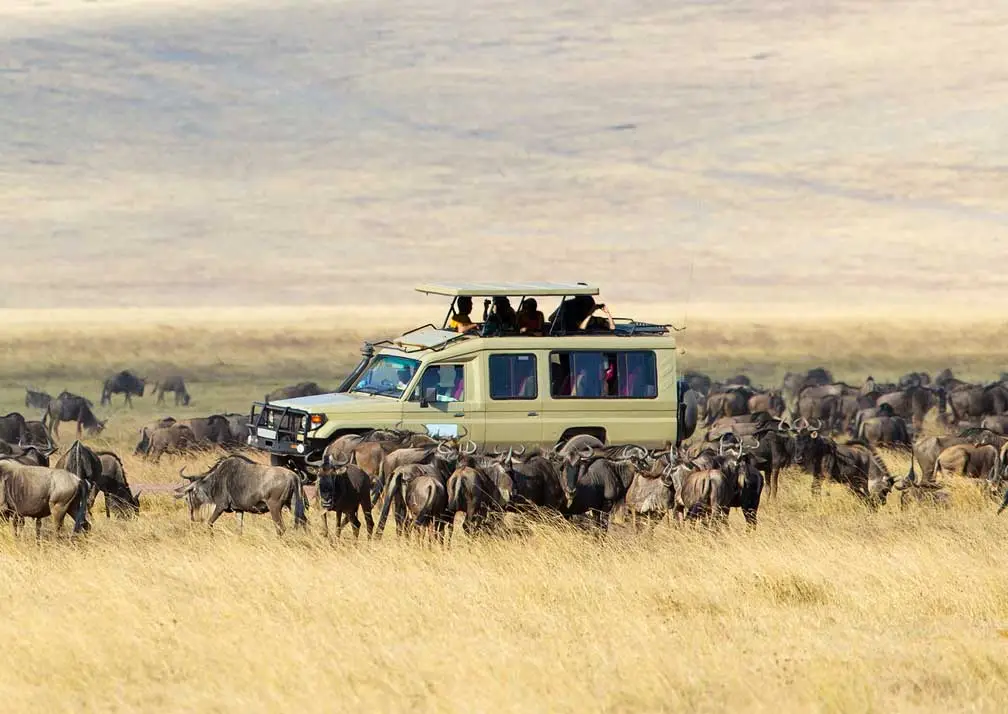
Great Migration Safaris
Experience one of nature's greatest spectacles with our Great Migration safari packages, timed for river crossings or calving.
View Package →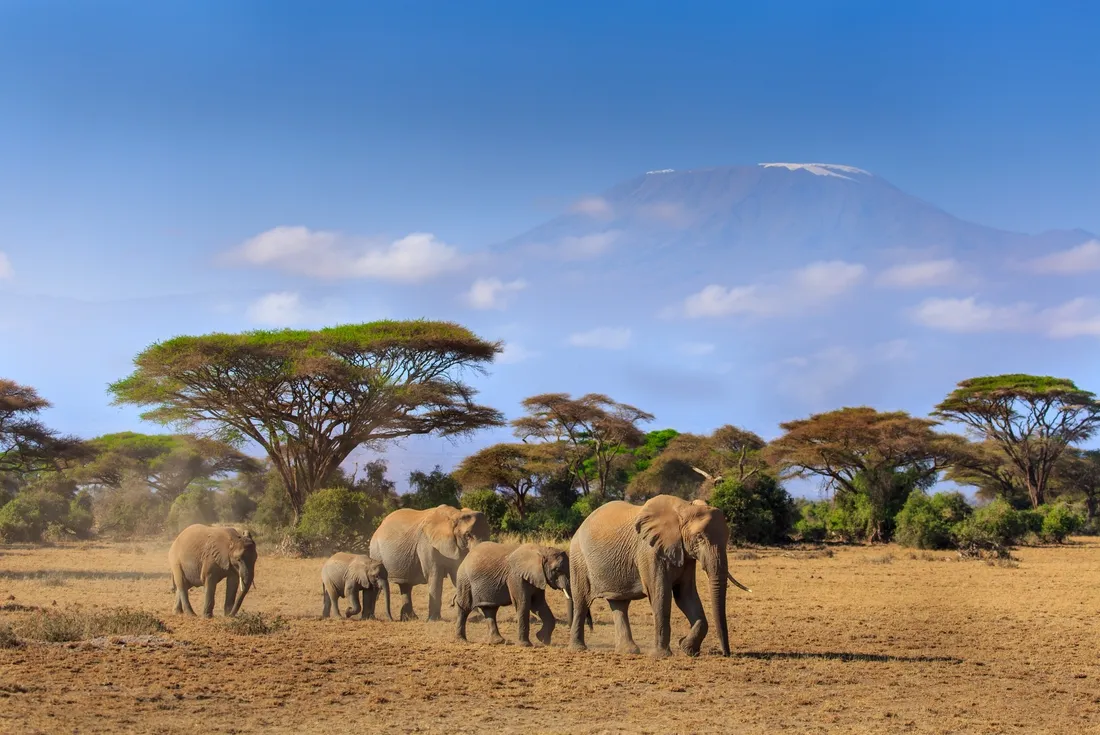
Serengeti & Kilimanjaro Trek
Combined safari and trekking tours offer wildlife adventures and Kilimanjaro climbs.
View Package →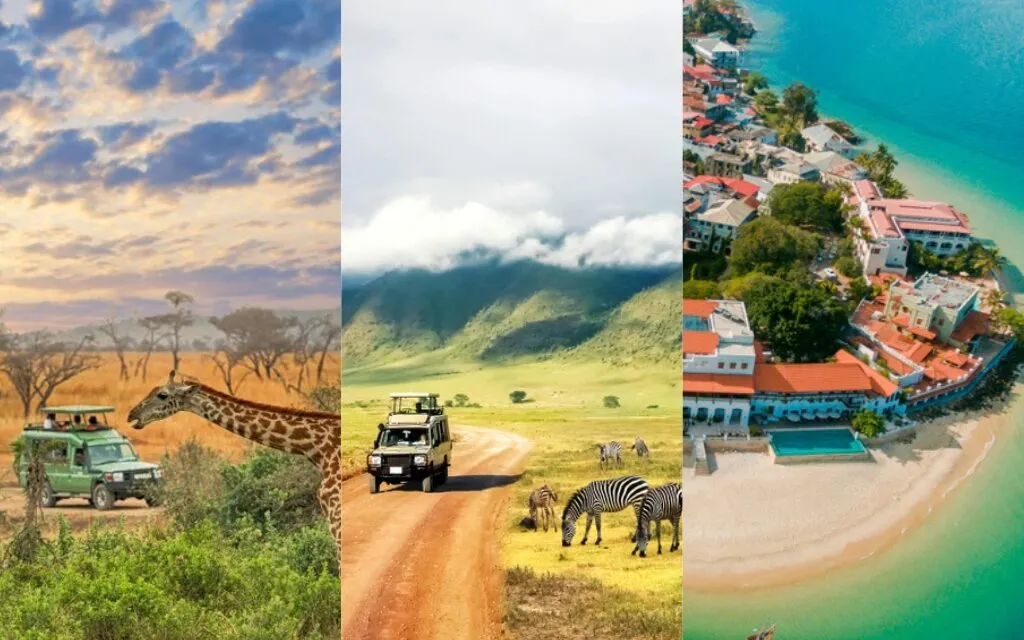
Serengeti & Zanzibar Tours
Luxury Tanzania safari & beach packages with the Great Migration and pristine beaches.
View Package →Related: Best Time to Visit Tanzania 2026 – Perfect safari extension after your Mexico adventure.