
Most Complete Micronesia Travel Guide 2026-2027 – Everything You Need to Know Before Visiting
This Micronesia travel guide provides everything you need to plan your journey to one of the Pacific’s most remote and culturally rich destinations. The Federated States of Micronesia (FSM) span over 600 islands across 2,900 km of ocean, offering visitors an extraordinary blend of WWII history, ancient Yapese culture, world-class diving on Chuuk’s wreck-filled lagoon, and the mysterious ruined city of Nan Madol on Pohnpei. Many travelers who want to visit Micronesia are surprised by the country’s incredible diversity and pristine marine environments that create one of the Pacific’s most authentic travel experiences.
Start Reading the Full Guide ↓Quick Facts About Micronesia
- Capital: Palikir (Pohnpei).
- Currency: United States Dollar (USD).
- Time Zones: UTC+10 (Kosrae) & UTC+11 (Pohnpei, Chuuk, Yap).
- International Calling Code: +691.
- Driving Side: Right.
- Major Airports: Pohnpei (PNI), Chuuk (TKK), Yap (YAP), Kosrae (KSA).
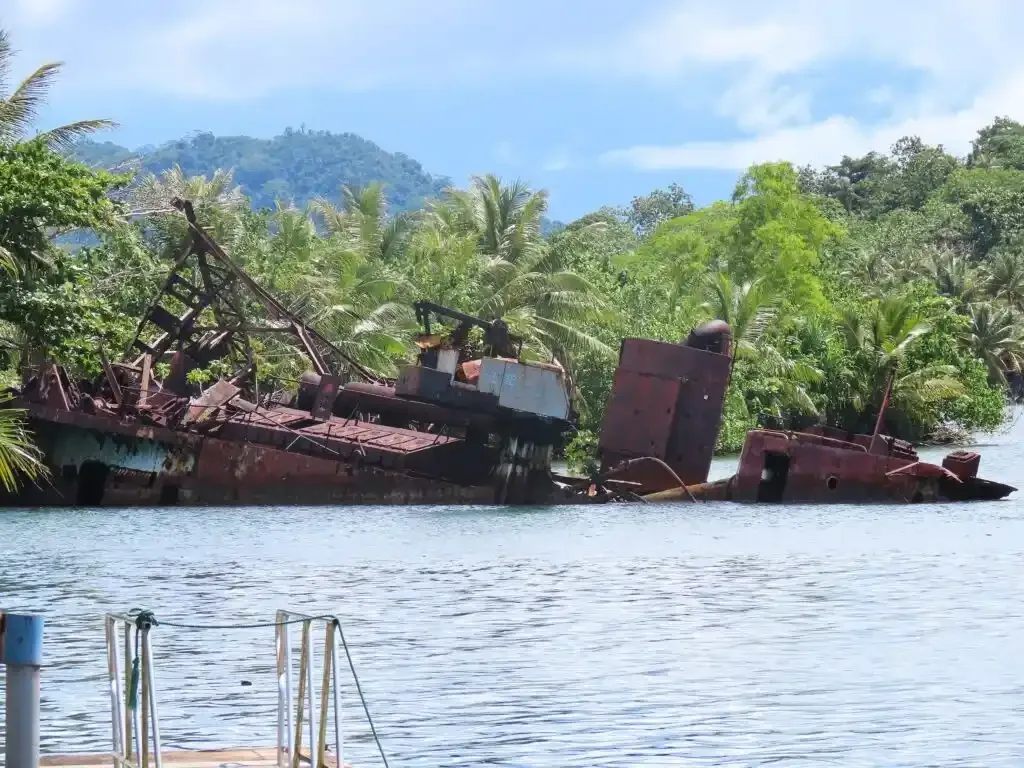
Micronesia Overview & Key Facts
Brief History of Micronesia
Micronesia’s history spans millennia, from ancient Micronesian navigators settling the islands over 4,000 years ago to Spanish, German, Japanese, and finally American administration. The islands played a critical role in WWII Pacific campaigns, leaving Chuuk Lagoon as one of the world’s greatest wreck-diving sites. Independence came in 1986 under a Compact of Free Association with the United States, creating a unique sovereign nation with strong U.S. ties.
Independence & National Identity
- Independence date: November 3, 1986.
- Former colonial powers: Spain → Germany → Japan → USA.
- National symbols & identity.
The Federated States of Micronesia (FSM) achieved independence through the Compact of Free Association with the USA, maintaining close military and economic ties while exercising full sovereignty. The flag’s four stars represent the states of Yap, Chuuk, Pohnpei, and Kosrae.
Government System & Current Leadership
- Type of government: Constitutional federal republic
- Current president: Wesley Simina (2023–present)
- Notes on political stability
Micronesia operates as a democratic federal republic with four semi-autonomous states. Politics are stable with regular peaceful elections. The Compact provides significant U.S. financial assistance in exchange for defense responsibilities.
Population, Ethnic Groups & Languages
- Population: ~115,000 (2025 estimate).
- Major ethnic groups: Chuukese (48%), Pohnpeian (24%), Kosraean, Yapese.
- Official language: English.
- Additional languages commonly spoken.
Each state has its own distinct language and culture. English serves as the unifying official language and is widely spoken, especially among younger generations and in government/tourism.
Main Religions & Cultural Identity
Christianity dominates (95%+), primarily Catholic and Protestant. Traditional beliefs and practices remain strong, especially in Yap with its caste system and stone money culture, and in Pohnpei with sakau (kava) ceremonies.
Geography & Natural Landscape
The FSM consists of four main island states stretching across the western Pacific: volcanic high islands (Pohnpei, Kosrae), coral atolls (Chuuk), and raised limestone/yap proper islands (Yap). The islands boast dramatic waterfalls, lush rainforests, pristine reefs, and the world-famous Chuuk Lagoon with over 60 WWII shipwrecks.
Economy & Tourism Highlights
Subsistence fishing and agriculture dominate alongside U.S. Compact funding. Tourism is growing rapidly, focused on diving (especially Chuuk), cultural experiences (Yap), eco-tourism (Kosrae), and historical sites (Nan Madol on Pohnpei).
What Micronesia Is Known For
- Yap’s traditional stone money and caste system
- Chuuk Lagoon – world’s best wreck diving
- Nan Madol – “Venice of the Pacific” (UNESCO)
- Pristine reefs and manta ray cleaning stations
Visa & Entry Requirements in Micronesia
Most international visitors enjoy visa-free entry to Micronesia for tourism or business stays up to 30–90 days depending on nationality. The entry process is straightforward but requires proof of onward travel and sufficient funds.
Do You Need a Visa?
Citizens of the USA, EU, Australia, Canada, Japan, South Korea, Taiwan, and most Pacific nations receive visa-free entry for 30–90 days. All others require a visa obtained in advance from an FSM embassy or consulate.
Visa Application Options in Micronesia
- Visa on arrival (most nationalities)
- Visa-free entry under Compact privileges
- Pre-arranged visa for non-eligible nationalities
Visa-free visitors complete a simple arrival card and receive an entry permit stamp. Extensions up to 90 days are possible through immigration offices on main islands.
Passport Validity & Entry Documents
Passport must be valid for at least 120 days beyond intended stay. Required documents include return/onward ticket and proof of sufficient funds ($30–50/day recommended).
Customs Rules & Prohibited Items
Standard Pacific restrictions apply: no fresh fruit/vegetables, no weapons, no drugs. Duty-free allowance: 200 cigarettes, 1 liter alcohol. Declare diving equipment if carrying tanks.
Safety & Security Information in Micronesia
Micronesia enjoys very low crime rates and is considered one of the safest destinations in the Pacific. The main risks are natural (typhoons, strong currents) rather than criminal.
Is Micronesia Safe for Tourists?
Yes – extremely safe. Petty theft is rare, violent crime almost nonexistent. Locals are exceptionally friendly and welcoming. Main concerns are ocean safety (strong currents) and typhoon season.
Recommended Safety Tips when in Micronesia
Never swim or dive alone, respect local customs (especially in Yap), ask permission before photographing people, stay hydrated, use reef-safe sunscreen, and monitor weather during wet season.
Safe Areas vs. Areas to Avoid in Micronesia
All tourist areas are safe. No specific areas to avoid. Outer islands require extra preparation for limited medical facilities.
Emergency Numbers & Tourist Police in Micronesia
- Police/Fire/Medical: 911 (all states).
- Hospital Pohnpei: +691 320-2212.
- Hospital Chuuk: +691 330-2230.
Decompression chambers available in Chuuk and Pohnpei for diving emergencies.
Health Requirements & Vaccinations in Micronesia
No mandatory vaccinations required for direct entry, though standard travel vaccines are recommended. Medical facilities are basic outside main islands.
Mandatory Vaccinations in Micronesia
None unless arriving from yellow fever or cholera areas within 6–10 days.
Recommended Vaccinations in Micronesia
Hepatitis A & B, Typhoid, Tetanus-diphtheria, MMR, and routine vaccines. Consider Japanese Encephalitis for extended rural stays.
Malaria & Other Risks
No malaria risk. Dengue and Zika possible but rare. Main concerns: dehydration, sunburn, marine stings, and diving-related illnesses.
Travel Insurance Recommendations in Micronesia
Diving and evacuation insurance mandatory for divers. Standard comprehensive travel insurance highly recommended due to remote location and high evacuation costs.
Best Time to Visit in Micronesia
Dry season (December–April) offers the best weather and diving conditions. Wet season (May–November) brings more rain but lower prices and still excellent diving.
Weather by Season
Dry season: 27–31°C (80–88°F), lower humidity, calmer seas. Wet season: higher humidity, frequent afternoon showers, rougher seas.
When to Visit Micronesia for Best Experiences
- Wreck diving in Chuuk – year-round (best Dec–Apr)
- Manta rays in Yap – Dec–Apr
- Hiking/waterfalls in Kosrae & Pohnpei – year-round
- Cultural festivals – vary by island
Typhoon season runs June–December with highest risk September–November.
High Season vs. Low Season Travel
High season: December–April (best weather, highest prices). Low season: May–November (cheaper flights/hotels, more rain but still diveable).
Weather & Climate Overview in Micronesia
Tropical maritime climate with consistent temperatures year-round and distinct wet/dry seasons. Trade winds provide natural cooling.
Temperature Ranges
Daily temperatures 27–32°C (81–90°F) year-round. Water temperature 28–30°C (82–86°F).
Rainy & Dry Seasons in Micronesia
Dry season December–April (least rain). Wet season May–November (frequent showers, especially afternoons).
What to Wear Based on the Weather
Light breathable clothing, rash guards, reef-safe sunscreen, hat, quick-dry towels. Modest attire for villages (cover thighs/shoulders). Light rain jacket for wet season.
Main Currency, Costs & Budgeting in Micronesia
The U.S. dollar is official currency. Costs are moderate to high due to importation and remoteness.
Local Currency Information
United States Dollar (USD). No local currency. ATMs available on main islands; carry cash for outer islands.
Average Travel Costs in Micronesia
Budget travelers: $120–180/day. Mid-range: $200–350/day. Liveaboard diving: $350–550/day. Inter-island flights significantly increase costs.
Using ATMs, Cards & Mobile Money in Micronesia
ATMs on main islands (Bank of FSM, Bank of Guam). Cards accepted at resorts and larger businesses. Cash essential on outer islands.
Tipping Guidelines in Micronesia
Not expected or customary. Service charges usually included. Small gifts appreciated more than cash in villages.
Transportation & Getting Around in Micronesia
Travel between states requires flights via United Airlines “Island Hopper” route. Local transport is limited to taxis and rental cars on main islands.
Airport Transfers
Taxis available at all airports. Many hotels include complimentary transfers.
Local Transport Options in Micronesia
Taxis and rental cars on main islands. Walking common in town centers. Boats for outer island travel.
Micronesia Domestic Flights
United Airlines operates the famous “Island Hopper” route (Honolulu–Majuro–Kwajalein–Kosrae–Pohnpei–Chuuk–Guam) several times weekly. Essential for inter-state travel.
Car Rentals & Road Conditions in Micronesia
Rental cars available on main islands. Roads paved in town centers, rough elsewhere. International driving permit recommended.
Accommodation Options available in Micronesia
Range from basic guesthouses to small resorts and liveaboard dive boats. Options limited outside main towns.
Types of Accommodations in Micronesia
Small resorts, guesthouses, dive liveaboards, village stays, and a few international-standard hotels.
Budget vs. Mid-Range vs. Luxury
Budget ($60–120/night), mid-range ($150–250), luxury liveaboards ($350–600).
Best Areas to Stay in Micronesia
Kolonia (Pohnpei), Weno (Chuuk), Colonia (Yap), Lelu/Tofol (Kosrae). Dive resorts often located on outer atolls.
Essential Packing Guide when Visiting Micronesia
Pack light, focus on water activities and sun protection. Electricity and supplies limited on outer islands.
Clothing Essentials
Rash guards, board shorts, light tropical clothing, modest attire for villages, waterproof bag.
Footwear & Gear
Reef shoes, hiking sandals, dive booties. Mask/snorkel/fins (rentals available but personal fit better).
Electronics & Cameras
Underwater housing essential. Power 110V/60Hz (U.S. standard). Solar charger useful for outer islands.
Toiletries & Personal Items
Reef-safe sunscreen (expensive locally), insect repellent, medications, dive certification card.
Language & Communication in Micronesia
English is the official language and widely spoken. Local languages dominate daily life.
Main Languages Spoken in Micronesia
English (official) + nine indigenous languages. English sufficient for tourism.
Useful Phrases for Tourists
“Kaselehlie” (hello in Pohnpeian), “Ran annim” (hello in Kosraean), “Mogethin” (hello in Yapese), “Thank you” works everywhere.
SIM Cards & Mobile Data used in Micronesia
FSM Telecom provides SIM cards with data packages. Coverage good on main islands, limited elsewhere.
Internet Availability & Wi-Fi in Micronesia
Wi-Fi available at resorts and some cafes. Speeds slow. No restrictions.
Culture & Etiquette in Micronesia
Traditional culture remains strong. Respect for elders, land ownership, and customs essential.
Micronesian Dress Code Expectations
Casual resort wear acceptable at hotels. Cover thighs and shoulders in villages. No topless/sunbathing outside resorts.
Social Etiquette & Respectful Behavior of Micronesia
Ask permission before entering private land or photographing people. Remove shoes when entering homes. Accept offered food/drink graciously.
Photography Rules in Micronesia
Always ask permission before photographing people, especially in Yap where traditional dress is common.
Important Cultural Dos & Don’ts in Micronesia
Do ask permission, accept hospitality, speak softly. Don’t touch someone’s head, point feet at people, or walk between people having a conversation.
Food, Water & Dining in Micronesia
Fusion of local ingredients with American and Asian influences. Fresh seafood dominates.
Micronesian Local Dishes to Try
Fresh tuna/sashimi, coconut crab (when in season), taro, breadfruit, kon (local pudding), sakau (Pohnpei kava ceremony).
Dietary Options in Micronesia
Seafood-heavy diet. Vegetarian options limited but possible. Most resorts accommodate dietary needs.
Drinking Water Safety
Bottled water recommended. Resorts provide safe drinking water.
Restaurant Etiquette
Casual dining. Tipping not expected. Many restaurants family-run.
Top Attractions & Things to Do in Micronesia
World-class diving, unique cultures, and ancient ruins dominate the experience.
Major Tourist Attractions in Micronesia
- Chuuk Lagoon WWII wrecks
- Yap stone money & traditional villages
- Nan Madol ceremonial center (UNESCO)
- Kosrae’s pristine jungles & waterfalls
Chuuk Lagoon contains over 60 wrecks creating the world’s best wreck-diving site. Nan Madol is a 1,000-year-old ruined city built on artificial islets. Yap maintains active stone money banks and traditional culture.
Best Tours & Experiences in Micronesia
Liveaboard diving in Chuuk, cultural village tours in Yap, sakau ceremonies in Pohnpei, jungle hikes in Kosrae, manta ray diving in Yap.
Family-Friendly Activities to do in Micronesia
Snorkeling, waterfall hikes, village visits, WWII history tours, outrigger canoe trips.
Unique Cultural or Historical Sites to visit in Micronesia
Yap’s stone money banks, Nan Madol ruins, Japanese WWII fortifications, traditional meeting houses (faluw/falú).
Micronesian Electrical System Information
U.S. standard electricity throughout the country.
Plug Types & Voltage used in Micronesia
Type A & B plugs, 110–120V, 60Hz (U.S. standard).
Charging Tips
Bring U.S. plugs or adapters. Power banks essential for outer island travel.
Local Laws & Regulations of Micronesia
Standard Pacific island regulations with strong respect for local customs.
Rules Travelers Need to Know when In Micronesia
Respect private land ownership, ask permission before entering property, no collecting coral/shells, diving regulations strict.
Alcohol, Smoking & Substance Laws of Micronesia
Alcohol legal 21+. Sakau bars common in Pohnpei. Marijuana illegal despite cultural use in some areas.
Restricted or Protected Areas in Micronesia.
Some marine protected areas, traditional lands require permission, WWII unexploded ordnance areas marked.
Final Travel Tips for Visitors in Micronesia
Plan flights carefully, pack light, respect local customs, and embrace island time.
Common Mistakes to Avoid
Underestimating inter-island flight costs, not booking United Island Hopper in advance, forgetting dive insurance, wearing inappropriate clothing in villages.
Tips to Save Money when Visiting Micronesia
Travel during wet season, stay in guesthouses, eat local food, book multi-island passes, avoid peak Christmas/New Year period.
Safety & Comfort Tips
Dive with reputable operators, stay hydrated, use reef-safe sunscreen, respect ocean conditions, bring medications (limited pharmacies).
Frequently Asked Questions – Micronesia Travel Guide 2026-2027
Our Tanzania Tours Products
While Micronesia offers incredible wreck diving, traditional stone money culture and pristine Pacific reefs, many travelers combine remote Pacific adventures with the ultimate wildlife experience in East Africa. Capable Africa Tours specializes in secure, guided safaris that maximize safety and wonder. Our expert local guides, armed rangers in parks, and vetted accommodations ensure peace of mind. From family-friendly lodges to luxury camps, we handle logistics so you focus on the magic. Tanzania ranks high for tourist safety with dedicated wildlife protection units and stable northern circuits.
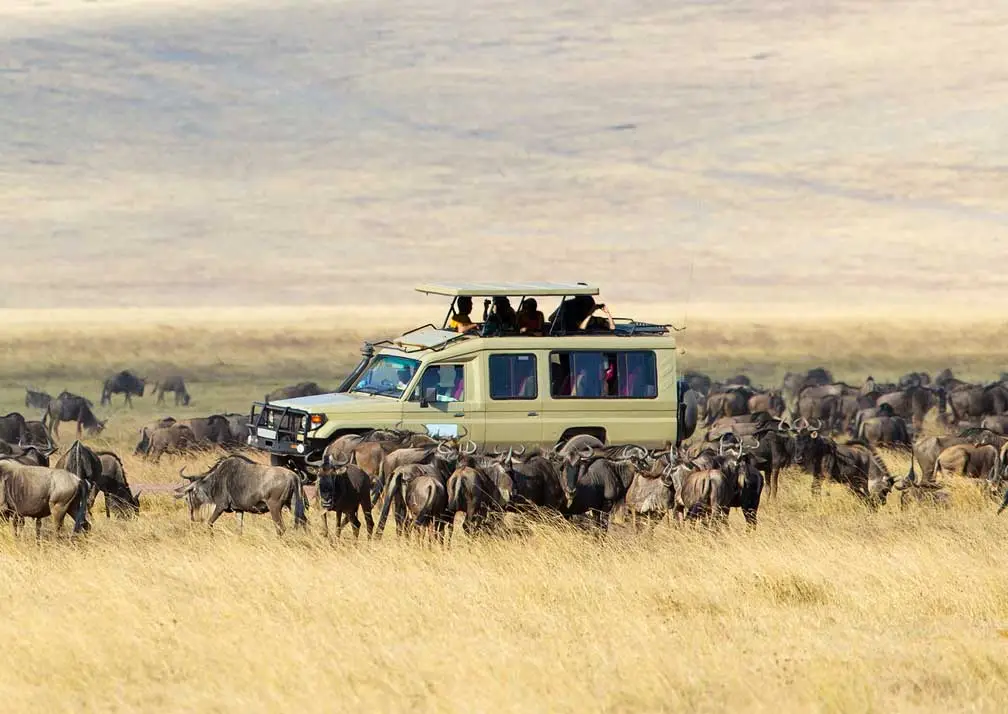
Great Migration Safaris
Experience one of nature's greatest spectacles with our Great Migration safari packages, timed for river crossings or calving.
View Package →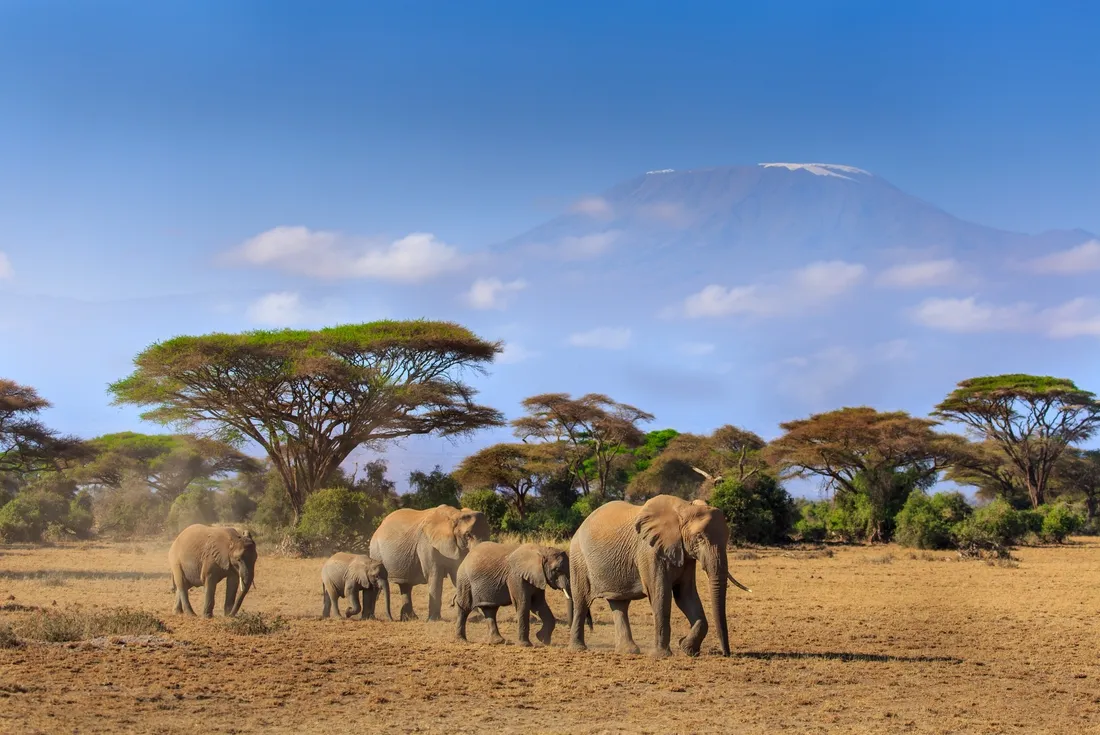
Serengeti & Kilimanjaro Trek
Combined safari and trekking tours offer wildlife adventures and Kilimanjaro climbs.
View Package →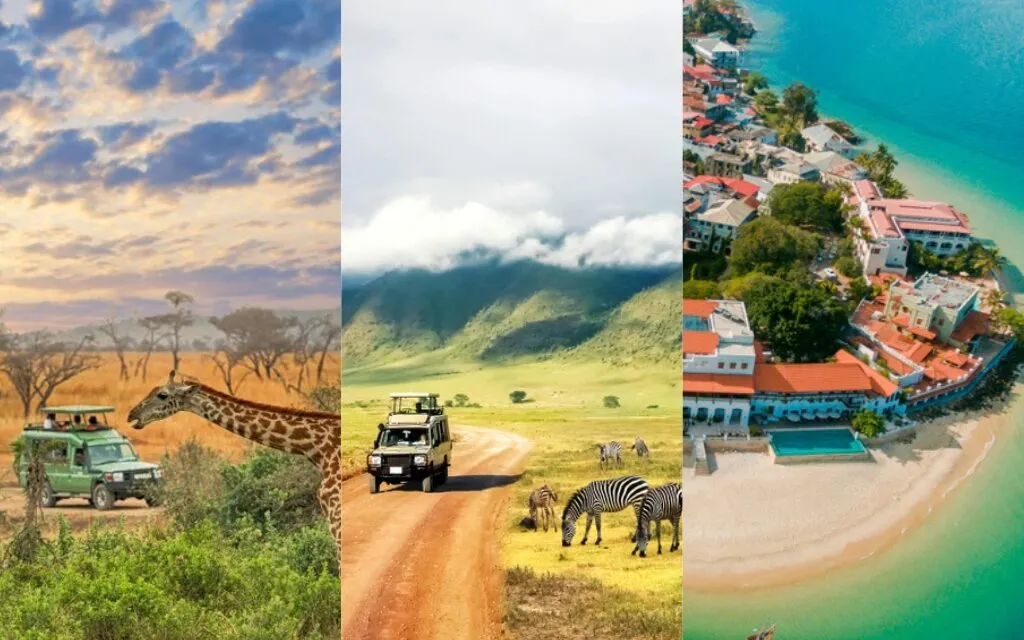
Serengeti & Zanzibar Tours
Luxury Tanzania safari & beach packages with the Great Migration and pristine beaches.
View Package →Related: Best Time to Visit Tanzania 2026 – Perfect safari extension after your Micronesia adventure.