Most Complete Moldova Travel Guide 2026-2027 – Everything You Need to Know Before Visiting
This Moldova travel guide provides everything you need to plan your journey to one of Europe’s least-visited and most authentic countries. Moldova offers an extraordinary blend of world-class wineries, medieval monasteries carved into cliffs, Soviet relics, and a breakaway region (Transnistria) frozen in time. Many travelers who want to travel to Moldova are surprised by the warmth of its people, the quality of its wines (home to the world’s largest cellars), and the fact that it remains beautifully off the beaten path.
Start Reading the Full Guide ↓Quick Facts About Moldova
- Capital: Chișinău.
- Currency: Moldovan Leu (MDL).
- Time Zone: Eastern European Time (EET, UTC+2; UTC+3 in summer).
- International Calling Code: +373.
- Driving Side: Right.
- Major Airport: Chișinău International Airport (KIV).
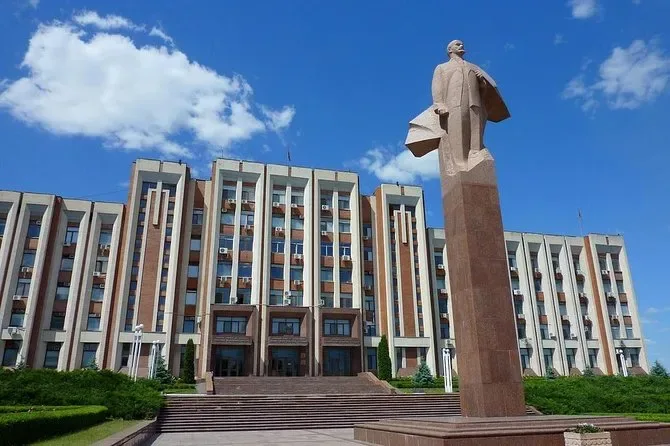
Moldova Overview & Key Facts
Brief History of Moldova
Moldova’s history spans from the medieval Principality of Moldavia through Ottoman and Russian rule to Soviet incorporation and modern independence. The region formed part of the historic Principality of Moldavia in the 14th century, later falling under Ottoman influence before being annexed by the Russian Empire in 1812 as Bessarabia. After a brief union with Romania post-WWI, it became the Moldavian SSR in 1940. Independence came in 1991 with the Soviet collapse, followed by the unresolved Transnistria conflict.
Independence & National Identity
- Independence date: August 27, 1991.
- Former ruling entity: Soviet Union.
- National symbols & identity.
Moldova's National identity remains complex, with debate between Romanian and distinct “Moldovan” identity. The flag features the Romanian tricolor with the state coat of arms. Wine is a core element of identity – Moldova holds Guinness records for the largest wine cellars (Milestii Mici – 200 km) and largest wine collection.
Government System & Current Leadership
- Type of government: Parliamentary Republic
- Current president: Maia Sandu (pro-European, since 2020)
- Notes on political stability
Moldova has been strongly pro-European since Maia Sandu’s 2020 election and received EU candidate status in 2022. The country is stable for tourism, though occasional protests occur in Chișinău.
Population, Ethnic Groups & Languages
- Population: 2.5 million (2025 estimate, excluding Transnistria).
- Major ethnic groups: Moldovans/Romanians (75–80%), Ukrainians, Russians, Gagauz.
- Official language: Romanian (called “Moldovan” in constitution).
- Additional languages commonly spoken.
Russian remains widely spoken (especially in cities and Transnistria). English is increasingly common among younger generations and in tourism.
Main Religions & Cultural Identity
Eastern Orthodox Christianity dominates (over 90%). Churches and monasteries play central cultural roles. Secular society with strong traditions around wine, food, and hospitality.
Geography & Natural Landscape
Landlocked between Romania and Ukraine, Moldova is characterized by rolling hills, fertile plains, and river valleys. The landscape is predominantly rural with vast vineyards and orchards. Highest point: Bălănești Hill (429 m).
Economy & Tourism Highlights
One of Europe’s poorest countries by GDP, but tourism is growing rapidly thanks to world-class wine experiences, low prices, and authentic culture. Wine tourism (Milestii Mici, Cricova, Purcari) is the main draw.
What Moldova Is Known For
- World’s largest wine cellars (Milestii Mici – 200 km of tunnels)
- Orheiul Vechi cliff monastery complex
- Transnistria – Europe’s last Soviet time-capsule
Visa & Entry Requirements in Moldova
Most visitors enjoy visa-free entry. Citizens of EU, USA, Canada, UK, Australia, Japan, Switzerland, Turkey and over 100 countries can stay up to 90 days within any 180-day period without a visa.
Do You Need a Visa?
No for most Western and many other nationalities. Check the Ministry of Foreign Affairs website for the latest list.
Visa Application Options in Moldova
- Visa-free for eligible nationalities
- E-visa available for nationalities requiring visa
- Visa on arrival for very few countries
E-visa system is simple and fast for those who need it.
Passport Validity & Entry Documents
Passport must be valid for 3 months beyond intended departure. No onward ticket required in practice.
Customs Rules & Prohibited Items
Standard European rules. Up to 10,000 EUR cash declaration. Alcohol limits generous due to wine culture.
Safety & Security Information in Moldova
Moldova proper is very safe. Most governments rate it Level 1 (normal precautions). Transnistria is calm for tourists but has heavy military/police presence.
Is Moldova Safe for Tourists?
Yes – one of Europe’s safest countries. Petty theft rare. Avoid Ukraine border area east of Transnistria.
Recommended Safety Tips when in Moldova
Use licensed taxis or Bolt/Uber in Chișinău. Normal precautions at night. No issues using ATMs or carrying reasonable cash.
Safe Areas vs. Areas to Avoid in Moldova
Entire country safe except the security zone near Ukraine (east of Transnistria). Transnistria itself is safe for tourists.
Emergency Numbers & Tourist Police in Moldova
- Police/Emergency: 112 (works everywhere)
- Tourist assistance available in English
Health Requirements & Vaccinations in Moldova
No mandatory vaccinations. Standard European health standards.
Mandatory Vaccinations in Moldova
None.
Recommended Vaccinations in Moldova
Routine vaccines. Hepatitis A/B recommended for longer stays.
Malaria & Other Risks
No malaria. Tick-borne encephalitis possible in rural areas spring/summer.
Travel Insurance Recommendations in Moldova
Standard travel insurance recommended. Medical care good in Chișinău private clinics.
Best Time to Visit in Moldova
May–June and September–October are ideal – pleasant weather and wine harvest season.
Weather by Season
Spring and autumn mild (15–25°C). Summer hot (up to 35°C). Winter cold with occasional snow.
When to Visit Moldova for Best Experiences
- National Wine Day (first weekend October)
- Harvest season (September–October)
- Orthodox Easter for traditional celebrations
Avoid January–February unless you enjoy winter.
High Season vs. Low Season Travel
High season: May–October. Low season: November–March (cheaper, quieter).
Weather & Climate Overview in Moldova
Moderate continental climate. Four distinct seasons.
Temperature Ranges
Winter: –5 to +3°C. Summer: 20–30°C (peaks 35°C).
Rainy & Dry Seasons in Moldova
Rainiest months: May–July. Driest: August–October.
What to Wear Based on the Weather
Light layers spring/autumn. Sun protection in summer. Warm coat in winter.
Main Currency, Costs & Budgeting in Moldova
One of Europe’s cheapest countries. Excellent value.
Local Currency Information
Moldovan Leu (MDL). Notes: 1, 5, 10, 20, 50, 100, 200, 500, 1000.
Average Travel Costs in Moldova
Budget $40–70/day. Mid-range $80–140/day. Wine tours can increase daily cost.
Using ATMs, Cards & Mobile Money in Moldova
Cards widely accepted in Chișinău. Cash needed in rural areas and Transnistria.
Tipping Guidelines in Moldova
10% in restaurants if service not included. Round up taxi fares.
Transportation & Getting Around in Moldova
Easy and inexpensive.
Airport Transfers
Bolt/Uber or airport bus (30 MDL). Taxis ~150–200 MDL to center.
Local Transport Options in Moldova
Marshrutkas (minibuses) everywhere, very cheap. Trains limited but scenic.
Moldova Domestic Flights
None.
Car Rentals & Road Conditions in Moldova
Rental widely available. Roads generally good outside rural areas.
Accommodation Options available in Moldova
From hostels to boutique wine hotels.
Types of Accommodations in Moldova
Hostels, apartments, boutique hotels, wine chateaux, rural guesthouses.
Budget vs. Mid-Range vs. Luxury
Budget $15–35. Mid $40–90. Luxury/wine estates $120+.
Best Areas to Stay in Moldova
Chișinău center, near wineries (30–60 min drive), Orheiul Vechi area.
Essential Packing Guide when Visiting Moldova
Standard European packing with modest clothing for monasteries.
Clothing Essentials
Modest attire for religious sites. Comfortable walking shoes. Layers.
Footwear & Gear
Good walking shoes. Universal adapter (Type C/F).
Electronics & Cameras
220–240V, 50Hz. European plugs.
Toiletries & Personal Items
All available in Chișinău.
Language & Communication in Moldova
Romanian official, Russian widely spoken, English common in tourism.
Main Languages Spoken in Moldova
Romanian, Russian, English (young people/tourism).
Useful Phrases for Tourists
“Bună ziua” (hello), “Mulțumesc” (thank you), “Vorbiti engleză?” (do you speak English?).
SIM Cards & Mobile Data used in Moldova
Orange, Moldcell, Unite – cheap data plans at airport/shops.
Internet Availability & Wi-Fi in Moldova
Excellent coverage. Free Wi-Fi in most cafés and hotels.
Culture & Etiquette in Moldova
Hospitable, traditional, wine-loving culture.
Moldovan Dress Code Expectations
Casual European. Modest for monasteries.
Social Etiquette & Respectful Behavior of Moldova
Accept offered food/drink. Remove shoes in homes. Great respect for elders.
Photography Rules in Moldova
No photography of military in Transnistria. Ask permission for people.
Important Cultural Dos & Don’ts in Moldova
Do accept hospitality. Don’t refuse a toast completely (small sip OK).
Food, Water & Dining in Moldova
Hearty, delicious, wine-paired cuisine.
Moldovan Local Dishes to Try
Mămăligă (polenta), sarmale, plăcintă, zeamă, house wine everywhere.
Dietary Options in Moldova
Meat-heavy but vegetarian options increasing. Vegan possible in Chișinău.
Drinking Water Safety
Tap water safe in Chișinău, bottled recommended elsewhere.
Restaurant Etiquette
Tipping 10%. Long meals with many toasts normal.
Top Attractions & Things to Do in Moldova
Wineries, monasteries, Transnistria, Soviet relics.
Major Tourist Attractions in Moldova
- Milestii Mici & Cricova wineries
- Orheiul Vechi monastery complex
- Transnistria (Tiraspol & Bender)
- Soroca Fortress
Milestii Mici holds Guinness record for largest wine cellar by tunnels (200 km). Cricova famous for underground city and celebrity collections. Orheiul Vechi is Moldova’s most scenic monastery carved into cliffs.
Best Tours & Experiences in Moldova
Full-day winery tours with tastings and lunch, Transnistria day trip, Orheiul Vechi + winery combo, homemade food & wine in rural villages.
Family-Friendly Activities to do in Moldova
Winery tours (non-alcoholic options), Chișinău parks, cable car over the city, rural farm stays.
Unique Cultural or Historical Sites to visit in Moldova
Capriana and Hincu monasteries, Soviet-era monuments, Gagauzia autonomous region.
Moldovan Electrical System Information
Standard European.
Plug Types & Voltage used in Moldova
Type C and F, 230V, 50Hz.
Charging Tips
Standard European adapters if needed.
Local Laws & Regulations of Moldova
Standard European laws. Transnistria has separate rules (no photos of military, registration sometimes requested).
Rules Travelers Need to Know when In Moldova
Transnistria: possible small “migration card” at border, no overnight without registration.
Alcohol, Smoking & Substance Laws of Moldova
Alcohol legal 18+. Smoking banned indoors. Cannabis illegal.
Restricted or Protected Areas in Moldova.
Ukraine border security zone.
Final Travel Tips for Visitors in Moldova
Bring cash for rural areas, download offline maps, try homemade wine everywhere, don’t miss Transnistria day trip.
Common Mistakes to Avoid
Underestimating how good the wine is. Skipping Transnistria. Not trying homemade food.
Tips to Save Money when Visiting Moldova
Use marshrutkas, eat local, stay in apartments, visit wineries on group tours.
Safety & Comfort Tips
Standard precautions. Very friendly locals.
Frequently Asked Questions – Moldova Travel Guide 2026-2027
Our Tanzania Tours Products
While Moldova offers world-class wineries, Soviet history and authentic European charm, many travelers combine Eastern Europe with the ultimate wildlife experience in East Africa. Capable Africa Tours specializes in secure, guided safaris that maximize safety and wonder. Our expert local guides, armed rangers in parks, and vetted accommodations ensure peace of mind. From family-friendly lodges to luxury camps, we handle logistics so you focus on the magic. Tanzania ranks high for tourist safety with dedicated wildlife protection units and stable northern circuits.
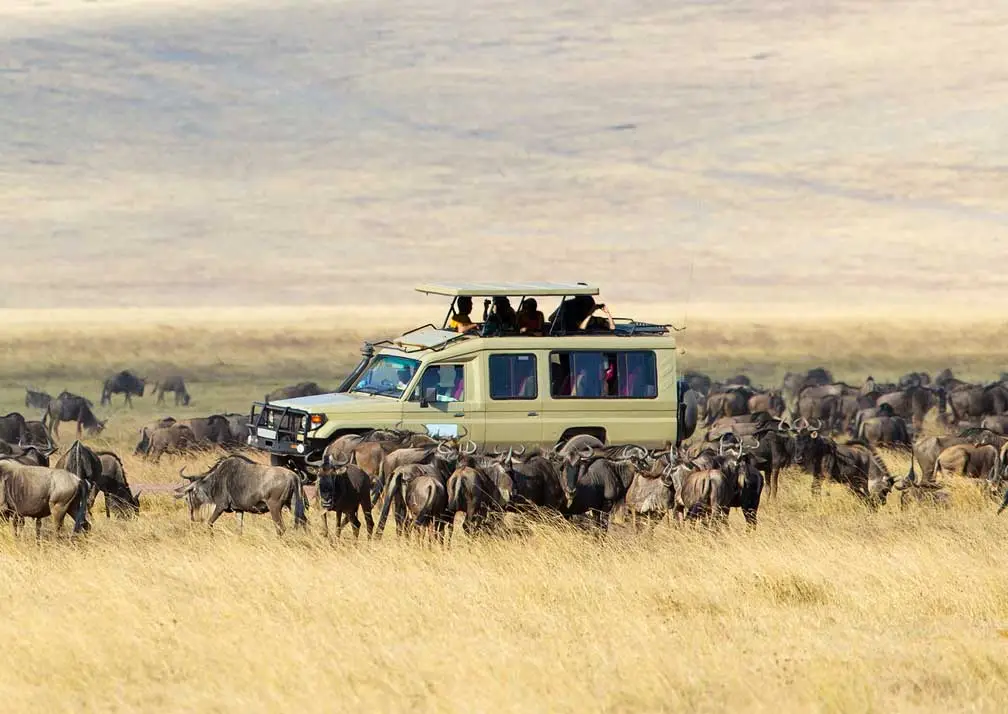
Great Migration Safaris
Experience one of nature's greatest spectacles with our Great Migration safari packages, timed for river crossings or calving.
View Package →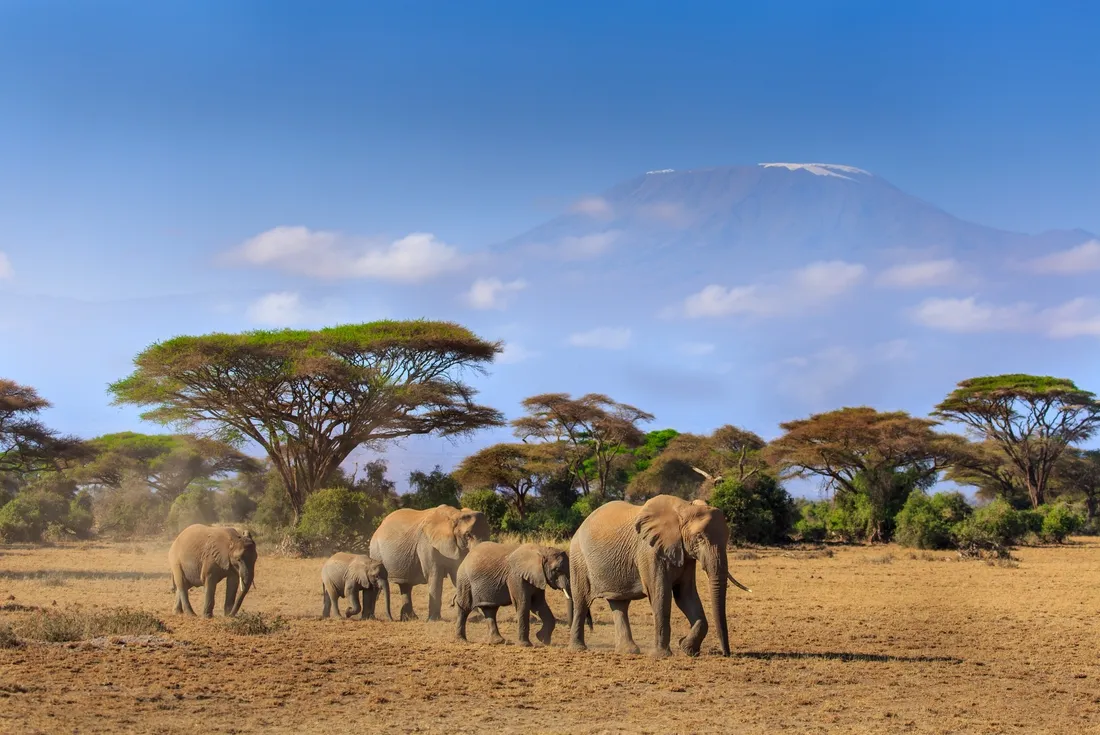
Serengeti & Kilimanjaro Trek
Combined safari and trekking tours offer wildlife adventures and Kilimanjaro climbs.
View Package →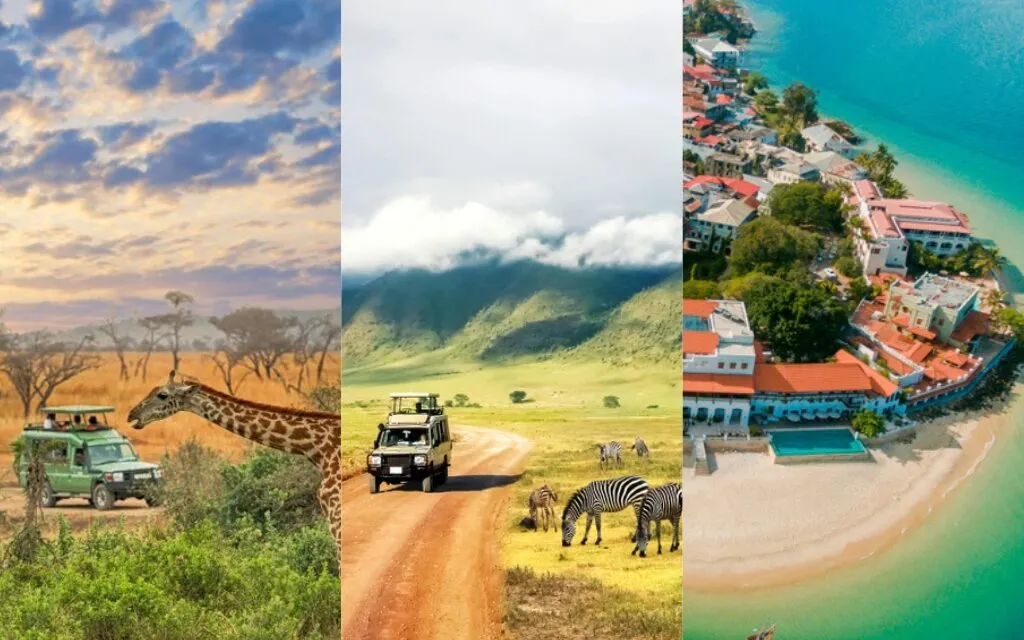
Serengeti & Zanzibar Tours
Luxury Tanzania safari & beach packages with the Great Migration and pristine beaches.
View Package →Related: Best Time to Visit Tanzania 2026 – Perfect safari extension after your Moldova adventure.