Most Complete Mongolia Travel Guide 2026-2027 – Everything You Need to Know Before Visiting
This Mongolia travel guide provides everything you need to plan your journey to one of the world's last great wilderness destinations. Mongolia offers an extraordinary blend of endless steppe, dramatic Gobi Desert, crystal-clear lakes, and living nomadic culture that create one of Asia’s most authentic travel experiences. Many travelers who want to visit Mongolia are surprised by the country's vast open spaces and rich heritage rooted in the legacy of Genghis Khan, Buddhist traditions, and nomadic lifestyle. The nation covers over 1.5 million square kilometers with one of the lowest population densities on earth, offering visitors everything from horse trekking across grasslands to staying in traditional gers with nomadic families.
Start Reading the Full Guide ↓Quick Facts About Mongolia
- Capital: Ulaanbaatar.
- Currency: Mongolian Tugrik (MNT).
- Time Zone: Ulaanbaatar Time (UTC+8).
- International Calling Code: +976.
- Driving Side: Right.
- Major Airports: Chinggis Khaan International Airport (UBN).
Mongolia Overview & Key Facts
Brief History of Mongolia
Mongolia's history is dominated by the era of Genghis Khan, who united the tribes and created the largest contiguous empire in history in the 13th century. After centuries of Chinese and Manchu rule, Mongolia declared independence in 1911 and became a socialist state under Soviet influence from 1924-1990. The peaceful Democratic Revolution of 1990 ushered in multi-party democracy and market economy, creating the modern Mongolia travelers experience today.
Independence & National Identity
- Independence date: July 11, 1921 (recognized).
- Former status: Soviet satellite state.
- National symbols & identity.
Mongolia celebrates Independence Day and Naadam Festival together on July 11-13. The national identity of Mongolia revolves around nomadic heritage, Genghis Khan (now proudly embraced), Buddhist traditions, and the eternal blue sky. The soyombo symbol on the flag represents freedom, independence, and core Mongolian values.
Government System & Current Leadership
- Type of government: Parliamentary Republic
- Current president: Ukhnaagiin Khürelsükh
- Notes on political stability
Mongolia is a stable parliamentary democracy with peaceful power transitions. The country enjoys strong international relations and growing tourism infrastructure while maintaining its nomadic traditions and vast wilderness areas.
Population, Ethnic Groups & Languages
- Population: 3.5 million (2025 estimate).
- Major ethnic groups: Khalkha Mongols (82%), Kazakhs (4%), others.
- Official language(s): Mongolian (Khalkha dialect).
- Additional languages commonly spoken.
About 30% of the population remains nomadic or semi-nomadic. English is widely spoken in tourism sector and by younger generation in Ulaanbaatar. Russian remains common among older generations due to historical ties.
Main Religions & Cultural Identity
Tibetan Buddhism (Yellow Hat sect) is practiced by about 53% of Mongolians, blended with ancient shamanistic traditions. Around 39% identify as non-religious, a legacy of socialist era suppression. Small Muslim (Kazakh) and Christian minorities exist. Shamanism continues to influence daily life and cultural practices, especially in countryside.
Geography & Natural Landscape
Mongolia features vast steppe grasslands, the rugged Altai Mountains, crystal-clear Lake Khuvsgul, and the dramatic Gobi Desert. Average elevation is 1,580 meters, earning it the nickname “Land of Blue Sky” with over 260 sunny days per year. The country has extreme continental climate with temperature swings of 60°C between seasons.
Economy & Tourism Highlights
Mining (copper, gold, coal) drives the economy, supplemented by growing tourism and cashmere production. Community-based tourism with nomadic families has become a major draw, offering authentic cultural experiences while providing income to rural communities.
What Mongolia Is Known For
- Genghis Khan and the largest land empire in history
- Nomadic culture and traditional ger accommodation
- Gobi Desert, dinosaur fossils, and pristine wilderness
Visa & Entry Requirements in Mongolia
Most international visitors enjoy visa-free entry or simple e-Visa/visa-on-arrival options in 2026. The government has significantly simplified entry procedures to boost tourism. Passport must have at least six months validity and one blank page.
Do You Need a Visa?
Citizens of over 60 countries (including EU, USA, Canada, Australia, Japan, South Korea) enjoy 30-day visa-free entry. Others can obtain e-Visa online or visa-on-arrival at Chinggis Khaan International Airport. Always check current list before departure.
Visa Application Options in Mongolia
- Visa-free entry (30 days for eligible nationalities)
- e-Visa online (fast and convenient)
- Visa-on-arrival at Ulaanbaatar airport
e-Visa processing takes 3-5 days and is valid for 90 days from issue with 30-day stay permitted. Extensions available in Ulaanbaatar up to 30 additional days.
Passport Validity & Entry Documents
Passport valid 6+ months with one blank page required. Return/onward ticket may be requested. No proof of funds or accommodation typically required for tourist entry.
Customs Rules & Prohibited Items
Standard international restrictions apply. Declare cash over $10,000 equivalent. Antiques and archaeological items require export permits. Alcohol and tobacco allowances generous.
Safety & Security Information in Mongolia
Mongolia ranks among Asia’s safest countries with very low violent crime rates. Main concerns are pickpocketing in Ulaanbaatar and extreme weather conditions in the countryside. Nomadic families are famously hospitable.
Is Mongolia Safe for Tourists?
Yes – Mongolia is very safe for tourists. Violent crime against foreigners is extremely rare. The biggest dangers are weather-related and road conditions outside Ulaanbaatar.
Recommended Safety Tips when in Mongolia
Never travel countryside without experienced local guide/driver. Carry warm clothing even in summer. Drink only bottled/boiled water outside Ulaanbaatar. Be cautious of pickpockets in crowded Naadam Festival areas and Black Market.
Safe Areas vs. Areas to Avoid in Mongolia
All tourist areas are safe. Ulaanbaatar has typical big-city issues at night in certain districts. Countryside is extremely safe and welcoming. No significant restricted areas for tourists.
Emergency Numbers & Tourist Police in Mongolia
- Police: 105
- Fire: 101
- Ambulance: 103
- Tourist Police: Available in Ulaanbaatar
Tourist police units speak English and assist international visitors.
Health Requirements & Vaccinations in Mongolia
No mandatory vaccinations required. Healthcare quality varies dramatically between Ulaanbaatar (good private clinics) and countryside (very basic). Comprehensive travel insurance with medical evacuation coverage essential.
Mandatory Vaccinations in Mongolia
None required for direct entry.
Recommended Vaccinations in Mongolia
Hepatitis A, Typhoid, Tetanus, Rabies (highly recommended for countryside travel), routine vaccines. Consider Japanese Encephalitis for summer travel.
Malaria & Other Risks
No malaria. Main risks: extreme temperature swings, altitude (Ulaanbaatar 1,350m), poor road conditions, and limited medical facilities outside capital.
Travel Insurance Recommendations in Mongolia
Absolutely essential – must cover medical evacuation (helicopter from remote areas very expensive). Many activities (horse riding, trekking) considered high-risk by insurers.
Best Time to Visit in Mongolia
June–August offers warm weather and the famous Naadam Festival. Shoulder seasons (May, September) provide fewer tourists and beautiful landscapes. Winter tourism growing for ice festivals and reindeer people visits.
Weather by Season
Summer (Jun–Aug): 15-25°C days, cold nights. Short rains possible. Winter (Nov–Mar): -20 to -40°C. Spring/Autumn: dramatic temperature swings, strong winds.
When to Visit Mongolia for Best Experiences
- Naadam Festival: July 11-13
- Gobi Desert: May–October
- Reindeer people: Summer or winter
- Eagle hunters: October–March (Golden Eagle Festival first weekend October)
May & September ideal for photography and fewer tourists.
High Season vs. Low Season Travel
High season: July–August (Naadam and summer holidays). Low season: October–April (except winter tourism areas). Shoulder seasons offer best value and weather compromise.
Weather & Climate Overview in Mongolia
Extreme continental climate with four distinct seasons and huge temperature variations. Over 260 sunny days per year but dramatic daily and seasonal temperature swings.
Temperature Ranges
Ulaanbaatar: -30°C winter nights to +35°C summer days. Gobi Desert: +40°C summer days, -30°C winter nights. Lake Khuvsgul region cooler year-round.
Rainy & Dry Seasons in Mongolia
Short rainy season July–August (brief afternoon showers). Rest of year extremely dry. Winter brings occasional snow but generally dry and sunny.
What to Wear Based on the Weather
Layering essential year-round. Summer: t-shirts, fleece, windproof jacket, warm hat for nights. Winter: expedition-grade clothing required. Sturdy boots essential everywhere.
Main Currency, Costs & Budgeting in Mongolia
Mongolian Tugrik (MNT) is official currency. Costs very reasonable outside Ulaanbaatar. Tourist ger camps and domestic flights are main expenses.
Local Currency Information
Tugrik notes from 10 to 20,000. USD widely accepted in tourist areas. ATMs plentiful in Ulaanbaatar, rare elsewhere.
Average Travel Costs in Mongolia
Budget: $40-70/day (public transport, hostels). Mid-range: $100-180/day (private driver, ger camps). High-end: $250+/day (luxury camps, flights).
Using ATMs, Cards & Mobile Money in Mongolia
ATMs widespread in Ulaanbaatar. Cards accepted in hotels and major shops. Cash essential outside capital. No widespread mobile money systems.
Tipping Guidelines in Mongolia
Not traditionally expected but appreciated. Guides/drivers: $10-15/day each. Ger camp staff: $5-10/day. Restaurants: round up or 10% in cities.
Transportation & Getting Around in Mongolia
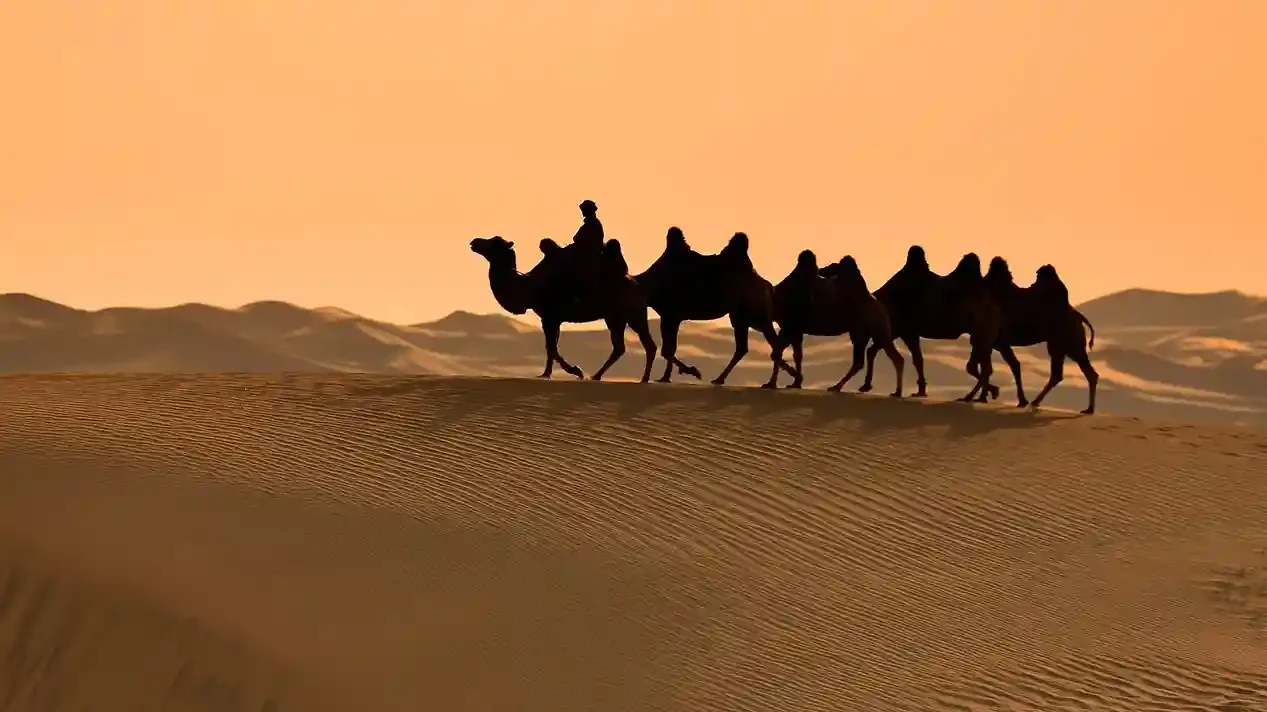
Limited public transport outside Ulaanbaatar. Private driver/guide with 4WD vehicle standard for countryside travel. Domestic flights and horse/camel treks also common.
Airport Transfers
Chinggis Khaan International Airport 50km from city. Official taxis, private transfers, or pre-arranged driver. Public bus exists but inconvenient with luggage.
Local Transport Options in Mongolia
Ulaanbaatar has buses, taxis, and ride-hailing apps. Countryside travel requires private 4WD vehicle with driver – roads largely unpaved tracks.
Mongolia Domestic Flights
AeroMongolia and Hunnu Air connect Ulaanbaatar with provincial centers. Useful for Gobi and western Mongolia. Book early in summer.
Car Rentals & Road Conditions in Mongolia
Self-drive not recommended due to lack of roads and navigation challenges. Hire driver/guide standard practice. Russian vans (furgons) and Japanese 4WD vehicles common.
Accommodation Options available in Mongolia
Range from basic guesthouses to luxury ger camps. Staying in traditional gers with nomadic families is highlight for most visitors.
Types of Accommodations in Mongolia
Ulaanbaatar: international hotels to hostels. Countryside: tourist ger camps (fixed location) or homestay gers with nomadic families. Few permanent hotels outside capital.
Budget vs. Mid-Range vs. Luxury
Budget: $10-30/night (dorm or basic ger). Mid-range: $60-120/night (comfortable ger camp). Luxury: $200-600/night (Three Camel Lodge, premium camps).
Best Areas to Stay in Mongolia
Ulaanbaatar city center. Terelj National Park (1 hour from UB). Gobi Desert camps near attractions. Khuvsgul Lake area. Western Altai region for eagle hunters.
Essential Packing Guide when Visiting Mongolia
Layering and preparation for extreme temperature swings essential. Limited shopping options outside Ulaanbaatar.
Clothing Essentials
Thermal layers, fleece, windproof jacket, warm hat, gloves (even summer), sturdy hiking boots, riding pants if planning horse trekking, sunglasses, sun hat.
Footwear & Gear
Quality hiking boots essential. Riding boots optional (can rent). Headlamp, water bottle, power bank, universal adapter (Type C/E/F).
Electronics & Cameras
220V, 50Hz. European plugs. Solar chargers useful. Extra batteries/memory cards – limited availability outside UB.
Toiletries & Personal Items
Wet wipes, hand sanitizer, high SPF sunscreen, lip balm, prescription medications (limited pharmacies outside capital), basic first aid kit.
Language & Communication in Mongolia
Mongolian uses Cyrillic script. English proficiency growing rapidly among younger generation and tourism sector.
Main Languages Spoken in Mongolia
Khalkha Mongolian official. English common in tourism. Russian among older generation. Kazakh in Bayan-Ölgii province.
Useful Phrases for Tourists
“Sain baina uu” (hello), “Bayarlalaa” (thank you), “Bayartai” (goodbye), “Tiim” (yes), “Ügüi” (no), “Ta sain baina uu?” (how are you?).
SIM Cards & Mobile Data used in Mongolia
Mobicom, Unitel, G-Mobile, Skytel. SIM cards available at airport and shops. Good 4G coverage in populated areas, patchy in remote regions.
Internet Availability & Wi-Fi in Mongolia
Good Wi-Fi in Ulaanbaatar hotels/cafes. Limited in ger camps (some have satellite). Mobile data often faster than Wi-Fi outside capital.
Culture & Etiquette in Mongolia
Mongolian culture revolves around hospitality, respect for nature, and nomadic traditions. Understanding basic etiquette ensures warm reception.
Mongolian Dress Code Expectations
Casual dress acceptable. Modest clothing when visiting monasteries (cover shoulders/knees). Warm layers essential. Traditional deel worn for festivals.
Social Etiquette & Respectful Behavior of Mongolia
Accept offered food/drink (especially airag). Use right hand or both hands when giving/receiving. Don’t point feet at people or sacred objects. Remove hats when entering gers.
Photography Rules in Mongolia
Always ask permission before photographing people, especially elders. No restrictions on landscapes. Some monasteries charge photography fees.
Important Cultural Dos & Don’ts in Mongolia
Do accept hospitality. Don’t touch someone’s hat. Do walk clockwise around ovoos. Don’t whistle inside gers. Do offer help if you see nomads working.
Food, Water & Dining in Mongolia
Heavy on meat and dairy. Vegetarian options limited outside Ulaanbaatar but improving. Nomadic families offer authentic culinary experiences.
Mongolian Local Dishes to Try
Buuz (steamed dumplings), khuushuur (fried dumplings), boodog (goat cooked with hot stones), airag (fermented mare’s milk), tsuivan (noodle stir-fry), khorkhog (mutton stew).
Dietary Options in Mongolia
Meat-heavy cuisine. Vegetarians can survive on dairy, bread, and limited vegetables. Vegan options very challenging outside Ulaanbaatar.
Drinking Water Safety
Never drink untreated water. Bottled water widely available. Boiled milk tea (süütei tsai) safe and offered constantly.
Restaurant Etiquette
Tipping not expected but appreciated (10% in cities). Meals often shared family-style in countryside. Try everything offered by hosts.
Top Attractions & Things to Do in Mongolia
Mongolia offers authentic nomadic experiences, dramatic landscapes, and living cultural traditions found nowhere else on earth.
Major Tourist Attractions in Mongolia
- Gobi Desert & Khongor Sand Dunes
- Khuvsgul Lake (“Blue Pearl of Mongolia”)
- Terelj National Park & Genghis Khan Statue
- Orkhon Valley cultural landscape
Stay with nomadic families, ride horses/camels, visit reindeer herders, attend Naadam Festival, explore dinosaur fossil sites, and experience complete wilderness immersion.
Best Tours & Experiences in Mongolia
Nomadic homestays, horse trekking, Gobi Desert expeditions, eagle hunting festivals, reindeer people visits, Buddhist monastery tours, paleontological digs.
Family-Friendly Activities to do in Mongolia
Ger camp stays, horse riding lessons, dinosaur fossil museums, Naadam Festival, short camel rides, visiting nomadic families (children especially welcome).
Unique Cultural or Historical Sites to visit in Mongolia
Erdene Zuu Monastery (first Buddhist monastery), Karakorum ancient capital, Amarbayasgalant Monastery, Ulaanbaatar’s Gandan Monastery, traditional throat singing performances.
Mongolian Electrical System Information
220V, 50Hz European standard plugs (Type C/E/F). Power unreliable outside Ulaanbaatar – ger camps often have limited generator hours.
Plug Types & Voltage used in Mongolia
Type C (two round pins) and Type E/F common. Most devices 110-240V compatible. Bring universal adapter.
Charging Tips
Charge devices when electricity available (often 6-11pm in ger camps). Power banks essential. Solar chargers popular among guides.
Local Laws & Regulations of Mongolia
Standard international norms with few tourist-specific restrictions. Respect for nature and nomadic culture expected.
Rules Travelers Need to Know when In Mongolia
Camping permitted almost anywhere (with respect for livestock). Alcohol legal. Drugs strictly prohibited. Respect ovoo shrines. No drone flights near airports or military areas.
Alcohol, Smoking & Substance Laws of Mongolia
Alcohol widely available. Public drunkenness frowned upon. Smoking common but prohibited in public buildings. All drugs illegal with severe penalties.
Restricted or Protected Areas in Mongolia.
Few restricted areas. Some national parks require permits/guides. Border zones with Russia/China need special permission.
Final Travel Tips for Visitors in Mongolia
Flexibility and respect for local customs ensure the best Mongolian experience. Prepare for limited infrastructure but unlimited hospitality.
Common Mistakes to Avoid
Don’t try to self-drive countryside. Don’t underestimate weather. Don’t refuse hospitality. Don’t expect Western-standard facilities outside Ulaanbaatar.
Tips to Save Money when Visiting Mongolia
Travel in shoulder seasons. Use public transport between provinces when possible. Stay with nomadic families through community tourism. Eat local food. Book domestic flights early.
Safety & Comfort Tips
Always travel with experienced local guide/driver in countryside. Carry warm clothing year-round. Drink only safe water. Learn basic Mongolian phrases. Keep flexible schedule – weather can change plans instantly.
Frequently Asked Questions – Mongolia Travel Guide 2026-2027
Our Tanzania Tours Products
While Mongolia offers vast wilderness and nomadic culture, many travelers combine Central Asia with the ultimate African wildlife experience. Capable Africa Tours specializes in secure, guided safaris that maximize safety and wonder. From the Great Migration to gorilla trekking extensions, we handle everything so you focus on the magic.
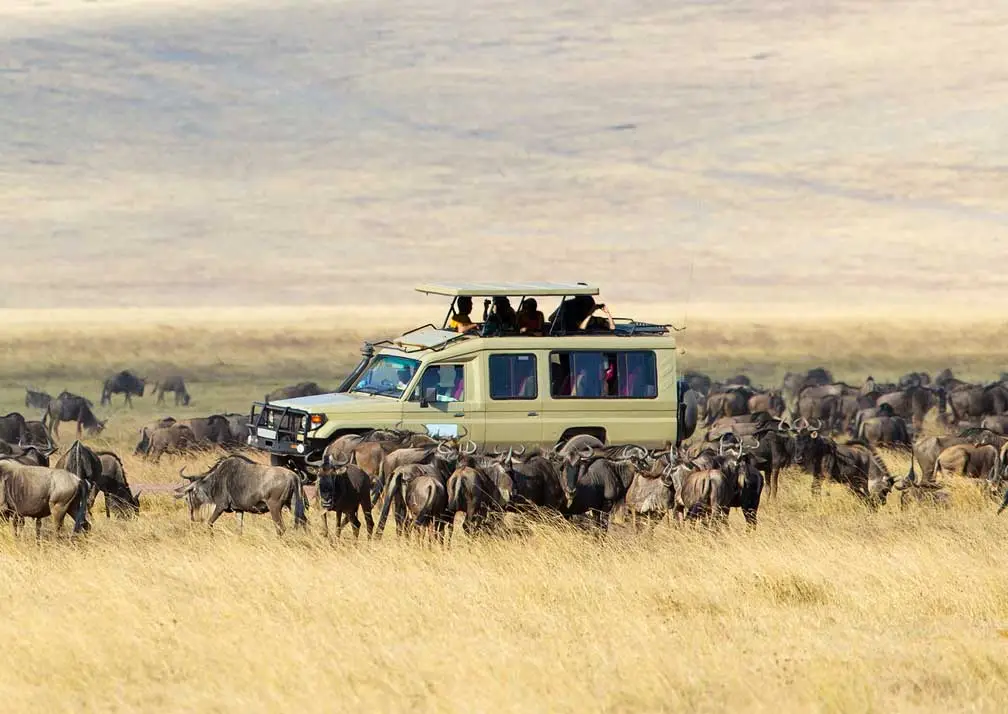
Great Migration Safaris
Experience one of nature's greatest spectacles with our Great Migration safari packages, timed for river crossings or calving.
View Package →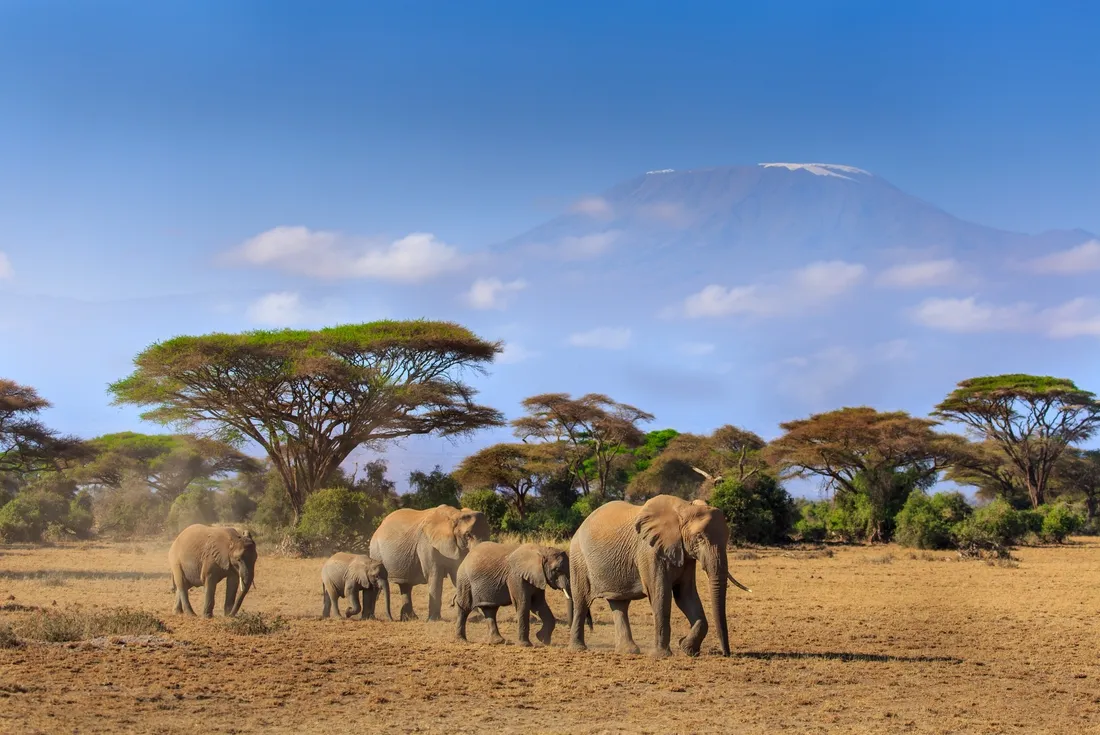
Serengeti & Kilimanjaro Trek
Combined safari and trekking tours offer wildlife adventures and Kilimanjaro climbs.
View Package →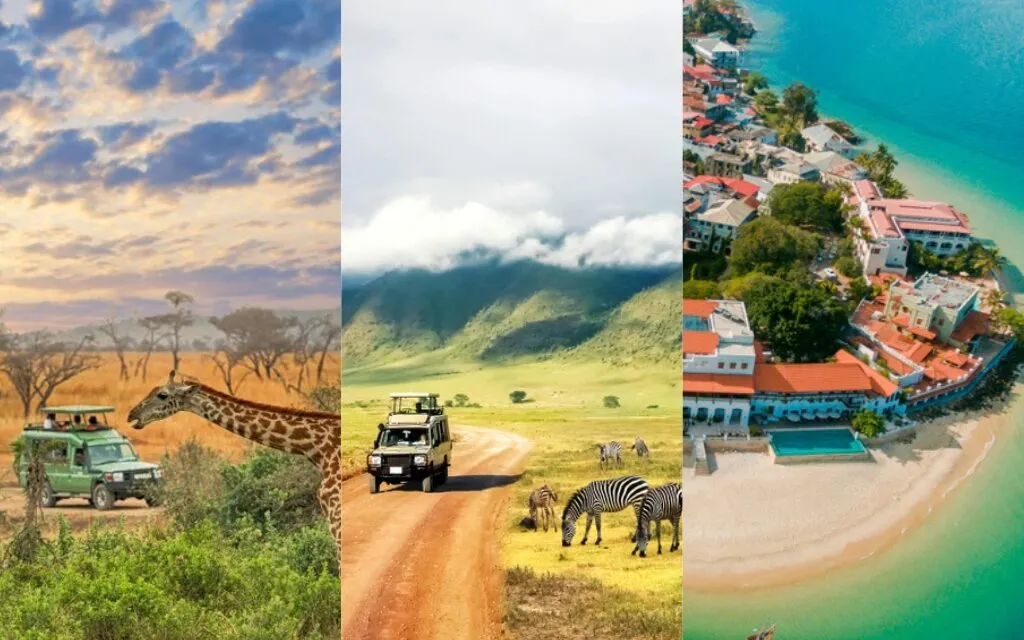
Serengeti & Zanzibar Tours
Luxury Tanzania safari & beach packages with the Great Migration and pristine beaches.
View Package →Related: Best Time to Visit Tanzania 2026 – Perfect safari extension after your Mongolian adventure.