Most Complete Montenegro Travel Guide 2026-2027 – Everything You Need to Know Before Visiting
This Montenegro travel guide provides everything you need to plan your journey to the hidden gem of the Adriatic. Montenegro offers an extraordinary blend of dramatic mountains, medieval coastal towns, and turquoise beaches that create one of Europe’s most stunning and underrated travel experiences. Many travelers who want to travel to Montenegro are surprised by the country’s incredible diversity and rich cultural heritage spanning Illyrian, Roman, Byzantine, Venetian, Ottoman and Slavic influences. The nation covers just 13,812 square kilometers yet packs in five national parks, UNESCO-protected bays, and some of the continent’s most beautiful coastline.
Start Reading the Full Guide ↓Quick Facts About Montenegro
- Capital: Podgorica (administrative), Cetinje (historical).
- Currency: Euro (€).
- Time Zone: Central European Time (CET, UTC+1).
- International Calling Code: +382.
- Driving Side: Right.
- Major Airports: Tivat (TIV), Podgorica (TGD).
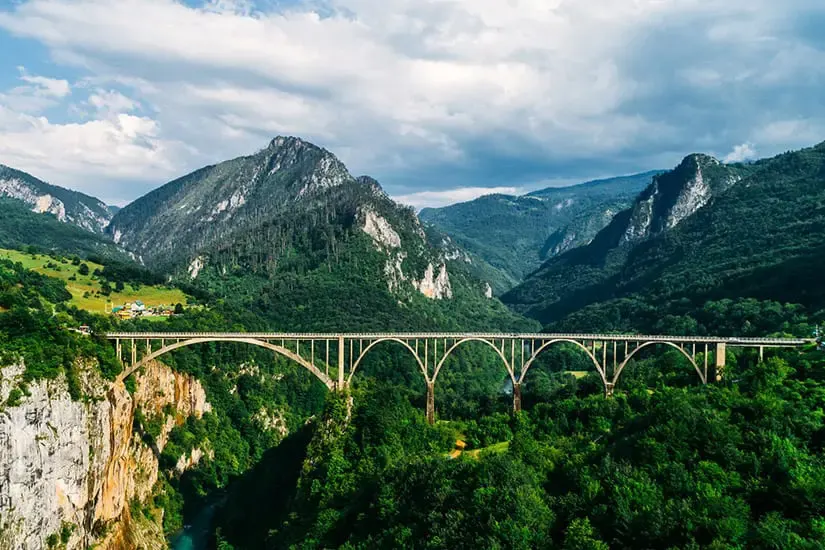
Montenegro Overview & Key Facts
Brief History of Montenegro
Montenegro’s history is one of fierce independence, from medieval Slavic principalities through Venetian and Ottoman periods to modern sovereignty. The country maintained de facto independence for centuries under prince-bishops, was briefly part of Yugoslavia, and peacefully separated from Serbia in 2006. This rich historical tapestry creates a fascinating backdrop for modern travelers exploring medieval walled towns, Orthodox monasteries and Ottoman-era architecture.
Independence & National Identity
- Independence date: June 3, 2006 (from Serbia-Montenegro union).
- Former part of: Yugoslavia, Serbia-Montenegro.
- National symbols & identity.
Montenegro regained full independence via referendum in 2006. Montenegro's National identity centers on mountain pride, Orthodox Christianity, and a unique blend of Mediterranean and Balkan culture. The flag features a red field with golden border and double-headed eagle.
Government System & Current Leadership
- Type of government: Parliamentary Republic
- Current president: Jakov Milatović (since 2023)
- Notes on political stability
Montenegro is a stable parliamentary democracy and EU membership candidate. Tourism and foreign investment continue to grow steadily.
Population, Ethnic Groups & Languages
- Population: 620,000 (2025 estimate).
- Major ethnic groups: Montenegrins (45%), Serbs (29%), Bosniaks (9%), Albanians (5%).
- Official language(s): Montenegrin.
- Additional languages commonly spoken.
Serbian, Bosnian, Albanian and Croatian are officially recognized. English is widespread in tourism areas, Russian common on the coast.
Main Religions & Cultural Identity
Eastern Orthodox Christianity (72%), Islam (19%), Roman Catholicism (3%). Religion plays a significant role in cultural life, especially Orthodox traditions in the interior and Islamic heritage in the southeast.
Geography & Natural Landscape
Montenegro features dramatic contrasts: Adriatic coastline with sandy and pebble beaches, high Dinaric Alps with deep canyons (Tara Canyon is Europe’s deepest), glacial lakes, and dense forests covering 60% of territory. Five national parks protect this extraordinary biodiversity.
Economy & Tourism Highlights
Tourism is the fastest-growing sector, with luxury coastal developments and growing adventure/mountain tourism. Montenegro joined NATO in 2017 and is an official EU candidate.
What Montenegro Is Known For
- UNESCO Bay of Kotor – Europe’s southernmost fjord
- Adriatic luxury resorts (Sveti Stefan, Porto Montenegro)
- Durmitor National Park & Tara River Canyon
Visa & Entry Requirements in Montenegro
Most international visitors enjoy visa-free entry to Montenegro for tourism stays up to 90 days. EU citizens can stay up to 180 days. The country has one of Europe’s most traveler-friendly entry policies.
Do You Need a Visa?
Citizens of EU, US, Canada, UK, Australia, New Zealand, South Africa, Japan, South Korea and most countries enter visa-free for up to 90 days. Passport must be valid 3 months beyond intended departure.
Visa Application Options in Montenegro
- Visa-free for most nationalities (90 days)
- Visa on arrival for very few countries
- E-visa available for nationalities requiring visa
Visa-free visitors simply present passport at border control. No registration required for stays under 90 days.
Passport Validity & Entry Documents
Passport valid 3 months beyond planned departure. Return/onward ticket may be requested. Proof of accommodation sometimes checked at smaller border crossings.
Customs Rules & Prohibited Items
Standard EU-style customs. €10,000+ cash must be declared. No restrictions on personal items within reason.
Safety & Security Information in Montenegro
Montenegro is one of Europe’s safest countries with very low violent crime rates. Most governments rate it Level 1 (exercise normal precautions).
Is Montenegro Safe for Tourists?
Yes – extremely safe. Petty theft is rare, violent crime against tourists almost unheard of. Police presence is strong in tourist areas.
Recommended Safety Tips when in Montenegro
Standard precautions: watch belongings in crowded areas, use licensed taxis, avoid unofficial money changers. Mountain roads require careful driving.
Safe Areas vs. Areas to Avoid in Montenegro
Entire country is considered safe. No specific areas to avoid for tourists.
Emergency Numbers & Tourist Police in Montenegro
- Police: 122
- Fire Department: 123
- Medical Emergency: 124
- Tourist Police: Available in major resorts
English-speaking assistance widely available.
Health Requirements & Vaccinations in Montenegro
No mandatory vaccinations. European-standard healthcare in major cities.
Mandatory Vaccinations in Montenegro
None required.
Recommended Vaccinations in Montenegro
Routine vaccines. Tick-borne encephalitis recommended for spring/summer mountain hiking.
Malaria & Other Risks
No malaria. Standard European risks (ticks in forests, sun exposure).
Travel Insurance Recommendations in Montenegro
Highly recommended – covers mountain activities, water sports and medical evacuation if needed.
Best Time to Visit in Montenegro
May–June and September–October offer perfect weather, fewer crowds and lower prices. July–August is peak beach season.
Weather by Season
Spring and autumn: 20–28°C, ideal for hiking and sightseeing. Summer: 28–35°C on coast, cooler in mountains. Winter: mild coast (8–15°C), snow in mountains.
When to Visit Montenegro for Best Experiences
- Beach season: June–September
- Hiking & rafting: May–October
- Skiing in Durmitor/Kolašin: December–March
- Cultural festivals: summer months
Shoulder seasons offer best value and weather balance.
High Season vs. Low Season Travel
High season: July–August (packed coast). Low season: November–March (quiet, many coastal hotels closed).
Weather & Climate Overview in Montenegro
Mediterranean climate on coast, continental in mountains. Over 240 sunny days per year on the Adriatic.
Temperature Ranges
Coast: 25–32°C summer, 8–15°C winter. Mountains: 20–25°C summer, -5 to 5°C winter.
Rainy & Dry Seasons in Montenegro
Wettest months: November–February. Driest: July–August.
What to Wear Based on the Weather
Light summer clothing + light jacket for evenings. Modest attire for monasteries. Hiking gear for mountains.
Main Currency, Costs & Budgeting in Montenegro
Montenegro uses the Euro (€) despite not being in the EU.
Local Currency Information
Euro only. ATMs widespread, cards accepted almost everywhere in tourist areas.
Average Travel Costs in Montenegro
Budget €50–90/day, mid-range €100–180/day, luxury €250+/day. Still one of Europe’s best-value destinations.
Using ATMs, Cards & Mobile Money in Montenegro
ATMs everywhere, contactless cards widely accepted. Apple/Google Pay common.
Tipping Guidelines in Montenegro
10% in restaurants if service not included. Rounding up for taxis.
Transportation & Getting Around in Montenegro
Compact country – easy to explore by car, bus or organized tours.
Airport Transfers
Tivat and Podgorica airports well-connected by taxi, shuttle and pre-booked transfers.
Local Transport Options in Montenegro
Excellent intercity buses, car rental widely available, taxis inexpensive.
Montenegro Domestic Flights
None needed – country is small.
Car Rentals & Road Conditions in Montenegro
Highly recommended. Roads generally good, mountain routes spectacular but winding.
Accommodation Options available in Montenegro
From hostels to 5-star resorts and traditional mountain katuns.
Types of Accommodations in Montenegro
Luxury hotels, boutique guesthouses, apartments, mountain eco-lodges, beach resorts.
Budget vs. Mid-Range vs. Luxury
Budget €30–70, mid-range €80–150, luxury €200–1000+ (Aman Sveti Stefan, Porto Montenegro).
Best Areas to Stay in Montenegro
Bay of Kotor (Kotor/Perast), Budva Riviera, Ulcinj (south coast), Durmitor/Žabljak (mountains).
Essential Packing Guide when Visiting Montenegro
Swimwear, sun protection, comfortable shoes for cobblestone towns, light jacket, modest attire for religious sites.
Clothing Essentials
Casual summer wear, light layers, modest clothing for monasteries.
Footwear & Gear
Comfortable walking shoes, flip-flops, hiking boots if visiting mountains.
Electronics & Cameras
European plugs (type C/F), 230V. Power banks useful for long day trips.
Toiletries & Personal Items
Sunscreen essential. All standard items easily available.
Language & Communication in Montenegro
English widely spoken in tourist areas.
Main Languages Spoken in Montenegro
Montenegrin (identical to Serbian/Croatian for practical purposes). English common, Russian on coast.
Useful Phrases for Tourists
“Dobar dan” (hello), “Hvala” (thank you), “Molim” (please), “Koliko košta?” (how much?).
SIM Cards & Mobile Data used in Montenegro
Cheap local SIMs available at airports and shops (Telenor, M:tel, Telekom).
Internet Availability & Wi-Fi in Montenegro
Excellent coverage, free Wi-Fi in most cafes and restaurants.
Culture & Etiquette in Montenegro
Relaxed Mediterranean pace with Balkan hospitality.
Montenegrin Dress Code Expectations
Casual. Modest dress in monasteries (covered shoulders/knees).
Social Etiquette & Respectful Behavior of Montenegro
Warm, hospitable people. Accept offers of coffee/raki. Remove shoes in homes.
Photography Rules in Montenegro
Generally allowed. Ask permission when photographing people up close.
Important Cultural Dos & Don’ts in Montenegro
Do accept hospitality. Don’t discuss politics unless invited. Respect religious sites.
Food, Water & Dining in Montenegro
Excellent Mediterranean-Balkan fusion cuisine.
Montenegrin Local Dishes to Try
Njegusi prosciutto and cheese, lamb “ispod sača”, fresh seafood, kačamak, burek, rakija.
Dietary Options in Montenegro
Abundant seafood, vegetarian options common, vegan possible in tourist areas.
Drinking Water Safety
Tap water safe throughout the country.
Restaurant Etiquette
Service usually not included – tip 10% by rounding up or leaving cash.
Top Attractions & Things to Do in Montenegro
Bay of Kotor, Budva Old Town, Sveti Stefan, Lovćen, Durmitor National Park, Tara Canyon rafting, Ostrog Monastery, Perast islands.
Major Tourist Attractions in Montenegro
- UNESCO Bay of Kotor
- Sveti Stefan island-hotel
- Durmitor National Park & Black Lake
- Ostrog Monastery
Compact country – easy to see highlights in 7–10 days.
Best Tours & Experiences in Montenegro
Bay of Kotor boat tours, Tara Canyon rafting, wine tasting routes, hiking Durmitor, private speedboat excursions.
Family-Friendly Activities to do in Montenegro
Beaches, Aqua parks, Lovćen cable car, boat trips, gentle hiking trails.
Unique Cultural or Historical Sites to visit in Montenegro
Perast & Our Lady of the Rocks, Cetinje historic capital, Njegoš Mausoleum, Old Bar ruins.
Montenegrin Electrical System Information
Standard European 230V, 50Hz, plugs C and F.
Plug Types & Voltage used in Montenegro
Type C and F (same as Germany, France, Italy).
Charging Tips
No special adapters needed for most European/US (with adapter) devices.
Local Laws & Regulations of Montenegro
Standard European laws. Very tourist-friendly.
Rules Travelers Need to Know when In Montenegro
No photography of military objects. Beach smoking bans in some areas. Drone regulations standard.
Alcohol, Smoking & Substance Laws of Montenegro
Legal drinking age 18. Cannabis illegal. Smoking banned indoors.
Restricted or Protected Areas in Montenegro.
Some border zones and military areas. National parks have entry fees and rules.
Final Travel Tips for Visitors in Montenegro
Rent a car for maximum freedom. Book Kotor/Budva accommodation early in summer. Try local food in konobas (taverns). Visit both coast and mountains.
Common Mistakes to Avoid
Visiting only the coast, underestimating mountain driving times, not booking high-season accommodation in advance.
Tips to Save Money when Visiting Montenegro
Travel in shoulder season, eat where locals eat, stay in apartments, use buses between cities.
Safety & Comfort Tips
Stay hydrated, wear sunscreen, drive carefully on mountain roads, respect local customs in religious sites.
Frequently Asked Questions – Montenegro Travel Guide 2026-2027
Our Tanzania Tours Products
While Montenegro offers dramatic Adriatic beauty and mountain adventures, many travelers combine the Balkans with the ultimate wildlife experience in East Africa. Capable Africa Tours specializes in secure, guided safaris that maximize safety and wonder. Our expert local guides, armed rangers in parks, and vetted accommodations ensure peace of mind. From family-friendly lodges to luxury camps, we handle logistics so you focus on the magic. Tanzania ranks high for tourist safety with dedicated wildlife protection units and stable northern circuits.
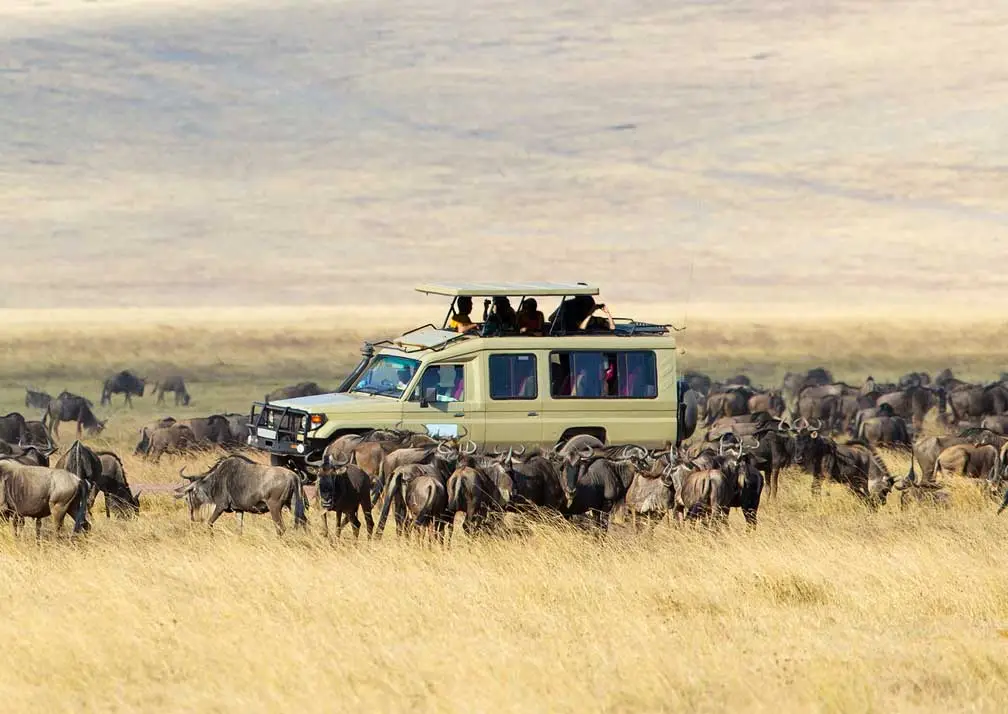
Great Migration Safaris
Experience one of nature's greatest spectacles with our Great Migration safari packages, timed for river crossings or calving.
View Package →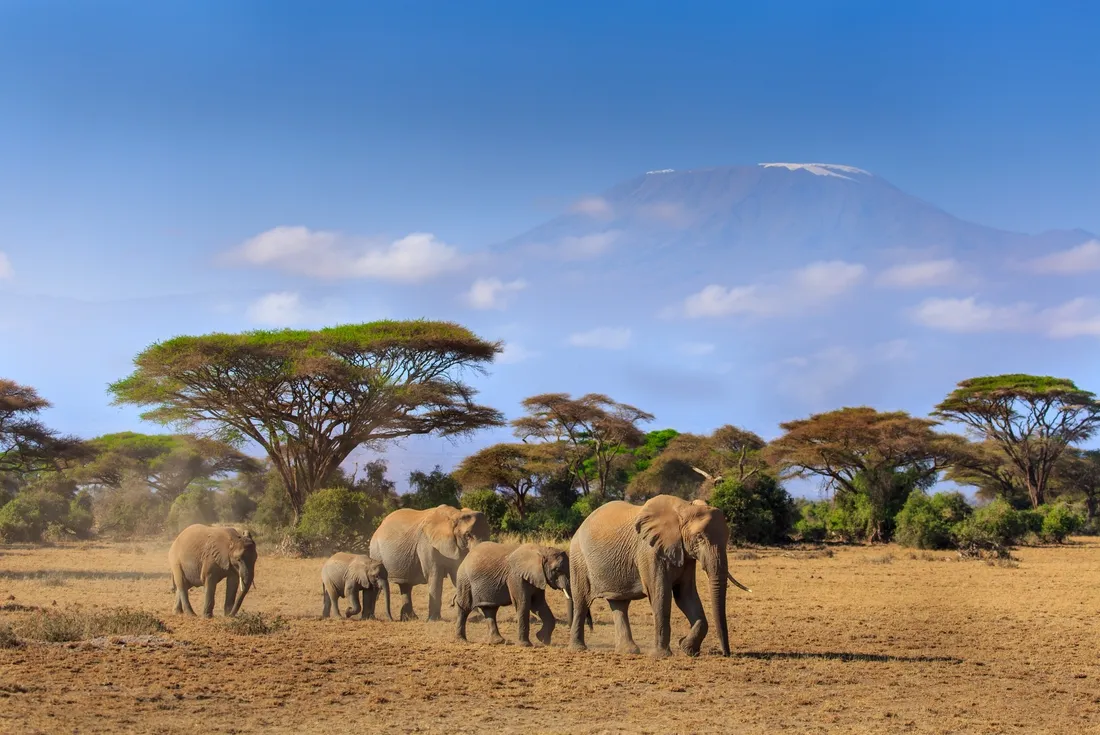
Serengeti & Kilimanjaro Trek
Combined safari and trekking tours offer wildlife adventures and Kilimanjaro climbs.
View Package →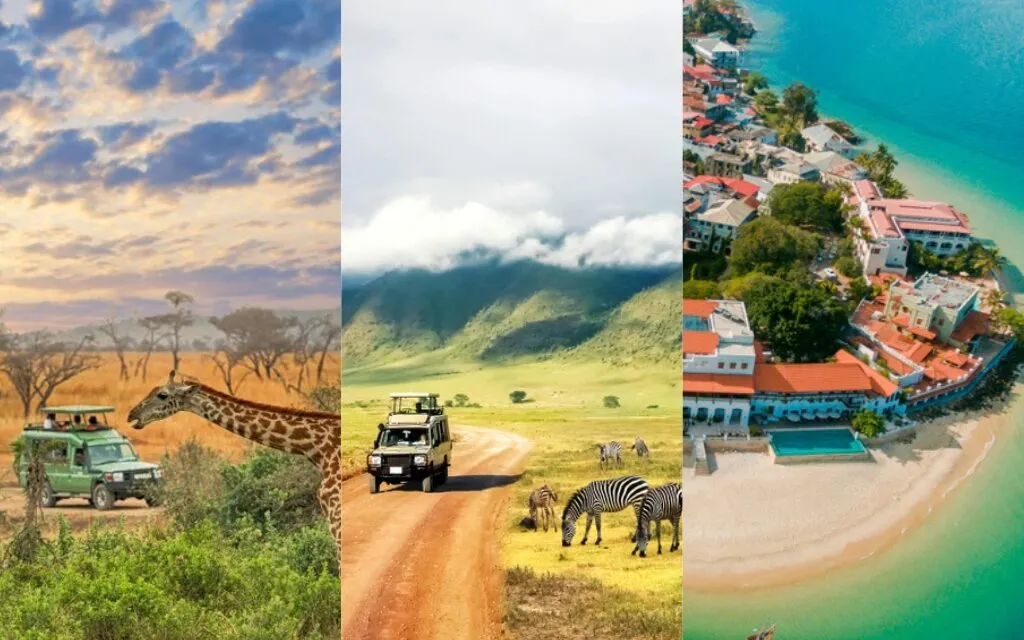
Serengeti & Zanzibar Tours
Luxury Tanzania safari & beach packages with the Great Migration and pristine beaches.
View Package →Related: Best Time to Visit Tanzania 2026 – Perfect safari extension after your Montenegro adventure.