Most Complete Morocco Travel Guide 2026-2027 – Everything You Need to Know Before Visiting
This Morocco travel guide provides everything you need to plan your journey to one of Africa’s most popular and diverse destinations. Morocco offers an extraordinary blend of Atlantic and Mediterranean coastlines, snow-capped Atlas Mountains, imperial cities, and vast Saharan landscapes that create one of the continent's most captivating travel experiences. Many travelers who visit Morocco are mesmerized by the country's incredible diversity and rich cultural heritage spanning ancient Berber traditions, Arab-Islamic golden age, and European influences. The kingdom covers over 710,000 square kilometers, offering visitors everything from bustling medieval medinas to pristine desert oases and world-class surf beaches.
Start Reading the Full Guide ↓Quick Facts About Morocco
- Capital: Rabat (administrative), Casablanca (economic).
- Currency: Moroccan Dirham (MAD).
- Time Zone: Western European Time (GMT, UTC+1).
- International Calling Code: +212.
- Driving Side: Right.
- Major Airports: Mohammed V (Casablanca), Menara (Marrakech), Ibn Battuta (Tangier).
Morocco Overview & Key Facts
Brief History of Morocco
Morocco's history spans millennia, from ancient Berber kingdoms through Roman occupation to Islamic conquest. The Phoenicians and Romans left traces along the coast, followed by the Arab conquest in the 7th century that brought Islam and Arabic culture. Successive dynasties – Idrisid, Almoravid, Almohad, Merinid, Saadian, and Alaouite – built the imperial cities and shaped Morocco’s distinctive architecture and culture. The country avoided full Ottoman control and maintained independence longer than most neighbors.
Independence & National Identity
- Independence date: March 2, 1956 (from France), November 18, 1956 (from Spain).
- Former colonial powers: France and Spain.
- National symbols & identity.
Morocco gained independence after decades of resistance led by Sultan Mohammed V. The red flag with green pentacle remains a powerful symbol of identity of Morocco. The country proudly maintains its monarchy under King Mohammed VI (since 1999) while blending Arab-Islamic, Amazigh, and Andalusian influences into a unique modern identity.
Government System & Current Leadership
- Type of government: Constitutional Monarchy
- Current king: Mohammed VI
- Notes on political stability
Morocco is a constitutional monarchy with an elected parliament. King Mohammed VI, in power since 1999, has introduced significant reforms while maintaining strong executive authority. The country enjoys relative political stability and is considered one of the more progressive nations in the Arab world.
Population, Ethnic Groups & Languages
- Population: 38.2 million (2025 projection).
- Major ethnic groups: Arabs & Arab-Berbers (99%), with small Jewish and European communities.
- Official language(s): Arabic and Amazigh (Berber).
- Additional languages commonly spoken.
French is the unofficial second language, widely used in business, education, and tourism. Spanish is common in the north, and English is growing rapidly among younger generations and in tourist areas.
Main Religions & Cultural Identity
Islam (Sunni Maliki school) is the state religion, practiced by 99% of the population. Small Jewish and Christian communities exist. Islamic values influence daily life, but Morocco is known for its relatively moderate and tolerant interpretation. Visitors should respect religious customs, especially during Ramadan.
Geography & Natural Landscape
Morocco features four distinct zones: Mediterranean and Atlantic coastlines, the Rif and Atlas Mountain ranges, fertile plains, and the vast Sahara Desert in the south and east. The High Atlas reaches 4,167 m at Jebel Toubkal, Africa’s highest peak outside the East African ranges.
Economy & Tourism Highlights
Tourism is a major economic pillar, with over 13 million visitors annually pre-pandemic. The government actively promotes Morocco as a year-round destination, investing in high-speed rail, new airports, and luxury desert camps. The country ranks as Africa’s most visited destination outside South Africa and Egypt.
What Morocco Is Known For
- Four imperial cities: Marrakech, Fes, Meknes, Rabat
- UNESCO sites including nine historic medinas
- Erg Chebbi and Erg Chigaga Sahara dunes
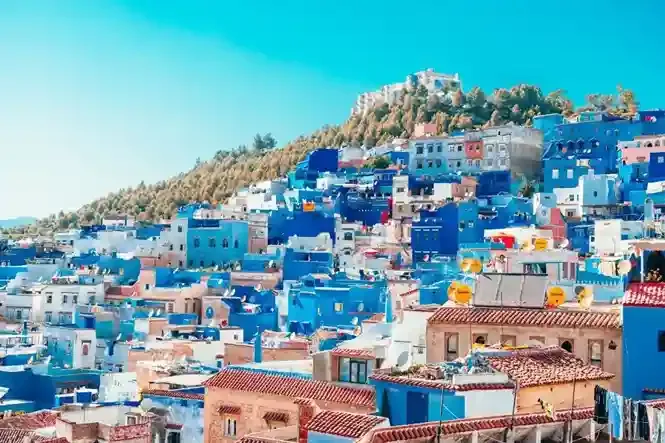
- Chefchaouen “Blue Pearl” and colorful coastal towns
Visa & Entry Requirements in Morocco
Most international visitors enjoy visa-free entry to Morocco for tourism stays up to 90 days. The kingdom maintains one of Africa’s most visitor-friendly visa policies.
Do You Need a Visa?
Citizens of over 70 countries (EU, USA, Canada, UK, Australia, Japan, etc.) receive a 90-day visa-free stamp on arrival. Others require advance visas from Moroccan embassies. Extensions are possible for another 90 days at police stations.
Visa Application Options in Morocco
- Visa on arrival (stamp) for exempt nationalities
- Pre-arranged visa at Moroccan embassy/consulate
- e-Visa rollout planned for 2026 for additional nationalities
Passport Validity & Entry Documents
Passport must be valid for at least 3 months beyond intended departure (6 months recommended). You receive an entry stamp and a small slip with your registration number – keep it until exit.
Customs Rules & Prohibited Items
Drones require advance permission. Alcohol import limited to 1 liter spirits + 1 liter wine per adult. Professional camera equipment may require declaration. Currency over 100,000 MAD must be declared.
Safety & Security Information in Morocco
Morocco maintains a strong tourism police presence and is considered one of the safest countries in North Africa and the Middle East for travelers.
Is Morocco Safe for Tourists?
Yes – Morocco has an excellent safety record for tourists. Most visits are trouble-free. Petty theft and scams occur in tourist areas (especially Marrakech and Fes medinas), but violent crime against visitors is extremely rare.
Recommended Safety Tips when in Morocco
Use official petit taxis with working meters, avoid unlicensed guides, keep valuables in hotel safes, don’t walk alone late at night in unlit areas, and ignore persistent touts with a polite “la shukran” (no thank you).
Safe Areas vs. Areas to Avoid in Morocco
All major tourist destinations are safe. Avoid the closed military zone near the Western Sahara/Algeria border. Rif mountain villages known for cannabis cultivation are best visited with registered guides.
Emergency Numbers & Tourist Police in Morocco
- Police: 19
- Gendarmerie (rural): 177
- Medical Emergency: 15
- Tourist Police: Available in major cities (English/French spoken)
Health Requirements & Vaccinations in Morocco
No mandatory vaccinations required for entry unless arriving from a yellow fever country.
Mandatory Vaccinations in Morocco
None for direct arrivals. Yellow fever certificate required if coming from endemic zones.
Recommended Vaccinations in Morocco
Hepatitis A, Typhoid, routine vaccines. Rabies pre-exposure recommended for rural trekking or animal contact.
Malaria & Other Risks
Morocco is malaria-free. Tap water is safe in cities but bottled is preferred. Heat exhaustion and traveler’s diarrhea are the main concerns.
Travel Insurance Recommendations in Morocco
Highly recommended – ensure coverage for adventure activities (camel trekking, quad biking, Atlas hiking) and medical evacuation.
Best Time to Visit in Morocco
Spring (March–May) and autumn (September–November) offer ideal weather across most of the country.
Weather by Season
Spring and autumn: 20–30°C nationwide. Summer: 35–45°C+ inland and south. Winter: mild on coast (15°C), snow in Atlas mountains.
When to Visit Morocco for Best Experiences
- Rose Festival in El Kelaa M’Gouna: May
- Gnaoua World Music Festival (Essaouira): June
- Desert nights comfortable: October–April
- Skiing in Oukaïmeden: January–March
High Season vs. Low Season Travel
High season: Easter, October half-term, Christmas/New Year. Low season: June–August (very hot) and January–February (cooler, quieter).
Weather & Climate Overview in Morocco
Morocco has Mediterranean, continental, mountain, and desert climates – sometimes all on the same day.
Temperature Ranges
Coastal: 15–28°C year-round. Marrakech: 12–38°C. Sahara: 5–45°C. High Atlas: sub-zero winters, 30°C+ summers.
Rainy & Dry Seasons in Morocco
Rain falls November–March (north and mountains). South and Sahara are dry year-round.
What to Wear Based on the Weather
Light layers, modest clothing, good walking shoes, scarf for women, warm jacket for mountains/desert nights, sun hat and sunscreen essential.
Main Currency, Costs & Budgeting in Morocco
Morocco remains one of Africa’s best-value destinations with excellent infrastructure.
Local Currency Information
Moroccan Dirham (MAD). Notes: 20, 50, 100, 200. Coins: 1, 2, 5, 10.
Average Travel Costs in Morocco
Budget: $50–90/day (hostels, street food, trains). Mid-range: $100–180 (riads, restaurants, private drivers). Luxury: $250–500+ (luxury camps, 5-star riads).
Using ATMs, Cards & Mobile Money in Morocco
ATMs widespread. Cards accepted in riads, restaurants, large shops. Cash king in souks and rural areas.
Tipping Guidelines in Morocco
10% in restaurants if service not included. 10–20 MAD for porters, parking guards, guides. Round up taxi fares.
Transportation & Getting Around in Morocco
Excellent train network (ONCF), modern buses (CTM/Supratours), grand taxis, and domestic flights.
Airport Transfers
Trains from Casablanca airport to city center. Fixed-price petit taxis at all airports.
Local Transport Options in Morocco
Petit taxis (city), grand taxis (inter-city shared), comfortable CTM buses, high-speed Al Boraq train (Casablanca–Tangier).
Morocco Domestic Flights
Royal Air Maroc and Air Arabia connect major cities. Useful for Marrakech–Fes or Casablanca–Dakhla.
Car Rentals & Road Conditions in Morocco
Easy to rent in cities. Good highways, mountain roads require caution. Police checkpoints common but routine.
Accommodation Options available in Morocco
World-famous riads, luxury desert camps, beach resorts, mountain gîtes, and budget hostels.
Types of Accommodations in Morocco
Riads (traditional houses with courtyard), dar (smaller guesthouse), kasbah hotels, luxury tented camps, auberges, international chains.
Budget vs. Mid-Range vs. Luxury
Budget: 150–400 MAD/night. Mid-range riads: 600–1500 MAD. Luxury: 2000–10,000+ MAD (especially desert camps).
Best Areas to Stay in Morocco
Marrakech Medina or Gueliz, Fes Medina, Chefchaouen old town, Essaouira seafront, Merzouga or Zagora for desert camps.
Essential Packing Guide when Visiting Morocco
Modest clothing, layers, good walking shoes, power bank, universal adapter, reusable water bottle, scarf, sunscreen.
Language & Communication in Morocco
Arabic, Berber, French widely spoken. English common in tourism. Useful phrases: “La shukran” (no thank you), “B’ch7al?” (how much?), “Salaam alaikum”.
Culture & Etiquette in Morocco
Dress modestly, remove shoes in homes/riads, use right hand for eating/accepting items, accept mint tea when offered, bargain politely in souks.
Food, Water & Dining in Morocco
Tagine, couscous, pastilla, harira soup, mint tea, fresh orange juice, street food safe in busy areas.
Top Attractions & Things to Do in Morocco
Marrakech medina & Jemaa el-Fnaa, Fes Medina, Chefchaouen, Sahara desert camps, Ait Benhaddou kasbah, Essaouira, Atlas trekking, Volubilis Roman ruins.
Moroccan Electrical System Information
220V, 50Hz, European plugs (C & E). Power banks useful for long medina days.
Local Laws & Regulations of Morocco
Alcohol sold in licensed venues only. No public affection between unmarried couples. Photography restrictions around royal palaces and military sites. Ramadan observance expected in public.
Final Travel Tips for Visitors in Morocco
Book popular riads and desert camps early, learn a few Arabic/French phrases, carry small change, drink bottled water, use official guides, enjoy the chaos – Morocco is an assault on the senses in the best way.
Frequently Asked Questions – Morocco Travel Guide 2026-2027
Our Tanzania Tours Products
While Morocco offers incredible imperial cities, Sahara adventures and Atlantic charm, many travelers combine North Africa with the ultimate wildlife experience in East Africa. Capable Africa Tours specializes in secure, guided safaris that maximize safety and wonder. Our expert local guides, armed rangers in parks, and vetted accommodations ensure peace of mind. From family-friendly lodges to luxury camps, we handle logistics so you focus on the magic. Tanzania ranks high for tourist safety with dedicated wildlife protection units and stable northern circuits.
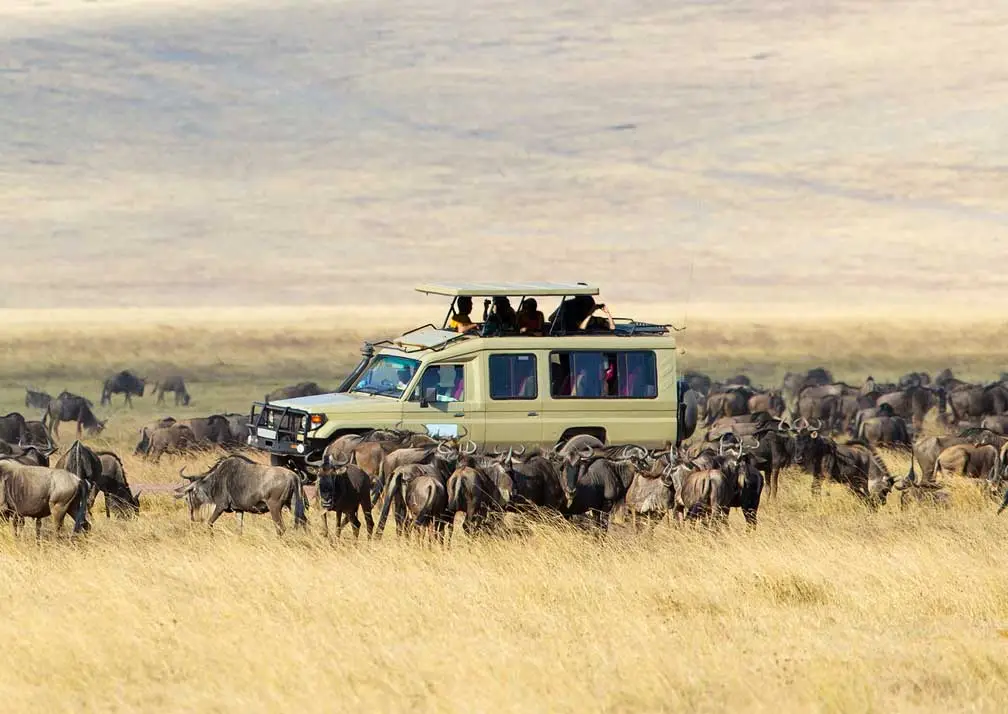
Great Migration Safaris
Experience one of nature's greatest spectacles with our Great Migration safari packages, timed for river crossings or calving.
View Package →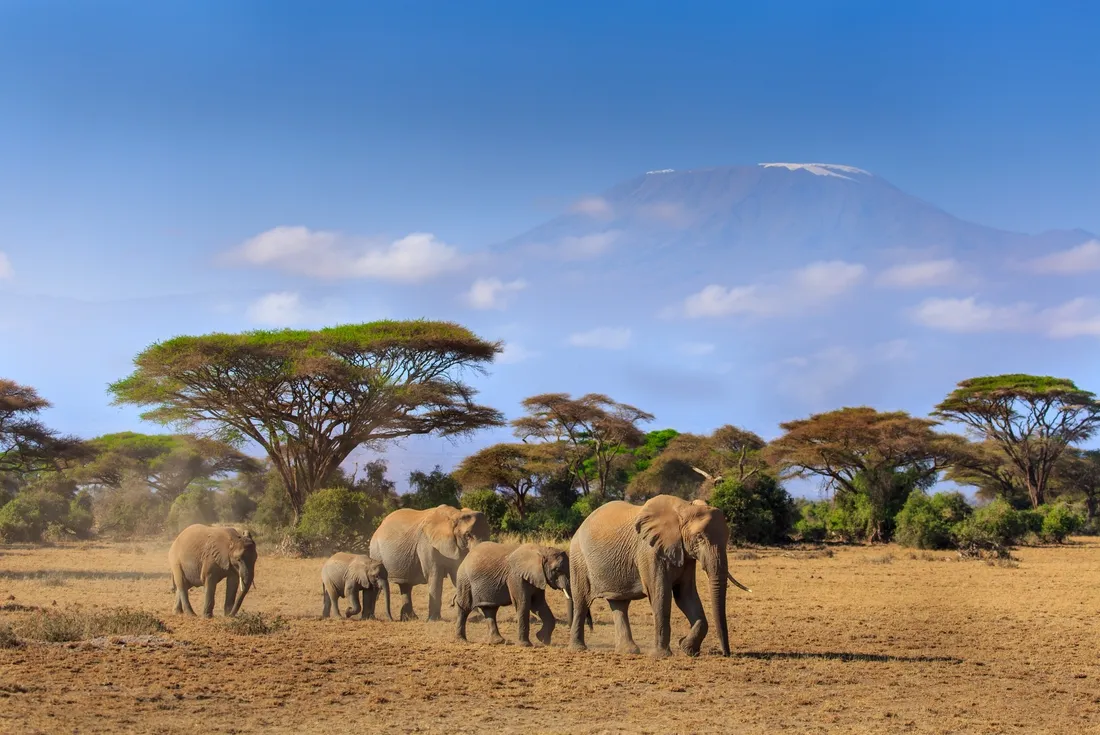
Serengeti & Kilimanjaro Trek
Combined safari and trekking tours offer wildlife adventures and Kilimanjaro climbs.
View Package →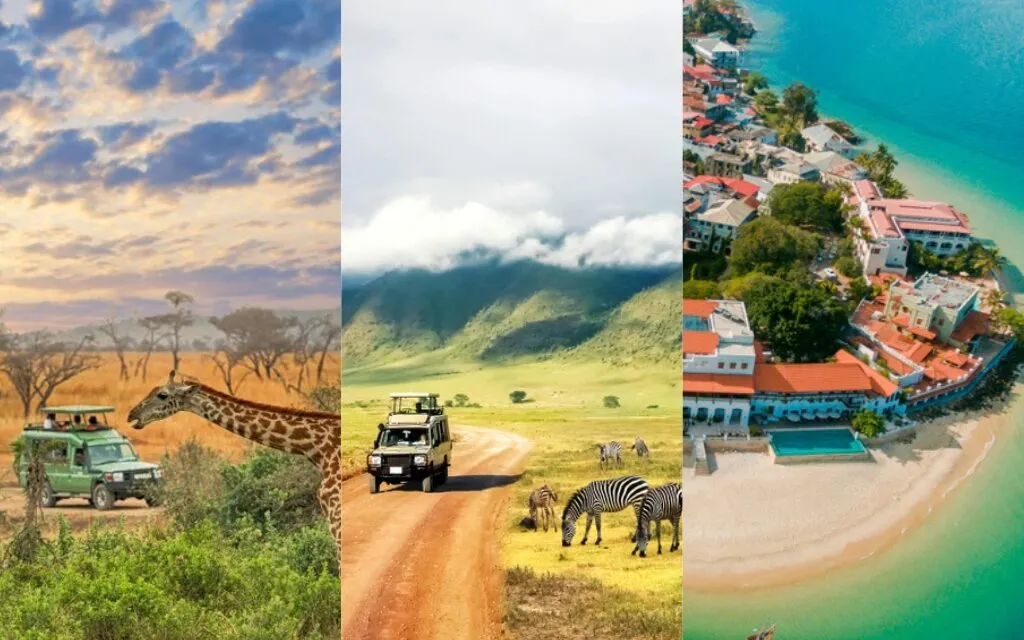
Serengeti & Zanzibar Tours
Luxury Tanzania safari & beach packages with the Great Migration and pristine beaches.
View Package →Related: Best Time to Visit Tanzania 2026 – Perfect safari extension after your Morocco adventure.