Most Complete Mozambique Travel Guide 2026-2027 – Everything You Need to Know Before Visiting
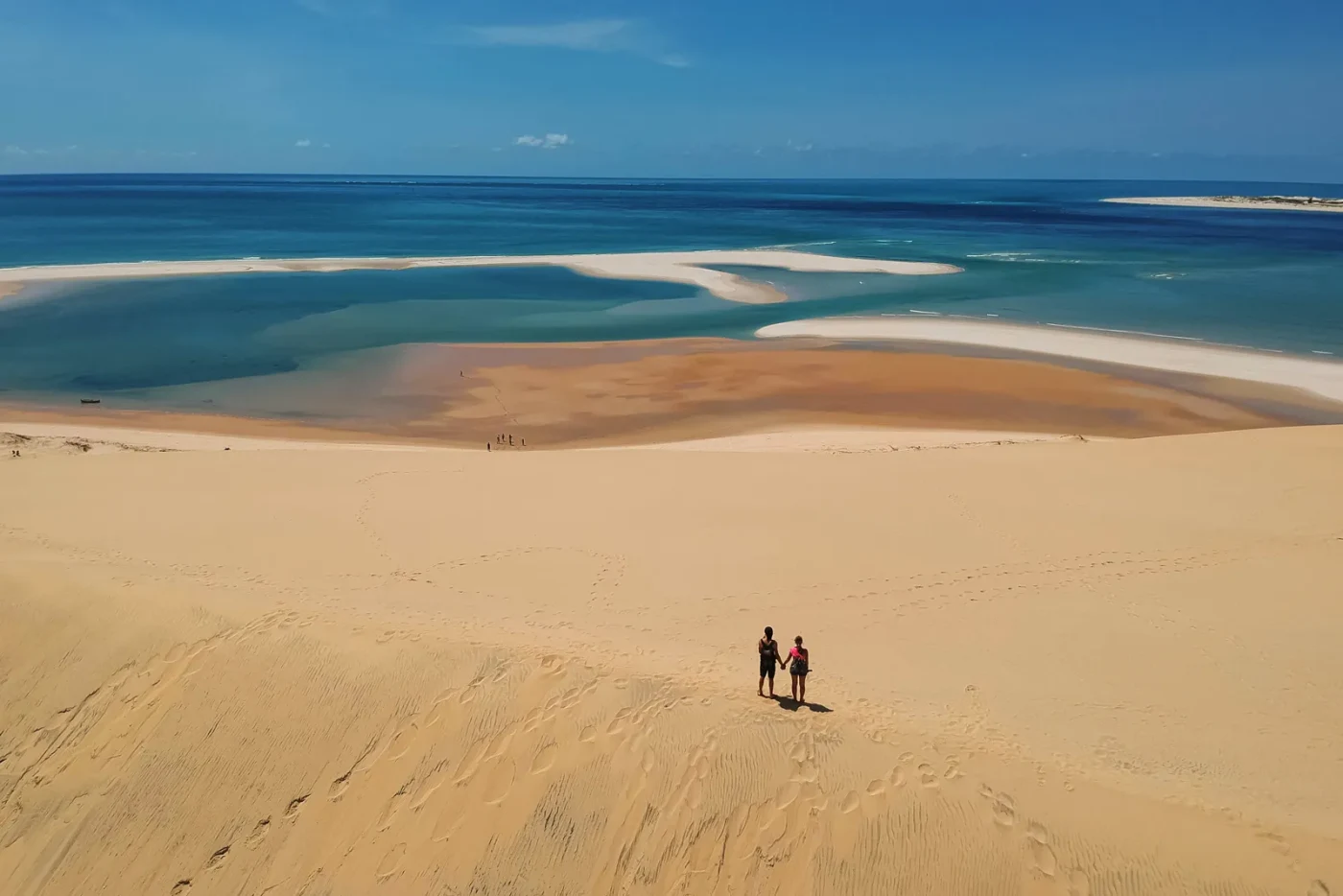
This Mozambique travel guide provides everything you need to plan your journey to one of Africa’s most beautiful coastal destinations. Mozambique offers an extraordinary blend of turquoise Indian Ocean waters, pristine white-sand beaches, coral reefs, and vibrant Afro-Portuguese culture that create one of the continent’s most relaxed and scenic travel experiences. Many travelers who want to visit Mozambique are surprised by the country's incredible island archipelagos, underwater wonders, and laid-back vibe. The nation stretches over 2,500 km of coastline, offering visitors everything from luxury island lodges to backpacker beach huts and emerging wildlife reserves.
Start Reading the Full Guide ↓Quick Facts About Mozambique
- Capital: Maputo.
- Currency: Mozambican Metical (MZN).
- Time Zone: Central Africa Time (CAT, UTC+2).
- International Calling Code: +258.
- Driving Side: Left.
- Major Airports: Maputo International (MPM), Vilanculos (VNX), Pemba (POL).
Mozambique Overview & Key Facts
Brief History of Mozambique
Mozambique's history spans ancient Swahili trading ports through Portuguese colonization to independence. Arab traders established coastal settlements from the 8th century, followed by Portuguese arrival in 1498. The country served as a major port for gold, ivory and slave trade. Independence came in 1975 after a decade-long liberation war led by FRELIMO, followed by a devastating civil war (1977–1992). The peace agreement transformed Mozambique into one of Africa’s success stories with rapid economic growth and tourism development.
Independence & National Identity
- Independence date: June 25, 1975.
- Former colonial power: Portugal.
- National symbols & identity.
Mozambique gained independence after the armed struggle led by FRELIMO. Mozambique's identity involves the national flag features green (vegetation), black (African continent), yellow (mineral wealth), red (struggle for independence) and a rifle with hoe symbolizing defense and agriculture. The country celebrates its multicultural identity blending Bantu, Portuguese, Arab, Indian and Chinese influences.
Government System & Current Leadership
- Type of government: Presidential Republic
- Current president: Daniel Chapo (elected October 2024, inaugurated January 2025)
- Notes on political stability
Mozambique operates as a presidential republic with FRELIMO holding power since independence. The 2024 elections were peaceful despite some protests. Tourism areas remain unaffected by political developments.
Population, Ethnic Groups & Languages
- Population: 34.8 million (2025 projection).
- Major ethnic groups: Makhuwa (40%), Sena, Shona, Tsonga, etc.
- Official language(s): Portuguese.
- Additional languages commonly spoken.
Portuguese is spoken by about 50% as first or second language. In tourism areas English is widely understood. Local Bantu languages dominate rural areas.
Main Religions & Cultural Identity
About 56% Christian, 18% Muslim (mostly northern coast), 26% traditional beliefs. Religion is generally tolerant and relaxed, especially in tourist areas.
Geography & Natural Landscape
Mozambique features a long Indian Ocean coastline with tropical beaches, coral reefs, and offshore archipelagos. The interior has savanna, miombo woodlands, and mountain ranges. Major islands include the Bazaruto and Quirimbas archipelagos with some of the world’s most beautiful beaches.
Economy & Tourism Highlights
Tourism is one of Mozambique’s fastest-growing sectors, with beach and island resorts, diving, and emerging wildlife parks. The country offers excellent value compared to Seychelles or Maldives.
What Mozambique Is Known For
- UNESCO World Heritage Ilha de Moçambique
- Bazaruto and Quirimbas archipelagos
- World-class diving and marine life
- Fresh seafood and peri-peri cuisine
Visa & Entry Requirements in Mozambique
Most nationalities can obtain a visa-on-arrival or e-Visa. Border visas are available at major entry points including Maputo airport.
Do You Need a Visa?
South Africa, Tanzania, Botswana, Eswatini, Zambia, Zimbabwe, Malawi and a few others are visa-free. Most other nationalities get visa-on-arrival (30 days, ~US$50) or e-Visa.
Visa Application Options in Mozambique
- Visa-on-arrival at major airports and some land borders
- e-Visa online (faster processing)
- Embassy visa (required for longer stays)
Passport Validity & Entry Documents
Passport valid 6 months with 3 blank pages. Yellow fever certificate if arriving from endemic country.
Customs Rules & Prohibited Items
Standard restrictions. Declare expensive electronics. No restrictions on reasonable amounts of alcohol/tobacco for personal use.
Safety & Security Information in Mozambique
Tourist areas are generally safe. Avoid Cabo Delgado province (northern insurgency). Maputo, southern beaches and islands have low crime rates.
Is Mozambique Safe for Tourists?
Yes in all main tourist areas. Standard precautions apply in Maputo at night.
Recommended Safety Tips when in Mozambique
Don’t walk alone after dark in Maputo city center. Use registered taxis/Uber. Avoid northern Cabo Delgado. Use reputable operators for island transfers.
Safe Areas vs. Areas to Avoid in Mozambique
Safe: Maputo, Vilanculos, Tofo, Ponta do Ouro, Bazaruto, Quirimbas, Inhambane, Pemba city. Avoid: Northern Cabo Delgado province (Palma, Mocímboa da Praia).
Emergency Numbers & Tourist Police in Mozambique
- Police: 119
- Ambulance: 117
- Fire: 198
- Tourist Police in Maputo, Vilanculos, Pemba
Health Requirements & Vaccinations in Mozambique
Malaria risk country-wide. Yellow fever certificate required if arriving from endemic areas.
Mandatory Vaccinations in Mozambique
Yellow fever if coming from endemic country.
Recommended Vaccinations in Mozambique
Hepatitis A, Typhoid, Rabies (if extended travel), routine vaccines. Malaria prophylaxis essential.
Malaria & Other Risks
High malaria risk – take prophylaxis and use repellent. Bilharzia in some lakes/rivers.
Travel Insurance Recommendations in Mozambique
Mandatory for diving and strongly recommended. Must cover medical evacuation.
Best Time to Visit in Mozambique
May–November (dry season) is peak for beach holidays and diving. December–April is low season with lower prices but higher rain/cyclone risk.
Weather by Season
Dry season (May–Nov): 25–30°C, low humidity, perfect visibility for diving. Wet season (Dec–Apr): hotter, humid, occasional cyclones.
When to Visit Mozambique for Best Experiences
- Diving/snorkeling: June–October (whale season)
- Whale sharks: November–March (Tofo)
- Humpback whales: July–October
- Budget travel: January–March (except Christmas/New Year)
High Season vs. Low Season Travel
High season: June–October & Christmas/New Year. Low season: January–May (cheaper but wetter).
Weather & Climate Overview in Mozambique
Tropical climate with two distinct seasons. Coastal areas are hot and humid year-round.
Temperature Ranges
Coastal: 24–32°C year-round. Winter nights can drop to 18°C.
Rainy & Dry Seasons in Mozambique
Dry season: May–November. Wet season: December–April with cyclone risk January–March.
What to Wear Based on the Weather
Light cotton clothing, swimwear, flip-flops, light rain jacket (wet season), sun protection.
Main Currency, Costs & Budgeting in Mozambique
Metical (MZN) official currency but US dollars widely accepted in tourist areas.
Average Travel Costs in Mozambique
Budget: $80–130/day; mid-range $180–350/day; luxury islands $500–1,200/day.
Using ATMs, Cards & Mobile Money in Mozambique
ATMs common in cities. Visa/Mastercard accepted at lodges. M-Pesa widely used.
Tipping Guidelines in Mozambique
10% in restaurants. US$5–15/day for guides and lodge staff.
Transportation & Getting Around in Mozambique
LAM flights connect Maputo–Vilanculos–Pemba. Road network improving but many routes require 4x4.
Airport Transfers
Maputo has Uber. Vilanculos/Pemba use hotel transfers.
Local Transport Options in Mozambique
Chapas (minibuses), tuk-tuks in cities, dhows between islands.
Mozambique Domestic Flights
LAM and smaller airlines serve main tourist routes.
Car Rentals & Road Conditions in Mozambique
4x4 recommended outside cities. Police checkpoints common.
Accommodation Options available in Mozambique
From backpacker beach huts ($25) to luxury island lodges ($1,200+/night).
Types of Accommodations in Mozambique
Beach bungalows, dive resorts, luxury island lodges, Maputo boutique hotels.
Budget vs. Mid-Range vs. Luxury
Budget: $25–80, mid-range $120–350, luxury $500+.
Best Areas to Stay in Mozambique
Vilanculos (Bazaruto gateway), Tofo, Ponta do Ouro, Pemba (Quirimbas), Ilha de Moçambique.
Essential Packing Guide when Visiting Mozambique
Sunscreen, insect repellent, light clothing, dive mask if you have one, waterproof bag.
Language & Communication in Mozambique
Portuguese official, English common in tourism. Basic Portuguese phrases appreciated.
Culture & Etiquette in Mozambique
Relaxed beach culture on coast, more formal in Maputo. Casual dress accepted in resorts.
Food, Water & Dining in Mozambique
Amazing seafood, peri-peri chicken, prawns, matapa, fresh coconut. Bottled water recommended.
Top Attractions & Things to Do in Mozambique
Bazaruto & Quirimbas archipelagos, Ilha de Moçambique (UNESCO), Gorongosa National Park, diving with whale sharks and manta rays, dhow sailing.
Mozambican Electrical System Information
220–240V, 50Hz. Plugs C, F and M (South African type).
Local Laws & Regulations of Mozambique
Relaxed in tourist areas. No photography of military/police. Same-sex activity legal.
Final Travel Tips for Visitors in Mozambique
Book island transfers in advance, bring USD cash, take malaria prophylaxis, use reef-safe sunscreen.
Frequently Asked Questions – Mozambique Travel Guide 2026-2027
Our Tanzania Tours Products
While Mozambique offers incredible Indian Ocean beaches and island paradise, many travelers combine it with the ultimate wildlife experience in neighboring Tanzania. Capable Africa Tours specializes in secure, guided safaris that maximize safety and wonder. From the Great Migration to Zanzibar beaches, we handle everything.
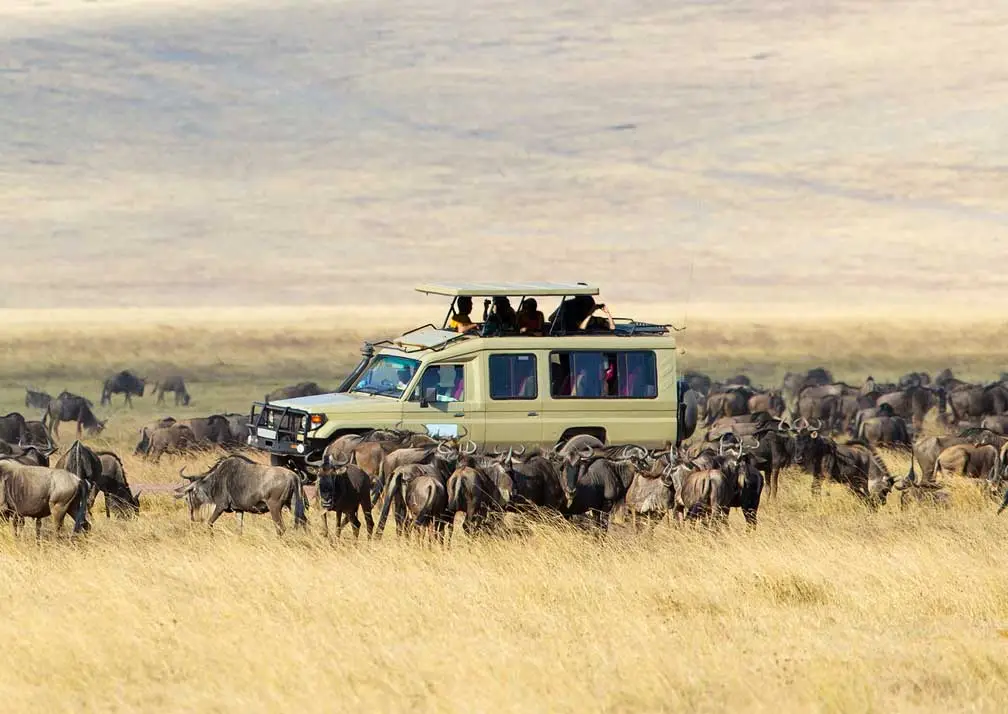
Great Migration Safaris
Experience one of nature's greatest spectacles with our Great Migration safari packages.
View Package →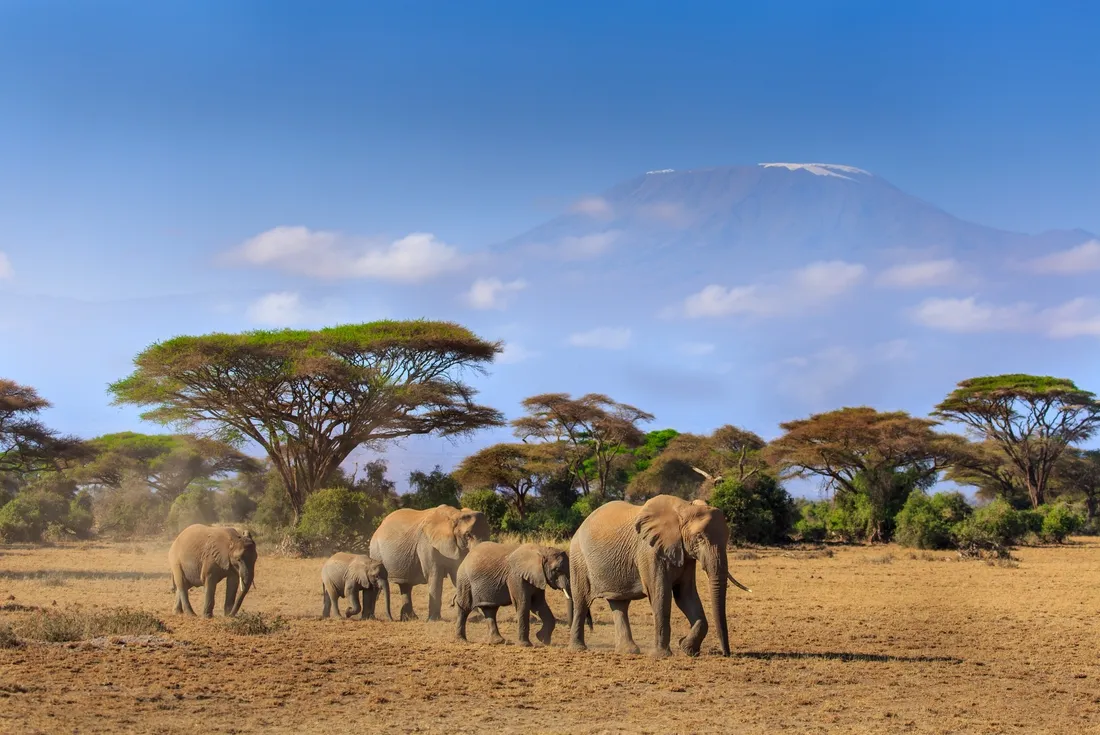
Serengeti & Kilimanjaro Trek
Combined safari and trekking tours offer wildlife adventures and Kilimanjaro climbs.
View Package →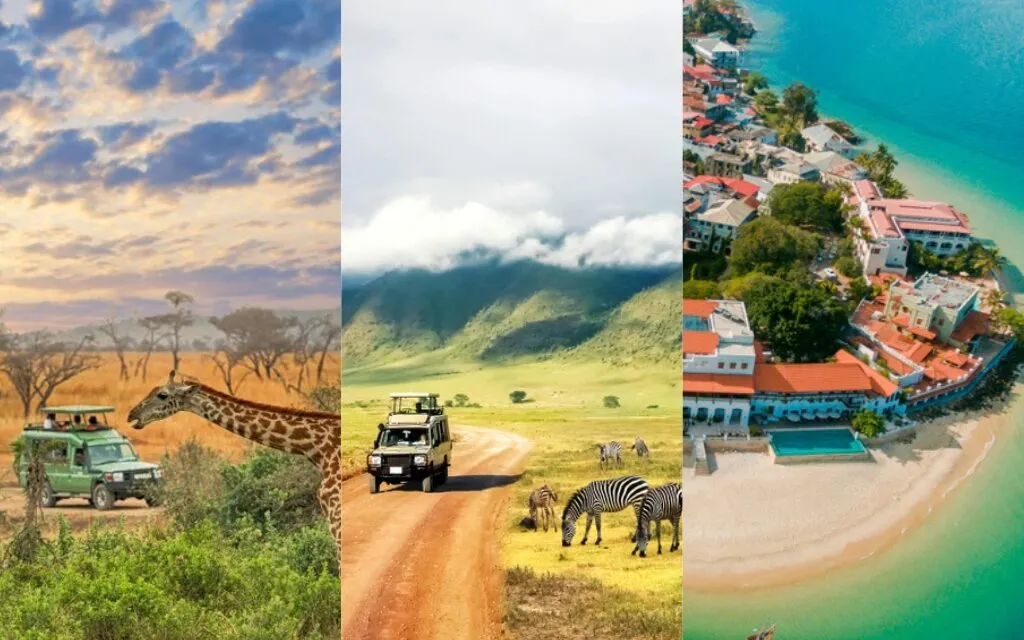
Serengeti & Zanzibar Tours
Luxury Tanzania safari & beach packages with the Great Migration and pristine beaches.
View Package →Related: Best Time to Visit Tanzania 2026 – Perfect safari extension after your Mozambique beach holiday.