Most Complete Namibia Travel Guide 2026-2027 – Everything You Need to Know Before Visiting
This Namibia travel guide provides everything you need to plan your journey to one of Africa’s most spectacular and sparsely populated countries. Namibia offers an extraordinary blend of vast red dunes, wildlife-rich national parks, dramatic Skeleton Coast, and unique cultural encounters that create one of the continent's most diverse travel experiences. Many travelers who visit Namibia are stunned by the sheer scale of its landscapes and the quality of its tourism infrastructure. The country covers over 825,000 square kilometers yet has only 2.6 million people, offering visitors endless space, pristine wilderness, and some of the clearest night skies on earth.
Start Reading the Full Guide ↓Quick Facts About Namibia
- Capital: Windhoek.
- Currency: Namibian Dollar (NAD) – tied 1:1 with South African Rand (ZAR).
- Time Zone: Central Africa Time (CAT, UTC+2).
- International Calling Code: +264.
- Driving Side: Left.
- Major Airports: Hosea Kutako International (Windhoek), Walvis Bay International.
Namibia Overview & Key Facts
Brief History of Namibia
Namibia’s history spans ancient San rock art dating back thousands of years, followed by Bantu migrations, Herero and Nama pastoralists, and German colonial rule from 1884 that included the tragic Herero and Nama genocide (1904–1908). South African administration after World War I led to the apartheid system until the long liberation struggle by SWAPO ended with independence on 21 March 1990. This complex history shapes modern Namibia’s multicultural identity and commitment to reconciliation.
Independence & National Identity
- Independence date: 21 March 1990.
- Former colonial power: Germany, then South Africa.
- National symbols & identity.
Namibia gained independence after decades of guerrilla warfare led by SWAPO. Namibia's national identity involves peaceful multi-ethnic democracy and progressive conservation policies. The flag’s red, white, blue and green stripes with golden sun symbolize determination, peace, natural resources and heroism.
Government System & Current Leadership
- Type of government: Unitary semi-presidential republic
- Current president: Nangolo Mbumba (2024–)
- Notes on political stability
Namibia enjoys strong political stability and democratic institutions. Regular peaceful elections and transfers of power make it one of Africa’s most stable countries.
Population, Ethnic Groups & Languages
- Population: 2.6 million (2025 estimate).
- Major ethnic groups: Ovambo (50%), Kavango, Damara, Herero, Himba, Nama, San, Afrikaans-speakers, Germans.
- Official language(s): English.
- Additional languages commonly spoken.
English is the sole official language, but Afrikaans, German, Oshiwambo, Otjiherero, and other indigenous languages are widely spoken. Most tourism staff speak excellent English and often German.
Main Religions & Cultural Identity
Approximately 90% of Namibians are Christian (mostly Lutheran), with small Muslim and Jewish communities. Traditional beliefs remain strong among Himba, San and other groups. Namibia is notably tolerant and respectful of all cultures.
Geography & Natural Landscape
Namibia features the Namib Desert (world’s oldest), Kalahari Desert, dramatic Skeleton Coast, Etosha salt pan, Fish River Canyon (second largest on earth), and high central plateau. The country has four distinct regions: the Namib Desert, Central Plateau, Kalahari, and Bushveld/Kavango.
Economy & Tourism Highlights
Mining (diamonds, uranium), tourism and agriculture drive the economy. Namibia is an upper-middle-income country with excellent tourism infrastructure, world-class lodges, and strong conservation record (community conservancies cover over 20% of land).
What Namibia Is Known For
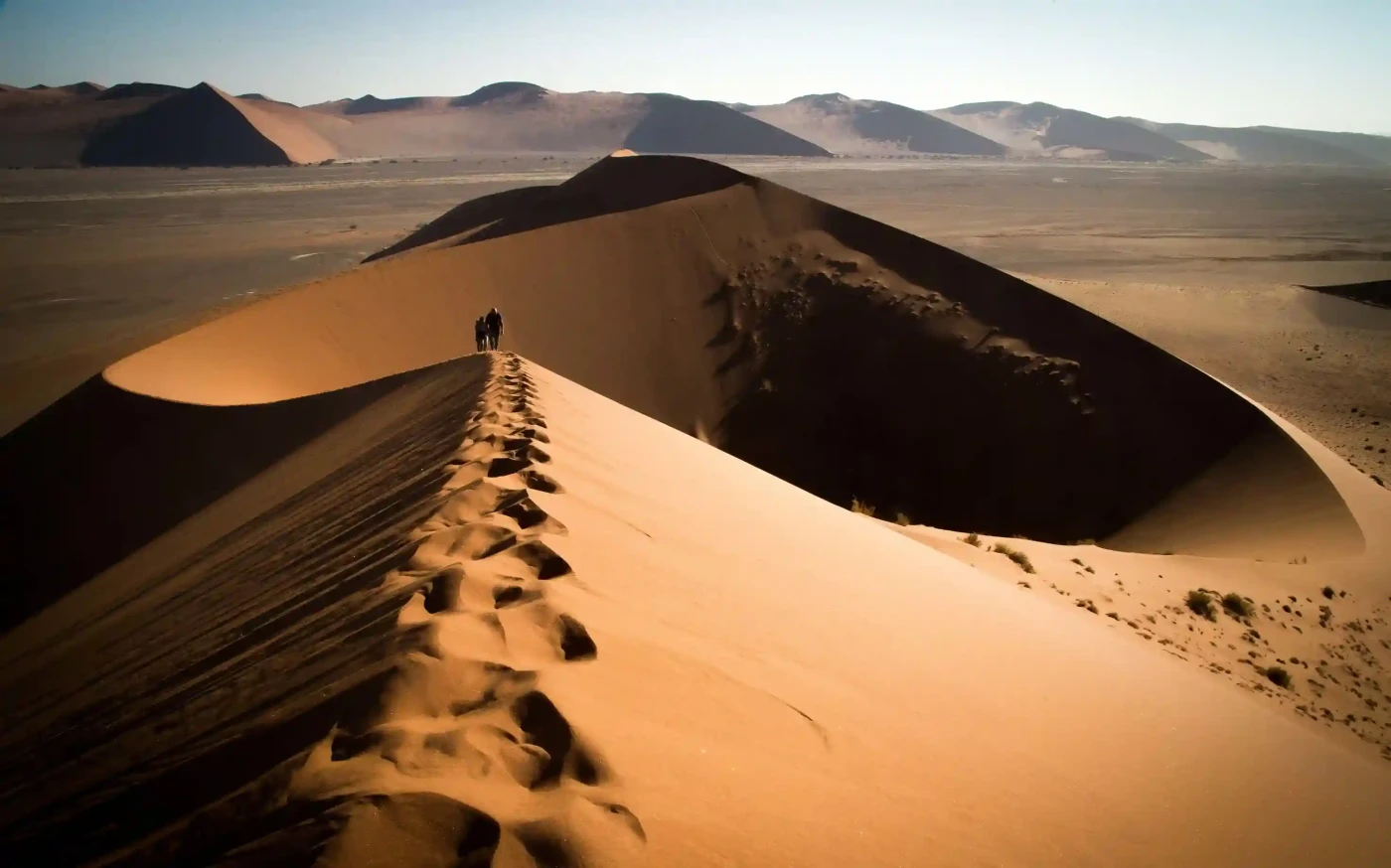
- Sossusvlei & Deadvlei red dunes and dead camel-thorn trees
- Etosha National Park – one of Africa’s greatest wildlife destinations
- Skeleton Coast shipwrecks and desert-adapted wildlife
- Himba and San cultural experiences
- Stunning star-filled skies and astrotourism
Visa & Entry Requirements in Namibia
Most international visitors receive visa-free entry or visa-on-arrival for tourism. The visa policy is one of the most visitor-friendly in Africa.
Do You Need a Visa?
Citizens of EU countries, UK, USA, Canada, Australia, New Zealand, Japan, South Korea, Brazil, Russia and many others get 90-day tourist visa on arrival free of charge. Always confirm current status before travel.
Visa Application Options in Namibia
- Visa on arrival (most nationalities)
- Visa-free entry (90 days)
- E-visa for restricted nationalities
Visa-exempt visitors simply complete an arrival card and receive a 90-day stamp. Extensions are possible at Immigration offices inside the country.
Passport Validity & Entry Documents
Passport must be valid for 6 months beyond intended stay with at least 3 blank pages. Return/onward ticket and proof of sufficient funds/accommodation may be requested.
Customs Rules & Prohibited Items
Standard international rules apply. No narcotics, no ivory or protected wildlife products. Duty-free allowance: 200 cigarettes, 2L wine, 1L spirits, gifts up to NAD 50,000.
Safety & Security Information in Namibia
Namibia is consistently ranked as one of Africa’s safest countries with low crime rates and excellent tourism safety record.
Is Namibia Safe for Tourists?
Yes – very safe. Violent crime against tourists is extremely rare. Self-drive travelers, solo females and families visit without incident every year.
Recommended Safety Tips when in Namibia
Standard precautions: don’t leave valuables visible in cars, use hotel safes, drive only during daylight on gravel roads, carry enough water and fuel, tell someone your itinerary when self-driving remote areas.
Safe Areas vs. Areas to Avoid in Namibia
All tourist areas are safe. Windhoek city center is fine by day but use caution at night in certain areas. No restricted zones for tourists.
Emergency Numbers & Tourist Police in Namibia
- Police/Emergency: 10111
- Ambulance/Fire: 21111 or 2032276 (Windhoek)
- Tourist Protection Units in Swakopmund, Walvis Bay and Windhoek
Roadside assistance and medical evacuation insurance highly recommended for self-drive trips.
Health Requirements & Vaccinations in Namibia
No mandatory vaccinations except yellow fever certificate if arriving from endemic country.
Mandatory Vaccinations in Namibia
Yellow fever certificate required only if coming from risk country within 6 days.
Recommended Vaccinations in Namibia
Hepatitis A, Typhoid, routine boosters. Malaria prophylaxis advised for northern regions (Etosha, Caprivi/Zambezi) Nov–Jun.
Malaria & Other Risks
Malaria risk low and seasonal in north. Use insect repellent at dusk/dawn. Excellent private hospitals in Windhoek and Swakopmund.
Travel Insurance Recommendations in Namibia
Highly recommended – must cover medical evacuation (flying doctors) and vehicle damage/liability if self-driving.
Best Time to Visit in Namibia
May–October (dry winter) is peak season for wildlife and comfortable temperatures. November–April (green season) offers dramatic skies, newborn animals and lower rates.
Weather by Season
May–Sep: dry, sunny, cold nights (0–10°C), warm days (20–28°C). Oct: hot (30–40°C). Nov–Apr: rainy season, lush landscapes, temperatures 25–35°C.
When to Visit Namibia for Best Experiences
- Wildlife viewing: June–October (dry season)
- Photography & landscapes: April–June & September–November
- Budget travel: November–May (except Easter)
- Dune climbing: early morning year-round
Etosha best July–October; Sossusvlei beautiful year-round.
High Season vs. Low Season Travel
High season (May–Oct) – busy, higher prices, book 12 months ahead. Low season (Nov–Apr) – excellent availability, 30–50% discounts, fewer crowds.
Weather & Climate Overview in Namibia
Arid to semi-arid climate with more than 300 sunny days per year. Huge diurnal temperature variation (up to 30°C difference day/night).
Temperature Ranges
Coastal areas (Swakopmund/Walvis Bay): 15–25°C year-round due to Benguela current. Interior: winter nights 0–8°C, summer days 30–40°C.
Rainy & Dry Seasons in Namibia
Dry season May–October (virtually no rain). Rainy season November–April, mainly afternoons, north receives more rain than south.
What to Wear Based on the Weather
Neutral-colored layers, warm jacket/fleece for winter nights, sun hat, high-SPF sunscreen, good sunglasses, sturdy shoes, swimsuit for lodges/coast.
Main Currency, Costs & Budgeting in Namibia
Namibia is premium-priced but exceptional value for quality and exclusivity.
Local Currency Information
Namibian Dollar (NAD) fixed 1:1 with South African Rand (ZAR). Both currencies accepted everywhere. ATMs widespread, cards accepted at lodges and fuel stations.
Average Travel Costs in Namibia
Budget self-drive: $80–130/day; mid-range lodges: $200–350/day; luxury/private guided: $500–1,200+/day. Fuel, park fees and car rental are significant costs.
Using ATMs, Cards & Mobile Money in Namibia
Visa/Mastercard widely accepted. ATMs in all towns. No mobile money for tourists.
Tipping Guidelines in Namibia
10–15% in restaurants, NAD 50–100 per day for guides/drivers, NAD 20–50 per bag for lodge staff.
Transportation & Getting Around in Namibia
Self-drive is the most popular and rewarding way to explore Namibia. Roads are excellent gravel and tar.
Airport Transfers
Hosea Kutako (WDH) 45 min from Windhoek. Shuttles, private transfers and rental cars available.
Local Transport Options in Namibia
Self-drive 4×4 strongly recommended. Intercape buses and minibus taxis exist but not tourist-friendly for main attractions.
Namibia Domestic Flights
Fly-in safaris common. Scheduled flights Windhoek–Swakopmund, Windhoek–Etosha (Mokuti), scenic flights over Sossusvlei and Skeleton Coast.
Car Rentals & Road Conditions in Namibia
Excellent gravel roads (C-roads). 4×4 required for most parks and Damaraland/Kaokoland. Left-side driving. Full insurance strongly advised.
Accommodation Options available in Namibia
World-class lodges, tented camps and guesthouses. Advance booking essential in high season.
Types of Accommodations in Namibia
Luxury lodges, tented camps, desert lodges, guesthouses, rest camps inside parks, rooftop rooms in Swakopmund, community campsites.
Budget vs. Mid-Range vs. Luxury
Budget: $30–80 (camping/guesthouses); mid-range: $120–300; luxury: $400–1,500+ per person per night (all-inclusive).
Best Areas to Stay in Namibia
Windhoek (arrival), Swakopmund (coast), Sesriem/Sossusvlei area, Damaraland, Etosha (south or east for best lodges), Waterberg, Fish River Canyon.
Essential Packing Guide when Visiting Namibia
Layering, sun protection and dust-proof camera gear are essential.
Clothing Essentials
Neutral colors, long sleeves/pants for sun protection, warm fleece/jacket for winter nights, swimsuit, hat, scarf/buff for dust.
Footwear & Gear
Good walking shoes, sandals, binoculars, headlamp, universal adapter (Type D/M and European), power bank.
Electronics & Cameras
230V, 50Hz, South African (Type D/M) and European plugs. Bring extra batteries/memory cards.
Toiletries & Personal Items
High-SPF sunscreen, lip balm, moisturizer (very dry air), insect repellent, personal medication, basic first-aid.
Language & Communication in Namibia
English spoken everywhere in tourism. Afrikaans and German widely used.
Main Languages Spoken in Namibia
English (official), Afrikaans (lingua franca), German, Oshiwambo, Otjiherero, Damara/Nama, San languages.
Useful Phrases for Tourists
“Hello” – Hallo (Afrikaans), Moro (Oshiwambo), “Thank you” – Baie dankie (Afrikaans), Tangi (Oshiwambo).
SIM Cards & Mobile Data used in Namibia
MTC and TN Mobile. Good 4G coverage in most tourist areas. Buy at airport or shops.
Internet Availability & Wi-Fi in Namibia
Wi-Fi in most lodges (often slow). Mobile data reliable and affordable.
Culture & Etiquette in Namibia
Respectful, relaxed culture. Greetings important.
Namibian Dress Code Expectations
Casual and practical. No strict dress code except in top restaurants (smart-casual). Himba women traditionally topless – normal in their areas.
Social Etiquette & Respectful Behavior of Namibia
Greet people, ask permission before photographing (especially Himba/San), respect private concessions and community rules.
Photography Rules in Namibia
Always ask permission for portraits. No restrictions on landscapes/wildlife.
Important Cultural Dos & Don’ts in Namibia
Do greet, do remove sunglasses when talking, do support community projects. Don’t photograph people without permission.
Food, Water & Dining in Namibia
Excellent game meat, German-influenced cuisine, fresh seafood on coast.
Namibian Local Dishes to Try
Oryx steak, biltong, kapana (street grilled meat), potjiekos, fresh Walvis Bay oysters, Swakopmund pastries, mopane worms (seasonal).
Dietary Options in Namibia
Most lodges cater for vegetarian/gluten-free. Vegan possible with notice.
Drinking Water Safety
Tap water safe in all towns and lodges. Bottled widely available.
Restaurant Etiquette
Tipping 10–15%. Many lodges all-inclusive.
Top Attractions & Things to Do in Namibia
Namibia offers some of Africa’s most dramatic and photogenic destinations.
Major Tourist Attractions in Namibia
- Etosha National Park
- Sossusvlei & Deadvlei
- Skeleton Coast
- Fish River Canyon
- Damaraland (desert elephants, Twyfelfontein rock art)
- Swakopmund & Walvis Bay
Etosha offers world-class wildlife viewing, Sossusvlei the highest dunes on earth, Skeleton Coast shipwrecks and desert-adapted animals, Fish River Canyon epic hiking.
Best Tours & Experiences in Namibia
Self-drive safaris, guided fly-in safaris, hot-air balloon over Sossusvlei, sandboarding in Swakopmund, living desert tours, Himba village visits, scenic flights.
Family-Friendly Activities to do in Namibia
Etosha game drives, dolphin cruises Walvis Bay, camel rides Swakopmund, cheetah/ leopard feeding experiences, stargazing.
Unique Cultural or Historical Sites to visit in Namibia
Twyfelfontein UNESCO rock engravings, Himba villages, San cultural experiences, German colonial architecture in Swakopmund and Lüderitz, ghost town Kolmanskop.
Namibian Electrical System Information
230V, 50Hz. Plugs Type D (old British) and Type M (South African round 3-pin) and sometimes European.
Plug Types & Voltage used in Namibia
Bring a multi-adapter with Type D/M and European.
Charging Tips
Many lodges have limited generators – charge when possible. Power banks essential.
Local Laws & Regulations of Namibia
Very tourist-friendly laws.
Rules Travelers Need to Know when In Namibia
No off-road driving in parks, no drone flights without permit, no collecting rocks/shells in certain areas.
Alcohol, Smoking & Substance Laws of Namibia
Drinking age 18. No cannabis for tourists despite 2019 decriminalization for personal use. Drunk driving strictly enforced.
Restricted or Protected Areas in Namibia.
Diamond areas (Sperrgebiet) strictly off-limits. Some conservancies require permits/bookings.
Final Travel Tips for Visitors in Namibia
Plan well, book early, drive carefully, respect wildlife distance, support community tourism.
Common Mistakes to Avoid
Underestimating distances, driving at night, not carrying enough water/fuel, not booking high-season accommodation early.
Tips to Save Money when Visiting Namibia
Travel Nov–May, self-drive with rooftop tents, stay in rest camps, cook some meals.
Safety & Comfort Tips
Take out comprehensive insurance, carry spare tires and tools, tell lodges your ETA, download offline maps.
Frequently Asked Questions – Namibia Travel Guide 2026-2027
Our Tanzania Tours Products
While Namibia offers incredible dunes, desert wildlife and vast landscapes, many travelers combine Southern Africa with the ultimate East African safari experience. Capable Africa Tours specializes in secure, guided safaris that maximize safety and wonder. Our expert local guides, armed rangers in parks, and vetted accommodations ensure peace of mind. From family-friendly lodges to luxury camps, we handle logistics so you focus on the magic. Tanzania ranks high for tourist safety with dedicated wildlife protection units and stable northern circuits.
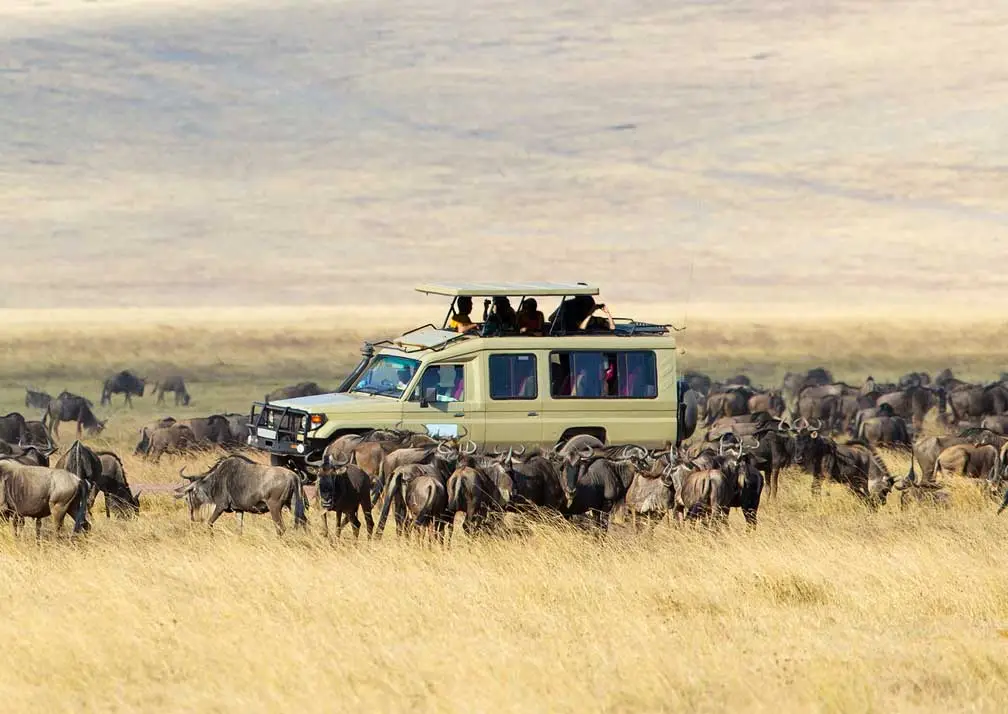
Great Migration Safaris
Experience one of nature's greatest spectacles with our Great Migration safari packages, timed for river crossings or calving.
View Package →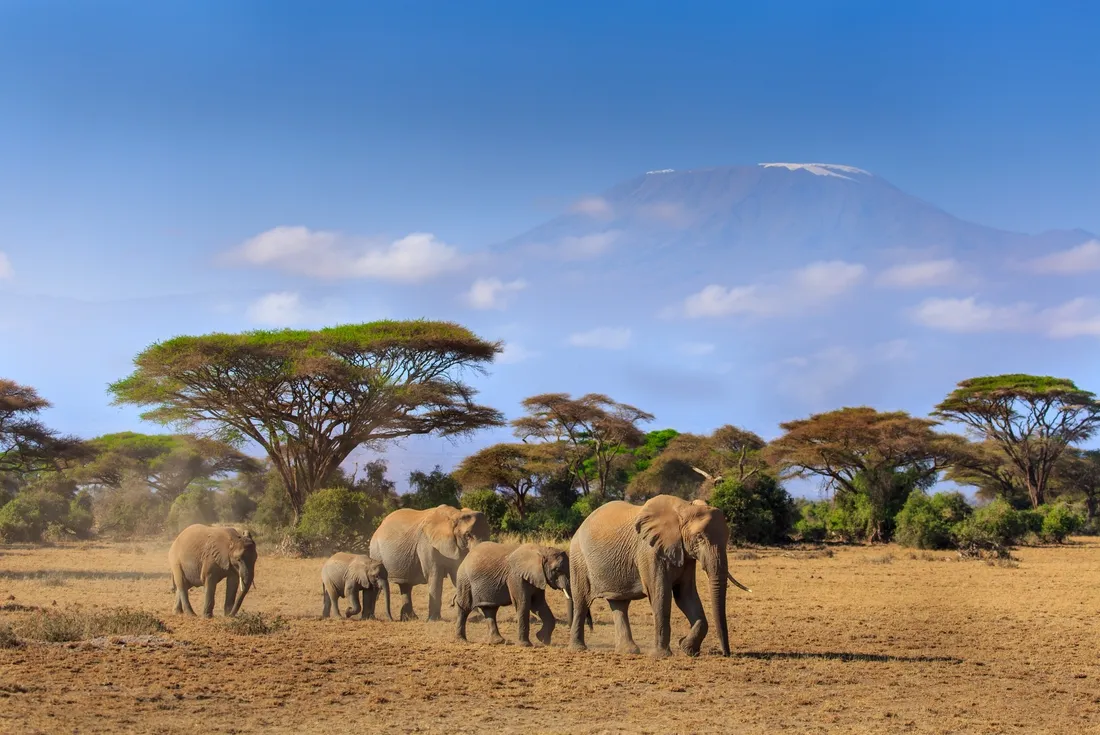
Serengeti & Kilimanjaro Trek
Combined safari and trekking tours offer wildlife adventures and Kilimanjaro climbs.
View Package →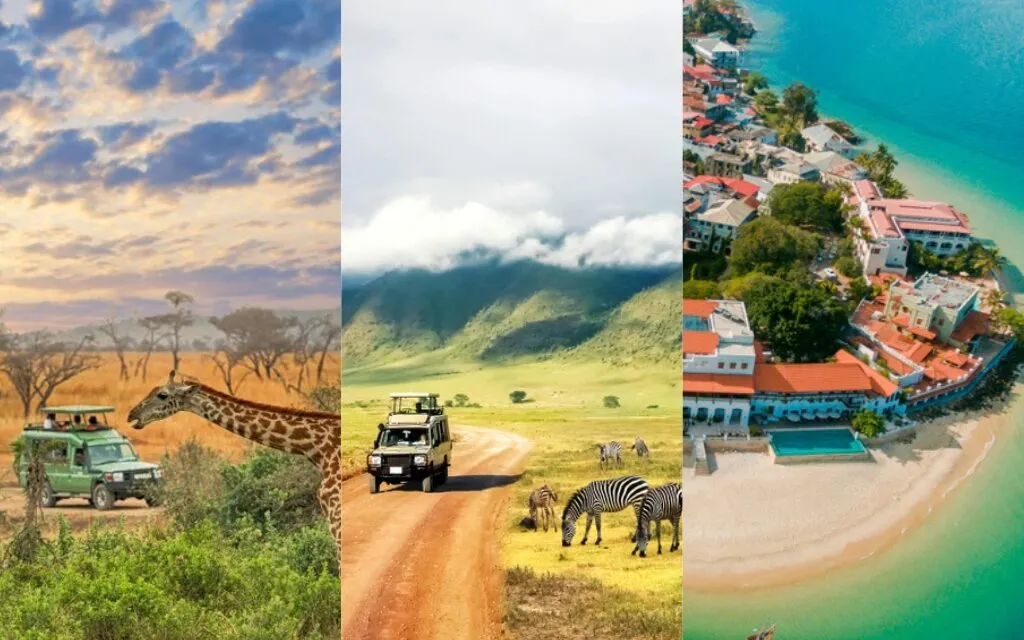
Serengeti & Zanzibar Tours
Luxury Tanzania safari & beach packages with the Great Migration and pristine beaches.
View Package →Related: Best Time to Visit Tanzania 2026 – Perfect safari extension after your Namibia adventure.