
Most Complete Nauru Travel Guide 2026-2027 – Everything You Need to Know Before Visiting
This Nauru travel guide provides everything you need to plan your journey to the world’s smallest island republic. Nauru offers an extraordinary blend of Pacific island beauty, dramatic phosphate mining landscapes, WWII history, and authentic Micronesian culture that create one of the planet’s most unique travel experiences. Many travelers who want to visit Nauru are surprised by the country’s incredible story of boom-and-bust wealth, environmental recovery, and resilient community spirit. Covering just 21 square kilometers and home to only 12,000 people, Nauru is the third-smallest country by area yet punches far above its weight in fascination and intrigue.
Start Reading the Full Guide ↓Quick Facts About Nauru
- Capital: Yaren (de facto – no official capital).
- Currency: Australian Dollar (AUD).
- Time Zone: Nauru Time (UTC+12).
- International Calling Code: +674.
- Driving Side: Left.
- Major Airport: Nauru International Airport (INU).
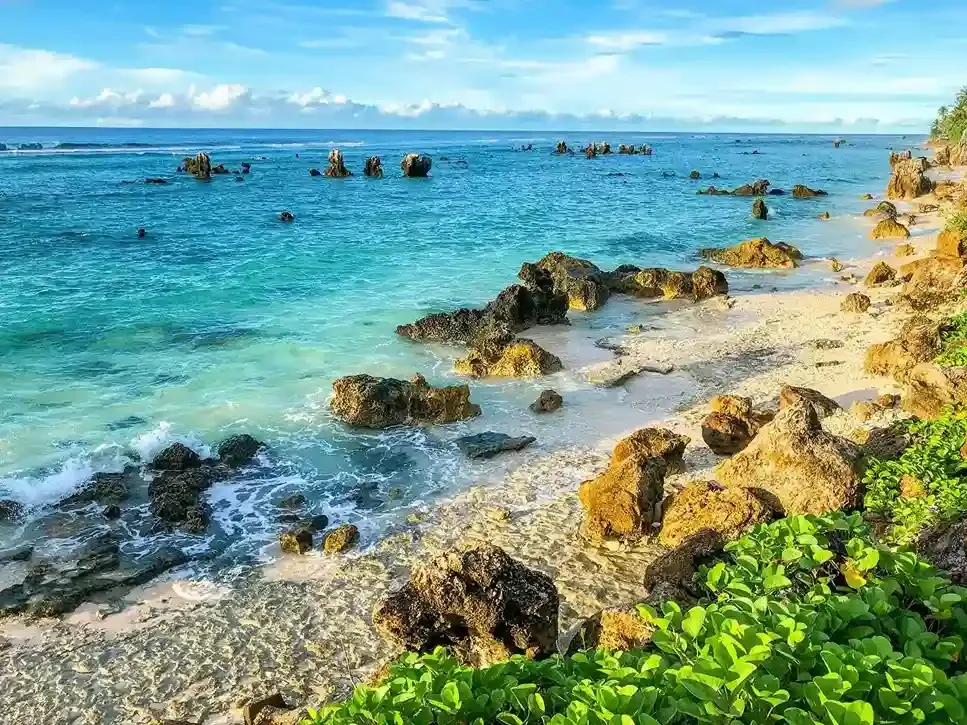
Nauru Overview & Key Facts
Brief History of Nauru
Nauru’s history spans millennia of Micronesian settlement, followed by German colonization, Japanese WWII occupation, and one of the world’s most dramatic economic rises and falls through phosphate mining. First inhabited around 3,000 years ago, Nauru was a peaceful matrilineal society until European contact in 1798. German annexation in 1888 was followed by Australian administration after WWI, then brutal Japanese occupation (1942–1945) during which two-thirds of the population was deported. Independence came in 1968 at the peak of phosphate wealth, making Nauru briefly the world’s second-richest nation per capita.
Independence & National Identity
- Independence date: January 31, 1968.
- Former colonial powers: Germany, Australia, Japan.
- National symbols & identity.
Nauru gained independence from Australia after decades of phosphate exploitation. The national flag features a yellow stripe representing the Equator, a blue field for the Pacific, and a 12-pointed star symbolizing the original tribes. National identity of Nauru centers on resilience, community, and Christian faith, with strong pride in surviving environmental and economic challenges.
Government System & Current Leadership
- Type of government: Parliamentary Republic
- Current president: David Adeang (2023–present)
- Notes on political stability
Nauru operates as a parliamentary democracy with frequent changes of government. Politics can be fluid but remain peaceful. Travelers experience no impact from political transitions.
Population, Ethnic Groups & Languages
- Population: ~12,500 (2025 estimate).
- Major ethnic groups: Nauruan (88%), other Pacific Islanders, Chinese, Australian.
- Official language(s): Nauruan and English.
- Additional languages commonly spoken.
English is universally understood and used in government, education and tourism. Nauruan remains widely spoken in homes and cultural contexts.
Main Religions & Cultural Identity
Christianity dominates with approximately 95% of the population (mostly Protestant and Catholic). Church plays a central role in community life and Sunday is strictly observed. Traditional beliefs and customs continue alongside Christianity.
Geography & Natural Landscape
Nauru is a raised coral atoll with a central phosphate plateau surrounded by a narrow coastal belt. The interior “Topside” region features dramatic limestone pinnacles from decades of mining. A fertile coastal strip (150–300m wide) contains most settlements and the beautiful Buada Lagoon – a rare inland freshwater lake.
Economy & Tourism Highlights
After phosphate exhaustion, Nauru’s economy has diversified into offshore banking (controversial), Australian immigration processing center, and slowly emerging tourism. The government actively promotes responsible tourism focused on history, culture and environmental recovery.
What Nauru Is Known For
- World’s smallest island republic (21 km²)
- Phosphate mining “moonscape” interior
- Rich WWII Japanese occupation relics
- One of the world’s least-visited countries
Visa & Entry Requirements in Nauru
Almost all visitors require a visa arranged in advance – Nauru has no visa-on-arrival or e-visa system. Applications must be sponsored by a local entity (usually your hotel). Processing typically takes 7–14 days.
Do You Need a Visa?
Yes – citizens of nearly all countries require a pre-arranged visa. Only Taiwanese passport holders currently have visa-free access (90 days).
Visa Application Options in Nauru
- Sponsored visa through hotel or government department (only practical method)
- No embassy applications – everything handled by local sponsor
Hotels (Menen or OD-N-Aiwo) typically handle the entire process for guests. Provide passport copy, flight details, accommodation booking and police clearance (some nationalities).
Passport Validity & Entry Documents
Passport must be valid for 6 months beyond intended stay. You’ll receive a visa letter by email to present with your passport on arrival.
Customs Rules & Prohibited Items
Drones require prior permission. Alcohol import limited to 2 liters spirits + 2 liters wine per adult. Strict biosecurity – all food items must be declared.
Safety & Security Information in Nauru
Nauru is one of the safest countries in the Pacific with virtually no violent crime against tourists. The small, tight-knit community ensures visitors are warmly welcomed and protected.
Is Nauru Safe for Tourists?
Extremely safe. Most travel advisories rate Nauru Level 1 (normal precautions). Petty theft is rare but possible – standard precautions apply.
Recommended Safety Tips when in Nauru
Drink only bottled water. Wear reef shoes when swimming (coral and stonefish). Road safety – drive slowly, many pedestrians. No dangerous wildlife.
Safe Areas vs. Areas to Avoid in Nauru
The entire island is safe. The Australian processing center (restricted zone) is off-limits but clearly marked.
Emergency Numbers & Tourist Police in Nauru
- Police/Fire/Ambulance: 110 or 111
- Hospital: +674 555 4301
Health Requirements & Vaccinations in Nauru
No mandatory vaccinations except yellow fever if arriving from endemic countries. Medical facilities are basic – serious cases are evacuated to Australia.
Mandatory Vaccinations in Nauru
Yellow fever certificate required if arriving from affected countries.
Recommended Vaccinations in Nauru
Hepatitis A & B, Typhoid, routine vaccines. Consider Japanese encephalitis if staying long-term.
Malaria & Other Risks
No malaria. Main risks: dehydration, sunburn, reef injuries, occasional dengue outbreaks.
Travel Insurance Recommendations in Nauru
Essential – must cover medical evacuation to Australia (can exceed $50,000).
Best Time to Visit in Nauru
Tropical climate year-round (26–31°C). May–October is drier and slightly cooler; November–April wetter but still excellent.
Weather by Season
Consistent warm temperatures. Trade winds provide cooling. Wet season brings occasional heavy showers but rarely affects travel.
When to Visit Nauru for Best Experiences
- Independence Day celebrations – January 31
- Angam Day (population recovery celebration) – October 26
- Christmas and church festivals
Weather & Climate Overview in Nauru
Equatorial climate with consistent temperatures and moderate rainfall. No cyclones (outside cyclone belt).
Temperature Ranges
Daytime 28–32°C year-round, nights 25–28°C. Water temperature 28–30°C.
Rainy & Dry Seasons in Nauru
May–October drier (trade wind season); November–April wetter but rarely continuous rain.
What to Wear Based on the Weather
Light cotton clothing, hat, sunglasses, high-SPF sunscreen, reef shoes, light rain jacket (wet season).
Main Currency, Costs & Budgeting in Nauru
Nauru uses Australian Dollar (AUD). Cash-only economy – no ATMs or credit cards anywhere on the island.
Local Currency Information
AUD banknotes and coins. Bring sufficient cash from Australia or Brisbane – no currency exchange on Nauru.
Average Travel Costs in Nauru
Budget $150–250/day; mid-range $300–450/day. Limited accommodation and expensive flights make Nauru costly despite small size.
Using ATMs, Cards & Mobile Money in Nauru
None available – bring all cash needed for entire stay.
Tipping Guidelines in Nauru
Not expected or customary.
Transportation & Getting Around in Nauru
The island is only 21 km² – circumference road 19 km. Most visitors rent a car or use hotel transport.
Airport Transfers
Hotels arrange transfers (10–15 min drive). No taxis or public transport from airport.
Local Transport Options in Nauru
Rental cars (through hotels), hotel shuttle, walking, or friendly locals offering rides.
Nauru Domestic Flights
None – single island.
Car Rentals & Road Conditions in Nauru
Rental cars available through hotels. Good sealed ring road, rough interior tracks. Drive on left.
Accommodation Options available in Nauru
Very limited – only two proper hotels and a few guesthouses.
Types of Accommodations in Nauru
Menen Hotel (government-owned, best facilities), OD-N-Aiwo Hotel, small g896 guesthouses.
Budget vs. Mid-Range vs. Luxury
All accommodation is mid-range by price ($150–300/night) due to scarcity.
Best Areas to Stay in Nauru
Anywhere – entire island is 30 minutes drive end-to-end.
Essential Packing Guide when Visiting Nauru
Cash, medications, snorkeling gear, strong sunscreen, hat, reef shoes, power bank, universal adapter (Australian plugs).
Clothing Essentials
Light tropical clothing, modest attire for church/government visits, swimwear + rash guard.
Footwear & Gear
Reef shoes essential, comfortable sandals, hat, snorkel gear (limited rental).
Electronics & Cameras
Australian plugs (Type I), 240V. Power reliable but bring power bank.
Toiletries & Personal Items
Bring all prescription medications + extras. Basic supplies available but expensive.
Language & Communication in Nauru
English universally spoken. Nauruan used in homes and ceremonies.
Main Languages Spoken in Nauru
English (official), Nauruan (national language).
Useful Phrases for Tourists
“Tubwa” (hello), “Angam” (thank you), “Ekor” (yes).
SIM Cards & Mobile Data used in Nauru
Digicel SIMs available (good 4G coverage).
Internet Availability & Wi-Fi in Nauru
Wi-Fi at both hotels (slow but functional). Mobile data good coverage.
Culture & Etiquette in Nauru
Conservative Christian society with strong community values. Sunday is strictly observed – most businesses closed.
Nauruan Dress Code Expectations
Modest clothing in public areas and government buildings. Swimwear only at beaches.
Social Etiquette & Respectful Behavior of Nauru
Remove shoes when entering homes. Accept offers of food/drink. Ask permission before photographing people.
Photography Rules in Nauru
Ask permission for people photos. No photos inside the Australian processing center.
Important Cultural Dos & Don’ts in Nauru
Do attend church if invited. Don’t walk through phosphate mining areas without permission. Respect Sunday observance.
Food, Water & Dining in Nauru
Limited dining options – mostly hotel restaurants and small local eateries.
Nauruan Local Dishes to Try
Fresh tuna, coconut crab (when available), pandanus dishes, imported Australian food.
Dietary Options in Nauru
Limited vegetarian options. Fresh fish widely available.
Drinking Water Safety
Drink only bottled or hotel-provided water. Rainwater tanks used locally.
Restaurant Etiquette
Casual dining. Many places close early.
Top Attractions & Things to Do in Nauru
Command Ridge (highest point + WWII relics), Buada Lagoon, phosphate pinnacles, Anibare Bay, Japanese WWII guns and prisons, fishing, snorkeling.
Major Tourist Attractions in Nauru
- Command Ridge & WWII Japanese guns
- Buada Lagoon
- Phosphate pinnacles “Topside”
- Anibare Bay & harbor
Best Tours & Experiences in Nauru
Full-island tour (3–4 hours), WWII history tour, fishing trips, snorkeling at Anibare Bay.
Family-Friendly Activities to do in Nauru
Swimming at Anibare Bay, visiting Buada Lagoon, watching local football matches.
Unique Cultural or Historical Sites to visit in Nauru
Japanese WWII prison and gun emplacements, Parliament House, traditional Nauruan house visits.
Nauruan Electrical System Information
Australian standard – Type I plugs, 240V, 50Hz.
Plug Types & Voltage used in Nauru
Type I (three flat pins). Bring adapter if needed.
Charging Tips
Power reliable at hotels. Bring power bank for day trips.
Local Laws & Regulations of Nauru
Strictly no drones without permission. Alcohol sales restricted. Sunday trading limited.
Rules Travelers Need to Know when In Nauru
No walking in active mining areas. Respect restricted zones around Australian center.
Alcohol, Smoking & Substance Laws of Nauru
Alcohol available at hotels only. All drugs strictly prohibited.
Restricted or Protected Areas in Nauru.
Australian processing center and active mining zones.
Final Travel Tips for Visitors in Nauru
Bring sufficient cash (AUD), book accommodation early, bring medications, respect local customs, be flexible – Nauru runs on “island time.”
Common Mistakes to Avoid
Arriving without pre-arranged visa, insufficient cash, expecting luxury facilities, visiting on Sunday when everything closed.
Tips to Save Money when Visiting Nauru
Difficult – costs are fixed and high due to remoteness.
Safety & Comfort Tips
Stay hydrated, wear reef shoes, bring strong sunscreen, respect local customs.
Frequently Asked Questions – Nauru Travel Guide 2026-2027
Our Tanzania Tours Products
While Nauru offers unique Pacific island history and landscapes, many travelers combine remote destinations with the ultimate wildlife experience in East Africa. Capable Africa Tours specializes in secure, guided safaris that maximize safety and wonder. Our expert local guides, armed rangers in parks, and vetted accommodations ensure peace of mind. From family-friendly lodges to luxury camps, we handle logistics so you focus on the magic. Tanzania ranks high for tourist safety with dedicated wildlife protection units and stable northern circuits.
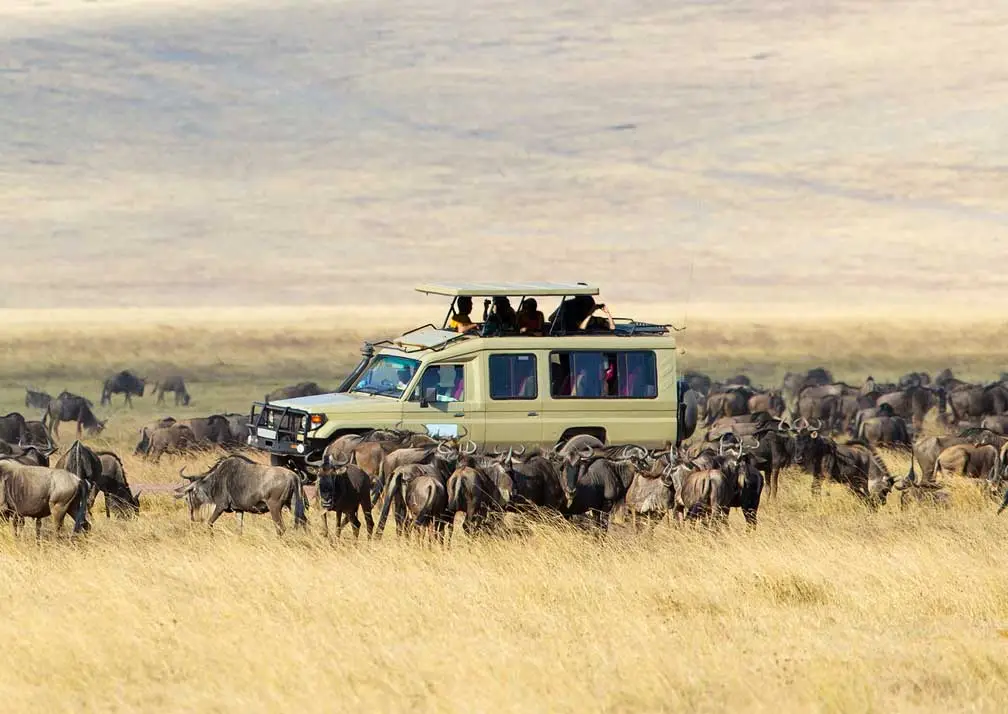
Great Migration Safaris
Experience one of nature's greatest spectacles with our Great Migration safari packages, timed for river crossings or calving.
View Package →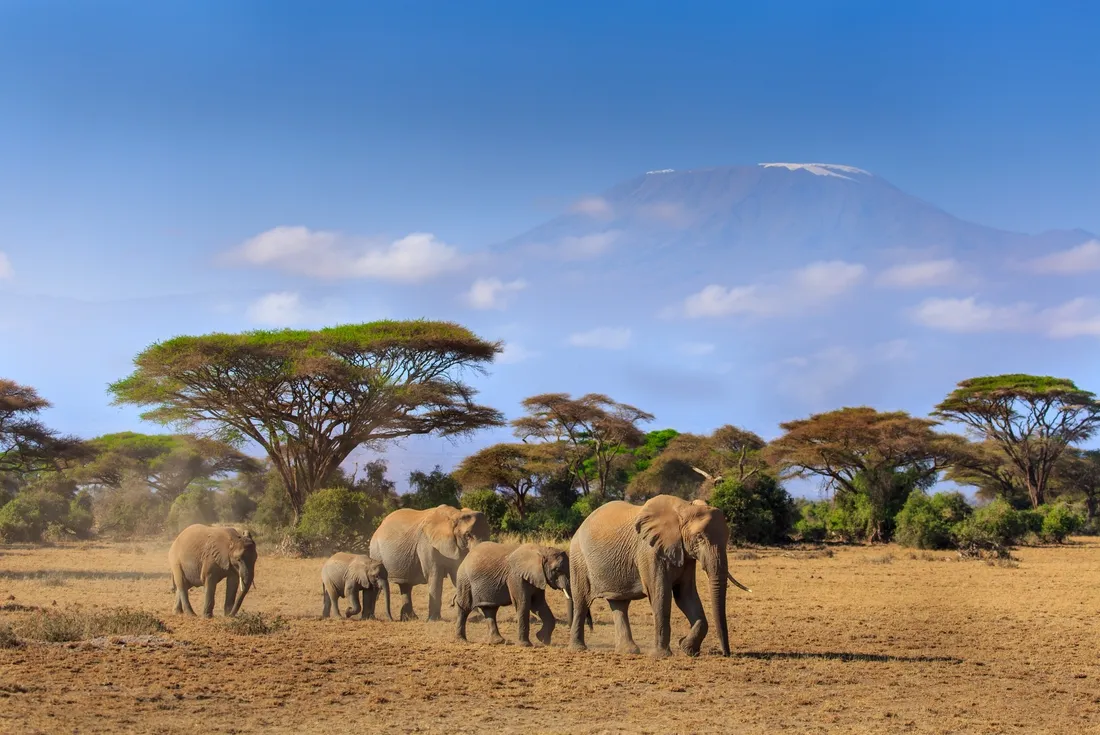
Serengeti & Kilimanjaro Trek
Combined safari and trekking tours offer wildlife adventures and Kilimanjaro climbs.
View Package →
Serengeti & Zanzibar Tours
Luxury Tanzania safari & beach packages with the Great Migration and pristine beaches.
View Package →Related: Best Time to Visit Tanzania 2026 – Perfect safari extension after your Nauru adventure.