Most Complete Nepal Travel Guide 2026-2027 – Everything You Need to Know Before Visiting
This Nepal travel guide provides everything you need to plan your journey to the roof of the world. Nepal offers an extraordinary blend of the highest Himalayan peaks, ancient temples, medieval cities and lush jungles that create one of Asia's most diverse travel experiences. Many travelers who want to visit Nepal are surprised by the country's incredible diversity and rich cultural heritage spanning Hindu and Buddhist kingdoms, Newari architecture and eight of the world's ten highest mountains including Mount Everest.
Start Reading the Full Guide ↓Quick Facts About Nepal
- Capital: Kathmandu.
- Currency: Nepalese Rupee (NPR).
- Time Zone: Nepal Time (NPT, UTC+5:45).
- International Calling Code: +977.
- Driving Side: Left.
- Major Airports: Tribhuvan International Airport (Kathmandu), Pokhara International Airport (from 2023).
Nepal Overview & Key Facts
Brief History of Nepal
Nepal's history spans over 2,000 years, from ancient Kirat and Licchavi kingdoms through the golden Malla era of art and architecture to unification under Prithvi Narayan Shah in 1768. Never colonized, Nepal maintained independence throughout British rule in India. The country transitioned from absolute monarchy to federal democratic republic in 2008 after a decade-long civil conflict.
Independence & National Identity
- Never colonized – “only Hindu kingdom” until 2008.
- National symbols & identity.
Nepal proudly celebrates never having been colonized. The flag – the only non-rectangular national flag – features sun and moon symbols. Nepal's National identity revolves around the Himalayas, Gurkha bravery, and peaceful coexistence of Hinduism (81%) and Buddhism (9%).
Government System & Current Leadership
- Type of government: Federal Democratic Republic
- Current president: Ram Chandra Paudel
- Current prime minister: KP Sharma Oli (as of 2025)
Nepal has experienced frequent government changes since becoming a republic. Politics remains dynamic but stable for tourism – changes rarely affect visitors.
Population, Ethnic Groups & Languages
- Population: 31.2 million (2025 projection).
- Major ethnic groups: Chhetri (16.6%), Brahmin-Hill (12.2%), Magar, Tharu, Tamang, Newar.
- Official language: Nepali.
Over 120 ethnic groups and 123 recognized languages. English widely used in tourism and education.
Main Religions & Cultural Identity
Hinduism (81%) and Buddhism (9%) dominate, with unique syncretism – many sites sacred to both faiths (e.g., Pashupatinath, Swayambhunath). Nepal was the world’s last Hindu kingdom until 2008.
Geography & Natural Landscape
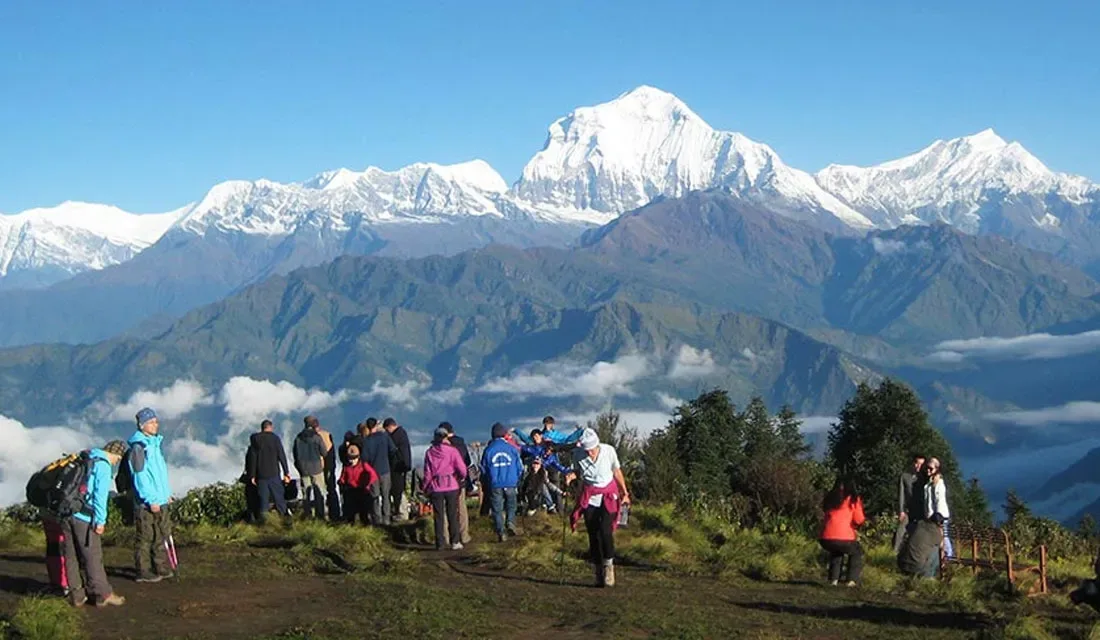
Nepal contains three distinct zones: Terai plains (jungles), mid-hills (Kathmandu/Pokhara), and High Himalaya (eight 8,000 m peaks including Everest). From 60 m to 8,848 m elevation in just 150 km north-south.
Economy & Tourism Highlights
Tourism, remittances and hydropower are key drivers. Nepal welcomed over 1 million tourists in 2024 and targets 2 million by 2027 with new airports and infrastructure.
What Nepal Is Known For
- Birthplace of Lord Buddha (Lumbini)
- Mount Everest & eight of world’s ten highest peaks
- UNESCO Kathmandu Valley sites
- World-class trekking & mountaineering
Visa & Entry Requirements in Nepal
Most nationalities receive visa on arrival – one of the easiest in Asia. Indian citizens enter freely with ID.
Do You Need a Visa?
Yes for most – but visa on arrival available at Kathmandu airport and major land borders (15/30/90 days). Free for SAARC nationals (except Afghanistan).
Visa Application Options in Nepal
- Visa on arrival (airport & most land borders)
- Online pre-application (faster at airport)
- Nepal embassy (rarely needed)
Passport Validity & Entry Documents
Passport valid 6 months + 2 blank pages. Return/onward ticket sometimes asked.
Customs Rules & Prohibited Items
Drones require prior permission. Antiquities cannot be exported. Up to $5,000 cash declaration.
Safety & Security Information in Nepal
Nepal is very safe for tourists. Violent crime against foreigners is extremely rare.
Is Nepal Safe for Tourists?
Yes – rated Level 1 or 2 by most governments. Main risks: altitude sickness, trekking accidents, occasional political demonstrations in Kathmandu.
Recommended Safety Tips when in Nepal
Use registered trekking agencies, hire guides for high routes, buy travel insurance with helicopter evacuation cover, drink only bottled/boiled water.
Safe Areas vs. Areas to Avoid in Nepal
All tourist areas safe. Avoid isolated border areas with India at night due to petty smuggling.
Emergency Numbers & Tourist Police in Nepal
- Police: 100
- Tourist Police: 1144 (Kathmandu), units in Pokhara, Chitwan
- Ambulance: 102
Health Requirements & Vaccinations in Nepal
No mandatory vaccinations except Yellow Fever if arriving from affected country.
Mandatory Vaccinations in Nepal
None for direct arrivals.
Recommended Vaccinations in Nepal
Hepatitis A, Typhoid, Tetanus, Rabies (pre-exposure if remote trekking), Japanese Encephalitis (Terai).
Malaria & Other Risks
Low malaria risk in Chitwan/Terai below 1,200 m (April–Oct). Altitude sickness major concern above 2,500 m.
Travel Insurance Recommendations in Nepal
Mandatory for trekking permits above certain routes. Must cover helicopter evacuation up to 6,000 m (can cost $10,000+).
Best Time to Visit in Nepal
October–November and March–April are peak seasons with clear skies and moderate temperatures.
Weather by Season
Autumn (Oct–Nov): clear, dry, best visibility. Spring (Mar–Apr): warmer, rhododendrons blooming. Winter (Dec–Feb): cold but clear for Everest views. Monsoon (Jun–Aug): heavy rain, landslides, leeches.
When to Visit Nepal for Best Experiences
- Trekking: Oct–Nov & Mar–May
- Everest views: October & late April–May
- Festivals: Dashain (Sep/Oct), Holi (March)
High Season vs. Low Season Travel
High season Oct–Nov & Mar–Apr. Low season monsoon (cheaper, greener, fewer crowds).
Weather & Climate Overview in Nepal
Massive variation from subtropical Terai to arctic conditions above 5,000 m.
Temperature Ranges
Kathmandu: 2–30°C year-round. Everest Base Camp: -15°C to 10°C. Pokhara milder than Kathmandu.
Rainy & Dry Seasons in Nepal
Monsoon June–September (80% annual rainfall). Dry Oct–May.
What to Wear Based on the Weather
Layering essential. Down jacket for evenings/high altitude, quick-dry trekking clothes, rain jacket for monsoon/shoulder season.
Main Currency, Costs & Budgeting in Nepal
Excellent value destination. Cash king outside major cities.
Local Currency Information
Nepalese Rupee (NPR). ATMs plentiful in Kathmandu/Pokhara.
Average Travel Costs in Nepal
Budget $35–60/day (teahouse trek), mid-range $80–150, luxury $200+.
Using ATMs, Cards & Mobile Money in Nepal
Cards accepted in cities, cash needed on trek. eSewa/Khalti popular local mobile payments.
Tipping Guidelines in Nepal
10% in restaurants if no service charge. Trekking guides/porters: $8–15/day each from group.
Transportation & Getting Around in Nepal
Domestic flights essential for mountain access. Tourist buses common.
Airport Transfers
Prepaid taxis or apps (Pathao/InDrive) from Kathmandu airport.
Local Transport Options in Nepal
Tourist buses Kathmandu–Pokhara–Chitwan, local buses cheaper, micro-buses, taxis, e-rickshaws.
Nepal Domestic Flights
Frequent Kathmandu–Lukla (Everest), Pokhara–Jomsom, Bharatpur (Chitwan). Book early in high season.
Car Rentals & Road Conditions in Nepal
Possible with driver (recommended). Self-drive rare. Mountain roads winding and narrow.
Accommodation Options available in Nepal
From $8 teahouses to $800 luxury resorts.
Types of Accommodations in Nepal
Teahouses (trekking), guesthouses, boutique hotels, international chains (Kathmandu/Pokhara), jungle lodges (Chitwan).
Budget vs. Mid-Range vs. Luxury
Budget $10–30, mid $40–120, luxury $150–800+.
Best Areas to Stay in Nepal
Thamel (Kathmandu), Lakeside (Pokhara), Sauraha (Chitwan), Namche Bazaar (Everest trek).
Essential Packing Guide when Visiting Nepal
Layering, good boots, altitude medication, power bank.
Clothing Essentials
Quick-dry trekking pants, fleece, down jacket, rain jacket, sun hat, warm hat, gloves.
Footwear & Gear
Broken-in hiking boots, camp shoes/sandals, trekking poles, headlamp.
Electronics & Cameras
Power bank (solar useful), universal adapter (Type C/D/M), GoPro for trekking.
Toiletries & Personal Items
Diamox, water purification tablets, wet wipes, high SPF, lip balm with SPF.
Language & Communication in Nepal
Nepali official, English widespread in tourism.
Main Languages Spoken in Nepal
Nepali, English, plus many ethnic languages.
Useful Phrases for Tourists
Namaste (hello), Dhanyabad (thank you), Kati ho? (how much?), Dherai ramro (very good).
SIM Cards & Mobile Data used in Nepal
Ncell or Nepal Telecom – good coverage even on popular treks.
Internet Availability & Wi-Fi in Nepal
Wi-Fi in most teahouses (fee on high routes), fast fiber in cities.
Culture & Etiquette in Nepal
Deeply spiritual society with Hindu/Buddhist customs.
Nepali Dress Code Expectations
Modest around temples (cover shoulders/knees). Shoes off before entering homes/temples.
Social Etiquette & Respectful Behavior of Nepal
Use right hand for eating/giving, “Namaste” greeting with palms together, don’t touch anyone’s head, don’t point feet at people/Buddha images.
Photography Rules in Nepal
Ask permission for people (especially sadhus/monks). No photos inside some temples.
Important Cultural Dos & Don’ts in Nepal
Do walk clockwise around stupas/temples. Don’t offer food touched by your mouth, don’t step over people.
Food, Water & Dining in Nepal
Dal-bhat power, 24 hour!
Nepali Local Dishes to Try
Dal bhat (lentils, rice, veg), momos, sel roti, Newari samay baji, thukpa, gorkhali lamb.
Dietary Options in Nepal
Plenty vegetarian (many Hindus). Vegan possible but ask about ghee. Meat safe in cities/trekking lodges.
Drinking Water Safety
Never drink tap water. Bottled or purified. Most teahouses offer safe boiled/refilled water.
Restaurant Etiquette
Tipping 10% appreciated if no service charge. Eat with right hand in traditional places.
Top Attractions & Things to Do in Nepal
Everest Base Camp trek, Annapurna Circuit, Kathmandu Valley UNESCO sites, Chitwan/Bardia jungle safari, Pokhara adventure sports.
Major Tourist Attractions in Nepal
- Kathmandu Durbar Square, Swayambhunath, Boudhanath, Pashupatinath
- Everest Base Camp / Gokyo Lakes
- Annapurna Circuit / Base Camp
- Lumbini (Buddha’s birthplace)
Best Tours & Experiences in Nepal
Guided treks, Everest flight, jungle safari, paragliding Pokhara, white-water rafting.
Family-Friendly Activities to do in Nepal
Chitwan elephant safari, Pokhara boating, short treks (Ghorepani–Poon Hill), Kathmandu sightseeing.
Unique Cultural or Historical Sites to visit in Nepal
Bhaktapur medieval city, Gorkha palace, Mustang kingdom, Tengboche monastery.
Nepali Electrical System Information
230V, 50Hz. Frequent load-shedding rare since 2018 but power banks still useful.
Plug Types & Voltage used in Nepal
Type C, D and M (Indian-style round pins common).
Charging Tips
Bring power bank and universal adapter. Solar charging common on treks.
Local Laws & Regulations of Nepal
Respect royal family and religion legally protected. No proselytizing.
Rules Travelers Need to Know when In Nepal
TIMS card & national park permits required for trekking. No smoking in public places. Plastic bags banned in many areas.
Alcohol, Smoking & Substance Laws of Nepal
Cannabis illegal despite cultural use in some festivals. Alcohol widely available.
Restricted or Protected Areas in Nepal
Upper Mustang, Dolpo, Manaslu require restricted-area permits and registered guide.
Final Travel Tips for Visitors in Nepal
Book domestic flights early, hire licensed guides, get proper insurance, respect altitude.
Common Mistakes to Avoid
Rushing to altitude, not having evacuation insurance, drinking tap water, solo trekking restricted routes.
Tips to Save Money when Visiting Nepal
Eat dal bhat, stay in teahouses, use tourist buses, travel in groups for permits.
Safety & Comfort Tips
Acclimatize properly, hire porter for heavy bags, carry water purifier, register trek with embassy.
Frequently Asked Questions – Nepal Travel Guide 2026-2027
Our Tanzania Tours Products
While Nepal offers the ultimate Himalayan adventure, many travelers combine the roof of the world with Africa’s roof – Mount Kilimanjaro. Capable Africa Tours specializes in secure, guided climbs and safaris that maximize safety and wonder. Our expert local guides, armed rangers in parks, and vetted accommodations ensure peace of mind. Tanzania ranks high for tourist safety with dedicated wildlife protection units and stable northern circuits.
Great Migration Safaris
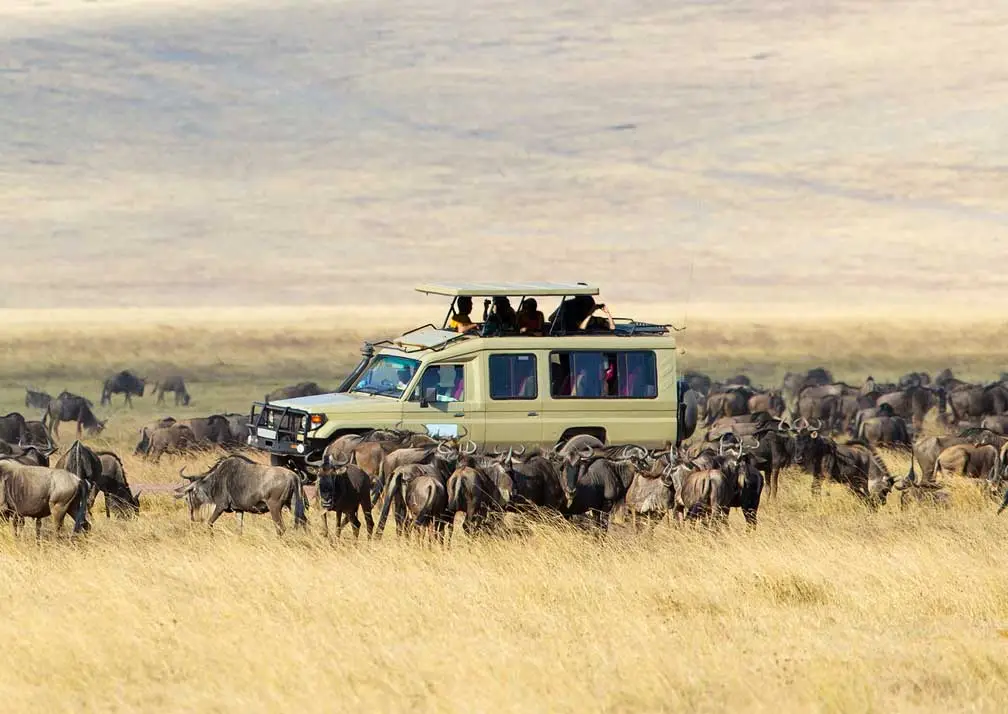
Experience one of nature's greatest spectacles with our Great Migration safari packages, timed for river crossings or calving.
View Package →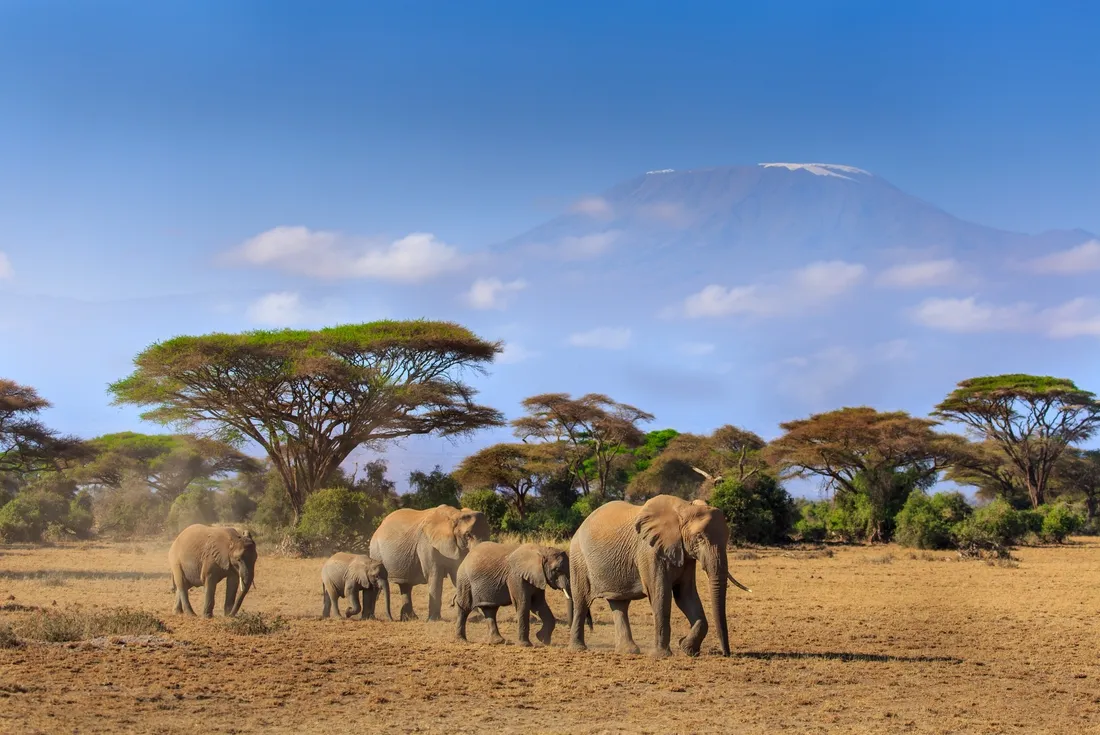
Serengeti & Kilimanjaro Trek
Combined safari and trekking tours offer wildlife adventures and Kilimanjaro climbs.
View Package →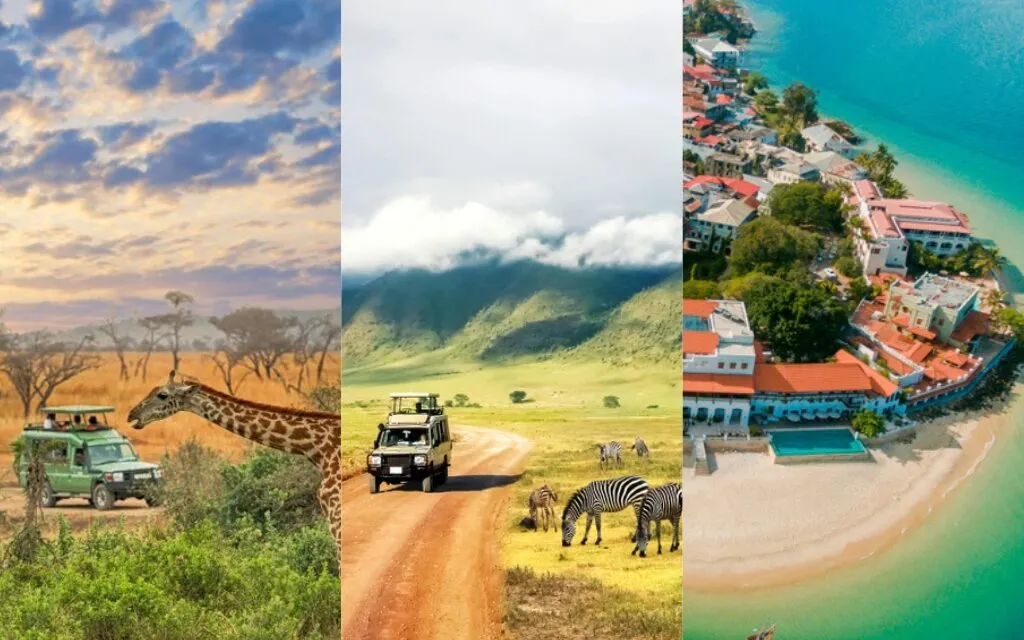
Serengeti & Zanzibar Tours
Luxury Tanzania safari & beach packages with the Great Migration and pristine beaches.
View Package →Related: Best Time to Visit Tanzania 2026 – Perfect safari extension after your Nepal adventure.