
Most Complete Netherlands Travel Guide 2026-2027 – Everything You Need to Know Before Visiting
This Netherlands travel guide provides everything you need to plan your journey to one of Europe's most charming and progressive countries. The Netherlands offers an extraordinary blend of historic canals, world-class museums, iconic windmills, tulip fields, and cutting-edge modern architecture that create one of the continent's most diverse travel experiences. Many travelers who want to visit the Netherlands are surprised by the country's incredible cycling culture, liberal attitudes, and mastery of water management in a nation where 26% of land sits below sea level.
Start Reading the Full Guide ↓Quick Facts About Netherlands
- Capital: Amsterdam (government seat in The Hague).
- Currency: Euro (€).
- Time Zone: Central European Time (CET, UTC+1).
- International Calling Code: +31.
- Driving Side: Right.
- Major Airports: Amsterdam Schiphol (AMS), Rotterdam The Hague (RTM), Eindhoven (EIN).
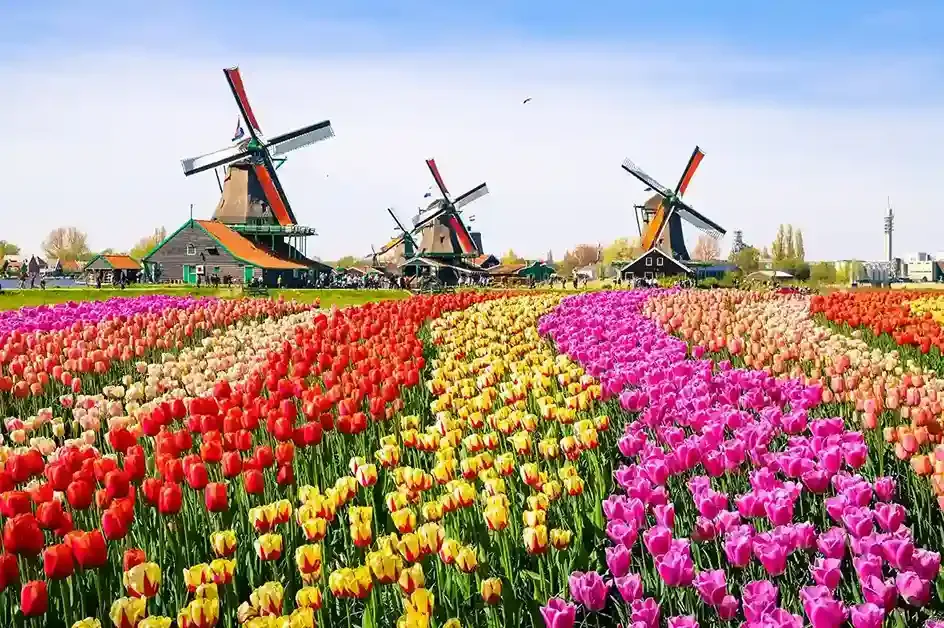
Netherlands Overview & Key Facts
Brief History of Netherlands
The Netherlands' history spans from Roman times through the Golden Age of trade and art in the 17th century to modern innovation. The Dutch mastered water management, building dikes and windmills to reclaim land from the sea. The Dutch East India Company (VOC) was the world’s first multinational corporation, and the country became a global maritime power. This rich historical tapestry creates a fascinating backdrop for modern travelers exploring the country's canals, museums and architectural treasures.
Independence & National Identity
- Independence date: 1648 (recognized by Spain).
- Former colonial power: Part of Spanish Habsburg empire.
- National symbols & identity.
The Netherlands gained effective independence after the Eighty Years' War and formal recognition in 1648. Today, Dutch identity centers on tolerance, innovation, direct communication, and pride in water management. The national color is orange (House of Orange-Nassau), and King's Day on 27 April is the biggest national celebration.
Government System & Current Leadership
- Type of government: Constitutional monarchy with parliamentary democracy
- Current monarch: King Willem-Alexander
- Notes on political stability
The Netherlands is a stable constitutional monarchy with King Willem-Alexander as head of state since 2013. The Prime Minister leads the government. The country consistently ranks among the world's most politically stable and least corrupt nations.
Population, Ethnic Groups & Languages
- Population: 18.1 million (2026 projection).
- Major ethnic groups: Dutch 76.1%, other European 11%, Turkish/Moroccan 5%, Indonesian/Surinamese 4%.
- Official language(s): Dutch (Nederlands) and Frisian (in Friesland).
- Additional languages commonly spoken.
English is spoken by over 90% of the population – the highest rate outside English-speaking countries. Many Dutch also speak German and French. Immigrant communities maintain Turkish, Arabic, and Indonesian languages.
Main Religions & Cultural Identity
The Netherlands is one of the most secular countries globally, with 57% identifying as non-religious. About 24% are Catholic, 15% Protestant, 5% Muslim, and smaller Hindu and Jewish communities. Dutch culture emphasizes equality, directness, tolerance, and work-life balance.
Geography & Natural Landscape
The Netherlands is famously flat, with 26% of land below sea level protected by dikes, dunes and Delta Works. The country features extensive canal systems, tulip fields, windmills, beaches, and modern polders. The highest point is only 322 meters (Vaalserberg).
Economy & Tourism Highlights
One of the world's wealthiest nations with major industries in technology, agriculture (second-largest exporter), logistics (Port of Rotterdam), and flowers. Tourism is a key sector with over 20 million international visitors annually drawn to Amsterdam, tulip fields, historic cities and cycling culture.
What Netherlands Is Known For
- UNESCO sites: Kinderdijk windmills, Amsterdam canal belt, Van Gogh Museum
- Tulip fields and Keukenhof gardens
- World-class museums (Rijksmuseum, Van Gogh, Anne Frank House)
- Cycling culture and progressive policies
Visa & Entry Requirements in Netherlands
Most international visitors from over 90 countries enjoy visa-free entry to the Netherlands for up to 90 days within any 180-day period under Schengen rules. The ETIAS travel authorization will be required starting mid-2026 for visa-exempt travelers. Processing is online and costs €7.
Do You Need a Visa?
EU/EEA/Swiss citizens have unlimited stay rights. USA, Canada, Australia, UK, New Zealand, Japan, Singapore and many Latin American countries enjoy 90-day visa-free access. Other nationalities require a Schengen tourist visa applied for in advance.
Visa Application Options in Netherlands
- Visa-free (90 days) + ETIAS from mid-2026
- Schengen short-stay visa (for non-exempt nationalities)
- Long-stay visa (MVV) for stays over 90 days
Schengen visas are applied through Dutch embassies or VFS Global centers. Processing typically takes 15–45 days.
Passport Validity & Entry Documents
Passport must be valid for 3 months beyond intended departure from Schengen area. Return/onward ticket and proof of accommodation/funds may be requested. ETIAS approval (from mid-2026) will be checked at border.
Customs Rules & Prohibited Items
Standard EU customs rules apply. €10,000+ cash must be declared. Duty-free allowances from non-EU countries: 1L spirits, 4L wine, 16L beer, 200 cigarettes. Drugs (even soft drugs outside licensed coffeeshops) are strictly prohibited when entering.
Safety & Security Information in Netherlands
The Netherlands is consistently ranked among the safest countries in Europe and the world. Most governments rate it Level 1 (exercise normal precautions). Terrorism risk is low, and violent crime against tourists is rare.
Is Netherlands Safe for Tourists?
Yes – extremely safe. Main concerns are pickpocketing in crowded tourist areas (Amsterdam Centraal, Red Light District, trams) and bicycle theft. Violent crime is rare.
Recommended Safety Tips when in Netherlands
Use hotel safes, be aware on trams and at stations, don’t leave bags unattended, use bike locks, avoid unofficial taxis, and be cautious with drinks in nightlife areas. Emergency number is 112 (Europe-wide).
Safe Areas vs. Areas to Avoid in Netherlands
Every major tourist area is safe day and night. No significant “no-go” zones exist for tourists. Exercise normal caution in large crowds and at night in entertainment districts.
Emergency Numbers & Tourist Police in Netherlands
- Emergency (police/ambulance/fire): 112
- Non-emergency police: 0900-8844
- Tourist police units operate in Amsterdam
English-speaking operators available 24/7.
Health Requirements & Vaccinations in Netherlands
No vaccination certificates required. Healthcare is world-class with excellent English-speaking doctors. Tap water is safe and among the best in Europe.
Mandatory Vaccinations in Netherlands
None for any traveler.
Recommended Vaccinations in Netherlands
Routine vaccines only. Tick-borne encephalitis considered if extensive hiking/camping in summer.
Malaria & Other Risks
No malaria or tropical diseases. Main risks are seasonal flu and occasional tick bites in nature areas.
Travel Insurance Recommendations in Netherlands
Highly recommended. EU citizens should bring EHIC/GHIC card. Non-EU travelers need comprehensive coverage including medical evacuation and trip cancellation.
Best Time to Visit in Netherlands
April–May (tulip season) and June–September (warmest weather) are peak, but the country is enjoyable year-round with proper clothing.
Weather by Season
Spring (Mar–May): 8–17°C, tulips bloom mid-March to mid-May. Summer (Jun–Aug): 17–23°C, long daylight. Autumn (Sep–Nov): 10–17.org–18°C, beautiful foliage. Winter (Dec–Feb): 0–7°C, possible ice-skating on canals.
When to Visit Netherlands for Best Experiences
- Tulip fields: mid-March to mid-May (peak mid-April)
- King’s Day: 27 April
- Festivals & outdoor terraces: June–August
- Museums & Christmas markets: November–December
Shoulder seasons (April/M–and May, September–October) offer best weather/crowd balance.
High Season vs. Low Season Travel
High season: April–May & July–August. Low season: November–March (except Christmas markets). Accommodation 30–50% cheaper in low season.
Weather & Climate Overview in Netherlands
Maritime temperate climate with frequent rain (140+ rainy days/year) but mild temperatures. Weather changes quickly – pack layers.
Temperature Ranges
Winter: 0–7°C. Summer: 17–23°C (occasional 30°C+ heatwaves). Coastal areas slightly cooler than inland.
Rainy & Dry Seasons in Netherlands
Rain possible any day. July–August statistically driest, November wettest. Snow rare in coastal areas.
What to Wear Based on the Weather
Waterproof jacket, comfortable walking shoes, scarf, layers, and small umbrella or rain poncho year-round. Warm coat and gloves for winter.
Main Currency, Costs & Budgeting in Netherlands
The Netherlands uses the Euro (€). Contactless card payments accepted virtually everywhere – cash increasingly rare.
Local Currency Information
Euro notes and coins. Cards preferred; many places are “pin-only” (no cash).
Average Travel Costs in Netherlands
Budget: €90–140/day. Mid-range: €160–280/day. Luxury: €350+/day. Amsterdam significantly more expensive than smaller cities.
Using ATMs, Cards & Mobile Money in Netherlands
ATMs widespread. Maestro/VPay dominant; Visa/Mastercard widely accepted. Apple Pay/Google Pay common. Cash rarely needed outside markets.
Tipping Guidelines in Netherlands
Service included. Rounding up or 5–10% for exceptional service appreciated but not expected.
Transportation & Getting Around in Netherlands
Excellent public transport network. Trains are fast, frequent and punctual. Cycling is the Dutch way of life.
Airport Transfers
Schiphol Airport: direct trains to Amsterdam (15 min), taxis (€40–55), Uber/Bolt available.
Local Transport Options in Netherlands
Trains (NS), trams, buses, metro (Amsterdam/Rotterdam). OV-chipkaart or contactless payment. Bike rental everywhere (€10–15/day).
Netherlands Domestic Flights
Rarely needed – train faster and cheaper for most routes.
Car Rentals & Road Conditions in Netherlands
Excellent roads but heavy traffic around Randstad. Parking expensive in cities. International license accepted.
Accommodation Options available in Netherlands
Wide range from hostels and houseboats to luxury canal hotels and design boutiques.
Types of Accommodations in Netherlands
Hotels, B&Bs, houseboats, apartments, hostels, glamping, and unique stays (windmills, cranes).
Budget vs. Mid-Range vs. Luxury
Budget: €60–120/night. Mid-range: €140–250/night. Luxury: €300–1,000+/night.
Best Areas to Stay in Netherlands
Amsterdam: Jordaan, De Pijp, Museum Quarter. Rotterdam: city center. Utrecht: old town. Smaller towns offer cheaper and quieter options.
Essential Packing Guide when Visiting Netherlands
Pack for rain and layers any time of year. Comfortable walking/cycling shoes essential.
Clothing Essentials
Waterproof jacket, layers, scarf, comfortable shoes, small umbrella/poncho.
Footwear & Gear
Comfortable waterproof walking shoes. Bike helmet if planning extensive cycling.
Electronics & Cameras
Type C/F plugs, 230V/50Hz. Power banks useful for long museum days.
Toiletries & Personal Items
Everything widely available. Bring prescription medications.
Language & Communication in Netherlands
Dutch is official but English fluency is exceptional – over 90% speak it well.
Main Languages Spoken in Netherlands
Dutch and Frisian. English universal in tourism and business.
Useful Phrases for Tourists
“Dank je wel” (thank you), “Alstublieft” (please), “Sorry” (sorry), “Engels?” (English?). Rarely needed.
SIM Cards & Mobile Data used in Netherlands
Excellent 4G/5G coverage. eSIMs or local SIMs (KPN, Vodafone, Odido) available at airport and shops.
Internet Availability & Wi-Fi in Netherlands
Free Wi-Fi in almost all cafés, restaurants, trains and public spaces.
Culture & Etiquette in Netherlands
Dutch culture values directness, punctuality, equality and personal space.
Netherlands Dress Code Expectations
Casual and practical. No dress code except upscale restaurants (smart-casual).
Social Etiquette & Respectful Behavior of Netherlands
Be direct, punctual, shake hands, make appointments, respect bike lanes, and don’t jump queues.
Photography Rules in Netherlands
Generally allowed. Ask permission in Red Light District (strictly enforced). No photos inside Anne Frank House.
Important Cultural Dos & Don’ts in Netherlands
Do: cycle, be direct, remove shoes indoors when asked. Don’t: block bike lanes, smoke tobacco in coffeeshops, take photos of sex workers.
Food, Water & Dining in Netherlands
Dutch cuisine features fresh seafood, cheeses, stroopwafels and international influences.
Netherlands Local Dishes to Try
Haring (raw herring), stroopwafels, bitterballen, stamppot, poffertjes, Indonesian rijsttafel (colonial legacy).
Dietary Options in Netherlands
Excellent vegetarian/vegan options. Many halal and kosher restaurants.
Drinking Water Safety
Among the best tap water in the world – safe and delicious.
Restaurant Etiquette
Service included. Tap water free on request. Splitting bills common (“going Dutch”).
Top Attractions & Things to Do in Netherlands
World-class museums, iconic windmills, tulip fields, historic cities and modern architecture.
Major Tourist Attractions in Netherlands
- Amsterdam canals & museums (Rijksmuseum, Van Gogh, Anne Frank House)
- Keukenhof & tulip fields (spring)
- Kinderdijk windmills (UNESCO)
- Rotterdam modern architecture
Delft, Haarlem, Utrecht, Maastricht, Zaanse Schans, Giethoorn (“Venice of the North”).
Best Tours & Experiences in Netherlands
Canal cruises, bike tours, tulip field tours (spring), food tours, museum guided visits.
Family-Friendly Activities to do in Netherlands
Efteling theme park, Madurodam miniature park, NEMO Science Museum, beaches, cycling.
Unique Cultural or Historical Sites to visit in Netherlands
Anne Frank House, Delft blue pottery, cheese markets (Alkmaar, Gouda), Delta Works engineering marvel.
Netherlands Electrical System Information
Standard European system.
Plug Types & Voltage used in Netherlands
Type C and F plugs, 230V, 50Hz.
Charging Tips
Universal adapters if coming from UK/USA. Power reliable everywhere.
Local Laws & Regulations of Netherlands
Liberal but rule-based society.
Rules Travelers Need to Know when In Netherlands
No open alcohol containers on streets (except designated areas), no tobacco in coffeeshops, cycling rules strictly enforced, no photography in Red Light District.
Alcohol, Smoking & Substance Laws of Netherlands
Alcohol legal from 18, soft drugs tolerated in licensed coffeeshops (18+), hard drugs illegal.
Restricted or Protected Areas in Netherlands.
Few restrictions for tourists. Dunes and nature reserves have protected zones.
Final Travel Tips for Visitors in Netherlands
Book popular attractions (Anne Frank House, Van Gogh Museum) months in advance. Use 9292.nl for public transport planning. Rent bikes but lock them properly.
Common Mistakes to Avoid
Standing in bike lanes, not pre-booking major museums, over-relying on cash, visiting Keukenhof without tickets.
Tips to Save Money when Visiting Netherlands
Visit outside tulip season, stay in Haarlem/Utrecht and train in, use I amsterdam City Card or Museumkaart, eat where locals eat.
Safety & Comfort Tips
Watch for silent electric bikes, lock rented bikes, use official taxis or Uber, keep valuables in front pockets in crowds.
Frequently Asked Questions – Netherlands Travel Guide 2026-2027
Our Tanzania Tours Products
While the Netherlands offers incredible canals, tulip fields and world-class museums, many travelers combine Europe with the ultimate wildlife experience in East Africa. Capable Africa Tours specializes in secure, guided safaris that maximize safety and wonder. Our expert local guides, armed rangers in parks, and vetted accommodations ensure peace of mind. From family-friendly lodges to luxury camps, we handle logistics so you focus on the magic. Tanzania ranks high for tourist safety with dedicated wildlife protection units and stable northern circuits.
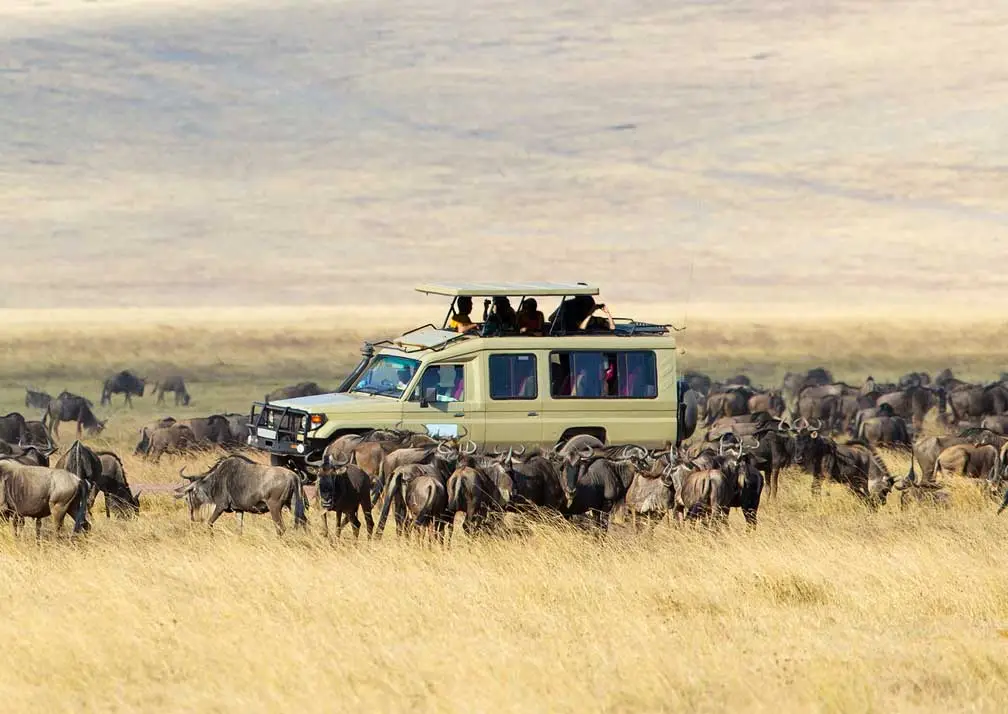
Great Migration Safaris
Experience one of nature's greatest spectacles with our Great Migration safari packages, timed for river crossings or calving.
View Package →
Serengeti & Kilimanjaro Trek
Combined safari and trekking tours offer wildlife adventures and Kilimanjaro climbs.
View Package →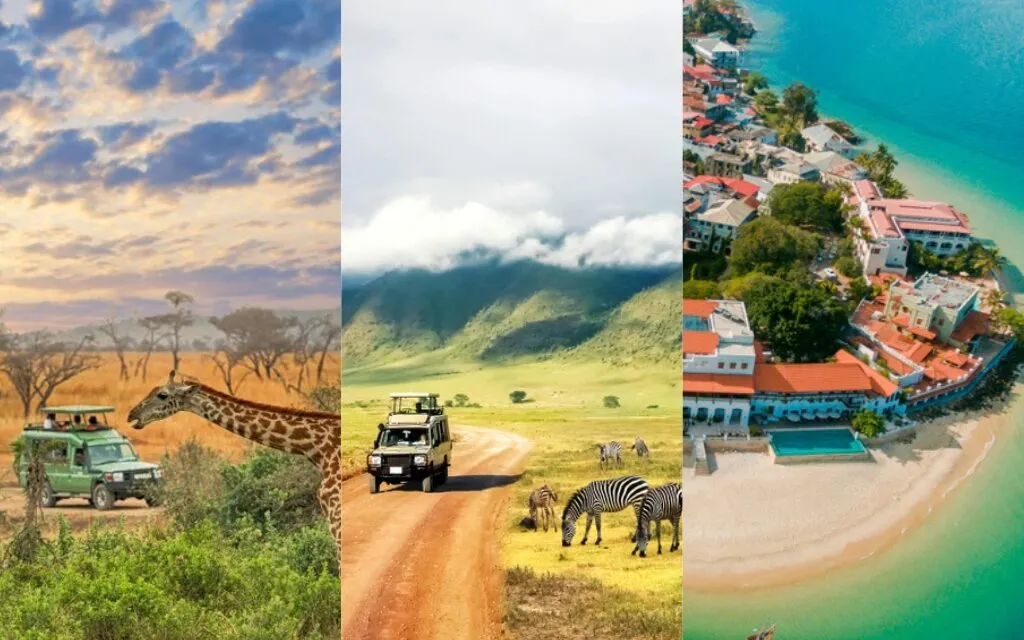
Serengeti & Zanzibar Tours
Luxury Tanzania safari & beach packages with the Great Migration and pristine beaches.
View Package →Related: Best Time to Visit Tanzania 2026 – Perfect safari extension after your European adventure.