
Most Complete New Zealand Travel Guide 2026-2027 – Everything You Need to Know Before Visiting
This New Zealand travel guide provides everything you need to plan your journey to one of the world’s most stunning destinations. New Zealand offers an extraordinary blend of dramatic fjords, snow-capped mountains, geothermal wonders, and pristine beaches that create one of the planet's most diverse travel experiences. Many travelers who want to travel to New Zealand are surprised by the country's incredible natural beauty and rich Māori cultural heritage spanning centuries of Polynesian settlement and European influence. The nation covers about 268,000 square kilometers across two main islands, offering visitors everything from glacier hikes to world-class wineries and adventure capital Queenstown.
Start Reading the Full Guide ↓Quick Facts About New Zealand
- Capital: Wellington.
- Currency: New Zealand Dollar (NZD).
- Time Zone: New Zealand Standard Time (NZST, UTC+12); Chatham Islands +13.
- International Calling Code: +64.
- Driving Side: Left.
- Major Airports: Auckland (AKL), Christchurch (CHC), Queenstown (ZQN), Wellington (WLG).
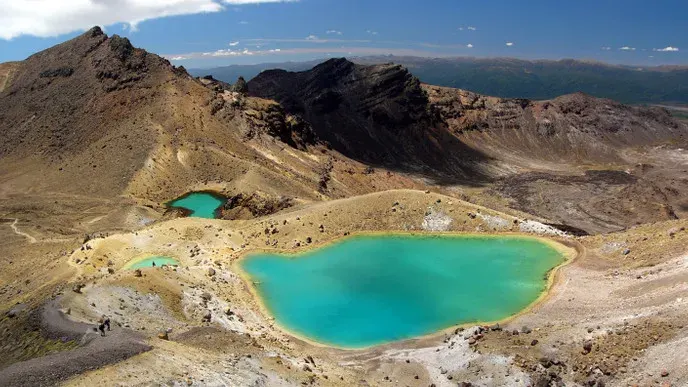
New Zealand Overview & Key Facts
Brief History of New Zealand
New Zealand's history begins with Polynesian settlement around 1300 CE by the Māori, followed by European discovery by Abel Tasman in 1642 and James Cook in 1769. British colonization intensified after the 1840 Treaty of Waitangi. This rich historical tapestry creates a fascinating backdrop for modern travelers exploring Māori cultural sites, colonial architecture, and pioneering history museums.
Independence & National Identity
- Independence date: Effectively independent from 1907 (Dominion status); full sovereignty 1947.
- Former colonial power: United Kingdom.
- National symbols & identity.
New Zealand maintains a strong bicultural identity celebrating Māori and Pākehā (European) heritage. The flag features the Southern Cross and Union Jack, while the national anthem is sung in both Māori and English. The haka, silver fern, and kiwi bird are powerful symbols of New Zealand's Pride.
Government System & Current Leadership
- Type of government: Parliamentary democracy and constitutional monarchy
- Current prime minister: Christopher Luxon (as of late 2025)
- Notes on political stability
New Zealand is one of the world’s most stable democracies with peaceful transitions of power and high transparency rankings.
Population, Ethnic Groups & Languages
- Population: 5.3 million (2025 projection).
- Major ethnic groups: European 70%, Māori 16.5%, Asian 15%, Pacific peoples 8% (multiple responses allowed).
- Official language(s): English, Māori, NZ Sign Language.
- Additional languages commonly spoken.
English is universal; te reo Māori is experiencing strong revival. Many place names and greetings are in Māori.
Main Religions & Cultural Identity
New Zealand is largely secular (approx. 48% no religion), with Christianity the largest faith group. Māori spirituality and connection to land remain culturally significant. Respect for tangata whenua (people of the land) is central to national identity.
Geography & Natural Landscape
New Zealand sits on the Pacific Ring of Fire with active volcanoes, frequent earthquakes, glaciers, fjords, rainforests, and alpine regions. The North Island is geothermal and volcanic; the South Island is dominated by the Southern Alps and dramatic fjords.
Economy & Tourism Highlights
Tourism is a major industry alongside agriculture, film production, and technology. New Zealand consistently ranks in the top 5 global destinations for natural beauty and adventure activities.
What New Zealand Is Known For
- Lord of the Rings & Hobbiton film locations
- Adventure capital of the world (Queenstown)
- Rugby (All Blacks) and extreme sports
- Wine regions (Marlborough, Hawke’s Bay)
Visa & Entry Requirements in New Zealand
Most international visitors require either visa-free entry, an NZeTA, or a visitor visa. From October 2025, almost all visitors pay the International Visitor Conservation and Tourism Levy (IVL) of NZD $100.
Do You Need a Visa?
60+ countries (including USA, UK, EU, Canada, Australia, Japan) enjoy visa-free entry for 3–6 months. All other nationalities need a visitor visa. Everyone except Australian citizens needs an NZeTA (valid 2 years, NZD $17–23).
Visa Application Options in New Zealand
- NZeTA (online, instant for most)
- Visitor Visa (online or paper)
- Working Holiday Visa (popular for under-30s)
Applications are straightforward through Immigration New Zealand website.
Passport Validity & Entry Documents
Passport must be valid for at least 3 months beyond intended departure (1 month if from certain countries). Return/onward ticket often checked. Biosecurity screening is strict – declare all food, plants, and outdoor gear.
Customs Rules & Prohibited Items
New Zealand has some of the world’s strictest biosecurity laws. Declare or dispose of all food, wooden items, sports equipment, and camping gear. Fines start at NZD $400 for non-declaration.
Safety & Security Information in New Zealand
New Zealand is one of the safest countries on earth with low violent crime and stable politics.
Is New Zealand Safe for Tourists?
Extremely safe – most governments rate it Level 1 (normal precautions). Main risks are road accidents (drive on left), extreme weather, and outdoor activity accidents.
Recommended Safety Tips when in New Zealand
Check weather forecasts daily, follow Department of Conservation advice on tracks, never hike alone without telling someone, carry sufficient water/food, and drive cautiously on narrow, winding roads.
Safe Areas vs. Areas to Avoid in New Zealand
Entire country is safe. Use normal urban awareness in downtown Auckland/Christchurch after dark.
Emergency Numbers & Tourist Police in New Zealand
- Emergency: 111 (police, fire, ambulance).
- Non-emergency police: 105.
English-speaking operators 24/7.
Health Requirements & Vaccinations in New Zealand
No mandatory vaccinations. World-class medical facilities available nationwide.
Mandatory Vaccinations in New Zealand
None required.
Recommended Vaccinations in New Zealand
Routine vaccines only. Hepatitis A/B if planning extended outdoor activities.
Malaria & Other Risks
No malaria, dengue, or major tropical diseases. Main risks: sunburn, dehydration, hypothermia in mountains, and occasional gastrointestinal issues from water in remote areas (boil or treat).
Travel Insurance Recommendations in New Zealand
Highly recommended – covers adventure activities, medical evacuation (especially helicopter rescue in mountains), and rental car excess.
Best Time to Visit in New Zealand
Depends on activities and islands.
Weather by Season
Summer (Dec–Feb): 20–30°C, long daylight, peak season. Autumn (Mar–May): mild, colorful foliage. Winter (Jun–Aug): 5–15°C North Island; snow in South Island mountains. Spring (Sep–Nov): blooming landscapes, fewer crowds.
When to Visit New Zealand for Best Experiences
- Hiking: Dec–Mar
- Skiing: Jun–Oct
- Whale watching: Jun–Jul (Kaikōura)
- Wine tasting: Feb–Apr harvest season
High Season vs. Low Season Travel
High season: Dec–Feb (book everything 6–12 months ahead). Shoulder seasons offer best weather/cost balance.
Weather & Climate Overview in New Zealand
Highly variable – “four seasons in one day” is common.
Temperature Ranges
Northland: 15–25°C summer, 8–16°C winter. Central Otago: 20–30°C summer, -5–10°C winter. Coastal areas milder, mountains colder.
Rainy & Dry Seasons in New Zealand
West Coast South Island: very wet year-round. East Coast: drier. Milford Sound: 180+ rain days/year.
What to Wear Based on the Weather
Layering essential: merino base layers, fleece mid-layer, waterproof/breathable jacket, sturdy hiking shoes/boots, sun hat, sunglasses, gloves/beanie even in summer for mountains.
Main Currency, Costs & Budgeting in New Zealand
New Zealand is expensive by global standards but excellent value for quality.
Local Currency Information
New Zealand Dollar (NZD). Coins 10c–$2; notes $5–$100. EFTPOS/cards accepted almost everywhere.
Average Travel Costs in New Zealand
Budget: $120–180/day (hostels, self-catering, public transport). Mid-range: $250–400/day. Luxury: $600+/day. Campervan popular mid-range option.
Using ATMs, Cards & Mobile Money in New Zealand
Contactless cards universal. ATMs plentiful. Apple/Google Pay widely accepted.
Tipping Guidelines in New Zealand
Not expected or customary (service staff paid living wage). Rounding up or small tip for exceptional service appreciated but not required.
Transportation & Getting Around in New Zealand
Best explored by car/campervan; public transport limited outside major cities.
Airport Transfers
Auckland, Christchurch, Queenstown have excellent shuttle, taxi, and rideshare options. Pre-book in peak season.
Local Transport Options in New Zealand
InterCity and regional buses, domestic flights (Air NZ, Jetstar), ferries between islands, trains (scenic only).
New Zealand Domestic Flights
Frequent, reliable, and often cheaper than driving long distances.
Car Rentals & Road Conditions in New Zealand
Drive on left. Roads generally excellent but narrow, winding, and mountainous. Gravel roads common in remote areas. Freedom camping rules strict.
Accommodation Options available in New Zealand
Wide range from backpacker hostels to luxury lodges.
Types of Accommodations in New Zealand
Hotels, motels, holiday parks, backpacker hostels, luxury lodges, Airbnb, freedom camping (certified vehicles only), Department of Conservation huts.
Budget vs. Mid-Range vs. Luxury
Budget $30–80 dorm/private; mid-range $150–300; luxury $500–2000+.
Best Areas to Stay in New Zealand
Depends on itinerary – Auckland, Rotorua, Wellington, Nelson, Queenstown, Wanaka, Christchurch common bases.
Essential Packing Guide when Visiting New Zealand
Pack for all seasons regardless of time of year.
Clothing Essentials
Merino layers, waterproof jacket, fleece, hiking pants/shorts, swimwear, sun protection, warm hat/gloves.
Footwear & Gear
Sturdy waterproof hiking boots essential. Sandals/jandals for summer.
Electronics & Cameras
Type I plugs (Australia/NZ), 230V 50Hz. Power banks useful for long hikes.
Toiletries & Personal Items
High SPF sunscreen (NZ has high UV), insect repellent (sandflies on South Island West Coast), reusable water bottle (tap water excellent).
Language & Communication in New Zealand
English spoken everywhere. Māori place names and greetings common.
Main Languages Spoken in New Zealand
English dominant; te reo Māori growing; NZ Sign Language official.
Useful Phrases for Tourists
Kia ora (hello), ka pai (good), whānau (family), haere mai (welcome), kei te pēhea koe? (how are you?).
SIM Cards & Mobile Data used in New Zealand
Spark, One NZ, 2degrees – excellent coverage except remote fiords/mountains.
Internet Availability & Wi-Fi in New Zealand
Free Wi-Fi widespread in cities, cafes, libraries, i-SITE visitor centers.
Culture & Etiquette in New Zealand
Relaxed, friendly, outdoor-oriented culture with strong respect for Māori protocols.
New Zealand Dress Code Expectations
Casual everywhere. “No shoes, no shirt, no problem” common in summer. Smart-casual for upscale restaurants.
Social Etiquette & Respectful Behavior of New Zealand
Remove shoes when entering homes/marae. Don’t sit on tables. Respect tapu (sacred) sites. Queue politely.
Photography Rules in New Zealand
Ask permission to photograph people, especially at marae or during cultural performances.
Important Cultural Dos & Don’ts in New Zealand
Do learn basic Māori pronunciation, respect the environment (Leave No Trace), support local businesses. Don’t call the whole country “NZ” in formal contexts or confuse NZ with Australia.
Food, Water & Dining in New Zealand
Excellent fresh produce, seafood, lamb, wine, craft beer, and growing Pacific fusion scene.
New Zealand Local Dishes to Try
Hāngī (Māori earth oven), fish & chips, pavlova, meat pies, green-lipped mussels, Bluff oysters, flat white coffee, Marlborough sauvignon blanc.
Dietary Options in New Zealand
Excellent vegetarian/vegan options in cities, good gluten-free awareness.
Drinking Water Safety
Among the best in the world – safe from tap everywhere except some remote backcountry sources.
Restaurant Etiquette
Casual dress, no tipping required. BYO wine common (small corkage fee).
Top Attractions & Things to Do in New Zealand
World-class natural wonders and adventure activities.
Major Tourist Attractions in New Zealand
- Milford Sound / Fiordland National Park
- Tongariro Alpine Crossing
- Abel Tasman National Park
- Rotorua geothermal wonders
- Waitomo glowworm caves
- Franz Josef & Fox Glaciers
Best Tours & Experiences in New Zealand
Great Walks (Milford, Routeburn, Tongariro), whale watching Kaikōura, wine tours Marlborough/Hawke’s Bay, Hobbiton movie set, bungee jumping Queenstown.
Family-Friendly Activities to do in New Zealand
Zoo (Auckland), museums (Te Papa Wellington), luge Queenstown, geothermal parks, beaches, farm stays.
Unique Cultural or Historical Sites to visit in New Zealand
Waitangi Treaty Grounds, Te Papa Museum, Māori cultural experiences in Rotorua, art deco Napier, gold rush towns Central Otago.
New Zealand Electrical System Information
Type I plugs (three flat pins), 230V 50Hz.
Plug Types & Voltage used in New Zealand
Same as Australia/China. Most devices 100–240V compatible.
Charging Tips
Adapters widely available at airports and supermarkets.
Local Laws & Regulations of New Zealand
Strict environmental and biosecurity laws.
Rules Travelers Need to Know when In New Zealand
Declare all food/outdoor gear on arrival. No smoking in restaurants/bars. Alcohol purchase age 18. Freedom camping only in certified vehicles or designated areas.
Alcohol, Smoking & Substance Laws of New Zealand
Alcohol widely available. Recreational cannabis illegal. Vaping regulated.
Restricted or Protected Areas in New Zealand
Many conservation areas require permits/bookings (Great Walks, some huts). Drone rules strict near airports and national parks.
Final Travel Tips for Visitors in New Zealand
Book accommodation and rental cars early in summer. Be flexible – weather can change plans quickly.
Common Mistakes to Avoid
Underestimating driving times, not checking weather/road conditions, trying to see both islands in less than 3 weeks, ignoring sun protection.
Tips to Save Money when Visiting New Zealand
Travel in shoulder season, use campervan, cook own meals, book Great Walks early (no commercial accommodation), use relocation rental deals.
Safety & Comfort Tips
Download CamperMate and DOC apps, tell someone your plans when hiking, carry physical map + power bank, respect tides and rivers.
Frequently Asked Questions – New Zealand Travel Guide 2026-2027
Our Tanzania Tours Products
While New Zealand offers epic landscapes and adventure, many travelers combine the Southern Hemisphere with the ultimate African wildlife experience. Capable Africa Tours specializes in secure, guided safaris that maximize safety and wonder. Our expert local guides, armed rangers in parks, and vetted accommodations ensure peace of mind.
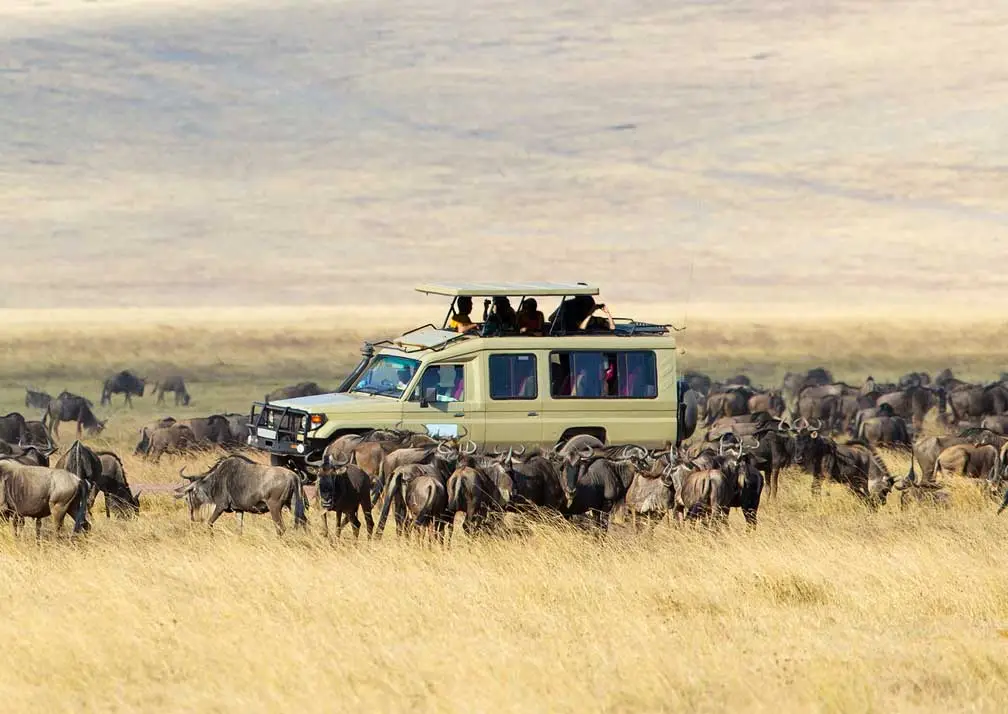
Great Migration Safaris
Experience one of nature's greatest spectacles with our Great Migration safari packages, timed for river crossings or calving.
View Package →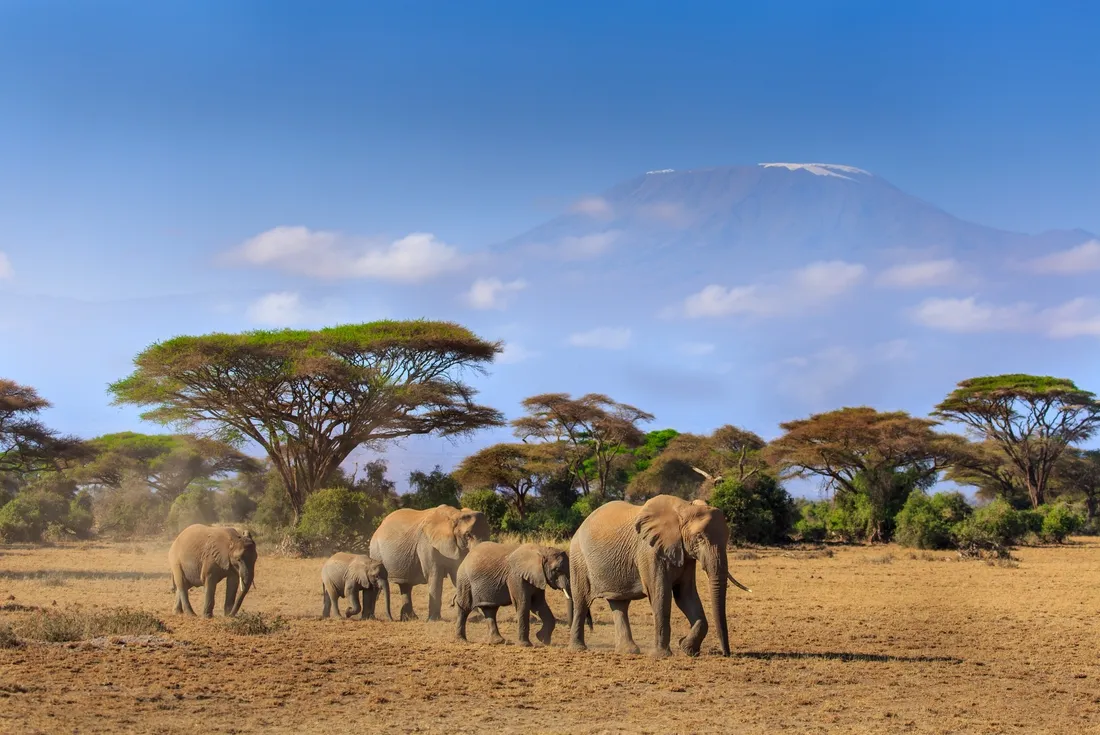
Serengeti & Kilimanjaro Trek
Combined safari and trekking tours offer wildlife adventures and Kilimanjaro climbs.
View Package →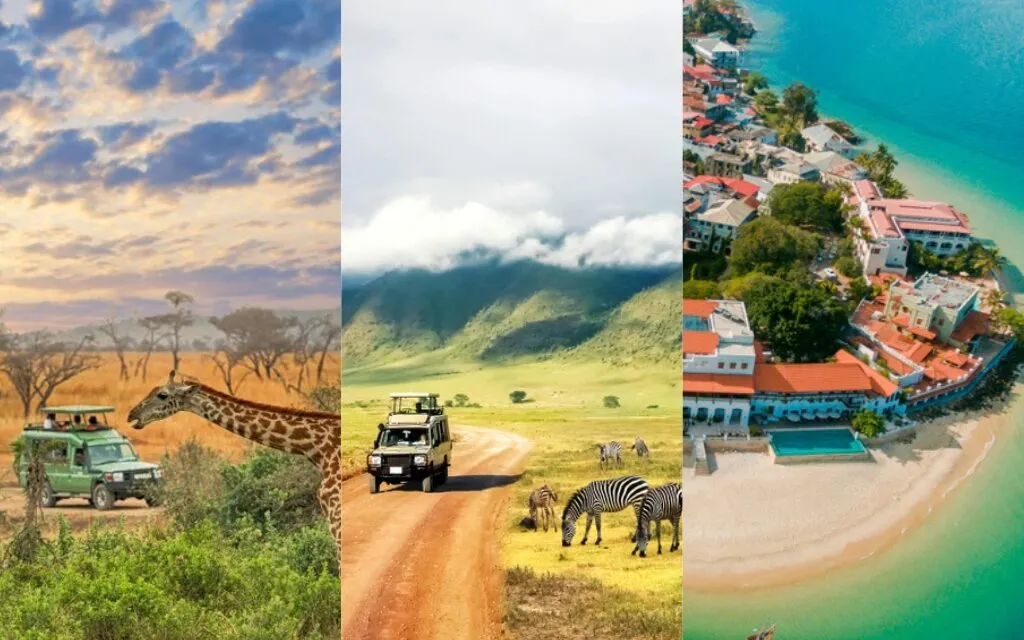
Serengeti & Zanzibar Tours
Luxury Tanzania safari & beach packages with the Great Migration and pristine beaches.
View Package →Related: Best Time to Visit Tanzania 2026 – Perfect safari extension after your New Zealand adventure.