
Most Complete Nicaragua Travel Guide 2026-2027 – Everything You Need to Know Before Visiting
This Nicaragua travel guide provides everything you need to plan your journey to Central America's hidden gem. Nicaragua offers an extraordinary blend of active volcanoes, colonial cities, Caribbean beaches, and lush rainforests that create one of the region’s most diverse travel experiences. Many travelers who want to travel to Nicaragua are surprised by the country's incredible natural beauty and rich cultural heritage spanning indigenous traditions, Spanish colonial legacy, and Caribbean influences. The nation covers over 130,000 square kilometers, offering visitors everything from volcano boarding to pristine island escapes and vibrant local markets.
Start Reading the Full Guide ↓Quick Facts About Nicaragua
- Capital: Managua.
- Currency: Nicaraguan Córdoba (NIO) – USD widely accepted.
- Time Zone: Central Standard Time (CST, UTC-6).
- International Calling Code: +505.
- Driving Side: Right.
- Major Airports: Augusto C. Sandino International (Managua), Costa Esmeralda (Emerald Coast).
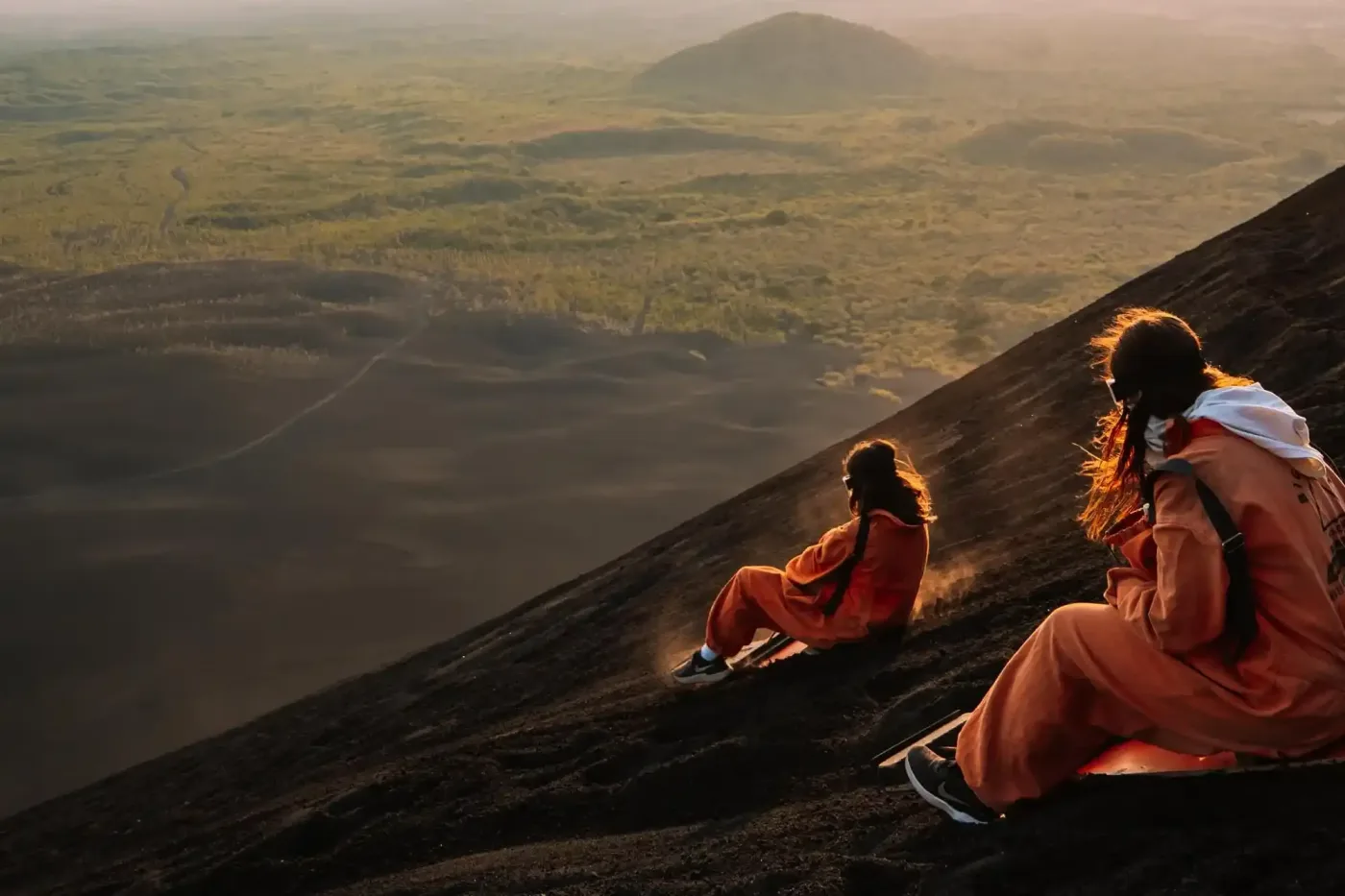
Nicaragua Overview & Key Facts
Brief History of Nicaragua
Nicaragua's history spans millennia, from ancient indigenous civilizations through Spanish conquest to revolutionary struggles. Pre-Columbian cultures left impressive stone carvings and ceramics, followed by Spanish rule from 1524 that shaped much of the country's architecture and language. The Sandinista revolution (1979) and subsequent civil war marked recent history, while the country has enjoyed relative stability since the 1990s. This rich historical tapestry creates a fascinating backdrop for modern travelers exploring colonial cities and revolutionary landmarks.
Independence & National Identity
- Independence date: September 15, 1821.
- Former colonial power: Spain.
- National symbols & identity.
Nicaragua gained independence from Spain in 1821 as part of the Federal Republic of Central America. Nicaragua's national identity centers on mestizo culture blending indigenous and Spanish heritage, with strong regional differences between Pacific and Caribbean coasts. The national flag features blue and white stripes with the coat of arms, symbolizing justice, purity, and the five original Central American provinces.
Government System & Current Leadership
- Type of government: Presidential Republic
- Current president: Daniel Ortega
- Notes on political stability
Nicaragua operates as a presidential republic. President Daniel Ortega has served multiple terms since 2007. While tourist areas remain largely unaffected by politics, travelers should stay informed about current conditions and avoid political demonstrations.
Population, Ethnic Groups & Languages
- Population: 7.1 million (2026 projection).
- Major ethnic groups: Mestizo (69%), White (17%), Black (9%), Indigenous (5%).
- Official language(s): Spanish.
- Additional languages commonly spoken.
English and Creole English are widely spoken on the Caribbean coast, while several indigenous languages including Miskito, Sumo, and Rama persist in autonomous regions. Spanish dominates daily life across most of the country, with English increasingly common in tourism areas.
Main Religions & Cultural Identity
Roman Catholicism dominates with approximately 50-60% of the population, followed by evangelical Protestantism (30-35%). Small communities practice indigenous beliefs and Moravian Christianity on the Caribbean coast. Religious festivals and processions remain important cultural events throughout the year.
Geography & Natural Landscape
Nicaragua features three distinct geographical zones: the Pacific lowlands with active volcanoes, the central highlands with coffee plantations, and the Caribbean lowlands with rainforests and islands. The country boasts 19 active volcanoes, two enormous lakes (Nicaragua and Managua), and extensive Caribbean coastline.
Economy & Tourism Highlights
Nicaragua's economy relies on agriculture, manufacturing, and growing tourism. The government actively promotes eco-tourism, volcano adventures, and cultural experiences. Tourism has rebounded strongly post-pandemic with improved infrastructure and safety in tourist zones.
What Nicaragua Is Known For
- Active volcanoes and volcano boarding at Cerro Negro
- Colonial cities Granada and León
- Ometepe Island with twin volcanoes in Lake Nicaragua
- Caribbean Corn Islands paradise
Visa & Entry Requirements in Nicaragua
Most international visitors enjoy visa-free entry for up to 90 days under the CA-4 agreement (Guatemala, Honduras, El Salvador, Nicaragua). A tourist card fee applies on arrival. Extensions are possible through immigration offices.
Do You Need a Visa?
Citizens of USA, Canada, EU, UK, Australia, New Zealand, and most Latin American countries get 90 days visa-free. Some nationalities require visas in advance – check with your local Nicaraguan embassy.
Visa Application Options in Nicaragua
- Visa on arrival/tourist card (most nationalities)
- Visa-free under CA-4 agreement
- Visa extensions available in Managua
Tourist card costs $10–12 paid on arrival. Passport must be valid for at least 6 months with one blank page.
Passport Validity & Entry Documents
Passport valid 6 months beyond intended stay. Proof of onward travel (return ticket) may be requested by airline or immigration.
Customs Rules & Prohibited Items
Standard international restrictions apply. Declare large amounts of cash. Fresh food products restricted. Drones require prior permission from civil aviation authority.
Safety & Security Information in Nicaragua
Tourist areas are generally safe with normal precautions. Avoid northern border regions and certain Managua neighborhoods. Most visitors experience no problems.
Is Nicaragua Safe for Tourists?
Yes – tourist destinations (Granada, León, San Juan del Sur, Ometepe, Corn Islands) report very low crime rates against visitors. Petty theft is the main concern.
Recommended Safety Tips when in Nicaragua
Use registered taxis or Uber in Managua, don’t walk alone late at night, keep valuables secure, use hotel safes, and avoid political gatherings.
Safe Areas vs. Areas to Avoid in Nicaragua
Safe: Granada, León, San Juan del Sur, Ometepe, Corn Islands, Matagalpa/Jinotega. Exercise caution: Managua (some areas), northern border zones.
Emergency Numbers & Tourist Police in Nicaragua
- Police: 118
- Fire: 115
- Medical Emergency: 128
- Tourist Police: Available in major tourist cities
Health Requirements & Vaccinations in Nicaragua
No mandatory vaccinations for most travelers. Yellow fever certificate required if arriving from endemic countries.
Mandatory Vaccinations in Nicaragua
Yellow fever if coming from risk countries. COVID requirements removed in 2023.
Recommended Vaccinations in Nicaragua
Hepatitis A, Typhoid, routine vaccines. Malaria prophylaxis for Caribbean coast. Dengue risk exists – use repellent.
Malaria & Other Risks
Malaria risk on Caribbean coast. Dengue throughout country. Use DEET repellent and long clothing at dawn/dusk.
Travel Insurance Recommendations in Nicaragua
Highly recommended – covers medical evacuation, trip cancellation, and adventure activities (volcano boarding, surfing).
Best Time to Visit in Nicaragua
Dry season (December–April) offers guaranteed sunshine. Green season (May–November) is cheaper and less crowded with afternoon showers.
Weather by Season
Dry season: 28–34°C, sunny. Green season: 25–32°C with afternoon rain. Caribbean coast has different patterns – drier March–April & September–October.
When to Visit Nicaragua for Best Experiences
- Surfing: May–October (Pacific), year-round Caribbean
- Volcano hiking: December–April
- Wildlife: Green season
- Festivals: December–February
High Season vs. Low Season Travel
High season: December–April (especially Christmas/Easter). Low season: May–November (except July–August school holidays).
Weather & Climate Overview in Nicaragua
Tropical climate with two distinct seasons. Pacific side has pronounced dry/wet seasons. Caribbean coast more consistently humid.
Temperature Ranges
Coastal areas 25–34°C year-round. Highlands (Matagalpa, Estelí) cooler 18–28°C.
Rainy & Dry Seasons in Nicaragua
Dry season December–April. Rainy season May–November with heaviest rains September–October.
What to Wear Based on the Weather
Light cotton clothing, swimsuit, flip-flops, rain jacket May–November, sun protection, good walking shoes for volcanoes.
Main Currency, Costs & Budgeting in Nicaragua
US dollars widely accepted alongside Córdoba. Excellent value destination.
Local Currency Information
Córdoba (NIO). USD accepted almost everywhere. Exchange rate ~36 Córdoba = $1.
Average Travel Costs in Nicaragua
Budget $35–60/day, mid-range $70–130, luxury $150–300+. Meals $4–12, beer $1–2, private room $25–80.
Using ATMs, Cards & Mobile Money in Nicaragua
ATMs widespread (BAC, Banpro, Lafise). Visa/Mastercard accepted in tourist areas. Cash preferred in rural areas.
Tipping Guidelines in Nicaragua
10% in restaurants if service not included. $1–3 for guides/drivers. Round up taxi fares.
Transportation & Getting Around in Nicaragua
Good tourist shuttle network plus chicken buses and taxis.
Airport Transfers
Official taxis from Managua airport $20–30 to city. Private transfers recommended.
Local Transport Options in Nicaragua
Tourist shuttles (most comfortable), chicken buses (cheapest), collectivo taxis, Uber in Managua/Granada.
Nicaragua Domestic Flights
La Costeña flies Managua–Corn Islands, San Carlos, etc. Useful for Caribbean coast.
Car Rentals & Road Conditions in Nicaragua
Available in major cities. 4WD recommended outside main routes. Roads improving but many unpaved.
Accommodation Options available in Nicaragua
From backpacker hostels to boutique hotels and eco-lodges.
Types of Accommodations in Nicaragua
Hostels, boutique hotels, eco-lodges, surf camps, island cabanas, volcano-view fincas.
Budget vs. Mid-Range vs. Luxury
Budget $10–30, mid-range $40–100, luxury $120–400+ (Morgan’s Rock, Mukul).
Best Areas to Stay in Nicaragua
Granada (colonial charm), León (culture), San Juan del Sur (beaches), Ometepe (nature), Little Corn Island (paradise).
Essential Packing Guide when Visiting Nicaragua
Pack light, bring rain protection May–November, good shoes for volcanoes.
Clothing Essentials
Light clothing, swimsuit, rain jacket, long pants/shirt for volcanoes, modest attire for churches.
Footwear & Gear
Flip-flops, walking shoes, water shoes, headlamp, dry bag, reusable water bottle.
Electronics & Cameras
Power bank, universal adapter (Type A/B), waterproof case for islands.
Toiletries & Personal Items
DEET repellent, sunscreen, medications, hand sanitizer, quick-dry towel.
Language & Communication in Nicaragua
Spanish dominant, English common in tourist areas and Caribbean coast.
Main Languages Spoken in Nicaragua
Spanish (official), English/Creole (Caribbean coast), Miskito and other indigenous languages.
Useful Phrases for Tourists
“¿Cuánto cuesta?”, “Gracias”, “Por favor”, “Una cerveza por favor”.
SIM Cards & Mobile Data used in Nicaragua
Claro and Tigo – buy at airport or stores. $10–15 for good data package.
Internet Availability & Wi-Fi in Nicaragua
Good Wi-Fi in hotels/cafes. Fastest internet in Granada and San Juan del Sur.
Culture & Etiquette in Nicaragua
Friendly, laid-back culture. Greetings important.
Nicaraguan Dress Code Expectations
Casual acceptable. Modest dress in churches and rural communities. Beachwear only at beaches.
Social Etiquette & Respectful Behavior of Nicaragua
Greet with “Adiós” when entering small shops. Use “usted” with elders. Remove shoes when invited into homes.
Photography Rules in Nicaragua
Ask permission before photographing people, especially indigenous communities.
Important Cultural Dos & Don’ts in Nicaragua
Do accept coffee when offered. Don’t discuss politics unless invited. Do use right hand for eating/passing items.
Food, Water & Dining in Nicaragua
Delicious, affordable, hearty food.
Nicaraguan Local Dishes to Try
Gallo pinto, nacatamales, vigorón, rondón (Caribbean coast), quesillo, tres leches cake.
Dietary Options in Nicaragua
Vegetarian options common (rice/beans/plantains). Vegan possible in tourist areas.
Drinking Water Safety
Bottled water recommended outside major hotels. Ice generally safe in tourist areas.
Restaurant Etiquette
10% tip if not included. Street food excellent and safe from busy vendors.
Top Attractions & Things to Do in Nicaragua
Volcanoes, colonial cities, islands, surfing, and adventure activities.
Major Tourist Attractions in Nicaragua
- Granada colonial city & Lake Nicaragua
- León – cathedral & revolutionary history
- Cerro Negro volcano boarding
- Ometepe Island twin volcanoes
- Corn Islands Caribbean paradise
Best Tours & Experiences in Nicaragua
Volcano boarding, sunset catamaran on Lake Nicaragua, homestays on Ometepe, diving Corn Islands, coffee farm tours.
Family-Friendly Activities to do in Nicaragua
Chocolate making workshops, zip-lining, Masaya volcano night tour, beach days, Mombacho canopy tour.
Unique Cultural or Historical Sites to visit in Nicaragua
León murals, Granada churches, San Juan de Oriente pottery villages, Solentiname archipelago art community.
Nicaraguan Electrical System Information
120V, 60Hz – same as USA/Canada. Types A and B plugs.
Plug Types & Voltage used in Nicaragua
Type A (two flat pins) and Type B (with grounding pin). 120V 60Hz.
Charging Tips
Standard US plugs work everywhere. Power banks useful for islands and rural areas.
Local Laws & Regulations of Nicaragua
Standard international norms. Photography restrictions around military/police.
Rules Travelers Need to Know when In Nicaragua
No photography of military/police. Drone use requires permit. Respect 90-day tourist stay limit.
Alcohol, Smoking & Substance Laws of Nicaragua
Drinking age 19. Cannabis illegal. Public intoxication frowned upon but common.
Restricted or Protected Areas in Nicaragua.
Some indigenous territories require permission. Bosawás Reserve has access restrictions.
Final Travel Tips for Visitors in Nicaragua
Relax, be flexible, talk to locals, and enjoy one of the friendliest countries in Latin America.
Common Mistakes to Avoid
Don’t over-schedule, don’t expect everything to run on time, don’t drink tap water outside hotels.
Tips to Save Money when Visiting Nicaragua
Use chicken buses, eat at comedores, stay in hostels, travel in green season, drink local beer (Toña/Victoria).
Safety & Comfort Tips
Share taxi with others, use reputable tour operators, keep digital copies of documents, learn basic Spanish phrases.
Frequently Asked Questions – Nicaragua Travel Guide 2026-2027
Our Tanzania Tours Products
While Nicaragua offers incredible volcanoes, colonial cities and Caribbean beaches, many travelers combine Central America with the ultimate wildlife experience in East Africa. Capable Africa Tours specializes in secure, guided safaris that maximize safety and wonder. Our expert local guides, armed rangers in parks, and vetted accommodations ensure peace of mind. From family-friendly lodges to luxury camps, we handle logistics so you focus on the magic. Tanzania ranks high for tourist safety with dedicated wildlife protection units and stable northern circuits.
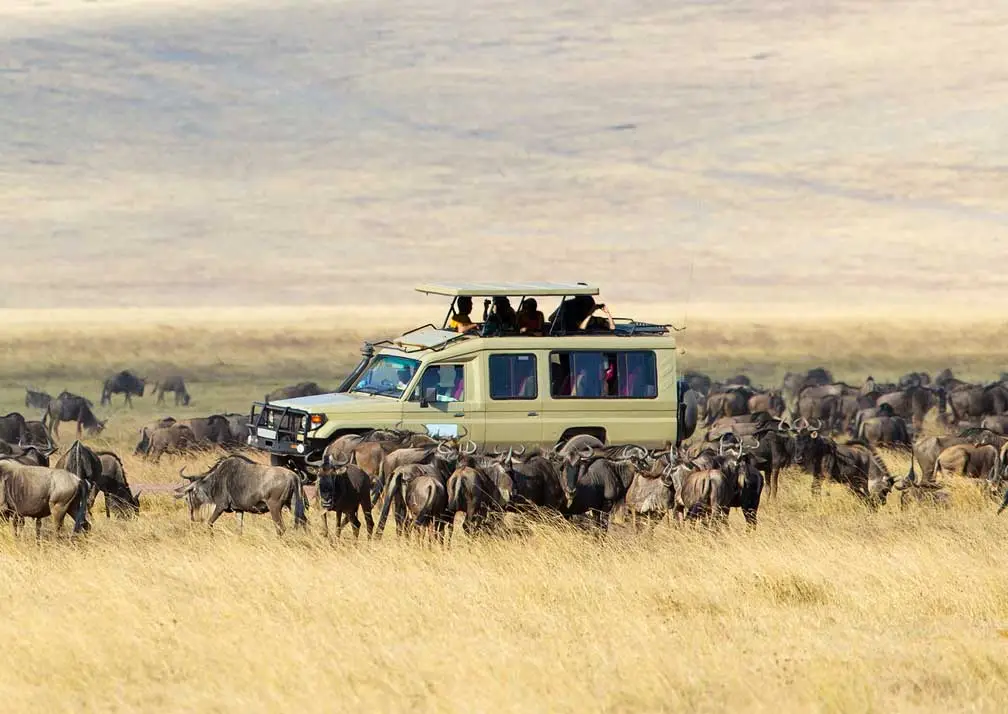
Great Migration Safaris
Experience one of nature's greatest spectacles with our Great Migration safari packages, timed for river crossings or calving.
View Package →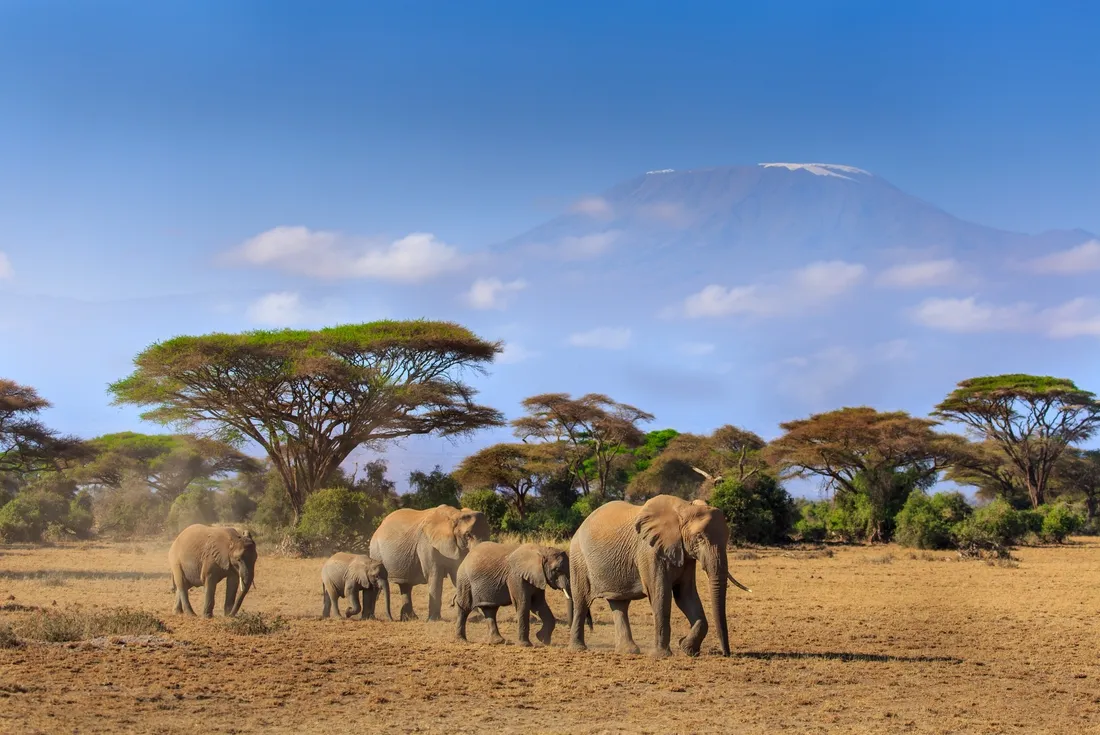
Serengeti & Kilimanjaro Trek
Combined safari and trekking tours offer wildlife adventures and Kilimanjaro climbs.
View Package →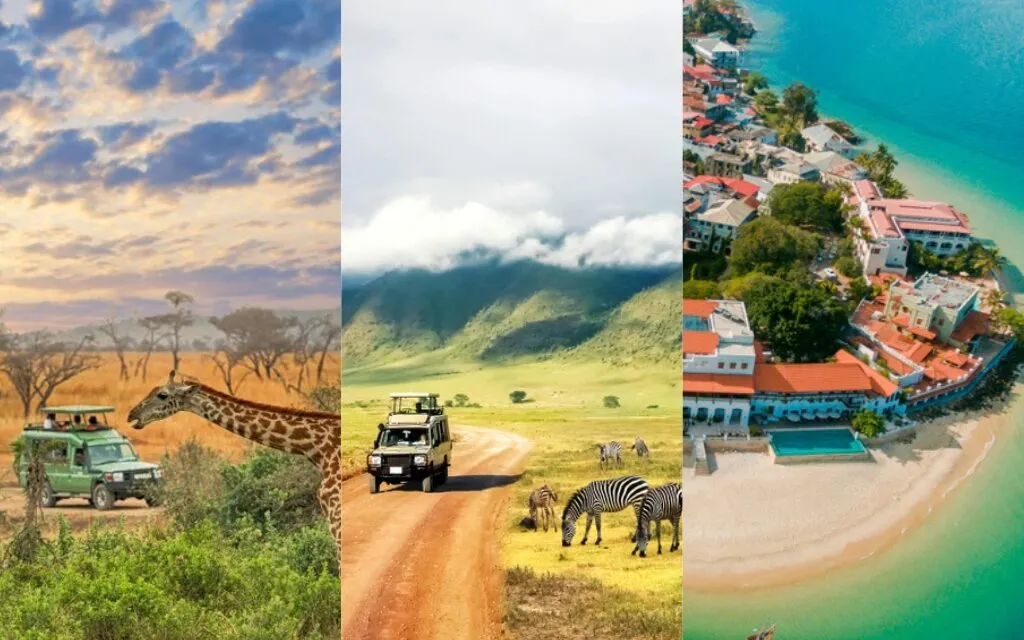
Serengeti & Zanzibar Tours
Luxury Tanzania safari & beach packages with the Great Migration and pristine beaches.
View Package →Related: Best Time to Visit Tanzania 2026 – Perfect safari extension after your Nicaragua adventure.