
Most Complete Niger Travel Guide 2026-2027 – Everything You Need to Know Before Visiting
This Niger travel guide provides everything you need to plan your journey to one of West Africa’s most fascinating yet least-visited countries. Niger offers an extraordinary blend of vast Tenere Desert landscapes, ancient trans-Saharan caravan cities, the last West African giraffes, and the mighty Niger River that create one of the continent's most authentic travel experiences. Many travelers who want to travel to Niger are surprised by the country's incredible diversity and rich cultural heritage spanning Hausa sultanates, Tuareg nomads, and French colonial legacy. The nation covers over 1.27 million square kilometers, making it one of Africa’s largest countries, offering visitors everything from UNESCO-listed Agadez to pristine desert dunes and traditional mud-brick architecture.
Start Reading the Full Guide ↓Quick Facts About Niger
- Capital: Niamey.
- Currency: West African CFA franc (XOF).
- Time Zone: West Africa Time (WAT, UTC+1).
- International Calling Code: +227.
- Driving Side: Right.
- Major Airports: Diori Hamani International Airport (Niamey).
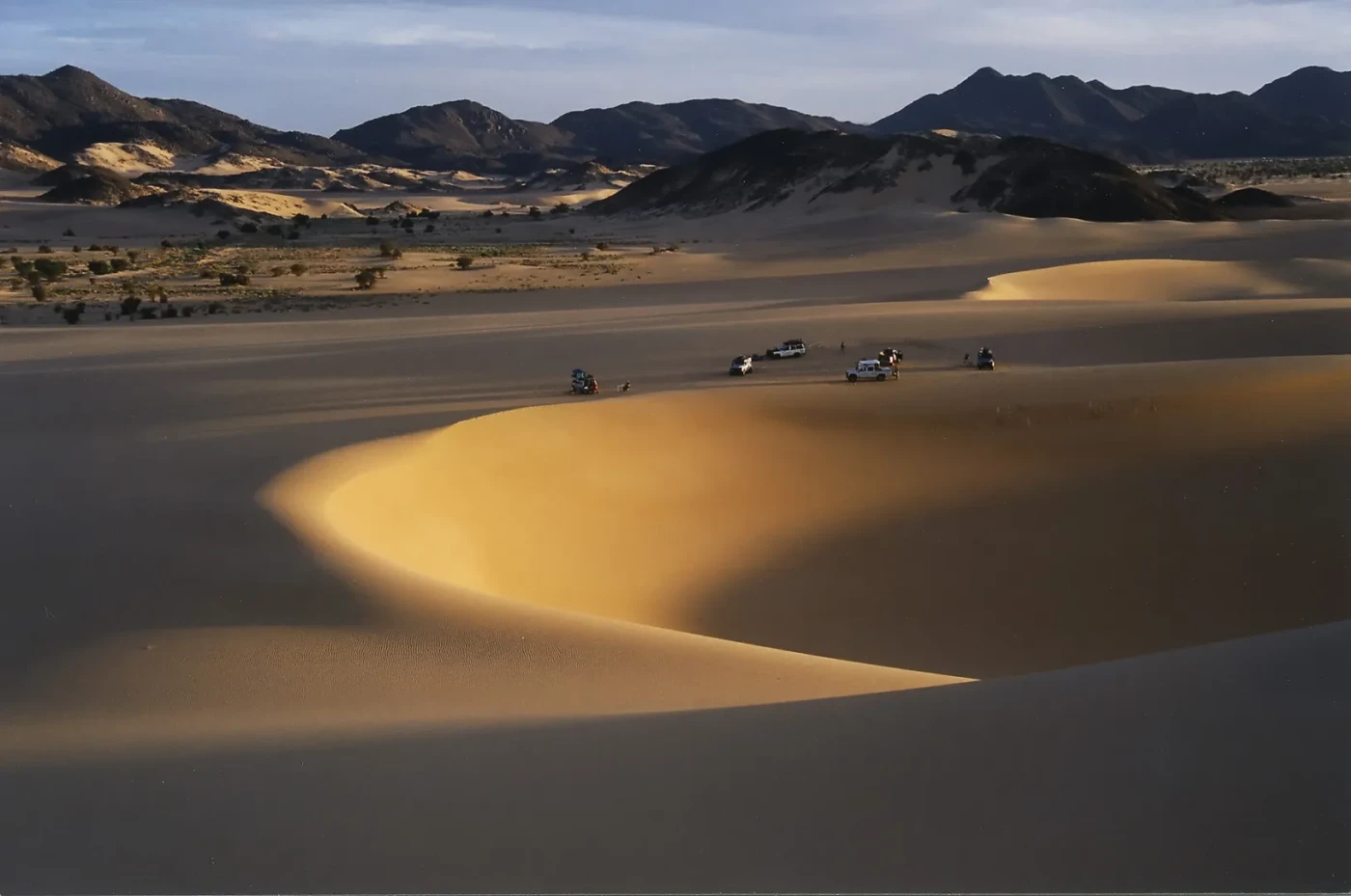
Niger Overview & Key Facts
Brief History of Niger
Niger's history spans millennia, from ancient Saharan civilizations through powerful Hausa city-states to trans-Saharan trade empires. The Kanem-Bornu Empire dominated the region from the 9th century, followed by Songhai and Hausa kingdoms. Agadez became a major caravan hub linking North Africa with the Sahel. French colonization began in the late 19th century, with independence achieved in 1960. This rich historical tapestry creates a fascinating backdrop for modern travelers exploring the country's archaeological treasures and cultural sites.
Independence & National Identity
- Independence date: August 3, 1960.
- Former colonial power: France.
- National symbols & identity.
Niger gained independence peacefully from France in 1960. Niger's national identity centers on diverse ethnic traditions while celebrating unity. The national flag features orange, white, and green stripes with an orange disc, symbolizing the Sahara, purity, and fertile lands respectively.
Government System & Current Leadership
- Type of government: Semi-presidential republic
- Current president: Mohamed Bazoum (as of latest stable period)
- Notes on political stability
Niger operates as a semi-presidential republic. The country has experienced periods of political transition and military interventions. Travelers should stay informed about current conditions through their embassy or consulate before visiting.
Population, Ethnic Groups & Languages
- Population: 27.6 million (2025 projection).
- Major ethnic groups: Hausa (53%), Zarma-Songhai (21%), Tuareg (11%), Fulani (9%).
- Official language(s): French.
- Additional languages commonly spoken.
Hausa is the most widely spoken language, followed by Zarma and various Tuareg dialects. French remains the official language and is used in government and education. English is rarely spoken outside major hotels in Niamey.
Main Religions & Cultural Identity
Islam dominates Niger's religious landscape, with approximately 99% of the population adhering to Sunni Islam. Small Christian communities exist primarily in urban areas. Islamic values strongly influence daily life, social customs, and cultural practices. Visitors should respect religious observances, particularly during Ramadan, and dress modestly when visiting mosques or religious sites.
Geography & Natural Landscape
Niger features three distinct geographical zones: the Sahara Desert in the north, the Sahelian transitional zone, and the Sudanian savanna in the south. The Niger River creates a fertile valley in the southwest. The Aïr Mountains rise dramatically from the desert, while vast sand dunes dominate the Tenere region.
Economy & Tourism Highlights
Niger's economy depends heavily on subsistence agriculture and uranium exports. The government is working to develop tourism, particularly cultural and desert experiences. Tourism remains underdeveloped but growing among adventure travelers seeking authentic experiences.
What Niger Is Known For
- UNESCO World Heritage Agadez historic centre
- Last West African giraffes in Kouré
- Cure Salée Tuareg festival
- Vast Tenere Desert and Aïr Mountains
Visa & Entry Requirements in Niger
Most international visitors require a visa to enter Niger, with exceptions for ECOWAS citizens. The visa application process typically requires a valid passport with at least six months remaining validity, completed application forms, passport photographs, yellow fever certificate, hotel reservations or invitation letters, and proof of sufficient financial resources.
Do You Need a Visa?
Citizens of most countries need a visa to enter Niger. ECOWAS citizens have visa-free access. No visa-on-arrival or e-Visa system currently exists. Always check with the Niger embassy or consulate in your country for the most current visa requirements.
Visa Application Options in Niger
- Embassy application (most common method)
- Consular services through authorized agencies
Applications must be submitted in person or through authorized representatives at Niger diplomatic missions. Processing times vary but typically require several weeks.
Passport Validity & Entry Documents
Your passport must be valid for at least six months from your intended entry date into Niger. Yellow fever vaccination certificate is mandatory. Required documents include visa, return flight tickets, hotel reservations or invitation letters, and proof of sufficient funds.
Customs Rules & Prohibited Items
Niger has strict customs regulations. Prohibited items include narcotics, weapons, and pornographic materials. Currency declaration required for large amounts. Alcohol import is restricted.
Safety & Security Information in Niger
Niger requires travelers to exercise extreme caution due to terrorism and kidnapping risks, particularly in northern and border areas. The southern tourist circuit (Niamey–Kouré–W Park) and Agadez with registered guides are generally considered manageable with proper precautions.
Is Niger Safe for Tourists?
Yes in the southern tourist circuit and Agadez with registered guides and operators. Most governments advise against travel to northern regions and border areas with Mali, Nigeria, Chad, and Libya due to terrorism and kidnapping threats.
Recommended Safety Tips when in Niger
Travel only with registered local guides, register with your embassy, share itinerary with family, avoid night travel, use reputable operators, and maintain situational awareness.
Safe Areas vs. Areas to Avoid in Niger
Safe: Niamey, Kouré giraffe reserve, W National Park (southern part), Agadez with guide. Avoid: Diffa region, northern Agadez province, all border areas with Mali/Libya/Nigeria.
Emergency Numbers & Tourist Police in Niger
- Police: 17.
- Fire Department: 18.
- Medical Emergency: 15.
Health Requirements & Vaccinations in Niger
Yellow fever vaccination is mandatory. Niger has limited healthcare infrastructure outside Niamey. Comprehensive travel insurance with medical evacuation coverage is essential.
Mandatory Vaccinations in Niger
Yellow fever vaccination certificate required for all travelers over 9 months old.
Recommended Vaccinations in Niger
Hepatitis A, Typhoid, Meningitis (especially during dry season), Rabies, routine vaccines.
Malaria & Other Risks
High malaria risk year-round. Take antimalarials and use repellent. Meningitis risk during dry season (Dec–Jun).
Travel Insurance Recommendations in Niger
Essential – must include medical evacuation coverage (costs can exceed $100,000).
Best Time to Visit in Niger
November–February offers the most comfortable weather with temperatures 20–32°C. These months coincide with major festivals like Cure Salée.
Weather by Season
Cool dry season (Nov–Feb): 20–32°C, pleasant. Hot dry season (Mar–Jun): 40–45°C+. Rainy season (Jul–Sep): hot and humid with occasional heavy rains.
When to Visit Niger for Best Experiences
- Cure Salée festival: September
- Giraffe viewing: year-round, best Nov–Mar
- Desert travel: Nov–Feb
Weather & Climate Overview in Niger
Niger has three climate zones: desert (north), Sahel (central), Sudanian (south). Temperatures extreme with very low rainfall outside southern strip.
Temperature Ranges
Northern desert: 45°C+ in hot season, nights can drop below 5°C in winter. Southern areas: 30–40°C most of year.
Rainy & Dry Seasons in Niger
Rainy season July–September in south (200–600mm), virtually no rain in north.
What to Wear Based on the Weather
Light breathable clothing, sun hat, sunglasses, sturdy closed shoes for desert, warm layers for cool nights Nov–Feb.
Main Currency, Costs & Budgeting in Niger
Niger uses the West African CFA franc (XOF). Cash-based economy outside Niamey.
Local Currency Information
West African CFA franc (XOF). Fixed rate to Euro. ATMs rare outside Niamey.
Average Travel Costs in Niger
Budget $80–130/day, mid-range $150–250/day, private desert expeditions $300–500/day.
Using ATMs, Cards & Mobile Money in Niger
Very limited. Carry euros or dollars to exchange in Niamey. Cards rarely accepted.
Tipping Guidelines in Niger
Small tips appreciated (500–2000 CFA) for guides, drivers, hotel staff.
Transportation & Getting Around in Niger
Limited infrastructure. Most travel by 4WD with driver/guide. Few domestic flights.
Airport Transfers
Niamey airport taxis available. Pre-arrange pickup recommended.
Local Transport Options in Niger
Bush taxis, moto-taxis in cities. Private 4WD essential for desert travel.
Niger Domestic Flights
Limited flights Niamey–Agadez–Zinder on small aircraft.
Car Rentals & Road Conditions in Niger
Self-drive not recommended. Hire vehicle with experienced local driver/guide mandatory for desert.
Accommodation Options available in Niger
Very limited outside Niamey and Agadez. Basic to mid-range standard.
Types of Accommodations in Niger
Hotels in Niamey, basic guesthouses elsewhere, desert camping with Tuareg guides.
Budget vs. Mid-Range vs. Luxury
Budget $20–50, mid-range $60–120 in Niamey, luxury options extremely limited.
Best Areas to Stay in Niger
Niamey (city hotels), Agadez (traditional guesthouses), desert camps.
Essential Packing Guide when Visiting Niger
Pack for extreme heat, dust, limited infrastructure. Everything must be carried in.
Clothing Essentials
Light long-sleeve shirts/pants, turban/scarf for sun protection, sturdy boots, warm layers for nights.
Footwear & Gear
Sand-proof closed shoes, headlamp, high-SPF sunscreen, good sunglasses.
Electronics & Cameras
Power banks essential. 220V European plugs.
Toiletries & Personal Items
Bring all required medications, hand sanitizer, wet wipes, toilet paper.
Language & Communication in Niger
French official but rarely spoken outside cities. Local guides essential.
Main Languages Spoken in Niger
French (official), Hausa, Zarma, Tamajaq (Tuareg), Fulfulde.
Useful Phrases for Tourists
“Bonjour”, “Merci”, “Sawa” (Hausa hello), “Inshallah” widely understood.
SIM Cards & Mobile Data used in Niger
Airtel, Moov, Orange available in Niamey. Coverage poor outside cities.
Internet Availability & Wi-Fi in Niger
Very limited. Hotels in Niamey may have slow Wi-Fi.
Culture & Etiquette in Niger
Conservative Muslim society with strong traditional customs.
Nigerien Dress Code Expectations
Modest dress essential. Women should cover shoulders, knees, often hair in rural areas.
Social Etiquette & Respectful Behavior of Niger
Greet elders first, use right hand only, accept tea offers, remove shoes entering homes.
Photography Rules in Niger
Always ask permission, especially women and military/police.
Important Cultural Dos & Don’ts in Niger
Do accept hospitality, dress modestly, learn basic greetings. Don’t photograph without permission, refuse tea, use left hand.
Food, Water & Dining in Niger
Simple cuisine based on millet, rice, goat, fish from Niger River.
Nigerien Local Dishes to Try
Millet porridge with sauce, grilled goat, jollof rice, tuareg tea ceremony.
Dietary Options in Niger
All halal. Vegetarian options very limited outside Niamey.
Drinking Water Safety
Bottled water only. Avoid ice and raw vegetables.
Restaurant Etiquette
Eat with right hand in traditional settings. Tipping not expected but appreciated.
Top Attractions & Things to Do in Niger
Adventure and cultural tourism focused on desert, nomadic cultures, and wildlife.
Major Tourist Attractions in Niger
- Agadez historic centre (UNESCO)
- Last West African giraffes in Kouré
- Aïr Mountains & Tenere Desert
- W National Park (shared with Benin/Burkina)
Best Tours & Experiences in Niger
Tuareg desert expeditions, Cure Salée festival, giraffe tracking, Agadez cultural tours.
Family-Friendly Activities to do in Niger
Giraffe reserve visits, Niger River boat trips, cultural village experiences.
Unique Cultural or Historical Sites to visit in Niger
Agadez Grand Mosque (16th-century mud-brick), Sultan of Agadez palace, traditional Tuareg camps.
Nigerien Electrical System Information
220–240V, 50Hz, European type C/F plugs. Power unreliable outside Niamey.
Local Laws & Regulations of Niger
Conservative Islamic laws apply. Alcohol restricted. Photography of military/government buildings prohibited.
Final Travel Tips for Visitors in Niger
Travel with experienced local operators, remain flexible, respect local customs, carry sufficient cash, and register with your embassy.
Frequently Asked Questions – Niger Travel Guide 2026-2027
Our Tanzania Tours Products
While Niger offers incredible desert adventures and authentic cultural experiences, many travelers combine West Africa with the ultimate wildlife experience in East Africa. Capable Africa Tours specializes in secure, guided safaris that maximize safety and wonder. Our expert local guides, armed rangers in parks, and vetted accommodations ensure peace of mind. From family-friendly lodges to luxury camps, we handle logistics so you focus on the magic. Tanzania ranks high for tourist safety with dedicated wildlife protection units and stable northern circuits.
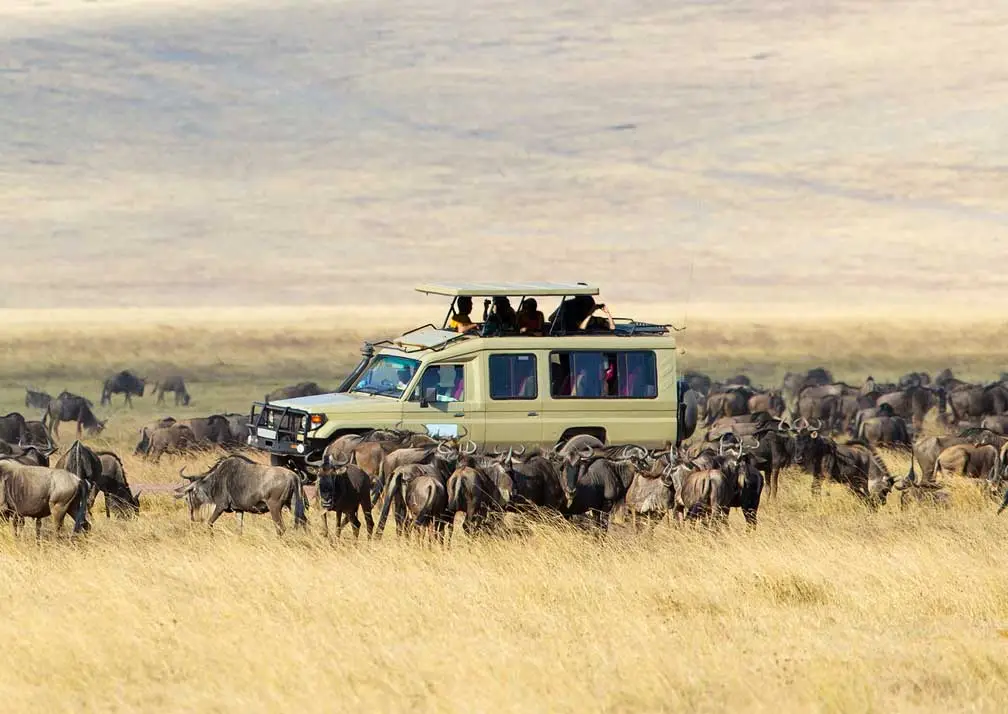
Great Migration Safaris
Experience one of nature's greatest spectacles with our Great Migration safari packages, timed for river crossings or calving.
View Package →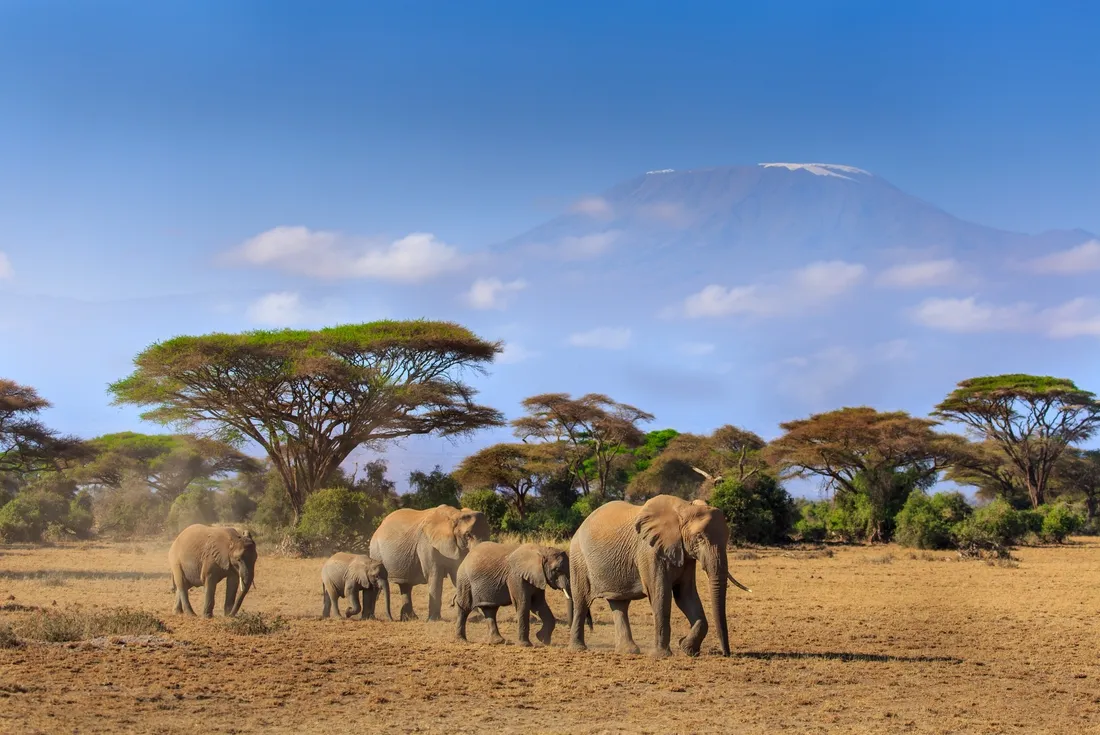
Serengeti & Kilimanjaro Trek
Combined safari and trekking tours offer wildlife adventures and Kilimanjaro climbs.
View Package →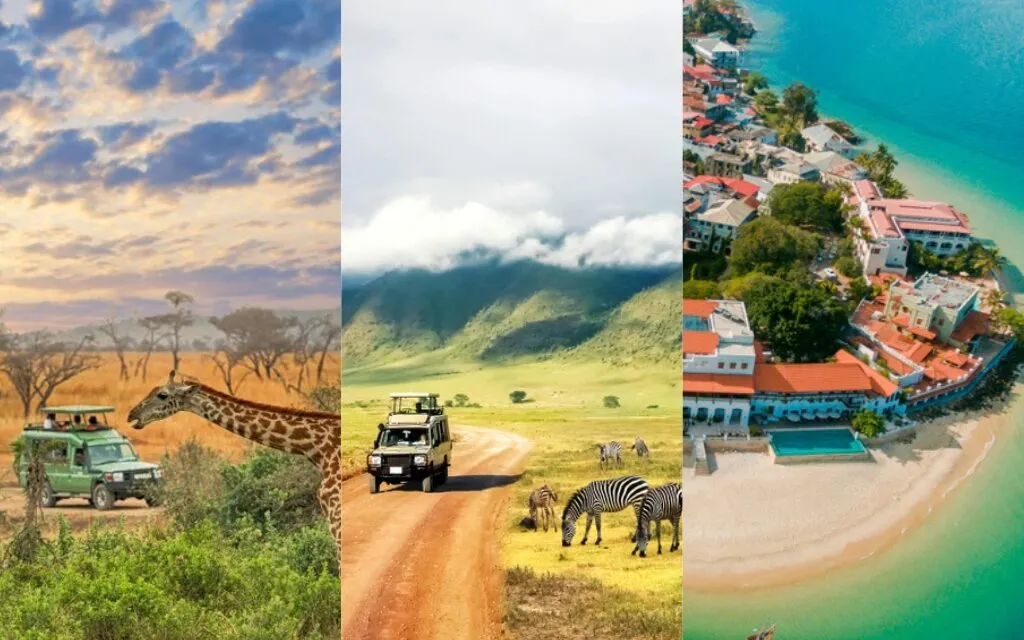
Serengeti & Zanzibar Tours
Luxury Tanzania safari & beach packages with the Great Migration and pristine beaches.
View Package →Related: Best Time to Visit Tanzania 2026 – Perfect safari extension after your Niger adventure.