Most Complete Nigeria Travel Guide 2026-2027 – Everything You Need to Know Before Visiting
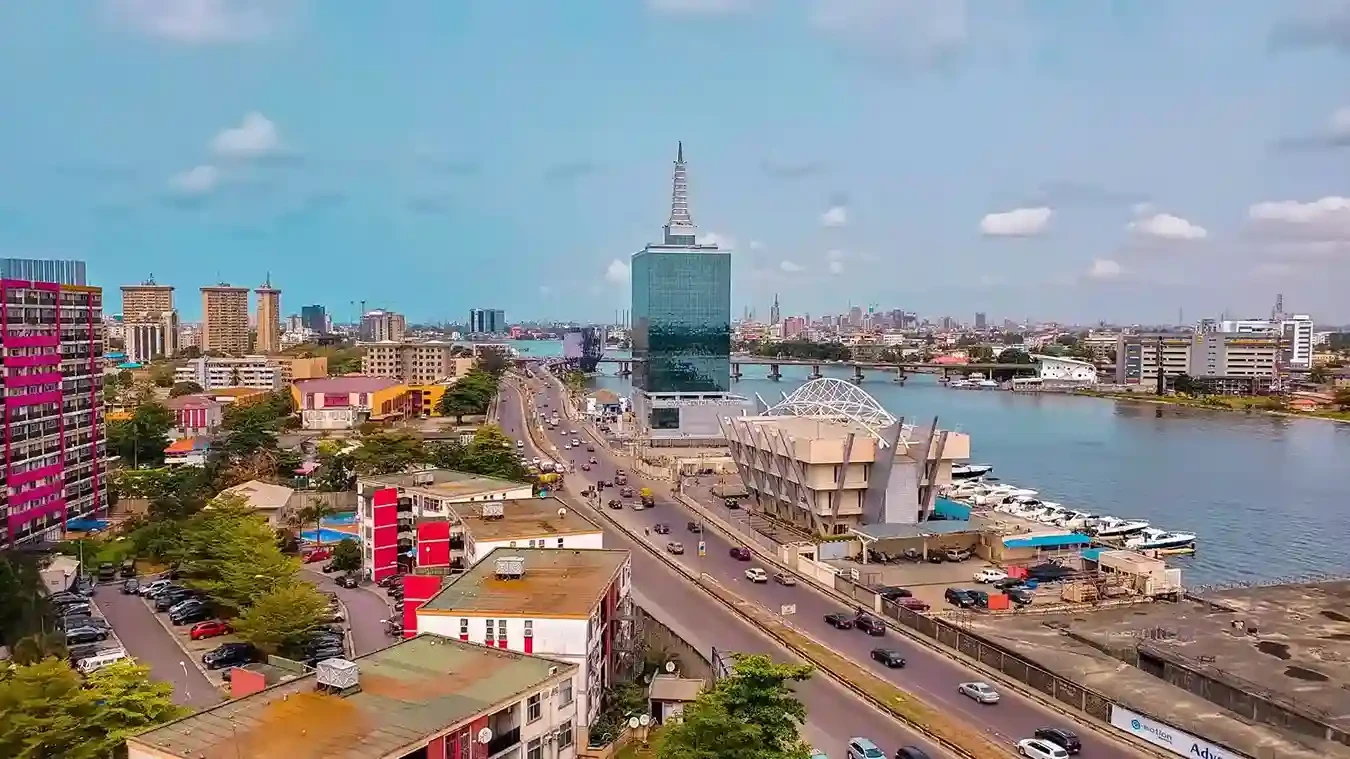
This Nigeria travel guide provides everything you need to plan your journey to West Africa's giant. Nigeria offers an extraordinary blend of vibrant megacities, pristine beaches, wildlife reserves, and rich cultural heritage spanning over 250 ethnic groups. Many travelers who want to travel to Nigeria are surprised by the country's incredible energy, hospitality, and diversity. The nation covers over 923,000 square kilometers, making it Africa's most populous country with over 220 million people, offering visitors everything from bustling Lagos to serene Obudu hills and ancient Benin Kingdom sites.
Start Reading the Full Guide ↓Quick Facts About Nigeria
- Capital: Abuja.
- Currency: Nigerian Naira (NGN).
- Time Zone: West Africa Time (WAT, UTC+1).
- International Calling Code: +234.
- Driving Side: Right.
- Major Airports: Murtala Muhammed (Lagos), Nnamdi Azikiwe (Abuja).
Nigeria Overview & Key Facts
Brief History of Nigeria
Nigeria's history spans millennia, from ancient Nok civilization (1000 BCE) through powerful kingdoms like Benin, Oyo, Kanem-Bornu to British colonial rule. The country gained independence in 1960 and became a republic in 1963. This rich historical tapestry creates a fascinating backdrop for modern travelers exploring ancient cities, colonial architecture, and vibrant contemporary culture.
Independence & National Identity
- Independence date: October 1, 1960.
- Former colonial power: United Kingdom.
- National symbols & identity.
Nigeria gained independence peacefully in 1960, with the green-white-green flag symbolizing agriculture, peace, and unity. National identity of Nigeria celebrates diversity with the motto “Unity and Faith, Peace and Progress.”
Government System & Current Leadership
- Type of government: Federal Presidential Republic
- Current president: Bola Ahmed Tinubu (since May 2023)
- Notes on political stability
Nigeria operates as a federal republic with 36 states and a strong executive presidency. Democratic elections occur every four years.
Population, Ethnic Groups & Languages
- Population: 230+ million (2025 estimate).
- Major ethnic groups: Hausa-Fulani (29%), Yoruba (21%), Igbo (18%), others.
- Official language(s): English.
- Additional languages commonly spoken.
Over 500 languages spoken. Pidgin English serves as a lingua franca. Hausa, Yoruba, and Igbo dominate regionally.
Main Religions & Cultural Identity
Roughly 50% Muslim (mostly north), 50% Christian (mostly south), with vibrant traditional beliefs. Religious tolerance is common in most areas.
Geography & Natural Landscape
Nigeria features mangrove swamps and rainforests in the south, savannah in the center, and semi-arid Sahel in the north. Includes coastal beaches, plateaus, and highlands.
Economy & Tourism Highlights
Africa’s largest economy driven by oil, tech (Lagos fintech hub), and entertainment (Nollywood). Tourism growing rapidly with improved visa policies and infrastructure.
What Nigeria Is Known For
- Nollywood – world’s second-largest film industry
- Afrobeat music (Fela Kuti, Burna Boy, Wizkid)
- Vibrant festivals (Durbar, Argungu, Calabar Carnival)
Visa & Entry Requirements in Nigeria
Nigeria has one of Africa’s most tourist-friendly visa systems with e-Visa and Visa on Arrival available to most nationalities.
Do You Need a Visa?
Most nationalities can obtain Visa on Arrival or apply online for e-Visa. ECOWAS citizens enter visa-free.
Visa Application Options in Nigeria
- e-Visa (apply online)
- Visa on Arrival (business/tourism)
- Embassy visa
Passport Validity & Entry Documents
Passport valid 6 months, Yellow Fever certificate mandatory, proof of onward travel, hotel booking or invitation letter.
Customs Rules & Prohibited Items
Standard restrictions. Declare large cash amounts. No pork products for Muslim areas.
Safety & Security Information in Nigeria
Safety varies dramatically by region. Major tourist areas are generally safe with common-sense precautions.
Is Nigeria Safe for Tourists?
Yes in Lagos, Abuja, Calabar, Port Harcourt, Obudu, Yankari. Avoid northeast and some Niger Delta areas.
Recommended Safety Tips when in Nigeria
Use Uber/Bolt, avoid okadas at night, don’t flash valuables, stay in secure hotels, share location with trusted contacts.
Safe Areas vs. Areas to Avoid in Nigeria
Safe: Lagos (Victoria Island, Ikoyi, Lekki), Abuja, Calabar, Port Harcourt, Jos Plateau, Obudu, Yankari. Avoid: Borno, Yobe, northern Adamawa, riverine Delta areas.
Emergency Numbers & Tourist Police in Nigeria
- Police: 112 or 767
- Fire: 112
- Medical: 112
- Tourist Police units in Lagos and Abuja
Health Requirements & Vaccinations in Nigeria
Yellow Fever vaccination certificate mandatory for all visitors over 9 months old.
Mandatory Vaccinations in Nigeria
Yellow Fever certificate required at entry.
Recommended Vaccinations in Nigeria
Hepatitis A, Typhoid, Meningitis (north), Rabies (if rural), routine vaccines.
Malaria & Other Risks
High malaria risk nationwide – take antimalarials and use repellent.
Travel Insurance Recommendations in Nigeria
Essential – include medical evacuation coverage.
Best Time to Visit in Nigeria
November–March (dry season). Avoid rainy season (June–September) in the south.
Weather by Season
Dry season: 25–35°C, low humidity. Rainy season: heavy downpours, flooding in cities.
When to Visit Nigeria for Best Experiences
- Calabar Carnival: December
- Durbar Festival: Eid periods
- Wildlife viewing: dry season
- Beaches: December–April
Weather & Climate Overview in Nigeria
Tropical climate – hot and wet (south), hot and dry (north).
Temperature Ranges
25–35°C year-round. Cooler in Jos Plateau and Obudu (18–25°C).
Rainy & Dry Seasons in Nigeria
Dry: Nov–Mar. Rainy: Apr–Oct (peaks Jul–Sep).
What to Wear Based on the Weather
Light cotton clothing, rain jacket (rainy season), modest attire in north.
Main Currency, Costs & Budgeting in Nigeria
Naira (NGN). Cash still king but cards increasingly accepted.
Local Currency Information
Banknotes 50–1000 NGN. ATMs everywhere in cities.
Average Travel Costs in Nigeria
Budget $60–100/day, mid-range $120–250, luxury $300+.
Using ATMs, Cards & Mobile Money in Nigeria
ATMs plentiful. Cards accepted in hotels/restaurants. Mobile money (OPay, PalmPay) common.
Tipping Guidelines in Nigeria
Not mandatory but appreciated. 5–10% in restaurants, small tips to drivers/porters.
Transportation & Getting Around in Nigeria
Good domestic flight network. Uber/Bolt revolutionized city travel.
Airport Transfers
Uber/Bolt from Lagos and Abuja airports. Official taxis available.
Local Transport Options in Nigeria
Uber, Bolt, inDrive (cheapest), danfo buses, okadas (motorbikes – risky).
Nigeria Domestic Flights
Air Peace, Arik, Ibom Air, Overland – frequent flights Lagos–Abuja, Port Harcourt, Calabar.
Car Rentals & Road Conditions in Nigeria
Possible with driver recommended. Roads vary – excellent highways, terrible rural roads.
Accommodation Options available in Nigeria
From budget hotels to 5-star chains (Radisson, Hilton, Transcorp).
Types of Accommodations in Nigeria
International chains, boutique hotels, Airbnb, eco-lodges (Yankari, Obudu).
Budget vs. Mid-Range vs. Luxury
Budget $30–70, mid-range $80–200, luxury $250+.
Best Areas to Stay in Nigeria
Lagos: Victoria Island, Ikoyi, Lekki. Abuja: Maitama, Asokoro. Calabar: city center.
Essential Packing Guide when Visiting Nigeria
Light clothing, power bank, insect repellent, Yellow Fever certificate.
Clothing Essentials
Breathable cotton, modest attire for north, rain jacket (rainy season).
Footwear & Gear
Comfortable sandals, walking shoes, flip-flops.
Electronics & Cameras
Power banks essential. 220–240V, UK plugs (type G/D).
Toiletries & Personal Items
Mosquito repellent with DEET, sunscreen, hand sanitizer.
Language & Communication in Nigeria
English official language – no language barrier for most visitors.
Main Languages Spoken in Nigeria
English, Pidgin English (very useful), Hausa, Yoruba, Igbo.
Useful Phrases for Tourists
“How you dey?” (Pidgin hello), “Abeg” (please), “No wahala” (no problem).
SIM Cards & Mobile Data used in Nigeria
MTN, Airtel, Glo, 9mobile – cheap data everywhere.
Internet Availability & Wi-Fi in Nigeria
Excellent 4G/5G coverage in cities. Wi-Fi in hotels/cafes.
Culture & Etiquette in Nigeria
Hospitality is legendary. Greetings important.
Nigerian Dress Code Expectations
Casual fine in Lagos/Abuja. Modest dress in north (cover shoulders/knees).
Social Etiquette & Respectful Behavior of Nigeria
Greet elders first, accept food/drink offers, use right hand.
Photography Rules in Nigeria
Ask permission before photographing people. No photos of airports, military, police checkpoints.
Important Cultural Dos & Don’ts in Nigeria
Do: greet properly, remove shoes in homes/mosques. Don’t: beckon with finger (palm down), public affection in conservative areas.
Food, Water & Dining in Nigeria
Incredible cuisine – spicy, flavorful, diverse.
Nigerian Local Dishes to Try
Jollof rice, suya, pounded yam & egusi, pepper soup, moi moi, akara, chin-chin.
Dietary Options in Nigeria
Halal widely available. Vegetarian options common (beans, plantain, yam).
Drinking Water Safety
Drink only bottled water (Eva, Nestlé, Ragolis).
Restaurant Etiquette
Eating with right hand common (for local food). Tipping not expected but appreciated.
Top Attractions & Things to Do in Nigeria
From megacity energy to wildlife and cultural festivals.
Major Tourist Attractions in Nigeria
- Lagos – beaches, markets, nightlife
- Yankari Game Reserve (lions, elephants)
- Obudu Mountain Resort
- Osun-Osogbo Sacred Grove (UNESCO)
Best Tours & Experiences in Nigeria
Calabar Carnival, Durbar Festival, Lagos street food tours, Yankari safari, Cross River rainforest tours.
Family-Friendly Activities to do in Nigeria
Beaches (Lekki, Calabar), Yankari safari, Lekki Conservation Centre canopy walk.
Unique Cultural or Historical Sites to visit in Nigeria
Sukur Cultural Landscape (UNESCO), Benin City moats, Ogbunike Caves, Kajuru Castle.
Nigerian Electrical System Information
220–240V, 50Hz. UK-style three-pin plugs (type G) and older round-pin (type D).
Plug Types & Voltage used in Nigeria
Type G (UK) dominant, some type D. Bring adapter.
Charging Tips
Power banks essential due to frequent outages. Generators common in hotels.
Local Laws & Regulations of Nigeria
Standard laws. Same-sex activity illegal (not enforced against tourists). No public displays in conservative areas.
Rules Travelers Need to Know when In Nigeria
No photos of government buildings, airports, police. Dress modestly in north.
Alcohol, Smoking & Substance Laws of Nigeria
Alcohol widely available (south). Sharia law in 12 northern states (alcohol banned for Muslims).
Restricted or Protected Areas in Nigeria.
Northeast security zones, some Niger Delta areas.
Final Travel Tips for Visitors in Nigeria
Be flexible, embrace the energy, use local apps (Uber/Bolt, OPay), carry cash.
Common Mistakes to Avoid
Taking okadas at night, flashing cash, visiting high-risk areas, drinking tap water.
Tips to Save Money when Visiting Nigeria
Use Bolt/inDrive, eat local food (buka), stay in Airbnb, fly budget carriers.
Safety & Comfort Tips
Share location, stay connected, use hotel safes, dress appropriately by region.
Frequently Asked Questions – Nigeria Travel Guide 2026-2027
Our Tanzania Tours Products
While Nigeria offers incredible urban energy, wildlife and cultural festivals, many travelers combine West Africa with the ultimate wildlife experience in East Africa. Capable Africa Tours specializes in secure, guided safaris that maximize safety and wonder. Our expert local guides, armed rangers in parks, and vetted accommodations ensure peace of mind.
Great Migration Safaris
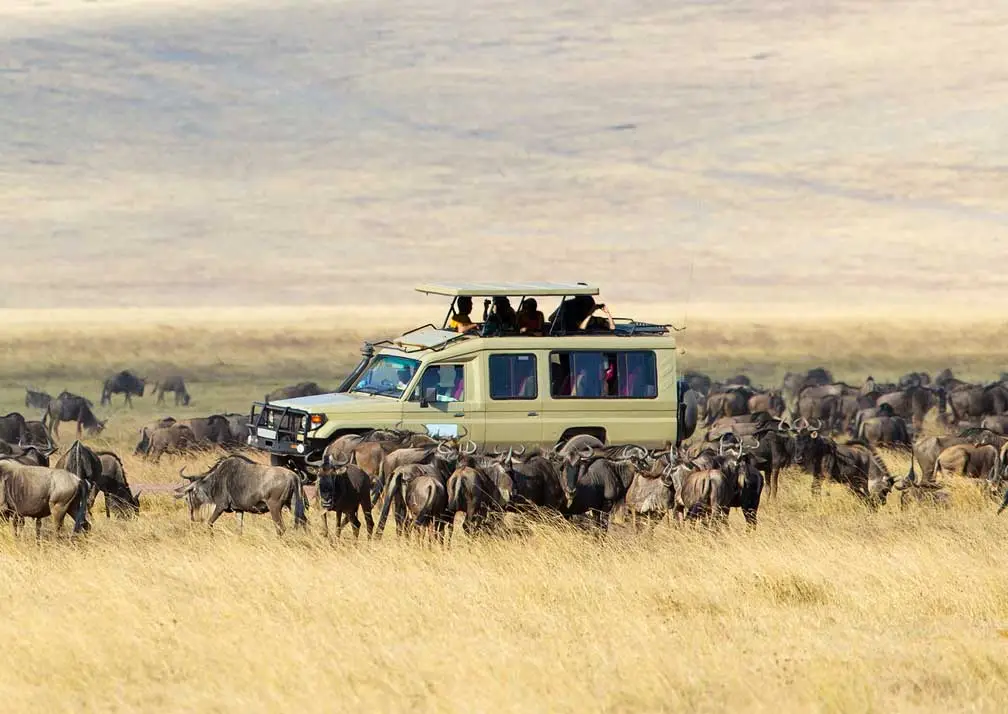
Experience one of nature's greatest spectacles with our Great Migration safari packages, timed for river crossings or calving.
View Package →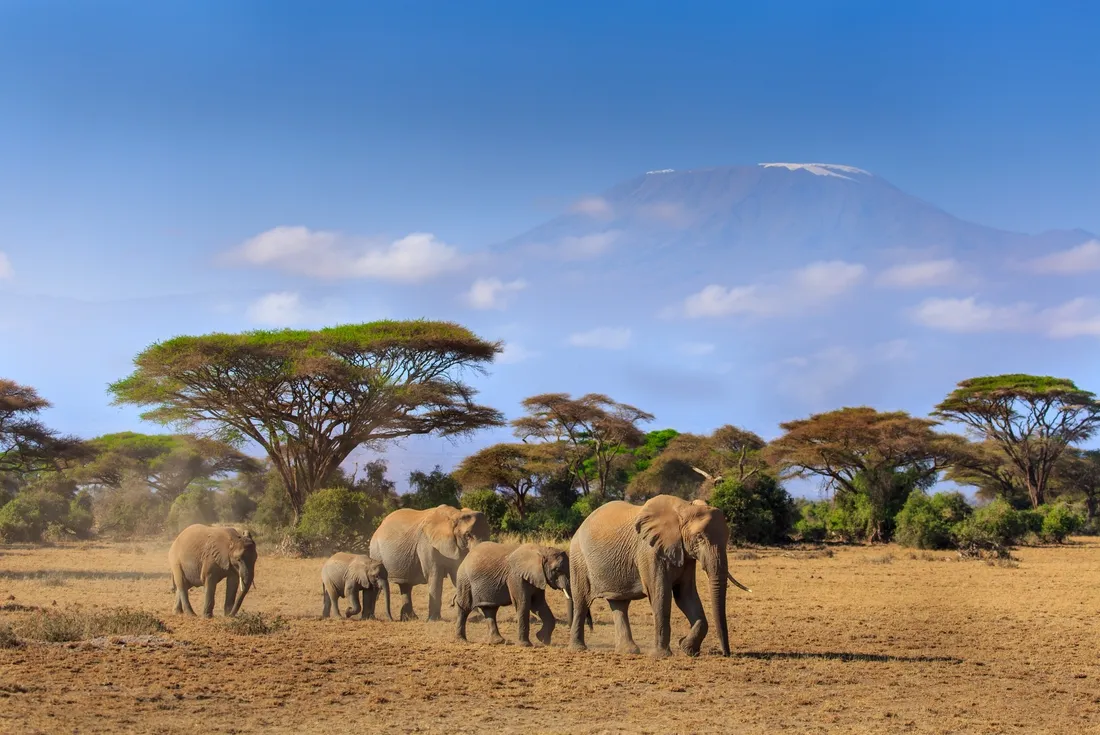
Serengeti & Kilimanjaro Trek
Combined safari and trekking tours offer wildlife adventures and Kilimanjaro climbs.
View Package →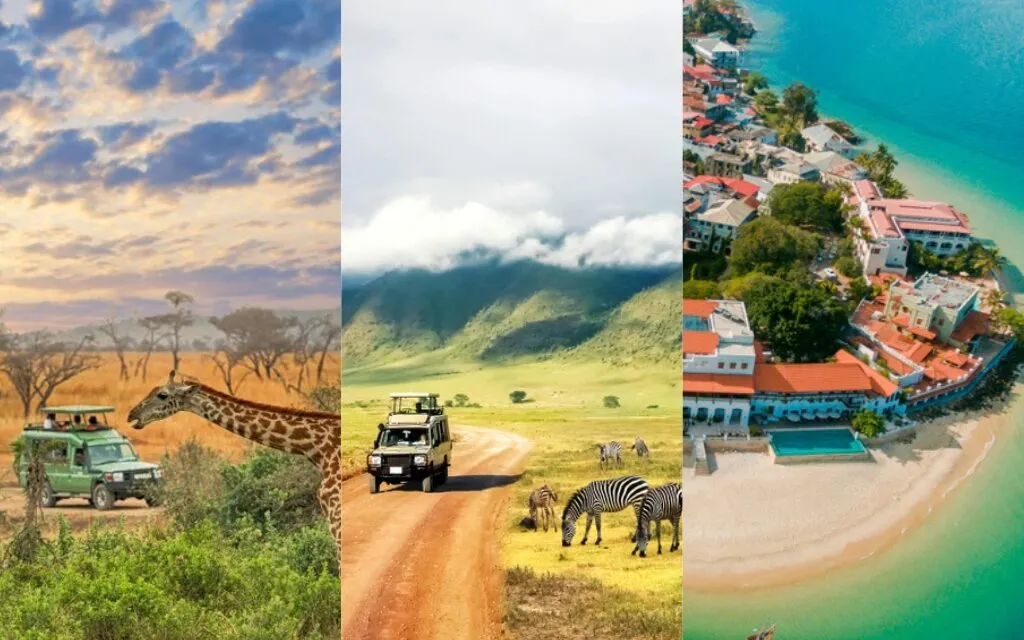
Serengeti & Zanzibar Tours
Luxury Tanzania safari & beach packages with the Great Migration and pristine beaches.
View Package →Related: Best Time to Visit Tanzania 2026 – Perfect safari extension after your Nigeria adventure.