
Most Complete North Macedonia Travel Guide 2026-2027 – Everything You Need to Know Before Visiting
This North Macedonia travel guide provides everything you need to plan your journey to the heart of the Balkans. North Macedonia offers an extraordinary blend of crystal-clear Lake Ohrid, dramatic mountain landscapes, Ottoman-era towns, and one of Europe’s most fascinating capitals. Many travelers who want to visit North Macedonia are surprised by the country’s incredible diversity and rich cultural heritage spanning Illyrian, Roman, Byzantine, Ottoman and Yugoslav periods. The nation covers just over 25,700 square kilometers, yet packs in UNESCO sites, excellent hiking, vibrant food markets and some of the continent’s friendliest hospitality.
Start Reading the Full Guide ↓Quick Facts About North Macedonia
- Capital: Skopje.
- Currency: Macedonian Denar (MKD).
- Time Zone: Central European Time (CET, UTC+1).
- International Calling Code: +389.
- Driving Side: Right.
- Major Airports: Skopje International Airport (SKP), Ohrid St. Paul the Apostle Airport (OHD).
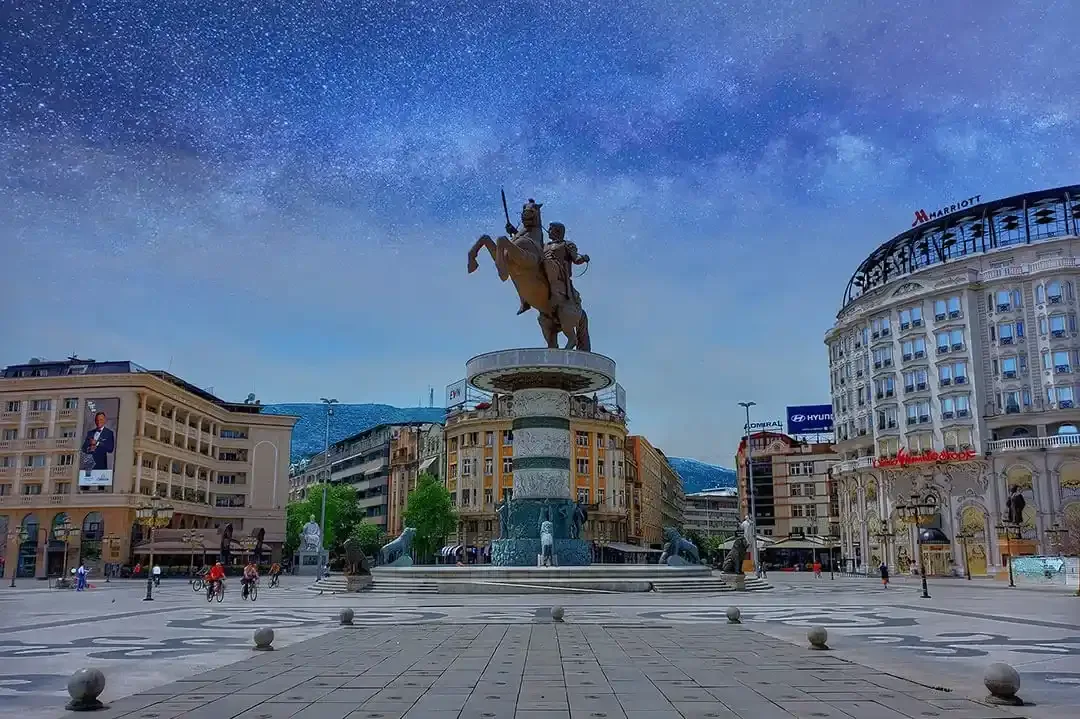
North Macedonia Overview & Key Facts
Brief History of North Macedonia
North Macedonia’s history spans millennia, from ancient Paeonian and Illyrian kingdoms through Roman and Byzantine rule to five centuries under the Ottoman Empire. The region played a central role in early Christianity (Ohrid was a major centre of Slavic literacy) and later became part of Yugoslavia after World War II. This rich historical tapestry creates a fascinating backdrop for modern travelers exploring Byzantine churches, Ottoman bazaars and the bold neoclassical architecture of “Skopje 2014”.
Independence & National Identity
- Independence date: September 8, 1991.
- Former part of: Yugoslavia.
- National symbols & identity.
North Macedonia declared independence peacefully from Yugoslavia in 1991. The country’s name was officially changed from “Macedonia” to “North Macedonia” in 2019 following the Prespa Agreement with Greece. Today national identity of North Macedonia proudly blends ancient Macedonian heritage (Alexander the Great remains a national hero) with Slavic traditions and a strong sense of Balkan hospitality.
Government System & Current Leadership
- Type of government: Parliamentary Republic
- Current president: Gordana Siljanovska-Davkova
- Notes on political stability
North Macedonia is a parliamentary democracy and EU candidate country. Politics can be lively but protests are almost always peaceful and do not affect tourists. The country enjoys strong NATO membership (since 2020) and improving relations with all neighbours.
Population, Ethnic Groups & Languages
- Population: 1.83 million (2025 estimate).
- Major ethnic groups: Macedonians (64%), Albanians (25%), others.
- Official language(s): Macedonian and Albanian.
- Additional languages commonly spoken.
English is widely spoken in tourist areas and by younger generations. Turkish, Serbian and Romani are also official in municipalities where those communities exceed 20%. Road signs are bilingual (Cyrillic and Latin alphabets).
Main Religions & Cultural Identity
Eastern Orthodox Christianity (65%) and Islam (33%) are the main religions, peacefully coexisting. You’ll see churches and mosques often just metres apart. Religious festivals are colourful and welcoming to visitors.
Geography & Natural Landscape
North Macedonia is landlocked but boasts over 50 lakes (most famously Ohrid), three national parks, and mountains exceeding 2,500 m. Continental climate with hot summers and cold, snowy winters in the highlands.
Economy & Tourism Highlights
Tourism is growing rapidly thanks to visa-free access, low prices and authentic experiences. The country promotes cultural heritage, adventure activities and excellent wine and gastronomy tourism.
What North Macedonia Is Known For
- UNESCO Lake Ohrid & ancient town
- Skopje’s monumental statues and bridges
- Excellent hiking in Mavrovo, Galičica and Pelister National Parks
Visa & Entry Requirements in North Macedonia
North Macedonia has one of Europe’s most visitor-friendly visa policies – most nationalities enjoy visa-free entry for tourism.
Do You Need a Visa?
Citizens of the EU, USA, Canada, UK, Australia, New Zealand, Japan, South Korea and 90+ other countries can enter visa-free for up to 90 days within any 180-day period. Passport must be valid for 3 months beyond intended departure.
Visa Application Options in North Macedonia
- Visa-free for most Western countries
- E-visa available online for nationalities that require it
- Visa on arrival for very few countries
Even if you need a visa, the process is straightforward and inexpensive.
Passport Validity & Entry Documents
Passport valid 3 months beyond stay + proof of onward travel and sufficient funds (rarely checked). No registration required for stays under 90 days.
Customs Rules & Prohibited Items
Standard EU-style rules. €10,000+ cash must be declared. No unusual restrictions.
Safety & Security Information in North Macedonia
North Macedonia is one of Europe’s safest countries for tourists.
Is North Macedonia Safe for Tourists?
Yes – very safe. Most governments rate it Level 1 (exercise normal precautions). Petty theft and pickpocketing in crowded areas of Skopje and Ohrid are the main concerns.
Recommended Safety Tips when in North Macedonia
Use the same common-sense precautions you would in any European city. Avoid isolated areas at night in Skopje’s Old Bazaar after bars close.
Safe Areas vs. Areas to Avoid in North Macedonia
All tourist areas are safe. No “no-go” zones for visitors.
Emergency Numbers & Tourist Police in North Macedonia
- Police: 192
- Fire: 193
- Ambulance: 194
- Tourist Police in Skopje & Ohrid speak English
Health Requirements & Vaccinations in North Macedonia
No special health risks. European standard healthcare in cities.
Mandatory Vaccinations in North Macedonia
None.
Recommended Vaccinations in North Macedonia
Routine vaccines only. Hepatitis A and Typhoid for rural/long stays.
Malaria & Other Risks
No malaria. Tick-borne encephalitis possible in forested areas spring–autumn.
Travel Insurance Recommendations in North Macedonia
Strongly recommended – covers winter sports if skiing in Popova Šapka or Mavrovo.
Best Time to Visit in North Macedonia
Late spring and early autumn offer perfect weather and fewer crowds.
Weather by Season
May–June and September–October: 18–28°C, sunny, ideal for hiking and sightseeing. July–August: hot (30–35°C), great for Lake Ohrid swimming. Winter: snowy in mountains, excellent skiing.
When to Visit North Macedonia for Best Experiences
- Hiking: May–October
- Lake swimming: June–September
- Skiing: December–March
- Wine harvest festivals: September–October
High Season vs. Low Season Travel
High season: July–August (Ohrid busy). Shoulder seasons offer best value and weather.
Weather & Climate Overview in North Macedonia
Continental climate with four distinct seasons. Hot summers, cold winters, pleasant spring/autumn.
Temperature Ranges
Skopje summer highs 32–35°C, winter lows -5°C. Ohrid milder due to lake (summer 28–30°C, winter 0–5°C).
Rainy & Dry Seasons in North Macedonia
May and October–November wettest; July–August driest.
What to Wear Based on the Weather
Light clothing + light jacket for summer evenings; layers and waterproof jacket for spring/autumn; warm coat and boots for winter mountain visits.
Main Currency, Costs & Budgeting in North Macedonia
One of Europe’s most affordable countries.
Local Currency Information
Macedonian Denar (MKD). 1 EUR ≈ 61–62 MKD (fixed rate).
Average Travel Costs in North Macedonia
Budget €40–70/day, mid-range €80–140/day. Excellent value restaurants (main course €6–12) and accommodation.
Using ATMs, Cards & Mobile Money in North Macedonia
ATMs everywhere, cards accepted in cities and tourist areas. Contactless common.
Tipping Guidelines in North Macedonia
10% in restaurants if service not included (often rounded up). Taxi drivers not tipped.
Transportation & Getting Around in North Macedonia
Compact country – easy to explore by bus, car or organised tours.
Airport Transfers
Skopje Airport: cheap airport bus (€3) or taxi (€20–25). Ohrid Airport very close to town.
Local Transport Options in North Macedonia
Modern buses between cities (€5–10), private minibuses, taxis (use registered ones with “TA” plates).
North Macedonia Domestic Flights
None – country too small.
Car Rentals & Road Conditions in North Macedonia
Good highways, mountain roads winding but well-maintained. International driving permit recommended.
Accommodation Options available in North Macedonia
Excellent range from boutique guesthouses to international hotels.
Types of Accommodations in North Macedonia
Family-run guesthouses, apartments, boutique hotels, mountain lodges, lakeside resorts.
Budget vs. Mid-Range vs. Luxury
Budget €20–40, mid-range €50–100, luxury €120–250 per night.
Best Areas to Stay in North Macedonia
Skopje city centre or Debar Maalo district; Ohrid old town or lakefront; Mavrovo National Park for hiking/skiing.
Essential Packing Guide when Visiting North Macedonia
Pack for four seasons in one trip if visiting mountains and lakes.
Clothing Essentials
Light layers, comfortable walking shoes, modest attire for religious sites, swimwear for Lake Ohrid, warm jacket for mountains.
Footwear & Gear
Good walking shoes essential; hiking boots if trekking; flip-flops for lake beaches.
Electronics & Cameras
European plugs (Type C/F), 230V. Power reliable everywhere.
Toiletries & Personal Items
Everything available; bring prescription medicines.
Language & Communication in North Macedonia
English widely spoken in tourist areas.
Main Languages Spoken in North Macedonia
Macedonian (Cyrillic), Albanian, English common among youth.
Useful Phrases for Tourists
“Zdravo” (hello), “Fala” (thank you), “Kolku čini?” (how much?).
SIM Cards & Mobile Data used in North Macedonia
Cheap prepaid SIMs at airports and kiosks (A1, Telekom).
Internet Availability & Wi-Fi in North Macedonia
Excellent 4G/5G coverage; free Wi-Fi in cafés and accommodation.
Culture & Etiquette in North Macedonia
Relaxed Balkan hospitality with strong family values.
North Macedonian Dress Code Expectations
Casual European dress fine; modest clothing for monasteries (scarf for women, long trousers for men).
Social Etiquette & Respectful Behavior of North Macedonia
Accept offered rakija or coffee; remove shoes in homes; warm greetings common.
Photography Rules in North Macedonia
Generally allowed; ask permission for people, especially in Albanian areas.
Important Cultural Dos & Don’ts in North Macedonia
Do accept hospitality; don’t discuss politics unless invited; do try local food and wine.
Food, Water & Dining in North Macedonia
Fantastic Balkan-Mediterranean fusion cuisine.
North Macedonian Local Dishes to Try
Tavče gravče (baked beans), ajvar, kebapi, Shopska salad, pindjur, Ohrid trout, baklava, mastika.
Dietary Options in North Macedonia
Many vegetarian options; vegan possible in cities. Halal widely available.
Drinking Water Safety
Tap water safe in cities and Ohrid; mountain springs delicious.
Restaurant Etiquette
Service often included; rounding up appreciated. Long meals are normal.
Top Attractions & Things to Do in North Macedonia
Incredible variety in a compact country.
Major Tourist Attractions in North Macedonia
- Lake Ohrid & old town (UNESCO)
- Skopje city centre & Old Bazaar
- Matka Canyon
- Ancient Stobi & Heraclea Lyncestis
Best Tours & Experiences in North Macedonia
Wine tasting in Tikveš region, hiking in national parks, paragliding over Ohrid, cooking classes, Ottoman heritage tours.
Family-Friendly Activities to do in North Macedonia
Boat trips on Lake Ohrid, cable car to Millennium Cross, zoo in Skopje, canyon boat rides.
Unique Cultural or Historical Sites to visit in North Macedonia
Monastery of St. Naum, Painted Mosque in Tetovo, Kokino megalithic observatory, colourful Kruševo old town.
North Macedonian Electrical System Information
European standard 230V, 50Hz, plugs Type C & F.
Plug Types & Voltage used in North Macedonia
Type C (“Europlug”) and Type F (“Schuko”). Most devices don’t need converters.
Charging Tips
Power reliable everywhere; bring a small power strip for multiple devices.
Local Laws & Regulations of North Macedonia
Standard European laws. Very tourist-friendly.
Rules Travelers Need to Know when In North Macedonia
No photography of military objects; no drones without permit; smoking banned indoors.
Alcohol, Smoking & Substance Laws of North Macedonia
Legal drinking age 18. Cannabis illegal (though decriminalised for small amounts).
Restricted or Protected Areas in North Macedonia.
Few restrictions; some border areas require permits (rarely visited).
Final Travel Tips for Visitors in North Macedonia
Compact, affordable and incredibly welcoming – perfect for first-time Balkan travellers.
Common Mistakes to Avoid
Trying to see everything in 3–4 days (slow down!); assuming everyone speaks fluent English outside tourist areas (they usually do anyway).
Tips to Save Money when Visiting North Macedonia
Travel by bus, eat where locals eat, stay in family guesthouses, visit in shoulder season.
Safety & Comfort Tips
Carry some cash (small bills), learn a few Macedonian phrases, try the local rakija (responsibly), and enjoy one of Europe’s last “undiscovered” gems.
Frequently Asked Questions – North Macedonia Travel Guide 2026-2027
Our Tanzania Tours Products
While North Macedonia offers stunning lakes, ancient sites and Balkan charm, many travelers combine the region with the ultimate wildlife experience in East Africa. Capable Africa Tours specializes in secure, guided safaris that maximize safety and wonder. Our expert local guides, armed rangers in parks, and vetted accommodations ensure peace of mind. From family-friendly lodges to luxury camps, we handle logistics so you focus on the magic. Tanzania ranks high for tourist safety with dedicated wildlife protection units and stable northern circuits.
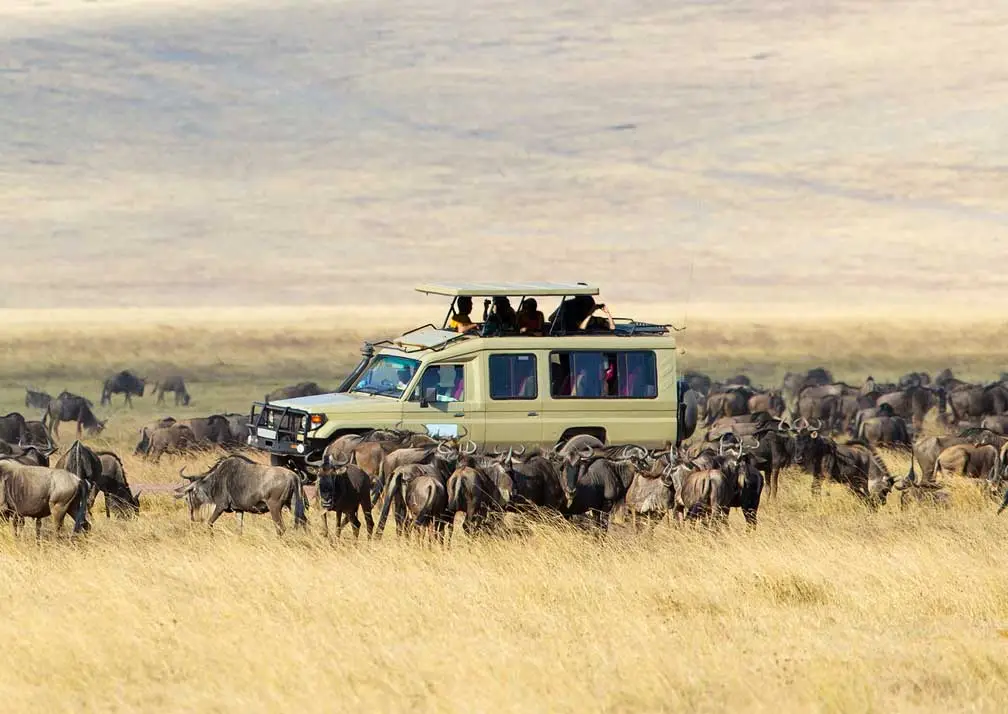
Great Migration Safaris
Experience one of nature's greatest spectacles with our Great Migration safari packages, timed for river crossings or calving.
View Package →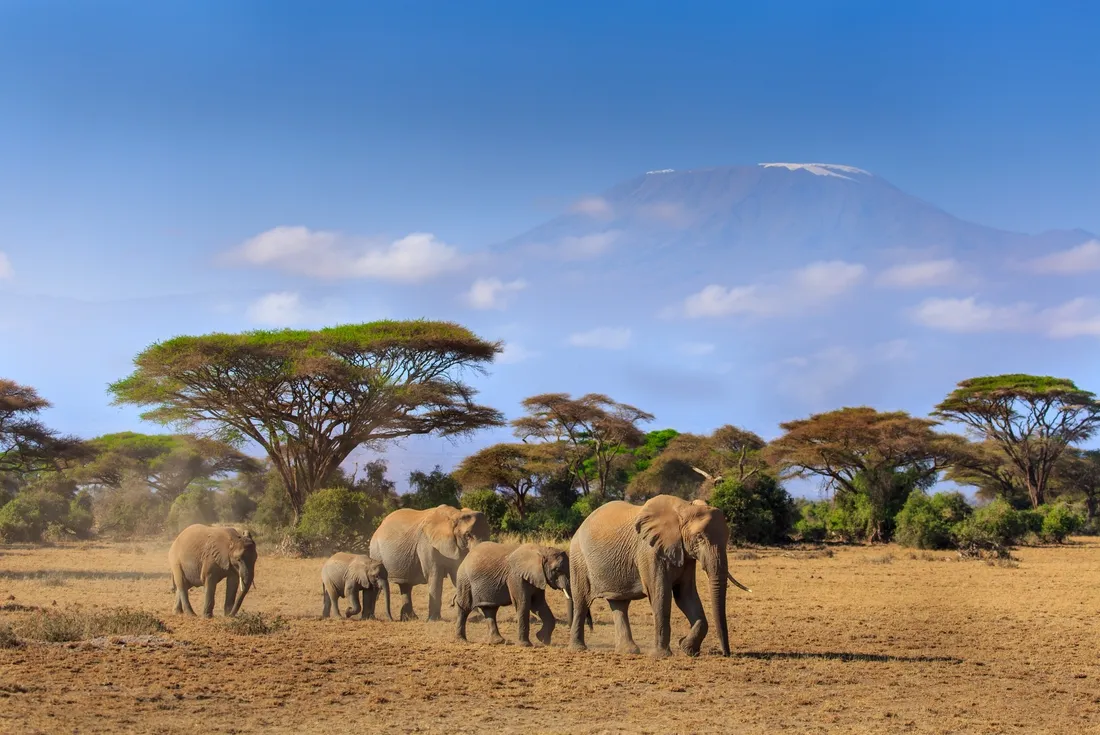
Serengeti & Kilimanjaro Trek
Combined safari and trekking tours offer wildlife adventures and Kilimanjaro climbs.
View Package →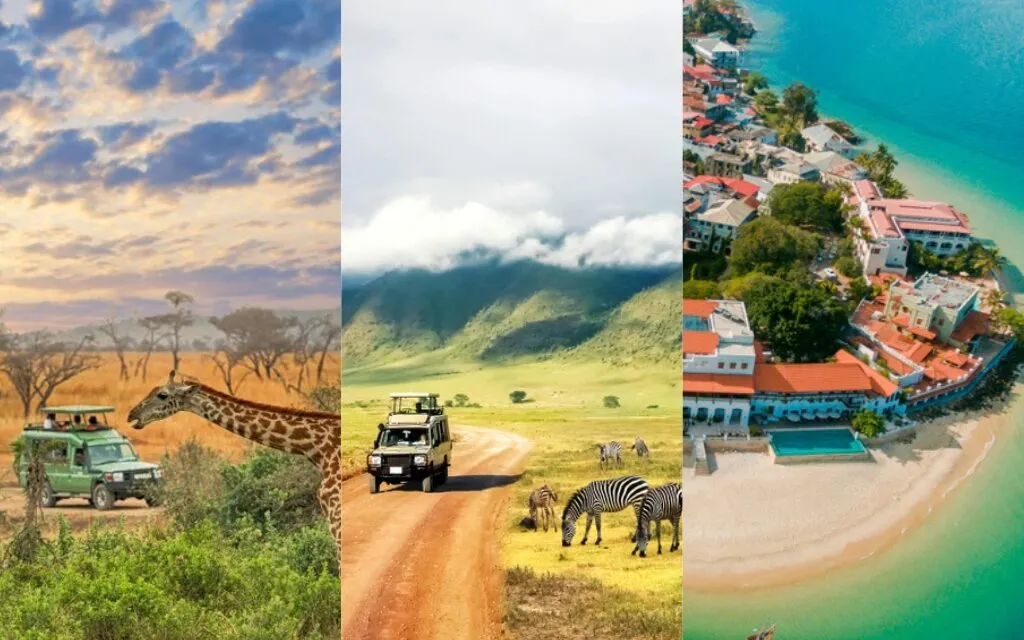
Serengeti & Zanzibar Tours
Luxury Tanzania safari & beach packages with the Great Migration and pristine beaches.
View Package →Related: Best Time to Visit Tanzania 2026 – Perfect safari extension after your North Macedonia adventure.