
Most Complete Norway Travel Guide 2026-2027 – Everything You Need to Know Before Visiting
This Norway travel guide provides everything you need to plan your journey to Scandinavia’s most dramatic country. Norway offers an extraordinary blend of deep fjords, Arctic wilderness, midnight sun and Northern Lights that create one of Europe’s most spectacular travel experiences. Many travelers who want to visit Norway are surprised by the country’s incredible natural diversity and high quality of life spanning Viking heritage, modern design cities and pristine Arctic landscapes. The nation covers 385,207 square kilometers, stretching over 1,700 km north-south, offering visitors everything from cosmopolitan Oslo to remote Lofoten islands and Svalbard above the Arctic Circle.
Start Reading the Full Guide ↓Quick Facts About Norway
- Capital: Oslo.
- Currency: Norwegian Krone (NOK).
- Time Zone: Central European Time (CET, UTC+1) / CEST in summer.
- International Calling Code: +47.
- Driving Side: Right.
- Major Airports: Oslo Gardermoen (OSL), Bergen (BGO), Tromsø (TOS).
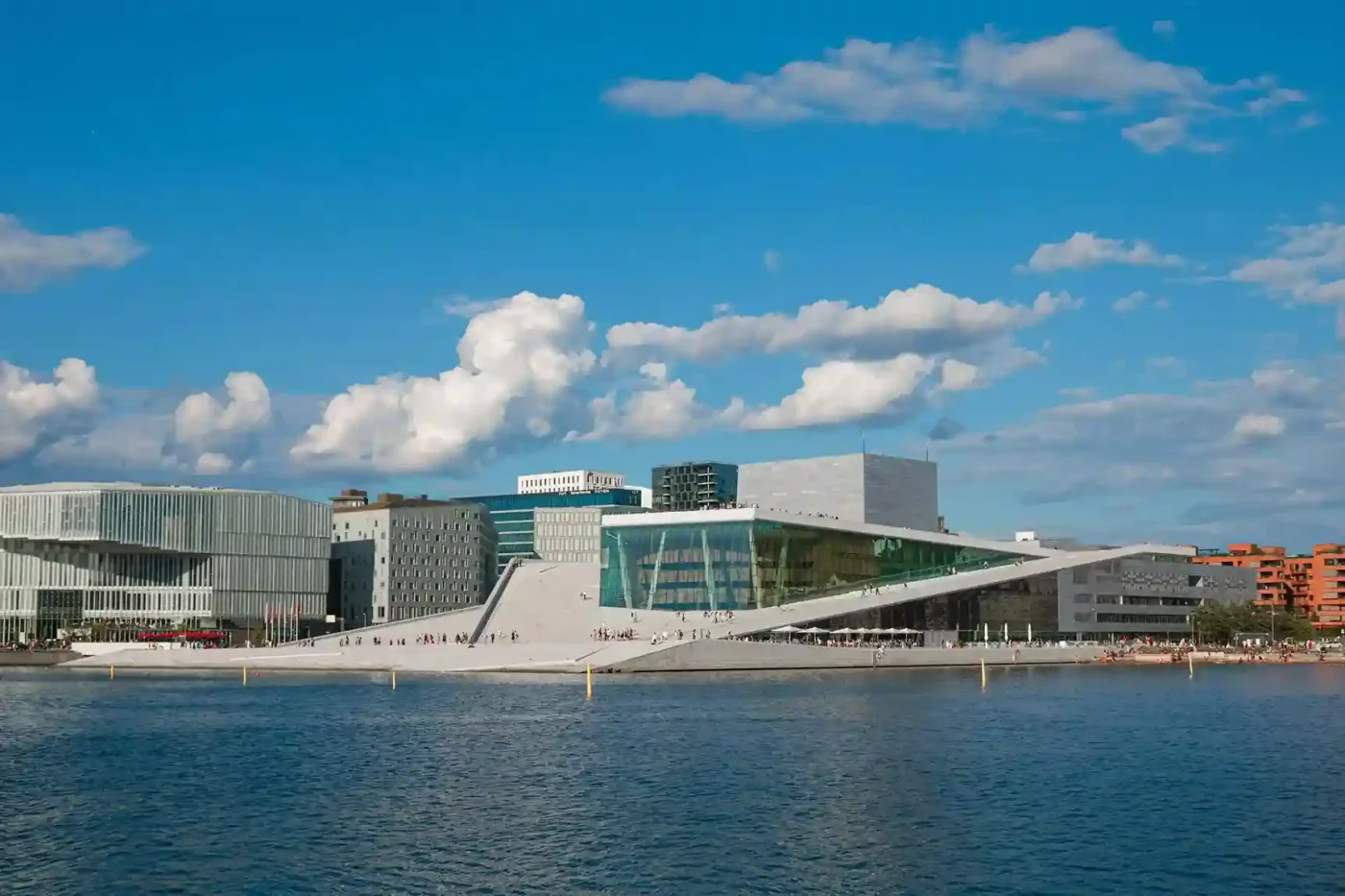
Norway Overview & Key Facts
Brief History of Norway
Norway's history spans from the Viking Age (793–1066 AD) through centuries of Danish and Swedish unions to full independence in 1905. The Vikings explored, traded and raided across Europe, while medieval Norway was a major North Atlantic power. The country remained neutral in both world wars but was occupied 1940–1945. Post-war oil discovery transformed Norway into one of the world’s wealthiest nations while maintaining strong social democratic values.
Independence & National Identity
- Independence date: June 7, 1905 (dissolution of union with Sweden).
- Former unions: Denmark-Norway (1380–1814), Sweden-Norway (1814–1905).
- National symbols & identity.
National Day (May 17) is celebrated with children’s parades and massive community breakfasts. The flag and bunad (traditional costume) are strong National identity markers of Norway.
Government System & Current Leadership
- Type of government: Constitutional Monarchy with parliamentary democracy
- Current monarch: King Harald V
- Current prime minister: Jonas Gahr Støre (Labour Party)
Norway consistently ranks as one of the most democratic, transparent and stable countries worldwide.
Population, Ethnic Groups & Languages
- Population: 5.6 million (2026 projection).
- Major ethnic groups: Norwegian 81%, other European 9%, Sami and others.
- Official language(s): Norwegian (Bokmål and Nynorsk), Sami in some areas.
English fluency is among the highest globally – over 90% speak it fluently.
Main Religions & Cultural Identity
Secular Lutheran heritage (Church of Norway), but only ~3% attend church regularly. Strong values of equality, nature connection (“friluftsliv”), and social trust define modern Norwegian culture.
Geography & Natural Landscape
Norway features dramatic fjords carved by glaciers, high plateaus (Hardangervidda), Arctic tundra in the north, and thousands of islands. Over 1,000 fjords, 450,000+ lakes, and 1/3 of the country lies north of the Arctic Circle.
Economy & Tourism Highlights
World’s largest sovereign wealth fund (> $1.6 trillion) from oil/gas. Tourism is the fastest-growing sector with 12+ million visitors annually drawn to fjords, Northern Lights and summer hiking/cruising.
What Norway Is Known For
- UNESCO fjords (Geirangerfjord, Nærøyfjord)
- Northern Lights & midnight sun
- Viking heritage and stave churches
- Lofoten islands dramatic scenery
Visa & Entry Requirements in Norway
Norway is part of the Schengen Area. Citizens of EU/EEA, USA, Canada, UK, Australia, New Zealand, Japan, South Korea and many others enjoy visa-free entry for up to 90 days in any 180-day period.
Do You Need a Visa?
No – most visitors from developed countries have visa-free access. Check the Norwegian Directorate of Immigration (UDI) website for your nationality.
Visa Application Options in Norway
- Visa-free for 90/180 days (most nationalities)
- Schengen visa through any Schengen embassy if required
- ETIAS (starting 2027) – electronic pre-authorization (€7)
Passport Validity & Entry Documents
Passport valid for 3 months beyond intended stay + proof of onward travel and sufficient funds/accommodation (rarely checked).
Customs Rules & Prohibited Items
Standard EU rules. Alcohol/tobacco quotas if arriving from outside EEA. Cash > 25,000 NOK must be declared.
Safety & Security Information in Norway
Norway is one of the safest countries on earth – consistently ranked top 5 globally.
Is Norway Safe for Tourists?
Extremely safe. Low violent crime, trustworthy police, excellent healthcare. Main risks are weather-related (slippery winter roads, sudden mountain weather changes).
Recommended Safety Tips when in Norway
Follow mountain safety codes, check avalanche forecasts in winter, respect “Allemannsretten” (right to roam) rules, and carry proper gear for hiking.
Safe Areas vs. Areas to Avoid in Norway
Entire country is safe. No “no-go” zones.
Emergency Numbers & Tourist Police in Norway
- Police: 112
- Fire: 110
- Medical: 113
Health Requirements & Vaccinations in Norway
No mandatory vaccinations. High-standard healthcare.
Mandatory Vaccinations in Norway
None.
Recommended Vaccinations in Norway
Tick-borne encephalitis (TBE) if hiking in forests May–September. Routine vaccines up to date.
Malaria & Other Risks
No malaria. Main risk: ticks in summer, cold-related issues in winter.
Travel Insurance Recommendations in Norway
Highly recommended – covers expensive helicopter mountain rescue and medical repatriation.
Best Time to Visit in Norway
Depends on your interests:
Weather by Season
Summer (Jun–Aug): 15–25°C, 24-hour daylight north of Arctic Circle. Winter (Dec–Mar): -5 to +5°C coast, -20°C inland, Northern Lights season.
When to Visit Norway for Best Experiences
- Northern Lights: October–March
- Midnight sun & hiking: June–August
- Fjord cruising: May–September
- Cross-country skiing: January–April
High Season vs. Low Season Travel
High season: June–August. Shoulder: May & September (best value).
Weather & Climate Overview in Norway
Gulf Stream keeps coastal areas surprisingly mild. Huge regional differences.
Temperature Ranges
Oslo: -4°C Jan / 21°C Jul. Tromsø: -4°C Jan / 15°C Jul (but 24-hour daylight).
Rainy & Dry Seasons in Norway
Bergen: 240 rainy days/year. Eastern Norway: driest. Midnight sun period is generally stable.
What to Wear Based on the Weather
Layering system: merino base, fleece mid-layer, waterproof shell, warm hat and gloves (even in summer for fjords/mountains).
Main Currency, Costs & Budgeting in Norway
Norway is expensive but transparent pricing and high quality.
Local Currency Information
Norwegian Krone (NOK). Cards accepted virtually everywhere; cash almost unnecessary.
Average Travel Costs in Norway
Budget: $120–180/day; mid-range $250–400/day; luxury $500+.
Using ATMs, Cards & Mobile Money in Norway
Contactless cards and Apple/Google Pay universal. ATMs plentiful.
Tipping Guidelines in Norway
Not expected – service included. Rounding up or 5–10% for exceptional service appreciated.
Transportation & Getting Around in Norway
Excellent public transport; spectacular scenic routes.
Airport Transfers
Oslo Airport Express Train (Flytoget) every 10 min to city center.
Local Transport Options in Norway
Trains, express boats, Hurtigruten coastal steamer, excellent buses, trams/metro in cities.
Norway Domestic Flights
Widerøe and Norwegian fly frequent routes, especially to northern Norway and Svalbard.
Car Rentals & Road Conditions in Norway
Highly recommended for fjord region. Excellent roads, many scenic routes, electric car infrastructure world-leading.
Accommodation Options available in Norway
Types of Accommodations in Norway
Hotels, cabins (hytte), rorbuer (fishermen’s cabins in Lofoten), camping, DNT huts, hostels.
Budget vs. Mid-Range vs. Luxury
Hostel/private room $60–120, mid-range hotel $150–250, luxury $300–800+.
Best Areas to Stay in Norway
Oslo: Grünerløkka or city center. Bergen: near Bryggen. Lofoten: Reine or Å. Tromsø: city center.
Essential Packing Guide when Visiting Norway
Layering, waterproof gear, good shoes, power bank, reusable water bottle (tap water excellent).
Language & Communication in Norway
English fluency near 100% in tourism sector.
Culture & Etiquette in Norway
Egalitarian, nature-loving, punctual. “Janteloven” (don’t think you’re special) still influences behavior.
Food, Water & Dining in Norway
Excellent seafood, brown cheese, cinnamon buns, new Nordic cuisine in cities.
Top Attractions & Things to Do in Norway
- Geirangerfjord & Nærøyfjord (UNESCO)
- Lofoten Islands
- Tromsø & Northern Lights
- Bergen & Bryggen (UNESCO)
- Oslo museums (Viking Ship, Fram, Vigeland)
- Norway in a Nutshell route
Norwegian Electrical System Information
230V, 50Hz, Type C & F plugs (standard European).
Local Laws & Regulations of Norway
Respect Allemannsretten (everyman’s right) but Leave No Trace. No drones near airports or over people without permission.
Final Travel Tips for Visitors in Norway
Book accommodation and popular activities early in summer and Northern Lights season. Embrace “friluftsliv” – get outdoors!
Frequently Asked Questions – Norway Travel Guide 2026-2027
Our Tanzania Tours Products
While Norway offers spectacular fjords and Northern Lights, many travelers combine Scandinavia with the ultimate wildlife experience in East Africa. Capable Africa Tours specializes in secure, guided safaris that maximize safety and wonder...
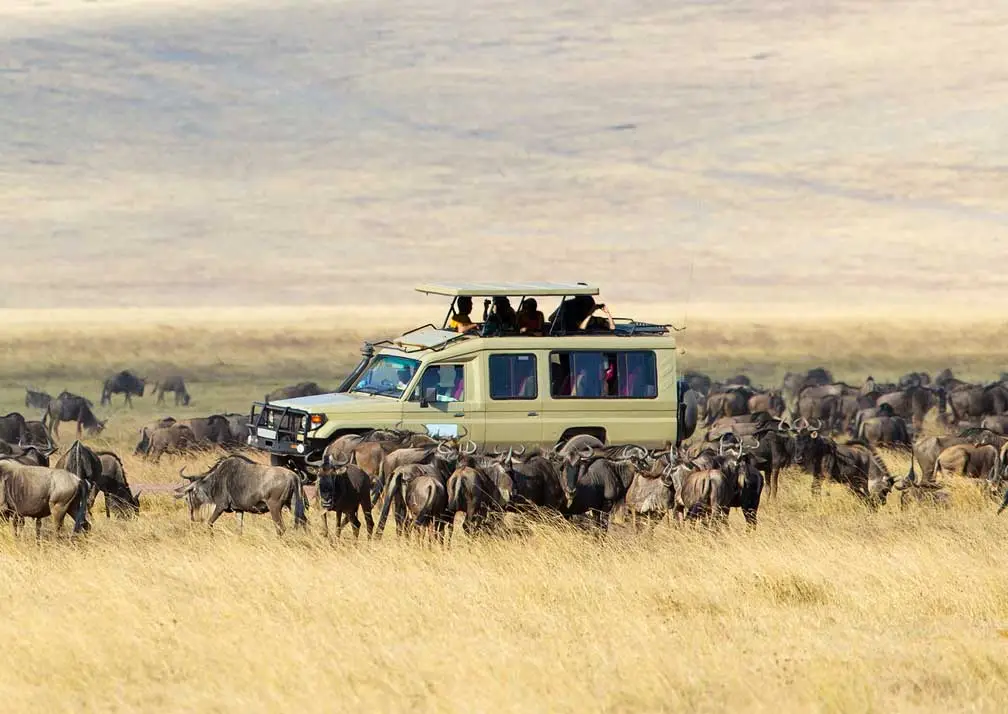
Great Migration Safaris
Experience one of nature's greatest spectacles with our Great Migration safari packages, timed for river crossings or calving.
View Package →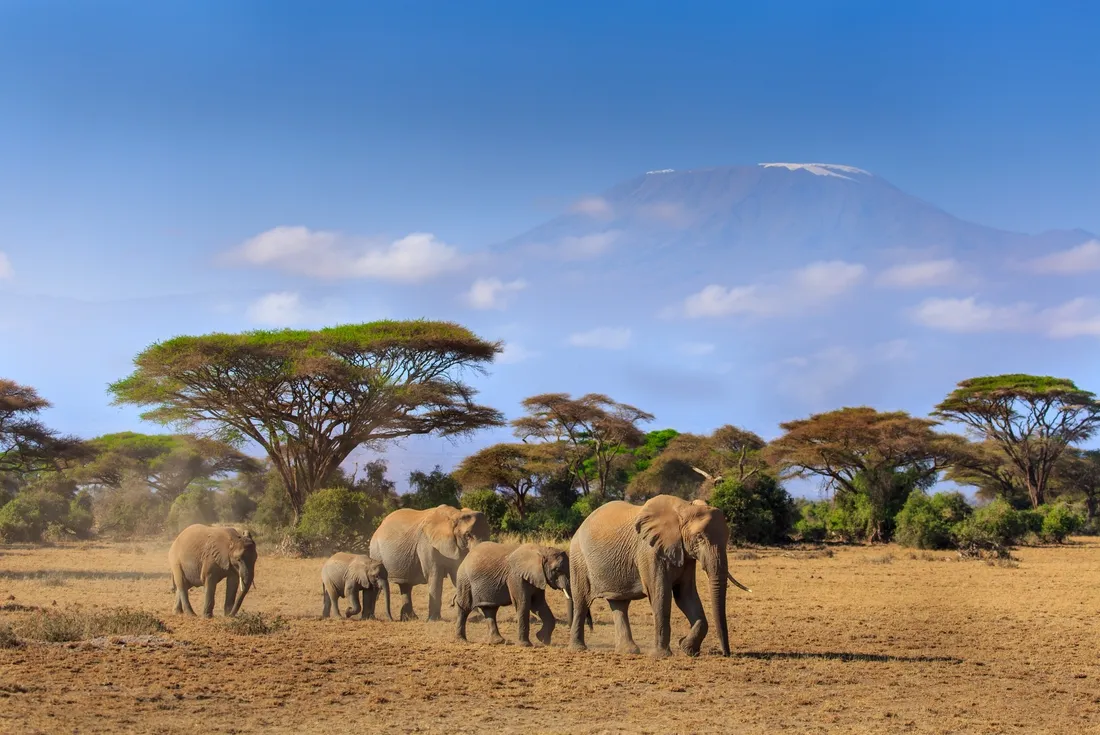
Serengeti & Kilimanjaro Trek
Combined safari and trekking tours offer wildlife adventures and Kilimanjaro climbs.
View Package →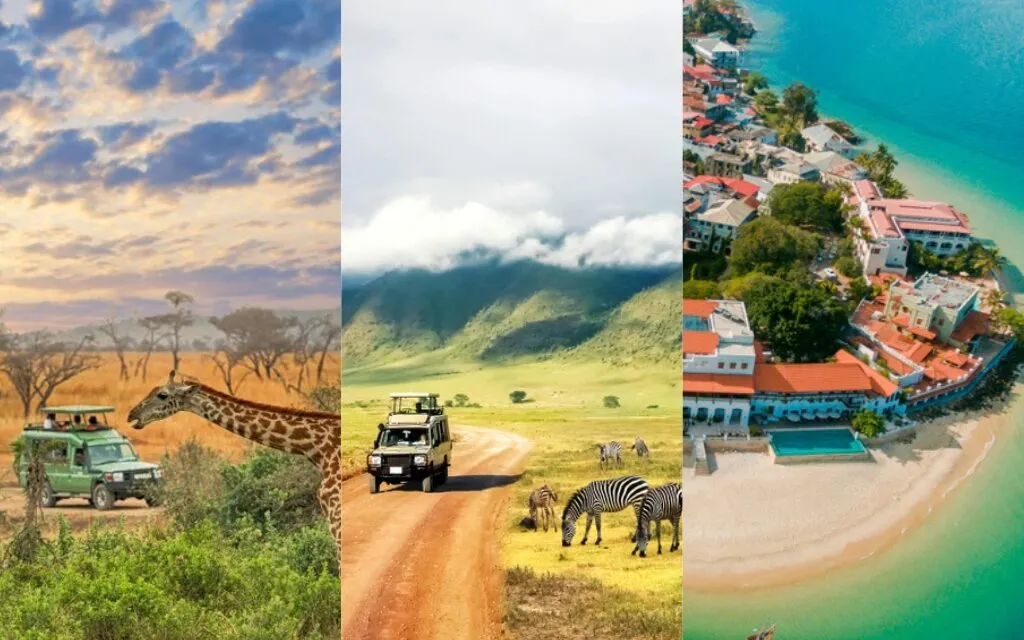
Serengeti & Zanzibar Tours
Luxury Tanzania safari & beach packages with the Great Migration and pristine beaches.
View Package →Related: Best Time to Visit Tanzania 2026 – Perfect safari extension after your Norway adventure.