
Most Complete Oman Travel Guide 2026-2027 – Everything You Need to Know Before Visiting
This Oman travel guide provides everything you need to plan your journey to the Arabian Peninsula’s hidden gem. Oman offers an extraordinary blend of dramatic mountains, endless dunes, turquoise wadis, pristine coastline and authentic Arab hospitality that create one of the region’s most diverse and welcoming travel experiences. Many travelers who want to visit Oman are surprised by the country's incredible natural beauty and rich cultural heritage spanning ancient frankincense routes, impressive forts, and traditional souks. The Sultanate covers over 309,000 square kilometers, offering visitors everything from UNESCO-listed sites to luxury desert camps and world-class diving.
Start Reading the Full Guide ↓Quick Facts About Oman
- Capital: Muscat.
- Currency: Omani Rial (OMR).
- Time Zone: Gulf Standard Time (GST, UTC+4).
- International Calling Code: +968.
- Driving Side: Right.
- Major Airports: Muscat International Airport (MCT), Salalah Airport (SLL).
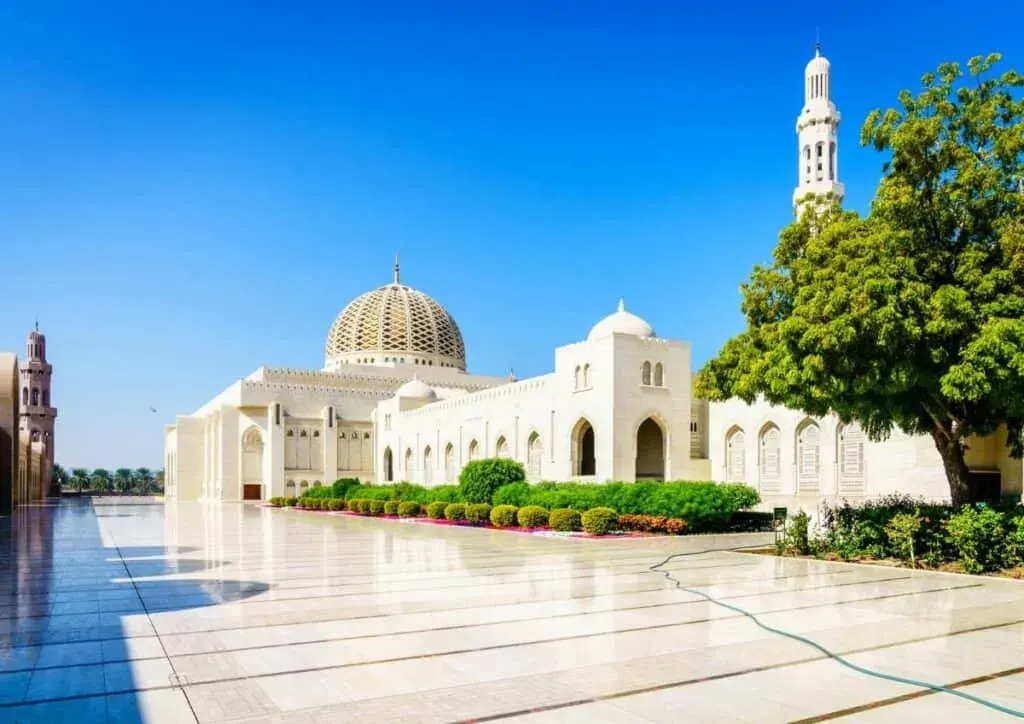
Oman Overview & Key Facts
Brief History of Oman
Oman's history spans over 5,000 years, from ancient Magan civilization through the frankincense trade to Portuguese occupation and British influence. The country played a crucial role in maritime trade routes, with ports like Sohar and Muscat serving as key trading hubs. The Al Said dynasty has ruled since 1744, with the current Sultan Haitham bin Tariq ascending in 2020 after the beloved Sultan Qaboos, who modernized the country from 1970 onward.
Independence & National Identity
- Independence date: 1650 (expulsion of Portuguese), full sovereignty 1971 (from British protectorate).
- Former colonial powers: Portuguese (1507–1650), British influence.
- National symbols & identity.
Oman celebrates National Day on 18 November. The national flag features white, green and red stripes with a red vertical band and the khanjar (traditional dagger). Oman is known for its policy of neutrality and peaceful diplomacy.
Government System & Current Leadership
- Type of government: Absolute monarchy
- Current Sultan: Haitham bin Tariq Al Said
- Notes on political stability
Oman is one of the most stable and peaceful countries in the region, with Sultan Haitham continuing the modernization and diversification policies of his predecessor. The country maintains excellent relations with both Eastern and Western powers.
Population, Ethnic Groups & Languages
- Population: 5.3 million (2025 estimate).
- Major ethnic groups: Arab, Baluchi, South Asian, African.
- Official language(s): Arabic.
- Additional languages commonly spoken.
English is widely spoken in business and tourism. Swahili, Hindi, Malayalam and Baluchi are also common due to historical ties and expatriate communities.
Main Religions & Cultural Identity
Oman follows Ibadi Islam (moderate branch distinct from Sunni and Shia), practiced by about 75% of citizens. Sunni and Shia minorities exist peacefully. Religious tolerance is high, and non-Muslims may practice freely in private. Islamic values influence daily life, but Oman is notably progressive and welcoming.
Geography & Natural Landscape
Oman features dramatic contrasts: the rugged Hajar Mountains, vast Rub’ al Khali desert, lush southern Dhofar region with monsoon (khareef), 3,000+ km of coastline, and stunning wadis. The Musandam Peninsula is separated from the mainland, offering fjord-like scenery.
Economy & Tourism Highlights
Oil and gas dominate, but Oman Vision 2040 aggressively diversifies into tourism, logistics, manufacturing and fisheries. Tourism grew dramatically post-2019 with relaxed visa rules and new attractions (Oman Botanic Garden, luxury resorts, adventure offerings).
What Oman Is Known For
- Stunning forts and castles (Nizwa, Bahla – UNESCO)
- Frankincense heritage and UNESCO Land of Frankincense
- Wadi swimming, turtle watching, desert camping, mountain trekking
Visa & Entry Requirements in Oman
Most nationalities can obtain an e-Visa online or visa on arrival. The process is straightforward and tourist-friendly.
Do You Need a Visa?
Citizens of over 100 countries (including EU, USA, UK, Australia, Canada, Japan, etc.) receive visa on arrival or can apply online. GCC citizens enter freely. Check the Royal Oman Police website for latest list.
Visa Application Options in Oman
- e-Visa (recommended – apply at police.gov.om)
- Visa on arrival at airports and some land borders
- GCC residents and certain professions get free visas
Passport Validity & Entry Documents
Passport must be valid 6 months beyond entry date. Return/onward ticket and proof of accommodation often checked.
Customs Rules & Prohibited Items
Alcohol allowance: 2 litres per person (non-Muslims over 21). Pork and pornographic material prohibited. Drones require permit.
Safety & Security Information in Oman
Oman consistently ranks among the safest countries globally (often top 5 in Global Peace Index).
Is Oman Safe for Tourists?
Extremely safe. Petty crime is rare, violent crime almost unheard of against tourists. Women travel solo comfortably.
Recommended Safety Tips when in Oman
Standard precautions: secure valuables, don’t flash cash, follow local dress code, drive carefully (roads excellent but some off-road requires 4x4 experience).
Safe Areas vs. Areas to Avoid in Oman
Everywhere is safe. Yemen border area (far west) is restricted but not on tourist routes.
Emergency Numbers & Tourist Police in Oman
- Police/Emergency: 9999
- Tourist Police: Available in Muscat and major sites
Health Requirements & Vaccinations in Oman
No mandatory vaccinations unless arriving from yellow-fever countries.
Mandatory Vaccinations in Oman
None for most travellers.
Recommended Vaccinations in Oman
Hepatitis A, Typhoid, routine vaccines. Rabies pre-exposure if planning remote areas.
Malaria & Other Risks
No malaria risk. Heatstroke and dehydration are main concerns in summer.
Travel Insurance Recommendations in Oman
Strongly recommended – must cover off-road driving and adventure activities (many policies exclude 4x4 off-road).
Best Time to Visit in Oman
October–April is peak season with perfect weather (20–35°C). Salalah’s khareef (monsoon) season July–September is unique with green landscapes.
Weather by Season
Winter (Oct–Apr): 20–30°C, perfect. Summer (May–Sep): 40–50°C inland, humid coast. Dhofar monsoon: lush and cool 20–30°C.
When to Visit Oman for Best Experiences
- Turtle nesting: May–Oct (Ras al Jinz)
- Khareef festival in Salalah: July–Sep
- Desert camping: Nov–Mar
High Season vs. Low Season Travel
High season: Oct–Apr (book early). Low season: Jun–Sep (dramatic discounts, but very hot except Salalah).
Weather & Climate Overview in Oman
Arid desert climate with regional variations. Coastal areas humid, interior extreme, Dhofar monsoon-influenced.
Temperature Ranges
Muscat winter 20–30°C, summer 35–48°C. Mountains cooler (can drop to 0°C at Jebel Shams in winter). Salalah khareef 23–30°C.
Rainy & Dry Seasons in Oman
Almost no rain except occasional winter showers and Dhofar khareef (Jun–Sep).
What to Wear Based on the Weather
Light breathable clothing, sun protection, modest coverage. Warm layers for mountain nights Nov–Feb.
Main Currency, Costs & Budgeting in Oman
Omani Rial (OMR) is one of the world’s strongest currencies (pegged to USD at ~2.6 USD per 1 OMR).
Local Currency Information
Notes: 100, 200, 500 baisa; 1, 5, 10, 20, 50 OMR. ATMs everywhere, cards widely accepted.
Average Travel Costs in Oman
Budget $80–120/day, mid-range $150–250, luxury $350+.
Using ATMs, Cards & Mobile Money in Oman
Excellent card acceptance in cities, hotels, malls. Cash needed for souks and remote areas.
Tipping Guidelines in Oman
10% in restaurants if no service charge. Small tips (1–2 OMR) for hotel staff, guides, drivers appreciated.
Transportation & Getting Around in Oman
Best explored by car (rental or private driver with 4x4 for mountains/desert).
Airport Transfers
Muscat Airport taxis fixed price, Careem/Uber available, excellent new terminal.
Local Transport Options in Oman
Muscat has good buses and taxis. Intercity luxury buses (Mwasalat). Shared taxis/microbuses between towns.
Oman Domestic Flights
Oman Air and SalamAir fly Muscat–Salalah, Muscat–Khasab, Muscat–Duqm.
Car Rentals & Road Conditions in Oman
Excellent highways. 4x4 essential for wadis and Jebel Akhdar/Shams. International driving permit recommended.
Accommodation Options available in Oman
From luxury resorts (Shangri-La, Alila, Six Senses) to desert camps and budget hotels.
Types of Accommodations in Oman
5-star resorts, boutique hotels, desert camps (luxury & basic), guesthouses, Airbnb.
Budget vs. Mid-Range vs. Luxury
Budget $40–80, mid-range $100–200, luxury $300–1000+.
Best Areas to Stay in Oman
Muscat (Al Ghubrah, Qurum, Old Muscat), Nizwa, Sur, Wahiba Sands camps, Salalah beach resorts.
Essential Packing Guide when Visiting Oman
Sun protection, modest clothing, swimwear, hiking shoes, warm layer for mountains.
Clothing Essentials
Light long sleeves/pants for sun and modesty, hat, sunglasses, swimwear, sandals, hiking shoes.
Footwear & Gear
Water shoes for wadis, hiking boots for mountains, flip-flops for beach.
Electronics & Cameras
Universal adapter (UK-type G plugs), power bank, GoPro for wadis.
Toiletries & Personal Items
Sunscreen (50+), insect repellent, basic medications.
Language & Communication in Oman
Arabic official, English very widely spoken in tourism sector.
Main Languages Spoken in Oman
Arabic, English, Swahili, Hindi, Malayalam.
Useful Phrases for Tourists
“As-salamu alaykum”, “Shukran”, “Min fadlak”, “Afwan”.
SIM Cards & Mobile Data used in Oman
Omantel and Ooredoo – excellent coverage, cheap tourist packages at airport.
Internet Availability & Wi-Fi in Oman
Fast Wi-Fi in hotels/cafes, good 4G/5G coverage almost nationwide.
Culture & Etiquette in Oman
Omanis are renowned for hospitality and friendliness.
Omani Dress Code Expectations
Modest dress in public (shoulders/knees covered). Women no headscarf required except some mosques.
Social Etiquette & Respectful Behavior of Oman
Greet with “As-salamu alaykum”, accept coffee/tea, use right hand for eating/giving.
Photography Rules in Oman
Ask permission before photographing people (especially women). No photos of military/police.
Important Cultural Dos & Don’ts in Oman
Do accept hospitality. Don’t refuse coffee abruptly, don’t point feet at people, don’t photograph women without permission.
Food, Water & Dining in Oman
Omani cuisine blends Arabic, Indian, and East African influences.
Omani Local Dishes to Try
Shuwa, majboos, harees, halwa, camel meat, fresh seafood, Omani bread with honey.
Dietary Options in Oman
Halal standard. Good vegetarian Indian options. Many international restaurants.
Drinking Water Safety
Tap water safe in cities; bottled widely available.
Restaurant Etiquette
Tipping 10% appreciated but not mandatory.
Top Attractions & Things to Do in Oman
Muscat Grand Mosque, Sultan Qaboos Grand Mosque, Nizwa Fort, Wahiba Sands, Wadi Shab, Jebel Akhdar, Ras al Jinz turtle reserve, Al Hoota Cave, Bimmah Sinkhole, Salalah frankincense sites.
Major Tourist Attractions in Oman
- Sultan Qaboos Grand Mosque
- Nizwa Fort & souk
- Wahiba Sands desert camping
- Wadi Shab & Tiwi
- Jebel Shams (Grand Canyon of Arabia)
Best Tours & Experiences in Oman
Dolphin watching, dhow cruises, turtle watching, desert overnight camps, mountain trekking.
Family-Friendly Activities to do in Oman
Wadi swimming, Qurum Beach, children’s museums, aqua parks.
Unique Cultural or Historical Sites to visit in Oman
Bahla Fort (UNESCO), Land of Frankincense sites, Al Alam Palace, Royal Opera House Muscat.
Omani Electrical System Information
UK-style type G plugs, 240V, 50Hz.
Plug Types & Voltage used in Oman
Type G (three rectangular pins). Bring adapter.
Charging Tips
Power reliable nationwide.
Local Laws & Regulations of Oman
Alcohol only in licensed hotels/bars (non-Muslims). Public behaviour modest. Photography restrictions on military/government buildings.
Rules Travelers Need to Know when In Oman
No public drinking/eating during Ramadan daylight, modest dress, no affection in public.
Alcohol, Smoking & Substance Laws of Oman
Alcohol only for non-Muslims in licensed venues. All drugs strictly prohibited.
Restricted or Protected Areas in Oman.
Military zones, some wadis closed during rain for safety.
Final Travel Tips for Visitors in Oman
Rent a 4x4 if exploring beyond Muscat, book desert camps early, carry cash for rural areas, download offline maps.
Common Mistakes to Avoid
Underestimating heat, trying to visit everything in one week, not booking popular camps in advance.
Tips to Save Money when Visiting Oman
Visit in summer (except Salalah), stay in apartments, eat local food, use public buses between cities.
Safety & Comfort Tips
Drink plenty of water, wear sunscreen, don’t swim in wadis after rain (flash floods), respect local customs.
Frequently Asked Questions – Oman Travel Guide 2026-2027
Our Tanzania Tours Products
While Oman offers stunning Arabian landscapes, ancient forts and turquoise wadis, many travelers combine the Middle East with the ultimate African wildlife experience in Tanzania. Capable Africa Tours specializes in secure, guided safaris that maximize safety and wonder. Our expert local guides, armed rangers in parks, and vetted accommodations ensure peace of mind. From family-friendly lodges to luxury camps, we handle logistics so you focus on the magic.
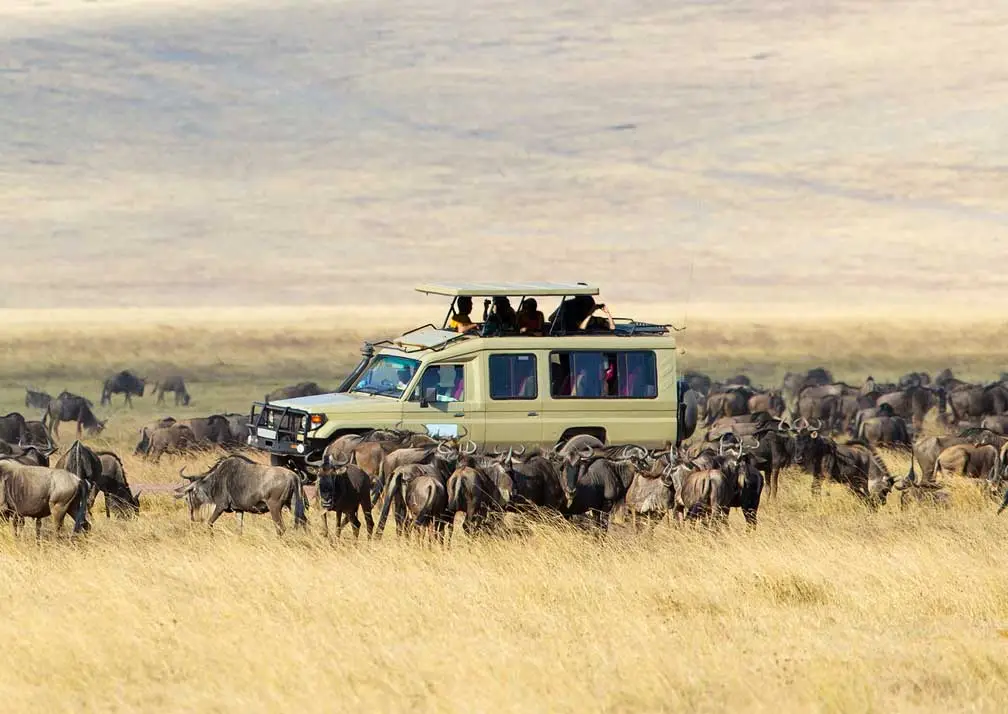
Great Migration Safaris
Experience one of nature's greatest spectacles with our Great Migration safari packages, timed for river crossings or calving.
View Package →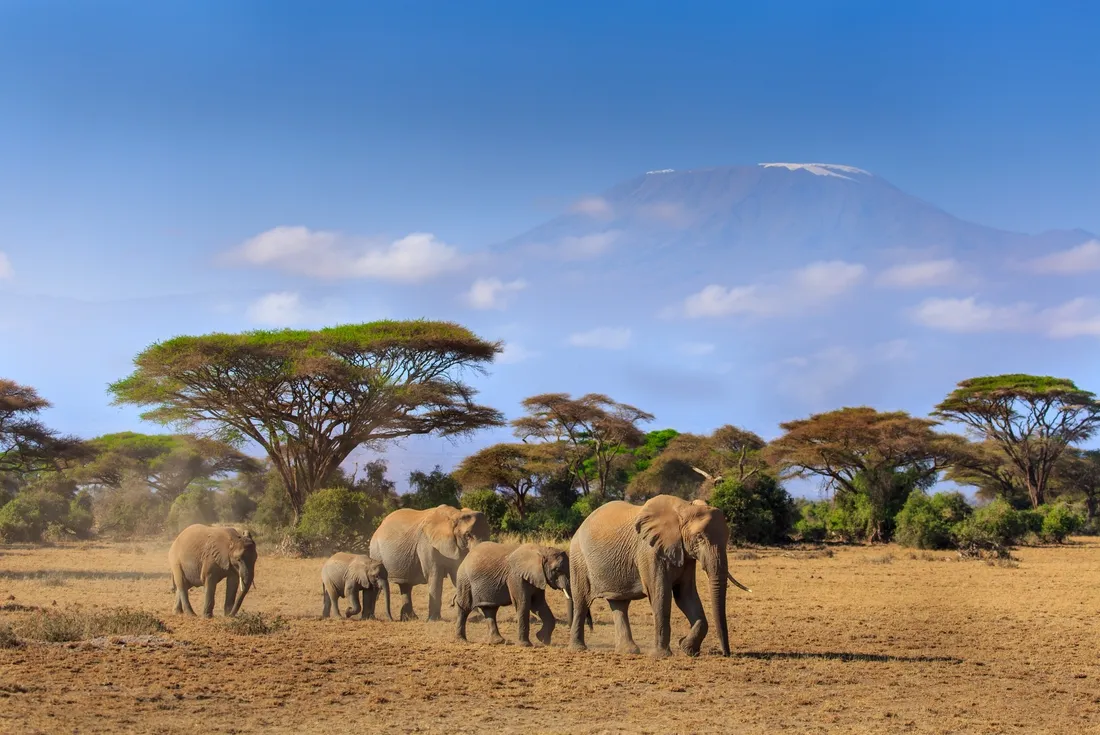
Serengeti & Kilimanjaro Trek
Combined safari and trekking tours offer wildlife adventures and Kilimanjaro climbs.
View Package →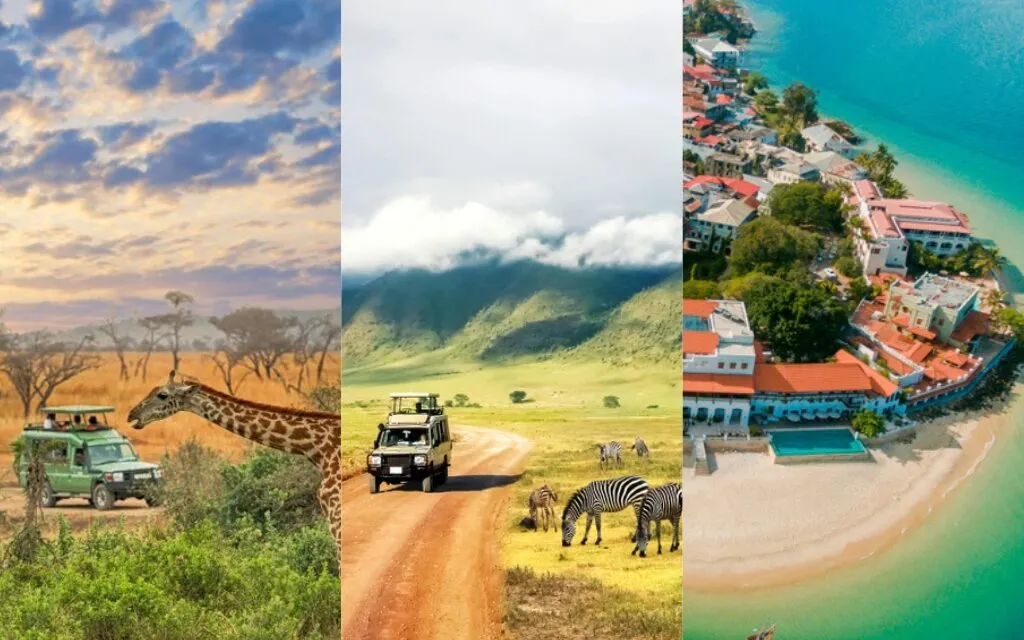
Serengeti & Zanzibar Tours
Luxury Tanzania safari & beach packages with the Great Migration and pristine beaches.
View Package →Related: Best Time to Visit Tanzania 2026 – Perfect safari extension after your Oman adventure.