Most Complete Pakistan Travel Guide 2026-2027 – Everything You Need to Know Before Visiting
This Pakistan travel guide provides everything you need to plan your journey to one of Asia's most spectacular and welcoming destinations. Pakistan offers an extraordinary blend of towering Karakoram and Himalayan peaks, ancient Indus Valley civilization sites, and vibrant Islamic heritage that create one of the continent's most diverse travel experiences. Many travelers who want to travel to Pakistan are surprised by the country's incredible natural beauty and legendary hospitality. The nation covers over 881,000 square kilometers, offering visitors everything from 8,000-meter peaks to vast deserts and fertile plains.
Start Reading the Full Guide ↓Quick Facts About Pakistan
- Capital: Islamabad.
- Currency: Pakistani Rupee (PKR).
- Time Zone: Pakistan Standard Time (PKT, UTC+5).
- International Calling Code: +92.
- Driving Side: Left.
- Major Airports: Islamabad International (ISB), Lahore Allama Iqbal (LHE), Karachi Jinnah (KHI).
Pakistan Overview & Key Facts
Brief History of Pakistan
Pakistan's history spans over 5,000 years, home to the ancient Indus Valley Civilization at Mohenjo-daro and Harappa. The region saw Persian, Greek, Mauryan, Kushan, Mughal and British rule. The modern nation was created in 1947 as a homeland for Muslims of British India, leading to Partition and independence alongside India. This rich historical tapestry creates a fascinating backdrop for modern travelers exploring ancient archaeological sites and grand Mughal architecture.
Independence & National Identity
- Independence date: August 14, 1947.
- Former colonial power: United Kingdom.
- National symbols & identity.
Pakistan emerged as an independent nation on 14 August 1947 following the Partition of British India. The flag features white and green with a crescent and star, symbolizing progress, light, and Islam. National identity of Pakistan centers on Islamic values while celebrating diverse regional cultures in Punjab, Sindh, Balochistan, Khyber Pakhtunkhwa and Gilgit-Baltistan.
Government System & Current Leadership
- Type of government: Federal Parliamentary Republic
- Current president: Asif Ali Zardari
- Notes on political stability
Pakistan operates as a federal parliamentary republic. The country has experienced periods of democratic and military governance. Travelers should stay informed about current conditions through official sources.
Population, Ethnic Groups & Languages
- Population: 241 million (2025 estimate).
- Major ethnic groups: Punjabis (44.7%), Pashtuns (15.4%), Sindhis (14.1%), Saraikis (8.4%), Muhajirs (7.6%), Baloch (3.6%).
- Official language(s): Urdu and English.
- Additional languages commonly spoken.
Urdu is the national language, while English is widely used in government, business and education. Regional languages dominate daily life. English proficiency is high in urban and tourism areas.
Main Religions & Cultural Identity
Islam is the state religion with approximately 96-98% of the population being Muslim (majority Sunni, significant Shia minority). Small Christian, Hindu and Sikh communities exist. Islamic values strongly influence daily life and cultural practices. Visitors should respect religious observances, especially during Ramadan and Friday prayers.
Geography & Natural Landscape
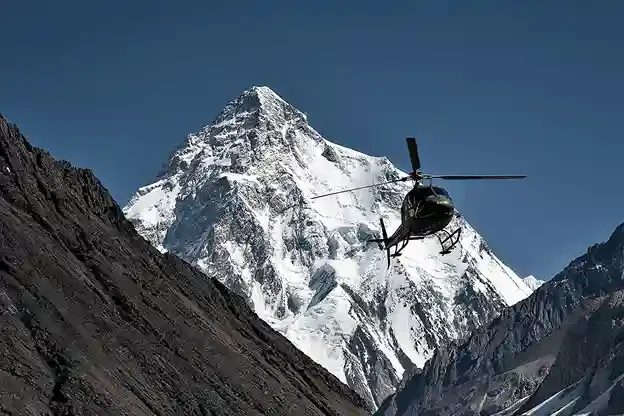
Pakistan features dramatic geographical diversity: the world's second-highest mountain K2, vast northern glaciers, fertile Punjab plains, Balochistan plateau, and Arabian Sea coastline. The Indus River sustains agriculture and civilization for millennia.
Economy & Tourism Highlights
Pakistan's economy is developing rapidly with growing tourism in northern areas. The government actively promotes adventure, cultural and religious tourism through improved infrastructure and simplified visa policies.
What Pakistan Is Known For
- Home to five 8,000m peaks including K2
- Karakoram Highway – world’s highest paved road
- Magnificent Mughal architecture (Lahore Fort, Badshahi Mosque)
- Ancient Indus Valley civilization sites
- Legendary hospitality and mountain cultures
Visa & Entry Requirements in Pakistan
Most international visitors can obtain an electronic visa (e-Visa) online or visa on arrival. The process is straightforward and tourist-friendly.
Do You Need a Visa?
Citizens of 190+ countries can apply for e-Visa online. Many qualify for visa on arrival (30 days). Business and tourist e-Visas are processed quickly.
Visa Application Options in Pakistan
- e-Visa online (most common and recommended)
- Visa on arrival at major airports
- Embassy application for longer stays
Passport Validity & Entry Documents
Passport must be valid for 6 months. Return ticket and hotel booking may be requested.
Customs Rules & Prohibited Items
Standard restrictions apply. Alcohol import heavily restricted. Declare large amounts of currency.
Safety & Security Information in Pakistan
Tourist areas in northern Pakistan and major cities are very safe with dedicated tourist police units.
Is Pakistan Safe for Tourists?
Yes – Gilgit-Baltistan, Hunza, Swat, Islamabad and Lahore are among the safest tourism regions in Asia. Avoid certain border areas.
Recommended Safety Tips when in Pakistan
Use registered guides in northern areas, stay updated via local contacts, and enjoy legendary Pakistani hospitality.
Safe Areas vs. Areas to Avoid in Pakistan
Safe: Islamabad, Lahore, Karachi (select areas), entire Gilgit-Baltistan, Chitral, Swat. Exercise caution near Afghanistan border and some parts of Balochistan.
Emergency Numbers & Tourist Police in Pakistan
- Police: 15
- Emergency: 1122
- Tourist Police: Available in major tourism areas
Health Requirements & Vaccinations in Pakistan
Polio vaccination certificate required for entry from many countries. Standard travel vaccinations recommended.
Mandatory Vaccinations in Pakistan
Polio booster required for travelers from polio-endemic countries.
Recommended Vaccinations in Pakistan
Hepatitis A, Typhoid, Rabies (especially for north), routine vaccines.
Malaria & Other Risks
Malaria risk in southern areas below 2,000m. Altitude sickness possible in northern mountains.
Travel Insurance Recommendations in Pakistan
Essential – ensure coverage for high-altitude trekking and emergency evacuation.
Best Time to Visit in Pakistan
April–October for northern mountains; October–March for cultural sites in Punjab and Sindh.
Weather by Season
Spring and autumn offer perfect conditions throughout the country.
When to Visit Pakistan for Best Experiences
- Cherry blossoms in Hunza: March–April
- Trekking season: May–October
- Cultural festivals year-round
High Season vs. Low Season Travel
Summer is peak for northern tourism; winter best for southern cultural sites.
Weather & Climate Overview in Pakistan
Extremely diverse – from arctic conditions in the north to tropical in the south.
Temperature Ranges
Northern mountains: -10°C to 25°C; Plains: 15°C–45°C.
Rainy & Dry Seasons in Pakistan
Monsoon July–September affects central/southern areas; north remains dry.
What to Wear Based on the Weather
Layering essential. Modest clothing always. Warm gear for northern areas.
Main Currency, Costs & Budgeting in Pakistan
One of Asia’s best-value destinations with excellent infrastructure in tourism areas.
Local Currency Information
Pakistani Rupee (PKR). ATMs widely available.
Average Travel Costs in Pakistan
Budget $40–80/day, mid-range $90–160/day.
Using ATMs, Cards & Mobile Money in Pakistan
Cards widely accepted in cities; cash needed in northern valleys.
Tipping Guidelines in Pakistan
Not expected but appreciated. Round up or 5–10% in restaurants.
Transportation & Getting Around in Pakistan
Excellent domestic flight network plus legendary northern road journeys.
Airport Transfers
Careem/Uber in major cities; fixed-price taxis at airports.
Local Transport Options in Pakistan
Modern metro buses in Lahore/Islamabad, Careem/InDrive rides, colorful local transport.
Pakistan Domestic Flights
PIA, Airblue, Fly Jinnah connect major cities daily.
Car Rentals & Road Conditions in Pakistan
Self-drive possible with international permit; most visitors prefer drivers/guides for northern routes.
Accommodation Options available in Pakistan
From luxury international chains to unique mountain guesthouses.
Types of Accommodations in Pakistan
Hotels, guesthouses, luxury camps in north, heritage havelis.
Budget vs. Mid-Range vs. Luxury
Budget $15–40, mid-range $50–120, luxury $150+.
Best Areas to Stay in Pakistan
Islamabad (serene capital), Lahore (cultural heart), Hunza (mountain paradise).
Essential Packing Guide when Visiting Pakistan
Prepare for dramatic temperature swings and cultural expectations.
Clothing Essentials
Modest, layered clothing. Warm jacket even in summer for north.
Footwear & Gear
Good walking shoes, trekking boots if heading north.
Electronics & Cameras
Power banks essential for northern valleys.
Toiletries & Personal Items
Sunscreen, altitude medication, modest swimwear for private pools.
Language & Communication in Pakistan
English widely spoken in tourism areas.
Main Languages Spoken in Pakistan
Urdu national, English official, strong regional languages.
Useful Phrases for Tourists
“Assalam-o-Alaikum”, “Shukriya”, “Kitna?” (how much?)
SIM Cards & Mobile Data used in Pakistan
Jazz, Telenor, Zong – cheap data packages.
Internet Availability & Wi-Fi in Pakistan
Excellent 4G coverage; Wi-Fi in most hotels/cafes.
Culture & Etiquette in Pakistan
World-famous hospitality awaits those who show respect.
Pakistani Dress Code Expectations
Modest dress essential. Women carry scarf/dupatta.
Social Etiquette & Respectful Behavior of Pakistan
Greet with “Assalam-o-Alaikum”, accept tea offers, remove shoes indoors.
Photography Rules in Pakistan
Ask permission for people photos; no restrictions on landscapes.
Important Cultural Dos & Don’ts in Pakistan
Do accept hospitality; don’t refuse food/drink without good reason.
Food, Water & Dining in Pakistan
Some of the world’s best BBQ, biryani and mountain trout.
Pakistani Local Dishes to Try
Nihari, Karachi biryani, chapli kebab, Hunza walnut cake, trout in north.
Dietary Options in Pakistan
All meat halal. Good vegetarian options.
Drinking Water Safety
Bottled water recommended.
Restaurant Etiquette
Eat with right hand traditionally; tipping not expected but appreciated.
Top Attractions & Things to Do in Pakistan
From K2 views to Mughal grandeur.
Major Tourist Attractions in Pakistan
- Karakoram Highway & Hunza Valley
- Lahore Fort & Badshahi Mosque (UNESCO)
- Fairy Meadows & Nanga Parbat base
- Taxila Buddhist ruins
Best Tours & Experiences in Pakistan
K2 base camp trek, Hunza cherry blossom tour, Lahore food walks.
Family-Friendly Activities to do in Pakistan
Cable cars in mountains, historical sites, beach days in Karachi.
Unique Cultural or Historical Sites to visit in Pakistan
Mohenjo-daro, Rohtas Fort, Baltit Fort, truck art experience.
Pakistani Electrical System Information
220-240V, 50Hz. Types C & D plugs.
Plug Types & Voltage used in Pakistan
British Type D common, European Type C also works.
Charging Tips
Power banks essential for northern travel.
Local Laws & Regulations of Pakistan
Respect Islamic customs and local laws.
Rules Travelers Need to Know when In Pakistan
No alcohol for Muslims, modest dress, Friday prayer respect.
Alcohol, Smoking & Substance Laws of Pakistan
Non-Muslims can obtain alcohol permits in major cities.
Restricted or Protected Areas in Pakistan.
Some northern areas require permits (easy to obtain).
Final Travel Tips for Visitors in Pakistan
Experience legendary hospitality and stunning landscapes.
Common Mistakes to Avoid
Don’t judge by media; do accept tea invitations.
Tips to Save Money when Visiting Pakistan
Use local transport, eat where locals eat, travel in groups.
Safety & Comfort Tips
Hire registered guides for north, register with your embassy.
Frequently Asked Questions – Pakistan Travel Guide 2026-2027
Our Tanzania Tours Products
While Pakistan offers incredible mountain adventures and rich Islamic heritage, many travelers combine South Asia with the ultimate African wildlife experience. Capable Africa Tours specializes in secure, guided safaris that maximize safety and wonder. From family-friendly lodges to luxury camps, we handle logistics so you focus on the magic.
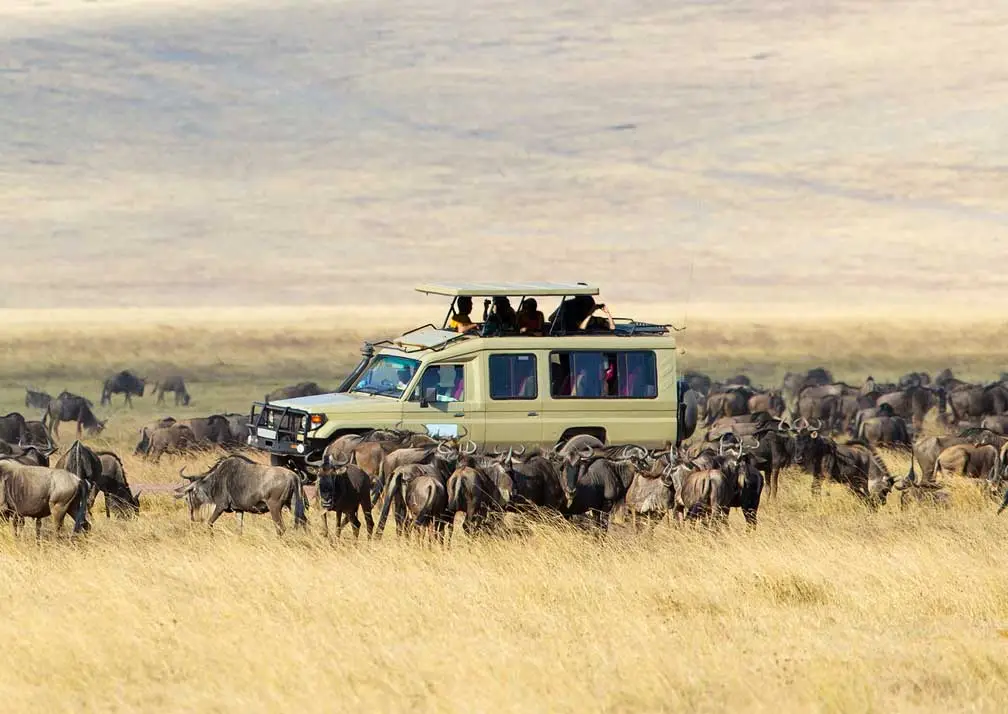
Great Migration Safaris
Experience one of nature's greatest spectacles with our Great Migration safari packages, timed for river crossings or calving.
View Package →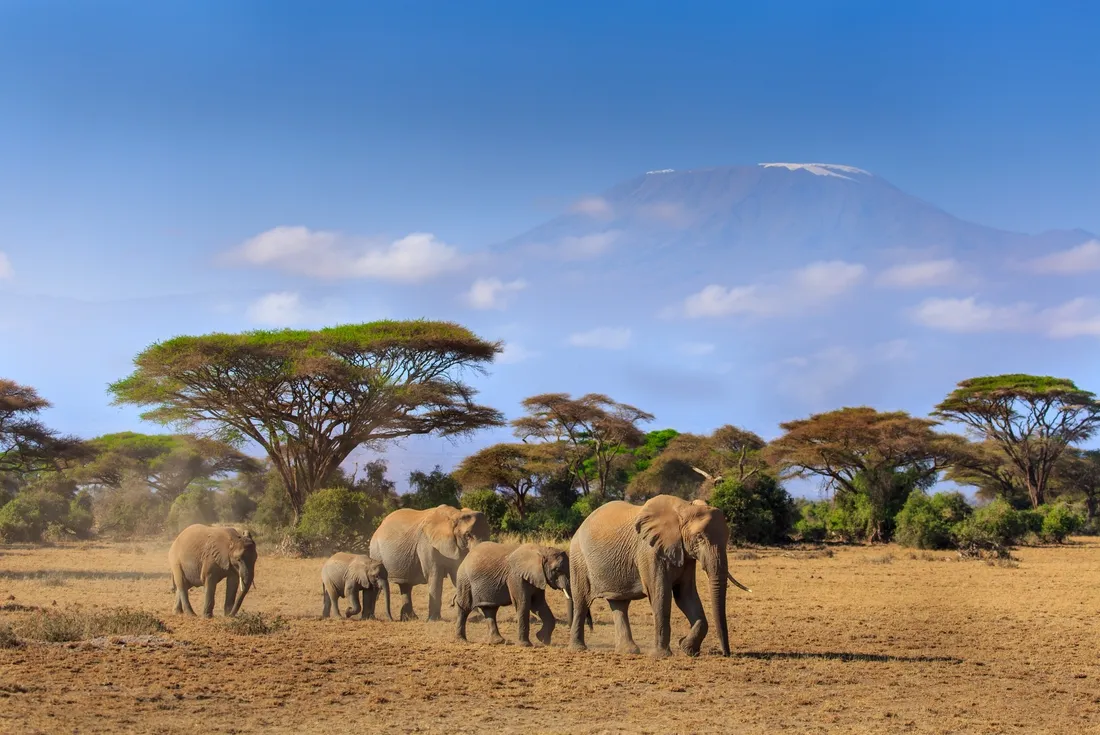
Serengeti & Kilimanjaro Trek
Combined safari and trekking tours offer wildlife adventures and Kilimanjaro climbs.
View Package →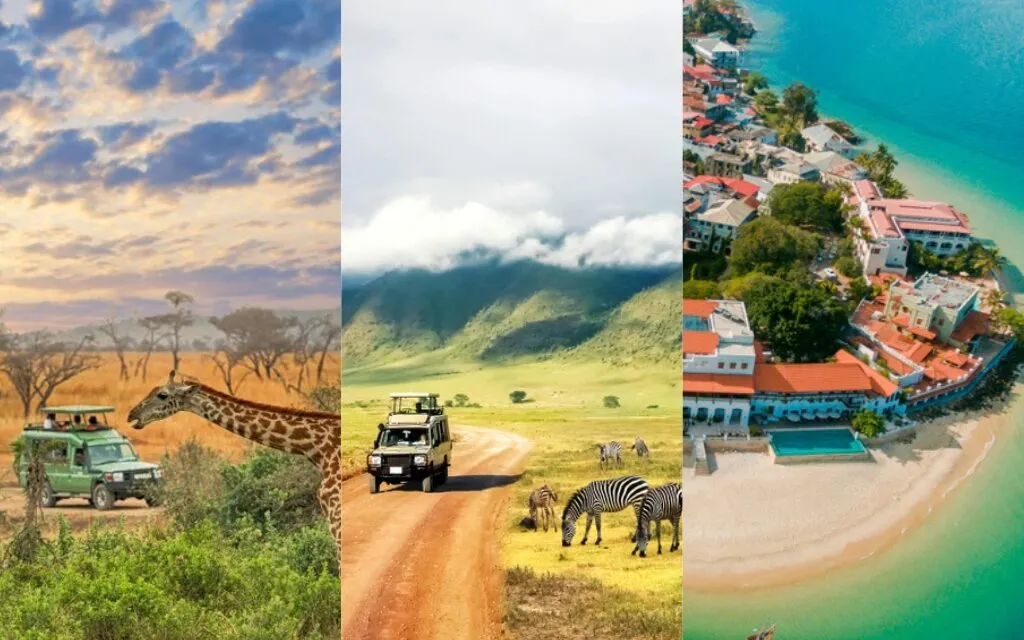
Serengeti & Zanzibar Tours
Luxury Tanzania safari & beach packages with the Great Migration and pristine beaches.
View Package →Related: Best Time to Visit Tanzania 2026 – Perfect safari extension after your Pakistan adventure.