
Most Complete Palau Travel Guide 2026-2027 – Everything You Need to Know Before Visiting
This Palau travel guide provides everything you need to plan your journey to one of the planet's most pristine island nations. Palau offers an extraordinary blend of turquoise lagoons, mushroom-shaped Rock Islands, WWII history, and world-class diving that create one of the Pacific's most diverse travel experiences. Many travelers who want to travel to Palau are surprised by the country's incredible marine biodiversity and rich cultural heritage spanning ancient Micronesian traditions and Japanese colonial legacy. The nation covers over 340 islands, offering visitors everything from non-stinging jellyfish lakes to pristine coral reefs and lush jungle interiors.
Start Reading the Full Guide ↓Quick Facts About Palau
- Capital: Ngerulmud (on Babeldaob).
- Currency: United States Dollar (USD).
- Time Zone: Palau Time (PWT, UTC+9).
- International Calling Code: +680.
- Driving Side: Right.
- Major Airport: Roman Tmetuchl International Airport (ROR), Koror.
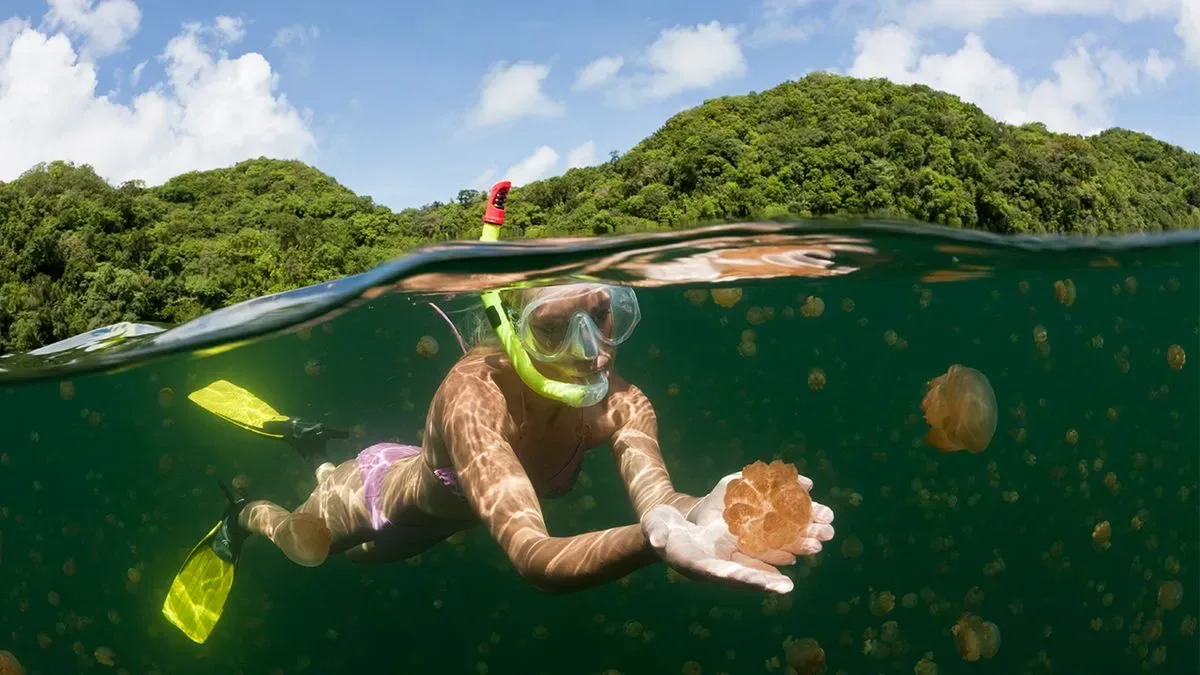
Palau Overview & Key Facts
Brief History of Palau
Palau's history spans millennia, from ancient Micronesian settlement through Spanish, German, Japanese, and American administration. The islands were part of the Spanish East Indies, then sold to Germany in 1899, occupied by Japan during WWI, and became a major Japanese naval base in WWII. The 1944 Battle of Peleliu was one of the bloodiest in the Pacific theater. Palau gained independence in 1994 under the Compact of Free Association with the United States.
Independence & National Identity
- Independence date: October 1, 1994.
- Former administering power: United States (UN Trust Territory).
- National symbols & identity.
Palau maintains close ties with the USA while proudly preserving its Micronesian culture. The flag features a golden moon on blue background symbolizing peace and the nation’s emergence. Traditional customs, matrilineal society, and storytelling remain strong.
Government System & Current Leadership
- Type of government: Presidential Republic
- Current president: Surangel Whipps Jr. (since 2021)
- Notes on political stability
Palau is a stable democracy with peaceful transitions of power. President Surangel Whipps Jr. has focused on environmental protection and sustainable tourism.
Population, Ethnic Groups & Languages
- Population: ~18,000 (2025 estimate).
- Major ethnic groups: Palauan (70%), Filipino, other Asian, Carolinian.
- Official language(s): Palauan and English.
- Additional languages commonly spoken.
English is universally used in government, education, and tourism. Palauan and Sonsorolese/Tobian are recognized regional languages.
Main Religions & Cultural Identity
Christianity (mainly Catholic and Protestant) dominates, blended with traditional Modekngei beliefs. Cultural identity centers on respect for elders, matrilineal inheritance, and strong environmental stewardship.
Geography & Natural Landscape
Palau consists of over 340 volcanic and limestone islands surrounded by one of the world’s richest barrier reefs. The Rock Islands Southern Lagoon is a UNESCO World Heritage site with mushroom-shaped limestone islets covered in jungle and surrounded by turquoise waters.
Economy & Tourism Highlights
Tourism (especially diving) and fishing dominate the economy, supported by US Compact funding. Palau pioneered marine conservation with the world’s first shark sanctuary (2009) and the Palau Pledge – an eco-pledge stamped in every visitor’s passport.
What Palau Is Known For
- UNESCO Rock Islands Southern Lagoon
- Jellyfish Lake (non-stinging golden jellyfish)
- World-class diving & WWII wrecks
Visa & Entry Requirements in Palau
Most international visitors receive a free 30-day visa-on-arrival. The Palau Pledge environmental commitment is stamped into every passport upon entry.
Do You Need a Visa?
Citizens of nearly all countries (USA, EU, UK, Canada, Australia, Japan, Korea, Taiwan, etc.) get a free 30-day visa-on-arrival. Extensions up to 90 days are possible.
Visa Application Options in Palau
- Visa-on-arrival (free for 30 days)
- Extensions at Immigration Office in Koror
Passport Validity & Entry Documents
Passport must have 6 months validity and 2 blank pages. Return/onward ticket required. All visitors sign the Palau Pledge.
Customs Rules & Prohibited Items
Strict biosecurity: no fresh fruit/vegetables, meat, or plants. Coral, shells, and traditional storyboards require permits for export.
Safety & Security Information in Palau
Palau is one of the safest countries in the Pacific with very low crime rates and friendly locals.
Is Palau Safe for Tourists?
Yes – extremely safe. Main risks are marine-related (strong currents, jellyfish, sun exposure) and occasional typhoons.
Recommended Safety Tips when in Palau
Use reef-safe sunscreen, stay hydrated, wear rash guards, follow dive briefings, and respect marine protected areas.
Safe Areas vs. Areas to Avoid in Palau
All tourist areas are safe. Some remote outer islands have limited medical facilities.
Emergency Numbers & Tourist Police in Palau
- Police/Fire/Marine Emergency: 911
- Hospital: +680 488-2558
Health Requirements & Vaccinations in Palau
No mandatory vaccinations unless arriving from yellow-fever areas. Good medical facilities in Koror; hyperbaric chamber available.
Mandatory Vaccinations in Palau
None except yellow fever certificate if coming from endemic countries.
Recommended Vaccinations in Palau
Hepatitis A, Typhoid, routine vaccines.
Malaria & Other Risks
No malaria. Main risks: dehydration, sunburn, marine stings, and occasional dengue outbreaks.
Travel Insurance Recommendations in Palau
Highly recommended – must cover scuba diving (many policies exclude it) and medical evacuation.
Best Time to Visit in Palau
Dry season (December–April) offers calmest seas and best visibility. Wet season (May–November) has more rain but fewer crowds and lower prices.
Weather by Season
Year-round warm (27–31°C). Dry season has less rain and calmer waters; wet season brings occasional typhoons (June–December).
When to Visit Palau for Best Experiences
- Diving: December–April (best visibility)
- Jellyfish Lake: Year-round (population varies)
- Budget travel: May–November
Weather & Climate Overview in Palau
Tropical marine climate with high humidity and consistent temperatures year-round.
Temperature Ranges
Water temperature 27–30°C year-round. Air temperature rarely below 24°C or above 32°C.
Rainy & Dry Seasons in Palau
Dry season: December–April. Wet season: May–November.
What to Wear Based on the Weather
Light, quick-dry clothing, rash guards, swimsuits, reef-safe sunscreen, hat, water shoes.
Main Currency, Costs & Budgeting in Palau
Palau uses the US Dollar (USD). It is expensive compared to other Pacific islands due to import reliance.
Local Currency Information
US Dollar only. ATMs in Koror; cards widely accepted.
Average Travel Costs in Palau
Budget: $150–250/day; mid-range $300–450/day; luxury $600+/day. Diving and permits add significant costs.
Using ATMs, Cards & Mobile Money in Palau
ATMs and credit cards widely accepted in Koror. Cash needed on outer islands.
Tipping Guidelines in Palau
Not expected but appreciated for exceptional service (5–10%).
Transportation & Getting Around in Palau
Limited public transport; most visitors rent cars or use taxis and tour boats.
Airport Transfers
Taxis and hotel shuttles from ROR airport to Koror (15–20 min).
Local Transport Options in Palau
Taxis, rental cars, hotel shuttles, and tour boats. No ride-sharing apps.
Car Rentals & Road Conditions in Palau
International driving permit recommended. Roads in Koror and Babeldaob are paved; some outer islands have rough tracks.
Accommodation Options available in Palau
Mostly in Koror with a few resorts on outer islands. Range from budget guesthouses to luxury overwater bungalows.
Types of Accommodations in Palau
Hotels, resorts, guesthouses, liveaboards, and homestays.
Budget vs. Mid-Range vs. Luxury
Budget $80–150/night; mid-range $200–400; luxury $500–1,500+.
Best Areas to Stay in Palau
Koror (most convenient), Palau Pacific Resort area, or liveaboard for divers.
Essential Packing Guide when Visiting Palau
Focus on sun protection, reef-safe products, and dive/snorkel gear.
Clothing Essentials
Rash guards, board shorts, light clothing, waterproof bag.
Footwear & Gear
Reef shoes, snorkel gear (can rent but personal mask preferred), dry bag.
Electronics & Cameras
Underwater housing or GoPro, extra batteries, power bank.
Toiletries & Personal Items
Reef-safe sunscreen (mandatory), insect repellent, medications.
Language & Communication in Palau
English is an official language and widely spoken in tourism.
Main Languages Spoken in Palau
Palauan and English official; Filipino and Chinese common.
Useful Phrases for Tourists
“Alii” (hello), “Ungil tutau” (good morning), “Sulang” (thank you).
SIM Cards & Mobile Data used in Palau
PNCC and PalauTel sell tourist SIMs at airport and stores.
Internet Availability & Wi-Fi in Palau
Good Wi-Fi in hotels; mobile coverage limited on outer islands.
Culture & Etiquette in Palau
Respect for elders and customs is crucial. Remove shoes when entering homes.
Palauan Dress Code Expectations
Casual everywhere; topless/nude sunbathing illegal.
Social Etiquette & Respectful Behavior of Palau
Accept food/drink offers, ask permission before photographing people.
Photography Rules in Palau
Always ask permission for people; no restrictions on landscapes.
Important Cultural Dos & Don’ts in Palau
Do respect chiefs and customs; don’t touch coral or remove marine life.
Food, Water & Dining in Palau
Fresh seafood, taro, cassava, and imported goods. Tap water safe in Koror.
Palauan Local Dishes to Try
Taro, tapioca, fish soup, giant clam, fruit bat soup (traditional).
Dietary Options in Palau
Good seafood; limited vegetarian options outside hotels.
Drinking Water Safety
Tap water safe in Koror; bottled recommended elsewhere.
Restaurant Etiquette
Casual; tipping not required but appreciated.
Top Attractions & Things to Do in Palau
World-class diving, Rock Islands tours, Jellyfish Lake, and WWII history.
Major Tourist Attractions in Palau
- Rock Islands Southern Lagoon (UNESCO)
- Jellyfish Lake
- Milky Way lagoon
- WWII wrecks & Peleliu Island
Best Tours & Experiences in Palau
Rock Islands full-day tour, diving liveaboards, kayaking, Peleliu WWII battlefield tour.
Family-Friendly Activities to do in Palau
Snorkeling, dolphin watching, aquarium visits.
Unique Cultural or Historical Sites to visit in Palau
Belau National Museum, traditional men’s meeting houses (bai), stone monoliths.
Palauan Electrical System Information
US standard 110–120V, 60Hz. Types A and B plugs.
Plug Types & Voltage used in Palau
110V, 60Hz – same as USA. Bring adapters if needed.
Charging Tips
Power reliable in Koror; generators on outer islands.
Local Laws & Regulations of Palau
Very strict environmental laws – Palau Pledge is legally binding.
Rules Travelers Need to Know when In Palau
No touching coral, no removal of marine life, reef-safe sunscreen mandatory.
Alcohol, Smoking & Substance Laws of Palau
Alcohol legal (21+), smoking restricted, marijuana illegal.
Restricted or Protected Areas in Palau
Many marine protected areas; permits required for Rock Islands and Jellyfish Lake.
Final Travel Tips for Visitors in Palau
Book Rock Islands and Jellyfish Lake permits in advance. Use only reef-safe sunscreen. Respect the Palau Pledge.
Common Mistakes to Avoid
Using regular sunscreen, touching coral, underestimating sun exposure.
Tips to Save Money when Visiting Palau
Travel in wet season, stay in guesthouses, eat local food, share boat tours.
Safety & Comfort Tips
Stay hydrated, use rash guards, listen to dive briefings, book reputable operators.
Frequently Asked Questions – Palau Travel Guide 2026-2027
Our Tanzania Tours Products
While Palau offers world-class diving and pristine lagoons, many travelers combine the Pacific paradise with the ultimate wildlife experience in East Africa. Capable Africa Tours specializes in secure, guided safaris that maximize safety and wonder. Our expert local guides, armed rangers in parks, and vetted accommodations ensure peace of mind. From family-friendly lodges to luxury camps, we handle logistics so you focus on the magic. Tanzania ranks high for tourist safety with dedicated wildlife protection units and stable northern circuits.
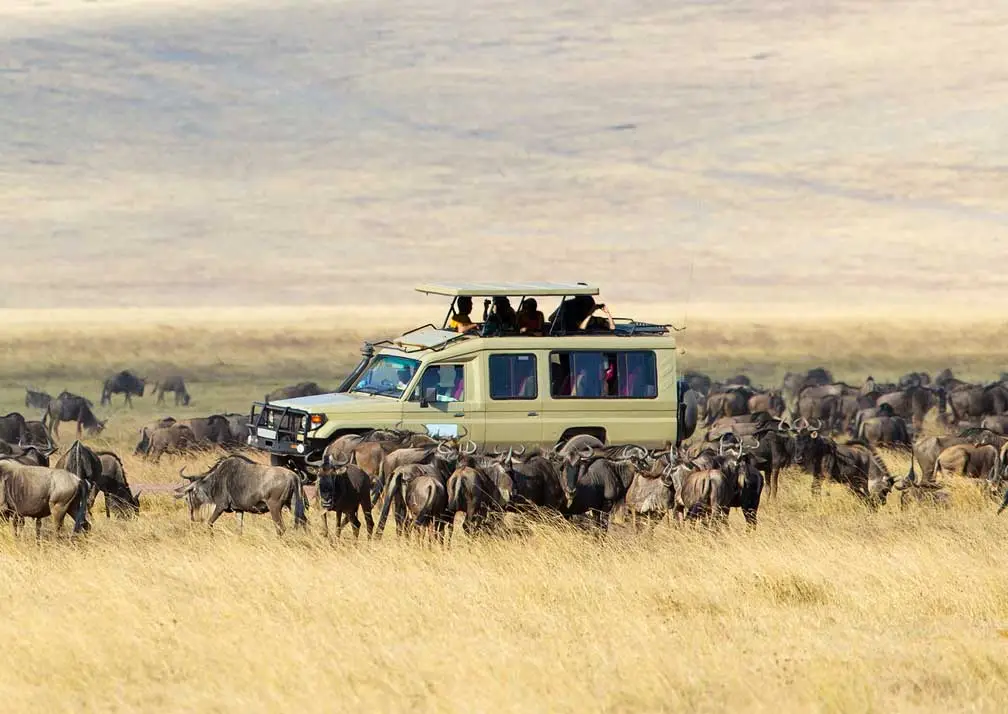
Great Migration Safaris
Experience one of nature's greatest spectacles with our Great Migration safari packages, timed for river crossings or calving.
View Package →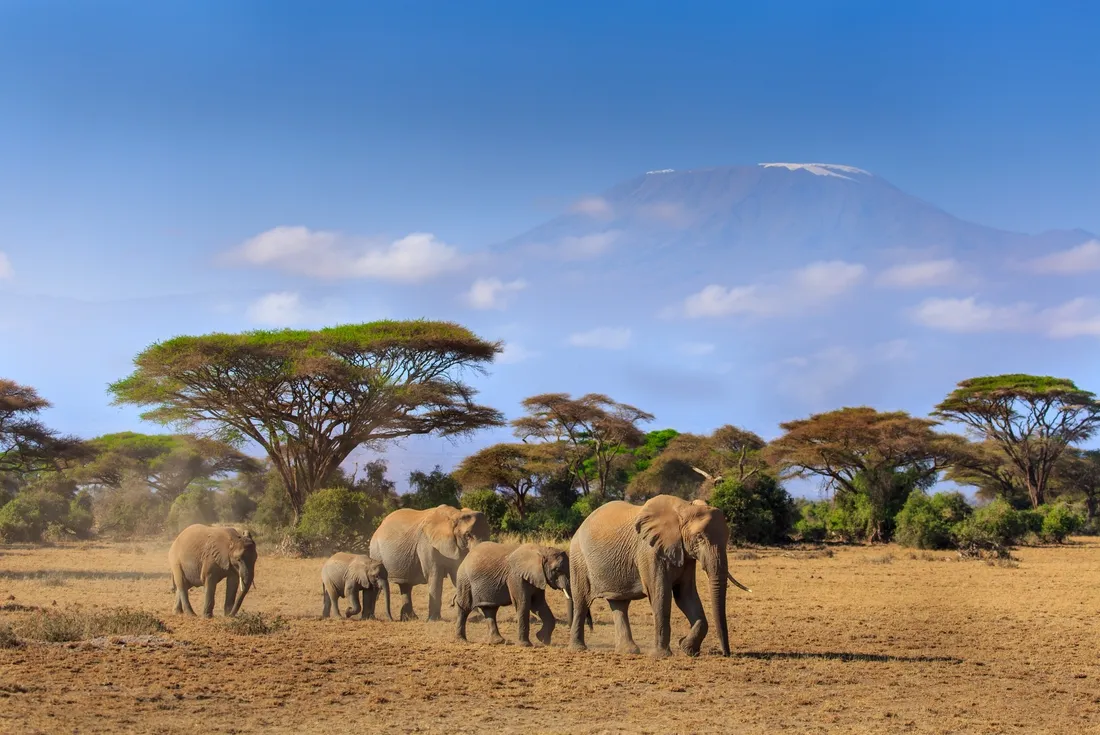
Serengeti & Kilimanjaro Trek
Combined safari and trekking tours offer wildlife adventures and Kilimanjaro climbs.
View Package →
Serengeti & Zanzibar Tours
Luxury Tanzania safari & beach packages with the Great Migration and pristine beaches.
View Package →Related: Best Time to Visit Tanzania 2026 – Perfect safari extension after your Palau adventure.