
Most Complete Palestine Travel Guide 2026-2027 – Everything You Need to Know Before Visiting
This Palestine travel guide provides everything you need to plan your journey to one of the world’s most historically and spiritually significant destinations. Palestine offers an extraordinary blend of ancient holy sites, living history, warm hospitality, and resilient culture that create one of the Middle East’s most profound travel experiences. Many travelers who visit Palestine are deeply moved by the country’s incredible historical depth and the genuine warmth of its people, set against landscapes that have shaped human civilization for millennia.
Start Reading the Full Guide ↓Quick Facts About Palestine
- Capital: Ramallah (de facto administrative), East Jerusalem (claimed).
- Currency: Israeli New Shekel (ILS).
- Time Zone: Israel Standard Time (UTC+2, +3 in summer).
- International Calling Code: +970.
- Driving Side: Right.
- Major Entry Points: Ben Gurion Airport (Tel Aviv), Allenby/King Hussein Bridge, Sheikh Hussein Bridge.
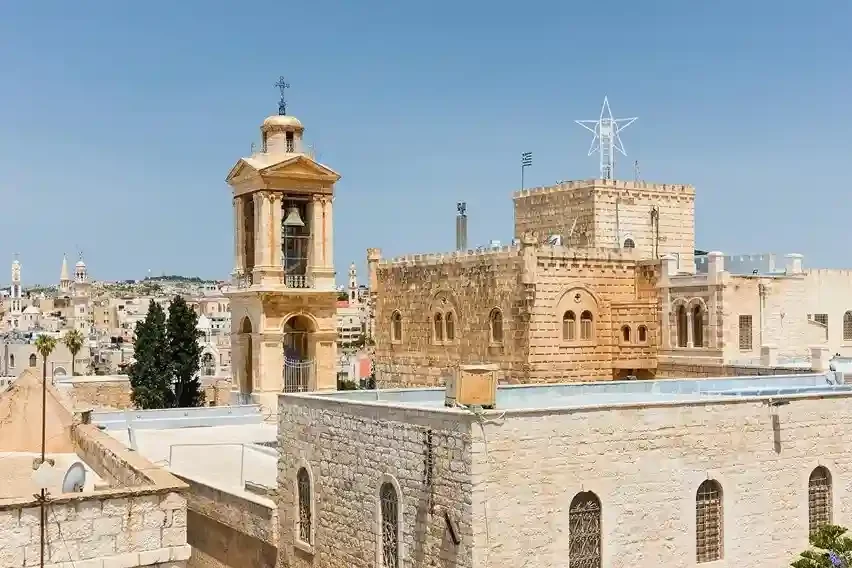
Palestine Overview & Key Facts
Brief History of Palestine
Palestine’s history spans over 4,000 years of continuous human settlement, from Canaanite cities through Roman, Byzantine, Islamic, Crusader, Ottoman and British rule. The region is the birthplace of Judaism and Christianity and holds profound significance in Islam. Jerusalem alone contains sites sacred to all three Abrahamic faiths. This layered history creates one of the richest cultural landscapes on earth.
Independence & National Identity
- Declared independence: November 15, 1988.
- Current status: Partially recognized state (138 UN members).
- National symbols & identity.
Palestinian national identity centers on resilience, hospitality, and deep attachment to the land. The flag features pan-Arab colors with symbolic meaning tied to historical struggles. Traditional embroidery (tatreez), cuisine, and dabke dance are strong cultural markers.
Government System & Current Leadership
- Type of government: Semi-presidential (Palestinian Authority).
- Current president: Mahmoud Abbas.
- Notes on political situation.
The Palestinian Authority governs parts of the West Bank while Hamas controls Gaza. Travel to Gaza remains extremely restricted for tourists. The political situation is complex and travelers should stay updated via official sources.
Population, Ethnic Groups & Languages
- Population: ~5.5 million (West Bank & Gaza, 2025 est.).
- Major ethnic groups: Palestinian Arabs (majority), small Jewish settler communities in West Bank.
- Official language: Arabic.
- Additional languages commonly spoken.
English is widely spoken in tourism and among younger generations. Hebrew is common near settlements and East Jerusalem. Palestinian Arabic dialect (with local variations) is the everyday language.
Main Religions & Cultural Identity
Islam (majority Sunni) and Christianity coexist with deep historical roots. Palestine has one of the oldest Christian communities in the world. Religious coexistence and interfaith sites are central to Palestinian identity. Visitors should respect all holy places and dress appropriately.
Geography & Natural Landscape
The West Bank features Mediterranean hills, fertile valleys, and the Jordan Valley depression (lowest point on earth). Jerusalem sits at 750m elevation, Bethlehem slightly higher. Jericho is the world’s oldest continuously inhabited city at 400m below sea level. The Dead Sea forms the eastern border.
Economy & Tourism Highlights
Tourism, agriculture (olives, dates), and stone-cutting are key sectors. Despite challenges, Palestine welcomes growing numbers of pilgrims and cultural travelers drawn to its unparalleled religious and historical significance.
What Palestine Is Known For
- Holiest sites of Judaism, Christianity and Islam
- Jerusalem Old City & Church of the Nativity (UNESCO)
- Ancient cities: Jericho, Hebron, Nablus, Sebastia
- Legendary Palestinian hospitality and cuisine
Visa & Entry Requirements in Palestine
Palestine has no international airport; entry is through Israel or Jordan. Most nationalities receive a free Israeli tourist visa on arrival that permits travel in the West Bank (Area A & B). Gaza access remains highly restricted.
Do You Need a Visa?
Most visitors enter via Israel and receive a 3-month tourist visa on arrival. Some nationalities require pre-issued visas. Gaza entry requires special Egyptian or Israeli coordination.
Visa Application Options in Palestine
- Visa on arrival at Israeli border control (most common)
- Pre-arranged through Israeli embassies if required
- Jordanian entry via Allenby Bridge possible
Always declare intent to visit Palestinian areas honestly. Stamps and entry cards affect future travel to some Arab countries.
Passport Validity & Entry Documents
Passport must be valid 6+ months. You receive an entry card instead of passport stamp (request if needed). Proof of onward travel sometimes requested.
Customs Rules & Prohibited Items
Standard restrictions apply. Declare religious items if carrying large quantities. Drones heavily restricted.
Safety & Security Information in Palestine
Tourist areas in the West Bank (Bethlehem, Jericho, Ramallah, Nablus) are generally calm and welcoming. Political tensions can flare unexpectedly. Avoid demonstrations and checkpoints after dark.
Is Palestine Safe for Tourists?
Yes in main tourist cities. Millions visit Bethlehem and Jericho annually without incident. Exercise normal precautions and stay informed.
Recommended Safety Tips when in Palestine
Use registered Palestinian guides and taxis. Travel in daylight when possible. Keep embassy informed of itinerary. Avoid political discussions in mixed areas.
Safe Areas vs. Areas to Avoid in Palestine
Safe: Bethlehem, Jericho, Ramallah, Nablus, Jenin, Hebron old city (with guide). Avoid refugee camps at night and flashpoint areas near settlements.
Emergency Numbers & Tourist Police in Palestine
- Police: 100.
- Ambulance: 101.
- Fire: 102.
- Tourist Police: Available in Bethlehem and Jericho.
English-speaking tourist police assist pilgrims and visitors.
Health Requirements & Vaccinations in Palestine
No mandatory vaccinations except yellow fever if arriving from endemic countries. Healthcare quality varies; private hospitals in Ramallah and East Jerusalem are good.
Mandatory Vaccinations in Palestine
None except yellow fever certificate if applicable.
Recommended Vaccinations in Palestine
Hepatitis A, Typhoid, routine vaccines. Consider Hepatitis B and Rabies for longer stays.
Malaria & Other Risks
No malaria risk. Standard food/water precautions advised.
Travel Insurance Recommendations in Palestine
Essential – ensure coverage includes political evacuation and activities in Palestinian territories.
Best Time to Visit in Palestine
Spring and autumn offer ideal weather and align with major religious holidays (Christmas, Easter, Ramadan).
Weather by Season
Spring (Mar–May): 18–28°C, wildflowers. Summer: hot (30–35°C). Autumn: pleasant. Winter: cool/rainy, occasional snow in Jerusalem.
When to Visit Palestine for Best Experiences
- Christmas/Easter for religious celebrations
- Spring for hiking and nature
- Ramadan for cultural immersion (note daytime closures)
Avoid peak summer heat and major Jewish holidays when Jerusalem is crowded.
High Season vs. Low Season Travel
High: Christmas, Easter, summer. Low: Jan–Feb, June–Aug (hot but cheaper).
Weather & Climate Overview in Palestine
Mediterranean climate with hot, dry summers and mild, wet winters.
Temperature Ranges
Jerusalem: 6–30°C. Jericho: 15–42°C (hottest). Dead Sea similar to Jericho.
Rainy & Dry Seasons in Palestine
Rainy: Nov–Mar. Dry: May–Oct.
What to Wear Based on the Weather
Modest lightweight clothing + layers for cooler evenings and religious sites.
Main Currency, Costs & Budgeting in Palestine
Israeli Shekel (ILS) is universal. ATMs widely available.
Local Currency Information
Israeli New Shekel (NIS). US dollars accepted in tourist areas.
Average Travel Costs in Palestine
Budget: $60–100/day. Mid-range: $120–200/day. Excellent value compared to Israel.
Using ATMs, Cards & Mobile Money in Palestine
Cards widely accepted in cities. Cash needed in villages.
Tipping Guidelines in Palestine
10–15% in restaurants. Small tips appreciated for guides/drivers.
Transportation & Getting Around in Palestine
Shared taxis (servees), private Palestinian taxis, and buses connect cities.
Airport Transfers
Shared taxis from Ben Gurion or Allenby Bridge to Jerusalem/Bethlehem.
Local Transport Options in Palestine
Yellow Palestinian taxis, shared servees between cities. Egged buses in some areas.
Palestine Domestic Transport
Frequent connections between Ramallah, Bethlehem, Jericho, Nablus, Hebron.
Car Rentals & Road Conditions in Palestine
Possible with Palestinian or international license. Green plates required for West Bank.
Accommodation Options available in Palestine
From pilgrim guesthouses to boutique hotels in restored Ottoman buildings.
Types of Accommodations in Palestine
Guesthouses, family-run hotels, boutique heritage properties.
Budget vs. Mid-Range vs. Luxury
Budget: $40–80. Mid-range: $90–150. Luxury heritage: $180+.
Best Areas to Stay in Palestine
Bethlehem (near Nativity Church), Jerusalem Old City (Christian Quarter), Ramallah for modern vibe.
Essential Packing Guide when Visiting Palestine
Modest clothing, comfortable walking shoes, scarf for religious sites.
Clothing Essentials
Long pants/skirts, covered shoulders, scarf for women.
Footwear & Gear
Good walking shoes essential for Old City cobblestones.
Electronics & Cameras
Universal adapter (Israel uses types C/H).
Toiletries & Personal Items
Prescription meds, sunscreen, hand sanitizer.
Language & Communication in Palestine
Arabic dominant, English widely understood in tourism.
Main Languages Spoken in Palestine
Arabic (Levantine dialect), English, some Hebrew.
Useful Phrases for Tourists
Marhaba (hello), Shukran (thank you), Kam al-thaman? (how much?).
SIM Cards & Mobile Data used in Palestine
Jawwal and Ooredoo (Palestinian networks). Good coverage.
Internet Availability & Wi-Fi in Palestine
Excellent Wi-Fi in cafes and hotels.
Culture & Etiquette in Palestine
Legendary hospitality. Guests are treated with great generosity.
Palestinian Dress Code Expectations
Modest dress at all times, especially religious sites.
Social Etiquette & Respectful Behavior of Palestine
Accept tea/coffee when offered. Greet with “As-salamu alaikum”.
Photography Rules in Palestine
Ask permission before photographing people, especially women.
Important Cultural Dos & Don’ts in Palestine
Do accept hospitality. Don’t refuse food/drink abruptly. Do remove shoes in homes.
Food, Water & Dining in Palestine
Outstanding Levantine cuisine: musakhan, maqluba, knafeh Nablusiyeh.
Palestinian Local Dishes to Try
Musakhan (roast chicken with sumac onions), maqluba, knafeh, waraq dawali.
Dietary Options in Palestine
Halal standard. Vegetarian options plentiful.
Drinking Water Safety
Bottled water recommended.
Restaurant Etiquette
Tipping 10–15% appreciated.
Top Attractions & Things to Do in Palestine
Jerusalem Old City, Church of the Nativity, Hebron, Jericho, Sebastia, Nablus old city.
Major Tourist Attractions in Palestine
- Church of the Nativity (Bethlehem)
- Al-Aqsa Mosque & Dome of the Rock (if access granted)
- Hebron Old City & Ibrahimi Mosque
- Jericho & Mount of Temptation
Plus ancient Sebastia, Mar Saba monastery, Battir terraces (UNESCO).
Best Tours & Experiences in Palestine
Alternative tours with local guides, home-cooked meals, refugee camp visits (respectful), olive harvest experiences.
Family-Friendly Activities to do in Palestine
Bethlehem Christmas celebrations, Jericho cable car, Dead Sea swimming.
Unique Cultural or Historical Sites to visit in Palestine
Hisham’s Palace, Nablus soap factories, traditional tatreez workshops.
Palestinian Electrical System Information
Israel standard: 230V, 50Hz, types C and H plugs.
Plug Types & Voltage used in Palestine
Types C and H (Israeli standard).
Charging Tips
Bring Type H adapter or universal adapter.
Local Laws & Regulations of Palestine
Respect religious sensitivities and local customs.
Rules Travelers Need to Know when In Palestine
Modest dress, no alcohol in many areas, respect Ramadan fasting.
Alcohol, Smoking & Substance Laws of Palestine
Alcohol available in Christian areas (Bethlehem, Ramallah). Restricted elsewhere.
Restricted or Protected Areas in Palestine.
Some military zones and Area C restrictions.
Final Travel Tips for Visitors in Palestine
Be open-minded, engage respectfully, support local businesses.
Common Mistakes to Avoid
Treating it only as transit to Israel, not engaging with locals, taking political sides.
Tips to Save Money when Visiting Palestine
Stay in Palestinian areas (cheaper than Jerusalem), eat local, use shared taxis.
Safety & Comfort Tips
Travel with local guides, stay flexible, embrace hospitality.
Frequently Asked Questions – Palestine Travel Guide 2026-2027
Our Tanzania Tours Products
While Palestine offers profound spiritual and historical depth, many travelers combine the Holy Land with the ultimate African wildlife experience in East Africa. Capable Africa Tours specializes in secure, guided safaris that maximize safety and wonder. Our expert local guides, armed rangers in parks, and vetted accommodations ensure peace of mind. From family-friendly lodges to luxury camps, we handle logistics so you focus on the magic. Tanzania ranks high for tourist safety with dedicated wildlife protection units and stable northern circuits.
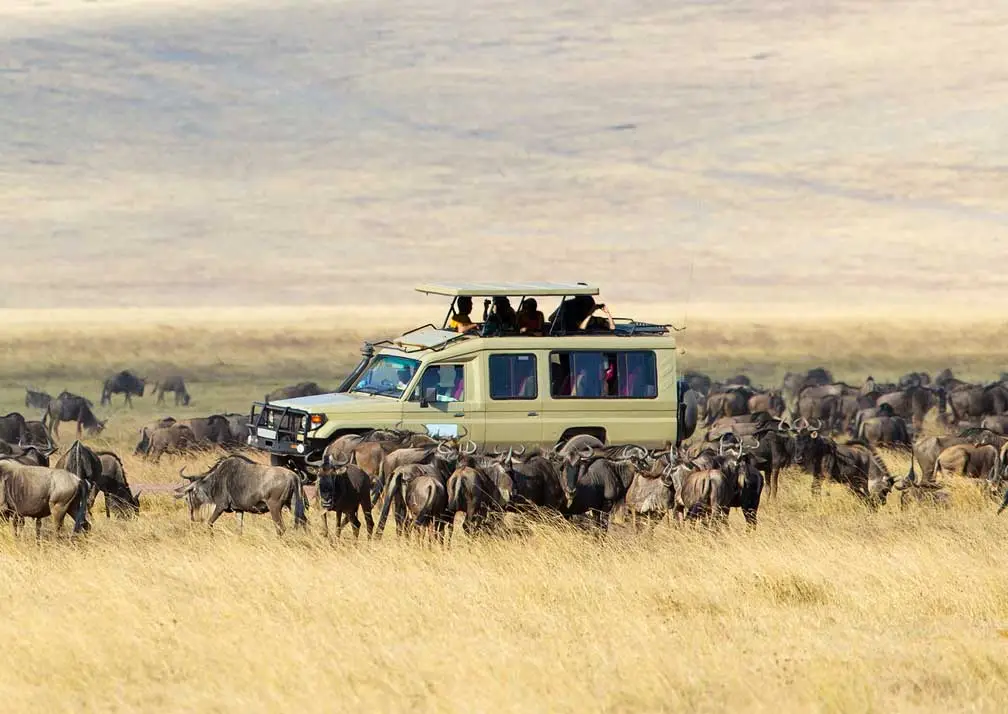
Great Migration Safaris
Experience one of nature's greatest spectacles with our Great Migration safari packages, timed for river crossings or calving.
View Package →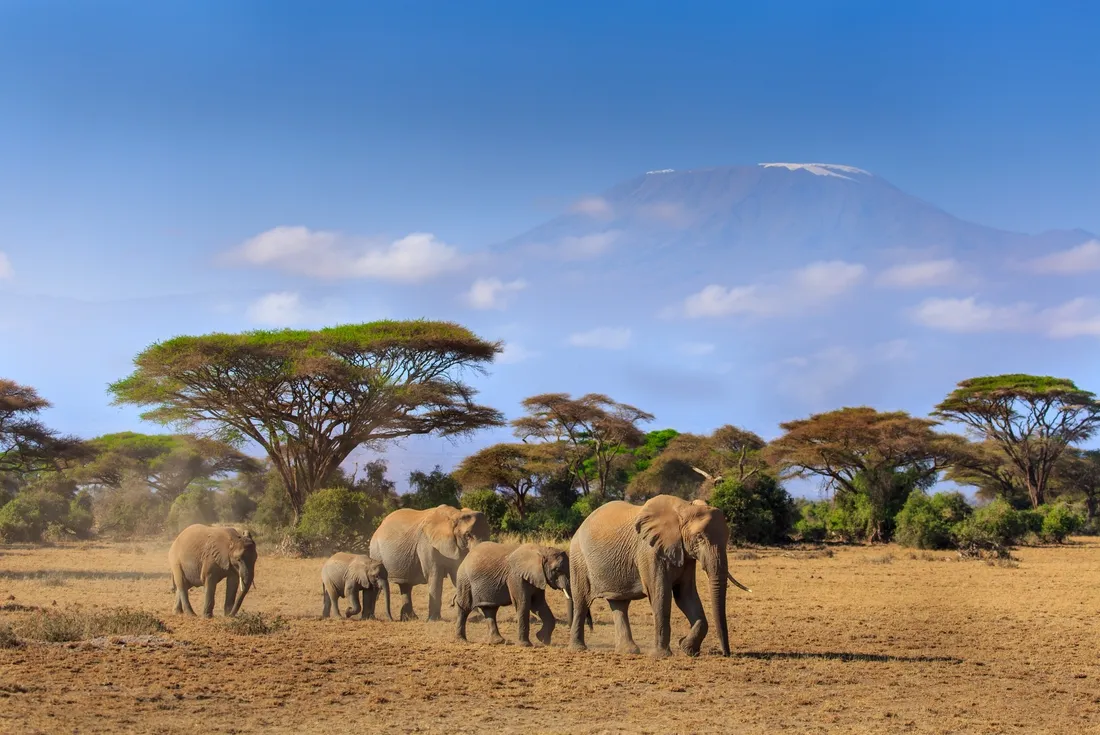
Serengeti & Kilimanjaro Trek
Combined safari and trekking tours offer wildlife adventures and Kilimanjaro climbs.
View Package →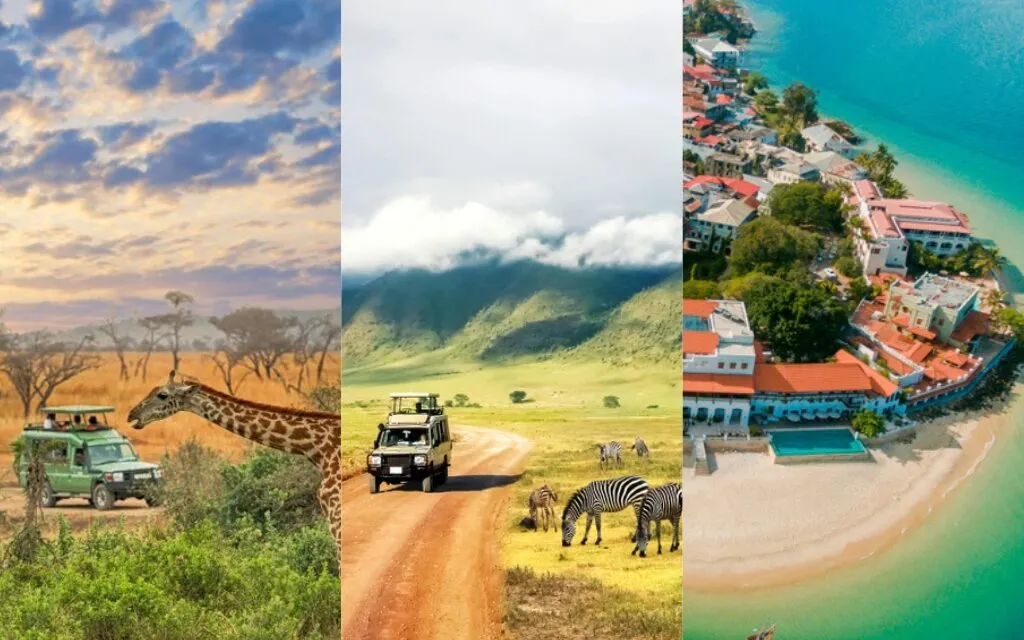
Serengeti & Zanzibar Tours
Luxury Tanzania safari & beach packages with the Great Migration and pristine beaches.
View Package →Related: Best Time to Visit Tanzania 2026 – Perfect safari extension after your Palestine journey.