
Most Complete Panama Travel Guide 2026-2027 – Everything You Need to Know Before Visiting
This Panama travel guide provides everything you need to plan your journey to Central America's most cosmopolitan country. Panama offers an extraordinary blend of modern skyline, historic colonial districts, Caribbean beaches, Pacific coast, cloud forests and indigenous cultures that create one of the continent's most diverse travel experiences. Many travelers who want to travel to Panama are surprised by the country's incredible biodiversity (home to more bird species than the USA & Canada combined) and the engineering marvel of the Panama Canal that connects two oceans.
Start Reading the Full Guide ↓Quick Facts About Panama
- Capital: Panama City.
- Currency: US Dollar (USD) & Balboa (PAB).
- Time Zone: Eastern Standard Time (EST, UTC-5).
- International Calling Code: +507.
- Driving Side: Right.
- Major Airports: Tocumen International (PTY), David (DAV), Bocas del Toro (BOC).
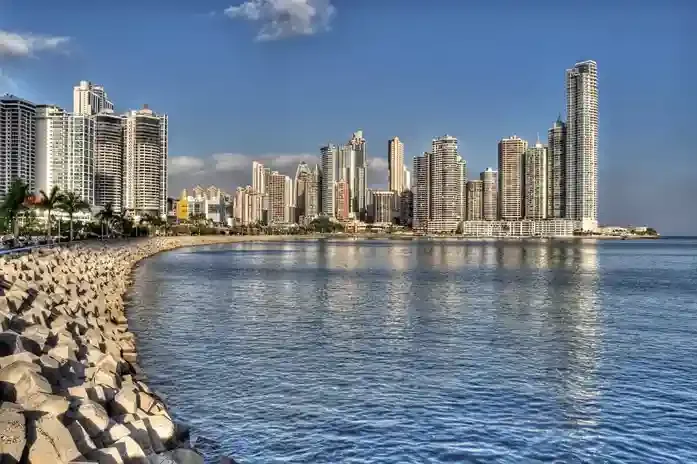
Panama Overview & Key Facts
Brief History of Panama
Panama's history spans millennia, from indigenous civilizations through Spanish conquest to becoming the crossroads of the world. The isthmus was home to sophisticated indigenous cultures long before Vasco Núñez de Balboa crossed it in 1513 and sighted the Pacific Ocean. The Spanish colonial period saw Panama as a key transit point for gold and silver from South America to Spain. The failed Scottish colony at Darién, the California Gold Rush route, and French and American attempts to build a canal all shaped Panama's destiny as a global transit hub.
Independence & National Identity
- Independence date: November 3, 1903 (from Colombia).
- Former colonial power: Spain, then Colombia.
- National symbols & identity.
Panama gained independence with U.S. support in 1903 to facilitate the Panama Canal construction. The Canal Zone was under U.S. control until 1999. Today, Panamanian identity proudly blends indigenous, Spanish, Afro-Caribbean, and modern cosmopolitan influences. The flag's quarters represent the two main political parties while the blue and red colors symbolize loyalty and justice.
Government System & Current Leadership
- Type of government: Presidential Republic
- Current president: José Raúl Mulino (2024–2029)
- Notes on political stability
Panama operates as a constitutional democracy with regular elections. The country enjoys relative political stability and strong economic growth driven by the canal, banking, and tourism sectors.
Population, Ethnic Groups & Languages
- Population: 4.5 million (2025 estimate).
- Major ethnic groups: Mestizo (65%), Afro-Panamanian (15%), Indigenous (12%), European/Asian (8%).
- Official language(s): Spanish.
- Additional languages commonly spoken.
Seven indigenous groups (Guna, Emberá, Ngäbe, Buglé, etc.) maintain their languages and territories. English is widely spoken in Panama City, Bocas del Toro, and business circles due to historical U.S. presence and tourism.
Main Religions & Cultural Identity
Roman Catholicism predominates (70–85%), with growing evangelical Protestant communities and small Jewish and Muslim populations. Indigenous groups practice traditional spiritual beliefs. Panama is notably tolerant and secular in daily life.
Geography & Natural Landscape
Panama forms the narrow bridge between North and South America, with coastlines on both the Caribbean Sea and Pacific Ocean. The country features tropical rainforests, cloud forests, two mountain ranges, hundreds of islands, and the famous Panama Canal cutting through the center.
Economy & Tourism Highlights
Panama has one of Latin America's fastest-growing economies, driven by the canal (expanded in 2016), logistics, banking, and tourism. The country promotes itself as the “Hub of the Americas” with the region's best airport connectivity.
What Panama Is Known For
- The Panama Canal – one of the greatest engineering achievements
- Extraordinary biodiversity – more bird species than USA & Canada combined
- Caribbean islands (Bocas del Toro, San Blas) and Pacific beaches
Visa & Entry Requirements in Panama
Most international visitors enjoy generous visa-free entry to Panama, with one of the most tourist-friendly policies in Latin America. The country actively encourages tourism and long stays.
Do You Need a Visa?
Citizens of 120+ countries (USA, Canada, EU, UK, Australia, Japan, South Korea, etc.) receive 180-day visa-free entry upon arrival. Some nationalities require a pre-purchased tourist card or stamped visa.
Visa Application Options in Panama
- Visa-free entry for 180 days (most Western countries)
- Tourist card purchased on arrival or online
- Consular tourist visa for restricted nationalities
Panama offers straightforward entry with minimal paperwork for most visitors.
Passport Validity & Entry Documents
Passport must be valid for 3 months beyond intended stay and have one blank page. Proof of onward travel and sufficient funds ($500 minimum) may be requested.
Customs Rules & Prohibited Items
Standard international restrictions apply. Up to $10,000 cash must be declared. Fresh foods, plants, and animal products require inspection. Drones require prior authorization.
Safety & Security Information in Panama
Panama is one of the safest countries in Central America for tourists. Tourist areas enjoy excellent security, and violent crime against visitors is rare.
Is Panama Safe for Tourists?
Yes – Panama City, Bocas del Toro, Boquete, San Blas, Pedasí, and the Canal zone are very safe. Darién Gap and some parts of Colón should be avoided.
Recommended Safety Tips when in Panama
Use registered taxis or Uber, avoid walking alone late at night in unknown areas, keep valuables secured, and use hotel safes. Standard travel precautions apply.
Safe Areas vs. Areas to Avoid in Panama
All main tourist destinations are safe. Avoid the Darién Gap (extremely dangerous), certain neighborhoods in Colón, and remote border areas.
<Emergency Numbers & Tourist Police in Panama
- Police/Tourist Police: 511-9111 or 104
- Fire Department: 103
- Medical Emergency: 911
- Tourist Police: Present in Panama City, Bocas, Boquete
Health Requirements & Vaccinations in Panama
No mandatory vaccinations for most travelers, though yellow fever certificate required if arriving from endemic countries.
Mandatory Vaccinations in Panama
Yellow fever only if coming from risk countries in South America or Africa.
Recommended Vaccinations in Panama
Hepatitis A, Typhoid, routine vaccines. Malaria prophylaxis recommended for Darién, Guna Yala, and some eastern provinces.
Malaria & Other Risks
Malaria risk in rural eastern areas and Darién. Dengue and Zika occur year-round. Use insect repellent and long clothing at dusk.
Travel Insurance Recommendations in Panama
Highly recommended. Excellent private hospitals in Panama City; medical evacuation coverage essential for remote islands.
Best Time to Visit in Panama
Dry season (December–April) offers guaranteed sunshine; green season (May–November) brings lush scenery and lower prices.
Weather by Season
Dry season: sunny, 27–32°C. Green season: afternoon showers, lush vegetation, fewer tourists.
When to Visit Panama for Best Experiences
- Whale watching: July–October (Pacific coast)
- Turtle nesting: July–November
- Best beach weather: December–April
- Fewer crowds & lower prices: May–November
High Season vs. Low Season Travel
High season: mid-December to April. Low/green season: May to mid-December (except holidays).
Weather & Climate Overview in Panama
Tropical climate with two distinct seasons: dry (verano) and green/wet (invierno).
Temperature Ranges
Coastal areas 26–32°C year-round. Highlands (Boquete, El Valle) 18–25°C with cooler nights.
Rainy & Dry Seasons in Panama
Dry season: mid-December to mid-April. Rainy season: May to mid-December (Caribbean coast rains year-round).
What to Wear Based on the Weather
Light breathable clothing, rain jacket, quick-dry items, good walking shoes, swimsuit, hat, sunscreen.
Main Currency, Costs & Budgeting in Panama
Panama uses the US Dollar as official currency – the most convenient in Latin America.
Local Currency Information
US Dollar (USD) and Panamanian Balboa coins (1:1). ATMs widely available; cards accepted almost everywhere in tourist areas.
Average Travel Costs in Panama
Budget: $50–90/day; mid-range $100–180/day; luxury $250+/day.
Using ATMs, Cards & Mobile Money in Panama
ATMs abundant, Visa/Mastercard widely accepted. Apple Pay/Google Pay common in cities.
Tipping Guidelines in Panama
10% standard in restaurants (often included). $2–5 for guides/drivers per day. Hotel staff $1–2/bag.
Transportation & Getting Around in Panama
Excellent infrastructure connecting main tourist areas; domestic flights and boats essential for islands.
Airport Transfers
Tocumen International (PTY) – Uber, official taxis, private transfers. 30–45 min to city center.
Local Transport Options in Panama
Uber (Panama City), colorful “diablos rojos” buses, modern Metro (Panama City), taxis, colectivos.
Panama Domestic Flights
Air Panama and Copa domestic connect Panama City to David, Bocas del Toro, Chiriquí Grande, etc.
Car Rentals & Road Conditions in Panama
Major international companies at airports. Pan-American Highway excellent; rural roads variable.
Accommodation Options available in Panama
From backpacker hostels to luxury eco-lodges and international chains.
Types of Accommodations in Panama
Hostels, boutique hotels, eco-lodges, resorts, Airbnb, indigenous cabañas.
Budget vs. Mid-Range vs. Luxury
Budget $15–50/night; mid-range $60–150; luxury $200+.
Best Areas to Stay in Panama
Casco Viejo (Panama City), Bocas Town, Boquete, El Valle, Pedasí, Santa Catalina, San Blas islands.
Essential Packing Guide when Visiting Panama
Tropical climate plus diverse activities require versatile packing.
similarto original structure...Frequently Asked Questions – Panama Travel Guide 2026-2027
Our Tanzania Tours Products
While Panama offers incredible rainforests, Caribbean islands and the famous Canal, many travelers combine Central America with the ultimate wildlife experience in East Africa. Capable Africa Tours specializes in secure, guided safaris that maximize safety and wonder...
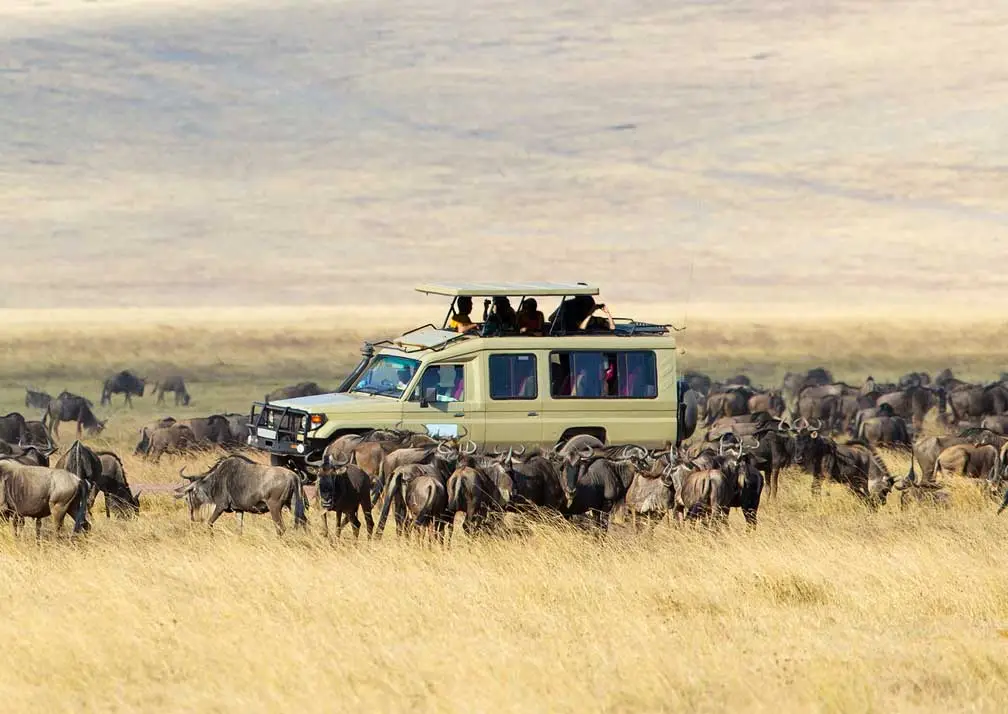
Great Migration Safaris
Experience one of nature's greatest spectacles with our Great Migration safari packages, timed for river crossings or calving.
View Package →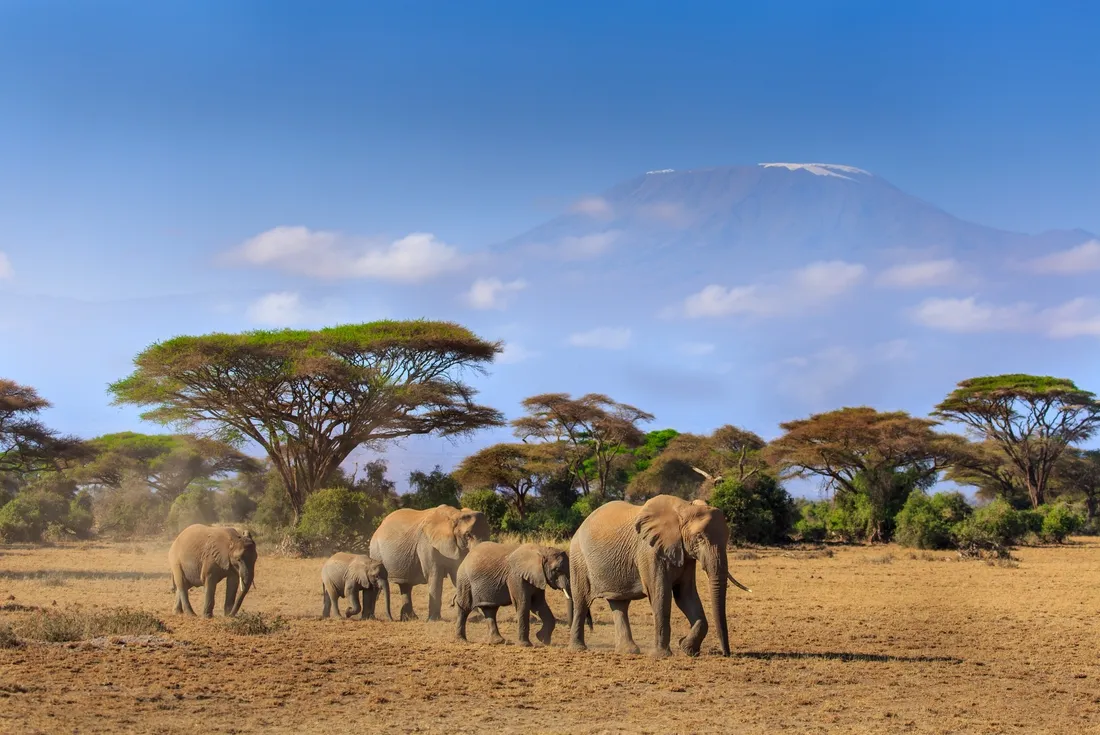
Serengeti & Kilimanjaro Trek
Combined safari and trekking tours offer wildlife adventures and Kilimanjaro climbs.
View Package →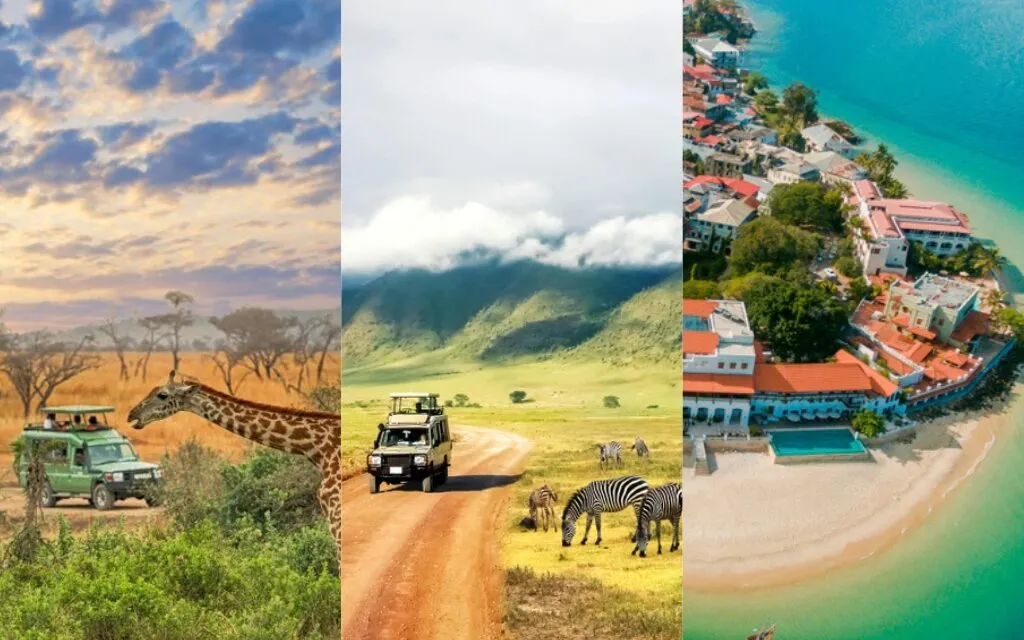
Serengeti & Zanzibar Tours
Luxury Tanzania safari & beach packages with the Great Migration and pristine beaches.
View Package →Related: Best Time to Visit Tanzania 2026 – Perfect safari extension after your Panama adventure.