
Most Complete Papua New Guinea Travel Guide 2026-2027 – Everything You Need to Know Before Visiting
This Papua New Guinea travel guide provides everything you need to plan your journey to one of the world’s last true adventure frontiers. Papua New Guinea offers an extraordinary blend of dramatic Highlands, pristine coral reefs, and over 800 living cultures that create one of the planet’s most diverse travel experiences. Many travelers who want to visit PNG are surprised by the country’s incredible tribal diversity and untouched natural beauty spanning rugged mountains, active volcanoes, and some of the world’s richest marine ecosystems. The nation covers 462,840 square kilometers, making it the eastern half of the world’s second-largest island, offering visitors everything from world-class cultural festivals to WWII history and unbeatable diving.
Start Reading the Full Guide ↓Quick Facts About Papua New Guinea
- Capital: Port Moresby.
- Currency: Papua New Guinean Kina (PGK).
- Time Zone: Papua New Guinea Time (PNG, UTC+10).
- International Calling Code: +675.
- Driving Side: Left.
- Major Airports: Jacksons International Airport (Port Moresby), Tokua Airport (Rabaul).
Papua New Guinea Overview & Key Facts
Brief History of Papua New Guinea
Papua New Guinea’s history spans over 50,000 years of human settlement, making it one of the earliest sites of agriculture outside Africa and the Middle East. European contact began in the 16th century, followed by German and British colonial rule in the late 1800s. Australia administered the territory after World War I and through WWII, which saw intense fighting across the Kokoda Track and New Britain. This long and layered history creates a fascinating backdrop for modern travelers exploring tribal cultures, WWII relics, and colonial architecture.
Independence & National Identity
- Independence date: September 16, 1975.
- Former colonial power: Australia.
- National symbols & identity.
Papua New Guinea gained independence from Australia in 1975. Papua New Guinea’s National identity is proudly diverse, with the motto “Unity in Diversity” reflecting over 800 languages and thousands of distinct tribal groups. The flag’s red and black represent the people and the bird-of-paradise symbolizes freedom and beauty.
Government System & Current Leadership
- Type of government: Unitary parliamentary constitutional monarchy
- Current prime minister: James Marape (since 2019)
- Notes on political stability
PNG is a constitutional monarchy recognising King Charles III, represented locally by a Governor-General. Politics can be volatile with frequent changes of government through votes of no confidence, but tourism areas remain largely unaffected.
Population, Ethnic Groups & Languages
- Population: 10.5 million (2025 projection).
- Major ethnic groups: Over 800 distinct groups; Melanesian majority.
- Official language(s): Tok Pisin, English, Hiri Motu, Papua New Guinean Sign Language.
- Additional languages commonly spoken.
PNG has the highest linguistic diversity on Earth – over 850 languages. English is used in education and government, Tok Pisin is the most widely spoken lingua franca, and Hiri Motu is common in the Papuan region.
Main Religions & Cultural Identity
Christianity is practiced by over 95% of the population, introduced by missionaries in the 19th–20th centuries. Traditional animist beliefs remain strong, especially in remote areas, often blending with Christianity. Respect for ancestors and spirits is central to many tribal cultures.
Geography & Natural Landscape
Papua New Guinea features dramatic geography: towering Highlands (up to 4,509 m at Mt Wilhelm), extensive river systems (Sepik, Fly), active volcanoes, and a coastline fringed by the Coral Sea and Bismarck Sea. The country sits on the Pacific Ring of Fire with frequent earthquakes and volcanic activity.
Economy & Tourism Highlights
Liquefied natural gas, gold, copper and coffee dominate exports. Tourism is growing steadily, focused on cultural festivals, adventure trekking, WWII history and world-class diving. Infrastructure improvements and increased air connections are making PNG more accessible.
What Papua New Guinea Is Known For
- Goroka and Mt Hagen cultural shows
- World-class diving (Milne Bay, Kimbe Bay, Tufi)
- Kokoda Track & WWII history
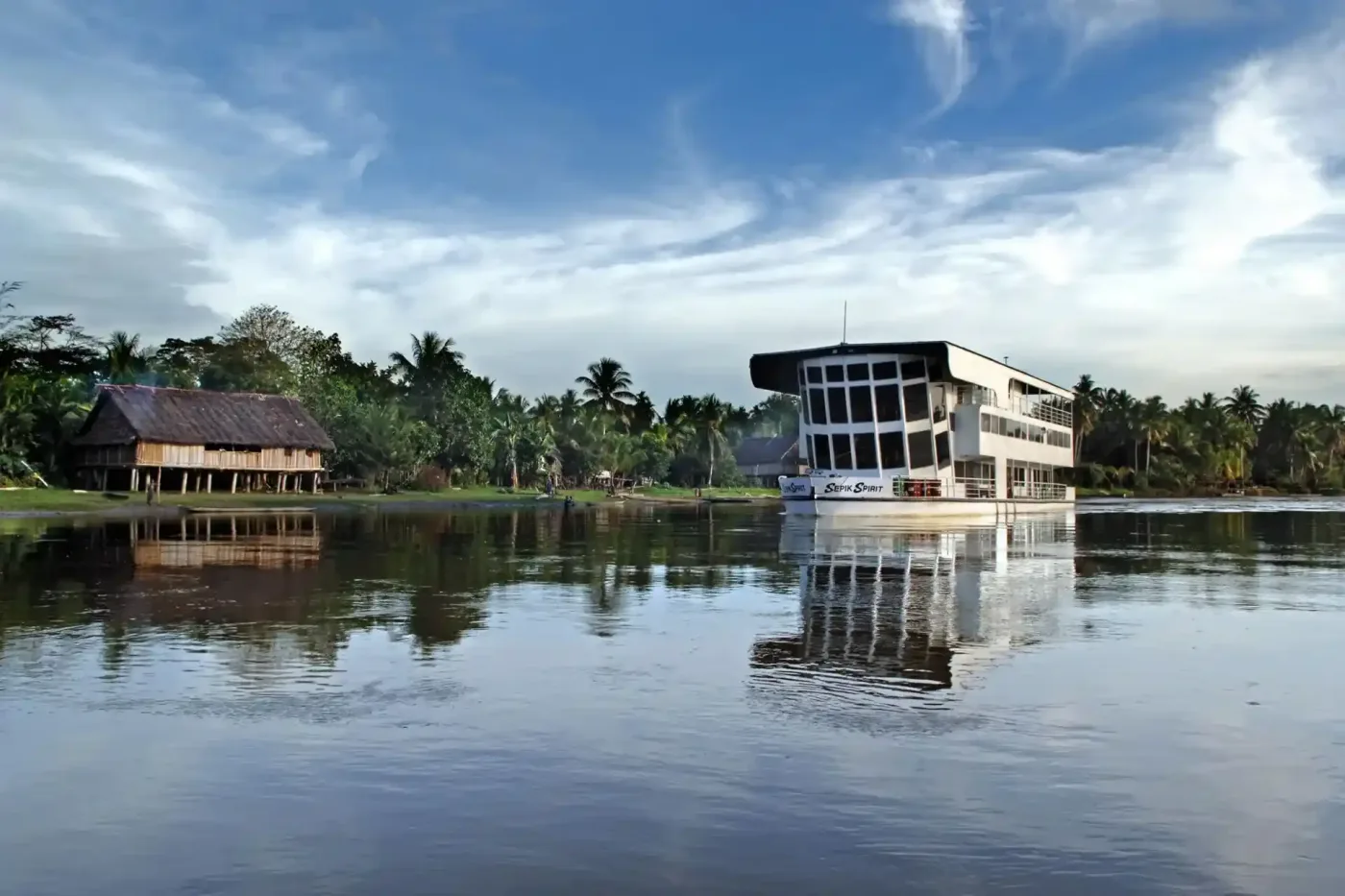
- Sepik River spirit houses and carvings
Visa & Entry Requirements in Papua New Guinea
Most visitors can obtain an e-Visa online or a free 60-day visa-on-arrival (for 70+ countries). Requirements are straightforward but rules change frequently, so always verify before travel.
Do You Need a Visa?
Yes for most nationalities, but 70+ countries (including USA, UK, EU, Australia, Canada) receive a free 60-day visa-on-arrival. Others must apply for an e-Visa (30 or 60 days) online before travel.
Visa Application Options in Papua New Guinea
- e-Visa online (most common)
- Visa-on-arrival (free for eligible nationalities)
- Embassy application (for longer stays or journalism)
Passport Validity & Entry Documents
Passport must be valid 6 months beyond intended stay with at least 2 blank pages. Return/onward ticket required. Yellow fever certificate if arriving from endemic country.
Customs Rules & Prohibited Items
Strict biosecurity: all fresh food, plants and animal products must be declared. Artifacts over 50 years old require export permit. Cash over PGK 20,000 must be declared.
Safety & Security Information in Papua New Guinea
PNG requires sensible precautions. Tourist areas and organised tours are generally safe, but petty crime and occasional tribal conflict occur. Travel with reputable operators and avoid independent travel in high-risk zones.
Is Papua New Guinea Safe for Tourists?
Yes when travelling with experienced operators, staying in tourist zones and following local advice. Most visitors have incident-free trips.
Recommended Safety Tips when in Papua New Guinea
Use registered taxis or hotel transfers, avoid walking after dark in towns, keep valuables hidden, travel in groups, and follow your guide’s instructions in tribal areas.
Safe Areas vs. Areas to Avoid in Papua New Guinea
Safe: Highlands cultural shows, Kokoda Track with licensed operators, dive resorts, Trobriand Islands, Sepik with guides. Caution: parts of Port Moresby and Lae after dark, Southern Highlands without local escort.
Emergency Numbers & Tourist Police in Papua New Guinea
- Police: 112
- Ambulance/Fire: 111
- Many resorts have 24/7 medical evacuation arrangements
Health Requirements & Vaccinations in Papua New Guinea
Malaria risk is high outside Port Moresby. Medical facilities are limited; serious cases require evacuation to Australia.
Mandatory Vaccinations in Papua New Guinea
Yellow fever certificate required if arriving from endemic country.
Recommended Vaccinations in Papua New Guinea
Hepatitis A & B, Typhoid, Rabies (pre-exposure), Japanese Encephalitis (long stays), routine vaccines. Malaria prophylaxis essential.
Malaria & Other Risks
Malaria present year-round below 1800 m. Dengue and chikungunya possible. Use DEET repellent, sleep under treated nets.
Travel Insurance Recommendations in Papua New Guinea
Comprehensive policy with high medical evacuation cover (minimum USD 200,000) is mandatory for most operators.
Best Time to Visit in Papua New Guinea
May–October (dry season) is best for Highlands festivals and trekking. Diving is excellent year-round.
Weather by Season
Dry season (May–Oct): cooler, less rain. Wet season (Dec–Mar): hotter, heavy rain especially in lowlands.
When to Visit Papua New Guinea for Best Experiences
- Goroka Show & Mt Hagen Sing-Sing: September
- Diving: year-round (best visibility Jun–Sep)
- Kokoda Track: May–Oct
High Season vs. Low Season Travel
High season: July–September (festivals). Low season: Dec–Mar (fewer crowds, lower prices but wet).
Weather & Climate Overview in Papua New Guinea
Tropical climate with high humidity. Highlands cooler (15–28°C), lowlands hot (25–34°C).
Temperature Ranges
Coastal: 25–34°C year-round. Highlands: 15–28°C with cool nights.
Rainy & Dry Seasons in Papua New Guinea
Dry season May–Oct; wet season Dec–Mar (varies by region).
What to Wear Based on the Weather
Light breathable clothing, rain jacket, sturdy walking shoes, hat, long sleeves/pants for evenings and sun/insect protection.
Main Currency, Costs & Budgeting in Papua New Guinea
PNG is expensive due to remoteness and import costs.
Local Currency Information
Papua New Guinean Kina (PGK). Carry small notes for villages.
Average Travel Costs in Papua New Guinea
Budget $120–200/day; mid-range $250–450/day; luxury/liveaboard $400–800/day.
Using ATMs, Cards & Mobile Money in Papua New Guinea
ATMs in major towns (Visa/Mastercard). Cards accepted at resorts; cash essential elsewhere.
Tipping Guidelines in Papua New Guinea
Not expected but appreciated for good service (PGK 20–50).
Transportation & Getting Around in Papua New Guinea
Air travel is the main way to cover distances safely and efficiently.
Airport Transfers
Pre-booked hotel/resort transfers recommended in Port Moresby.
Local Transport Options in Papua New Guinea
PMVs (public motor vehicles) cheap but crowded. Private transfers and domestic flights preferred by tourists.
Papua New Guinea Domestic Flights
Air Niugini and PNG Air connect major centres. Book early during festival season.
Car Rentals & Road Conditions in Papua New Guinea
Available in Port Moresby and Lae but not recommended for tourists due to safety and road conditions.
Accommodation Options available in Papua New Guinea
Range from basic guesthouses to luxury eco-lodges and liveaboard dive boats.
Types of Accommodations in Papua New Guinea
Eco-lodges, village guesthouses, city hotels, liveaboards, wilderness camps.
Budget vs. Mid-Range vs. Luxury
Budget $50–120/night; mid-range $150–350; luxury $400+.
Best Areas to Stay in Papua New Guinea
Port Moresby (Airways Hotel area), Madang, Alotau, Tufi, Walindi, Lissenung Island.
Essential Packing Guide when Visiting Papua New Guinea
Pack light, quick-dry clothing, strong insect repellent, reef-safe sunscreen, snorkelling gear (if possible), torch/headlamp, power bank.
Language & Communication in Papua New Guinea
Tok Pisin is the easiest way to connect with locals. English widely used in tourism.
Culture & Etiquette in Papua New Guinea
Ask permission before photographing people, respect village protocols, remove hats when entering spirit houses, give small gifts rather than money when welcomed.
Food, Water & Dining in Papua New Guinea
Fresh seafood, kaukau (sweet potato), saksak (sago), mumu (earth oven) feasts. Bottled water essential outside resorts.
Top Attractions & Things to Do in Papua New Guinea
- Goroka & Mt Hagen Cultural Shows
- Sepik River villages & spirit houses
- Kokoda Track
- Diving in Milne Bay, Kimbe Bay, Tufi
- Trobriand Islands yam festivals
Papua New Guinean Electrical System Information
240V, 50Hz, Australian-style plugs (Type I).
Local Laws & Regulations of Papua New Guinea
Respect betel nut bans in some areas, no exporting of antiquities without permit, strict biosecurity rules.
Final Travel Tips for Visitors in Papua New Guinea
Book through reputable operators, carry cash, be flexible, respect local customs, and enjoy one of the world’s last authentic adventure destinations.
Frequently Asked Questions – Papua New Guinea Travel Guide 2026-2027
Our Tanzania Tours Products
While Papua New Guinea offers incredible tribal cultures and world-class diving, many travelers combine the South Pacific with the ultimate wildlife experience in East Africa. Capable Africa Tours specializes in secure, guided safaris that maximize safety and wonder. From family-friendly lodges to luxury camps, we handle logistics so you focus on the magic.
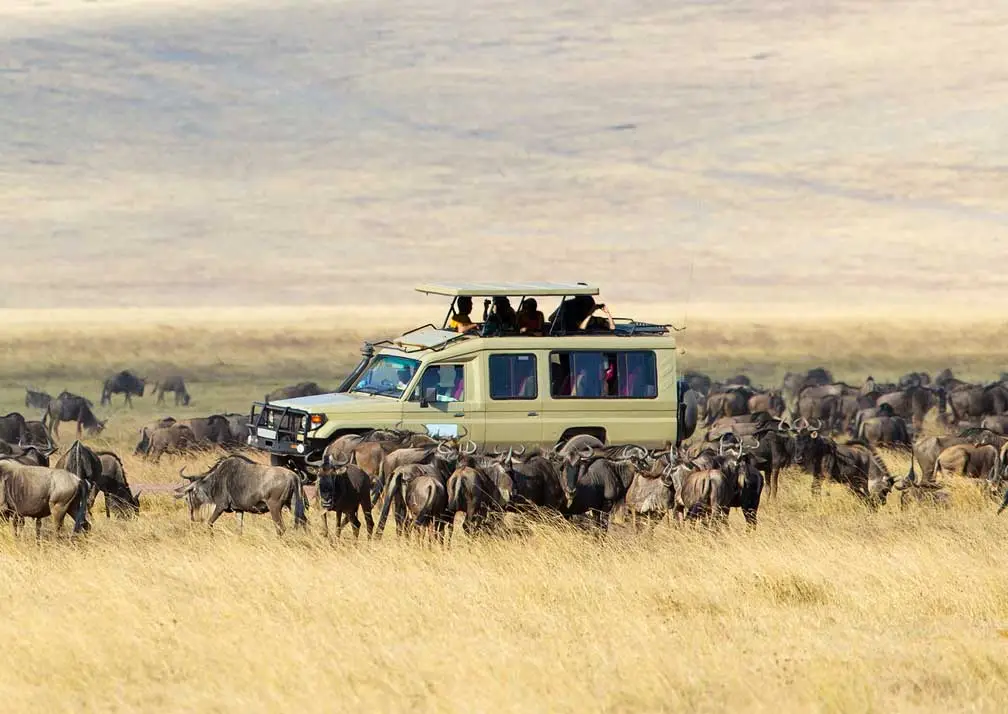
Great Migration Safaris
Experience one of nature's greatest spectacles with our Great Migration safari packages, timed for river crossings or calving.
View Package →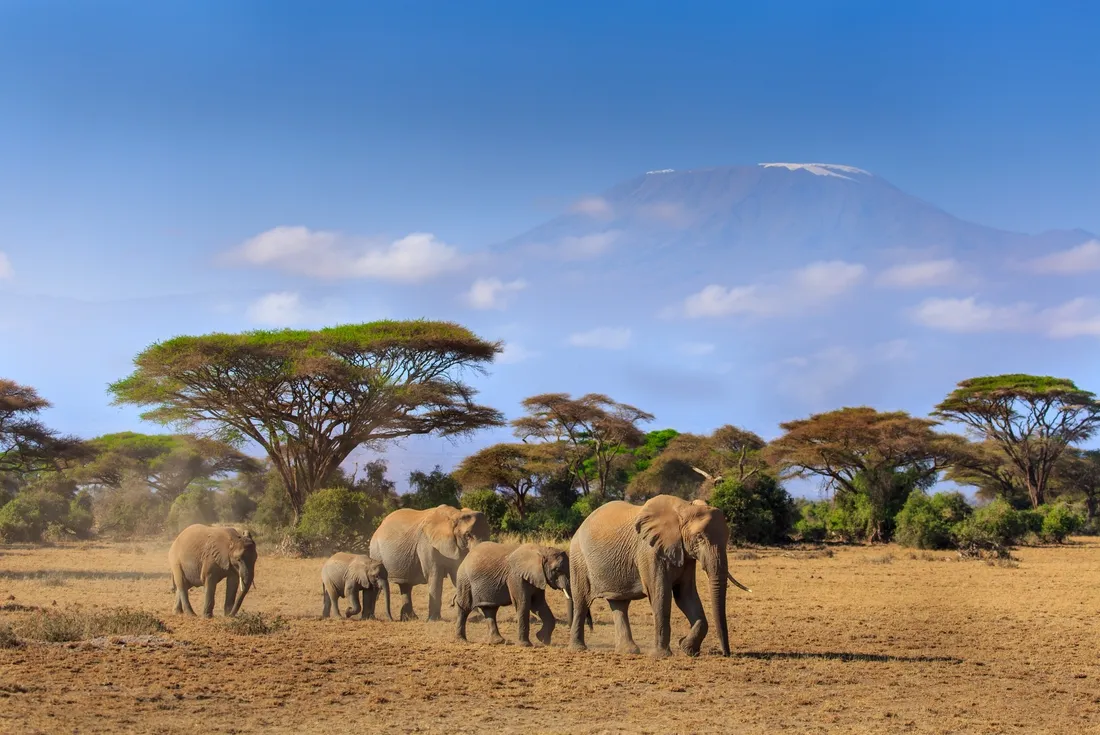
Serengeti & Kilimanjaro Trek
Combined safari and trekking tours offer wildlife adventures and Kilimanjaro climbs.
View Package →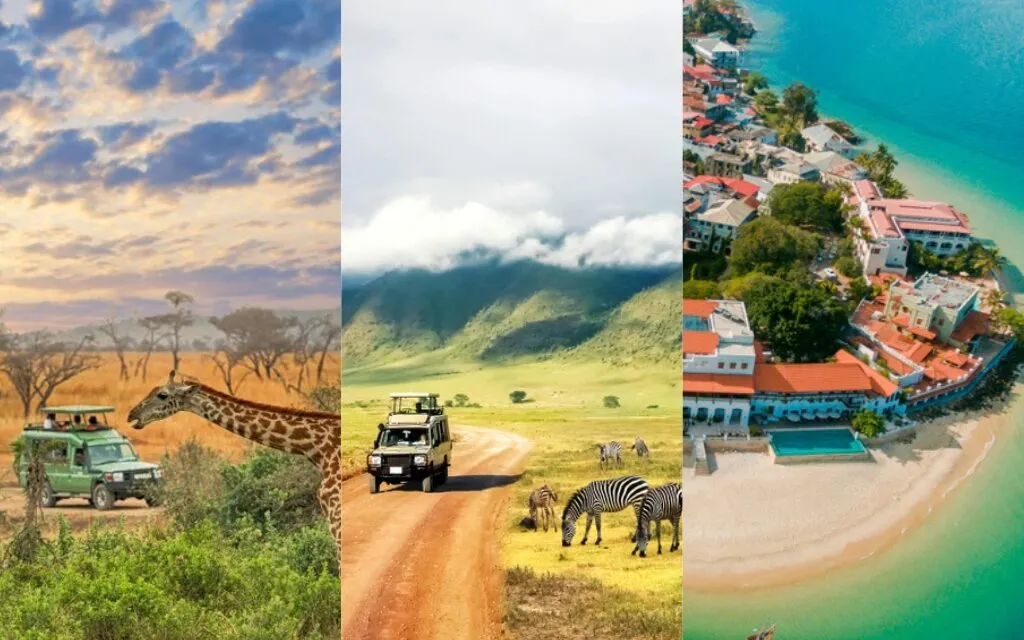
Serengeti & Zanzibar Tours
Luxury Tanzania safari & beach packages with the Great Migration and pristine beaches.
View Package →Related: Best Time to Visit Tanzania 2026 – Perfect safari extension after your Papua New Guinea adventure.