
Most Complete Paraguay Travel Guide 2026-2027 – Everything You Need to Know Before Visiting
This Paraguay travel guide provides everything you need to plan your journey to South America's most underrated destination. Paraguay offers an extraordinary blend of Jesuit mission ruins, vast Chaco wilderness, Pantanal wetlands, and authentic Guaraní culture that create one of the continent's most genuine travel experiences. Many travelers who want to travel to Paraguay are surprised by the country's incredible biodiversity, warm hospitality and rich indigenous heritage spanning centuries of Guaraní traditions and European influence. The nation covers over 406,000 square kilometers, making it completely landlocked yet home to some of the continent's most impressive natural wonders and historical sites.
Start Reading the Full Guide ↓Quick Facts About Paraguay
- Capital: Asunción.
- Currency: Paraguayan Guaraní (PYG).
- Time Zone: Paraguay Time (PYT, UTC-4).
- International Calling Code: +595.
- Driving Side: Right.
- Major Airports: Silvio Pettirossi International Airport (Asunción), Guarani International Airport (Ciudad del Este).
Paraguay Overview & Key Facts
Brief History of Paraguay
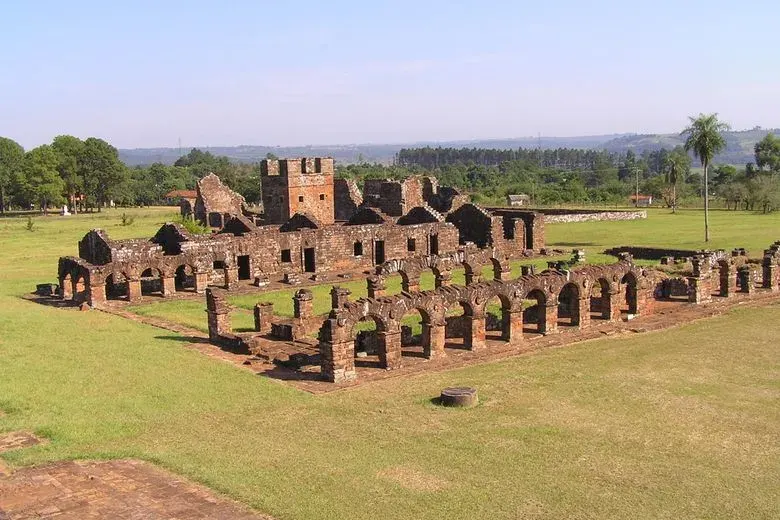
Paraguay's history spans millennia, from ancient Guaraní civilizations through Spanish colonization to devastating 19th-century wars. Founded by Spanish explorers in 1537, Asunción became one of the earliest European settlements in South America. The Jesuit missions (1609–1767) created remarkable “reducciones” that protected indigenous populations and produced stunning baroque architecture. The devastating War of the Triple Alliance (1864–1870) reduced the male population by approximately 90%. This rich historical tapestry creates a fascinating backdrop for modern travelers exploring the country's archaeological treasures and cultural sites.
Independence & National Identity
- Independence date: May 14–15, 1811.
- Former colonial power: Spain.
- National symbols & identity.
Paraguay declared independence peacefully from Spain in 1811, one of the first South American nations to do so. Paraguay's national identity centers on Guaraní language and culture, unique in Latin America for its widespread bilingualism. The flag features different designs on each side – the only national flag in the world to do so – with the treasury seal on one side and the lion coat of arms on the other.
Government System & Current Leadership
- Type of government: Presidential Republic
- Current president: Santiago Peña (since August 2023)
- Notes on political stability
Paraguay operates as a presidential republic with regular democratic elections. The country has maintained political stability in recent decades with peaceful transfers of power. Travelers should stay informed about current conditions through their embassy or consulate before visiting.
Population, Ethnic Groups & Languages
- Population: 7.5 million (2025 projection).
- Major ethnic groups: Mestizo (mixed European-Guaraí) 95%.
- Official language(s): Spanish and Guaraní.
- Additional languages commonly spoken.
Paraguay is unique in Latin America for its widespread use of Guaraní – approximately 90% of the population speaks it. German is spoken in Mennonite colonies, and Portuguese near the Brazilian border. English is limited outside tourism sectors but growing among younger generations.
Main Religions & Cultural Identity
Roman Catholicism dominates Paraguay's religious landscape, with approximately 89% of the population identifying as Catholic. Evangelical Protestantism is growing. Religious festivals and saints’ days are widely celebrated. Visitors should respect religious observances and dress modestly when visiting churches or during festivals.
Geography & Natural Landscape
Paraguay is divided into two distinct regions by the Paraguay River: the humid, fertile Eastern Region with rolling hills and the vast, arid Gran Chaco in the west. The country features subtropical forests, wetlands, palm savannas, and the world's second-largest dam (Itaipu). The Pantanal wetlands in the north offer exceptional wildlife viewing opportunities.
Economy & Tourism Highlights
Paraguay has one of South America's fastest-growing economies, driven by agriculture (soy, beef), hydroelectric power (Itaipu Dam), and manufacturing. Tourism is emerging rapidly as visitors discover authentic experiences, low prices, and natural wonders. The government actively promotes eco-tourism in the Chaco and Pantanal regions.
What Paraguay Is Known For
- UNESCO Jesuit Missions of La Santísima Trinidad de Paraná and Jesús de Tavarangue
- World’s largest operational hydroelectric dam – Itaipu
- Unique bilingual Guaraní-Spanish culture
Visa & Entry Requirements in Paraguay
Most international visitors enjoy visa-free entry to Paraguay for tourism, with generous stay periods. The visa policy is one of the most visitor-friendly in South America. Always verify current requirements with your nearest Paraguayan embassy as regulations can change.
Do You Need a Visa?
Citizens of the EU, USA, Canada, UK, Australia, New Zealand, Japan, South Korea, and most South American countries receive 90 days visa-free upon arrival. Some nationalities require visas in advance. Check official sources for your specific citizenship.
Visa Application Options in Paraguay
- Visa on arrival for eligible nationalities
- Embassy visa for nationalities requiring advance approval
- Electronic visa system being implemented in 2026
Visa-free visitors simply present a passport valid for six months and may be asked for proof of onward travel and sufficient funds (rarely checked).
Passport Validity & Entry Documents
Your passport must be valid for at least six months from entry date. You’ll receive an entry stamp and sometimes a tourist card. Keep this card – you’ll need it when leaving the country.
Customs Rules & Prohibited Items
Standard South American customs rules apply. Declare large amounts of cash. Fresh food restrictions are minimal. Electronics and personal items for tourism are duty-free within reasonable limits.
Safety & Security Information in Paraguay
Paraguay is generally considered one of the safer countries in South America for tourists. Violent crime against visitors is rare. Normal precautions apply in Asunción and Ciudad del Este.
Is Paraguay Safe for Tourists?
Yes – Paraguay has lower violent crime rates than many neighbors. Tourist areas are safe day and night. Petty theft occurs in crowded areas. Avoid certain northern departments (San Pedro, Amambay, Concepción) due to occasional guerrilla activity.
Recommended Safety Tips when in Paraguay
Use registered taxis or Uber in Asunción. Don’t display expensive items in crowded markets. Avoid walking alone late at night in city centers. Use hotel safes. Drink bottled water outside major hotels.
Safe Areas vs. Areas to Avoid in Paraguay
All main tourist areas are safe: Asunción, Encarnación, Jesuit ruins, Itaipu, southern Chaco lodges, Pantanal camps. Avoid remote northern border areas with Brazil and Bolivia after dark.
Emergency Numbers & Tourist Police in Paraguay
- Police: 911
- Fire Department: 911 or 132
- Medical Emergency: 911 or 141
- Tourist Police: Available in Asunción
English-speaking tourist police operate in Asunción and at major attractions.
Health Requirements & Vaccinations in Paraguay
No mandatory vaccinations for most travelers, though yellow fever certificate required if arriving from endemic countries. Healthcare quality varies – excellent private clinics in Asunción, basic in rural areas.
Mandatory Vaccinations in Paraguay
Yellow fever vaccination required if coming from risk countries in Africa or South America. Certificate checked at immigration.
Recommended Vaccinations in Paraguay
Hepatitis A, Typhoid, routine vaccines. Consider Hepatitis B, Rabies (for rural/extended travel). Malaria prophylaxis for Alto Paraná and Canindeyú departments.
Malaria & Other Risks
Low malaria risk in some rural areas. Dengue outbreaks occur – use repellent. Zika risk present. Drink bottled water outside Asunción.
Travel Insurance Recommendations in Paraguay
Highly recommended. Ensure coverage includes medical evacuation – remote Chaco and Pantanal areas may require air evacuation to Asunción or Brazil.
Best Time to Visit in Paraguay
Paraguay has a subtropical climate with hot, humid summers and mild winters. Winter (May–September) is the most comfortable for travel.
Weather by Season
Winter (May–Sep): 18–28°C, dry, perfect for travel. Summer (Dec–Feb): 35–45°C with high humidity. Spring and autumn are pleasant shoulder seasons.
When to Visit Paraguay for Best Experiences
- Wildlife viewing best June–October (dry season)
- Jesuit ruins most comfortable April–October
- Carnival in Encarnación: February
- Nanduti Festival: July
The Chaco is best visited May–September when temperatures are bearable.
High Season vs. Low Season Travel
High season: June–August (winter school holidays) and February Carnival. Low season: December–March (summer heat). Prices vary little year-round.
Weather & Climate Overview in Paraguay
Subtropical climate with significant regional variations. Eastern Paraguay is humid, western Chaco is semi-arid.
Temperature Ranges
Summer highs regularly exceed 40°C. Winter nights can drop to 5°C in the south. Asunción averages 23–33°C year-round.
Rainy & Dry Seasons in Paraguay
Rainy season: October–April (frequent afternoon storms). Dry season: May–September (almost no rain in the Chaco).
What to Wear Based on the Weather
Light cotton clothing, sun protection, rain jacket (Oct–Apr), warm layers for winter evenings. Modest dress in rural communities.
Main Currency, Costs & Budgeting in Paraguay
Paraguay remains one of South America's most affordable destinations with excellent value for money.
Local Currency Information
Paraguayan Guaraní (PYG). Banknotes from 2,000 to 100,000. Coins rarely used. USD widely accepted in tourist areas.
Average Travel Costs in Paraguay
Budget travelers: $40–70/day. Mid-range: $80–140/day. Luxury/Chaco lodges: $200–350/day. Meals from $4–12, domestic beer $1.50.
Using ATMs, Cards & Mobile Money in Paraguay
ATMs widespread. Visa/Mastercard accepted in cities. Cash preferred in rural areas. Mobile payments growing but not universal.
Tipping Guidelines in Paraguay
10% in restaurants (often included as “servicio”). Round up taxi fares. Tour guides $10–20/day per person.
Transportation & Getting Around in Paraguay
Long-distance buses are excellent and cheap. Domestic flights limited. Car rental recommended for Chaco exploration.
Airport Transfers
Asunción airport 20 min from center. Uber/remis (registered taxis) available. Airport buses exist but slow.
Local Transport Options in Paraguay
Excellent intercity buses (cheap, comfortable, frequent). Asunción has Uber and local buses. Long-distance shared taxis for some routes.
Paraguay Domestic Flights
Limited routes (Asunción–Ciudad del Este). Buses usually faster and cheaper except for Chaco routes.
Car Rentals & Road Conditions in Paraguay
Major rental companies at airport. International license required. Roads good on main routes, unpaved in Chaco (4WD essential).
Accommodation Options available in Paraguay
From hostels to luxury eco-lodges, Paraguay offers great value across all categories.
Types of Accommodations in Paraguay
Hotels, hostels, posadas, estancias (working ranches), eco-lodges in Chaco/Pantanal.
Budget vs. Mid-Range vs. Luxury
Budget: $15–35/night. Mid-range: $40–90/night. Luxury eco-lodges: $150–400/night (all-inclusive).
Best Areas to Stay in Paraguay
Asunción (Villa Morra, Carmelitas), Encarnación waterfront, Trinidad (near Jesuit ruins), Filadelfia (Chaco gateway).
Essential Packing Guide when Visiting Paraguay
Pack for heat, humidity, and possible rain. Insect protection essential outside Asunción.
Clothing Essentials
Light breathable clothing, long sleeves/pants for sun & insects, rain jacket, warm layer for winter nights.
Footwear & Gear
Comfortable walking shoes, sandals, binoculars, strong insect repellent, sunscreen, hat.
Electronics & Cameras
Type C plugs, 220V. Power banks useful in rural areas.
Toiletries & Personal Items
High-DEET repellent, prescription meds, hand sanitizer, quick-dry towel.
Language & Communication in Paraguay
Unique bilingual country where almost everyone speaks both Spanish and Guaraní.
Main Languages Spoken in Paraguay
Spanish and Guaraní (both official). You’ll hear “Jopara” – the mixed Guaraní-Spanish creole in daily conversation.
Useful Phrases for Tourists
Mba’éichapa (How are you?), Jajotopata (See you later), Aguyje (Thank you in Guaraní).
SIM Cards & Mobile Data used in Paraguay
Cheap local SIMs (Tigo, Personal, Claro) at airport and shops. Good 4G coverage except deep Chaco.
Internet Availability & Wi-Fi in Paraguay
Excellent in cities, available in most hotels and cafes. Limited in rural Chaco.
Culture & Etiquette in Paraguay
Relaxed, friendly culture with strong family values and indigenous influence.
Paraguayan Dress Code Expectations
Casual dress normal. Modest clothing in churches and rural communities. Beachwear only at resorts.
Social Etiquette & Respectful Behavior of Paraguay
Greet with handshake or kiss on cheek. Tereré (cold mate) sharing is common social ritual – accepting is polite.
Photography Rules in Paraguay
Ask permission before photographing people, especially indigenous communities. No restrictions at tourist sites.
Important Cultural Dos & Don’ts in Paraguay
Do accept tereré when offered. Don’t discuss the War of the Triple Alliance casually. Do remove shoes when entering homes.
Food, Water & Dining in Paraguay
Hearty, meat-heavy cuisine with Guaraní influences. Excellent beef.
Paraguayan Local Dishes to Try
Sopa paraguaya (cornbread with cheese/onion), chipa (cheese bread), asado (barbecue), mandioca, surubí fish, tereré.
Dietary Options in Paraguay
Meat dominates. Vegetarian options improving in cities. Vegan difficult outside Asunción.
Drinking Water Safety
Bottled water recommended outside Asunción. Ice generally safe in cities.
Restaurant Etiquette
10% tip usual if service not included. Meals are leisurely affairs.
Top Attractions & Things to Do in Paraguay
From UNESCO ruins to world-class wildlife viewing, Paraguay offers authentic experiences with few crowds.
Major Tourist Attractions in Paraguay
- Jesuit Missions of Trinidad & Jesús (UNESCO)
- Itaipu Dam & hydroelectric tours
- Gran Chaco wilderness & Mennonite colonies
- Pantanal wetlands (jaguar spotting)
The Jesuit ruins are South America's best-preserved mission complexes. Itaipu Dam is an engineering marvel. The Chaco offers unique dry forest wildlife.
Best Tours & Experiences in Paraguay
Chaco wildlife safaris, Pantanal boat trips, Jesuit ruins guided tours, estancia stays, Asunción street food tours.
Family-Friendly Activities to do in Paraguay
Itaipu Dam visitor center, Asunción Botanical Gardens, Encarnación beaches, eco-lodges with pools.
Unique Cultural or Historical Sites to visit in Paraguay
Mennonite colonies, indigenous communities (with respectful guides), Pantanal jaguar camps, traditional harp music performances.
Paraguayan Electrical System Information
220V, 50Hz. Type C (European) plugs universal.
Plug Types & Voltage used in Paraguay
Type C (two round pins). Most modern devices auto-convert voltage.
Charging Tips
Power reliable in cities, generator-based in rural lodges (limited hours).
Local Laws & Regulations of Paraguay
Standard South American laws. Respect indigenous territories.
Rules Travelers Need to Know when In Paraguay
Keep tourist card from immigration. No drone flights near Itaipu Dam. Respect Mennonite and indigenous communities’ photography rules.
Alcohol, Smoking & Substance Laws of Paraguay
Legal drinking age 20. Marijuana illegal. Public drinking generally tolerated.
Restricted or Protected Areas in Paraguay
Some indigenous territories require permits. Military zones near borders off-limits.
Final Travel Tips for Visitors in Paraguay
Paraguay rewards adventurous, open-minded travelers with authentic experiences and genuine hospitality.
Common Mistakes to Avoid
Don’t underestimate summer heat. Don’t skip the Chaco because it’s “remote” – it’s spectacular. Don’t expect European-level infrastructure everywhere.
Tips to Save Money when Visiting Paraguay
Use long-distance buses, eat at local comedores, stay in posadas, visit during shoulder seasons.
Safety & Comfort Tips
Drink bottled water outside Asunción. Use mosquito repellent. Learn a few Guaraní phrases – locals love it.
Frequently Asked Questions – Paraguay Travel Guide 2026-2027
Our Tanzania Tours Products
While Paraguay offers incredible Jesuit ruins, Chaco wilderness and authentic Guaraní culture, many travelers combine South America with the ultimate wildlife experience in East Africa. Capable Africa Tours specializes in secure, guided safaris that maximize safety and wonder. Our expert local guides, armed rangers in parks, and vetted accommodations ensure peace of mind. From family-friendly lodges to luxury camps, we handle logistics so you focus on the magic. Tanzania ranks high for tourist safety with dedicated wildlife protection units and stable northern circuits.
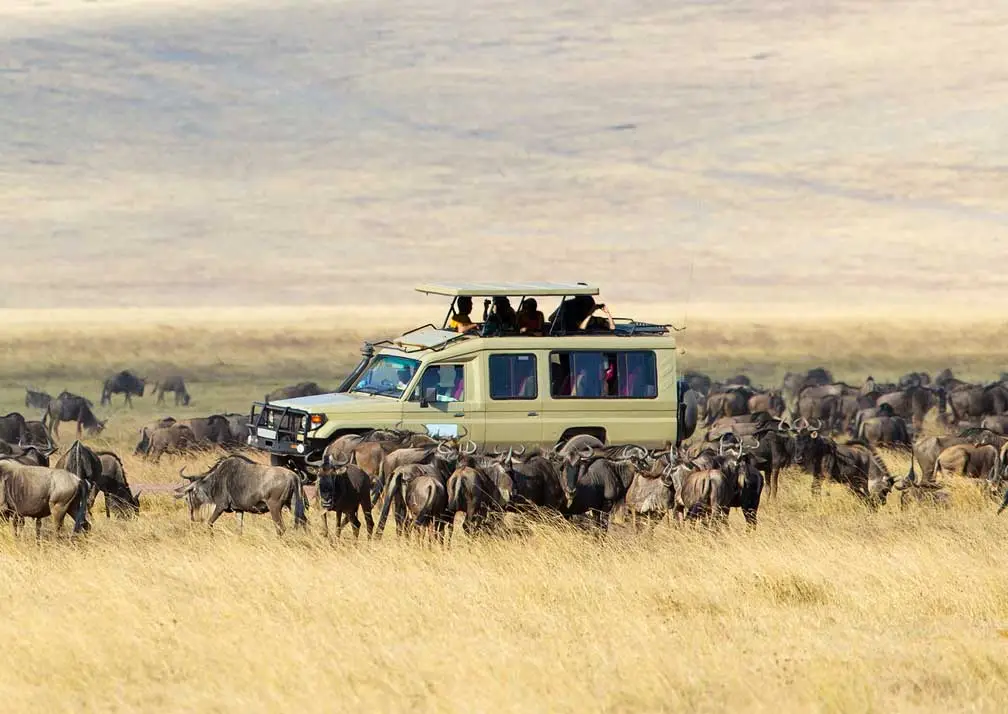
Great Migration Safaris
Experience one of nature's greatest spectacles with our Great Migration safari packages, timed for river crossings or calving.
View Package →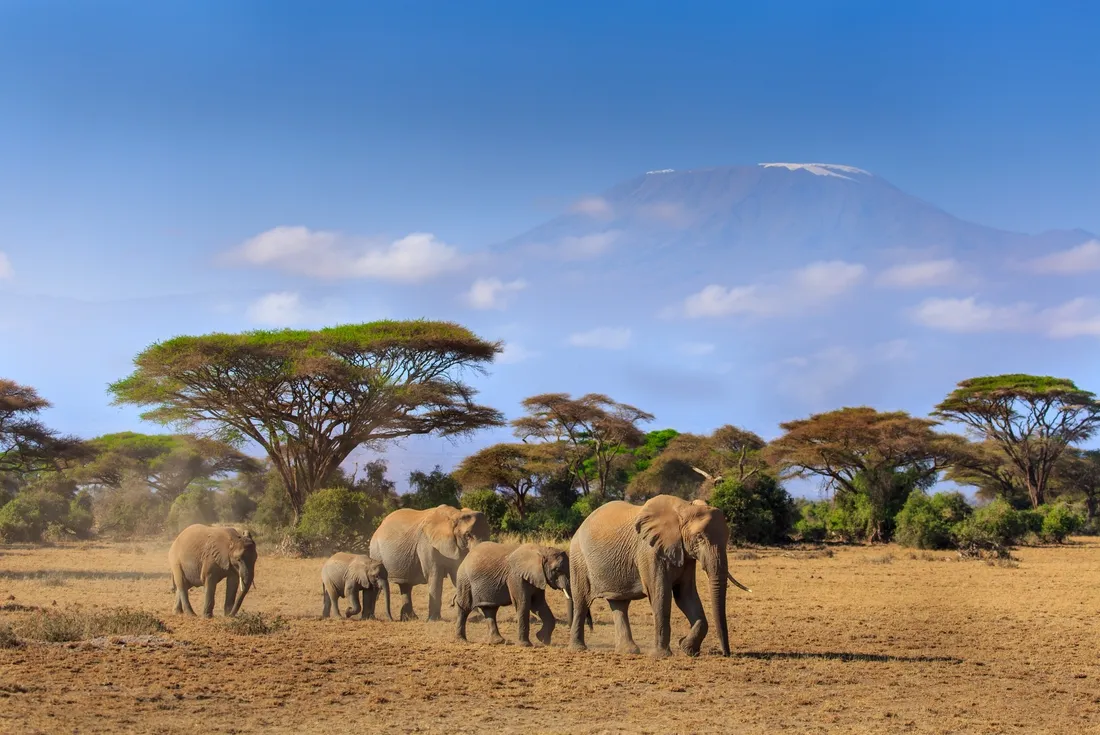
Serengeti & Kilimanjaro Trek
Combined safari and trekking tours offer wildlife adventures and Kilimanjaro climbs.
View Package →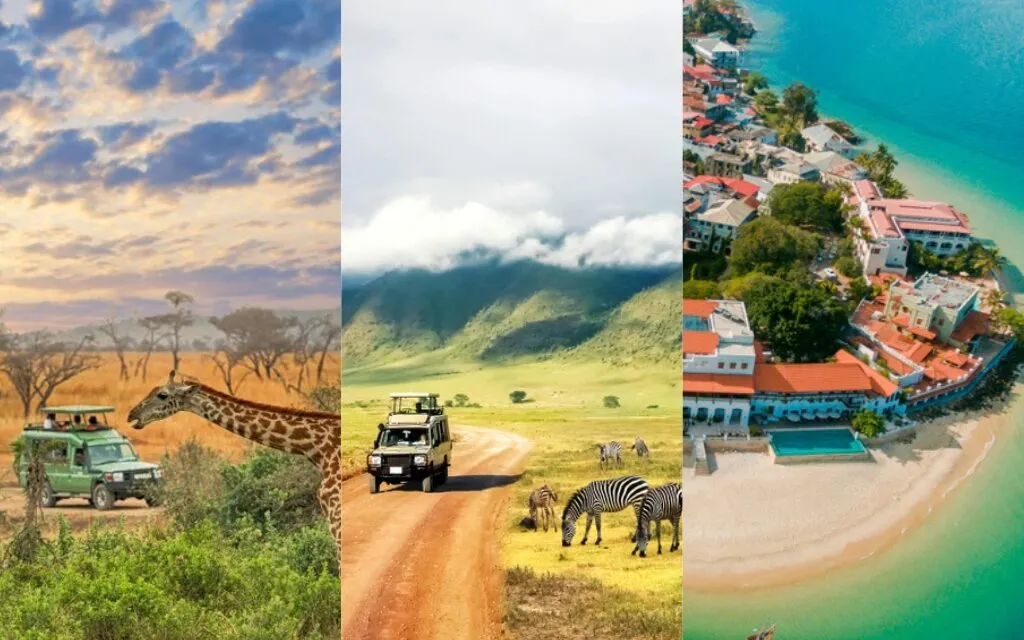
Serengeti & Zanzibar Tours
Luxury Tanzania safari & beach packages with the Great Migration and pristine beaches.
View Package →Related: Best Time to Visit Tanzania 2026 – Perfect safari extension after your Paraguay adventure.