
Most Complete Peru Travel Guide 2026-2027 – Everything You Need to Know Before Visiting
This Peru travel guide provides everything you need to plan your journey to one of South America's most diverse and captivating destinations. Peru offers an extraordinary blend of ancient Inca ruins, Amazon rainforest, Andean highlands, and Pacific coastline that create one of the continent's richest travel experiences. Many travelers who want to visit Peru are amazed by the country's incredible diversity and deep cultural heritage spanning ancient civilizations, colonial history, and vibrant indigenous traditions. The nation covers over 1.28 million square kilometers, offering visitors everything from Machu Picchu and the Sacred Valley to the Amazon jungle, Lake Titicaca, and the fascinating capital of Lima.
Start Reading the Full Guide ↓Quick Facts About Peru
- Capital: Lima.
- Currency: Peruvian Sol (PEN).
- Time Zone: Peru Time (PET, UTC-5).
- International Calling Code: +51.
- Driving Side: Right.
- Major Airports: Jorge Chávez International Airport (LIM), Alejandro Velasco Astete (Cusco).

Peru Overview & Key Facts
Brief History of Peru
Peru's history spans millennia, from ancient civilizations like Chavín and Nazca through the mighty Inca Empire to Spanish conquest. The Inca built the largest empire in pre-Columbian America, creating architectural marvels like Machu Picchu and an extensive road system. Spanish conquest began in 1532 with Francisco Pizarro, leading to three centuries of colonial rule that shaped modern Peruvian culture through a unique fusion of indigenous and European traditions.
Independence & National Identity
- Independence date: July 28, 1821.
- Former colonial power: Spain.
- National symbols & identity.
Peru declared independence in 1821, with José de San Martín proclaiming independence in Lima. Peru's national identity celebrates its Inca heritage while embracing mestizo culture. The red and white flag symbolizes the blood of heroes and peace, while the vicuña, cinchona tree, and national coat of arms reflect Peru's natural and cultural wealth.
Government System & Current Leadership
- Type of government: Presidential Republic
- Current president: Dina Boluarte (as of 2025)
- Notes on political stability
Peru operates as a presidential republic with periodic democratic elections. The country has experienced political transitions in recent years, and travelers should monitor current conditions through official sources before visiting.
Population, Ethnic Groups & Languages
- Population: 34.2 million (2025 projection).
- Major ethnic groups: Mestizo (60%), Quechua (25%), White (5%), Afro-Peruvian (3%).
- Official language(s): Spanish, Quechua, Aymara.
- Additional languages commonly spoken.
Spanish is the primary language, with Quechua and Aymara widely spoken in Andean regions. English is common in tourist areas, hotels, and among younger generations in cities.
Main Religions & Cultural Identity
Roman Catholicism dominates with approximately 75% adherence, blended with indigenous traditions creating unique syncretic practices. Evangelical Christianity is growing, while small Jewish and Muslim communities exist. Traditional Andean spirituality continues in rural areas, often combined with Catholic rituals.
Geography & Natural Landscape
Peru features three distinct geographical zones: the arid Pacific coast, the rugged Andean highlands, and the vast Amazon rainforest covering over 60% of the country. The Andes run north-south, creating dramatic altitude variations from sea level to over 6,700m. The Amazon basin contains incredible biodiversity, while the coastal desert features mysterious Nazca Lines and rich marine life.
Economy & Tourism Highlights
Peru's economy relies on mining, agriculture, fishing, and growing tourism. The government actively promotes tourism development, with Machu Picchu attracting millions annually. Infrastructure improvements continue in the Sacred Valley and Amazon regions.
What Peru Is Known For
- UNESCO World Heritage sites: Machu Picchu, Cusco historic center, Nazca Lines, Chan Chan
- Amazon rainforest and incredible biodiversity
- Rich culinary scene – birthplace of ceviche and pisco sour
Visa & Entry Requirements in Peru
Most international visitors receive visa-free entry to Peru for tourism purposes, with stay duration varying by nationality. The visa-free policy applies to citizens of most Western countries, with requirements for sufficient funds and onward travel documentation.
Do You Need a Visa?
Citizens of most countries (USA, EU, UK, Canada, Australia, etc.) receive 90–183 days visa-free on arrival. Some nationalities require visas in advance. Always verify current requirements with Peruvian immigration authorities.
Visa Application Options in Peru
- Visa-free entry for most tourists
- Visa on arrival for select nationalities
- Embassy visa for restricted nationalities
Visa extensions are available at immigration offices in major cities. Overstaying can result in fines calculated per day.
Passport Validity & Entry Documents
Passport must be valid for at least six months beyond intended stay with at least two blank pages. Return/onward ticket and proof of sufficient funds may be requested at immigration.
Customs Rules & Prohibited Items
Declare items exceeding duty-free limits. Prohibited items include narcotics, weapons, and certain food products. Archaeological artifacts cannot be exported without permits.
Safety & Security Information in Peru
Peru requires standard travel precautions with varying safety levels across regions. Tourist areas generally maintain good security, while some Lima districts and remote areas warrant increased caution.
Is Peru Safe for Tourists?
Yes, Peru is generally safe for tourists who exercise normal precautions. Popular destinations like Cusco, Machu Picchu, Arequipa, and Lima's tourist districts have strong tourism police presence.
Recommended Safety Tips when in Peru
Use registered taxis or ride-hailing apps, avoid displaying valuables, stay aware in crowded areas, and use hotel safes. Register with your embassy and purchase comprehensive travel insurance.
Safe Areas vs. Areas to Avoid in Peru
Tourist areas in Lima (Miraflores, Barranco, San Isidro), Cusco, Sacred Valley, Arequipa, and Lake Titicaca are generally safe. Exercise caution in some Lima districts and remote border areas.
Emergency Numbers & Tourist Police in Peru
- Police: 105
- Tourist Police: 0800-22221 (24/7 English)
- Medical Emergency: 117
- Fire Department: 116
Tourist police operate in major tourist areas with English-speaking officers.
Health Requirements & Vaccinations in Peru
No mandatory vaccinations for most travelers, though specific requirements apply for Amazon regions. Altitude sickness prevention is crucial for highland destinations.
Mandatory Vaccinations in Peru
Yellow fever vaccination required for Amazon travel and recommended for some Andean regions below 2,300m.
Recommended Vaccinations in Peru
Hepatitis A, Typhoid, routine vaccines. Consider Hepatitis B, Rabies for extended stays or animal contact.
Malaria & Other Risks
Malaria risk in Amazon regions below 2,000m. Dengue occurs year-round. Altitude sickness common above 2,500m (Cusco, Machu Picchu).
Travel Insurance Recommendations in Peru
Essential coverage for medical evacuation, altitude-related issues, trip cancellation, and adventure activities.
Best Time to Visit in Peru
Dry season (May–September) offers optimal conditions for Andean destinations. Amazon visits possible year-round with different experiences.
Weather by Season
Dry season features sunny days and cold nights in highlands. Wet season (November–March) brings rain to Andes but lush Amazon landscapes.
When to Visit Peru for Best Experiences
- Inca Trail: May–September
- Amazon wildlife: June–October
- Festivals: Inti Raymi (June), Christmas markets
- Shoulder seasons: April & October
Avoid peak July–August crowds when possible.
High Season vs. Low Season Travel
High season coincides with dry season and school holidays. Low season offers better prices and fewer crowds despite occasional rain.
Weather & Climate Overview in Peru
Peru features extreme climatic diversity from coastal desert to high Andes and tropical Amazon.
Temperature Ranges
Coastal areas maintain mild temperatures year-round. Andean highlands experience significant daily variations with cold nights. Amazon remains hot and humid.
Rainy & Dry Seasons in Peru
Andean wet season runs November–March. Coastal region almost never rains. Amazon has less pronounced seasons.
What to Wear Based on the Weather
Layering essential: warm jacket for Andean evenings, rain protection for wet season, lightweight clothing for Amazon, comfortable walking shoes, sun protection.
Main Currency, Costs & Budgeting in Peru
Peruvian Sol (PEN) widely used with USD accepted in tourist areas. Excellent value destination.
Local Currency Information
Soles available in various denominations. ATMs widespread in cities. USD useful for larger purchases.
Average Travel Costs in Peru
Budget travelers spend $40–70 daily, mid-range $90–160, luxury $300+ with private guides and Inca Trail.
Using ATMs, Cards & Mobile Money in Peru
ATMs abundant in cities. Cards accepted in tourist establishments. Cash preferred in markets and rural areas.
Tipping Guidelines in Peru
10% standard in restaurants. Tour guides $10–15/day, drivers $5–8/day. Porters and hotel staff small tips appreciated.
Transportation & Getting Around in Peru
Varied transportation options from domestic flights to comfortable tourist buses and trains.
Airport Transfers
Official taxis and ride-hailing apps available at Jorge Chávez Airport. Private transfers recommended for late arrivals.
Local Transport Options in Peru
Comfortable tourist buses (Cruz del Sur, Oltursa), domestic flights (LATAM, Star Perú), scenic trains (PeruRail, Inca Rail).
Peru Domestic Flights
Essential for Amazon and some southern destinations. Book early during high season.
Car Rentals & Road Conditions in Peru
Available but not recommended for most tourists due to driving standards. Private drivers preferred.
Accommodation Options available in Peru
Wide range from hostels to luxury lodges and historic haciendas.
Types of Accommodations in Peru
Hostels, boutique hotels, luxury lodges, Amazon jungle lodges, historic mansions in Cusco/Arequipa.
Budget vs. Mid-Range vs. Luxury
Budget $15–40, mid-range $50–120, luxury $150–800+ (Belmond properties, Inkaterra).
Best Areas to Stay in Peru
Miraflores/Barranco in Lima, San Blas in Cusco, Yanahuara in Arequipa, jungle lodges near Puerto Maldonado/Iquitos.
Essential Packing Guide when Visiting Peru
Layering and versatility crucial due to extreme climate variations.
Clothing Essentials
Warm layers for Andes, rain jacket, lightweight clothing for Amazon, comfortable walking shoes, sun protection.
Footwear & Gear
Good walking shoes essential. Hiking boots for Inca Trail. Sandals for coast/Amazon.
Electronics & Cameras
Universal adapter (types A/B/C), power bank, waterproof camera protection for Amazon.
Toiletries & Personal Items
Altitude medication, insect repellent, high-SPF sunscreen, prescription medications.
Language & Communication in Peru
Spanish primary language with English common in tourist areas.
Main Languages Spoken in Peru
Spanish official, Quechua and Aymara widely spoken in Andes.
Useful Phrases for Tourists
Basic Spanish phrases helpful. English widely understood in tourism sector.
SIM Cards & Mobile Data used in Peru
Claro, Movistar, Entel available at airports and shops. Good coverage in tourist areas.
Internet Availability & Wi-Fi in Peru
Widely available in hotels, restaurants, cafes. Limited in remote Amazon lodges.
Culture & Etiquette in Peru
Respectful behavior and cultural awareness enhance travel experience.
Peruvian Dress Code Expectations
Casual attire acceptable. Modest dress for religious sites. Warm layers for highlands.
Social Etiquette & Respectful Behavior of Peru
Greetings with handshake or cheek kiss. Accept offers of food/drink graciously.
Photography Rules in Peru
Ask permission before photographing people, especially indigenous communities.
Important Cultural Dos & Don’ts in Peru
Respect sacred sites, ask before photographing people, bargain respectfully in markets.
Food, Water & Dining in Peru
World-class cuisine with incredible regional diversity.
Peruvian Local Dishes to Try
Ceviche, lomo saltado, cuy (guinea pig), alpaca, causa, ají de gallina, rocoto relleno.
Dietary Options in Peru
Excellent vegetarian options. Vegan possible in cities. Gluten-free increasingly available.
Drinking Water Safety
Bottled water recommended. Avoid tap water and ice in rural areas.
Restaurant Etiquette
Tipping 10% common. Service charge sometimes included.
Top Attractions & Things to Do in Peru
Incredible diversity from ancient ruins to natural wonders.
Major Tourist Attractions in Peru
- Machu Picchu (UNESCO)
- Sacred Valley & Ollantaytambo
- Cusco historic center (UNESCO)
- Amazon rainforest
Machu Picchu represents the pinnacle of Inca engineering. Cusco served as the Inca capital with magnificent colonial architecture built atop Inca foundations.
Best Tours & Experiences in Peru
Inca Trail trek, Amazon jungle lodges, Sacred Valley tours, Nazca Lines flights, Lake Titicaca homestays.
Family-Friendly Activities to do in Peru
Train journeys, chocolate workshops, gentle Amazon experiences, Sacred Valley adventures.
Unique Cultural or Historical Sites to visit in Peru
Nazca Lines, Chan Chan, Kuélap, Lord of Sipán tomb, Caral sacred city.
Peruvian Electrical System Information
Peru uses 220V with American-style plugs.
Plug Types & Voltage used in Peru
Types A, B, and C plugs with 220V/60Hz. Most devices need only plug adapter.
Charging Tips
Bring universal adapter and power bank for long travel days.
Local Laws & Regulations of Peru
Standard travel regulations with specific rules for archaeological sites.
Rules Travelers Need to Know when In Peru
Respect archaeological sites (no climbing unmarked ruins). Drone permits required for Machu Picchu.
Alcohol, Smoking & Substance Laws of Peru
Legal drinking age 18. Public intoxication frowned upon. Marijuana illegal despite cultural use in some areas.
Restricted or Protected Areas in Peru.
Machu Picchu has strict entry rules and circuit system. Amazon protected areas require permits.
Final Travel Tips for Visitors in Peru
Preparation and flexibility ensure amazing experiences.
Common Mistakes to Avoid
Rushing altitude acclimatization, booking Inca Trail last-minute, underestimating distances, ignoring sun protection.
Tips to Save Money when Visiting Peru
Travel in shoulder seasons, use public transport where safe, eat at local menus, book directly with operators.
Safety & Comfort Tips
Acclimatize properly in Cusco, stay hydrated, use registered operators, purchase comprehensive insurance.
Frequently Asked Questions – Peru Travel Guide 2026-2027
Our Tanzania Tours Products
While Peru offers incredible Inca ruins, Amazon adventures and Andean charm, many travelers combine South America with the ultimate wildlife experience in East Africa. Capable Africa Tours specializes in secure, guided safaris that maximize safety and wonder. Our expert local guides, armed rangers in parks, and vetted accommodations ensure peace of mind. From family-friendly lodges to luxury camps, we handle logistics so you focus on the magic. Tanzania ranks high for tourist safety with dedicated wildlife protection units and stable northern circuits.
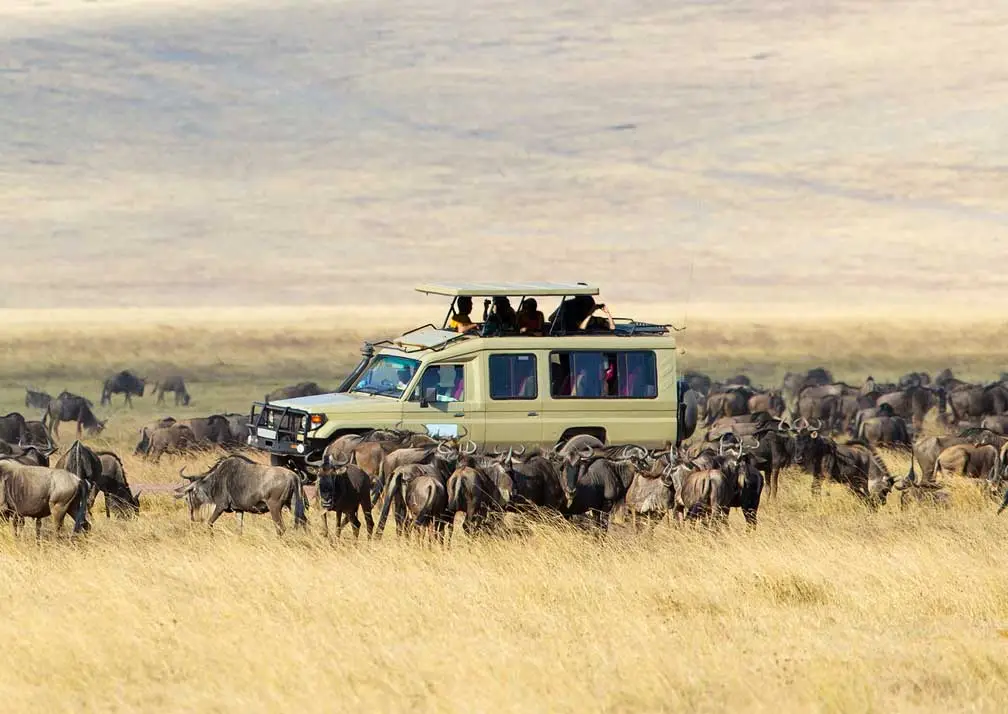
Great Migration Safaris
Experience one of nature's greatest spectacles with our Great Migration safari packages, timed for river crossings or calving.
View Package →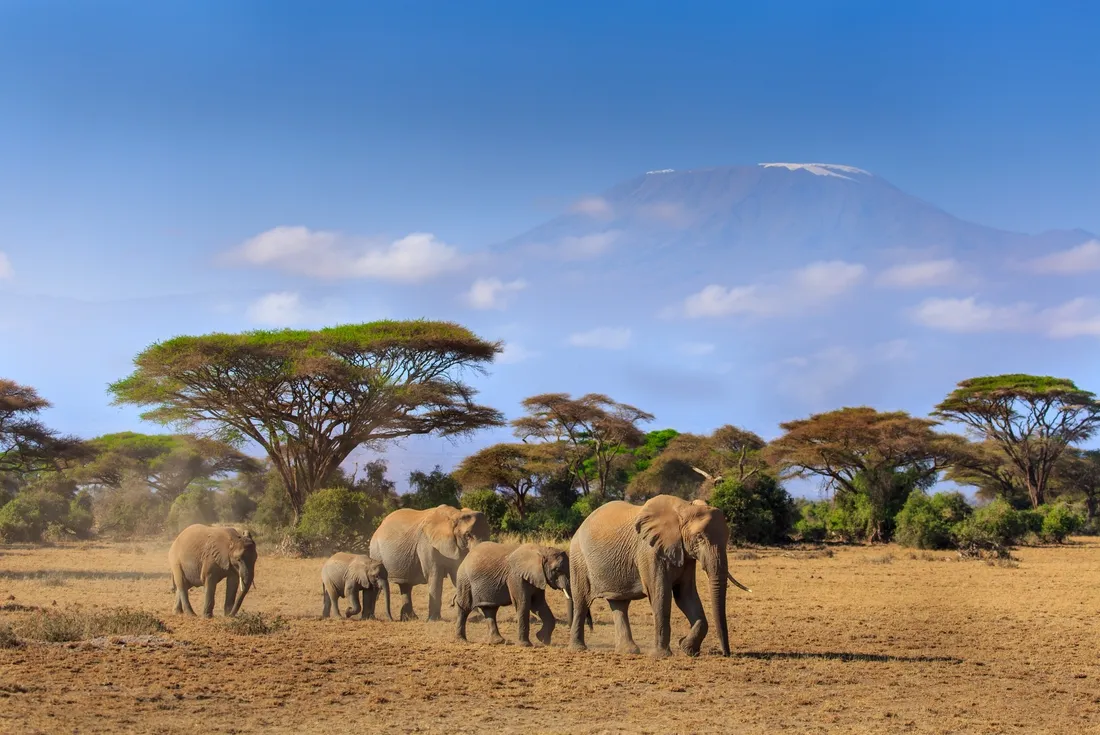
Serengeti & Kilimanjaro Trek
Combined safari and trekking tours offer wildlife adventures and Kilimanjaro climbs.
View Package →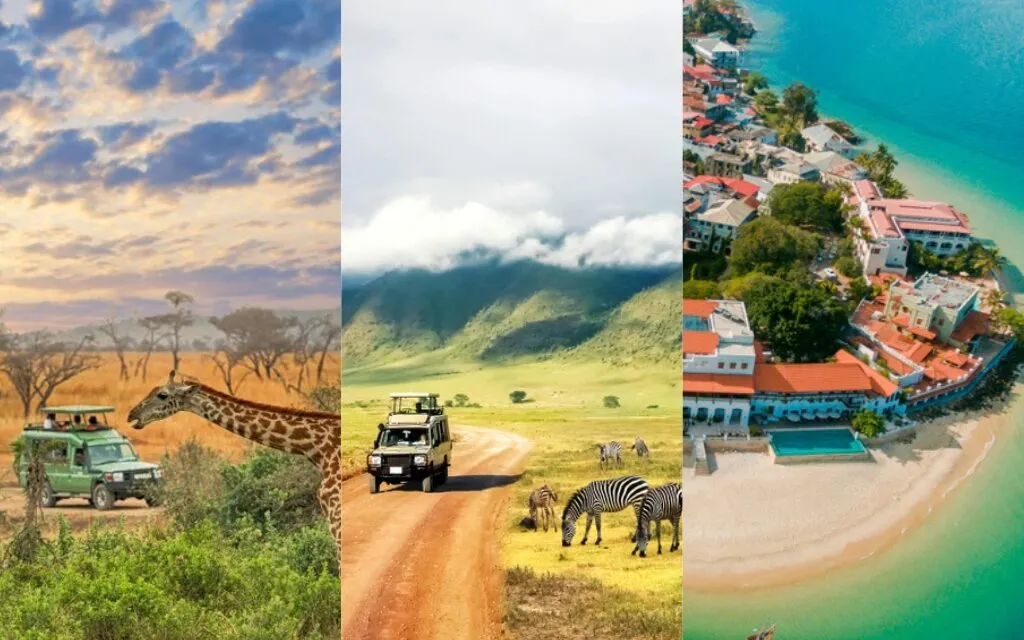
Serengeti & Zanzibar Tours
Luxury Tanzania safari & beach packages with the Great Migration and pristine beaches.
View Package →Related: Best Time to Visit Tanzania 2026 – Perfect safari extension after your Peru adventure.