Most Complete Philippines Travel Guide 2026-2027 – Everything You Need to Know Before Visiting
This Philippines travel guide provides everything you need to plan your journey to Southeast Asia’s archipelago of over 7,600 islands. The Philippines offers an extraordinary mix of turquoise lagoons, white-sand beaches, dramatic limestone cliffs, world-class diving, and warm Filipino hospitality that creates one of Asia’s most diverse travel experiences. Many travelers who want to visit the Philippines are surprised by the country’s incredible island variety and rich cultural heritage blending Malay, Spanish, American and indigenous influences. The nation covers more than 300,000 square kilometers of ocean and land, offering visitors everything from vibrant Manila to pristine Palawan islands and surfing paradise Siargao.
Start Reading the Full Guide ↓Quick Facts About the Philippines
- Capital: Manila.
- Currency: Philippine Peso (PHP).
- Time Zone: Philippine Standard Time (PST, UTC+8).
- International Calling Code: +63.
- Driving Side: Right.
- Major Airports: Ninoy Aquino International (MNL), Mactan-Cebu (CEB), Clark (CRK), Kalibo (KLO).
Philippines Overview & Key Facts
Brief History of the Philippines
The Philippines’ history spans millennia, from Austronesian migrations through Spanish colonization (333 years) to American rule and Japanese occupation. Ferdinand Magellan arrived in 1521, marking the start of Spanish influence that shaped religion, architecture and culture. The country gained independence from the United States on July 4, 1946, after a revolutionary period. This rich historical tapestry creates a fascinating backdrop for modern travelers exploring Spanish-era churches, American colonial buildings and indigenous traditions.
Independence & National Identity
- Independence date: July 4, 1946.
- Former colonial powers: Spain, United States, briefly Japan.
- National symbols & identity.
The Philippines gained full independence after World War II. Philippines' National identity centers on resilience, family values, and a blend of Asian, Hispanic and American influences. The flag features blue and red stripes with a white triangle, sun and three stars symbolizing Luzon, Visayas and Mindanao.
Government System & Current Leadership
- Type of government: Presidential Republic
- Current president: Ferdinand Marcos Jr (since June 2022)
- Notes on political stability
The Philippines operates as a presidential republic. The country enjoys relative political stability in tourist regions, and visitors are unlikely to encounter political issues when staying in established tourism areas.
Population, Ethnic Groups & Languages
- Population: 118 million (2025 estimate).
- Major ethnic groups: Tagalog, Cebuano, Ilocano, Bisaya, others.
- Official language(s): Filipino (Tagalog-based) and English.
- Additional languages commonly spoken.
English is an official language and widely spoken, especially in business and tourism. Over 170 languages exist, with eight major ones. Taglish (mix of Tagalog and English) is common in urban areas.
Main Religions & Cultural Identity
Roman Catholicism dominates with approximately 80% of the population. Islam (5-10%) is prevalent in Mindanao and Sulu. Protestant, indigenous beliefs and other Christian denominations exist. Catholic festivals like Sinulog, Ati-Atihan and Christmas are major cultural events.
Geography & Natural Landscape
The Philippines is an archipelago of 7,641 islands divided into Luzon, Visayas and Mindanao. It features dramatic karst landscapes, coral reefs, volcanoes, rice terraces and some of the world’s richest marine biodiversity. Typhoons affect the country June–November.
Economy & Tourism Highlights
Tourism is a major industry with over 8 million visitors annually pre-pandemic. The government actively promotes island-hopping, diving and eco-tourism. Infrastructure improvements continue with new airports and better inter-island transport.
What the Philippines Is Known For
- World-class beaches and islands (Palawan voted world’s best multiple times)
- Outstanding diving and marine biodiversity
- Rice terraces of Banaue, Chocolate Hills, active volcanoes
Visa & Entry Requirements in the Philippines
Most nationalities receive 30 days visa-free on arrival. Extensions are straightforward. The Philippines has one of Southeast Asia’s most tourist-friendly visa policies.
Do You Need a Visa?
Citizens of 157 countries get 30 days visa-free. Indian nationals with valid Schengen/US/UK/Australia visa get 14 days visa-free. All others need to apply in advance.
Visa Application Options in the Philippines
- Visa-free on arrival (most common)
- Visa extension at any Bureau of Immigration office
- 9(a) tourist visa for longer initial stays
Extensions up to 36 months total stay are possible with fees increasing after 6 months.
Passport Validity & Entry Documents
Passport must be valid 6 months beyond intended stay with return/onward ticket. No proof of funds usually required for visa-free entry.
Customs Rules & Prohibited Items
Standard restrictions apply. Duty-free allowance: 200 cigarettes, 2 bottles alcohol, reasonable personal items. No restrictions on currency declaration up to USD 10,000 equivalent.
Safety & Security Information in the Philippines
The Philippines is generally safe in major tourist areas. Avoid western and southern Mindanao and the Sulu archipelago due to terrorism and kidnapping risks.
Is the Philippines Safe for Tourists?
Yes in established tourism zones (Palawan, Boracay, Cebu, Bohol, Siargao, northern Luzon). Petty crime exists but violent crime against tourists is rare. Natural disasters (typhoons, earthquakes) are the main concern.
Recommended Safety Tips when in the Philippines
Use Grab instead of street taxis in cities, avoid flashing valuables, use hotel safes, don’t leave drinks unattended, and book registered boats for island-hopping.
Safe Areas vs. Areas to Avoid in the Philippines
Safe: Palawan, Boracay, Cebu, Bohol, Siargao, Batangas, northern Luzon. Avoid: Western Mindanao, Sulu, Tawi-Tawi, remote areas of central Mindanao.
Emergency Numbers & Tourist Police in the Philippines
- National Emergency: 911
- Tourist Police: 02-8524-1719 (Manila) or local stations
- Coast Guard: 0917-724-3682
Tourist police units exist in major destinations and speak English.
Health Requirements & Vaccinations in the Philippines
No mandatory vaccinations for most travelers. Standard precautions and mosquito protection recommended.
Mandatory Vaccinations in the Philippines
None for direct arrivals. Yellow fever certificate required if coming from endemic countries.
Recommended Vaccinations in the Philippines
Hepatitis A, Typhoid, routine vaccines. Consider Hepatitis B, Rabies (remote islands), Japanese Encephalitis (rural).
Malaria & Other Risks
Malaria risk in rural Palawan and some Mindanao areas. Dengue exists nationwide – use repellent. Tap water not potable outside major resorts.
Travel Insurance Recommendations in the Philippines
Highly recommended covering medical evacuation, trip cancellation and adventure activities (diving, canyoneering, surfing).
Best Time to Visit in the Philippines
Dry season (December–May) is ideal. January–April offers the best weather nationwide.
Weather by Season
Dry season (Dec–May): 25–32°C, low humidity. Wet season (Jun–Nov): frequent rain, typhoons possible.
When to Visit the Philippines for Best Experiences
- Diving: November–May
- Surfing Siargao: July–November
- Festivals: January (Sinulog, Ati-Atihan)
- Whale sharks: December–May (Oslob, Donsol)
Palawan and western Visayas have less rain during wet season.
High Season vs. Low Season Travel
High season: December–April (Christmas, Chinese New Year, Holy Week). Low season: June–October (cheaper rates, fewer crowds, greener landscapes).
Weather & Climate Overview in the Philippines
Tropical climate with two main seasons: dry and wet. Regional variations exist.
Temperature Ranges
Year-round 25–35°C. Cooler in highlands (Baguio, Sagada).
Rainy & Dry Seasons in the Philippines
Dry: November–May. Wet: June–October with typhoons most likely July–October.
What to Wear Based on the Weather
Light cotton clothes, swimsuits, flip-flops, rash guards, light rain jacket, modest attire for churches.
Main Currency, Costs & Budgeting in the Philippines
Philippine Peso (PHP). Budget-friendly destination with excellent value.
Local Currency Information
PHP100 ≈ USD 1.75 (2025 rates). Notes: 20, 50, 100, 200, 500, 1000.
Average Travel Costs in the Philippines
Budget: $40–70/day, mid-range $80–150/day, luxury $250–600+/day.
Using ATMs, Cards & Mobile Money in the Philippines
ATMs widespread. Cards accepted in cities/resorts. GCash and Maya popular for mobile payments.
Tipping Guidelines in the Philippines
Not expected but appreciated. 10% in restaurants if no service charge. Round up tricycle/Grab fares.
Transportation & Getting Around in the Philippines
Island-hopping requires flights, ferries and vans. Domestic flights most efficient.
Airport Transfers
Grab in Manila/Cebu, metered taxis, airport buses. Pre-book transfers in smaller islands.
Local Transport Options in the Philippines
Grab, jeepneys, tricycles, vans, motorbikes. Ferries (fastcraft and RORO) between islands.
Philippines Domestic Flights
Cebu Pacific, Philippine Airlines, AirAsia. Book early for best prices.
Car Rentals & Road Conditions in the Philippines
Available but not recommended for foreigners. Hire driver with car cheaper and safer.
Accommodation Options available in the Philippines
From hostels to luxury resorts. Booking.com and Agoda widely used.
Types of Accommodations in the Philippines
Hostels, guesthouses, boutique resorts, overwater bungalows, glamping.
Budget vs. Mid-Range vs. Luxury
Budget $15–40/night, mid-range $60–150, luxury $200–1000+.
Best Areas to Stay in the Philippines
El Nido/Coron (Palawan), Boracay Station 1–2, Cebu City/Moalboal, Siargao General Luna.
Essential Packing Guide when Visiting the Philippines
Pack light, waterproof and sun-protective items.
Clothing Essentials
Swimsuits, rash guards, light clothes, sarong, light jacket for AC buses.
Footwear & Gear
Flip-flops, water shoes, dry bag, reef-safe sunscreen, snorkel mask.
Electronics & Cameras
Universal adapter (Type A/B/C), power bank, waterproof phone case, GoPro.
Toiletries & Personal Items
Reef-safe sunscreen, insect repellent, medications, reusable water bottle with filter.
Language & Communication in the Philippines
English widely spoken – easiest country in Asia for English speakers.
Main Languages Spoken in the Philippines
Filipino and English official. Regional languages common.
Useful Phrases for Tourists
“Salamat” (thank you), “Magkano?” (how much?), “Pwede makihinge ng tulong?” (can I ask for help?).
SIM Cards & Mobile Data used in the Philippines
Globe and Smart at airports. Affordable data packages.
Internet Availability & Wi-Fi in the Philippines
Wi-Fi common in cafes/resorts. Pocket Wi-Fi popular for island-hopping.
Culture & Etiquette in the Philippines
Filipinos are known for hospitality, respect for elders and strong family values.
Philippine Dress Code Expectations
Casual and light. Modest in churches (cover shoulders/knees).
Social Etiquette & Respectful Behavior of the Philippines
Use “po” and “opo” with elders. Remove shoes when entering homes. Accept food offers.
Photography Rules in the Philippines
Ask permission when photographing people. No restrictions in tourist areas.
Important Cultural Dos & Don’ts in the Philippines
Do smile and be friendly. Don’t lose your temper (“hiya” – shame culture). Don’t point with fingers.
Food, Water & Dining in the Philippines
Filipino cuisine is flavorful with Spanish, Chinese and American influences.
Philippine Local Dishes to Try
Adobo, lechon, sinigang, halo-halo, sisig, kare-kare, fresh seafood.
Dietary Options in the Philippines
Many vegetarian options (vegetable lumpia, laing). Vegan possible but limited.
Drinking Water Safety
Bottled water recommended. Ice safe in established restaurants.
Restaurant Etiquette
Tipping not expected but appreciated. Meals often family-style.
Top Attractions & Things to Do in the Philippines
Over 7,600 islands offer endless possibilities from beaches to adventure.
Major Tourist Attractions in the Philippines
- Palawan (El Nido, Coron, Puerto Princesa Underground River – UNESCO)
- Boracay white beach
- Chocolate Hills (Bohol)
- Banaue Rice Terraces
Palawan consistently voted world’s best island. Boracay famous for powdery white sand.
Best Tours & Experiences in the Philippines
Island-hopping, scuba diving, canyoneering in Kawasan, whale shark swimming, surfing Siargao.
Family-Friendly Activities to do in the Philippines
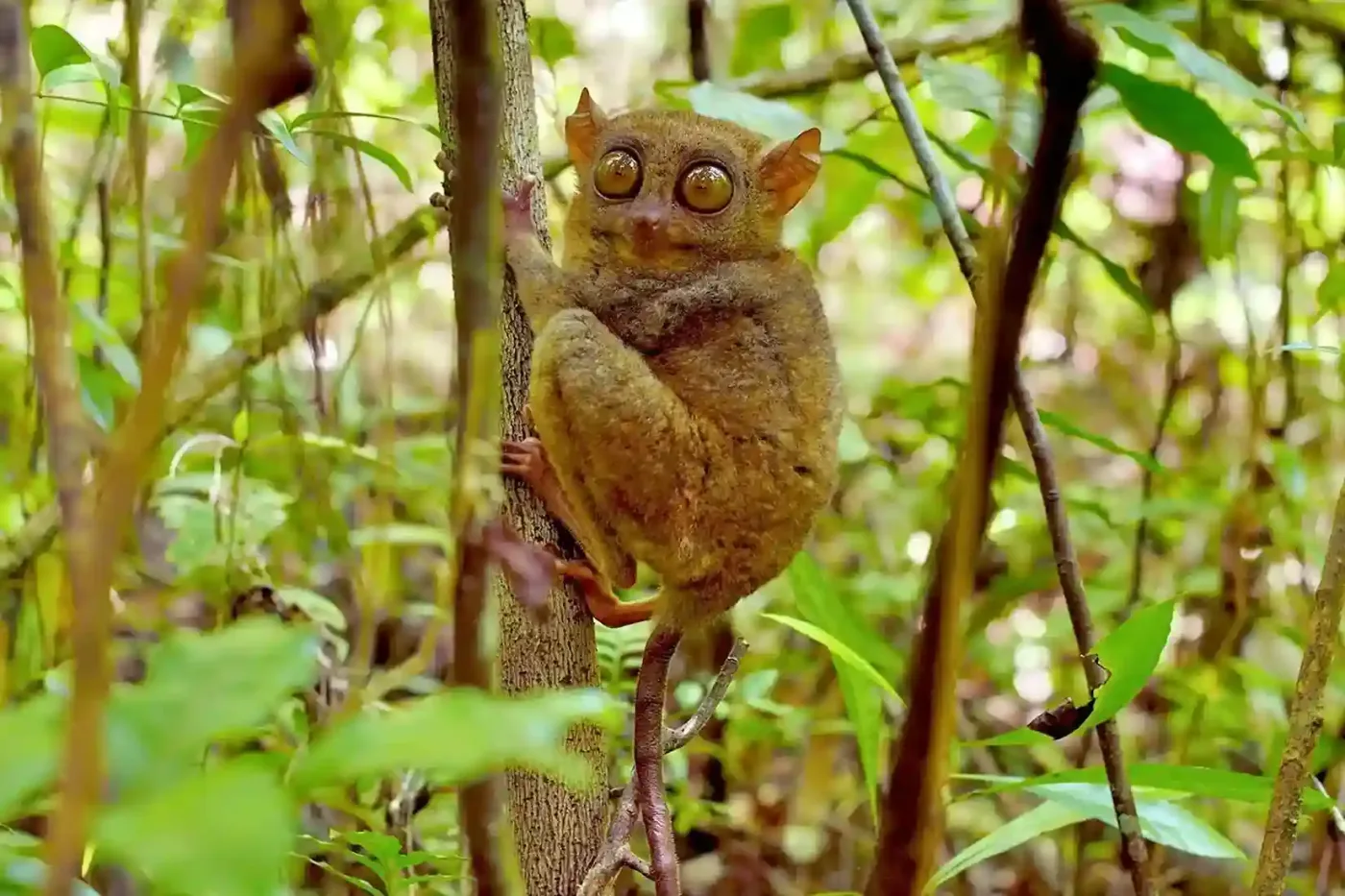
Boracay beaches, Bohol tarsier sanctuary, Cebu Ocean Park, Enchanted River.
Unique Cultural or Historical Sites to visit in the Philippines
Intramuros (Manila), Vigan Spanish colonial town (UNESCO), Ifugao rice terraces (UNESCO).
Philippine Electrical System Information
220V, 60Hz. Types A, B and C plugs.
Plug Types & Voltage used in the Philippines
220V, 60Hz. American (A/B) and European (C) plugs common.
Charging Tips
Bring universal adapter and power bank. Resorts often provide adapters.
Local Laws & Regulations of the Philippines
Respect local customs and environmental protection laws.
Rules Travelers Need to Know when In the Philippines
No smoking in public places. Strict anti-drugs laws. Environmental fees in many islands.
Alcohol, Smoking & Substance Laws of the Philippines
Legal drinking age 18. Drugs carry severe penalties including life imprisonment.
Restricted or Protected Areas in the Philippines.
Some marine sanctuaries require permits. Drone regulations apply near airports.
Final Travel Tips for Visitors in the Philippines
Plan island-hopping routes efficiently, book flights early, bring cash for islands.
Common Mistakes to Avoid
Trying to visit too many islands, underestimating travel time, not checking weather.
Tips to Save Money when Visiting the Philippines
Travel off-peak, eat local, use public ferries, stay in hostels or homestays.
Safety & Comfort Tips
Use Grab, book registered tours, check weather apps, respect marine life.
Frequently Asked Questions – Philippines Travel Guide 2026-2027
Our Tanzania Tours Products
While the Philippines offers incredible island-hopping and beach paradise, many travelers combine Southeast Asia with the ultimate African wildlife experience. Capable Africa Tours specializes in secure, guided safaris that maximize safety and wonder. Our expert local guides, armed rangers in parks, and vetted accommodations ensure peace of mind. From family-friendly lodges to luxury camps, we handle logistics so you focus on the magic. Tanzania ranks high for tourist safety with dedicated wildlife protection units and stable northern circuits.
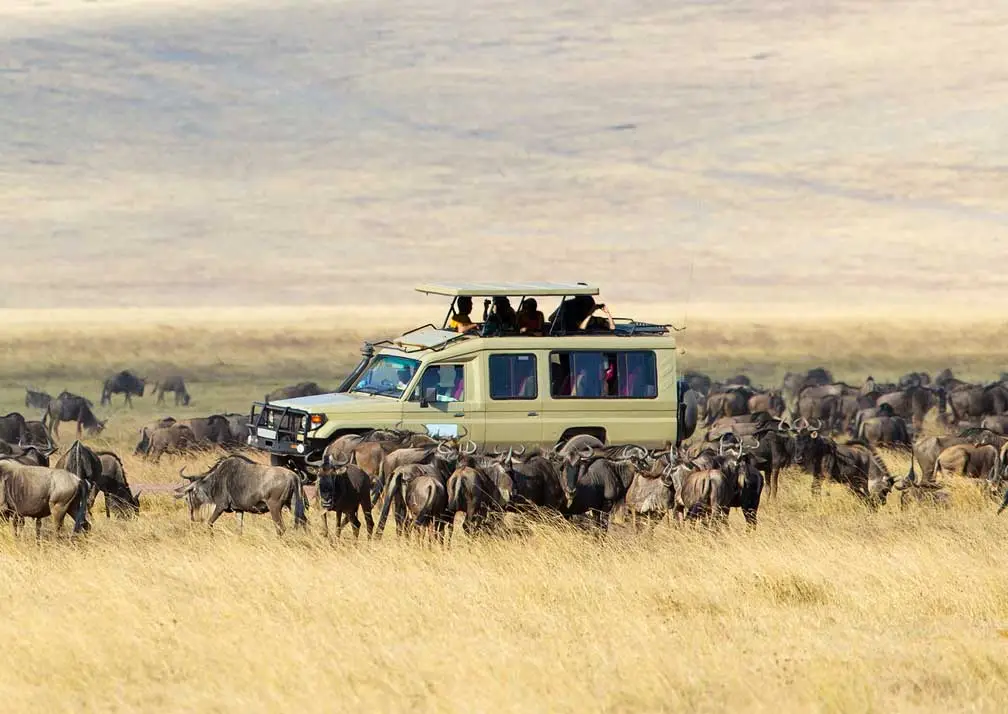
Great Migration Safaris
Experience one of nature's greatest spectacles with our Great Migration safari packages, timed for river crossings or calving.
View Package →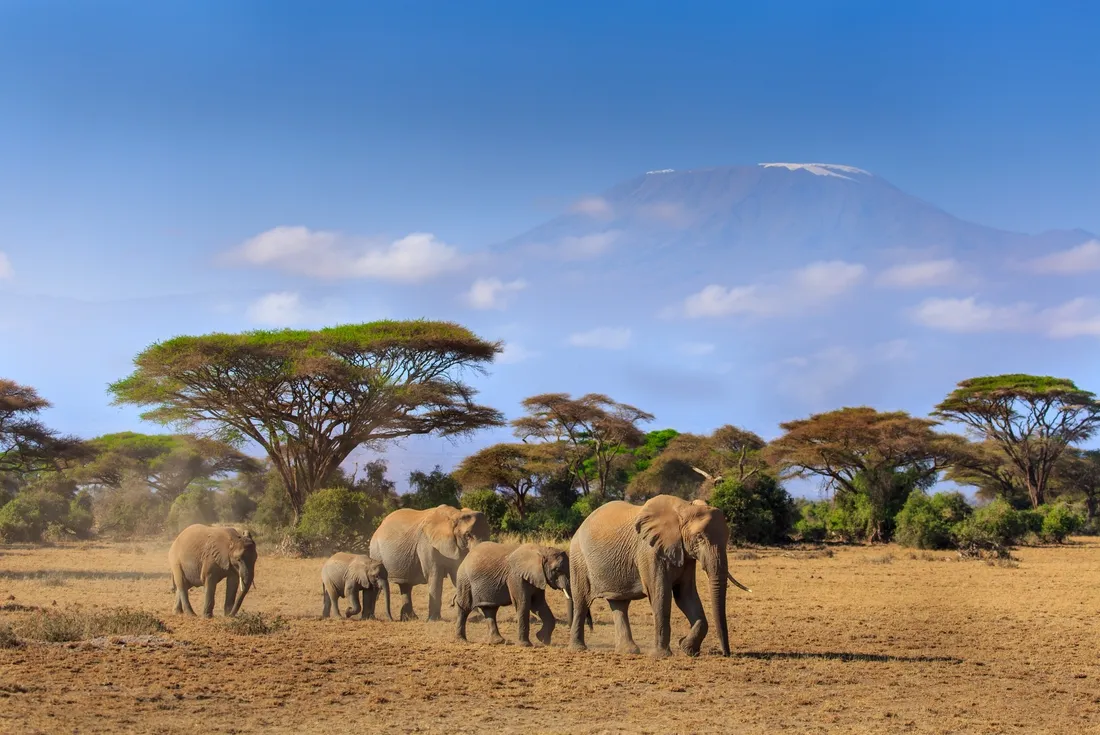
Serengeti & Kilimanjaro Trek
Combined safari and trekking tours offer wildlife adventures and Kilimanjaro climbs.
View Package →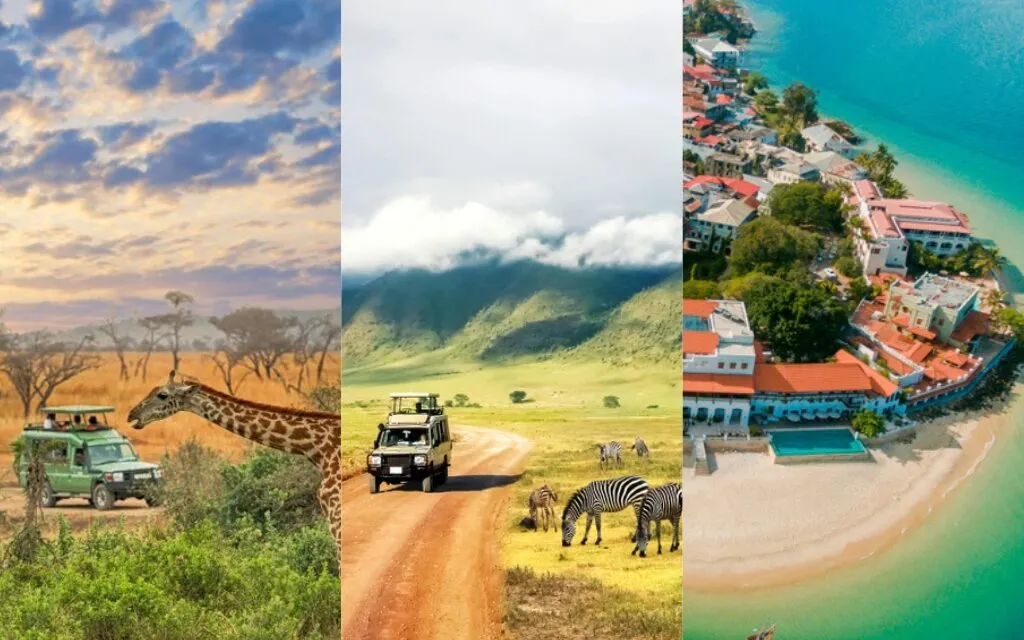
Serengeti & Zanzibar Tours
Luxury Tanzania safari & beach packages with the Great Migration and pristine beaches.
View Package →Related: Best Time to Visit Tanzania 2026 – Perfect safari extension after your Philippines island adventure.