Most Complete Poland Travel Guide 2026-2027 – Everything You Need to Know Before Visiting
This Poland travel guide provides everything you need to plan your journey to one of Europe’s most fascinating and underrated destinations. Poland offers an extraordinary blend of beautifully preserved medieval cities, poignant WWII history, dramatic mountain landscapes and 500 km of Baltic coastline that create one of the continent's most diverse travel experiences. Many travelers who want to travel to Poland are surprised by the country's incredible resilience, vibrant contemporary culture and exceptionally warm hospitality. The nation covers over 312,000 square kilometers, offering visitors everything from UNESCO-listed old towns to pristine national parks and bustling modern cities.
Start Reading the Full Guide ↓Quick Facts About Poland
- Capital: Warsaw.
- Currency: Polish Złoty (PLN).
- Time Zone: Central European Time (CET, UTC+1).
- International Calling Code: +48.
- Driving Side: Right.
- Major Airports: Warsaw Chopin (WAW), Kraków John Paul II (KRK), Gdańsk (GDN).
Poland Overview & Key Facts
Brief History of Poland
Poland's history spans over a thousand years, from the early Piast dynasty in 966 through the powerful Polish-Lithuanian Commonwealth to partitions, WWII devastation and communist rule. The country has been erased from the map three times yet always reborn. This rich historical tapestry creates a fascinating backdrop for modern travelers exploring the country's medieval castles, Renaissance towns and poignant 20th-century sites.
Independence & National Identity
- Current independence date: November 11, 1918 (regained after 123 years).
- Post-WWII under Soviet influence until 1989.
- National symbols & identity.
Poland regained independence in 1918 after 123 years of partition between Russia, Prussia and Austria. The white-and-red flag and white eagle remain powerful symbols of resilience. Contemporary Polish identity proudly blends deep Catholic traditions with modern European outlook and fierce national pride.
Government System & Current Leadership
- Type of government: Parliamentary Republic
- Current president: Andrzej Duda (until 2025), election in 2025
- Notes on political stability
Poland is a stable EU and NATO member with democratic institutions. The country enjoys strong economic growth and excellent infrastructure. Political debate is lively but tourism remains completely unaffected by domestic politics.
Population, Ethnic Groups & Languages
- Population: 37.8 million (2025 estimate).
- Major ethnic groups: Polish 96.9%, with small Ukrainian, German and Belarusian minorities.
- Official language: Polish.
- Additional languages commonly spoken.
English is widely spoken among under-40s and in tourism. German common near western border, Russian understood by older generations. Road signs and museum information usually available in English.
Main Religions & Cultural Identity
Roman Catholicism shapes Polish culture profoundly – 87% identify as Catholic. The Polish Pope John Paul II remains a national hero. Churches are architectural masterpieces and social centers. Visitors should dress respectfully when entering places of worship.
Geography & Natural Landscape
Poland features diverse landscapes: Baltic beaches in the north, Masurian Lake District (over 2,000 lakes), central lowlands, and the dramatic Tatra Mountains in the south (highest peak Rysy 2,499 m). Eight UNESCO biosphere reserves and 23 national parks protect pristine nature.
Economy & Tourism Highlights
Poland has one of Europe’s fastest-growing economies and excellent tourism infrastructure. Over 21 million international visitors in 2024 confirm its rising popularity while retaining excellent value for money and relatively few crowds outside peak summer.
What Poland Is Known For
- Perfectly reconstructed Warsaw and Kraków Old Towns (UNESCO)
- Auschwitz-Birkenau and other WWII sites
- Medieval castles (Malbork – world’s largest brick castle)
- Tatra Mountains and Białowieża Primeval Forest (Europe’s last)
Visa & Entry Requirements in Poland
Poland is part of the Schengen Area. Rules are straightforward for most nationalities and border controls are minimal within Schengen.
Do You Need a Visa?
EU/EEA/Swiss: no visa. US, Canada, Australia, UK, NZ, Japan, South Korea: visa-free 90 days in 180. Most other nationalities require Schengen tourist visa.
Visa Application Options in Poland
- Schengen tourist visa through Polish consulate or any Schengen country
- Easily booked online appointments
- Fast processing (usually 7–15 days)
Passport Validity & Entry Documents
Passport valid 3 months beyond intended stay. Proof of accommodation, return ticket and sufficient funds (€100/day if no pre-paid accommodation) may be requested (rarely).
Customs Rules & Prohibited Items
Standard EU regulations. Up to €430 worth of goods duty-free. Alcohol and tobacco limits apply. No restrictions on złoty or euro amounts but declarations required over €10,000.
Safety & Security Information in Poland
Poland is one of Europe’s safest countries with very low violent crime rates.
Is Poland Safe for Tourists?
Extremely safe – Level 1 (exercise normal precautions) by US, Canada, UK, Australia. Safer than most Western European capitals.
Recommended Safety Tips when in Poland
Standard big-city precautions: watch bags in crowds, avoid unlicensed taxis at night, don’t leave valuables visible in cars.
Safe Areas vs. Areas to Avoid in Poland
All tourist areas are safe. Praga district in Warsaw has improved dramatically but still requires normal caution at night.
Emergency Numbers & Tourist Police in Poland
- General emergency: 112
- Police: 997
- Ambulance: 999
- Tourist police units in major cities
Health Requirements & Vaccinations in Poland
No special vaccinations required. Excellent medical care in cities.
Mandatory Vaccinations in Poland
None.
Recommended Vaccinations in Poland
Routine vaccines. Tick-borne encephalitis if hiking in forests May–October.
Malaria & Other Risks
No malaria. Standard food/water precautions in rural areas.
Travel Insurance Recommendations in Poland
Highly recommended – covers medical treatment and winter sports if skiing in Tatras.
Best Time to Visit in Poland
May–September for warm weather; December–February for magical Christmas markets and winter sports.
Weather by Season
Spring (April–May): blooming, 10–20°C. Summer (June–Aug): warm 20–30°C. Autumn (Sep–Oct): golden colors 10–18°C. Winter (Dec–Mar): snowy, -5 to +5°C.
When to Visit Poland for Best Experiences
- Christmas markets: December
- Skiing in Zakopane: January–March
- Beach season Baltic coast: July–August
- Fewer crowds: May, September, October
High Season vs. Low Season Travel
High season: June–August + December. Low season: November, January–March (except Christmas/New Year).
Weather & Climate Overview in Poland
Temperate continental climate with four distinct seasons.
Temperature Ranges
Winter: -5 to +3°C. Summer: 18–30°C (occasional heat waves over 35°C).
Rainy & Dry Seasons in Poland
Rain possible year-round, July often wettest.
What to Wear Based on the Weather
Layers essential. Waterproof jacket, comfortable walking shoes, warm coat/hat/gloves for winter.
Main Currency, Costs & Budgeting in Poland
Excellent value destination – significantly cheaper than Western Europe.
Local Currency Information
Polish Złoty (PLN). 1 PLN ≈ 0.25 USD/EUR (2025 rates fluctuate).
Average Travel Costs in Poland
Budget €50–80/day, mid-range €100–180, luxury €250+.
Using ATMs, Cards & Mobile Money in Poland
Cards accepted almost everywhere. ATMs abundant. Contactless standard.
Tipping Guidelines in Poland
10% in restaurants (round up if service charge not included). Taxi drivers: round up.
Transportation & Getting Around in Poland
Excellent rail and bus network, modern highways, budget airlines.
Airport Transfers
Warsaw/Kraków: trains, official taxis, Uber/Bolt.
Local Transport Options in Poland
Trams, metro (Warsaw), buses, Uber/Bolt, excellent night buses.
Poland Domestic Flights
LOT Polish Airlines + Ryanair connect major cities (often slower than train).
Car Rentals & Road Conditions in Poland
Excellent highways (toll). All major rental companies present.
Accommodation Options available in Poland
From hostels (€15) to 5-star hotels (€300+). Huge Airbnb selection.
Types of Accommodations in Poland
Hostels, apartments, boutique hotels in historic buildings, mountain chalets, Baltic resorts.
Budget vs. Mid-Range vs. Luxury
Budget €20–50, mid-range €60–120, luxury €150+.
Best Areas to Stay in Poland
Warsaw: Śródmieście; Kraków: Stare Miasto or Kazimierz; Gdańsk: Main Town; Zakopane: near Krupówki.
Essential Packing Guide when Visiting Poland
Layers, comfortable shoes for cobblestones, power bank, universal adapter (type C/E).
Clothing Essentials
Modest clothing for churches, warm layers October–April, light clothing June–August.
Footwear & Gear
Comfortable walking shoes essential. Hiking boots if visiting mountains.
Electronics & Cameras
Standard European plugs (230V/50Hz).
Toiletries & Personal Items
All available locally at low prices.
Language & Communication in Poland
Polish is challenging but English widely spoken in tourism.
Main Languages Spoken in Poland
Polish official, English common among under-40s.
Useful Phrases for Tourists
Dzień dobry (hello), Dziękuję (thank you), Przepraszam (excuse me), Ile to kosztuje? (how much?).
SIM Cards & Mobile Data used in Poland
Play, Orange, Plus, T-Mobile – cheap prepaid plans at every kiosk.
Internet Availability & Wi-Fi in Poland
Free Wi-Fi in cafés, restaurants, public transport, excellent 4G/5G coverage.
Culture & Etiquette in Poland
Polite, hospitable society with strong Catholic traditions.
Polish Dress Code Expectations
Cover shoulders/knees in churches. Smart-casual common.
Social Etiquette & Respectful Behavior of Poland
Handshakes common, say “smacznego” before meals, remove shoes in homes.
Photography Rules in Poland
Generally allowed except some museums/churches (check signs).
Important Cultural Dos & Don’ts in Poland
Do: bring small gift when invited home. Don’t: discuss politics unless you know the person well.
Food, Water & Dining in Poland
Hearty, delicious cuisine at excellent prices.
Polish Local Dishes to Try
Pierogi, bigos, żurek, schabowy, oscypek cheese, vodka tasting.
Dietary Options in Poland
Vegetarian/vegan options widespread in cities. Gluten-free common.
Drinking Water Safety
Tap water safe throughout Poland.
Restaurant Etiquette
Service not always included – tip 10% by rounding up or leaving cash.
Top Attractions & Things to Do in Poland
Perfect mix of history, nature and vibrant cities.
Major Tourist Attractions in Poland
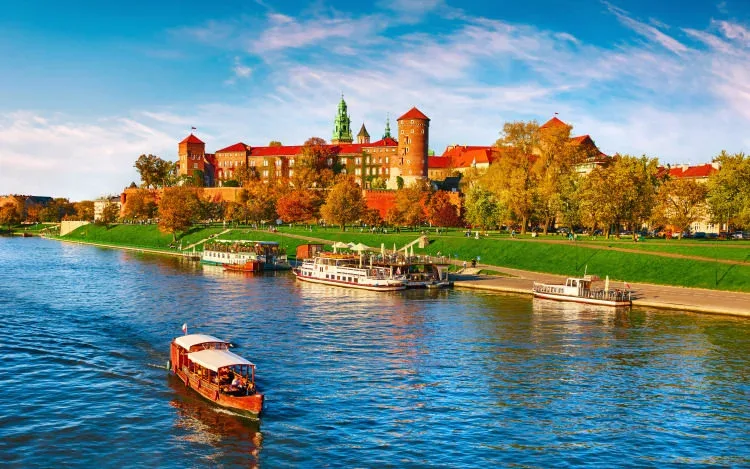
- Kraków Old Town & Wawel Castle (UNESCO)
- Warsaw Old Town (perfectly reconstructed)
- Auschwitz-Birkenau Memorial
- Malbork Castle (world’s largest brick castle)
- Wieliczka Salt Mine (UNESCO)
- Zakopane & Tatra Mountains
Best Tours & Experiences in Poland
Auschwitz guided tours, Wieliczka Salt Mine, wolf tracking in Białowieża, vodka tasting, pierogi cooking classes.
Family-Friendly Activities to do in Poland
Energylandia (Europe’s best theme park), Copernicus Science Centre, Baltic beaches, mountain cable cars.
Unique Cultural or Historical Sites to visit in Poland
Wolf’s Lair (Hitler’s headquarters), Wrocław’s dwarves hunt, Gdańsk Shipyard & Solidarity Centre.
Polish Electrical System Information
Standard European 230V/50Hz, plugs type C and E.
Plug Types & Voltage used in Poland
Type C (two round pins) and E (two round pins + grounding hole).
Charging Tips
Adapters widely available. Power banks useful for long sightseeing days.
Local Laws & Regulations of Poland
Standard European laws. Very tourist-friendly.
Rules Travelers Need to Know when In Poland
No photography of military objects. Jaywalking fined in cities. Smoking banned in public places.
Alcohol, Smoking & Substance Laws of Poland
Alcohol legal from 18, available in shops until 22:00 in many by city. No open containers in public places in many cities.
Restricted or Protected Areas in Poland
Belarus border area restricted. National parks have marked trails only.
Final Travel Tips for Visitors in Poland
Buy a city card (Kraków, Warsaw, Gdańsk) for free transport + museums. Use Bolt/Uber instead of street taxis. Book Auschwitz and Wieliczka in advance. Try milk bars for authentic cheap meals.
Common Mistakes to Avoid
Trying to see everything in one trip (Poland is bigger than it looks). Visiting Auschwitz without guide. Overpaying for taxis from airports.
Tips to Save Money when Visiting Poland
Eat at milk bars, travel by FlixBus/PolskiBus, stay in apartments, visit museums on free days (often Mondays or Tuesdays).
Safety & Comfort Tips
Register with embassy if staying long-term. Download Jakdojade app for public transport. Buy regional train tickets in advance for discounts.
Frequently Asked Questions – Poland Travel Guide 2026-2027
Our Tanzania Tours Products
While Poland offers incredible history, medieval cities and mountain adventures, many travelers combine Central Europe with the ultimate wildlife experience in East Africa. Capable Africa Tours specializes in secure, guided safaris that maximize safety and wonder. Our expert local guides, armed rangers in parks, and vetted accommodations ensure peace of mind. From family-friendly lodges to luxury camps, we handle logistics so you focus on the magic. Tanzania ranks high for tourist safety with dedicated wildlife protection units and stable northern circuits.
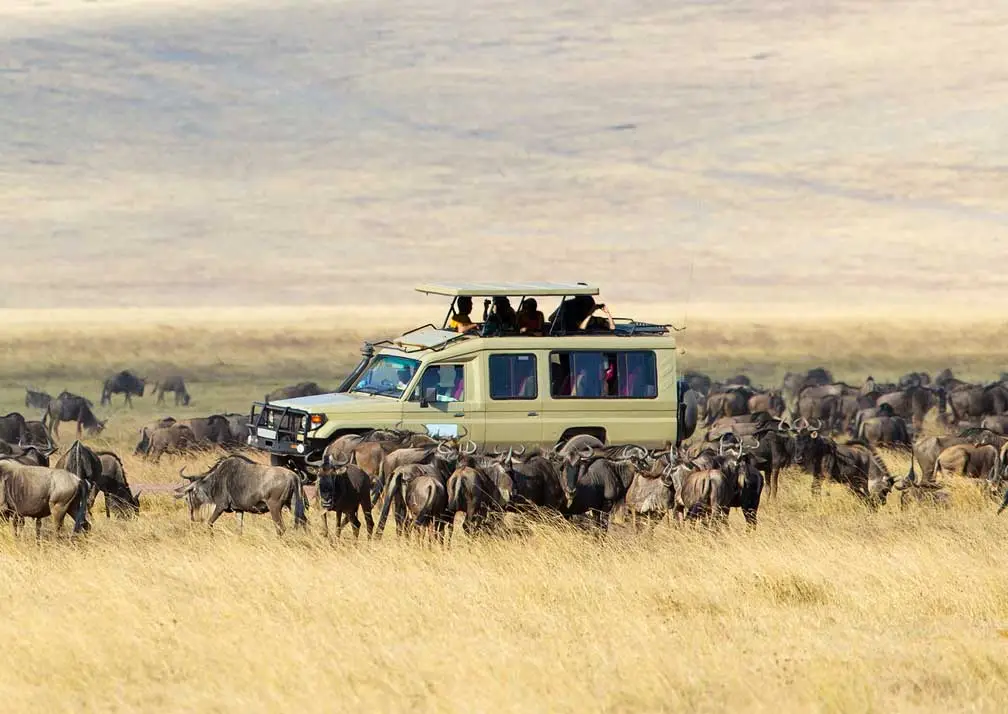
Great Migration Safaris
Experience one of nature's greatest spectacles with our Great Migration safari packages, timed for river crossings or calving.
View Package →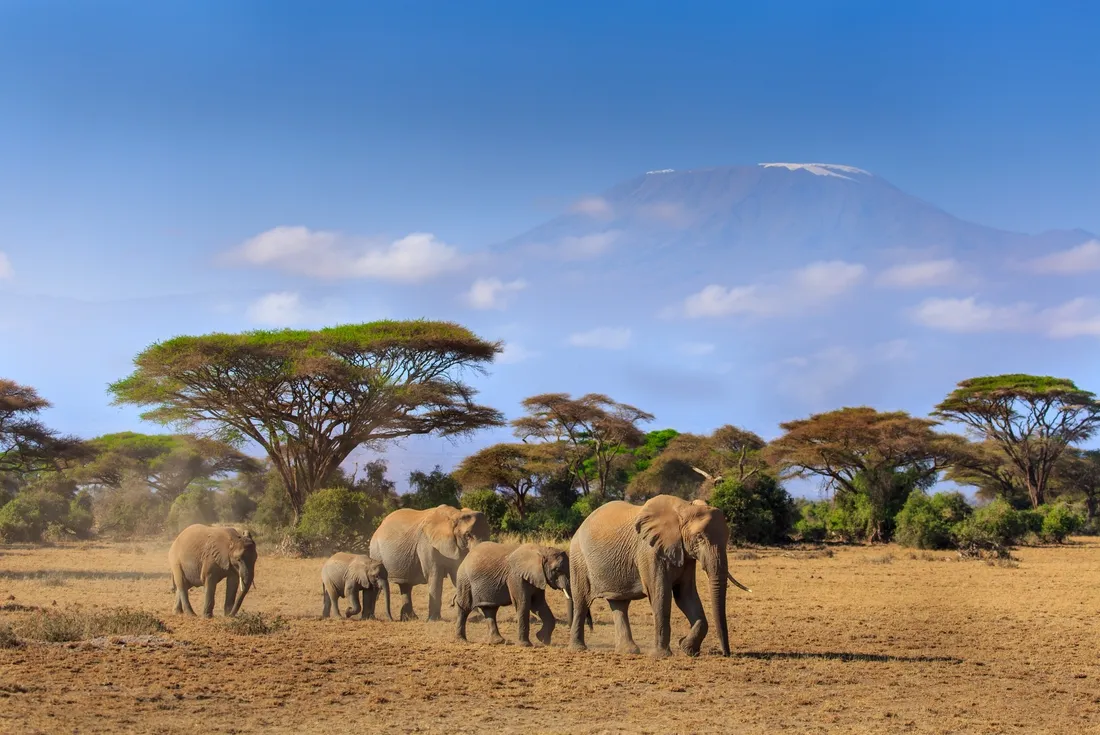
Serengeti & Kilimanjaro Trek
Combined safari and trekking tours offer wildlife adventures and Kilimanjaro climbs.
View Package →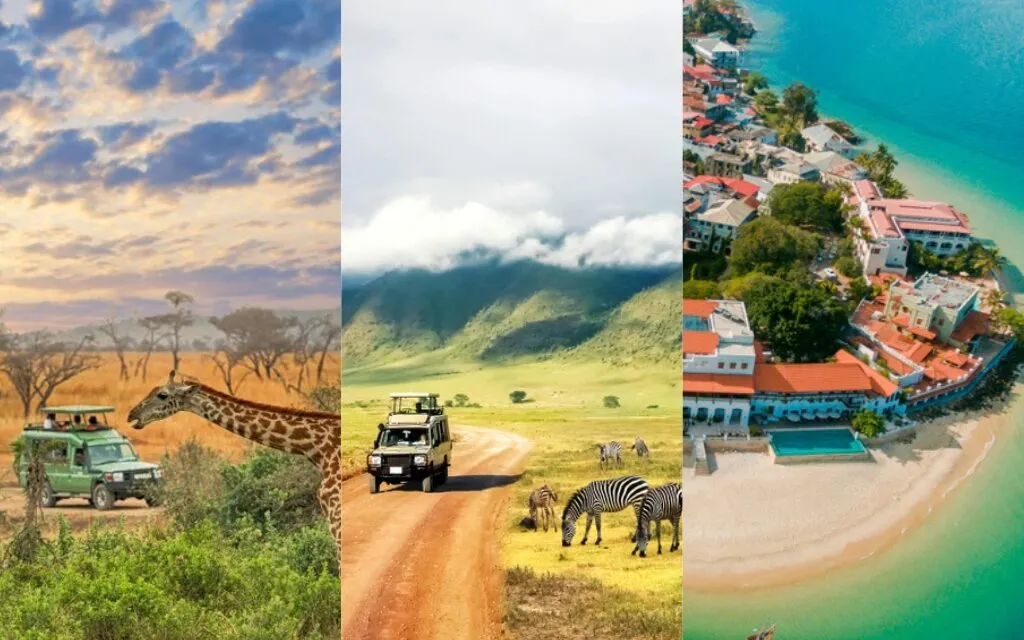
Serengeti & Zanzibar Tours
Luxury Tanzania safari & beach packages with the Great Migration and pristine beaches.
View Package →Related: Best Time to Visit Tanzania 2026 – Perfect safari extension after your Poland adventure.