
Most Complete Portugal Travel Guide 2026-2027 – Everything You Need to Know Before Visiting
This Portugal travel guide provides everything you need to plan your journey to one of Europe’s most captivating destinations. Portugal offers an extraordinary blend of historic cities, dramatic Atlantic coastline, world-class wine regions and subtropical islands that create one of the continent's most diverse travel experiences. Many travelers who want to travel to Portugal are surprised by the country's incredible variety and rich cultural heritage spanning ancient Celtic roots, Roman occupation, Moorish influences and the Age of Discoveries. The nation covers just over 92,000 square kilometers on the Iberian Peninsula plus the autonomous regions of Madeira and the Azores, offering visitors everything from UNESCO-listed palaces to pristine beaches and volcanic landscapes.
Start Reading the Full Guide ↓Quick Facts About Portugal
- Capital: Lisbon.
- Currency: Euro (€).
- Time Zone: Western European Time (WET, UTC+0) / Azores (UTC-1).
- International Calling Code: +351.
- Driving Side: Right.
- Major Airports: Lisbon (LIS), Porto (OPO), Faro (FAO), Funchal (FNC).
Portugal Overview & Key Facts
Brief History of Portugal
Portugal's historyspans millennia, from ancient Celtic tribes through Roman occupation to Visigothic and Moorish rule. The Christian Reconquista culminated in 1143, and the Age of Discoveries (15th–16th centuries) made Portugal a global maritime power under Prince Henry the Navigator, Vasco da Gama and others. This rich historical tapestry creates a fascinating backdrop for modern travelers exploring the country's Manueline architecture, azulejo tiles and seafaring monuments.
Independence & National Identity
- Independence date: June 24, 1143 (recognized).
- Former colonial power: None (Portugal was the colonizer).
- National symbols & identity.
Portugal is one of Europe’s oldest nations with borders virtually unchanged since 1297. The 1974 Carnation Revolution ended decades of dictatorship and the colonial empire. Today, national identity of Portugal centers on saudade (nostalgic longing), fado music, football and pride in the Age of Discoveries. The flag features the armillary sphere, symbol of maritime exploration.
Government System & Current Leadership
- Type of government: Unitary semi-presidential republic
- Current president: Marcelo Rebelo de Sousa
- Notes on political stability
Portugal is a stable parliamentary democracy and EU/NATO member with high political stability. The country consistently ranks among the world’s most peaceful nations.
Population, Ethnic Groups & Languages
- Population: 10.6 million (2025 estimate).
- Major ethnic groups: Portuguese (95%+), small Brazilian, African and Eastern European communities.
- Official language(s): Portuguese.
- Additional languages commonly spoken.
English is widely spoken in tourism sectors, especially among younger generations. French and Spanish are also common. Mirandese is co-official in one northeastern municipality.
Main Religions & Cultural Identity
Roman Catholicism remains dominant (81%), though practiced less strictly than in the past. Secularism is growing. Religious festivals and traditions still shape cultural life, especially Easter and local saints’ days. Visitors should respect church etiquette (quiet, covered shoulders).
Geography & Natural Landscape
Portugal features diverse landscapes: rugged Atlantic coastline, rolling Alentejo plains, granite peaks in Serra da Estrela, volcanic islands (Azores & Madeira) and dramatic cliffs in the Algarve. The mainland has a Mediterranean climate in the south and oceanic in the north.
Economy & Tourism Highlights
Tourism is a major pillar (13% of GDP pre-pandemic, growing again). Key sectors include renewable energy (over 60% of electricity), textiles, footwear, cork and wine. Portugal ranks as one of Europe’s most affordable high-quality destinations.
What Portugal Is Known For
- UNESCO sites: Sintra, Porto historic centre, Belém Tower, Douro Valley, Évora, Coimbra University
- Port wine & Douro terraced vineyards
- Stunning Atlantic beaches and surfing
- Fado music and azulejo tiles
Visa & Entry Requirements in Portugal
Portugal is part of the Schengen Area. Most visitors from developed countries enjoy visa-free entry for tourism up to 90 days in any 180-day period. ETIAS (electronic authorisation) will be required from mid-2026 for visa-exempt travellers (similar to ESTA).
Do You Need a Visa?
EU/EEA/Swiss: no restrictions. US, Canada, UK, Australia, NZ, Japan, South Korea, Singapore, most Latin American countries: visa-free 90/180 days. Check official Schengen list for your nationality.
Visa Application Options in Portugal
- Schengen tourist visa (if required)
- Golden Visa (residency by investment)
- D7 passive income visa (popular with retirees/digital nomads)
From mid-2026, visa-exempt travellers must complete ETIAS online (€7, valid 3 years).
Passport Validity & Entry Documents
Passport valid for 3 months beyond intended departure from Schengen. Return/onward ticket may be requested. Proof of accommodation and funds (€75/day + €40 fixed) rarely checked but legally required.
Customs Rules & Prohibited Items
Standard EU rules. €10,000+ cash must be declared. No restrictions on alcohol/tobacco within EU limits for personal use. Meat/milk products restricted from non-EU countries.
Safety & Security Information in Portugal
Portugal consistently ranks among the world’s safest countries (Global Peace Index top 7). Violent crime is extremely rare. Main concerns are pickpocketing in crowded tourist areas (Lisbon trams, Porto riverfront) and occasional car break-ins in the Algarve.
Is Portugal Safe for Tourists?
Yes – one of Europe’s safest destinations. Tourist police (PSP Turismo) patrol major areas. Excellent healthcare, low terrorism risk, very LGBTQ+-friendly.
Recommended Safety Tips when in Portugal
Use anti-theft bags on tram 28E in Lisbon, avoid leaving valuables in cars, beware of “fake police” scams (real police never ask for wallets). Normal big-city awareness applies.
Safe Areas vs. Areas to Avoid in Portugal
All tourist areas are safe day and night. Some Lisbon neighborhoods (e.g., parts of Intendente) are gentrifying but still best avoided after dark.
Emergency Numbers & Tourist Police in Portugal
- European emergency: 112 (multilingual)
- Tourist police units in Lisbon, Porto, Algarve
Health Requirements & Vaccinations in Portugal
No vaccination certificates required. European Health Insurance Card (EHIC/GHIC) for EU/UK citizens. Excellent public and private healthcare.
Mandatory Vaccinations in Portugal
None.
Recommended Vaccinations in Portugal
Routine vaccines only. Tick-borne encephalitis if extensive rural hiking in spring/summer.
Malaria & Other Risks
No malaria. Tap water safe everywhere. Sun protection essential.
Travel Insurance Recommendations in Portugal
Highly recommended despite good healthcare. Covers cancellation, theft and adventure activities (surf, hiking).
Best Time to Visit in Portugal
Portugal enjoys over 300 sunny days per year. Shoulder seasons (April–June, September–October) offer perfect weather, fewer crowds and better prices.
Weather by Season
Spring and autumn: 18–28°C, perfect. Summer: 25–35°C mainland (hotter in Alentejo/Algarve). Winter: mild on coast (12–18°C), cold/snowy in mountains.
When to Visit Portugal for Best Experiences
- Surfing: year-round (best winter swells)
- Wine harvest: September in Douro
- Azores whale watching: April–June
- Festivals: June (Santo António in Lisbon, São João in Porto)
High Season vs. Low Season Travel
High season: July–August (packed beaches, higher prices). Shoulder seasons best value and weather balance.
Weather & Climate Overview in Portugal
Mediterranean in the south, oceanic in the north. Algarve has 300+ sunny days. Azores are temperate but changeable.
Temperature Ranges
Lisbon: 15°C winter, 29°C summer. Porto slightly cooler. Algarve warmest. Serra da Estrela can drop below 0°C in winter.
Rainy & Dry Seasons in Portugal
Winter (Nov–Mar) wetter in north/centre. South remains mostly dry. Summer virtually rain-free on mainland.
What to Wear Based on the Weather
Light layers, comfortable walking shoes, swimsuit, light jacket for evenings. Warm coat if visiting north/mountains in winter.
Main Currency, Costs & Budgeting in Portugal
Portugal uses the Euro (€). One of Western Europe’s most affordable destinations.
Local Currency Information
Euro banknotes and coins. Cards accepted almost everywhere except small cafés/markets.
Average Travel Costs in Portugal
Budget: €70–120/day (hostels, local food, public transport). Mid-range: €130–220. Luxury: €300+.
Using ATMs, Cards & Mobile Money in Portugal
Contactless/cards universal. Multibanco ATMs everywhere (low fees). MB Way popular local mobile payment.
Tipping Guidelines in Portugal
Not obligatory. Rounding up or 5–10% in restaurants if service excellent. €1–2 for hotel housekeeping/taxi.
Transportation & Getting Around in Portugal
Excellent infrastructure. High-speed trains, modern motorways, budget flights to islands.
Airport Transfers
Lisbon/Porto: Metro, AeroBus, Uber/Bolt. Taxis metered and reasonable.
Local Transport Options in Portugal
Lisbon/Porto metro and historic trams. Excellent intercity trains (Alfa Pendular). Comboios de Portugal app useful.
Portugal Domestic Flights
TAP Air Portugal, Ryanair, easyJet connect mainland to Madeira/Azores frequently and cheaply.
Car Rentals & Road Conditions in Portugal
Excellent motorways (tolls via Via Verde or EasyToll for foreigners). Driving relaxed outside cities.
Accommodation Options available in Portugal
Everything from hostels (€20) to luxury pousadas in historic buildings and 5-star resorts.
Types of Accommodations in Portugal
Hostels, guesthouses, apartments, boutique hotels, rural quintas, luxury resorts.
Budget vs. Mid-Range vs. Luxury
Budget €30–70, mid-range €80–180, luxury €200–800+ per night.
Best Areas to Stay in Portugal
Lisbon: Baixa, Chiado, Alfama, Bairro Alto. Porto: Ribeira, Baixa. Algarve: Lagos, Albufeira, Tavira. Douro Valley: Pinhão region.
Essential Packing Guide when Visiting Portugal
Pack light layers, comfortable walking shoes, swimsuit, sunscreen, European plug adapter (type F).
Clothing Essentials
Casual European style. Light jacket for evenings. Smart-casual for nicer restaurants.
Footwear & Gear
Good walking shoes essential (cobblestone streets). Flip-flops for beach.
Electronics & Cameras
230V, 50Hz, type F plugs. Power banks useful for long sightseeing days.
Toiletries & Personal Items
Everything available. Reef-safe sunscreen recommended.
Language & Communication in Portugal
Portuguese official language, but English widely spoken in tourism.
Main Languages Spoken in Portugal
Portuguese. English fluency high in tourist areas and among under-40s.
Useful Phrases for Tourists
“Obrigado/a” (thank you), “Por favor” (please), “Bom dia” (good morning), “Quanto custa?” (how much?).
SIM Cards & Mobile Data used in Portugal
Vodafone, MEO, NOS. eSIMs widely available. Excellent 5G coverage.
Internet Availability & Wi-Fi in Portugal
Free Wi-Fi in most cafés, restaurants, accommodations and public spaces.
Culture & Etiquette in Portugal
Relaxed, warm, family-oriented culture. Greetings with two kisses (or handshake in formal situations).
Portuguese Dress Code Expectations
Casual but neat. Beachwear stays on the beach. Covered shoulders/knees in churches.
Social Etiquette & Respectful Behavior of Portugal
Punctuality flexible socially. Loud voices normal. Tipping not expected but appreciated.
Photography Rules in Portugal
Generally allowed. Ask permission for close-ups of people.
Important Cultural Dos & Don’ts in Portugal
Do accept coffee/food offers. Don’t discuss politics/colonial past unless invited. Don’t call Portuguese “Spanish”.
Food, Water & Dining in Portugal
Outstanding seafood, grilled meats, pastel de nata, incredible wines at reasonable prices.
Portuguese Local Dishes to Try
Bacalhau (1001 ways), francesinha (Porto), bifana, cataplana, pastéis de nata, fresh seafood, Alentejo pork.
Dietary Options in Portugal
Excellent vegetarian/vegan scene growing fast, especially Lisbon/Porto. Gluten-free widely available.
Drinking Water Safety
Tap water perfectly safe everywhere.
Restaurant Etiquette
Couvert (bread/cheese/olives) charged if eaten. Dinner starts late (8–10 pm). Service compris (included).
Top Attractions & Things to Do in Portugal
Lisbon’s seven hills, Porto’s port wine lodges, Sintra’s fairy-tale palaces, Algarve’s golden cliffs, Douro Valley vineyards, Madeira’s levadas, Azores’ volcanic lakes.
Major Tourist Attractions in Portugal
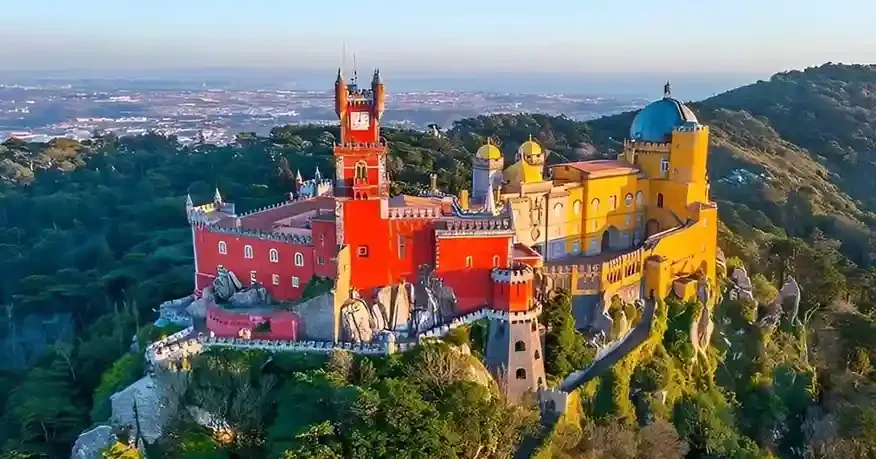
- Sintra (UNESCO) – Pena Palace, Quinta da Regaleira
- Belém Tower & Jerónimos Monastery (UNESCO)
- Porto historic centre & Douro Valley (UNESCO)
- Algarve beaches & Benagil Cave
Best Tours & Experiences in Portugal
Port wine cellar tours, surf lessons, Douro river cruises, Azores whale watching, Madeira levada walks.
Family-Friendly Activities to do in Portugal
Oceanário de Lisboa, Zoomarine (Algarve), tram rides, beach days, cable cars in Lisbon.
Unique Cultural or Historical Sites to visit in Portugal
Óbidos medieval village, Évora Roman temple & bone chapel, Coimbra University library, Tomar Convent of Christ.
Portuguese Electrical System Information
230V, 50Hz, type F plugs (Schuko). Same as most of continental Europe.
Plug Types & Voltage used in Portugal
Type F (two round pins with grounding clips). Type C also works.
Charging Tips
Universal adapters if coming from UK/US. Power reliable everywhere.
Local Laws & Regulations of Portugal
Very tourist-friendly. Smoking banned indoors. Cannabis decriminalised (possession up to 25g personal use not prosecuted).
Rules Travelers Need to Know when In Portugal
No drinking in streets in some areas (fines). Beach flags system strictly followed. Drones need registration for certain weights.
Alcohol, Smoking & Substance Laws of Portugal
Drinking age 18. Smoking banned in enclosed public spaces. Cannabis decriminalised but not legal (no sales).
Restricted or Protected Areas in Portugal.
Natural parks have rules (no fires, stay on trails). Some beaches protect dunes.
Final Travel Tips for Visitors in Portugal
Book Sintra tickets in advance. Validate train tickets before boarding. Try to learn a few Portuguese words – hugely appreciated. Eat where locals eat for best value.
Common Mistakes to Avoid
Only visiting Lisbon/Porto/Algarve, staying only in resorts, pronouncing “obrigado” wrong (obri-GAH-do), expecting dinner before 8 pm.
Tips to Save Money when Visiting Portugal
Travel in shoulder season, use trains/buses, eat “prato do dia” (dish of the day), stay in apartments, buy Lisboa/Porto Cards.
Safety & Comfort Tips
Use Uber/Bolt in cities, keep valuables secure on tram 28E, book popular attractions early, download offline maps.
Frequently Asked Questions – Portugal Travel Guide 2026-2027
Our Tanzania Tours Products
While Portugal offers incredible history, wine and Atlantic charm, many travelers combine Europe with the ultimate wildlife experience in East Africa. Capable Africa Tours specializes in secure, guided safaris that maximize safety and wonder. Our expert local guides, armed rangers in parks, and vetted accommodations ensure peace of mind. From family-friendly lodges to luxury camps, we handle logistics so you focus on the magic. Tanzania ranks high for tourist safety with dedicated wildlife protection units and stable northern circuits.
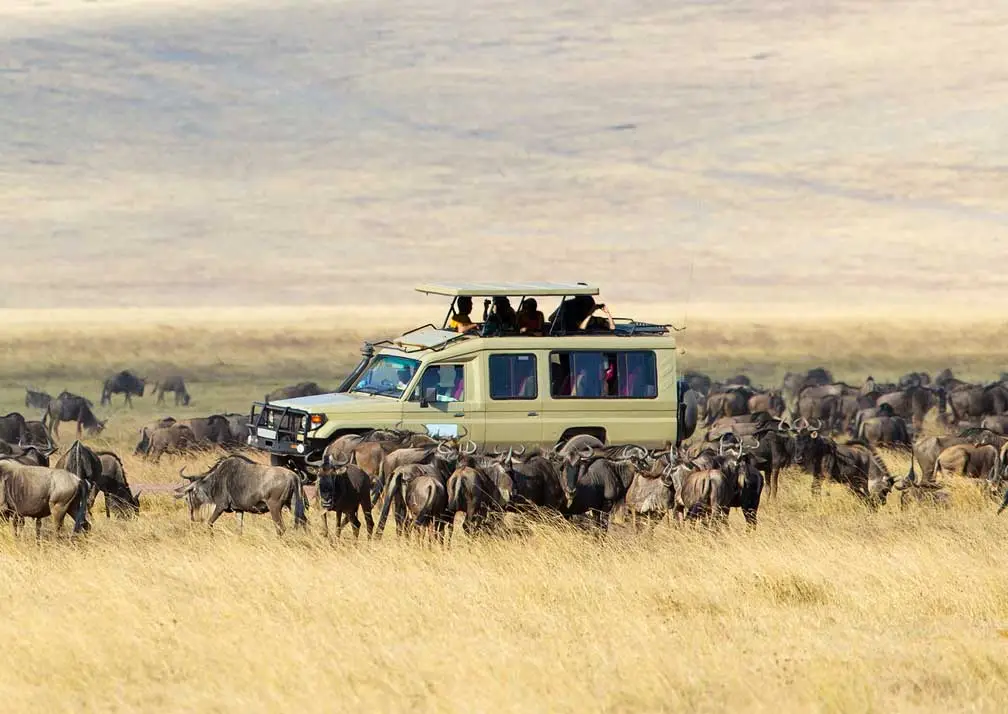
Great Migration Safaris
Experience one of nature's greatest spectacles with our Great Migration safari packages, timed for river crossings or calving.
View Package →
Serengeti & Kilimanjaro Trek
Combined safari and trekking tours offer wildlife adventures and Kilimanjaro climbs.
View Package →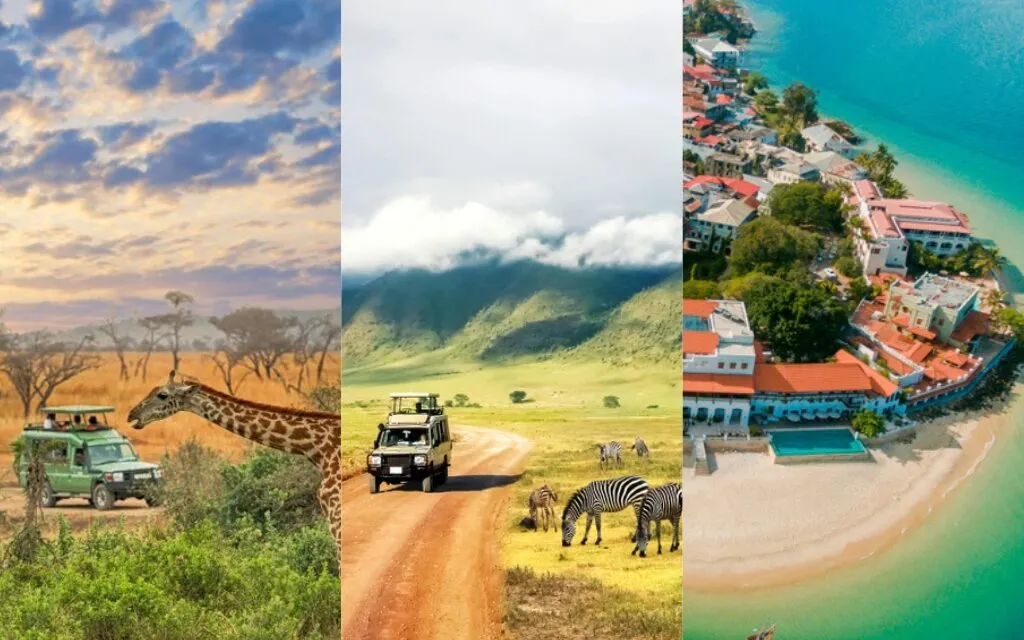
Serengeti & Zanzibar Tours
Luxury Tanzania safari & beach packages with the Great Migration and pristine beaches.
View Package →Related: Best Time to Visit Tanzania 2026 – Perfect safari extension after your Portugal adventure.