
Most Complete Qatar Travel Guide 2026-2027 – Everything You Need to Know Before Visiting
This Qatar travel guide provides everything you need to plan your journey to one of the wealthiest and fastest-modernizing countries in the world. Qatar offers an extraordinary blend of futuristic architecture, traditional Arabian culture, pristine desert landscapes and Persian Gulf coastline that create one of the Middle East’s most fascinating travel experiences. Many travelers who visit Qatar are surprised by the seamless fusion of ultra-modern skyscrapers with preserved Bedouin heritage, world-class museums, and the warm hospitality that defines Qatari culture. The peninsula covers just 11,581 square kilometers yet punches far above its size in luxury, safety, and cultural depth.
Start Reading the Full Guide ↓Quick Facts About Qatar
- Capital: Doha.
- Currency: Qatari Riyal (QAR).
- Time Zone: Arabia Standard Time (AST, UTC+3).
- International Calling Code: +974.
- Driving Side: Right.
- Major Airport: Hamad International Airport (DOH) – voted world’s best multiple times.
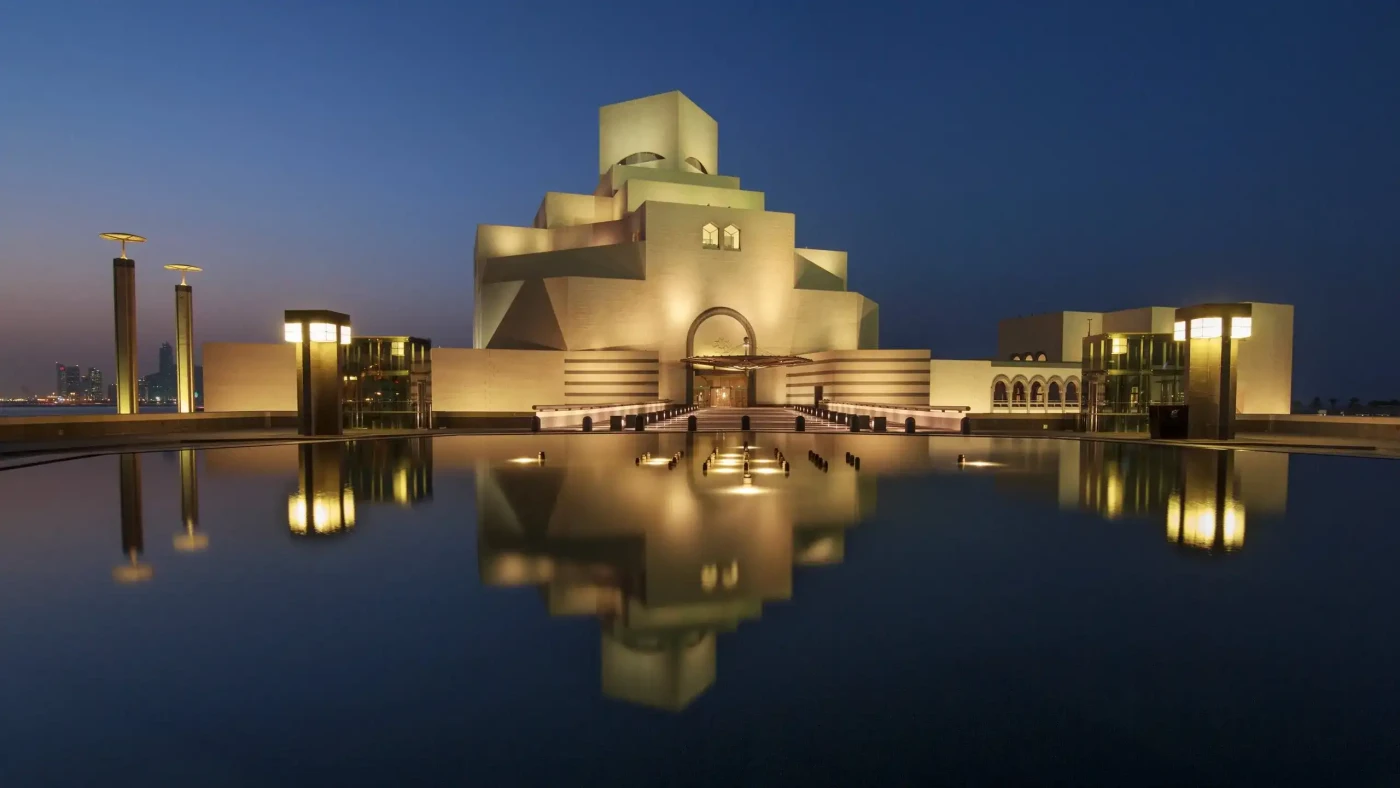
Qatar Overview & Key Facts
Brief History of Qatar
Qatar’s history stretches from ancient Dilmun trading posts through pearl diving and Bedouin traditions to modern hydrocarbon wealth. The Al Thani family has ruled since the 19th century. Independence from Britain came peacefully in 1971, followed by massive transformation after large natural gas discoveries in the 1990s. This rich historical journey creates a fascinating backdrop for travelers exploring traditional souqs alongside cutting-edge architecture.
Independence & National Identity
- Independence date: September 3, 1971.
- Former protector: United Kingdom.
- National symbols & identity.
Qatar gained full independence in 1971 and rapidly developed into a global energy powerhouse. Qatar's National identity strongly emphasizes Arab and Islamic values while embracing modernization and international outlook. The maroon and white flag with serrated edge symbolizes the nine historical treaties that unified the country.
Government System & Current Leadership
- Type of government: Absolute Monarchy (Emirate)
- Current Emir: Sheikh Tamim bin Hamad Al Thani
- Notes on political stability
Qatar is a hereditary emirate with the Al Thani family ruling since the 1800s. Emir Sheikh Tamim bin Hamad Al Thani has led since 2013. The country enjoys high political stability and one of the world’s highest GDP per capita rankings.
Population, Ethnic Groups & Languages
- Population: 3 million (2025 estimate).
- Qatari citizens: ~12%; expatriates: ~88%.
- Official language: Arabic.
- Additional languages commonly spoken.
English is the de facto second language and widely used in business, tourism and daily life. Arabic dominates official and cultural contexts, while Hindi, Malayalam, Tagalog, and Nepali are common among expatriate communities.
Main Religions & Cultural Identity
Islam (Sunni with Wahhabi influence) is the official religion practiced by most Qataris and many residents. The country promotes moderate Islamic values while maintaining strict social codes rooted in tradition. Visitors should respect religious customs, especially during Ramadan, and dress modestly in public areas.
Geography & Natural Landscape
Qatar is a low-lying desert peninsula surrounded by the Persian Gulf with minimal elevation (highest point 103 m). The landscape features sandy beaches, sabkha salt flats, dramatic inland dunes, and the unique Khor Al Adaid (Inland Sea) – a UNESCO-recognized natural reserve where dunes meet the sea.
Economy & Tourism Highlights
Qatar possesses the world’s third-largest natural gas reserves, driving extreme wealth (highest GDP per capita globally). The government aggressively diversifies through Qatar National Vision 2030, investing heavily in tourism, culture (museums), sports (World Cup legacy), and aviation (Qatar Airways). Tourism has exploded post-2022 World Cup with world-class infrastructure.
What Qatar Is Known For
- Futuristic Doha skyline and architectural masterpieces
- World-class museums (Museum of Islamic Art, National Museum)
- Luxury shopping, hospitality and desert adventures
Visa & Entry Requirements in Qatar
Qatar maintains one of the most tourist-friendly visa policies in the Gulf. Over 100 nationalities receive visa-free entry or visa on arrival, while others can apply online instantly. Requirements are minimal and processing is fast.
Do You Need a Visa?
Citizens of more than 100 countries (including USA, UK, EU, Australia, Canada, most of Latin America and many Asian nations) get 30–90 days visa-free or visa on arrival. Others apply via the Hayya platform (formerly used for World Cup) for instant e-Visa.
Visa Application Options in Qatar
- Visa-free entry / visa on arrival (most common)
- Hayya e-Visa platform (instant approval)
- Hotel booking through Discover Qatar for visa support
The Hayya platform remains active post-World Cup and is the fastest way to obtain a tourist visa – usually approved within minutes.
Passport Validity & Entry Documents
Passport must be valid for 6 months from arrival date with at least two blank pages. Return/onward ticket and proof of accommodation often checked. Hayya card or confirmation required for visa-free/VOA travelers.
Customs Rules & Prohibited Items
Alcohol import limited to 2 liters per person (non-Muslims over 21) via duty-free only. Pork products, narcotics, and pornographic material strictly prohibited. Drones require prior permission. Large cash amounts must be declared.
Safety & Security Information in Qatar
Qatar is consistently ranked among the safest countries globally with extremely low crime rates and heavy police presence in tourist areas.
Is Qatar Safe for Tourists?
Yes – one of the safest destinations worldwide. Violent crime is virtually nonexistent, and petty crime is rare. Women travelers (including solo) report feeling very safe even at night.
Recommended Safety Tips when in Qatar
Standard precautions apply: guard valuables in crowded souqs, use licensed taxis or Careem/Uber, drink bottled water if concerned, and respect local customs. Emergency response is excellent.
Safe Areas vs. Areas to Avoid in Qatar
All tourist and residential areas are safe. Industrial zones and some labor camps are less relevant for tourists. No “no-go” zones for visitors.
Emergency Numbers & Tourist Police in Qatar
- Police / Emergency: 999
- Fire Department: 999
- Medical Emergency: 999
- Tourist Police: Available in major attractions
English-speaking operators available 24/7.
Health Requirements & Vaccinations in Qatar
Qatar has excellent medical facilities and no unusual health risks. No mandatory vaccinations except yellow fever if arriving from endemic countries.
Mandatory Vaccinations in Qatar
Yellow fever certificate required only if arriving from affected countries.
Recommended Vaccinations in Qatar
Routine vaccines + Hepatitis A and Typhoid recommended. COVID vaccination no longer required but advised.
Malaria & Other Risks
No malaria risk. Heat exhaustion and dehydration are the main concerns in summer. Tap water is safe but most drink bottled.
Travel Insurance Recommendations in Qatar
Highly recommended – medical care is world-class but expensive for non-residents. Ensure coverage for adventure activities (dune bashing, etc.).
Best Time to Visit in Qatar
Winter season (November–April) offers perfect weather. Summer (June–September) is extremely hot and best avoided unless indoor-focused.
Weather by Season
Winter: 18–30°C, pleasant, occasional rain. Summer: 35–50°C with high humidity. Shoulder months (Oct & Apr–May) warm but manageable.
When to Visit Qatar for Best Experiences
- Desert camping & dune bashing: Nov–Mar
- Festivals (Doha Festival City, Shop Qatar): Jan–Feb
- Ramadan & Eid: unique cultural experience (dates vary)
World Cup legacy events and new attractions continue year-round.
High Season vs. Low Season Travel
High season: Nov–Mar (higher prices, book early). Low season: Jun–Sep (heavy discounts but extreme heat).
Weather & Climate Overview in Qatar
Arid desert climate with two distinct seasons: hot summer and mild winter.
Temperature Ranges
Winter lows ~15°C, highs ~28°C. Summer lows ~30°C, highs regularly 45–50°C.
Rainy & Dry Seasons in Qatar
Rain is rare (average 75 mm/year), mostly Jan–Mar. Summer completely dry.
What to Wear Based on the Weather
Light breathable clothing Nov–Apr; sun protection essential. Modest attire in public (shoulders & knees covered). Luxury hotels and malls more relaxed.
Main Currency, Costs & Budgeting in Qatar
QAR is pegged to USD (1 USD ≈ 3.64 QAR). Cards accepted almost everywhere; ATMs abundant.
Local Currency Information
Qatari Riyal (QAR) in denominations 1, 5, 10, 50, 100, 500. Coins rarely used.
Average Travel Costs in Qatar
Budget: $100–180/day; mid-range $200–400; luxury $500–2000+. Qatar is expensive but offers excellent value at mid-range level.
Using ATMs, Cards & Mobile Money in Qatar
Cards accepted virtually everywhere. Apple/Google Pay common. No need for large cash amounts.
Tipping Guidelines in Qatar
Not obligatory but appreciated. Restaurants: 10–15% if no service charge. Hotels: 20–50 QAR for bellhop/housekeeping. Taxi drivers usually not tipped.
Transportation & Getting Around in Qatar
Excellent modern infrastructure. Doha Metro is world-class, clean and cheap.
Airport Transfers
Hamad International Airport → city: Metro (Red Line), Karwa taxis (turquoise), Uber/Careem, private transfers.
Local Transport Options in Qatar
Doha Metro (3 lines), Karwa taxis, Uber/Careem, public buses. Car rental available but unnecessary in Doha.
Qatar Domestic Flights
None needed – entire country smaller than Connecticut.
Car Rentals & Road Conditions in Qatar
Easy to rent; excellent highways. Desert driving requires 4WD and experience.
Accommodation Options available in Qatar
World-class selection from budget apartments to iconic 5-star hotels.
Types of Accommodations in Qatar
Luxury international chains, boutique hotels, serviced apartments, desert resorts.
Budget vs. Mid-Range vs. Luxury
Budget: $80–150 (3–4 star); Mid-range: $150–350; Luxury: $350–3000+.
Best Areas to Stay in Qatar
West Bay (skyline), The Pearl (upscale island), Souq Waqif area (culture), Katara Cultural Village.
Essential Packing Guide when Visiting Qatar
Light clothing, sun protection, modest attire for public areas.
Clothing Essentials
Light breathable fabrics, cardigan for air-conditioned venues, modest outfits for souqs/mosques.
Footwear & Gear
Comfortable walking shoes, sandals, sun hat, high-SPF sunscreen.
Electronics & Cameras
Type G plugs (UK style). Power reliable everywhere.
Toiletries & Personal Items
Everything available locally; pharmacies excellent.
Language & Communication in Qatar
English widely spoken; no language barrier for tourists.
Main Languages Spoken in Qatar
Arabic (official), English (universal in tourism/business).
Useful Phrases for Tourists
“Marhaba” (hello), “Shukran” (thank you), “Min fadlak” (please).
SIM Cards & Mobile Data used in Qatar
Ooredoo and Vodafone at airport; excellent 5G coverage.
Internet Availability & Wi-Fi in Qatar
Free Wi-Fi almost everywhere: airport, metro, malls, cafes.
Culture & Etiquette in Qatar
Conservative Islamic culture with modern outlook. Respect local customs.
Qatari Dress Code Expectations
Modest dress in public – shoulders and knees covered. More relaxed in hotels/resorts.
Social Etiquette & Respectful Behavior of Qatar
Use right hand for eating/greeting. Accept offers of Arabic coffee/tea. Remove shoes when entering homes.
Photography Rules in Qatar
Ask permission before photographing people (especially women). No photos of military/government buildings.
Important Cultural Dos & Don’ts in Qatar
Do respect Ramadan rules. Don’t display affection publicly. Don’t consume alcohol outside licensed venues.
Food, Water & Dining in Qatar
Outstanding international and Arabic cuisine.
Qatari Local Dishes to Try
Machboos (spiced rice with meat), harees, madrouba, luqaimat (sweet dumplings), karak tea.
Dietary Options in Qatar
Halal standard. Excellent vegetarian/vegan options in international restaurants.
Drinking Water Safety
Tap water safe but most drink bottled.
Restaurant Etiquette
Tipping 10–15% appreciated if no service charge.
Top Attractions & Things to Do in Qatar
Perfect mix of modern architecture, culture, and desert adventure.
Major Tourist Attractions in Qatar
- Museum of Islamic Art
- National Museum of Qatar
- Souq Waqif
- The Pearl-Qatar
- Khor Al Adaid (Inland Sea)
Doha Corniche, Katara Cultural Village, Aspire Park, and desert safaris with overnight camping are must-dos.
Best Tours & Experiences in Qatar
Desert safari with dune bashing & inland sea, dhow cruises, city tours, food tours, falconry experiences.
Family-Friendly Activities to do in Qatar
Qatar has excellent family offerings: Aquapark, Quest theme park, beaches, museums with kids’ programs.
Unique Cultural or Historical Sites to visit in Qatar
Al Zubarah UNESCO site, traditional dhow harbor, Msheireb Museums.
Qatari Electrical System Information
UK-style Type G plugs, 240V, 50Hz.
Plug Types & Voltage used in Qatar
Type G (three rectangular pins). Most hotels provide adapters.
Charging Tips
Power reliable everywhere. Universal adapters recommended.
Local Laws & Regulations of Qatar
Strict but clearly communicated laws.
Rules Travelers Need to Know when In Qatar
No public affection, no alcohol outside licensed venues, modest dress, no photography of people without permission.
Alcohol, Smoking & Substance Laws of Qatar
Alcohol only in hotel bars/restaurants. Smoking banned indoors. All drugs strictly prohibited.
Restricted or Protected Areas in Qatar.
Military installations off-limits. Some desert areas require permits for camping.
Final Travel Tips for Visitors in Qatar
Modern, safe, luxurious, and surprisingly welcoming. Perfect stopover or short luxury break.
Common Mistakes to Avoid
Visiting in summer, dressing inappropriately, trying to drink alcohol outside licensed venues.
Tips to Save Money when Visiting Qatar
Use Doha Metro, eat at Souq Waqif, book desert tours in groups, visit during summer sales.
Safety & Comfort Tips
Stay hydrated, use sunscreen, respect local customs, download Careem app.
Frequently Asked Questions – Qatar Travel Guide 2026-2027
Our Tanzania Tours Products
While Qatar offers futuristic luxury and desert adventures, many travelers combine the Middle East with the ultimate African wildlife experience. Capable Africa Tours specializes in secure, guided safaris that maximize safety and wonder. From family-friendly lodges to luxury camps, we handle logistics so you focus on the magic.
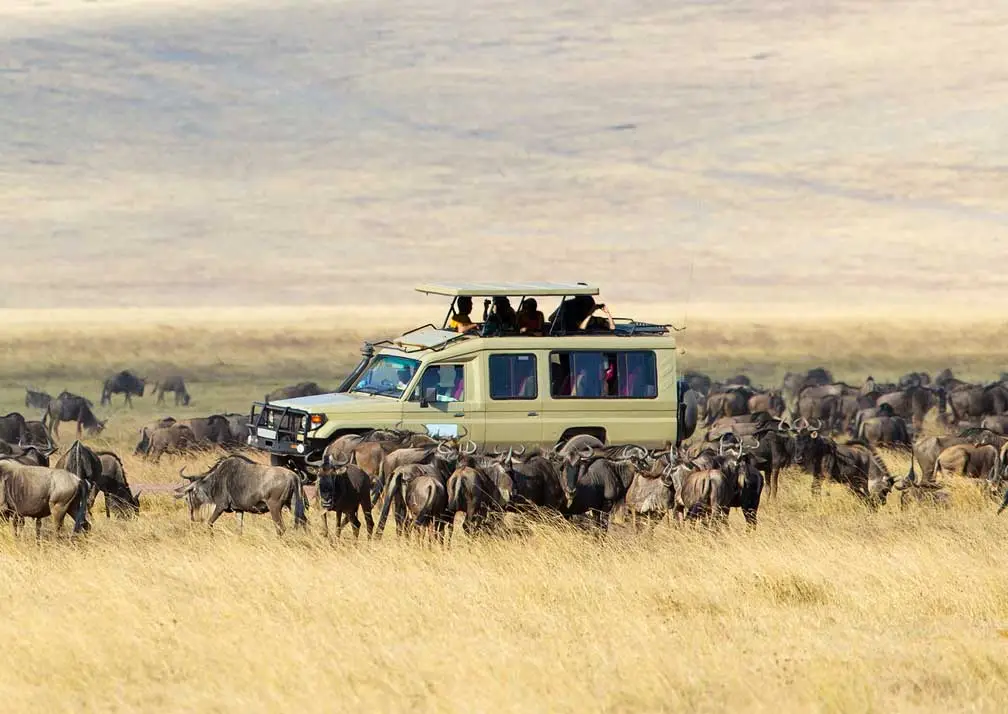
Great Migration Safaris
Experience one of nature's greatest spectacles with our Great Migration safari packages, timed for river crossings or calving.
View Package →
Serengeti & Kilimanjaro Trek
Combined safari and trekking tours offer wildlife adventures and Kilimanjaro climbs.
View Package →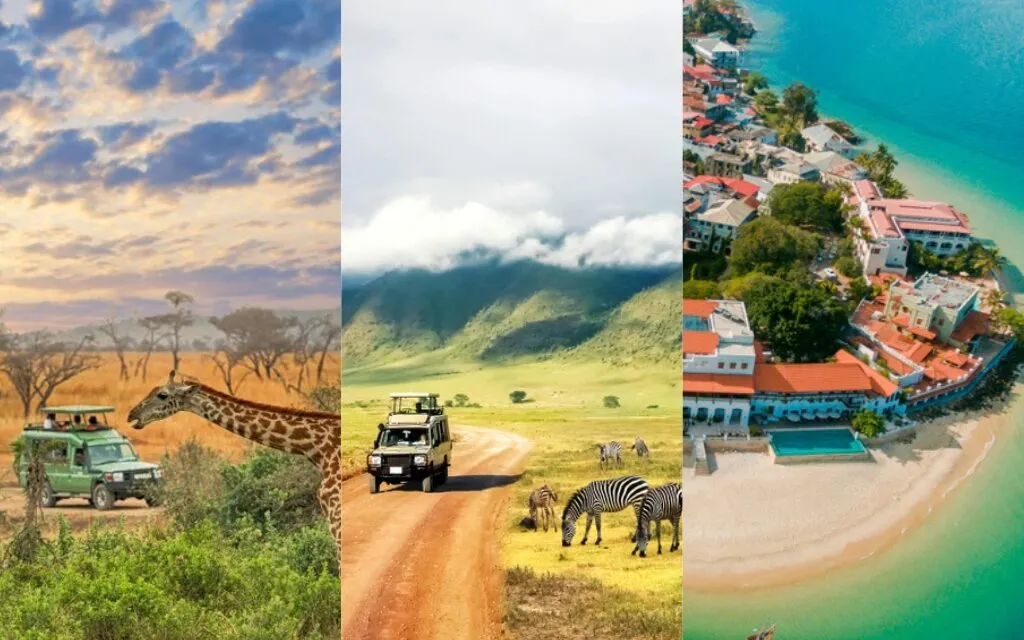
Serengeti & Zanzibar Tours
Luxury Tanzania safari & beach packages with the Great Migration and pristine beaches.
View Package →Related: Best Time to Visit Tanzania 2026 – Perfect safari extension after your Qatar luxury break.