
Most Complete Romania Travel Guide 2026-2027 – Everything You Need to Know Before Visiting
This Romania travel guide provides everything you need to plan your journey to one of Europe’s most fascinating and underrated destinations. Romania offers an extraordinary blend of medieval Transylvanian castles, painted monasteries, wild Carpathian mountains, and vibrant Black Sea coast that create one of the continent’s most diverse travel experiences. Many travelers who want to travel to Romania are surprised by the country's incredible diversity and rich cultural heritage spanning Dacian and Roman roots, Saxon fortified churches, and living folk traditions. The nation covers over 238,000 square kilometers, offering visitors everything from Dracula legends to UNESCO sites, pristine wilderness and lively capital nightlife.
Start Reading the Full Guide ↓Quick Facts About Romania
- Capital: Bucharest.
- Currency: Romanian Leu (RON).
- Time Zone: Eastern European Time (EET, UTC+2; +3 in summer).
- International Calling Code: +40.
- Driving Side: Right.
- Major Airports: Henri Coandă (Bucharest), Cluj-Napoca, Timișoara, Iași.
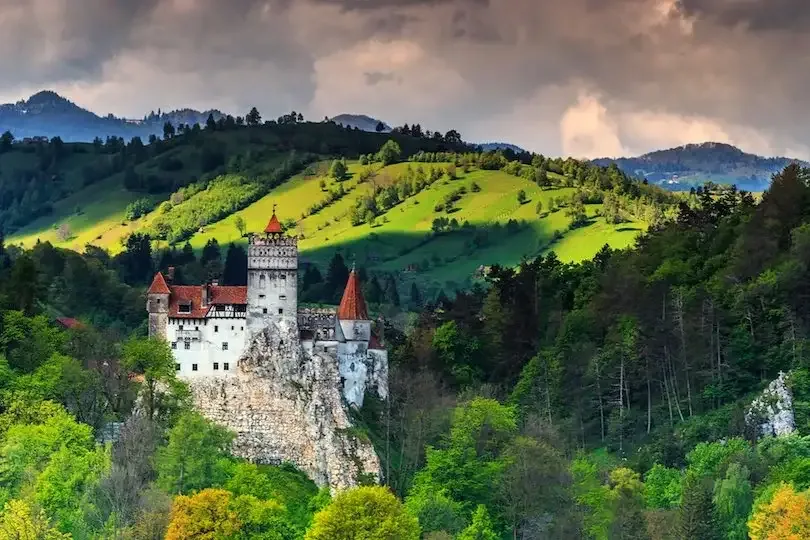
Romania Overview & Key Facts
Brief History of Romania
Romania’s history spans from ancient Dacian kingdoms conquered by Roman Emperor Trajan in 106 AD to medieval principalities and 20th-century communist rule. The Romans left lasting Latin influence on language and culture, while medieval Transylvania was shaped by Hungarian and Saxon settlers. The unification of Wallachia, Moldavia and Transylvania in 1918 created modern Romania, followed by turbulent decades under communism until the 1989 revolution.
Independence & National Identity
- Independence date: 1877 (from Ottoman Empire); Great Union December 1, 1918.
- Former ruling systems: Ottoman influence, Austro-Hungarian, Communist regime.
- National symbols & identity.
Romania celebrates its National Day on December 1, commemorating the 1918 union. The tricolor flag and national anthem reflect Latin heritage and independence struggles. Romanian identity proudly emphasizes Latin roots among Slavic and Hungarian neighbors.
Government System & Current Leadership
- Type of government: Semi-presidential republic
- Current president: Klaus Iohannis (until 2024 election)
- Notes on political stability
Romania is a stable EU and NATO member with regular democratic elections. The country has made significant progress since joining the European Union in 2007 and benefits from strong Western alliances.
Population, Ethnic Groups & Languages
- Population: 19.1 million (2025 estimate).
- Major ethnic groups: Romanians (89%), Hungarians (6.5%), Roma (3.5%).
- Official language(s): Romanian.
- Additional languages commonly spoken.
Hungarian is widely spoken in Transylvania (Harghita, Covasna counties are majority Hungarian). English proficiency is high among younger generations, and many older Romanians speak French.
Main Religions & Cultural Identity
Romania is predominantly Eastern Orthodox (81%), with Roman Catholic, Reformed and other Christian denominations. Religion plays an important cultural role, with beautifully preserved wooden churches and painted monasteries. Secular traditions are strong in urban areas, while rural communities maintain deep religious practices.
Geography & Natural Landscape
Romania features remarkable geographical diversity: Carpathian Mountains (home to Europe’s largest brown bear population), Transylvanian plateau, Danube Delta (Europe’s best-preserved delta), and 245 km of Black Sea coastline. The famous Transfăgărășan and Transalpina highways are among the world’s most spectacular mountain roads.
Economy & Tourism Highlights
Romania has one of Europe’s fastest-growing economies with strong IT, automotive and tourism sectors. Tourism has grown dramatically since 2015, with visitors discovering exceptional value, authentic experiences and improving infrastructure while avoiding Western European prices and crowds.
What Romania Is Known For
- Dracula legend & Bran Castle
- UNESCO Painted Monasteries of Bucovina
- Transfăgărășan Highway & Carpathian wilderness
- Danube Delta biosphere reserve
- Saxon fortified churches of Transylvania
Visa & Entry Requirements in Romania
Romania applies EU visa policy but is not yet part of the Schengen Area (expected 2026). Many nationalities enjoy visa-free entry while others require visas.
Do You Need a Visa?
EU/EEA/Swiss: no visa. US, Canada, Australia, UK, Japan, South Korea, etc.: visa-free 90 days within 180 days. Many African, Asian and Latin American countries require visas – check official sources.
Visa Application Options in Romania
- Visa-free entry for eligible nationalities
- Short-stay visa (type C) through Romanian embassies
- E-visa system expected to launch in 2025–2026
Passport Validity & Entry Documents
Passport valid 3 months beyond intended stay, with at least two blank pages. Return ticket and proof of accommodation may be requested.
Customs Rules & Prohibited Items
Standard EU customs rules. Declare cash over €10,000. No restrictions on personal medication with prescription.
Safety & Security Information in Romania
Romania is one of Europe’s safest countries with low violent crime rates. Most governments rate it Level 1 (normal precautions).
Is Romania Safe for Tourists?
Yes – extremely safe. Petty pickpocketing in Bucharest and crowded tourist sites is the main concern. Violent crime against tourists is rare.
Recommended Safety Tips when in Romania
Use licensed taxis or ride-hailing apps (Bolt, Uber in major cities). Beware of pickpockets in crowded areas. Avoid unofficial money changers. Standard precautions apply in nightlife areas.
Safe Areas vs. Areas to Avoid in Romania
All tourist areas are safe. Some Bucharest neighborhoods (Ferentzvaros, Pantelimon) have higher petty crime but are easily avoided.
Emergency Numbers & Tourist Police in Romania
- Emergency: 112 (English available).
- Tourist Police units in Bucharest, Brașov, Cluj.
Health Requirements & Vaccinations in Romania
No mandatory vaccinations. Standard European health standards.
Mandatory Vaccinations in Romania
None for most travelers.
Recommended Vaccinations in Romania
Routine vaccines. Tick-borne encephalitis if extensive hiking in forests (spring–autumn). Hepatitis A/B for longer stays.
Malaria & Other Risks
No malaria. Ticks in forests, stray dogs in rural areas (rabies rare but possible).
Travel Insurance Recommendations in Romania
Highly recommended. EU citizens should bring EHIC/GHIC. Private insurance covers mountain rescue and private hospitals.
Best Time to Visit in Romania
May–June and September–October offer perfect weather and fewer crowds. July–August for beach and festivals. December for Christmas markets.
Weather by Season
Spring: mild and blooming. Summer: warm–hot (30–35°C in south). Autumn: golden colors and pleasant temperatures. Winter: cold with snow in mountains.
When to Visit Romania for Best Experiences
- Christmas markets: December
- Wildflower meadows: May–June
- Black Sea beaches: July–August
- Foliage in Transylvania: September–October
High Season vs. Low Season Travel
High season: July–August and Christmas/New Year. Shoulder seasons offer best value and weather.
Weather & Climate Overview in Romania
Continental climate with four distinct seasons. Significant regional variations.
Temperature Ranges
Winter: -5 to 5°C (colder in mountains). Summer: 25–35°C. Spring/Autumn: 10–20°C.
Rainy & Dry Seasons in Romania
Rainiest months: May–June. Driest: August–September.
What to Wear Based on the Weather
Layers essential. Good walking shoes. Warm coat for winter visits. Light clothing + jacket for summer evenings.
Main Currency, Costs & Budgeting in Romania
Romania remains one of Europe’s best-value destinations despite rapid development.
Local Currency Information
Romanian Leu (RON). 1 EUR ≈ 5 RON (fixed rate).
Average Travel Costs in Romania
Budget: €50–80/day. Mid-range: €90–150/day. Luxury: €200+/day.
Using ATMs, Cards & Mobile Money in Romania
Cards accepted almost everywhere except small villages. ATMs widespread. Apple/Google Pay common.
Tipping Guidelines in Romania
10% in restaurants (round up if service included). Taxi drivers: round up. Housekeeping: 10–20 RON/day.
Transportation & Getting Around in Romania
Excellent train network, improving highways, budget domestic flights.
Airport Transfers
Bucharest: express bus, Uber/Bolt, trains to city center.
Local Transport Options in Romania
Modern metros in Bucharest. Extensive train network (CFR Călători). Buses and maxi-taxis between cities.
Romania Domestic Flights
TAROM, Ryanair, Wizz Air connect major cities.
Car Rentals & Road Conditions in Romania
Excellent for self-drive holidays. Transfăgărășan open June–October. Mountain roads challenging but spectacular.
Accommodation Options available in Romania
From boutique guesthouses in Transylvania to international chains in Bucharest.
Types of Accommodations in Romania
Hotels, pensions, boutique guesthouses, rural homestays, mountain cabins, Black Sea resorts.
Budget vs. Mid-Range vs. Luxury
Budget: €25–50/night. Mid-range: €60–120. Luxury: €150+ (exceptional value compared to Western Europe).
Best Areas to Stay in Romania
Bucharest Old Town, Brașov historic center, Sibiu, Sighișoara medieval citadel, Danube Delta villages.
Essential Packing Guide when Visiting Romania
Versatile clothing for variable weather. Comfortable shoes for cobblestone streets.
Clothing Essentials
Layers, waterproof jacket, comfortable walking shoes, modest attire for monasteries.
Footwear & Gear
Good walking/hiking shoes, sandals for summer, warm boots for winter.
Electronics & Cameras
Type C/F plugs, 230V. Power reliable everywhere.
Toiletries & Personal Items
Everything available. Bring prescription medications.
Language & Communication in Romania
Romanian (Romance language – easier for Spanish/Italian/French speakers).
Main Languages Spoken in Romania
Romanian official. English widespread among under-40s. Hungarian in Transylvania.
Useful Phrases for Tourists
Bună, Mulțumesc, Vă rog, Cât costă?, Unde este...?
SIM Cards & Mobile Data used in Romania
Orange, Vodafone, DigiMobil – excellent coverage and cheap data.
Internet Availability & Wi-Fi in Romania
Fast Wi-Fi almost everywhere, including restaurants and public transport.
Culture & Etiquette in Romania
Warm, hospitable culture with strong family values.
Romanian Dress Code Expectations
Casual European style. Cover shoulders/knees in monasteries.
Social Etiquette & Respectful Behavior of Romania
Handshake greetings. Bring small gift when invited home. Remove shoes in homes.
Photography Rules in Romania
Generally allowed. Ask permission for people (especially Roma communities and nuns).
Important Cultural Dos & Don’ts in Romania
Do accept offered food/drink. Don’t confuse Romania with Roma people. Don’t mention politics unless invited.
Food, Water & Dining in Romania
Hearty, flavorful cuisine with grilled meats, soups, and fermented vegetables.
Romanian Local Dishes to Try
Sarmale, mămăligă, mici, ciorbă de burtă, papanasi, țuică/horincă.
Dietary Options in Romania
Excellent vegetarian options (fasting foods during Lent). Growing vegan scene in cities.
Drinking Water Safety
Tap water safe in cities, bottled recommended in rural areas.
Restaurant Etiquette
Service often not included – tip 10%. Lunch main meal in rural areas.
Top Attractions & Things to Do in Romania
Perfect mix of culture, nature and history.
Major Tourist Attractions in Romania
- Bran Castle (Dracula’s Castle)
- Peleș Castle
- Painted Monasteries of Bucovina (UNESCO)
- Sighișoara medieval citadel (UNESCO)
- Transfăgărășan Highway
- Danube Delta
Best Tours & Experiences in Romania
Bear watching in Carpathians, wine tasting in Dealu Mare, Saxon village cycling, traditional craft workshops.
Family-Friendly Activities to do in Romania
Salina Turda underground theme park, Muddy Volcanoes, Dino Park Râșnov, Black Sea beaches.
Unique Cultural or Historical Sites to visit in Romania
Merry Cemetery in Săpânța, wooden churches of Maramureș, Dacian fortresses in Orăștie Mountains.
Romanian Electrical System Information
Standard European system.
Plug Types & Voltage used in Romania
Type C and F, 230V, 50Hz.
Charging Tips
Power reliable everywhere. Bring universal adapter.
Local Laws & Regulations of Romania
Standard European laws. Respectful behavior expected.
Rules Travelers Need to Know when In Romania
No photography of military/police. Drone regulations strict. No public drunkenness fines.
Alcohol, Smoking & Substance Laws of Romania
Drinking age 18. Smoking banned indoors. Cannabis illegal.
Restricted or Protected Areas in Romania.
Bear habitats require guides. Danube Delta access regulated.
Final Travel Tips for Visitors in Romania
Don’t rush – take time to discover rural Transylvania and Maramureș. Learn a few Romanian phrases. Try homemade food when invited.
Common Mistakes to Avoid
Only visiting Bucharest and Bran Castle. Expecting everyone to speak English in rural areas. Driving mountain roads without experience.
Tips to Save Money when Visiting Romania
Travel by train, eat at local restaurants, stay in guesthouses, visit in shoulder season.
Safety & Comfort Tips
Use licensed taxis/apps, keep valuables secure in crowds, buy local SIM for navigation.
Frequently Asked Questions – Romania Travel Guide 2026-2027
Our Tanzania Tours Products
While Romania offers medieval castles, wild Carpathians and Black Sea charm, many travelers combine Eastern Europe with the ultimate wildlife experience in East Africa. Capable Africa Tours specializes in secure, guided safaris that maximize safety and wonder. From family-friendly lodges to luxury camps, we handle logistics so you focus on the magic.
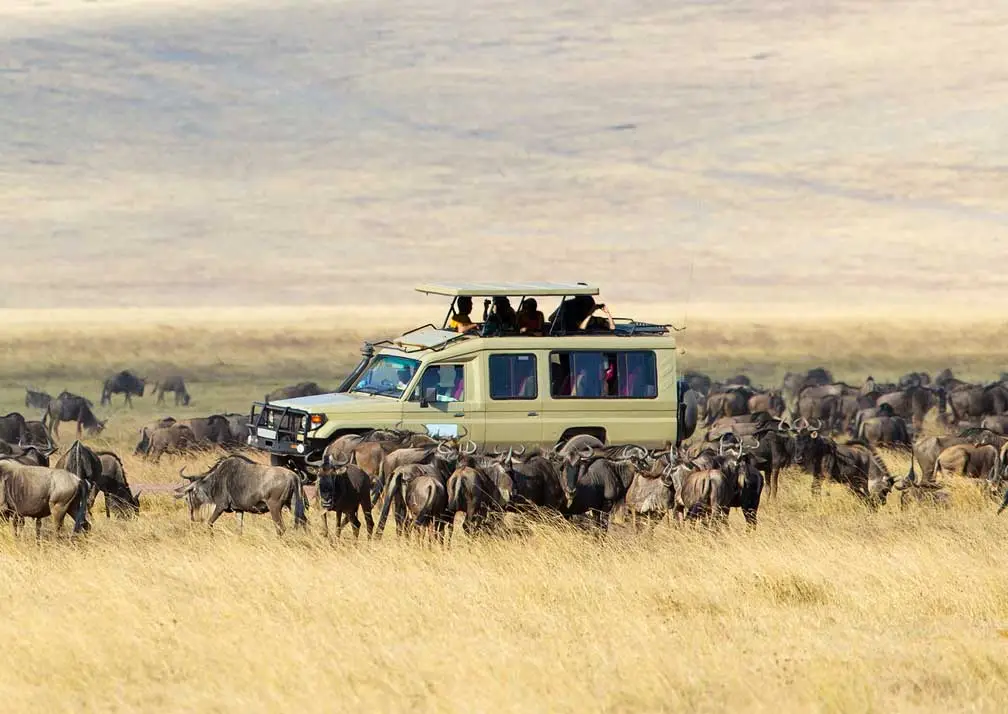
Great Migration Safaris
Experience one of nature's greatest spectacles with our Great Migration safari packages, timed for river crossings or calving.
View Package →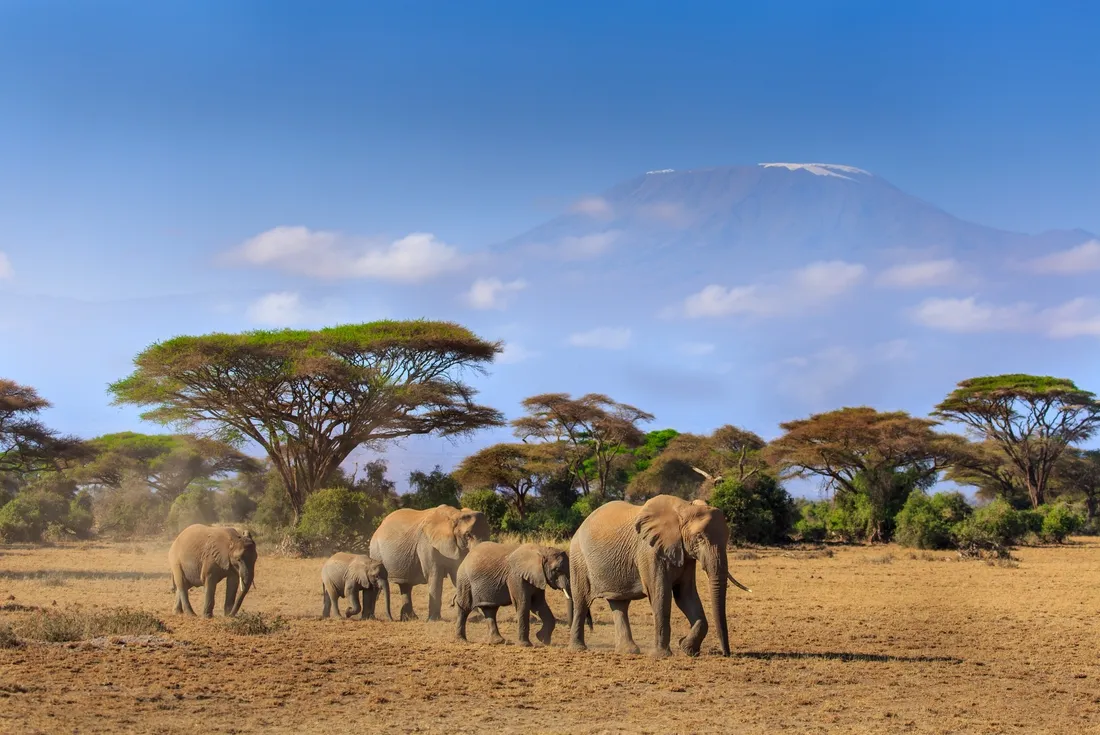
Serengeti & Kilimanjaro Trek
Combined safari and trekking tours offer wildlife adventures and Kilimanjaro climbs.
View Package →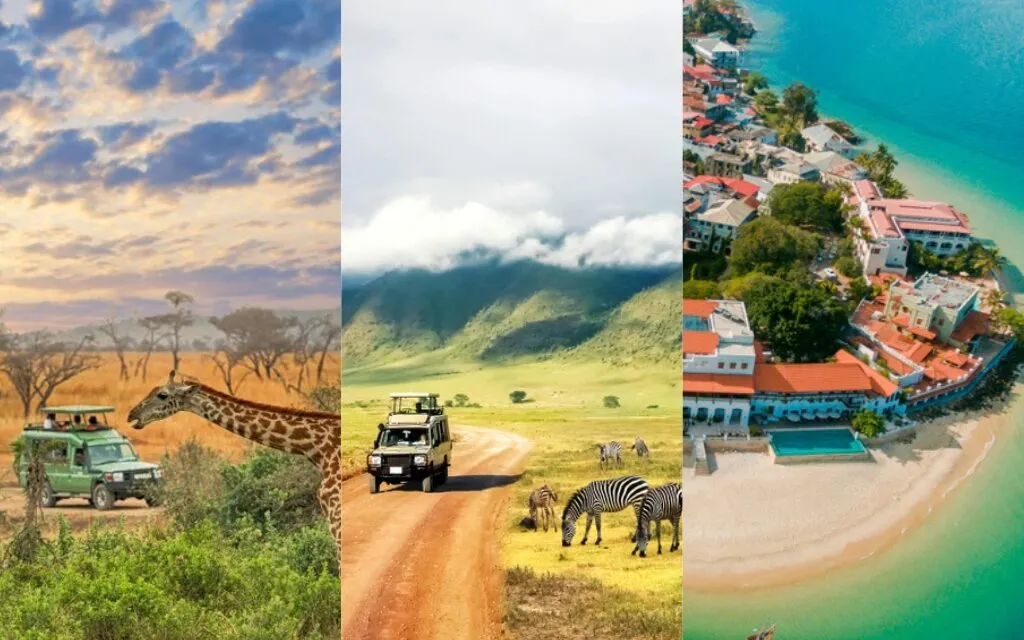
Serengeti & Zanzibar Tours
Luxury Tanzania safari & beach packages with the Great Migration and pristine beaches.
View Package →Related: Best Time to Visit Tanzania 2026 – Perfect safari extension after your Romania adventure.