
Most Complete Russia Travel Guide 2026-2027 – Everything You Need to Know Before Visiting
This Russia travel guide provides everything you need to plan your journey to the world’s largest country. Russia offers an extraordinary blend of European cities, Siberian wilderness, and rich cultural heritage spanning over a millennium. Many travelers who want to travel to Russia are surprised by the country's incredible diversity and depth – from onion-domed churches to Soviet monuments and vast taiga forests. The nation covers more than 17 million square kilometers across 11 time zones, making it not only the largest country on Earth but also one of the most varied, offering visitors everything from imperial palaces to Arctic tundra and the legendary Trans-Siberian Railway.
Start Reading the Full Guide ↓Quick Facts About Russia
- Capital: Moscow.
- Currency: Russian Ruble (RUB).
- Time Zone: 11 time zones (Moscow: UTC+3).
- International Calling Code: +7.
- Driving Side: Right.
- Major Airports: Sheremetyevo (SVO), Domodedovo (DME) – Moscow; Pulkovo (LED) – St. Petersburg.
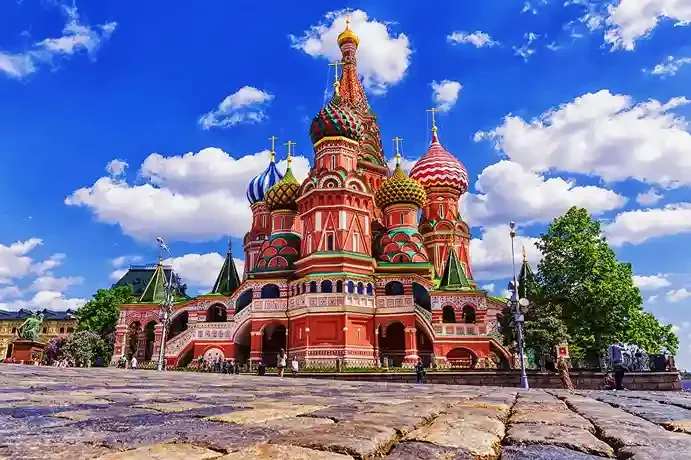
Russia Overview & Key Facts
Brief History of Russia
Russia's history spans over a thousand years, from Kievan Rus’ through the Tsardom, Imperial era, Soviet period to the modern Russian Federation. Moscow emerged as the center of power in the 15th century, followed by Peter the Great’s westernization and the Romanov dynasty. The 1917 Revolution led to the Soviet Union, which became a superpower before dissolving in 1991. This rich historical tapestry creates a fascinating backdrop for modern travelers exploring onion-domed cathedrals, imperial palaces, and Soviet monuments.
Independence & National Identity
- Current form established: December 25, 1991 (post-Soviet).
- Former status: Core of the Soviet Union.
- National symbols & identity.
Russia’s national identity centers on its vast territory, Orthodox Christian heritage, literary tradition, and resilience. The double-headed eagle and the red-blue-white tricolor flag symbolize the country’s history and ambitions.
Government System & Current Leadership
- Type of government: Federal semi-presidential republic
- Current president: Vladimir Putin
- Notes on political stability
Russia operates as a federal semi-presidential republic with a strong executive. President Vladimir Putin has led since 1999 (with one term as Prime Minister). Travelers should avoid political discussions and demonstrations.
Population, Ethnic Groups & Languages
- Population: 144 million (2025 estimate).
- Major ethnic groups: Russians (78%), Tatars, Ukrainians, Bashkir, Chuvash, Chechen, etc.
- Official language(s): Russian.
- Additional languages commonly spoken.
Russian is the sole official language nationwide, though many republics have co-official regional languages. English is increasingly spoken in Moscow, St. Petersburg and tourist areas.
Main Religions & Cultural Identity
Russian Orthodox Christianity is dominant (about 70%), followed by Islam (10%), Buddhism, Judaism and other faiths. Religion has experienced a strong revival since the Soviet era. Visitors should dress modestly in churches (headscarf and skirt for women, long trousers for men).
Geography & Natural Landscape
Russia spans 11 time zones with diverse zones: European plains, Ural Mountains, vast Siberian taiga, tundra, Lake Baikal (deepest lake on Earth), volcanoes in Kamchatka, and Arctic coast. Winters are severe, summers warm in the south and short in the north.
Economy & Tourism Highlights
Russia’s economy relies heavily on energy exports but is diversifying. Tourism has grown significantly with simplified e-visas and major events. The country offers world-class ballet, museums, and unique experiences like the Trans-Siberian Railway and winter festivals.
What Russia Is Known For
- UNESCO sites: Kremlin & Red Square, Hermitage, Lake Baikal, Kizhi Pogost, etc.
- Trans-Siberian Railway – longest railway in the world
- Rich literary and classical music heritage
Visa & Entry Requirements in Russia
Most international visitors require a visa to enter Russia. Since 2021 an e-visa (16 days) has been available for citizens of 55+ countries; longer stays require a traditional tourist visa with invitation.
Do You Need a Visa?
Yes for most nationalities. E-visa covers 55+ countries (EU, China, India, etc.); citizens of Belarus, South Ossetia and some others are exempt.
Visa Application Options in Russia
- E-visa (online, 16 days max)
- Traditional tourist visa (30 days, requires invitation/voucher)
- Transit, business, private visas
E-visa is simplest and fastest (4 days processing). Traditional visas need a tourist voucher from a registered Russian tour operator or hotel.
Passport Validity & Entry Documents
Passport must be valid 6 months beyond visa expiry with 2 blank pages. Migration card is issued on arrival (keep until departure).
Customs Rules & Prohibited Items
Currency over $10,000 must be declared. Antiques, art, and caviar over 250g require export permits. Drones require advance permission.
Safety & Security Information in Russia
Russia is generally safe in major tourist areas. Avoid North Caucasus and areas near Ukraine. Standard big-city precautions apply in Moscow and St. Petersburg.
Is Russia Safe for Tourists?
Yes in tourist cities and on standard routes (Moscow, St. Petersburg, Golden Ring, Trans-Siberian, Baikal). Petty crime exists but violent crime against tourists is rare.
Recommended Safety Tips when in Russia
Use licensed taxis or apps (Yandex Go, Uber), avoid political gatherings, register visa within 7 business days (hotels usually do it), keep passport copy, beware pickpockets on metro.
Safe Areas vs. Areas to Avoid in Russia
Safe: Moscow, St. Petersburg, Kazan, Golden Ring, Lake Baikal, Vladivostok. Avoid: North Caucasus republics, border areas with Ukraine.
Emergency Numbers & Tourist Police in Russia
- Police: 102
- Fire/Rescue: 101
- Ambulance: 103
- Tourist helpline (English): 8-800-200-34-11
Health Requirements & Vaccinations in Russia
No mandatory vaccinations except yellow fever if arriving from endemic countries. Tick-borne encephalitis vaccine recommended for forest visits in spring/summer.
Mandatory Vaccinations in Russia
Only yellow fever certificate if coming from risk countries.
Recommended Vaccinations in Russia
Hepatitis A, routine vaccines, tick-borne encephalitis (if hiking in taiga), rabies (rural areas).
Malaria & Other Risks
No malaria. Main risks: extreme cold in winter, ticks in summer, alcohol poisoning from counterfeit vodka.
Travel Insurance Recommendations in Russia
Highly recommended – must cover medical evacuation (very expensive from Siberia or Far East).
Best Time to Visit in Russia
May–September for pleasant weather; December–March for winter experiences and lower prices (except New Year).
Weather by Season
Spring (Apr–May): blooming, 5–20°C. Summer (Jun–Aug): warm, White Nights in St. Petersburg. Autumn (Sep–Oct): golden foliage, 5–15°C. Winter (Nov–Mar): snow, –5 to –30°C.
When to Visit Russia for Best Experiences
- White Nights & festivals: June–July
- Winter fairy tale & ice festivals: Jan–Feb
- Golden autumn colors: September
- Trans-Siberian: any time (summer easiest)
High Season vs. Low Season Travel
High season: June–August & New Year. Low season: November & March–April (cheaper, fewer crowds).
Weather & Climate Overview in Russia
Russia has dramatic continental climate: long cold winters, short hot summers in the south, polar conditions in the north.
Temperature Ranges
Moscow: –10°C winter to +25°C summer. Siberia can drop to –50°C. Sochi subtropical +10°C in winter.
Rainy & Dry Seasons in Russia
Most precipitation in summer (short heavy showers). Winter is dry snow.
What to Wear Based on the Weather
Layering is key. Winter: thermal underwear, down jacket, hat, gloves, good boots. Summer: light clothing + jacket for evenings.
Main Currency, Costs & Budgeting in Russia
Russian Ruble (RUB). Cards widely accepted in cities; cash needed outside.
Local Currency Information
Banknotes 100–5000 RUB. ATMs plentiful in cities.
Average Travel Costs in Russia
Budget $80–130/day, mid-range $150–280, luxury $400+ (especially Trans-Siberian private cabins).
Using ATMs, Cards & Mobile Money in Russia
Mir, Visa, Mastercard (some foreign cards blocked – bring cash backup). Apple/Google Pay work in cities.
Tipping Guidelines in Russia
10% in restaurants (often included as “service”), round up taxi fares, 100–300 RUB for guides.
Transportation & Getting Around in Russia
Excellent trains (including overnight), domestic flights, metro systems in big cities.
Airport Transfers
Aeroexpress trains in Moscow & St. Petersburg, Yandex Go taxis (cheaper than official airport taxis).
Local Transport Options in Russia
Metro (Moscow & St. Petersburg – beautiful stations), buses, marshrutka minibuses, Yandex Go/Uber.
Russia Domestic Flights
Frequent and inexpensive (Aeroflot, S7, Pobeda, Utair). Essential for long distances.
Car Rentals & Road Conditions in Russia
Possible but not recommended for foreigners outside cities (Cyrillic signs, aggressive driving, police stops).
Accommodation Options available in Russia
From hostels to luxury hotels, apartments, and unique Soviet-era sanatoriums.
Types of Accommodations in Russia
Hotels, hostels, apartments (very popular), mini-hotels, homestays, Trans-Siberian train cabins.
Budget vs. Mid-Range vs. Luxury
Budget $20–50, mid-range $60–150, luxury $200+ (Moscow & St. Petersburg most expensive).
Best Areas to Stay in Russia
Moscow: within Garden Ring. St. Petersburg: Nevsky Prospekt or Vasilyevsky Island.
Essential Packing Guide when Visiting Russia
Pack for extreme temperature swings, modest dress for churches, comfortable shoes for walking.
Clothing Essentials
Thermal layers, warm hat, scarf, gloves (winter), light jacket (summer), modest clothing for churches.
Footwear & Gear
Waterproof boots (winter), comfortable walking shoes, universal adapter (type C/F), power bank.
Electronics & Cameras
220V 50Hz, European plugs. No restrictions on photography except military objects.
Toiletries & Personal Items
Prescription meds with prescription copy, high-SPF sunscreen, mosquito repellent (summer taiga).
Language & Communication in Russia
Russian uses Cyrillic alphabet. English widely spoken in tourist areas.
Main Languages Spoken in Russia
Russian nationwide; English common in Moscow & St. Petersburg.
Useful Phrases for Tourists
Zdravstvuyte (hello), Spasibo (thank you), Pozhaluysta (please/you’re welcome), Ya ne govoryu po-russki (I don’t speak Russian).
SIM Cards & Mobile Data used in Russia
MTS, Beeline, Megafon, Tele2 – cheap tourist plans at airports.
Internet Availability & Wi-Fi in Russia
Free Wi-Fi in cafes, metro, parks. Some sites blocked (use VPN if needed).
Culture & Etiquette in Russia
Direct communication, respect for traditions, hospitality.
Russian Dress Code Expectations
Smart-casual in cities; modest in churches (headscarf & skirt for women).
Social Etiquette & Respectful Behavior of Russia
Remove shoes in homes, bring small gift if invited, toast properly with vodka, don’t smile at strangers (smiles are reserved).
Photography Rules in Russia
No photos of military/police, some museums prohibit, ask permission for people.
Important Cultural Dos & Don’ts in Russia
Do: accept hospitality, remove hat indoors. Don’t: put feet on furniture, whistle indoors, discuss politics.
Food, Water & Dining in Russia
Rich cuisine: borscht, pelmeni, blini, caviar, modern gastronomy scene in cities.
Russian Local Dishes to Try
Borscht, beef stroganoff, pelmeni, shashlik, Olivier salad, blini with caviar, medovik cake.
Dietary Options in Russia
Vegetarian options growing; vegan still limited outside big cities.
Drinking Water Safety
Bottled water recommended in most regions; Moscow & St. Petersburg tap water safe but locals boil it.
Restaurant Etiquette
Tipping 10% if service not included; many places add 10–15% service charge.
Top Attractions & Things to Do in Russia
From imperial palaces to Siberian wilderness and the world’s longest railway.
Major Tourist Attractions in Russia
- Red Square & Kremlin (Moscow)
- Hermitage & canals (St. Petersburg)
- Trans-Siberian Railway
- Lake Baikal
Moscow Metro stations are architectural masterpieces. St. Petersburg’s White Nights are unforgettable. The Golden Ring towns preserve ancient Russia.
Best Tours & Experiences in Russia
Trans-Siberian journey, banya experience, ballet at Bolshoi or Mariinsky, Baikal ice in winter, Kamchatka bears & volcanoes.
Family-Friendly Activities to do in Russia
Moscow Circus, VDNH park, Peterhof fountains, Sochi Olympic Park, Baikal seal watching.
Unique Cultural or Historical Sites to visit in Russia
Valaam & Kizhi wooden churches, Gulag museums, Catherine Palace amber room, Kazan Kremlin (UNESCO).
Russian Electrical System Information
220–240V, 50Hz, European type C/F plugs.
Plug Types & Voltage used in Russia
Type C (two round pins) and type F (Schuko). Most devices 110–240V work fine.
Charging Tips
Power banks essential on long train journeys; many trains have 220V sockets.
Local Laws & Regulations of Russia
Strict rules on registration, alcohol in public, photography of officials.
Rules Travelers Need to Know when In Russia
Visa registration within 7 business days (hotels do it), no public drinking, no propaganda laws affecting LGBTQ+ travelers.
Alcohol, Smoking & Substance Laws of Russia
No alcohol sales 11pm–10am, no drinking in public places, smoking banned indoors.
Restricted or Protected Areas in Russia.
Military zones, border areas, some nature reserves require permits.
Final Travel Tips for Visitors in Russia
Be prepared for bureaucracy, learn basic Cyrillic, carry cash backup, book trains early.
Common Mistakes to Avoid
Not registering visa, trying to see everything in one trip (Russia is huge), underestimating winter cold.
Tips to Save Money when Visiting Russia
Travel by platzkart (open carriage) on trains, eat at stolovaya canteens, use metro, visit free parks.
Safety & Comfort Tips
Use Yandex Go, keep hotel address written in Russian, have offline maps, dress warmly.
Frequently Asked Questions – Russia Travel Guide 2026-2027
Our Tanzania Tours Products
While Russia offers incredible history, culture and vast landscapes, many travelers combine it with the ultimate African wildlife experience in East Africa. Capable Africa Tours specializes in secure, guided safaris that maximize safety and wonder. Our expert local guides, armed rangers in parks, and vetted accommodations ensure peace of mind. From family-friendly lodges to luxury camps, we handle logistics so you focus on the magic. Tanzania ranks high for tourist safety with dedicated wildlife protection units and stable northern circuits.
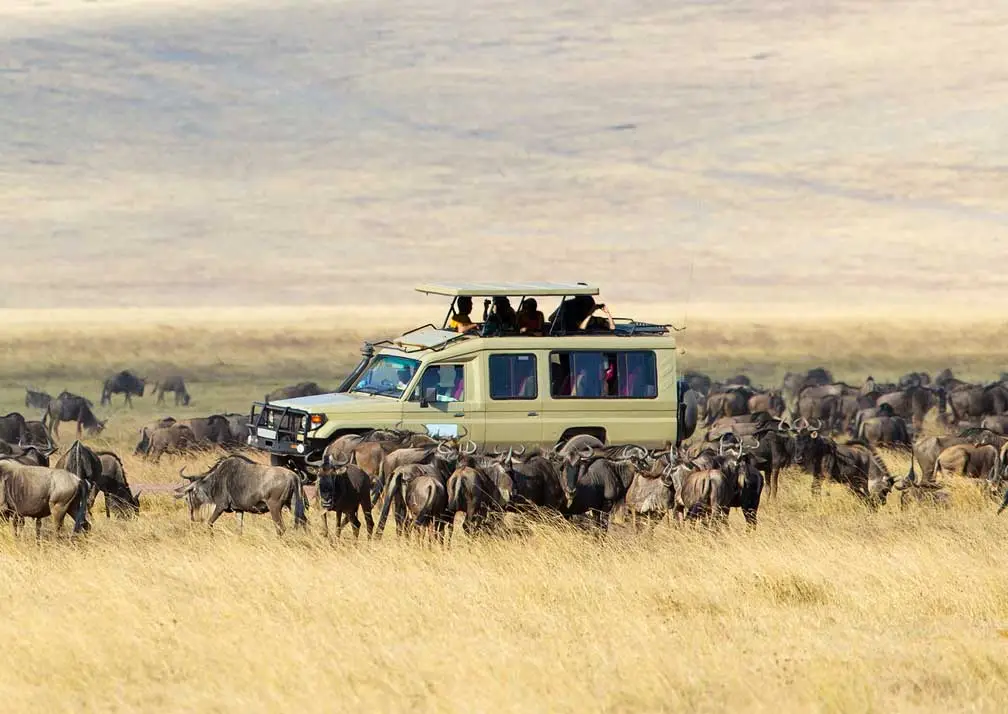
Great Migration Safaris
Experience one of nature's greatest spectacles with our Great Migration safari packages, timed for river crossings or calving.
View Package →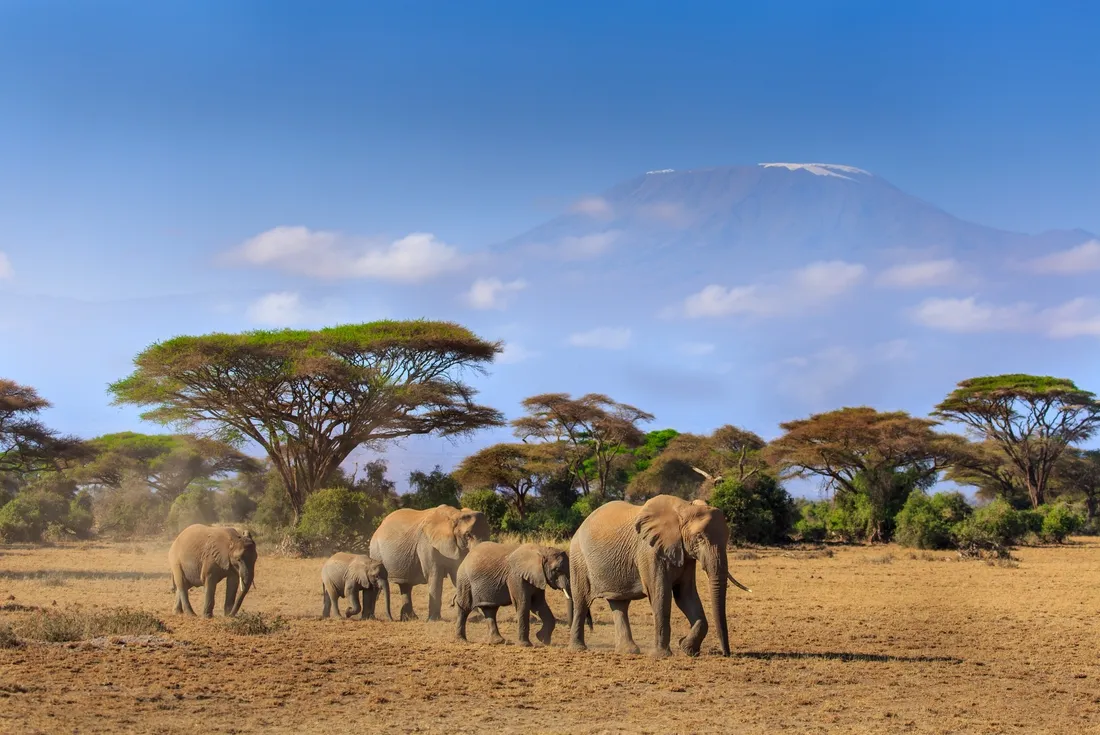
Serengeti & Kilimanjaro Trek
Combined safari and trekking tours offer wildlife adventures and Kilimanjaro climbs.
View Package →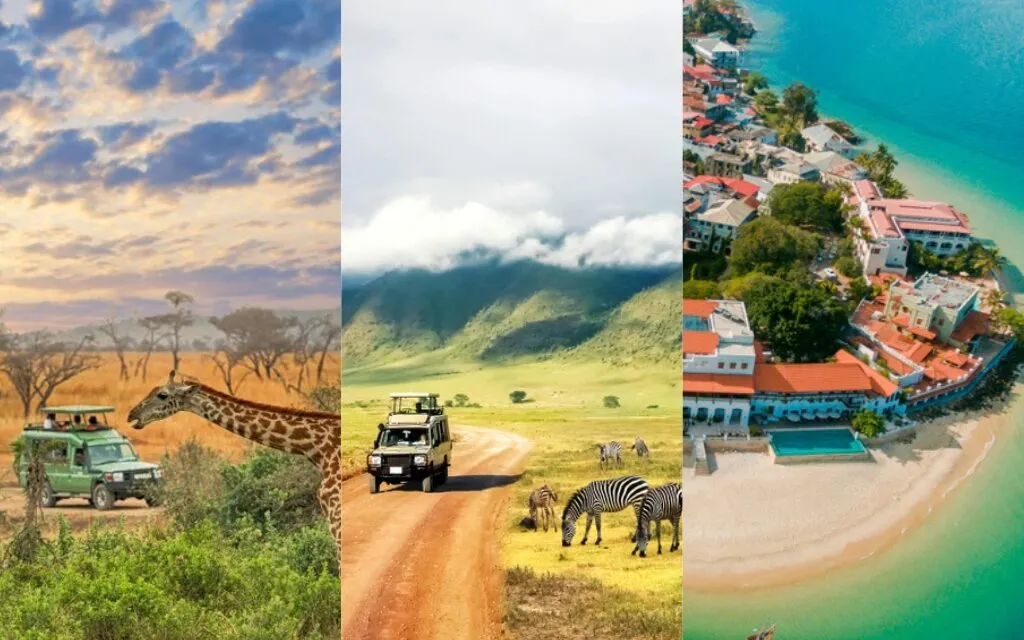
Serengeti & Zanzibar Tours
Luxury Tanzania safari & beach packages with the Great Migration and pristine beaches.
View Package →Related: Best Time to Visit Tanzania 2026 – Perfect safari extension after your Russia adventure.