
Most Complete Saint Kitts and Nevis Travel Guide 2026-2027 – Everything You Need to Know Before Visiting
This Saint Kitts and Nevis travel guide provides everything you need to plan your journey to the Caribbean's smallest sovereign nation. Saint Kitts and Nevis offers an extraordinary blend of pristine beaches, lush rainforests, historic plantations, and luxury resorts that create one of the Caribbean's most exclusive travel experiences. Many travelers who want to visit Saint Kitts and Nevis are surprised by the twin-island federation's incredible beauty and rich cultural heritage spanning indigenous Kalinago roots, colonial history, and modern Citizenship by Investment success. The nation covers just 261 square kilometers, making it the smallest country in the Americas by both area and population, yet offering visitors everything from volcanic peaks to coral reefs and world-class luxury resorts.
Start Reading the Full Guide ↓Quick Facts About Saint Kitts and Nevis
- Capital: Basseterre (on Saint Kitts).
- Currency: Eastern Caribbean Dollar (XCD).
- Time Zone: Atlantic Standard Time (AST, UTC-4).
- International Calling Code: +1-869.
- Driving Side: Left.
- Major Airports: Robert Llewellyn Bradshaw International (SKB) on St Kitts, Vance W. Amory International (NEV) on Nevis.
Saint Kitts and Nevis Overview & Key Facts
Brief History of Saint Kitts and Nevis
Saint Kitts and Nevis history spans millennia, from Kalinago indigenous presence through European colonization to modern independence. Christopher Columbus sighted the islands in 1493, with British settlement beginning in 1623 and French rivalry shaping early history. The islands became known as the “Mother Colony of the West Indies” due to their role as a base for British expansion. This rich historical tapestry creates a fascinating backdrop for modern travelers exploring the country's plantations, fortresses, and cultural sites.
Independence & National Identity
- Independence date: September 19, 1983.
- Former colonial power: United Kingdom.
- National symbols & identity.
Saint Kitts and Nevis gained independence as a constitutional monarchy within the Commonwealth, with King Charles III as head of state. The national flag features green for fertile land, yellow for sunshine, red for the independence struggle, black for African heritage, and white stars representing the two islands. The country maintains strong British cultural influences while celebrating its African and Caribbean identity.
Government System & Current Leadership
- Type of government: Parliamentary democracy and federal constitutional monarchy
- Current prime minister: Terrance Drew (since 2022)
- Notes on political stability
Saint Kitts and Nevis operates as a stable parliamentary democracy. The Citizenship by Investment program, launched in 1984, is the oldest and most respected in the world and has transformed the economy. The country enjoys peaceful politics and strong international relations.
Population, Ethnic Groups & Languages
- Population: 48,000 (2025 projection).
- Major ethnic groups: African descent (92.5%), mixed (3%), white (2.1%).
- Official language(s): English.
- Additional languages commonly spoken.
English is the sole official language, with a distinctive Creole English spoken informally. The population is predominantly of African descent from the era of sugar plantations. Small communities of British, Portuguese, and Lebanese descendants exist, along with a growing expatriate community attracted by the Citizenship by Investment program.
Main Religions & Cultural Identity
Christianity dominates, with Anglican, Methodist, and Catholic denominations most common. Small Hindu and Muslim communities exist. Cultural identity blends African traditions, British colonial heritage, and Caribbean vibrancy. Festivals like Carnival showcase music, dance, and colorful costumes, while cricket remains a national passion.
Geography & Natural Landscape
The twin-island nation features volcanic origins with lush mountains, rainforests, and coral-fringed beaches. St Kitts is dominated by Mount Liamuiga (1,156 m), while Nevis features the iconic Nevis Peak (985 m). Both islands have central rainforest reserves, black and white sand beaches, and extensive coral reefs perfect for diving and snorkeling.
Economy & Tourism Highlights
The economy relies heavily on tourism and the Citizenship by Investment program. Luxury resorts, historic sites, and natural beauty attract high-end visitors. The country promotes itself as “The Hidden Gem of the Caribbean” with exclusive resorts like Four Seasons Nevis and Park Hyatt St Kitts drawing celebrity and luxury travelers.
What Saint Kitts and Nevis Is Known For
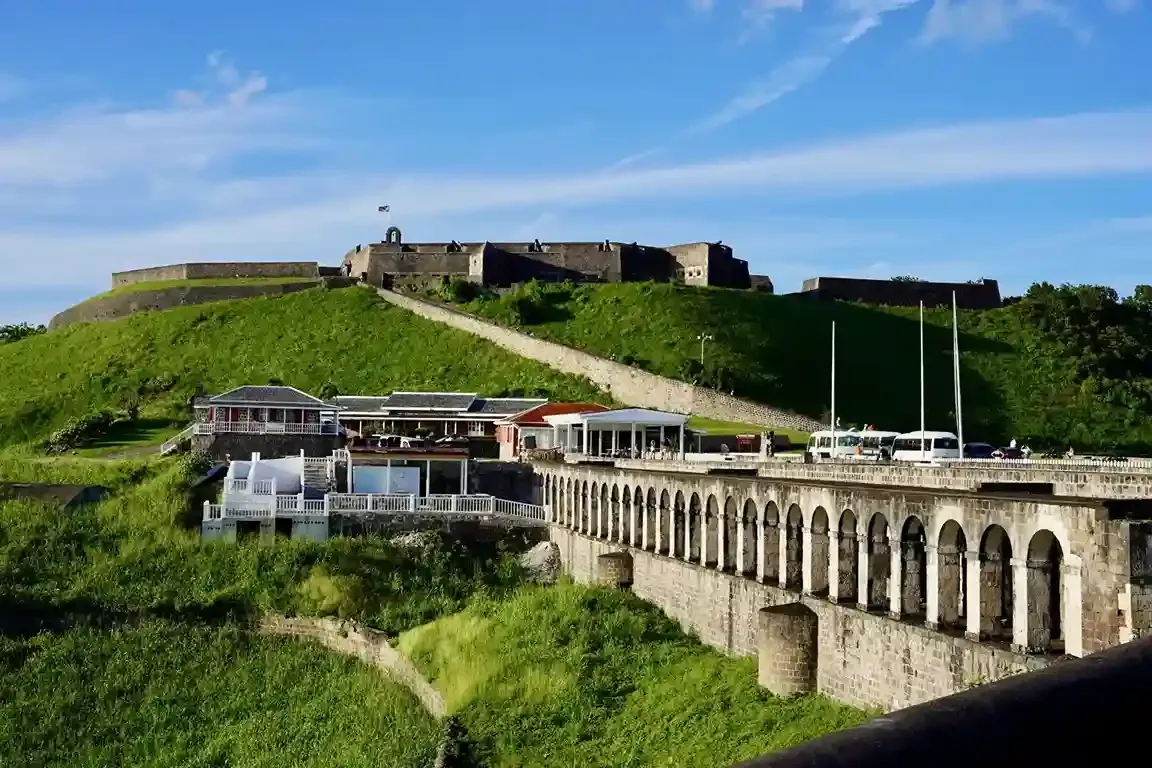
- Brimstone Hill Fortress National Park (UNESCO World Heritage)
- World’s oldest Citizenship by Investment program (since 1984)
- Pristine beaches and luxury resorts
Visa & Entry Requirements in Saint Kitts and Nevis
Most international visitors enjoy visa-free entry to Saint Kitts and Nevis for tourism or business stays up to six months. The country maintains one of the most visitor-friendly entry policies in the Caribbean. Travelers need only a valid passport, return/onward ticket, proof of accommodation, and sufficient funds.
Do You Need a Visa?
Citizens of over 150 countries (including USA, UK, EU, Canada, Australia, most Caribbean nations) enjoy visa-free entry for up to 6 months. A small number of nationalities require visas obtained in advance. Always check current requirements before travel.
Visa Application Options in Saint Kitts and Nevis
- Visa-free entry (most nationalities)
- Visa on arrival (limited nationalities)
- Pre-arranged visa for restricted nationalities
The Citizenship by Investment program offers a separate pathway for those seeking residency or citizenship through investment (minimum US$250,000 donation or real estate purchase).
Passport Validity & Entry Documents
Passport must be valid for at least 6 months beyond intended stay. Required documents include return/onward ticket, confirmed accommodation, and proof of sufficient funds (typically credit card or bank statement). Immigration officers may request these documents.
Customs Rules & Prohibited Items
Standard Caribbean customs apply. Duty-free allowance: 200 cigarettes, 1 liter spirits, reasonable personal effects. Prohibited items include firearms without permit, narcotics, and camouflage clothing. Declare large amounts of currency (over US$10,000).
Safety & Security Information in Saint Kitts and Nevis
Saint Kitts and Nevis is considered one of the safest destinations in the Caribbean with low violent crime rates and stable politics. The Royal St Christopher and Nevis Police Force maintains strong tourist security presence.
Is Saint Kitts and Nevis Safe for Tourists?
Yes – consistently ranked among the safest Caribbean nations. Most visits are trouble-free. Petty crime (bag snatching, pickpocketing) occurs but is rare in tourist areas. Resorts and beaches have excellent security.
Recommended Safety Tips when in Saint Kitts and Nevis
Use hotel safes for valuables, avoid isolated beaches at night, and don’t leave belongings unattended. Mosquito repellent is recommended, especially after rainfall. Standard travel precautions apply – no special measures required beyond common sense.
Safe Areas vs. Areas to Avoid in Saint Kitts and Nevis
All tourist areas are safe. Basseterre has some higher-crime neighborhoods best avoided at night, but tourist zones (Frigate Bay, Southeast Peninsula, Nevis) are very safe day and night.
Emergency Numbers & Tourist Police in Saint Kitts and Nevis
- Police/Fire/Ambulance: 911
- Non-emergency police: +1 869-465-2241
- Tourist police units operate in major resorts
English-speaking police are professional and helpful to tourists.
Health Requirements & Vaccinations in Saint Kitts and Nevis
No mandatory vaccinations required except for travelers arriving from yellow fever endemic countries. Healthcare is good with modern hospitals and English-speaking doctors.
Mandatory Vaccinations in Saint Kitts and Nevis
None for most travelers. Yellow fever certificate required if arriving from endemic countries within 6 days.
Recommended Vaccinations in Saint Kitts and Nevis
Routine vaccines (MMR, diphtheria-tetanus-pertussis, etc.). Hepatitis A and typhoid recommended for extended stays. COVID vaccination status may affect cruise ship policies.
Malaria & Other Risks
No malaria risk. Dengue and Zika exist – use mosquito repellent. Sun protection essential due to high UV index.
Travel Insurance Recommendations in Saint Kitts and Nevis
Highly recommended covering medical evacuation (nearest decompression chamber in Barbados). Ensure coverage for water sports and adventure activities.
Best Time to Visit in Saint Kitts and Nevis
December to April offers perfect weather (25–29°C) and is peak season. May to November brings higher rainfall but excellent deals and fewer crowds.
Weather by Season
Dry season (Dec–Apr): sunny, low humidity. Wet season (May–Nov): afternoon showers, higher humidity. Hurricane season officially June–November but risk is low.
When to Visit Saint Kitts and Nevis for Best Experiences
- Carnival (Dec–Jan) for cultural festivals
- February–April for whale watching
- May–June for best value luxury stays
- July–October for lowest rates
Diving visibility best December–April.
High Season vs. Low Season Travel
High season (Dec–Apr): perfect weather, highest prices, everything open. Low season (May–Nov): 30–60% lower rates, occasional rain, some restaurants close for summer.
Weather & Climate Overview in Saint Kitts and Nevis
Tropical maritime climate with consistent temperatures year-round and cooling trade winds.
Temperature Ranges
Daytime: 28–32°C (82–90°F) year-round. Nighttime: 23–26°C (73–79°F). Water temperature: 26–29°C.
Rainy & Dry Seasons in Saint Kitts and Nevis
Dry season Dec–Apr (minimal rain). Wet season May–Nov (short afternoon showers). Hurricane season June–November but direct hits rare.
What to Wear Based on the Weather
Light cotton clothing, swimsuits, sun protection, light rain jacket May–Nov. Smart-casual for evenings. Beachwear acceptable at resorts.
Main Currency, Costs & Budgeting in Saint Kitts and Nevis
Eastern Caribbean Dollar (XCD) is official currency but US dollars accepted everywhere (fixed rate US$1 = XCD$2.70).
Local Currency Information
EC dollars in denominations of 5, 10, 20, 50, 100. US dollars widely used in tourist areas. Credit cards accepted at resorts and larger establishments.
Average Travel Costs in Saint Kitts and Nevis
Budget travelers: $120–200/day (guesthouses, local food). Mid-range: $250–450/day (4-star hotels). Luxury: $600–1500+/day (Four Seasons, Park Hyatt, private villas).
Using ATMs, Cards & Mobile Money in Saint Kitts and Nevis
ATMs widely available. Visa/Mastercard accepted at resorts and larger restaurants. American Express less common. Contactless payments growing.
Tipping Guidelines in Saint Kitts and Nevis
10–15% at restaurants (check if service added). Hotel staff $2–5/bag. Taxi drivers 10% appreciated but not expected.
Transportation & Getting Around in Saint Kitts and Nevis
Taxis, rental cars, and ferries between islands are main options. Public buses exist but are informal.
Airport Transfers
Taxis from SKB airport to most resorts $20–60. Private transfers arranged by hotels. No Uber/Lyft.
Local Transport Options in Saint Kitts and Nevis
Licensed taxis (with “T” plates), rental cars (left-side driving), private drivers. Ferries between St Kitts and Nevis (30–45 min, $10–20).
Saint Kitts and Nevis Domestic Flights
Short flights available between islands (10 minutes) but ferry more common and scenic.
Car Rentals & Road Conditions in Saint Kitts and Nevis
Rental cars widely available ($45–80/day). Roads good on main routes, narrower in rural areas. International driving permit recommended.
Accommodation Options available in Saint Kitts and Nevis
Range from luxury resorts to boutique hotels and villas. Nevis more exclusive, St Kitts more diverse.
Types of Accommodations in Saint Kitts and Nevis
Luxury resorts (Four Seasons, Park Hyatt), boutique plantation inns, private villas, guesthouses.
Budget vs. Mid-Range vs. Luxury
Budget ($80–150/night), mid-range ($200–400), luxury ($500–3000+/night).
Best Areas to Stay in Saint Kitts and Nevis
Frigate Bay and Southeast Peninsula (St Kitts), Pinney’s Beach and Charlestown (Nevis).
Essential Packing Guide when Visiting Saint Kitts and Nevis
Pack light for tropical climate with focus on sun protection and water activities.
Clothing Essentials
Swimsuits, cover-ups, light clothing, sun hats, evening wear for restaurants.
Footwear & Gear
Flip-flops, water shoes, hiking shoes for rainforest trails.
Electronics & Cameras
Waterproof phone case, GoPro for snorkeling, universal adapter (UK/US plugs).
Toiletries & Personal Items
High SPF sunscreen (expensive locally), insect repellent, reef-safe products.
Language & Communication in Saint Kitts and Nevis
English is the official language – no language barrier for English speakers.
Main Languages Spoken in Saint Kitts and Nevis
English (official), Creole English (informal).
Useful Phrases for Tourists
“Good morning”, “Liming” (relaxing), “Wah gwan?” (what’s up?).
SIM Cards & Mobile Data used in Saint Kitts and Nevis
Digicel and Flow at airport and shops. Good coverage.
Internet Availability & Wi-Fi in Saint Kitts and Nevis
Excellent Wi-Fi in resorts and restaurants. Fast fiber internet.
Culture & Etiquette in Saint Kitts and Nevis
Relaxed Caribbean culture with British influences. Friendly and welcoming.
Saint Kitts and Nevis Dress Code Expectations
Beachwear at resorts, cover up in towns and when visiting churches.
Social Etiquette & Respectful Behavior of Saint Kitts and Nevis
Greetings important (“Good morning/afternoon”). Remove hats indoors.
Photography Rules in Saint Kitts and Nevis
Ask permission before photographing people. No restrictions on landscapes.
Important Cultural Dos & Don’ts in Saint Kitts and Nevis
Do: greet people, accept hospitality. Don’t: rush, be overly loud in quiet areas.
Food, Water & Dining in Saint Kitts and Nevis
Caribbean fusion cuisine with fresh seafood and local ingredients.
Saint Kitts and Nevis Local Dishes to Try
Conch fritters, goat water stew, johnny cakes, fresh lobster, rum punch.
Dietary Options in Saint Kitts and Nevis
Excellent seafood, vegetarian options available, vegan limited but growing.
Drinking Water Safety
Tap water safe to drink throughout the country.
Restaurant Etiquette
Reservations recommended for high-end restaurants. Service charge often included.
Top Attractions & Things to Do in Saint Kitts and Nevis
Beaches, historic sites, rainforest hikes, and water sports dominate activities.
Major Tourist Attractions in Saint Kitts and Nevis
- Brimstone Hill Fortress (UNESCO)
- Pinney’s Beach (Nevis)
- Mount Liamuiga hike
- Nevis Peak hike
Brimstone Hill is one of the best-preserved fortifications in the Americas. Pinney’s Beach offers 4 miles of golden sand with beach bars.
Best Tours & Experiences in Saint Kitts and Nevis
Catamaran cruises, rainforest hikes, rum distillery tours, scuba diving, golf.
Family-Friendly Activities to do in Saint Kitts and Nevis
Beaches, snorkeling, turtle watching, zip-lining, easy rainforest walks.
Unique Cultural or Historical Sites to visit in Saint Kitts and Nevis
Plantation house tours, Caribelle Batik, St Kitts Scenic Railway, Nevis Botanical Gardens.
Saint Kitts and Nevis Electrical System Information
230V, 60Hz with US (Type A/B) and UK (Type G) plugs common.
Plug Types & Voltage used in Saint Kitts and Nevis
230V, 60Hz. Types A, B, and G plugs. Most resorts provide adapters.
Charging Tips
Bring universal adapter. Power reliable throughout both islands.
Local Laws & Regulations of Saint Kitts and Nevis
Standard Caribbean laws. Respectful behavior expected.
Rules Travelers Need to Know when In Saint Kitts and Nevis
No public marijuana use (decriminalized for small amounts but not legal). Same-sex relations legal since 2022.
Alcohol, Smoking & Substance Laws of Saint Kitts and Nevis
Drinking age 18. Public drinking allowed. Marijuana decriminalized for personal use (up to 15g).
Restricted or Protected Areas in Saint Kitts and Nevis.
Central Forest Reserve requires permits/guides for hiking.
Final Travel Tips for Visitors in Saint Kitts and Nevis
Book accommodations early in high season. Island-hop between St Kitts and Nevis. Try local food at beach shacks.
Common Mistakes to Avoid
Assuming everything is walking distance. Forgetting reef-safe sunscreen. Not bringing mosquito repellent.
Tips to Save Money when Visiting Saint Kitts and Nevis
Travel May–November, eat at local cookshops, use public ferries, stay in guesthouses.
Safety & Comfort Tips
Use licensed taxis, drink bottled water if unsure, wear reef-safe sunscreen.
Frequently Asked Questions – Saint Kitts and Nevis Travel Guide 2026-2027
Our Tanzania Tours Products
While Saint Kitts and Nevis offers pristine Caribbean beaches and luxury resorts, many travelers combine the Caribbean with the ultimate wildlife experience in East Africa. Capable Africa Tours specializes in secure, guided safaris that maximize safety and wonder. Our expert local guides, armed rangers in parks, and vetted accommodations ensure peace of mind. From family-friendly lodges to luxury camps, we handle logistics so you focus on the magic. Tanzania ranks high for tourist safety with dedicated wildlife protection units and stable northern circuits.
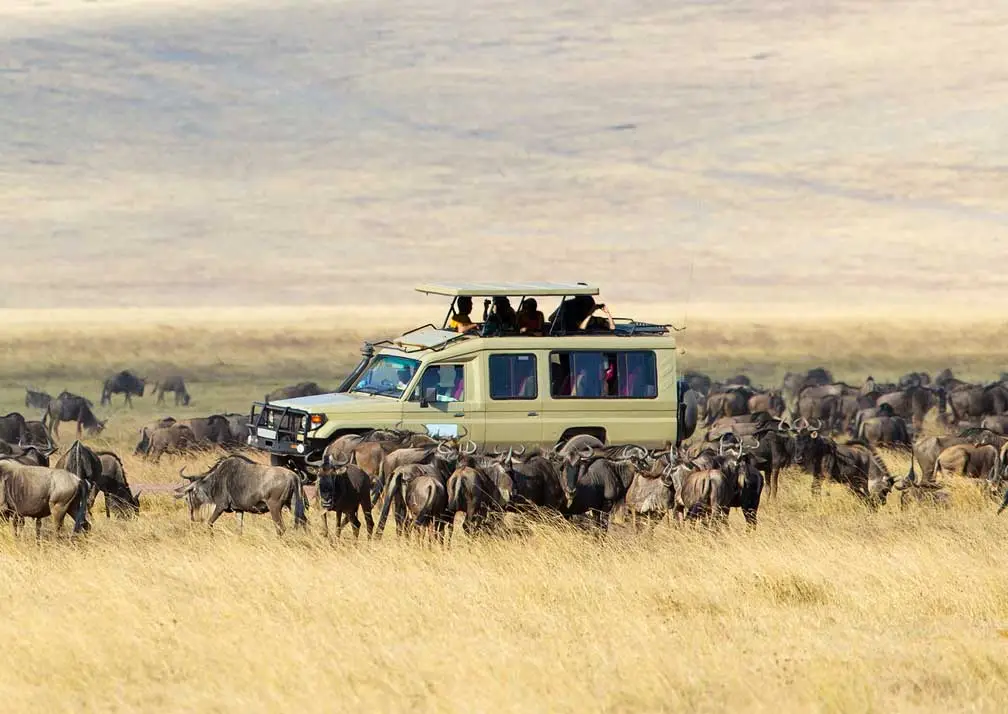
Great Migration Safaris
Experience one of nature's greatest spectacles with our Great Migration safari packages, timed for river crossings or calving.
View Package →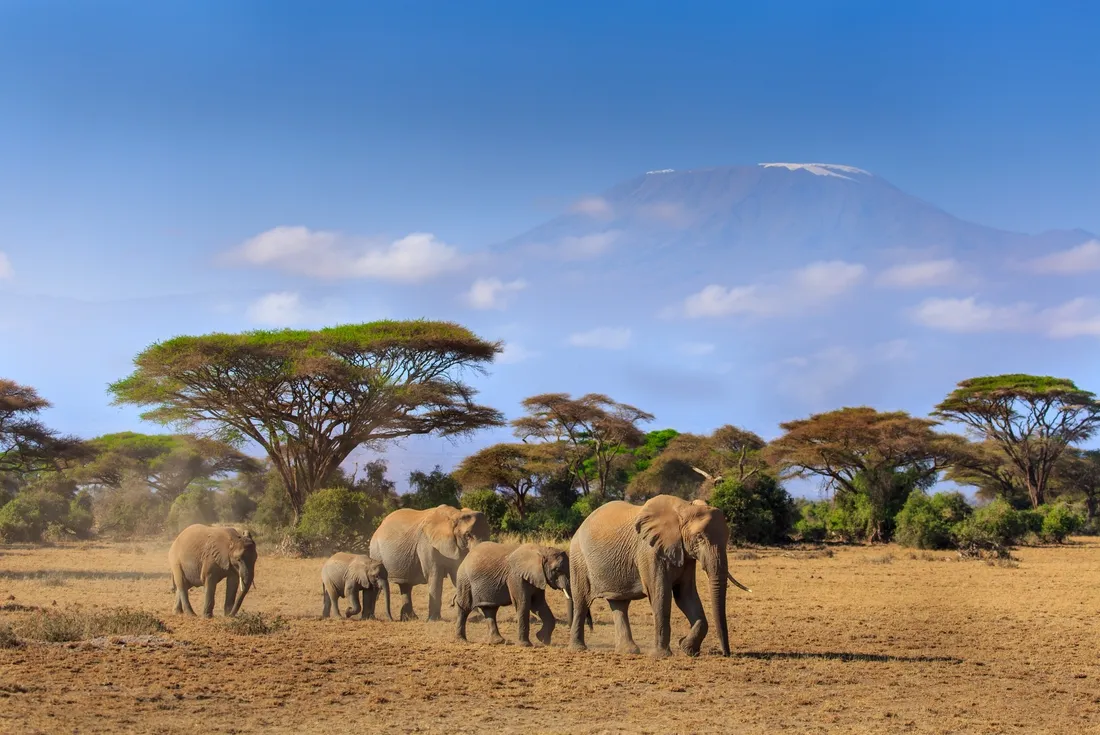
Serengeti & Kilimanjaro Trek
Combined safari and trekking tours offer wildlife adventures and Kilimanjaro climbs.
View Package →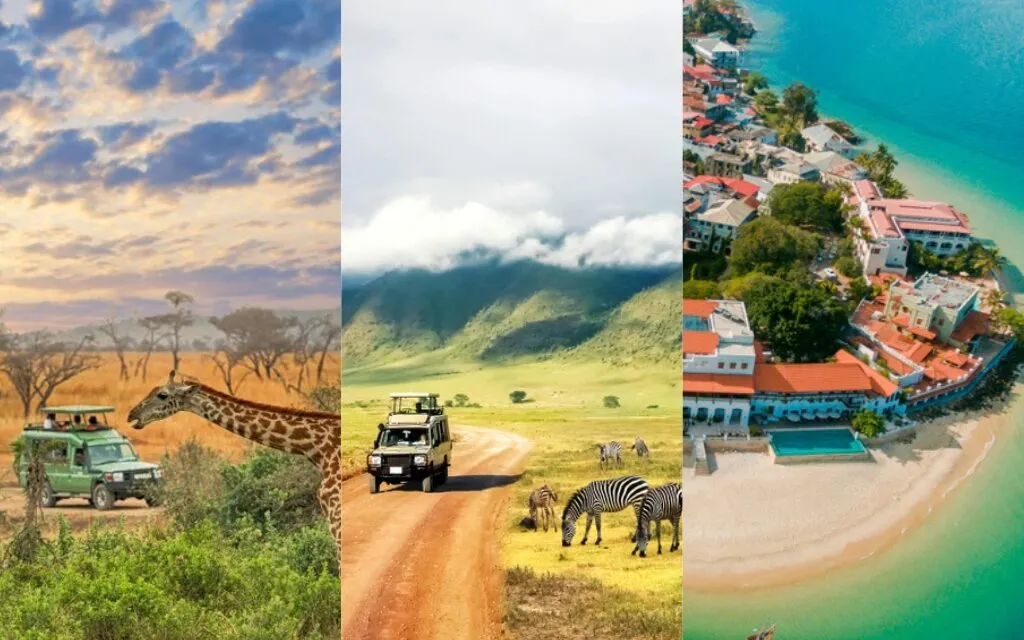
Serengeti & Zanzibar Tours
Luxury Tanzania safari & beach packages with the Great Migration and pristine beaches.
View Package →Related: Best Time to Visit Tanzania 2026 – Perfect safari extension after your Saint Kitts and Nevis adventure.