
Most Complete Saint Lucia Travel Guide 2026-2027 – Everything You Need to Know Before Visiting
This Saint Lucia travel guide provides everything you need to plan your journey to one of the Caribbean's most beautiful islands. Saint Lucia offers an extraordinary blend of dramatic volcanic peaks, lush rainforests, and pristine beaches that create one of the region’s most romantic and adventurous destinations. Many travelers who want to travel to Saint Lucia are captivated by the iconic Pitons, world-class diving, luxurious resorts, and vibrant Creole culture. Covering just 616 square kilometers, this small island punches far above its weight with two Nobel laureates, the world’s only drive-in volcano, and some of the Caribbean’s most dramatic scenery.
Start Reading the Full Guide ↓Quick Facts About Saint Lucia
- Capital: Castries.
- Currency: Eastern Caribbean Dollar (XCD).
- Time Zone: Atlantic Standard Time (AST, UTC-4).
- International Calling Code: +1 758.
- Driving Side: Left.
- Major Airports: Hewanorra International (UVF), George F.L. Charles (SLU).
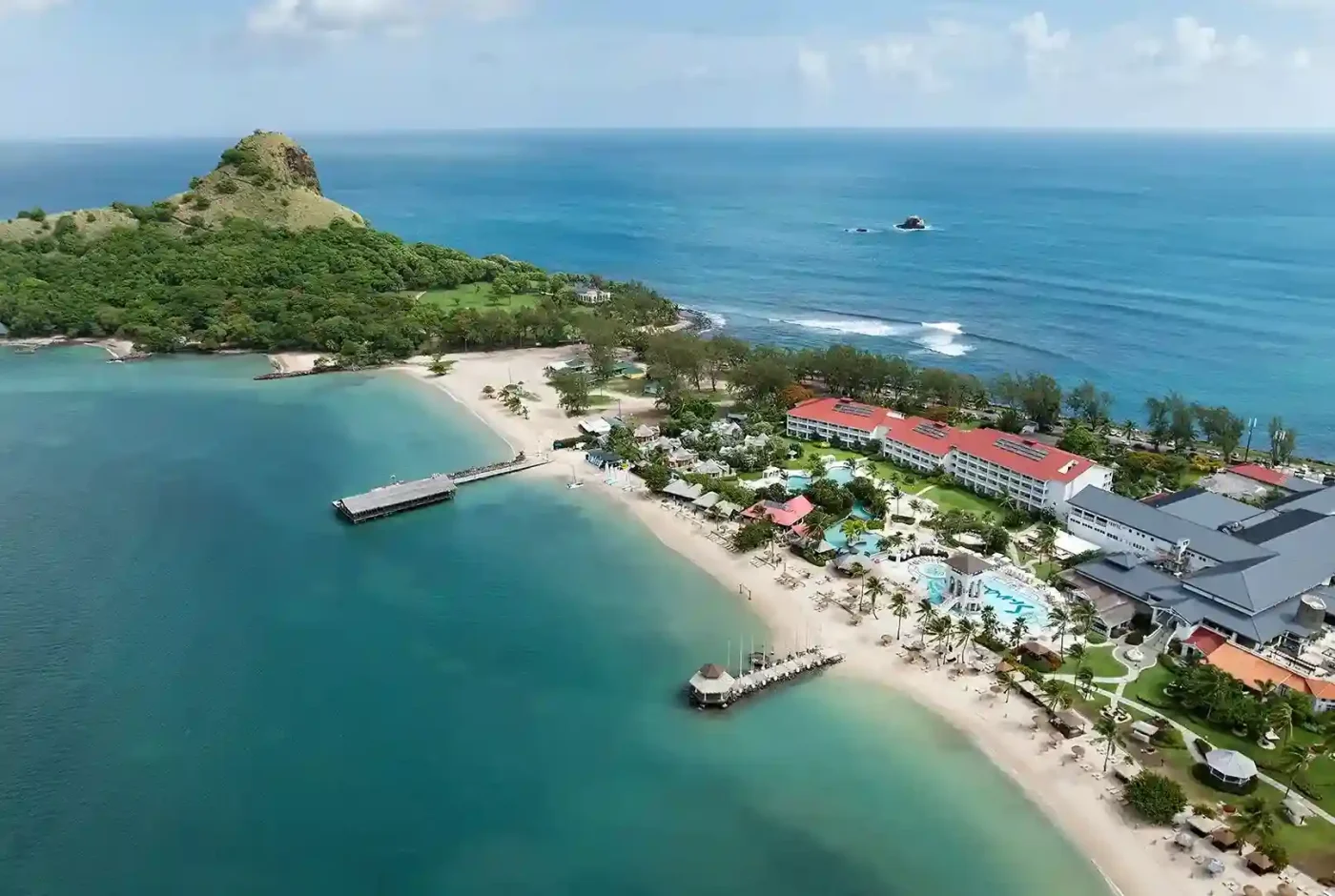
Saint Lucia Overview & Key Facts
Brief History of Saint Lucia
Saint Lucia’s history spans from Arawak and Carib indigenous peoples through intense European rivalry to independence. Contested 14 times between Britain and France (changing hands seven times each), the island earned the nickname “Helen of the West.” The blend of French and British influences remains evident in place names, cuisine, and festivals. This rich historical tapestry creates a fascinating backdrop for modern travelers exploring colonial forts, plantation estates, and vibrant Creole culture.
Independence & National Identity
- Independence date: February 22, 1979.
- Former colonial power: United Kingdom (after French periods).
- National symbols & identity.
Saint Lucia gained independence from Britain in 1979 while remaining a Commonwealth realm. The flag’s blue represents the sea, gold the sunshine, black and white the races living in harmony, and the twin Pitons symbolize hope. The island proudly celebrates its two Nobel Prize winners – economist Sir Arthur Lewis and poet/playwright Derek Walcott.
Government System & Current Leadership
- Type of government: Parliamentary democracy & constitutional monarchy
- Current prime minister: Philip J. Pierre (since July 2021)
- Notes on political stability
Saint Lucia enjoys stable democratic governance with peaceful transitions of power. Tourism and citizenship-by-investment programs drive economic growth.
Population, Ethnic Groups & Languages
- Population: ~185,000 (2025 estimate).
- Major ethnic groups: African descent (85%), mixed (11%), East Indian (3%).
- Official language(s): English.
- Additional languages commonly spoken.
Saint Lucian Kwéyòl (Creole) is spoken by over 90% of the population. French influences remain strong in vocabulary and place names.
Main Religions & Cultural Identity
Roman Catholicism dominates (61%), followed by Protestant denominations. The island’s vibrant Creole culture blends African, French, British, and Carib influences, most visible during the world-famous Saint Lucia Jazz Festival and La Rose/La Marguerite flower festivals.
Geography & Natural Landscape
Saint Lucia is volcanic with dramatic mountainous terrain, lush rainforests, and stunning beaches. The iconic twin Pitons (Gros Piton and Petit Piton) are UNESCO World Heritage sites. The Qualibou volcano features the world’s only drive-in volcano with bubbling sulphur springs.
Economy & Tourism Highlights
Tourism is the main economic driver, followed by banana exports and citizenship-by-investment. The island consistently ranks among the Caribbean’s top honeymoon and luxury destinations.
What Saint Lucia Is Known For
- UNESCO-listed Pitons and Sulphur Springs
- World-class luxury resorts and honeymoon destination
- Drive-in volcano and therapeutic mud baths
Visa & Entry Requirements in Saint Lucia
Most international visitors enjoy visa-free entry or visa-on-arrival. A valid passport, return/onward ticket, and proof of accommodation/funds are typically required.
Do You Need a Visa?
Citizens of the US, Canada, UK, EU, Australia, New Zealand, CARICOM and most Commonwealth countries get visa-free entry for 6 weeks to 3 months. Others receive visa-on-arrival or must apply in advance.
Visa Application Options in Saint Lucia
- Visa-free entry (most Western countries)
- Visa on arrival (many African/Asian countries)
- e-Visa for restricted nationalities
Passport Validity & Entry Documents
Passport valid for 6 months beyond stay, return ticket, proof of accommodation and sufficient funds required.
Customs Rules & Prohibited Items
Standard Caribbean restrictions. Duty-free allowance: 200 cigarettes, 1 liter spirits, reasonable personal goods. Fruits/vegetables require declaration.
Safety & Security Information in Saint Lucia
Saint Lucia is one of the safest Caribbean destinations. Most visits are trouble-free. Petty crime occurs in tourist areas; violent crime against visitors is rare.
Is Saint Lucia Safe for Tourists?
Yes – US, UK, Canada all rate Level 1 (exercise normal precautions). Resorts and tourist areas have excellent security.
Recommended Safety Tips when in Saint Lucia
Use licensed taxis, avoid isolated beaches after dark, don’t leave valuables unattended, use hotel safes, and avoid flashing expensive items.
Safe Areas vs. Areas to Avoid in Saint Lucia
Rodney Bay, Soufrière, Castries, and resort areas are very safe. Some urban neighborhoods in Castries have higher crime – normal precautions apply.
Emergency Numbers & Tourist Police in Saint Lucia
- Police/Emergency: 999 or 911.
- Fire: 911.
- Medical Emergency: 911.
- Tourist Police: Present in major tourist areas.
Health Requirements & Vaccinations in Saint Lucia
No mandatory vaccinations for most travelers. Standard Caribbean health precautions apply.
Mandatory Vaccinations in Saint Lucia
None unless arriving from Yellow Fever zone (South America/Africa).
Recommended Vaccinations in Saint Lucia
Hepatitis A, Typhoid, routine vaccines. Consider Hepatitis B and Rabies for extended stays.
Malaria & Other Risks
No malaria. Mosquito-borne diseases (dengue, chikungunya, Zika) possible – use repellent.
Travel Insurance Recommendations in Saint Lucia
Highly recommended – covers medical evacuation (very expensive from island), trip cancellation, and activities (diving, hiking Pitons).
Best Time to Visit in Saint Lucia
Dry season (December–April) offers perfect weather but highest prices. Shoulder seasons (May–June, November) provide excellent value.
Weather by Season
Dry season: 25–30°C, low humidity. Wet season: warmer with brief showers (usually afternoons).
When to Visit Saint Lucia for Best Experiences
- Honeymoon/romance: December–April
- Budget travel: May–June, November
- Jazz Festival: May
- Carnival: July
High Season vs. Low Season Travel
High season (Dec–Apr): perfect weather, highest prices, fully booked resorts. Low season (Jun–Nov): 30–50% savings, occasional rain, fewer crowds.
Weather & Climate Overview in Saint Lucia
Tropical climate with consistent temperatures year-round. Trade winds keep humidity comfortable.
Temperature Ranges
25–31°C (77–88°F) year-round. Water temperature 26–29°C.
Rainy & Dry Seasons in Saint Lucia
Dry: December–May. Wet: June–November (peak hurricane risk Aug–Oct, though direct hits rare).
What to Wear Based on the Weather
Light resort wear, swimwear, light rain jacket, hiking shoes for Pitons/rainforest, evening smart-casual.
Main Currency, Costs & Budgeting in Saint Lucia
US dollars widely accepted. Prices higher than many Caribbean islands due to import costs.
Local Currency Information
Eastern Caribbean Dollar (XCD). Fixed rate: ~2.70 XCD = 1 USD.
Average Travel Costs in Saint Lucia
Budget: $120–180/day; mid-range $250–400/day; luxury/all-inclusive $500–1200+/day.
Using ATMs, Cards & Mobile Money in Saint Lucia
ATMs widespread. Credit cards accepted at resorts/restaurants. Cash needed for taxis and small vendors.
Tipping Guidelines in Saint Lucia
10–15% at restaurants (often included). $1–2 per bag for bellhops. Taxi drivers no tip expected but appreciated.
Transportation & Getting Around in Saint Lucia
Island is small but mountainous – roads winding and slow.
Airport Transfers
Hewanorra (UVF) in south; pre-booked transfers recommended (1–1.5 hrs to north-coast resorts).
Local Transport Options in Saint Lucia
Taxis (expensive), rental cars (left-side driving), water taxis between resorts, minibus “routes” (cheap but crowded).
Saint Lucia Domestic Flights
15-minute helicopter transfers UVF–SLU or direct to resorts available.
Car Rentals & Road Conditions in Saint Lucia
Rental cars widely available. Driving on left. Roads narrow and winding – confident drivers only.
Accommodation Options available in Saint Lucia
From budget guesthouses to world-famous luxury resorts (Jade Mountain, Ladera, Sugar Beach).
Types of Accommodations in Saint Lucia
All-inclusive resorts, boutique hotels, villas, guesthouses, Airbnb.
Budget vs. Mid-Range vs. Luxury
Budget $80–150/night; mid-range $200–450; luxury $600–3000+/night.
Best Areas to Stay in Saint Lucia
Rodney Bay (nightlife), Soufrière (Pitons/volcano), Cap Estate (luxury), Marigot Bay (romantic).
Essential Packing Guide when Visiting Saint Lucia
Pack light, focus on resort wear and adventure gear.
Clothing Essentials
Swimwear, cover-ups, light dresses/shorts, one nice outfit, light rain jacket.
Footwear & Gear
Flip-flops, water shoes, hiking shoes for Pitons/rainforest, reef-safe sunscreen, insect repellent.
Electronics & Cameras
Waterproof phone case, GoPro for snorkeling/diving, universal adapter (UK-style plugs).
Toiletries & Personal Items
Reef-safe sunscreen (expensive on island), aloe vera, mosquito repellent with DEET.
Language & Communication in Saint Lucia
English official and universal in tourism. Kwéyòl widely spoken among locals.
Main Languages Spoken in Saint Lucia
English + Saint Lucian Kwéyòl (French-based Creole).
Useful Phrases for Tourists
“Bonjou” (hello in Kwéyòl), “Sak passe?” (what’s up?), “Mèsi” (thank you).
SIM Cards & Mobile Data used in Saint Lucia
Digicel and Flow at airports and shops. Good coverage island-wide.
Internet Availability & Wi-Fi in Saint Lucia
Excellent Wi-Fi in resorts and restaurants. Good 4G/5G coverage.
Culture & Etiquette in Saint Lucia
Relaxed Caribbean vibe with strong Creole traditions.
Saint Lucian Dress Code Expectations
Beachwear on beaches only. Cover up in towns and when leaving resort areas.
Social Etiquette & Respectful Behavior of Saint Lucia
Friendly greetings appreciated. “Good morning/afternoon” expected before asking questions.
Photography Rules in Saint Lucia
Ask permission before photographing locals. No restrictions at attractions.
Important Cultural Dos & Don’ts in Saint Lucia
Do greet people, accept offered rum punch, try local food. Don’t rush, wear beachwear in town, or discuss politics unless invited.
Food, Water & Dining in Saint Lucia
Fantastic Creole cuisine with French, African, and Indian influences.
Saint Lucian Local Dishes to Try
Green fig and saltfish (national dish), lambi (conch), cocoa tea, fresh lobster, roti, callaloo soup.
Dietary Options in Saint Lucia
Excellent seafood and vegetarian options. Most resorts accommodate all dietary needs.
Drinking Water Safety
Tap water safe in resorts and most areas. Bottled widely available.
Restaurant Etiquette
Service charge usually included. Additional 5–10% appreciated for excellent service.
Top Attractions & Things to Do in Saint Lucia
From iconic Pitons to therapeutic mud baths, Saint Lucia offers diverse experiences.
Major Tourist Attractions in Saint Lucia
- The Pitons (UNESCO)
- Sulphur Springs (drive-in volcano)
- Diamond Waterfall & Botanical Gardens
- Pigeon Island National Landmark
Best Tours & Experiences in Saint Lucia
Piton hike, mud baths, sunset cruises, zip-lining, scuba diving (world-class), chocolate-making tours, rum distillery visits.
Family-Friendly Activities to do in Saint Lucia
Splash Island water park, horse riding, easy rainforest walks, catamaran trips, Treasure Bay Casino mini-golf.
Unique Cultural or Historical Sites to visit in Saint Lucia
Morne Fortune historic area, Fond Doux cocoa plantation, Friday night Gros Islet jump-up street party.
Saint Lucian Electrical System Information
UK-style 230V, 50Hz. Type G (three-pin) plugs.
Plug Types & Voltage used in Saint Lucia
Type G (UK) plugs. 230V. Most devices dual-voltage; bring adapter.
Charging Tips
Resorts have adapters to borrow/buy. Power reliable island-wide.
Local Laws & Regulations of Saint Lucia
Relaxed but conservative Caribbean laws.
Rules Travelers Need to Know when In Saint Lucia
No camouflage clothing. Same-sex relations legal since 2022. Marijuana decriminalized for personal use (small amounts).
Alcohol, Smoking & Substance Laws of Saint Lucia
Drinking age 18. Smoking banned in public indoor spaces. Small amounts cannabis decriminalized.
Restricted or Protected Areas in Saint Lucia.
Some marine reserves require permits for diving/fishing. Pitons Management Area has conservation rules.
Final Travel Tips for Visitors in Saint Lucia
Book airport transfers in advance, bring reef-safe sunscreen, try local rum shops, and relax – you’re on island time!
Common Mistakes to Avoid
Underestimating travel time between north and south, not pre-booking transfers, forgetting reef-safe sunscreen, expecting US-style roads.
Tips to Save Money when Visiting Saint Lucia
Travel May–June or November, eat local food, use minibus transport, stay in guesthouses, book all-inclusive.
Safety & Comfort Tips
Use licensed taxis, drink bottled water outside resorts, wear plenty of sunscreen, stay hydrated, and embrace island pace.
Frequently Asked Questions – Saint Lucia Travel Guide 2026-2027
Our Tanzania Tours Products
While Saint Lucia offers Caribbean paradise with dramatic Pitons and luxury resorts, many travelers combine the Caribbean with the ultimate African safari adventure. Capable Africa Tours specializes in secure, guided safaris that maximize safety and wonder. Our expert local guides, armed rangers in parks, and vetted accommodations ensure peace of mind. From family-friendly lodges to luxury camps, we handle logistics so you focus on the magic. Tanzania ranks high for tourist safety with dedicated wildlife protection units and stable northern circuits.
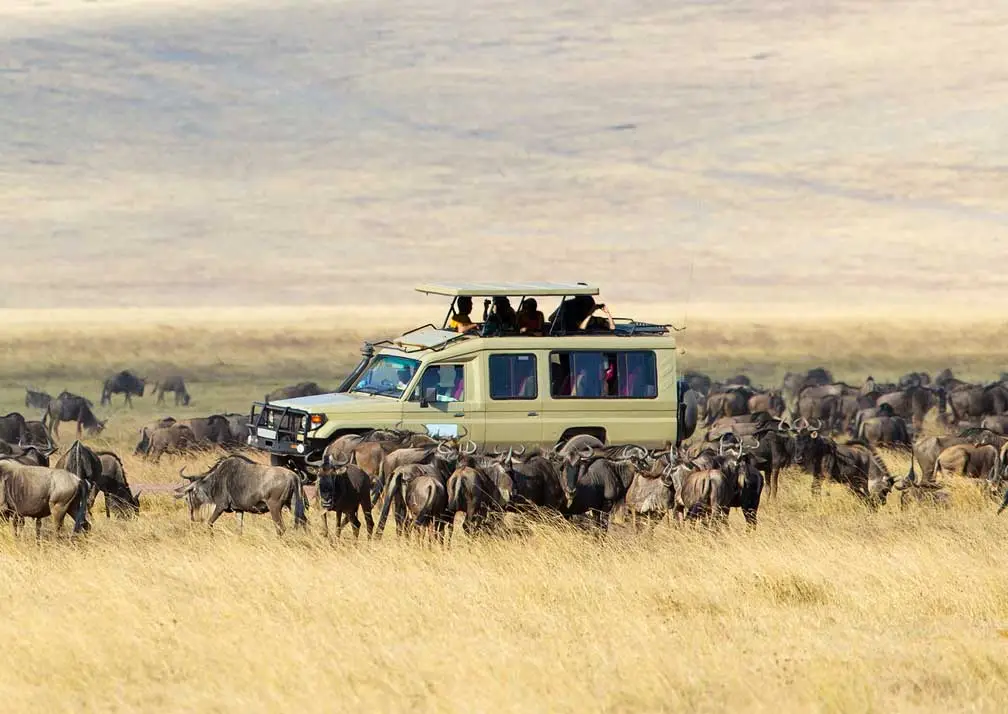
Great Migration Safaris
Experience one of nature's greatest spectacles with our Great Migration safari packages, timed for river crossings or calving.
View Package →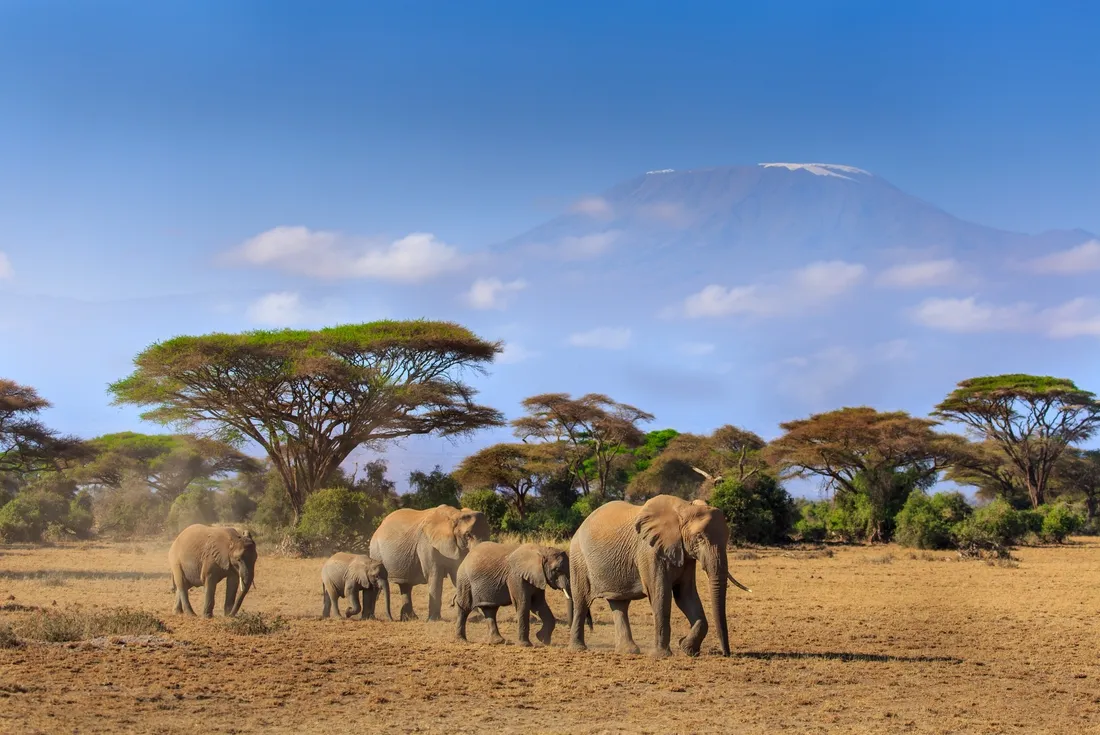
Serengeti & Kilimanjaro Trek
Combined safari and trekking tours offer wildlife adventures and Kilimanjaro climbs.
View Package →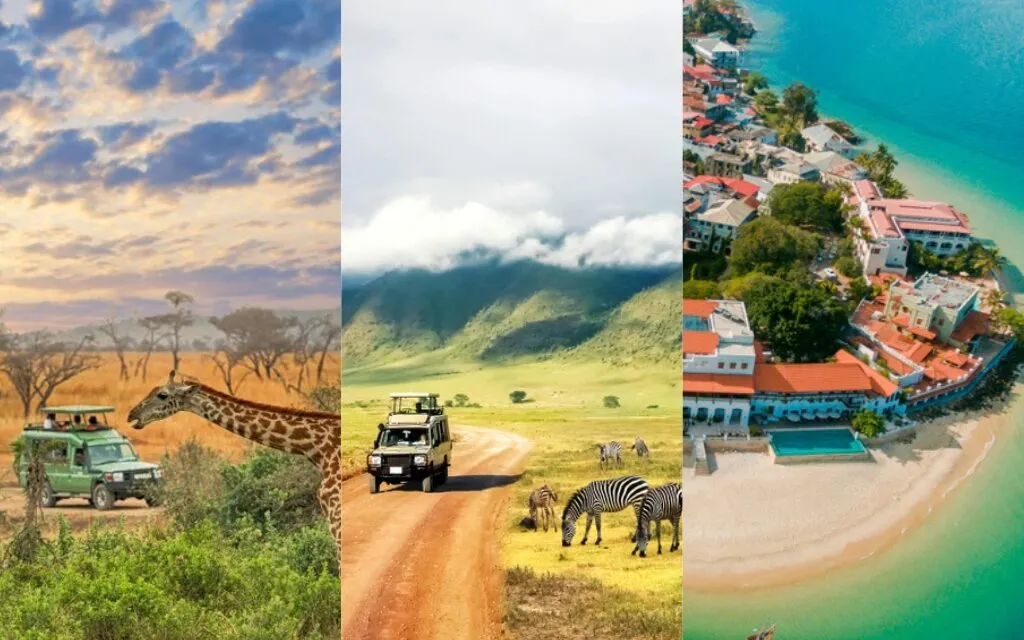
Serengeti & Zanzibar Tours
Luxury Tanzania safari & beach packages with the Great Migration and pristine beaches.
View Package →Related: Best Time to Visit Tanzania 2026 – Perfect safari + beach combination after your Saint Lucia adventure.