
Most Complete San Marino Travel Guide 2026-2027 – Everything You Need to Know Before Visiting
This San Marino travel guide provides everything you need to plan your journey to the world’s oldest republic and Europe’s third-smallest state. San Marino offers an extraordinary blend of medieval towers, panoramic views, and centuries-old traditions that create one of Europe’s most charming microstate experiences. Many travelers who visit San Marino are surprised by the country’s dramatic hilltop setting, perfectly preserved historic centre, and proud independence surrounded entirely by Italy. Covering just 61 square kilometres with a population of around 34,000, San Marino proudly claims the title of the planet’s oldest surviving sovereign state and constitutional republic, founded on 3 September 301 AD.
Start Reading the Full Guide ↓Quick Facts About San Marino
- Capital: City of San Marino.
- Currency: Euro (€).
- Time Zone: Central European Time (CET, UTC+1).
- International Calling Code: +378.
- Driving Side: Right.
- Major Access Point: Closest airport – Federico Fellini International (Rimini, Italy).
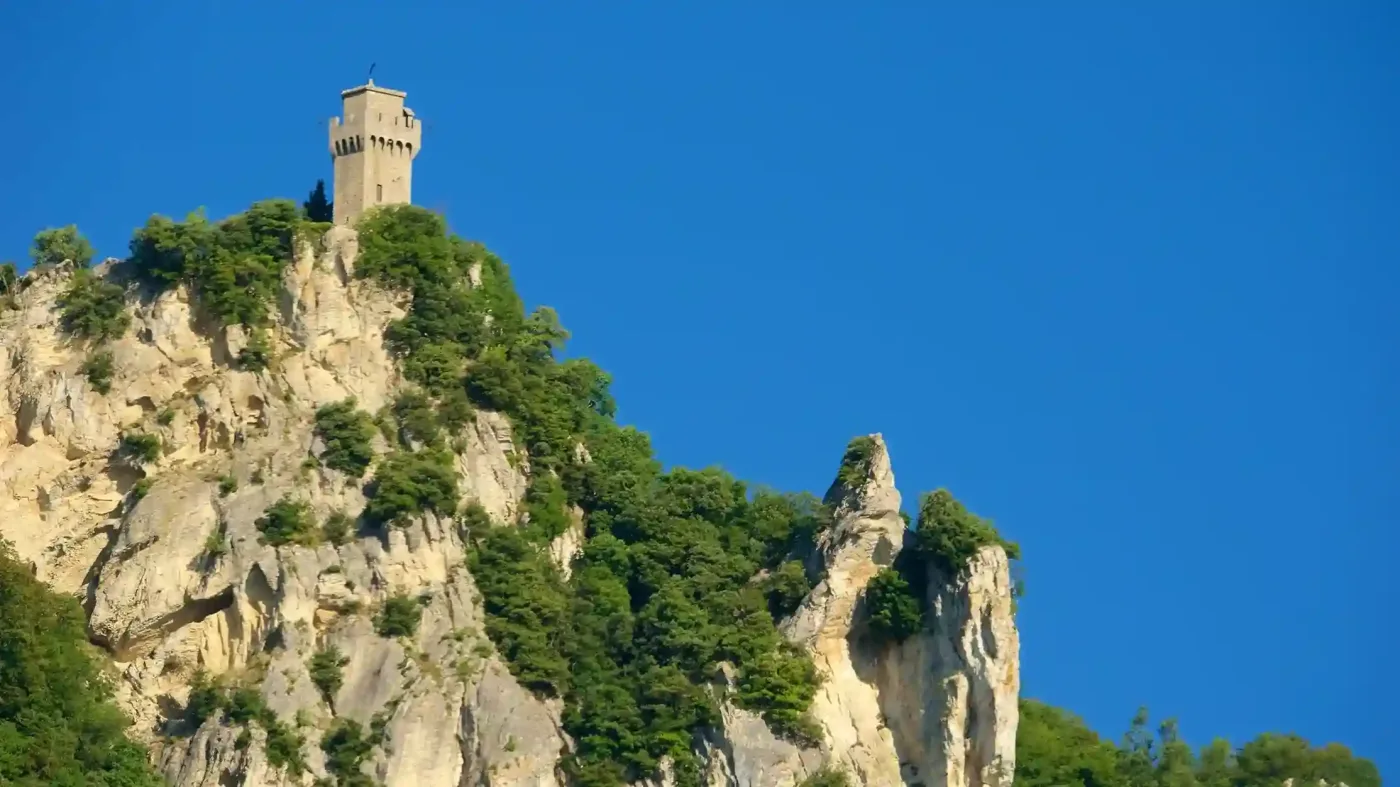
San Marino Overview & Key Facts
Brief History of San Marino
San Marino’s history is legendary, traditionally founded on 3 September 301 AD by Saint Marinus, a Christian stonemason fleeing persecution under Emperor Diocletian. The tiny republic has maintained its independence for over 1,700 years – even surviving Napoleon’s campaigns and both World Wars through skilful neutrality. This remarkable continuity creates a fascinating backdrop for modern travellers exploring its medieval fortifications and centuries-old institutions.
Independence & National Identity
- Founding date: 3 September 301 AD (traditional).
- Constitution date: 8 October 1600 (oldest written constitution still in effect).
- National symbols & identity.
San Marino proudly calls itself “The Most Serene Republic” and celebrates its independence with immense pride. The national flag features white and light blue stripes with the coat of arms bearing the Three Towers. Every year on 3 September and 1 April (Investiture of the Captains Regent), elaborate medieval ceremonies reaffirm the country’s ancient traditions.
Government System & Current Leadership
- Type of government: Unitary parliamentary constitutional republic
- Current Captains Regent: Two heads of state elected every six months
- Notes on political stability
San Marino operates a unique system where two Captains Regent serve as co-heads of state for six-month terms, a tradition dating back to the 13th century. This rotation ensures remarkable political stability and continuity. The country enjoys excellent relations with Italy and the European Union (though not an EU member) and maintains one of the lowest unemployment rates in Europe.
Population, Ethnic Groups & Languages
- Population: 33,600 (2025 estimate).
- Major ethnic groups: Sammarinese (84%), Italian (15%).
- Official language(s): Italian.
- Additional languages commonly spoken.
Italian is universally spoken. English is widely understood in tourism sectors, and many residents speak additional European languages. The Sammarinese dialect of Romagnol is still heard among older generations.
Main Religions & Cultural Identity
Roman Catholicism remains the predominant religion, though the state is officially secular. Religious festivals and traditions play an important cultural role. Visitors should respect church etiquette when visiting basilicas and historic religious sites.
Geography & Natural Landscape
San Marino sits atop Mount Titano (739 m) in the Apennine Mountains, completely surrounded by Italy. The territory consists of the historic city on the mountain slopes and several smaller villages below. Dramatic limestone cliffs, sweeping views of the Adriatic coast, and medieval fortifications dominate the landscape.
Economy & Tourism Highlights
Tourism, banking, ceramics, and postage stamp collecting drive the prosperous economy. San Marino enjoys one of Europe’s highest GDP per capita figures and zero national debt. Tourism has grown steadily as travellers discover the microstate’s perfectly preserved medieval centre, duty-free shopping, and spectacular panoramic views.
What San Marino Is Known For
- UNESCO World Heritage historic centre and Mount Titano
- Three iconic medieval towers (Guaita, Cesta, Montale)
- World’s oldest republic and oldest surviving constitution
Visa & Entry Requirements in San Marino
San Marino maintains an open-border policy with Italy. There are no border controls between Italy and San Marino, meaning entry requirements are identical to entering Italy/Schengen Area. Most visitors simply drive or take the bus up the mountain without any passport check.
Do You Need a Visa?
No separate visa is required for San Marino. If you have legal entry to Italy (visa-free or with Schengen visa), you may enter San Marino freely for tourism stays up to 90 days.
Visa Application Options in San Marino
- No separate visa exists
- Schengen/Italian entry rules apply
- Visa-free for EU, US, Canada, UK, Australia, etc.
San Marino issues its own souvenir passport stamps upon request at the tourist office for a small fee – a popular collector item.
Passport Validity & Entry Documents
Passport or EU ID card sufficient. No minimum validity requirement beyond Italian entry rules. Many visitors never show documents unless requested by Italian police before entering San Marino territory.
Customs Rules & Prohibited Items
Standard EU customs rules apply when entering from Italy. Duty-free allowances are generous within San Marino, making shopping popular.
Safety & Security Information in San Marino
San Marino consistently ranks among the safest countries in the world with extremely low crime rates. The country has virtually no violent crime and minimal petty theft.
Is San Marino Safe for Tourists?
Yes – statistically one of the safest destinations on earth. Normal precautions (watch bags in crowds) are sufficient.
Recommended Safety Tips when in San Marino
Wear comfortable shoes on steep, slippery cobblestones. Stay aware in crowded shopping areas. Standard European city precautions apply.
Safe Areas vs. Areas to Avoid in San Marino
The entire country is considered safe. No “avoid” areas exist.
Emergency Numbers & Tourist Police in San Marino
- Police/Emergency: 112 (EU standard).
- Medical Emergency: 118.
- Tourist information readily available.
Health Requirements & Vaccinations in San Marino
No mandatory vaccinations required. Same health standards as Italy.
Mandatory Vaccinations in San Marino
None. Follow Italian/Schengen entry rules.
Recommended Vaccinations in San Marino
Routine vaccines only. Excellent medical facilities available.
Malaria & Other Risks
No malaria or tropical disease risk. Standard European health profile.
Travel Insurance Recommendations in San Marino
Recommended but not essential. EU citizens use EHIC; others should have standard travel coverage.
Best Time to Visit in San Marino
Spring and autumn offer ideal weather and fewer crowds. Summer is busiest with festivals; winter is quiet and atmospheric.
Weather by Season
Spring and autumn: 15–25°C, pleasant. Summer: 25–32°C, busy. Winter: 0–10°C, occasional snow on Mount Titano.
When to Visit San Marino for Best Experiences
- Medieval Days (July) and Christmas markets for events.
- April–June & September–October for hiking and perfect weather.
- Year-round access.
High Season vs. Low Season Travel
High season: June–August. Low season: November–March (except Christmas/New Year).
Weather & Climate Overview in San Marino
Mediterranean climate with hot summers and mild winters. Elevation brings cooler temperatures than surrounding Romagna plains.
Temperature Ranges
Summer highs 30–35°C, winter lows occasionally below freezing with scenic snow on the towers.
Rainy & Dry Seasons in San Marino
Rainiest months: October–November. Driest: July–August.
What to Wear Based on the Weather
Comfortable walking shoes essential. Light layers spring/autumn; warm coat winter; sun protection summer.
Main Currency, Costs & Budgeting in San Marino
Euro (€) is the official currency. Prices are generally lower than surrounding Italian tourist towns.
Local Currency Information
Standard Euro notes and coins plus collectible Sammarinese Euro coins.
Average Travel Costs in San Marino
Day trip from Rimini: €50–100. Overnight mid-range: €120–200/day. Excellent value.
Using ATMs, Cards & Mobile Money in San Marino
Cards widely accepted. ATMs plentiful. Contactless common.
Tipping Guidelines in San Marino
Similar to Italy – rounding up or 5–10% in restaurants.
Transportation & Getting Around in San Marino
Compact size makes walking the best option in the historic centre. Cable car connects Borgo Maggiore to the city.
Airport Transfers
Closest airport: Rimini (25 km). Bus/taxi connections easy.
Local Transport Options in San Marino
Regular buses from Rimini. Iconic cable car (funivia). Walking best within the old town.
San Marino Domestic Flights
None – helicopter tours available.
Car Rentals & Road Conditions in San Marino
Parking outside walls; historic centre pedestrian. Driving steep and challenging.
Accommodation Options available in San Marino
Limited but high-quality options – book early in summer.
Types of Accommodations in San Marino
Boutique hotels, B&Bs, apartments. Many in historic buildings.
Budget vs. Mid-Range vs. Luxury
Budget rare; mid-range €90–150, luxury €200+.
Best Areas to Stay in San Marino
City of San Marino (historic centre) or Borgo Maggiore (cable car access).
Essential Packing Guide when Visiting San Marino
Comfortable walking shoes are non-negotiable. Cobblestones everywhere.
Clothing Essentials
Layered clothing, good walking shoes, modest attire for churches.
Footwear & Gear
Sturdy, comfortable shoes essential. Small daypack.
Electronics & Cameras
Standard European plugs (type C/F), 230V.
Toiletries & Personal Items
All items readily available.
Language & Communication in San Marino
Italian official language; English widely spoken in tourist areas.
Main Languages Spoken in San Marino
Italian. English common in tourism.
Useful Phrases for Tourists
Basic Italian polite and appreciated.
SIM Cards & Mobile Data used in San Marino
Italian roaming applies. Local SIMs available.
Internet Availability & Wi-Fi in San Marino
Excellent coverage and free Wi-Fi in many public areas.
Culture & Etiquette in San Marino
Polite, proud, and welcoming culture similar to central-northern Italy.
San Marino Dress Code Expectations
Casual European dress. Modest in churches.
Social Etiquette & Respectful Behavior of San Marino
Standard European manners. Greetings appreciated.
Photography Rules in San Marino
Generally permitted. Ask permission for people.
Important Cultural Dos & Don’ts in San Marino
Do enjoy the souvenir passport stamp. Don’t miss the changing of the guard ceremony.
Food, Water & Dining in San Marino
Excellent Emilia-Romagna cuisine with local specialities.
San Marino Local Dishes to Try
Torta Tre Monti (national cake), piadina, pasta e fagioli, local wines.
Dietary Options in San Marino
Full range available – vegetarian common, vegan possible.
Drinking Water Safety
Tap water perfectly safe and delicious.
Restaurant Etiquette
Standard Italian – service often included, small tip appreciated.
Top Attractions & Things to Do in San Marino
Compact but packed with medieval charm and spectacular views.
Major Tourist Attractions in San Marino
- Three Towers (Guaita, Cesta, Montale) – UNESCO
- Historic Centre and Mount Titano – UNESCO
- Piazza della Libertà and Palazzo Pubblico
- Basilica di San Marino
Best Tours & Experiences in San Marino
Changing of the guard, tower visits, cable car ride, medieval festivals.
Family-Friendly Activities to do in San Marino
Museums, torture museum (surprisingly popular), adventure park nearby.
Unique Cultural or Historical Sites to visit in San Marino
World’s oldest republic museums, crossbow competitions, collector coin museum.
San Marino Electrical System Information
Standard European: 230V, 50Hz, plugs C and F.
Plug Types & Voltage used in San Marino
Types C and F (same as Italy).
Charging Tips
Standard European adapters if needed.
Local Laws & Regulations of San Marino
Very few restrictions. Standard European laws apply.
Rules Travelers Need to Know when In San Marino
No photography restrictions on military (small force). Respect quiet hours.
Alcohol, Smoking & Substance Laws of San Marino
Standard EU regulations.
Restricted or Protected Areas in San Marino.
None for tourists.
Final Travel Tips for Visitors in San Marino
Perfect day-trip or charming overnight destination.
Common Mistakes to Avoid
Wearing unsuitable shoes on cobblestones. Missing the cable car experience.
Tips to Save Money when Visiting San Marino
Day trip from Rimini/Bologna. Eat where locals eat.
Safety & Comfort Tips
Stay hydrated when walking uphill. Get the souvenir passport stamp!
Frequently Asked Questions – San Marino Travel Guide 2026-2027
Our Tanzania Tours Products
While San Marino offers medieval charm and European history, many travellers combine their European adventures with the ultimate wildlife experience in East Africa. Capable Africa Tours specializes in secure, guided safaris that maximize safety and wonder. Our expert local guides, armed rangers in parks, and vetted accommodations ensure peace of mind. From family-friendly lodges to luxury camps, we handle logistics so you focus on the magic. Tanzania ranks high for tourist safety with dedicated wildlife protection units and stable northern circuits.
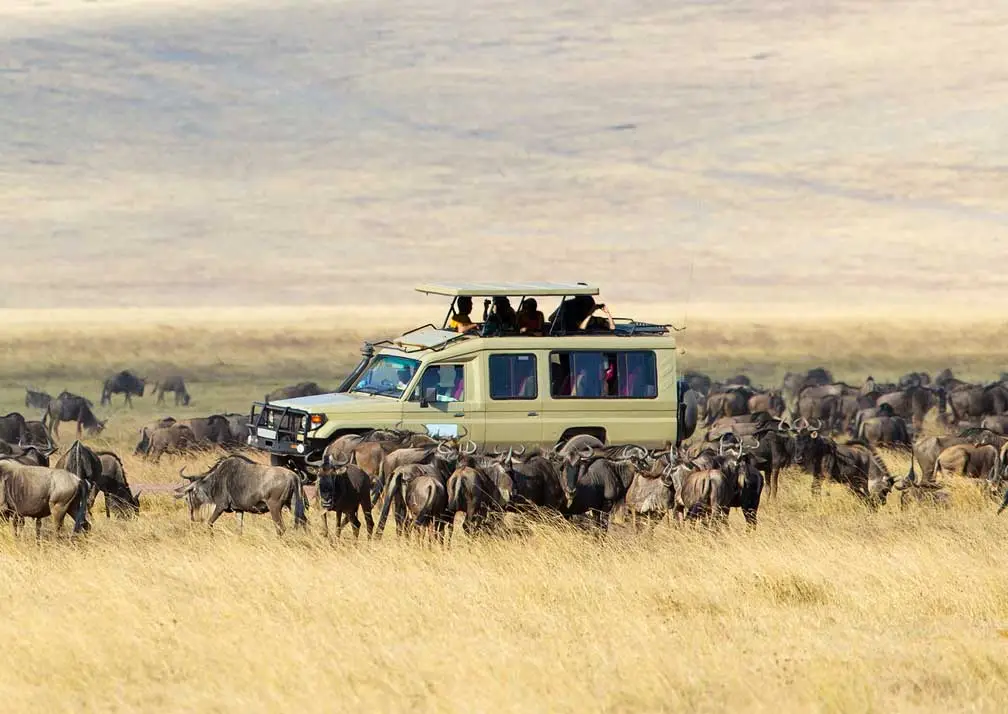
Great Migration Safaris
Experience one of nature's greatest spectacles with our Great Migration safari packages, timed for river crossings or calving.
View Package →
Serengeti & Kilimanjaro Trek
Combined safari and trekking tours offer wildlife adventures and Kilimanjaro climbs.
View Package →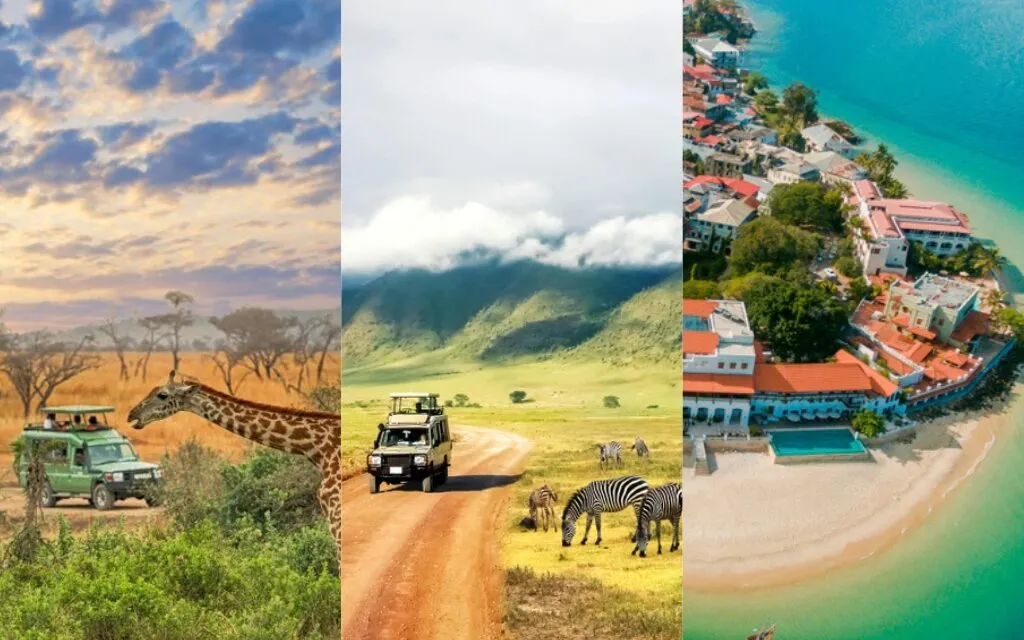
Serengeti & Zanzibar Tours
Luxury Tanzania safari & beach packages with the Great Migration and pristine beaches.
View Package →Related: Best Time to Visit Tanzania 2026 – Perfect safari extension after your European microstate adventure.