
Most Complete São Tomé and Príncipe Travel Guide 2026-2027 – Everything You Need to Know Before Visiting
This São Tomé and Príncipe travel guide provides everything you need to plan your journey to Africa’s second-smallest nation. Often called the “Galápagos of Africa” or “the islands that time forgot”, São Tomé and Príncipe offers an extraordinary blend of pristine beaches, untouched rainforests, dramatic volcanic landscapes and historic cocoa plantations. The country consists of two main islands and several smaller islets in the Gulf of Guinea, delivering one of the continent’s most relaxed, safe and biodiverse travel experiences. Many travelers who want to visit São Tomé and Príncipe are surprised by the islands’ incredible biodiversity, warm Creole culture and complete absence of mass tourism.
Start Reading the Full Guide ↓Quick Facts About São Tomé and Príncipe
- Capital: São Tomé.
- Currency: São Tomé and Príncipe Dobra (STN) – Euro widely accepted.
- Time Zone: Greenwich Mean Time (GMT, UTC+0).
- International Calling Code: +239.
- Driving Side: Right.
- Major Airport: São Tomé International Airport (TMS).
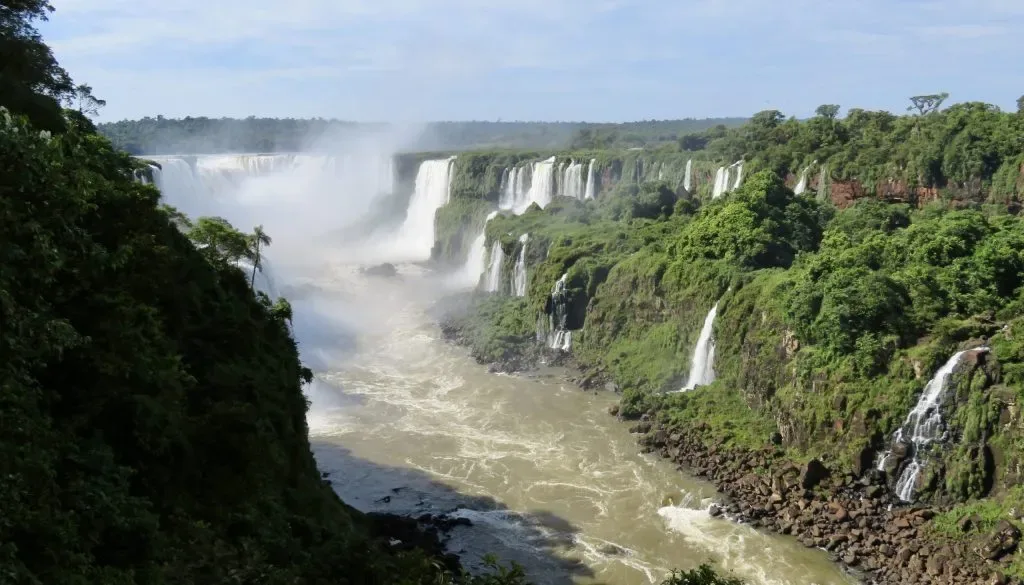
São Tomé and Príncipe Overview & Key Facts
Brief History of São Tomé and Príncipe
São Tomé and Príncipe’s history began when Portuguese navigators discovered the uninhabited islands in 1471. The Portuguese established sugar plantations using enslaved labour from mainland Africa, later transitioning to cocoa in the 19th century, making the islands the world’s largest cocoa producer for a period. The rich historical tapestry of colonial “roças” (plantation estates) creates a fascinating backdrop for modern travelers exploring restored estates and learning about the islands’ complex past.
Independence & National Identity
- Independence date: July 12, 1975.
- Former colonial power: Portugal.
- National symbols & identity.
São Tomé and Príncipe gained independence peacefully from Portugal in 1975. The national identity of São Tomé and Príncipe centres on a relaxed Creole culture blending African, Portuguese and Caribbean influences. The flag features red triangle symbolising the struggle for independence, green and yellow stripes for vegetation and sun, and black stars representing the two main islands.
Government System & Current Leadership
- Type of government: Unitary semi-presidential republic
- Current president: Carlos Vila Nova (since 2021)
- Notes on political stability
São Tomé and Príncipe enjoys strong democratic traditions and political stability with peaceful transitions of power. It is considered one of Africa’s most stable democracies.
Population, Ethnic Groups & Languages
- Population: ≈230,000 (2025 estimate).
- Major ethnic groups: Mestizo (mixed African-Portuguese), Forros, Angolares, Tongas.
- Official language(s): Portuguese.
- Additional languages commonly spoken.
Portuguese-based Creoles (Forro, Angolar, Principense) are widely spoken. English and French are increasingly understood in tourism.
Main Religions & Cultural Identity
Roman Catholicism is practiced by over 85% of the population, blended with traditional African beliefs. Religious festivals and saints’ days are celebrated vibrantly.
Geography & Natural Landscape
The islands are volcanic with dramatic peaks (Pico Cão Grande on São Tomé reaches 663 m), dense equatorial rainforest, and some of Africa’s most pristine beaches. São Tomé is larger and more populated, while Príncipe is wilder and home to UNESCO Biosphere Reserve status.
Economy & Tourism Highlights
Historically dependent on cocoa, the economy now pivots toward high-end, low-impact tourism and potential offshore oil. Tourism is growing rapidly but remains boutique and sustainable.
What São Tomé and Príncipe Is Known For
- World’s finest cocoa and chocolate
- Pristine, empty beaches (Praia Jalé, Lagoa Azul)
- Exceptional birdwatching and marine biodiversity (whale watching July–October)
Visa & Entry Requirements in São Tomé and Príncipe
Most visitors can obtain visa on arrival or use the e-Visa system. Several nationalities enjoy visa-free entry for 15 days. Entry requirements are straightforward and tourist-friendly.
Do You Need a Visa?
EU, US, Canada, UK, Brazil and many African countries: visa-free 15 days. All others: visa on arrival (US$20–40) or e-Visa.
Visa Application Options in São Tomé and Príncipe
- Visa-free entry (15 days for many nationalities)
- e-Visa online (recommended)
- Visa on arrival at São Tomé airport
Passport Validity & Entry Documents
Passport valid 6 months + Yellow Fever certificate mandatory + proof of accommodation and return/onward ticket.
Customs Rules & Prohibited Items
No alcohol limits for personal use. Declare professional camera equipment. Import of drones requires prior permission.
Safety & Security Information in São Tomé and Príncipe
São Tomé and Príncipe is one of Africa’s safest destinations with negligible violent crime and no terrorism risk.
Is São Tomé and Príncipe Safe for Tourists?
Yes – consistently ranked among the safest countries in Africa. Most governments advise only normal precautions (Level 1).
Recommended Safety Tips when in São Tomé and Príncipe
Use registered taxis after dark, secure valuables, avoid isolated beaches at night. Mosquito protection essential.
Safe Areas vs. Areas to Avoid in São Tomé and Príncipe
Entire country is safe. Minor petty theft reported in São Tomé city market – normal vigilance applies.
Emergency Numbers & Tourist Police in São Tomé and Príncipe
- Police: 112 / 222222
- Fire: 112 / 221111
- Medical Emergency: 112 / Hospital 224141
Health Requirements & Vaccinations in São Tomé and Príncipe
Yellow Fever vaccination certificate mandatory for all visitors over 1 year old.
Mandatory Vaccinations in São Tomé and Príncipe
Yellow Fever certificate required from all travellers (including transit >12h in risk countries).
Recommended Vaccinations in São Tomé and Príncipe
Hepatitis A, Typhoid, routine vaccines. Malaria prophylaxis recommended (low risk but present).
Malaria & Other Risks
Malaria risk year-round – use repellents and consider prophylaxis. Dengue possible.
Travel Insurance Recommendations in São Tomé and Príncipe
Highly recommended – medical facilities limited; evacuation to Portugal/South Africa can be very expensive.
Best Time to Visit in São Tomé and Príncipe
Dry seasons (Gravana: June–September; December–February) offer best weather. July–October for whale watching.
Weather by Season
Tropical climate: 25–31°C year-round. Two dry seasons (June–Sep & Dec–Feb), two rainy seasons (Oct & Mar–May).
When to Visit São Tomé and Príncipe for Best Experiences
- Whale watching: July–October
- Turtle nesting: Nov–Mar
- Best beach weather: June–September
High Season vs. Low Season Travel
High season: July–September & December–February. Low season: April–May & October–November (lower rates, more rain).
Weather & Climate Overview in São Tomé and Príncipe
Equatorial climate with high humidity and consistent temperatures year-round. Rain possible any day, but dry seasons significantly less wet.
Temperature Ranges
24–31°C year-round. Water temperature 26–29°C.
Rainy & Dry Seasons in São Tomé and Príncipe
Gravana (dry & cooler): June–September. Main rainy season: March–May & October–November.
What to Wear Based on the Weather
Light cotton clothing, swimwear, flip-flops, rain jacket, long sleeves/pants for evenings and forest walks.
Main Currency, Costs & Budgeting in São Tomé and Príncipe
Euro is widely accepted alongside the Dobra (STN). Budget accordingly – imported goods expensive.
Local Currency Information
São Tomé and Príncipe Dobra (STN). Euro accepted almost everywhere; many hotels quote exclusively in EUR.
Average Travel Costs in São Tomé and Príncipe
Budget: $100–150/day; mid-range $180–300/day; luxury eco-lodges $350–600/day.
Using ATMs, Cards & Mobile Money in São Tomé and Príncipe
ATMs in São Tomé city (Visa/Mastercard). Cards accepted at most hotels and larger restaurants. Cash (EUR) recommended outside capital.
Tipping Guidelines in São Tomé and Príncipe
10% in restaurants if service not included. Guides/drivers: €10–20 per day per person.
Transportation & Getting Around in São Tomé and Príncipe
Limited public transport – private transfers, rental cars or scooters most common.
Airport Transfers
Taxis from airport €10–15. Most hotels include complimentary transfer.
Local Transport Options in São Tomé and Príncipe
Shared yellow taxis (colectivos), private taxis, motorbike taxis, rental cars/scooters.
São Tomé and Príncipe Domestic Flights
Africa’s Connection STP operates 15-minute flights São Tomé–Príncipe several times daily (€80–120 return).
Car Rentals & Road Conditions in São Tomé and Príncipe
Rental cars and scooters widely available. Roads paved on main routes; 4WD recommended for interior.
Accommodation Options available in São Tomé and Príncipe
From boutique eco-lodges to restored colonial roças and beach bungalows.
Types of Accommodations in São Tomé and Príncipe
Eco-lodges, boutique hotels, restored roças, guesthouses, beach resorts.
Budget vs. Mid-Range vs. Luxury
Budget guesthouses $50–90; mid-range boutique $120–250; luxury eco-lodges (Omali, Roça Belo Monte, Praia Sundy) $300–700.
Best Areas to Stay in São Tomé and Príncipe
São Tomé city, northern beaches (Praia Lagarto), Príncipe island, Roça São João area.
Essential Packing Guide when Visiting São Tomé and Príncipe
Pack light, tropical clothing plus rain protection and good insect repellent.
Clothing Essentials
Swimwear, light cotton clothes, flip-flops, rain jacket, long sleeves/pants for evenings.
Footwear & Gear
Water shoes, hiking sandals, light hiking shoes for forest trails.
Electronics & Cameras
European plug (type C/F), 220V. Waterproof bags recommended.
Toiletries & Personal Items
Strong insect repellent (50% DEET), high-SPF sunscreen, anti-malaria medication.
Language & Communication in São Tomé and Príncipe
Portuguese official, but tourism sector speaks English, French and Spanish.
Main Languages Spoken in São Tomé and Príncipe
Portuguese + local Creoles. English widely spoken in hotels and tours.
Useful Phrases for Tourists
“Bom dia” (good morning), “Obrigado/a” (thank you), “Quanto custa?” (how much?).
SIM Cards & Mobile Data used in São Tomé and Príncipe
CST and Unitel SIMs available at airport. Good 4G coverage.
Internet Availability & Wi-Fi in São Tomé and Príncipe
Wi-Fi in most hotels (variable speed). Good mobile data coverage.
Culture & Etiquette in São Tomé and Príncipe
Relaxed, welcoming Creole culture. Greetings and smiles important.
São Tomé and Príncipe Dress Code Expectations
Beachwear fine on beaches; modest dress in towns and churches.
Social Etiquette & Respectful Behavior of São Tomé and Príncipe
Greet with “Bom dia/tarde” and handshake. Accept offers of coffee or palm wine.
Photography Rules in São Tomé and Príncipe
Ask permission before photographing people. No restrictions on landscapes.
Important Cultural Dos & Don’ts in São Tomé and Príncipe
Do accept hospitality. Don’t take photos without permission.
Food, Water & Dining in São Tomé and Príncipe
Excellent fresh seafood, tropical fruits and world-class chocolate.
São Tomé and Príncipe Local Dishes to Try
Calulu (fish/vegetable stew), grilled fish with plantain, cocoa-based dishes, fresh lobster.
Dietary Options in São Tomé and Príncipe
Excellent seafood and vegetarian options based on tropical produce.
Drinking Water Safety
Bottled water recommended outside top hotels.
Restaurant Etiquette
Relaxed island pace – meals take time.
Top Attractions & Things to Do in São Tomé and Príncipe
Beaches, rainforest hikes, turtle watching, cacao tours, whale watching.
Major Tourist Attractions in São Tomé and Príncipe
- Praia Jalé & Lagoa Azul
- Obo National Park
- Roça Agua Izé & Roça São João
- Pico Cão Grande
Best Tours & Experiences in São Tomé and Príncipe
Cacao plantation tours with chocolate tasting, turtle nesting tours, whale watching, rainforest hikes to waterfalls.
Family-Friendly Activities to do in São Tomé and Príncipe
Beach days, turtle watching, easy waterfall hikes, chocolate-making workshops.
Unique Cultural or Historical Sites to visit in São Tomé and Príncipe
Restored colonial roças, São Sebastião Museum, Príncipe UNESCO Biosphere Reserve.
São Tomé and Príncipe Electrical System Information
220–240V, 50Hz, European plugs (type C & F).
Plug Types & Voltage used in São Tomé and Príncipe
Type C and F (standard European). Most accommodation provides adapters.
Charging Tips
Power reliable in hotels; occasional outages in remote areas.
Local Laws & Regulations of São Tomé and Príncipe
Very relaxed laws. No photography restrictions except military areas (rarely encountered).
Rules Travelers Need to Know when In São Tomé and Príncipe
Yellow Fever certificate mandatory. Drones require permit.
Alcohol, Smoking & Substance Laws of São Tomé and Príncipe
Alcohol widely available. Cannabis illegal but enforcement minimal.
Restricted or Protected Areas in São Tomé and Príncipe
Some turtle nesting beaches closed at night during season.
Final Travel Tips for Visitors in São Tomé and Príncipe
Bring Euros, strong insect repellent, and a relaxed attitude – this is “ilha tempo” (island time).
Common Mistakes to Avoid
Don’t overpack – laundry services everywhere. Don’t expect fast service – embrace the pace.
Tips to Save Money when Visiting São Tomé and Príncipe
Travel in shoulder season, eat local fish and fruit, stay in guesthouses outside high-end lodges.
Safety & Comfort Tips
Use mosquito nets and repellent, drink bottled water, wear reef-safe sunscreen.
Frequently Asked Questions – São Tomé and Príncipe Travel Guide 2026-2027
Our Tanzania Tours Products
While São Tomé and Príncipe offers pristine island paradise and world-class chocolate, many travelers combine Central Africa’s hidden gem with the ultimate wildlife experience in East Africa. Capable Africa Tours specializes in secure, guided safaris that maximize safety and wonder. Our expert local guides, armed rangers in parks, and vetted accommodations ensure peace of mind. From family-friendly lodges to luxury camps, we handle logistics so you focus on the magic. Tanzania ranks high for tourist safety with dedicated wildlife protection units and stable northern circuits.
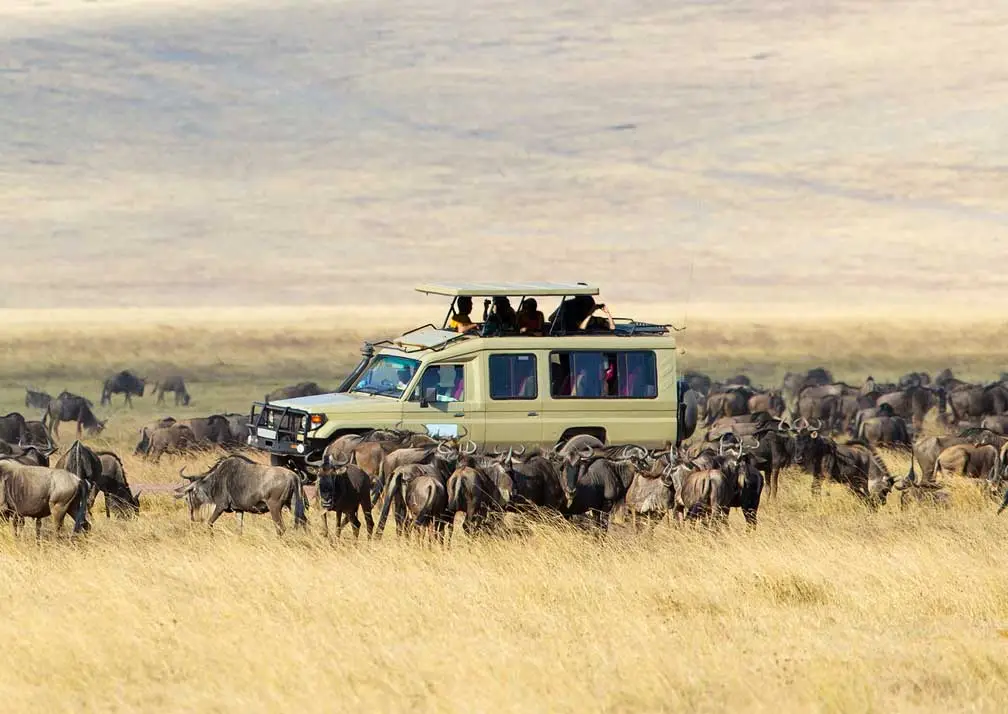
Great Migration Safaris
Experience one of nature's greatest spectacles with our Great Migration safari packages, timed for river crossings or calving.
View Package →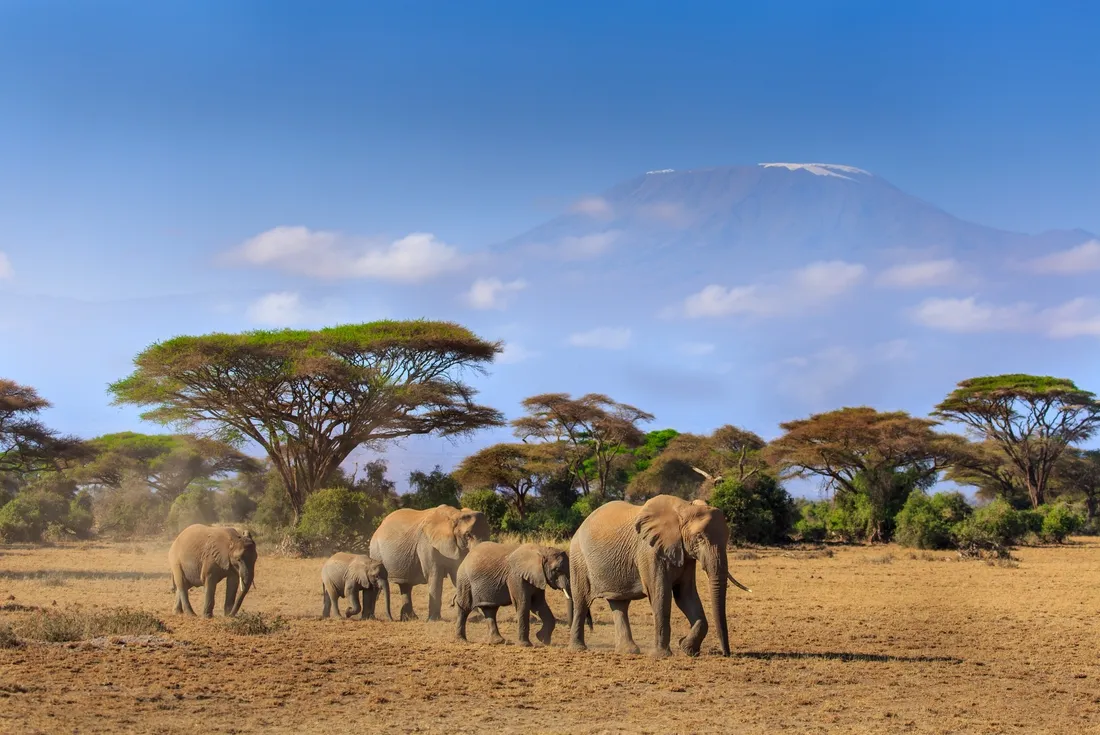
Serengeti & Kilimanjaro Trek
Combined safari and trekking tours offer wildlife adventures and Kilimanjaro climbs.
View Package →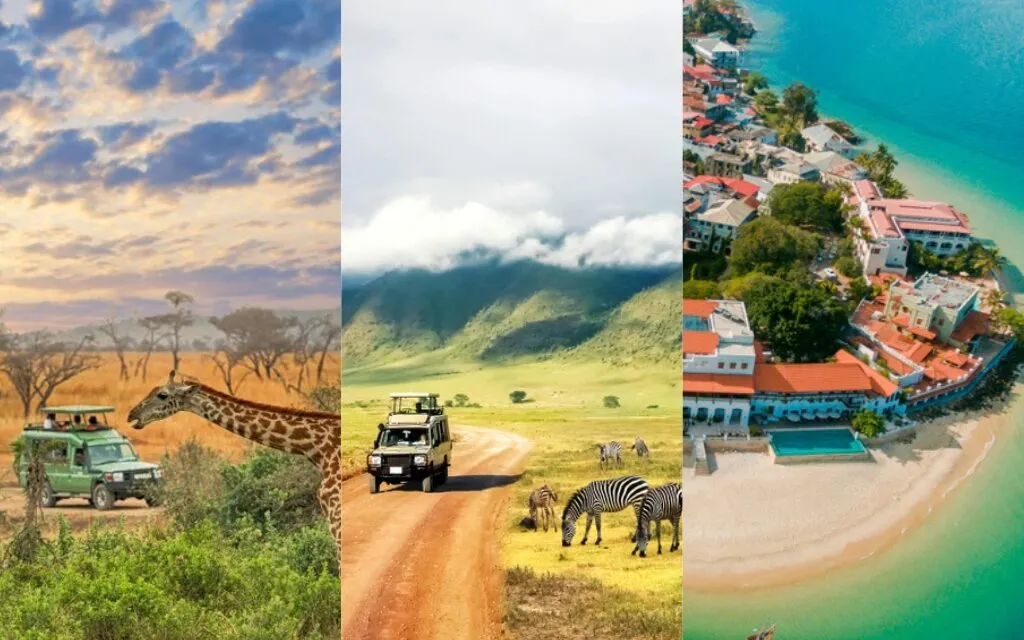
Serengeti & Zanzibar Tours
Luxury Tanzania safari & beach packages with the Great Migration and pristine beaches.
View Package →Related: Best Time to Visit Tanzania 2026 – Perfect safari extension after your São Tomé and Príncipe island escape.