Most Complete Saudi Arabia Travel Guide 2026-2027 – Everything You Need to Know Before Visiting
This Saudi Arabia travel guide provides everything you need to plan your journey to one of the world’s fastest-changing tourism destinations. Since opening to international tourism in 2019 under Vision 2030, the Kingdom has unveiled breathtaking archaeological sites, futuristic cities, pristine Red Sea coast and vast desert landscapes that few travelers have experienced. Covering over 2.15 million square kilometers, Saudi Arabia is the largest country in the Middle East and offers visitors everything from Nabataean tombs at AlUla to the ultra-modern skyline of Riyadh and luxury diving resorts along the Red Sea.
Start Reading the Full Guide ↓Quick Facts About Saudi Arabia
- Capital: Riyadh.
- Currency: Saudi Riyal (SAR).
- Time Zone: Arabia Standard Time (AST, UTC+3).
- International Calling Code: +966.
- Driving Side: Right.
- Major Airports: King Khalid (Riyadh), King Abdulaziz (Jeddah), King Fahd (Dammam).
Saudi Arabia Overview & Key Facts
Brief History of Saudi Arabia
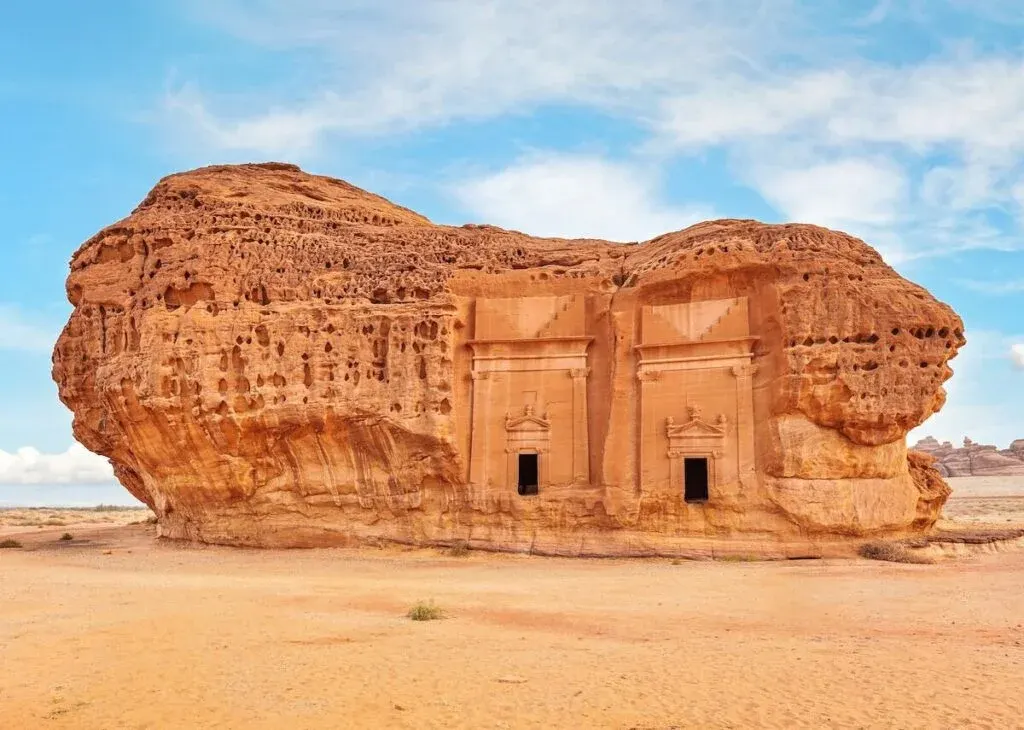
The modern Kingdom of Saudi Arabia was founded in 1932 by Abdulaziz Al Saud, but its history stretches back millennia. The Nabataean kingdom created Hegra (Madain Saleh), Islam was born in Mecca and Medina in the 7th century, and the region has been a crossroads of trade and pilgrimage for centuries. The discovery of oil in 1938 transformed the country into a global energy powerhouse while recent Vision 2030 reforms have dramatically opened the country to international tourism and cultural exchange.
Independence & National Identity
- Founded: September 23, 1932.
- National Day: September 23.
- National symbols & identity.
The green flag with the Shahada and sword symbolizes Islam and the House of Saud. Saudi identity is deeply rooted in Islamic heritage, Bedouin traditions, and tribal affiliations while rapidly modernizing under Vision 2030 initiatives that promote entertainment, women’s rights, and cultural tourism.
Government System & Current Leadership
- Type of government: Absolute Monarchy
- King & Prime Minister: Salman bin Abdulaziz Al Saud
- Crown Prince: Mohammed bin Salman (MBS)
The Kingdom operates under Islamic law (Sharia) with the King as custodian of the Two Holy Mosques. Vision 2030, spearheaded by Crown Prince Mohammed bin Salman, drives massive tourism and economic diversification projects.
Population, Ethnic Groups & Languages
- Population: 37 million (2025 estimate).
- Saudi citizens: ~63%, expatriates ~37%.
- Official language: Arabic.
- English widely spoken in business and tourism.
Arabic is universal, with English the second language in hotels, tourism, and among younger Saudis. Regional dialects vary (Najdi, Hijazi, Gulf).
Main Religions & Cultural Identity
Islam (official Sunni) is practiced by nearly 100% of citizens. The country is home to Mecca and Medina, the two holiest cities in Islam. Religious police influence has been dramatically reduced since 2019 reforms.
Geography & Natural Landscape
Saudi Arabia features vast deserts (Rub’ al Khali – the Empty Quarter), dramatic sandstone formations (AlUla, Edge of the World), 1,760 km of Red Sea coastline with pristine coral reefs, and mountain ranges in Asir province with moderate climates.
Economy & Tourism Highlights
World’s second-largest oil producer transitioning rapidly into tourism under Vision 2030. Mega-projects include NEOM, The Red Sea Project, AlUla, Qiddiya entertainment city, and Riyadh Season festivals.
What Saudi Arabia Is Known For
- Birthplace of Islam – Mecca & Medina
- AlUla & Hegra (sister site to Petra, UNESCO)
- Luxury Red Sea diving resorts
- Futuristic Riyadh & Jeddah Corniche
Visa & Entry Requirements in Saudi Arabia
Since 2019 Saudi Arabia has one of the easiest tourist visa systems in the region. Citizens of 66 countries can obtain an e-Visa online instantly or visa-on-arrival at all international airports.
Do You Need a Visa?
66 nationalities (including USA, EU, UK, Australia, Japan, Korea, China, etc.) get instant e-Visa or visa-on-arrival. GCC citizens exempt. All others apply through embassies.
Visa Application Options in Saudi Arabia
- e-Visa online (visitsaudi.com) – instant approval
- Visa on arrival at all airports
- Free stopover visa (Saudi Airlines & Flynas)
e-Visa costs 535 SAR (~$142) including medical insurance, valid 1 year, multiple entry, 90 days total stay per year.
Passport Validity & Entry Documents
Passport must be valid 6 months. Mandatory medical insurance included with e-Visa. Download Hayya or Tawakkalna app for some services.
Customs Rules & Prohibited Items
Alcohol, pork, narcotics, pornographic material strictly prohibited. Drones require permits. Religious proselytizing materials forbidden.
Safety & Security Information in Saudi Arabia
Saudi Arabia has one of the lowest crime rates in the world and excellent tourist safety infrastructure.
Is Saudi Arabia Safe for Tourists?
Extremely safe. Violent crime against tourists is virtually unheard of. Tourist police present in all major sites. Women travelers report feeling safer than in many Western countries.
Recommended Safety Tips when in Saudi Arabia
Follow dress code, respect prayer times, avoid political discussions, use licensed guides in remote areas.
Safe Areas vs. Areas to Avoid in Saudi Arabia
All major tourist areas (Riyadh, Jeddah, AlUla, Red Sea, Abha) are very safe. Restricted border areas with Yemen and Iraq require permits.
Emergency Numbers & Tourist Police in Saudi Arabia
- Police/Emergency: 999
- Tourist Police: 930
- Medical Emergency: 997
Health Requirements & Vaccinations in Saudi Arabia
No mandatory vaccines except for Hajj/Umrah pilgrims (meningitis). Standard travel vaccines recommended.
Mandatory Vaccinations in Saudi Arabia
None for regular tourists. Meningitis required for Hajj/Umrah.
Recommended Vaccinations in Saudi Arabia
Hepatitis A, Typhoid, routine vaccines. COVID regulations removed.
Malaria & Other Risks
No malaria risk. Heat exhaustion primary concern in summer.
Travel Insurance Recommendations in Saudi Arabia
Mandatory insurance included with e-Visa. Additional coverage recommended for adventure activities.
Best Time to Visit in Saudi Arabia
October to April offers the most comfortable weather nationwide. Saudi Seasons (Riyadh, Jeddah, AlUla) run November–March with major events.
Weather by Season
Winter (Dec–Feb): 15–25°C, perfect. Summer (Jun–Aug): 45°C+ inland, 35–40°C coastal.
When to Visit Saudi Arabia for Best Experiences
- Riyadh Season: Nov–Mar
- AlUla Winter at Tantora festival: Dec–Feb
- Red Sea diving: year-round
- Jeddah Season: Jun–Sep (coastal)
Weather & Climate Overview in Saudi Arabia
Desert climate with extreme temperature variations. Coastal areas more humid, highlands (Abha) cooler.
Temperature Ranges
Riyadh: 8–25°C winter, 35–45°C summer. Jeddah: 25–38°C year-round. AlUla similar to Riyadh.
Rainy & Dry Seasons in Saudi Arabia
Minimal rainfall (50–100 mm/year). Occasional winter showers.
What to Wear Based on the Weather
Women: abaya mandatory in public. Men: long trousers, collared shirts. Light fabrics in summer, layers in winter.
Main Currency, Costs & Budgeting in Saudi Arabia
Saudi Riyal (SAR). Cards widely accepted, cash needed in souks.
Average Travel Costs in Saudi Arabia
Budget: $100–150/day; mid-range $200–350; luxury (AlUla, Red Sea) $500–1000+.
Using ATMs, Cards & Mobile Money in Saudi Arabia
ATMs everywhere. Apple Pay/Google Pay common. Mada network dominant.
Tipping Guidelines in Saudi Arabia
Not obligatory but 10–15% appreciated in restaurants if no service charge.
Transportation & Getting Around in Saudi Arabia
Excellent new highways, high-speed Haramain train (Mecca–Medina), expanding metro (Riyadh), domestic flights (Saudia, Flyadeal, Flynas).
Airport Transfers
Uber/Careem available at all airports. Official taxis metered.
Local Transport Options in Saudi Arabia
Uber/Careem dominant. Women can drive and use all transport freely.
Saudi Arabia Domestic Flights
Frequent cheap flights between all major cities.
Car Rentals & Road Conditions in Saudi Arabia
Easy rental with international license. Excellent highways.
Accommodation Options available in Saudi Arabia
From budget hotels to world-class luxury resorts (Ritz-Carlton, Four Seasons, Six Senses, Aman).
Types of Accommodations in Saudi Arabia
International chains, boutique heritage hotels (AlUla Old Town), luxury desert camps, Red Sea island resorts.
Budget vs. Mid-Range vs. Luxury
Budget $60–120, mid-range $150–300, luxury $400–2000+ per night.
Essential Packing Guide when Visiting Saudi Arabia
Abaya for women, modest clothing, sun protection, universal adapter (Type G plugs in some hotels).
Language & Communication in Saudi Arabia
Arabic official, English widely spoken in tourism sector.
Culture & Etiquette in Saudi Arabia
Women must wear abaya in public. No public displays of affection. Respect prayer times. Photography allowed except military/police.
Food, Water & Dining in Saudi Arabia
Excellent Arabic, Lebanese, international cuisine. Alcohol prohibited. Bottled water recommended.
Top Attractions & Things to Do in Saudi Arabia
AlUla & Hegra, Edge of the World, Riyadh Boulevard, Jeddah historic district, Red Sea diving, Abha mountains.
Saudi Arabian Electrical System Information
220–240V, 60Hz. Mix of US (A/B) and European (C/F) plugs, increasingly Type G.
Local Laws & Regulations of Saudi Arabia
Abaya mandatory for women. No alcohol. Respect Islamic customs. Drones heavily regulated.
Final Travel Tips for Visitors in Saudi Arabia
Book AlUla well in advance. Download Visit Saudi app. Use Uber/Careem. Respect local customs while enjoying rapidly modernizing society.
Frequently Asked Questions – Saudi Arabia Travel Guide 2026-2027
Our Tanzania Tours Products
While Saudi Arabia offers dramatic deserts and Red Sea luxury, many travelers combine the Middle East with the ultimate African wildlife experience. Capable Africa Tours specializes in secure, guided safaris that maximize safety and wonder...
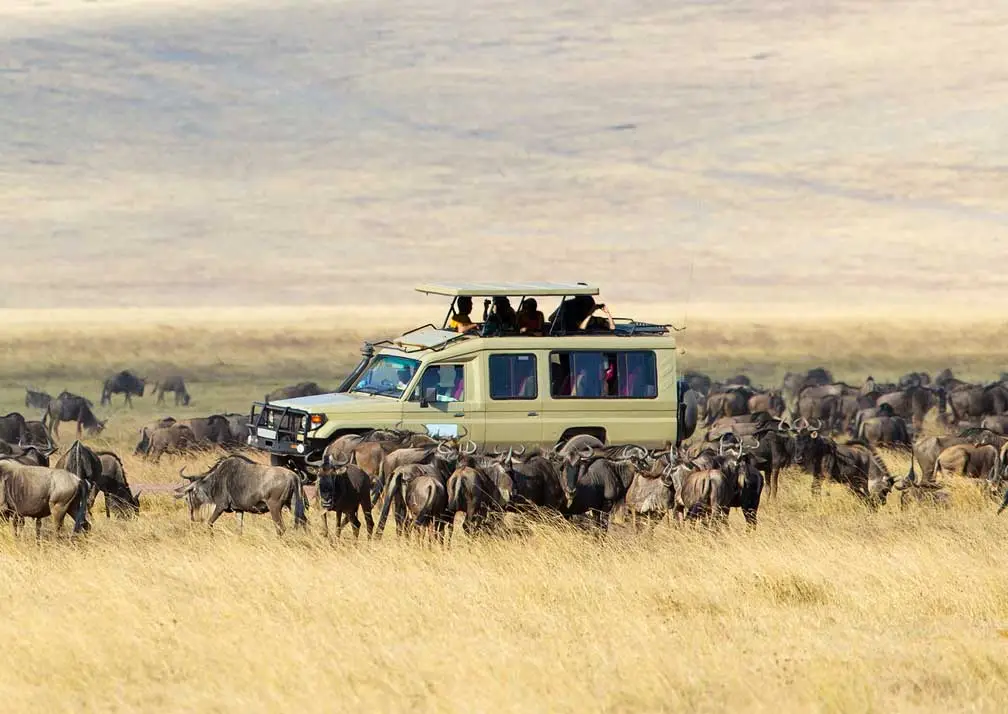
Great Migration Safaris
Experience one of nature's greatest spectacles with our Great Migration safari packages, timed for river crossings or calving.
View Package →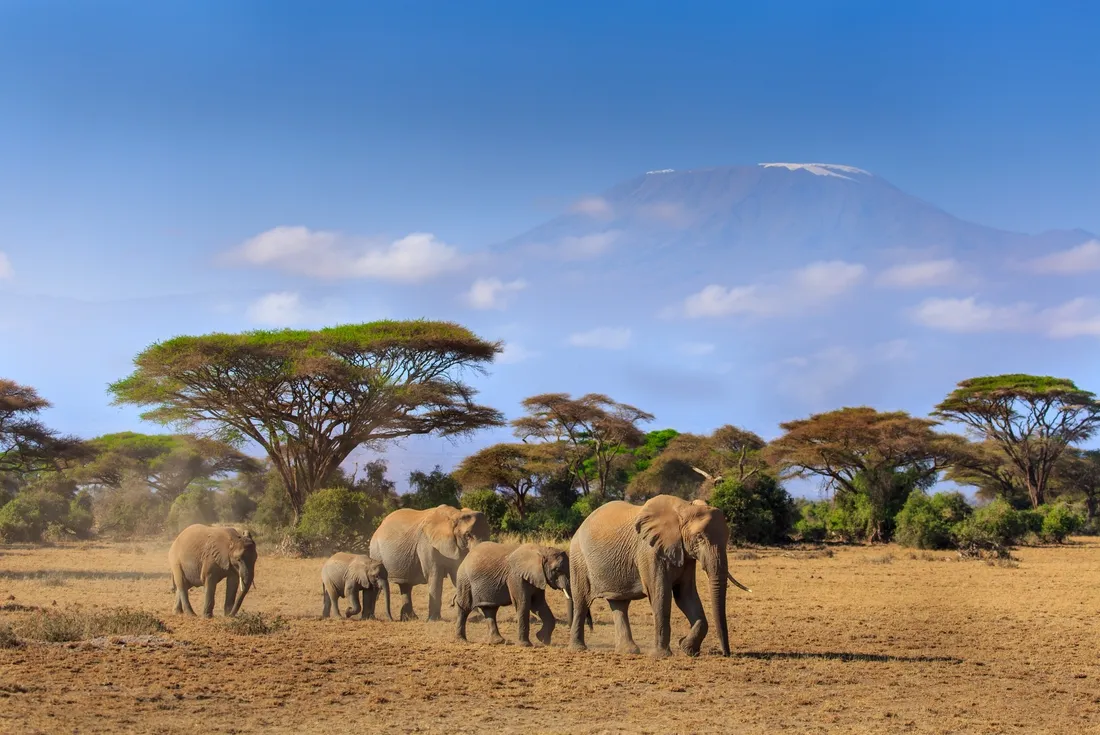
Serengeti & Kilimanjaro Trek
Combined safari and trekking tours offer wildlife adventures and Kilimanjaro climbs.
View Package →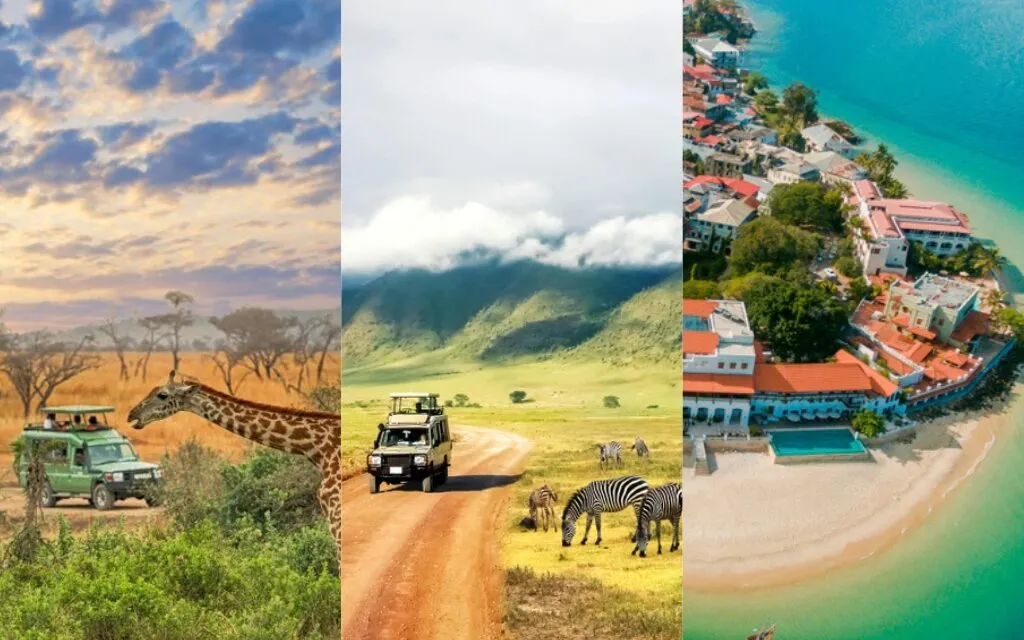
Serengeti & Zanzibar Tours
Luxury Tanzania safari & beach packages with the Great Migration and pristine beaches.
View Package →Related: Best Time to Visit Tanzania 2026 – Perfect safari extension after your Saudi Arabia adventure.